 MomSkoop
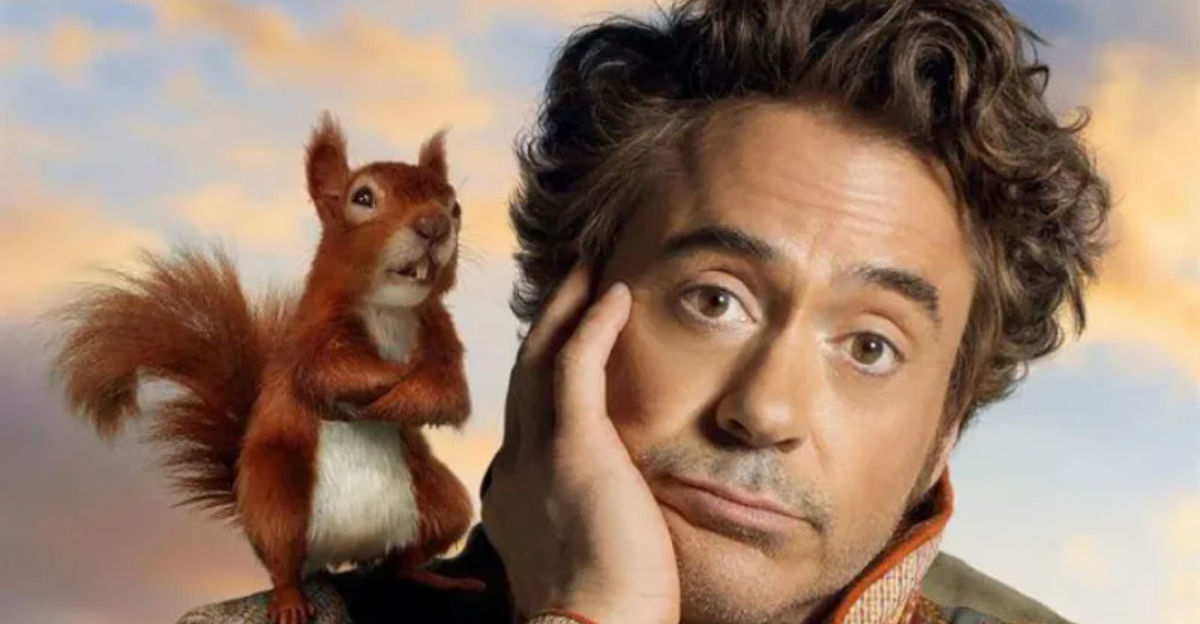
Some movies do not slowly lose the audience – they set off alarm bells the second they are announced. A bad trailer, messy production gossip, or a baffling creative choice can make a release feel cursed long before opening night.
You can almost feel when a film is fighting an uphill battle it probably will not win. These 15 movies had that exact energy from day one, and watching the warning signs pile up was almost more memorable than the films themselves.
1. Madame Web (2024)
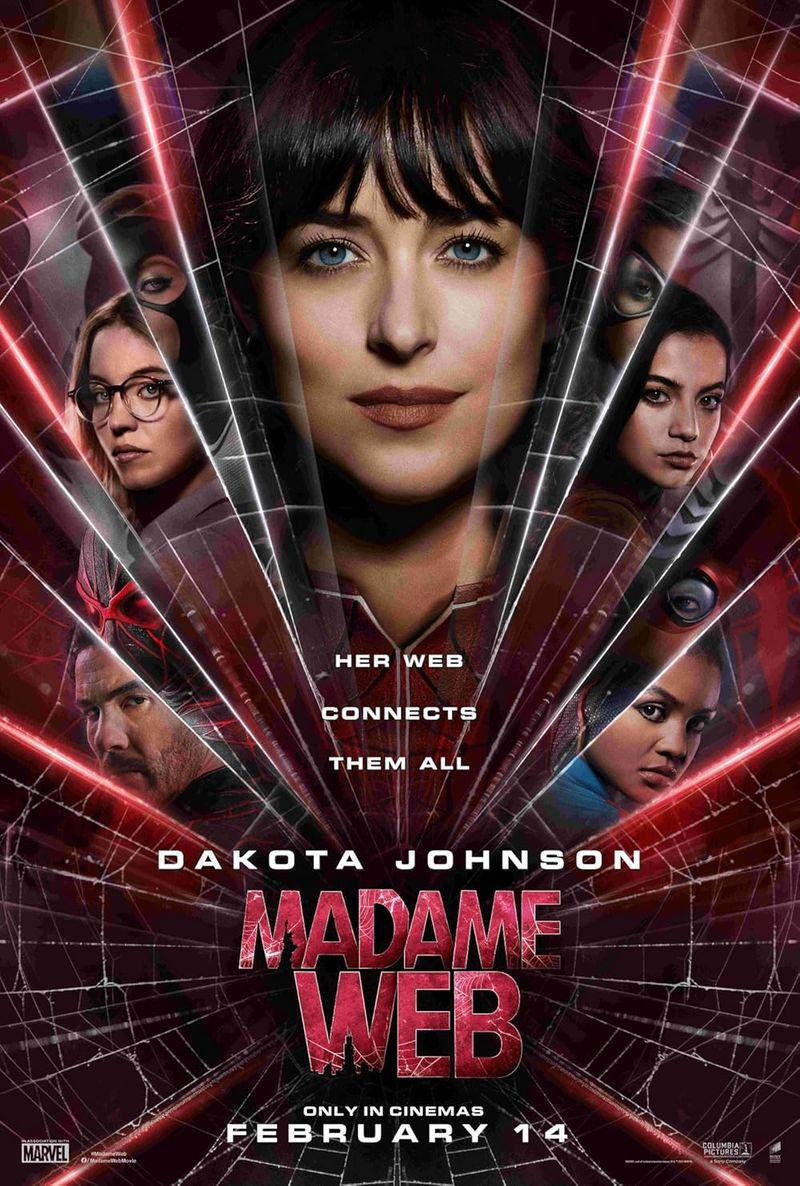
From the moment Madame Web started showing off its marketing, it felt like the movie did not know how to sell itself.
The trailers looked strangely flat, the tone seemed all over the place, and casual viewers kept asking the same brutal question: why this character?
When a superhero movie cannot make its own premise sound exciting, you can already feel the trouble brewing.
There was also almost no built-in audience urgency behind it.
Unlike bigger Marvel names, Madame Web never had the kind of fan demand that could survive weak promotion or uncertain buzz.
You could sense people were treating it less like an event and more like an obligation, which is never where you want a big franchise hopeful to start.
2. Morbius (2022)
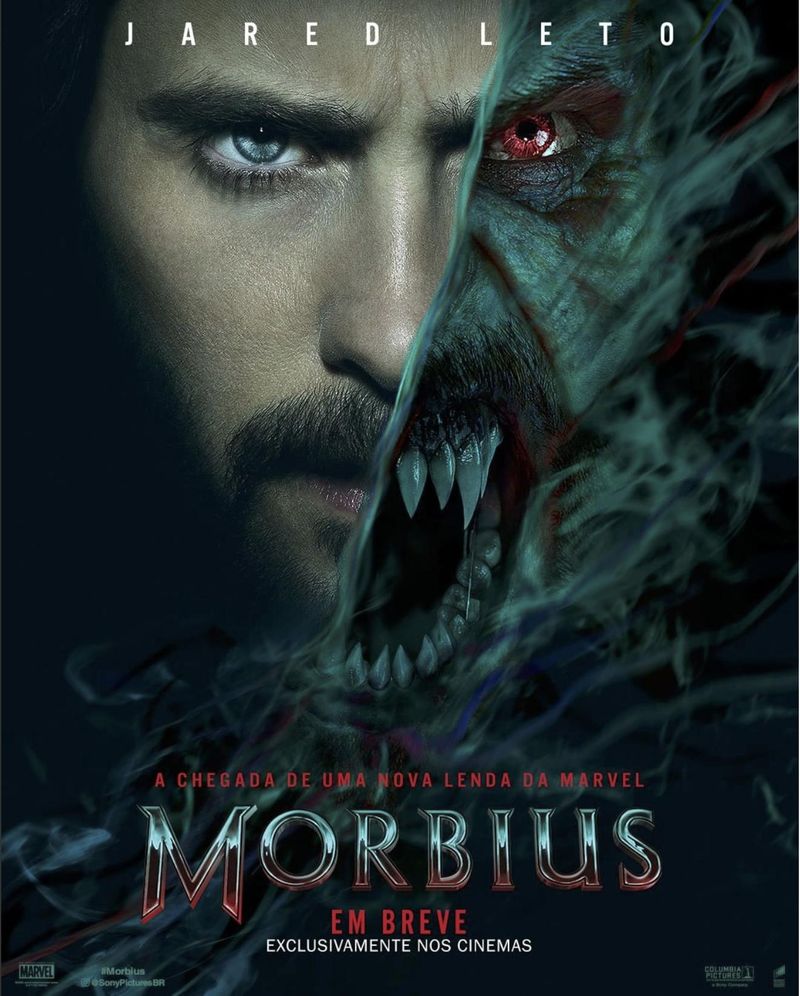
Morbius had bad omens hanging over it long before anyone bought a ticket.
Repeated delays made it feel less like a must-see release and more like a movie the studio kept nervously pushing around the calendar.
Every time it moved, confidence seemed to drop another level, and the online chatter only got harsher.
The bigger problem was simple: people were not convinced this Spider-Man adjacent universe could keep expanding without Spider-Man.
The trailers leaned hard on vague connections instead of giving Morbius a compelling identity of his own.
When the strongest selling point is reminding viewers of another, better character, you are already telling them this is not the movie they actually wanted.
3. Cats (2019)
Cats probably entered the disaster hall of fame the second that first trailer hit the internet.
Instead of building anticipation, it inspired instant confusion, memes, and the kind of horrified fascination that usually belongs to midnight cult movies.
You did not need industry insight to know something had gone very wrong, because everyone online was reacting in real time.
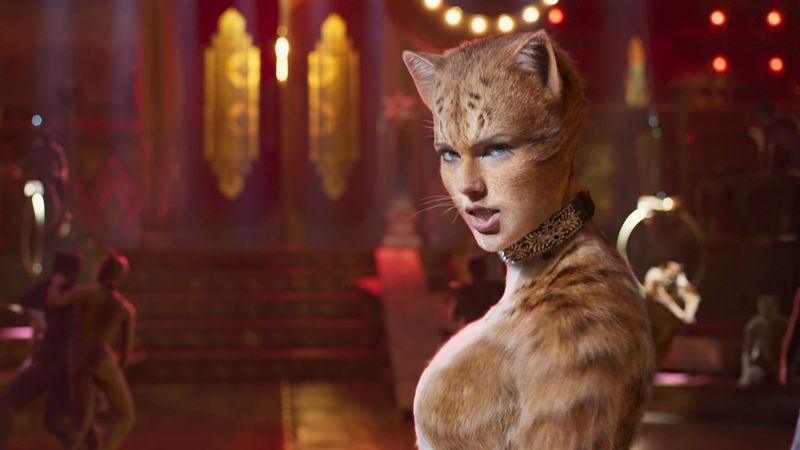
The digital fur technology became the story, which is almost always fatal for a movie trying to sell emotion, music, and spectacle.
People were not debating the songs or performances – they were asking why the characters looked so unsettling.
Once a trailer turns your film into a punchline before opening weekend, you are no longer launching a hit.
You are managing impact.
4. Borderlands (2024)
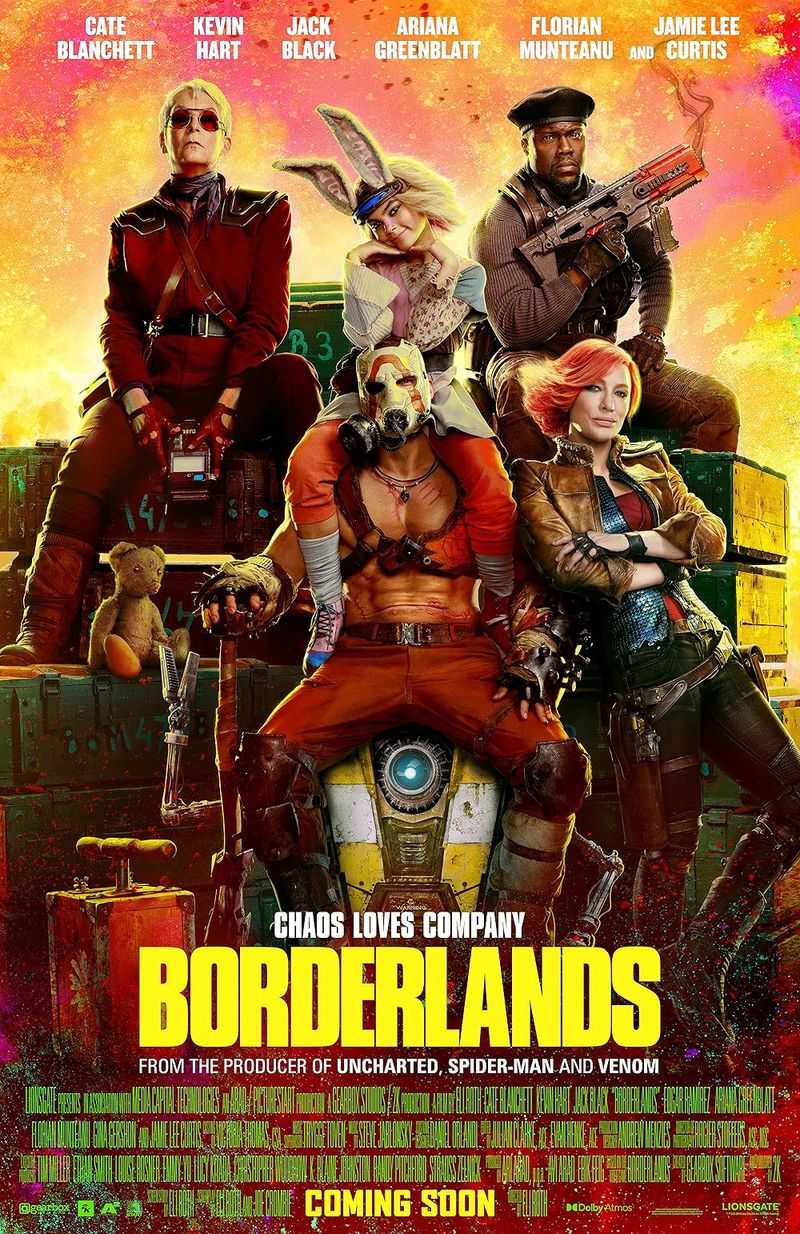
Borderlands sounded risky almost from the second it became a real movie project.
The games have a very specific chaotic tone, and early reactions suggested fans were not convinced the adaptation truly understood what made that world click.
Throw in years of delays and reshoots, and it started feeling like a film constantly trying to correct itself.
Casting debates only added to the anxiety.
Instead of excitement building around a bold vision, the conversation kept circling back to whether the movie looked too sanitized, too miscast, or too disconnected from the source material.
That is a rough place for any adaptation to begin, especially one based on a property whose fans can immediately tell when the energy feels off.
5. The Flash (2023)
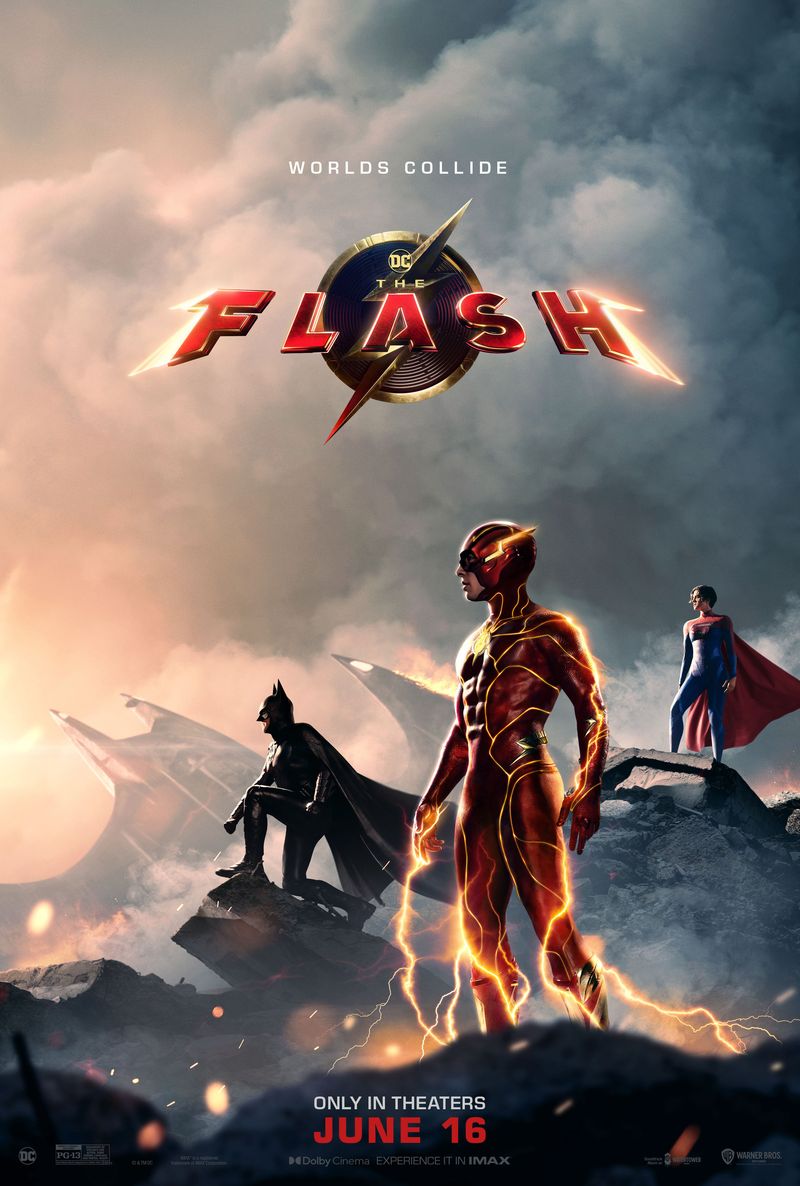
The Flash spent so many years trapped in development issues that it already felt exhausted before release.
Directors came and went, the project kept shifting shape, and the movie gained that unmistakable aura of a production that could never get stable footing.
Even if you wanted to stay optimistic, the path to theaters looked painfully messy.
Then the off-screen controversies surrounding its star completely overwhelmed the marketing conversation.
Instead of talking about the character’s long-awaited solo movie, people kept focusing on everything around it.
That kind of distraction can swallow a blockbuster whole, especially when audiences are already dealing with superhero fatigue.
By the time promotion ramped up, the movie felt less like a celebration and more like a problem everyone had to tiptoe around.
6. Fant4stic (Fantastic Four) (2015)
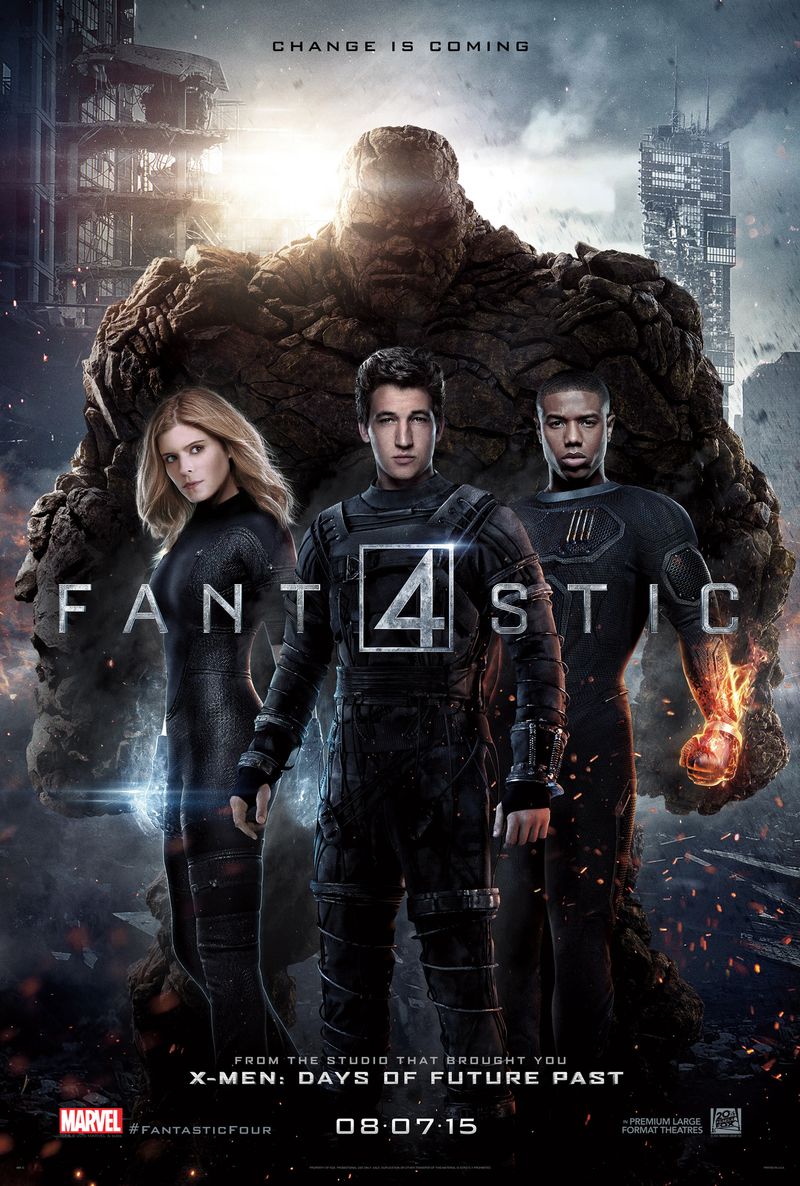
Fant4stic had warning signs long before release, and they were not exactly subtle.
Reports of behind-the-scenes conflict started leaking early, which is never comforting when a studio is trying to relaunch a major superhero team.
Instead of hearing about a confident creative direction, audiences kept hearing about tension, rewrites, and a project that might be slipping out of control.
The marketing did not calm anyone down either.
It looked unusually grim for Fantastic Four, a property many fans associate with adventure, chemistry, and fun energy.
You could feel the disconnect immediately, as if the film was embarrassed by its own comic book roots.
When a reboot alienates old fans without clearly winning over new ones, the ceiling gets very low very quickly.
7. Dark Phoenix (2019)
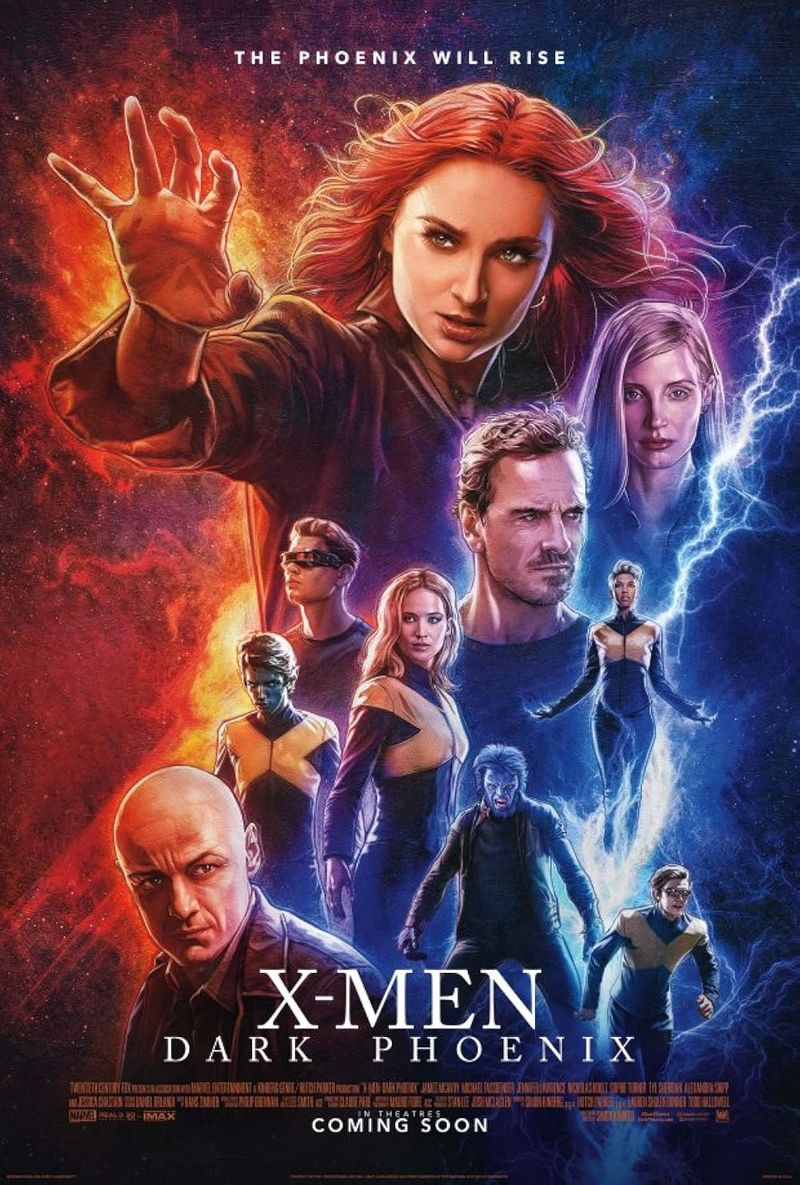
Dark Phoenix arrived with the kind of exhausted energy that is hard to hide.
Multiple delays signaled a lack of confidence, and by that point the X-Men franchise already felt like it was running on fumes.
Instead of building momentum, every schedule shift made the movie seem more like unfinished business than an exciting finale.
There was also the awkward fact that audiences had seen this storyline adapted before, and not especially well.
That made the whole thing feel less essential from the start.
The trailers promised scale and emotion, but they never shook the sense of familiarity or franchise fatigue hanging over everything.
When viewers feel like they are being asked to revisit an old problem rather than discover something fresh, enthusiasm fades fast.
8. The Mummy (2017)
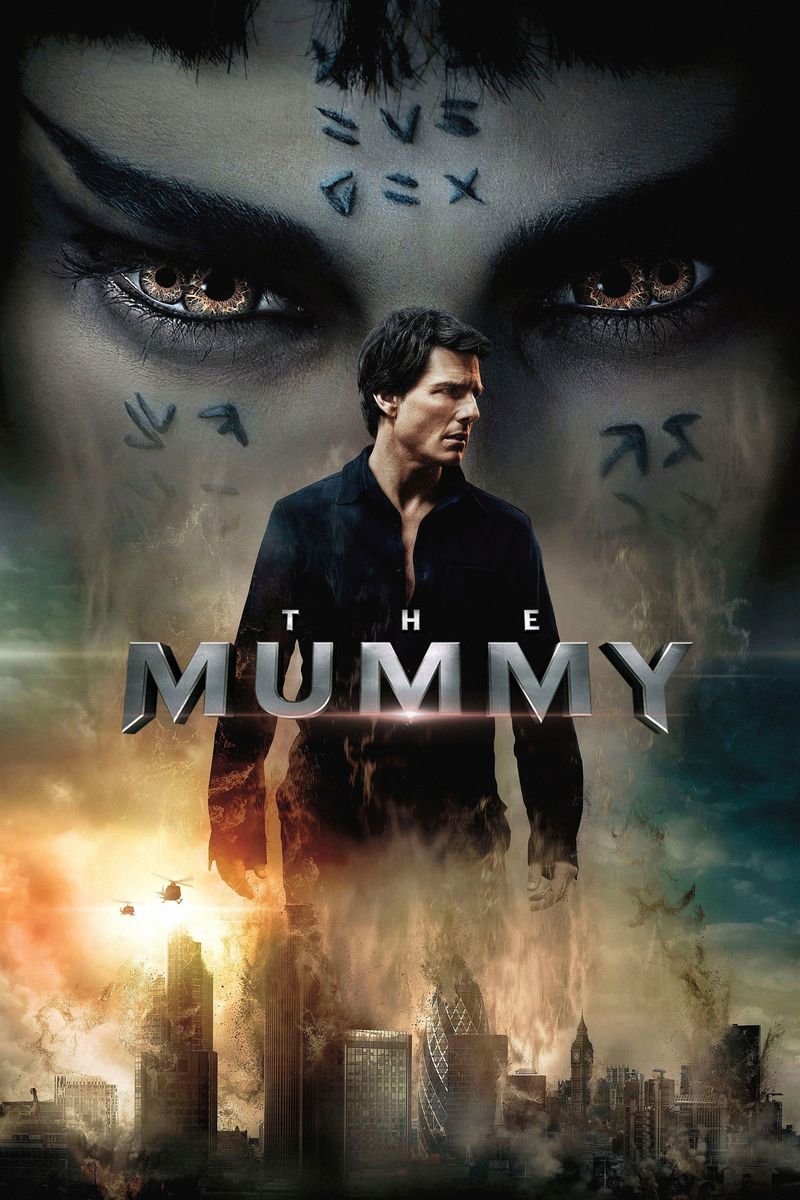
The Mummy did not just have to work as a movie – it had to launch a whole Dark Universe, and that pressure showed immediately.
Instead of feeling like a thrilling standalone adventure, it felt engineered to kick off a franchise machine.
Audiences can usually sense when a studio is planning sequels before earning interest in the first film.
That made the project feel forced from the beginning.
The marketing pushed scale and universe-building, but many viewers just wanted to know whether this version of The Mummy would actually be fun.
It did not help that the tone seemed caught between horror, action spectacle, and corporate franchise setup.
When a movie feels like a boardroom strategy first and a story second, people start checking out early.
9. Jem and the Holograms (2015)
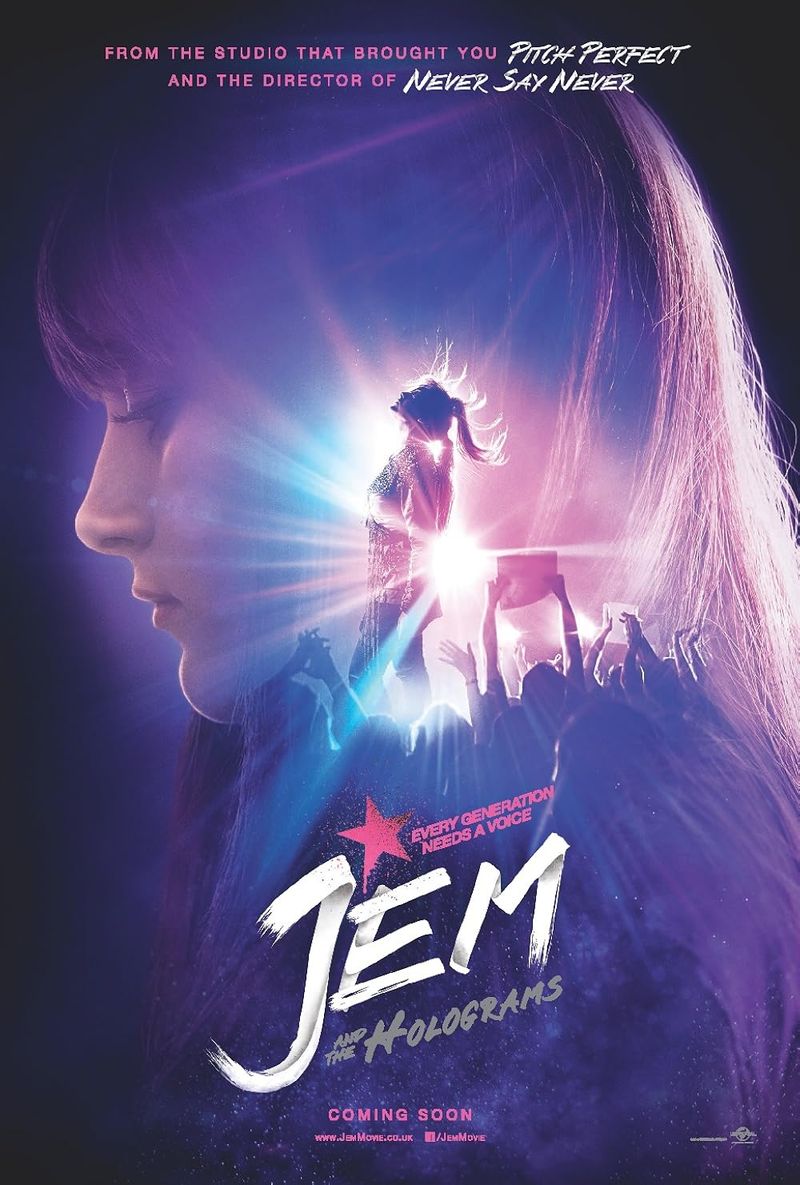
Jem and the Holograms ran into fan rejection almost instantly, and the trailer was the main reason.
People who loved the original saw a generic teen drama where they expected something bolder, stranger, and more stylized.
Instead of capturing the spirit of the property, the marketing made it look flattened into a very familiar YA formula.
That early backlash mattered because this was never a title with unlimited mainstream appeal.
It needed fans to champion it, and they were doing the exact opposite.
Once the core audience starts saying,
10. Robin Hood (2018)
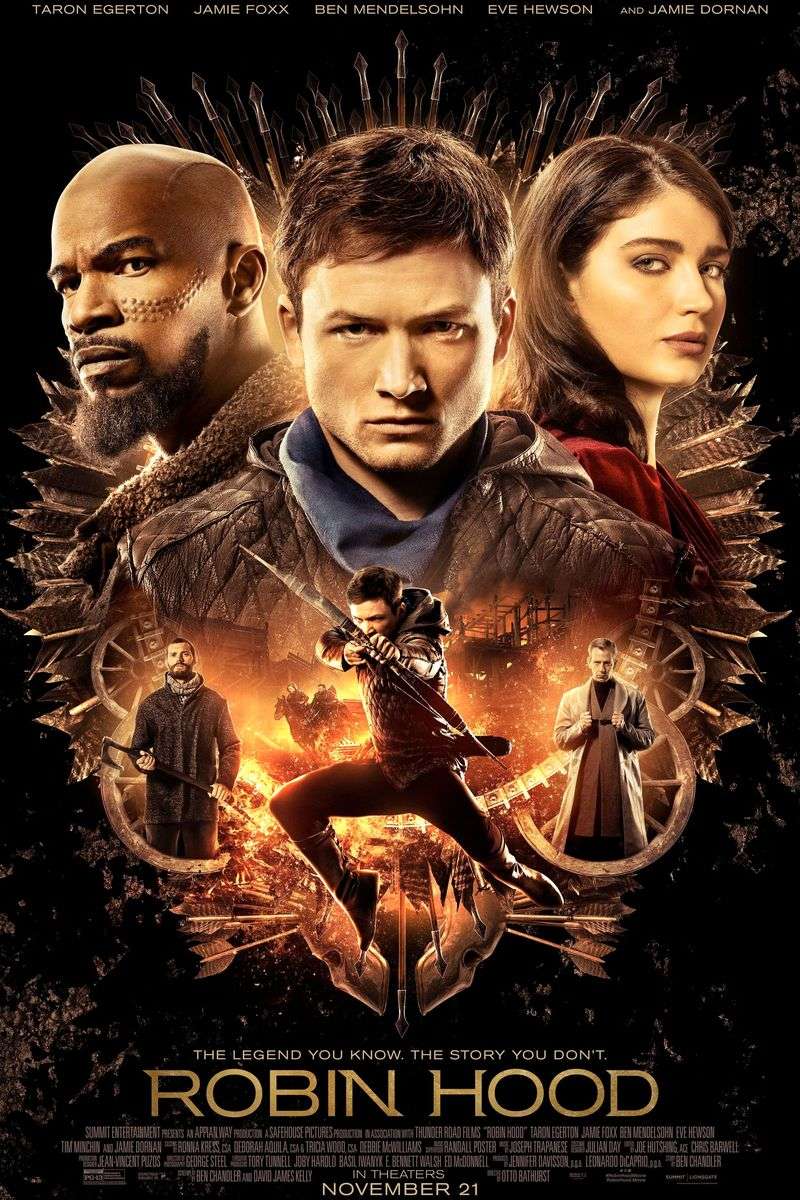
Robin Hood felt doomed because almost nobody was asking for another Robin Hood reboot in the first place.
That does not make success impossible, but it does mean the movie has to look fresh, urgent, or wildly entertaining right away.
The trailers did the opposite, giving off a generic action-blockbuster vibe that could have belonged to almost anything.
There was no strong hook beyond
11. Dolittle (2020)
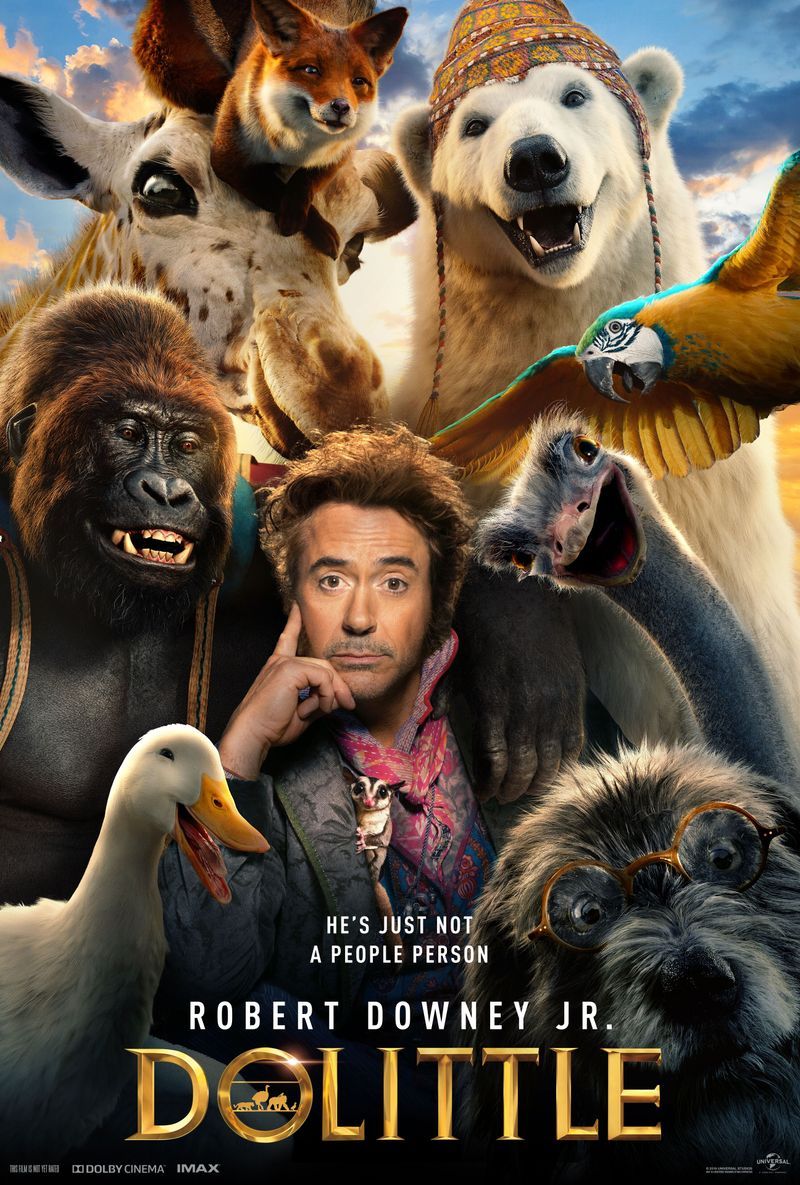
Dolittle had that unmistakable smell of expensive panic before it even reached theaters.
Reports about extensive reshoots and behind-the-scenes production trouble started painting a picture of a movie being rebuilt on the fly.
Once that narrative takes hold, every trailer gets watched less as entertainment and more as evidence of what went wrong.
The marketing never really solved the confidence problem.
Instead of looking magical or charming, it often felt oddly hectic and tonally uncertain, as if the movie was struggling to decide who it was for.
Family films need warmth and clarity, and Dolittle looked suspiciously manufactured from the outside.
When audiences sense confusion in something this costly, they start bracing for disaster instead of planning a fun trip out.
12. Moonfall (2022)
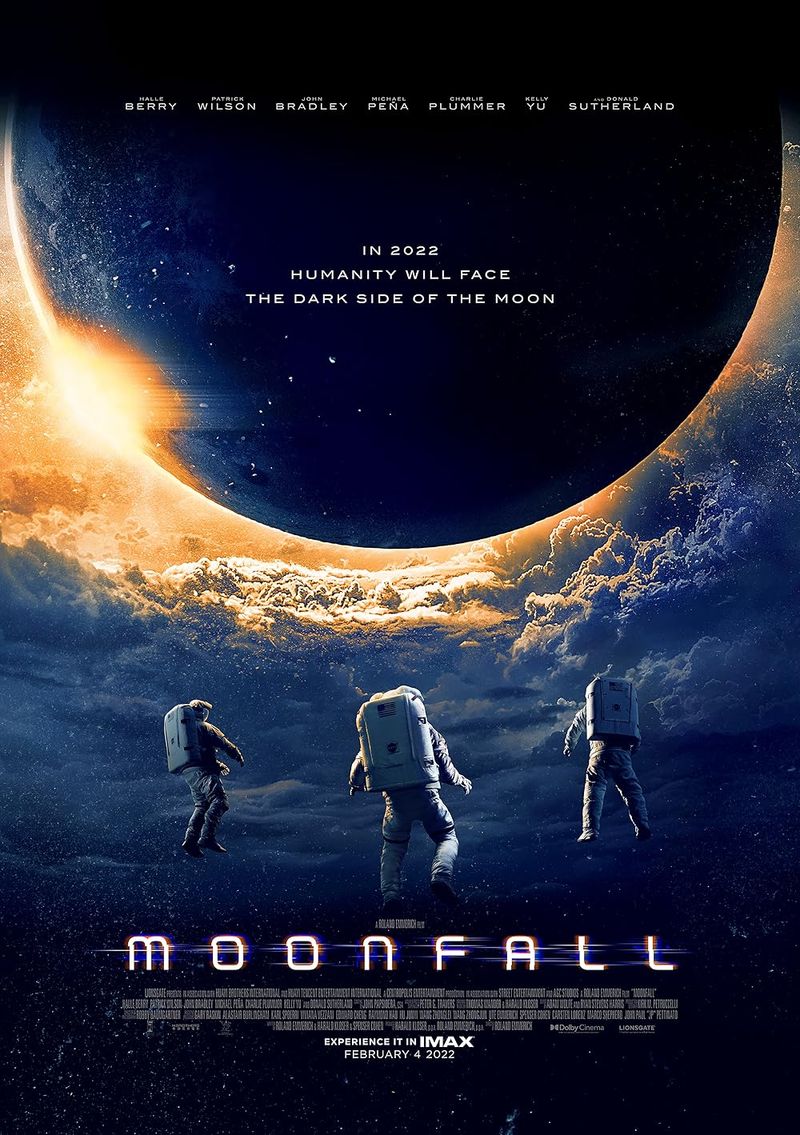
Moonfall was one of those movies where the premise alone made people raise an eyebrow.
A giant disaster film about the moon going wildly off course sounded so over-the-top that online reactions started mocking it long before release.
Big, ridiculous ideas can work, but only when audiences believe the movie understands the line between thrilling and silly.
Here, many people assumed it had already crossed that line.
The trailers leaned into giant-scale destruction, but they did not convince skeptics that there was anything more grounding the chaos.
Instead, the whole project became easy meme material.
When a film becomes the butt of the joke before opening night, it can still succeed on camp appeal, but it is rarely entering theaters with healthy momentum.
13. Terminator Genisys (2015)
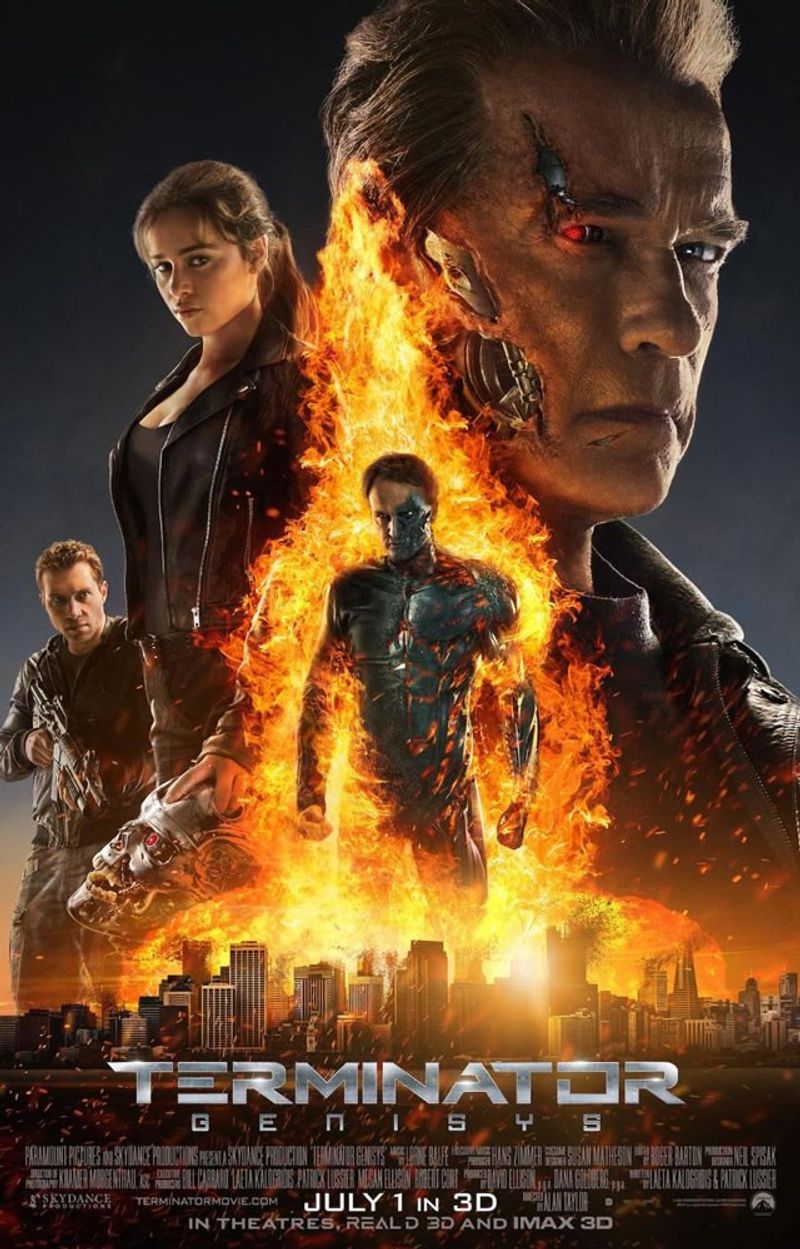
Terminator Genisys had a nearly impossible job, but its marketing somehow made that job harder.
Instead of protecting the movie’s surprises, the campaign openly spoiled one of its biggest twists, which instantly drained curiosity.
If you are trying to revive a legendary franchise, giving away major story turns before release is a baffling way to build excitement.
There was also a broader sense that the series had lost its identity.
Fans wanted a return to the sharp tension and clean mythology of the best Terminator films, but the trailers suggested another messy remix of familiar ideas.
Rather than feeling essential, Genisys looked like a desperate attempt to restart the machine.
And audiences can tell when a reboot is running mostly on fumes and branding.
14. Independence Day: Resurgence (2016)
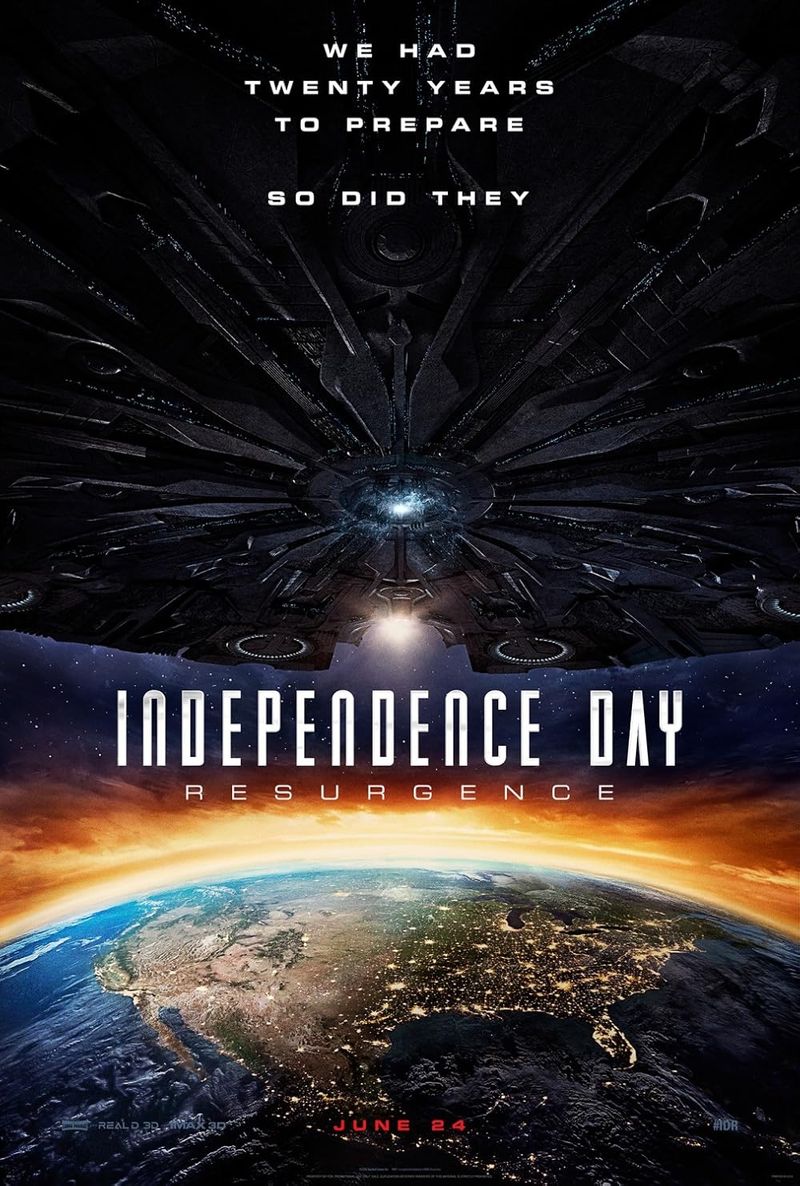
Independence Day: Resurgence had the classic legacy-sequel problem: it showed up long after the cultural moment had passed.
There is always a risk in waiting two decades to continue a giant hit, especially when the follow-up does not arrive with overwhelming demand.
Instead of feeling like a triumphant return, it felt like a late reminder.
The missing spark was obvious in the build-up.
People remembered the original as a big summer event, but there was little sense that this sequel was becoming one.
The marketing leaned hard on nostalgia and larger destruction, yet neither seemed enough to create real urgency.
When a sequel depends on old affection without generating new excitement, it starts to feel less like a comeback and more like a delayed obligation nobody specifically requested.
15. The Crow (2024)
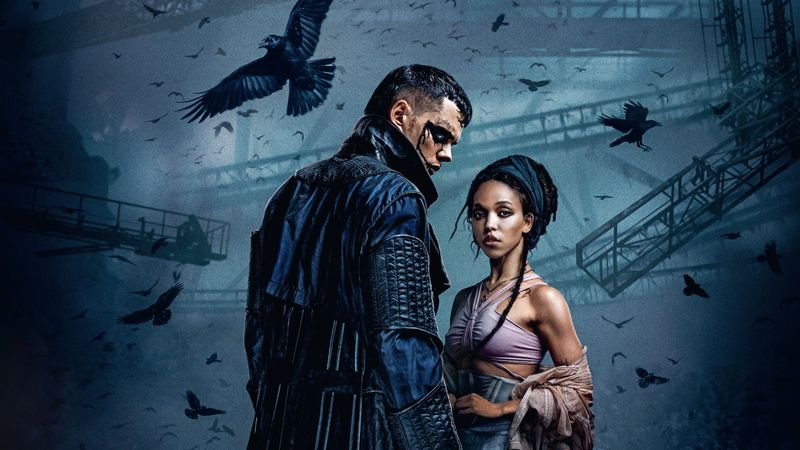
The Crow walked into immediate resistance because first impressions mattered enormously, and the first images sparked backlash fast.
Fans are deeply protective of this property, both because of the original film’s legacy and because of the heavy history surrounding it.
When the reboot’s look appeared online, many people instantly felt the new version misunderstood the character’s aura.
That is a terrible starting point for any remake, but especially for one reviving something so iconic.
Instead of curiosity, the early conversation centered on whether the redesign felt generic, over-styled, or detached from what made The Crow resonate.
Once a reboot starts by convincing longtime fans it should not exist, the road back gets very steep.
You are not building hype then – you are defending the project itself.