 MomSkoop
Some horror movies scare you for a night, but the truly unforgettable ones burn images into your brain for years. The films on this list turn color, shadow, space, and movement into something deeply unsettling, almost impossible to shake.
If you love horror that feels like a waking nightmare rather than a simple thrill ride, these are the movies that demand your attention. Each one proves that a single frame can be as disturbing as any monster.
1. Suspiria (1977)
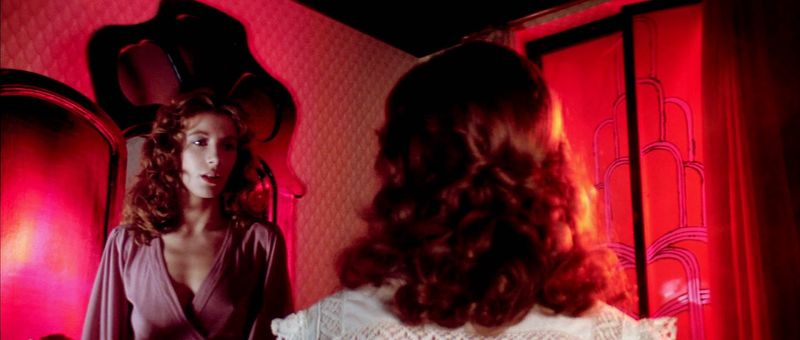
Dario Argento’s Suspiria feels less like a movie and more like a cursed fairy tale soaked in neon blood.
Every hallway, curtain, and splash of color seems designed to overwhelm your senses until you feel trapped inside its feverish logic.
You are not simply watching events unfold – you are drifting through a nightmare that refuses realism.
The reds are impossibly rich, the blues pulse like bruises, and the production design turns architecture into psychological warfare.
Even quiet moments feel poisoned by the lighting, as if beauty itself has become predatory.
That is what makes Suspiria so haunting: it transforms visual pleasure into something menacing, hypnotic, and unforgettable, creating an atmosphere that still feels wickedly alive decades later.
2. The Shining (1980)
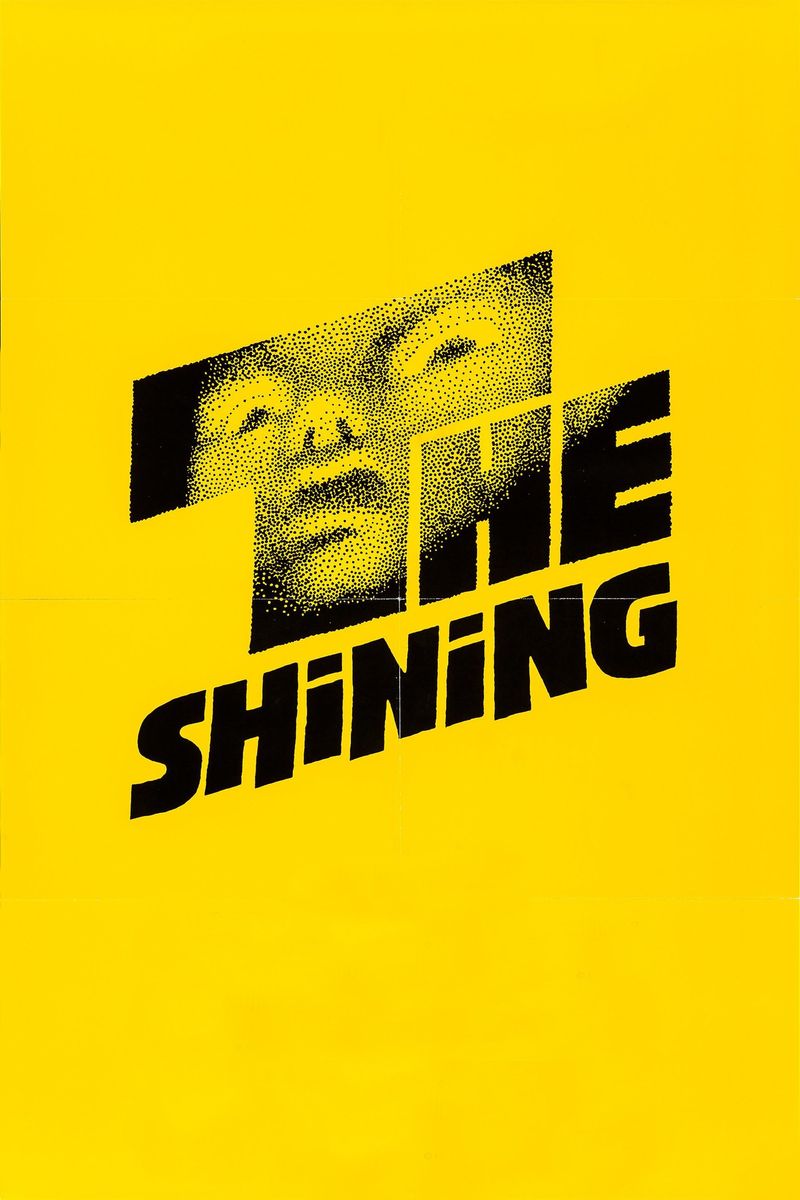
Stanley Kubrick turns The Shining into a maze of impossible geometry, sterile elegance, and creeping dread.
The Overlook Hotel looks grand and inviting at first, yet every corridor seems too long, every room too still, and every pattern too deliberate.
You begin to feel that the building is watching, rearranging itself around anyone unlucky enough to enter.
Its visual horror comes from control rather than chaos.
Symmetry, tracking shots, and cavernous interiors create a suffocating precision that makes the supernatural feel inevitable.
Then Kubrick punctures that icy order with shocking flashes of blood, decay, and madness.
Few films understand so well that haunting imagery does not need darkness alone – it can bloom under bright lights, polished floors, and impossibly empty spaces.
3. Possession (1981)
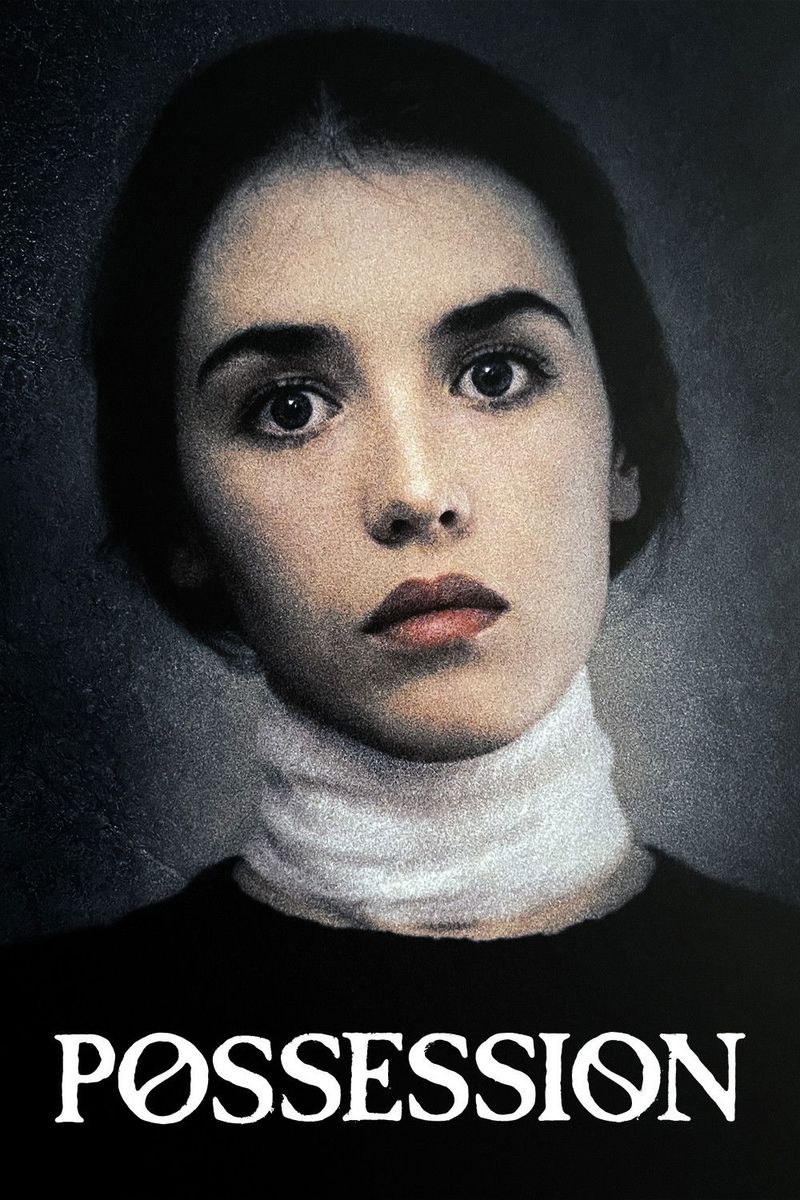
Possession is ugly, beautiful, and emotionally raw in a way that makes most horror look polite.
Andrzej Zulawski shoots domestic collapse like an exorcism, filling apartments, tunnels, and streets with a frantic energy that feels spiritually contaminated.
Watching it, you can almost see grief and rage tearing the frame apart from the inside.
The film’s visual power comes from its instability.
Bodies twist, walls sweat, and ordinary locations become stages for psychic disintegration rather than realism.
Isabelle Adjani’s unforgettable physical performance turns horror into something painfully intimate, while the camera chases emotional extremity with almost unbearable intensity.
Possession haunts because its imagery feels born from total breakdown, where love, identity, and monstrosity blur into one convulsing, unforgettable vision.
4. Jacob’s Ladder (1990)
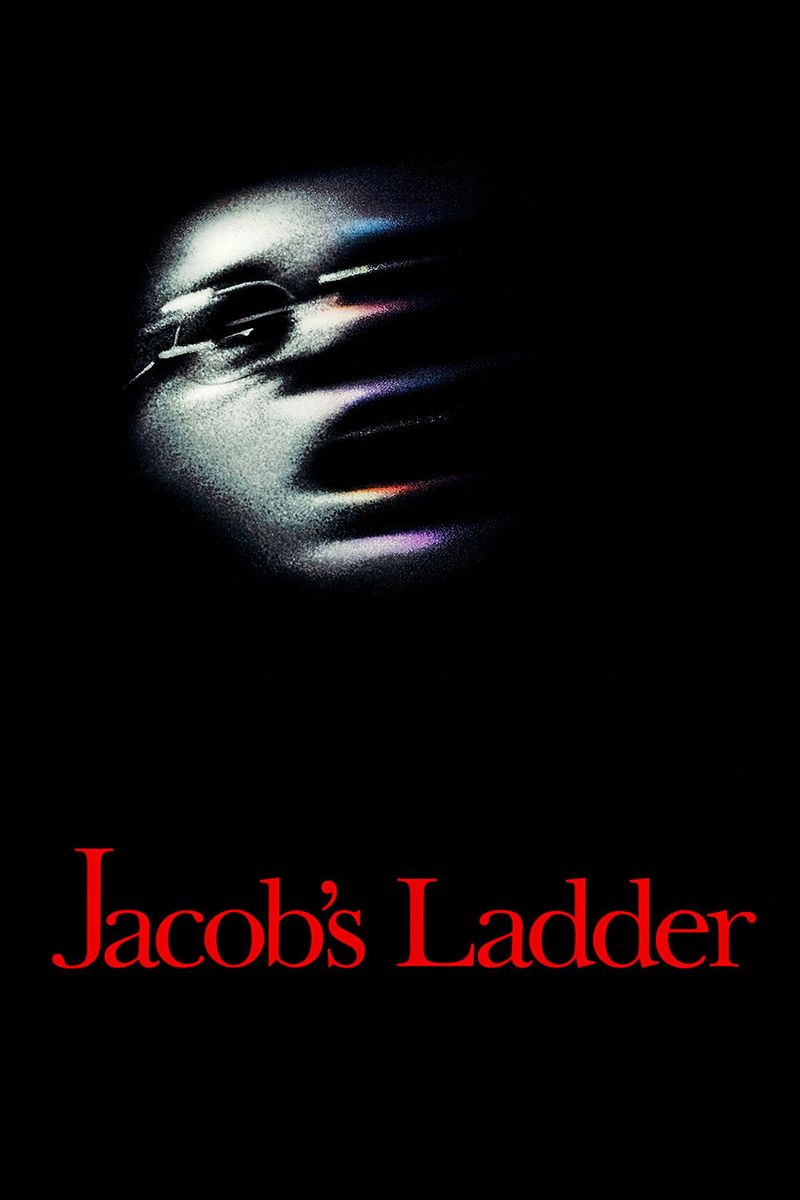
Jacob’s Ladder turns trauma into visual fragmentation, making reality feel unstable long before the worst revelations arrive.
New York appears damp, sickly, and exhausted, as if the whole city has been pulled halfway into a bad dream.
You never feel grounded, because the film constantly suggests that any face, room, or memory might suddenly warp into something infernal.
Its most famous images still sting because they arrive like broken signals from another dimension.
Flickering heads, hellish corridors, and filthy hospital spaces create a vision of spiritual panic that feels deeply personal.
Nothing is polished or theatrical.
The horror seems dragged out of pain, guilt, and confusion.
That rough, hallucinatory texture makes Jacob’s Ladder one of the most unsettling depictions of psychological collapse ever put on film.
5. Candyman (1992)
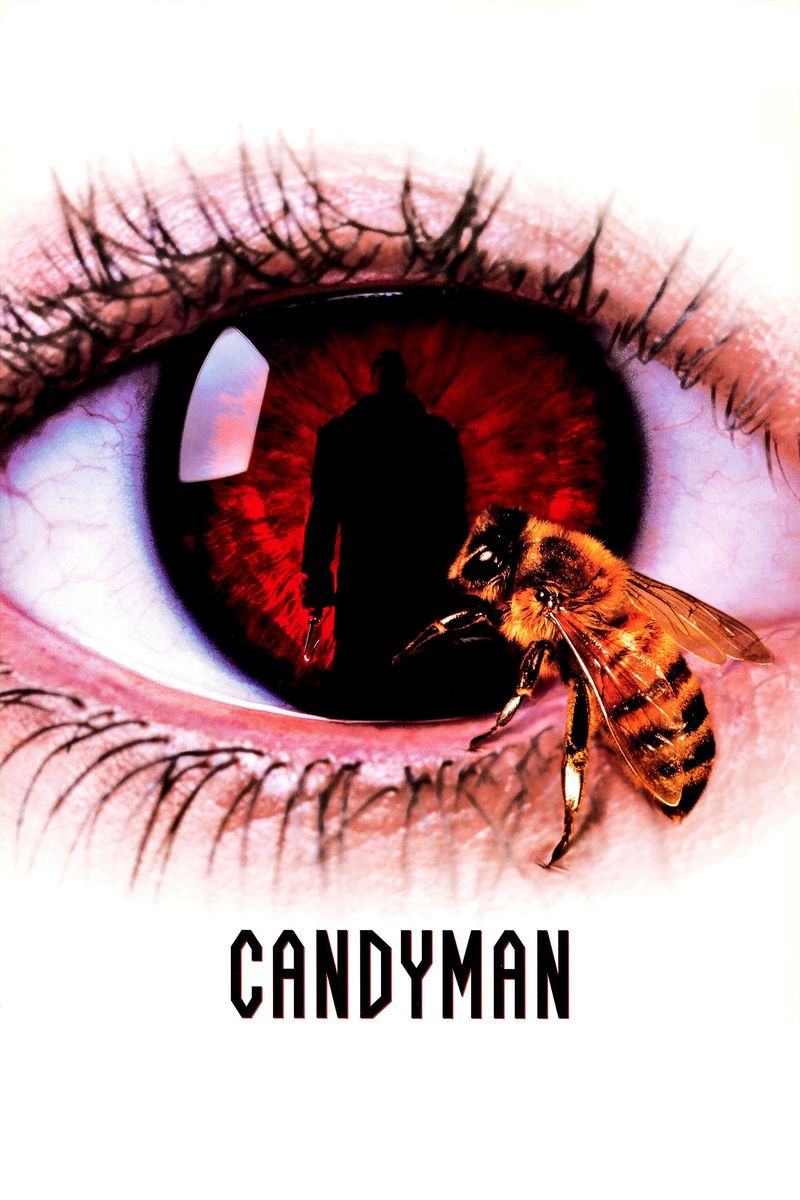
Candyman gives urban spaces a mythic, funereal beauty that lingers long after the story ends.
The film moves through Chicago with a sense of mournful grandeur, turning decaying buildings, empty corridors, and mirrors into gateways for memory and violence.
You can feel how legend seeps into architecture, making every wall seem heavy with buried stories.
Its imagery is unforgettable because it mixes romance and rot so seamlessly.
Bees, blood, graffiti, and candlelit interiors create a visual language that feels both gothic and painfully modern.
Tony Todd’s presence adds elegance rather than excess, letting the film’s tragic atmosphere deepen every frame.
Candyman haunts not just through fear, but through the aching beauty of a ghost story tied to place, race, pain, and longing.
6. The Ring (1998)
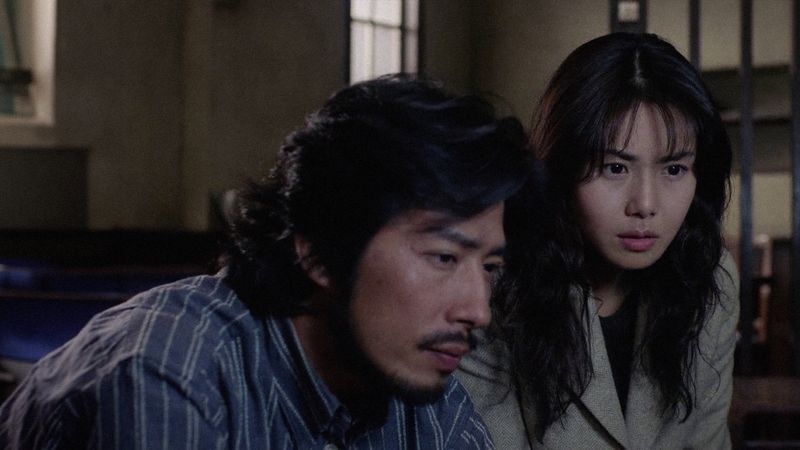
Hideo Nakata’s The Ring is built from cold, damp images that seem infected by dread.
Its muted palette drains warmth from nearly every frame, leaving behind a world of rain, static, water stains, and emotional distance.
You do not just fear what appears on the tape – you start fearing the texture of the entire film.
What makes its visuals so haunting is their restraint.
The movie understands that emptiness, repetition, and quiet decay can be more disturbing than spectacle.
Ordinary objects take on cursed significance, and the videotape imagery feels primitive in a way that bypasses logic and lands directly in your nerves.
The Ring leaves you with pictures that seem half remembered and impossible to shake, like fragments from a nightmare discovered instead of dreamed.
7. Pulse (Kairo) (2001)
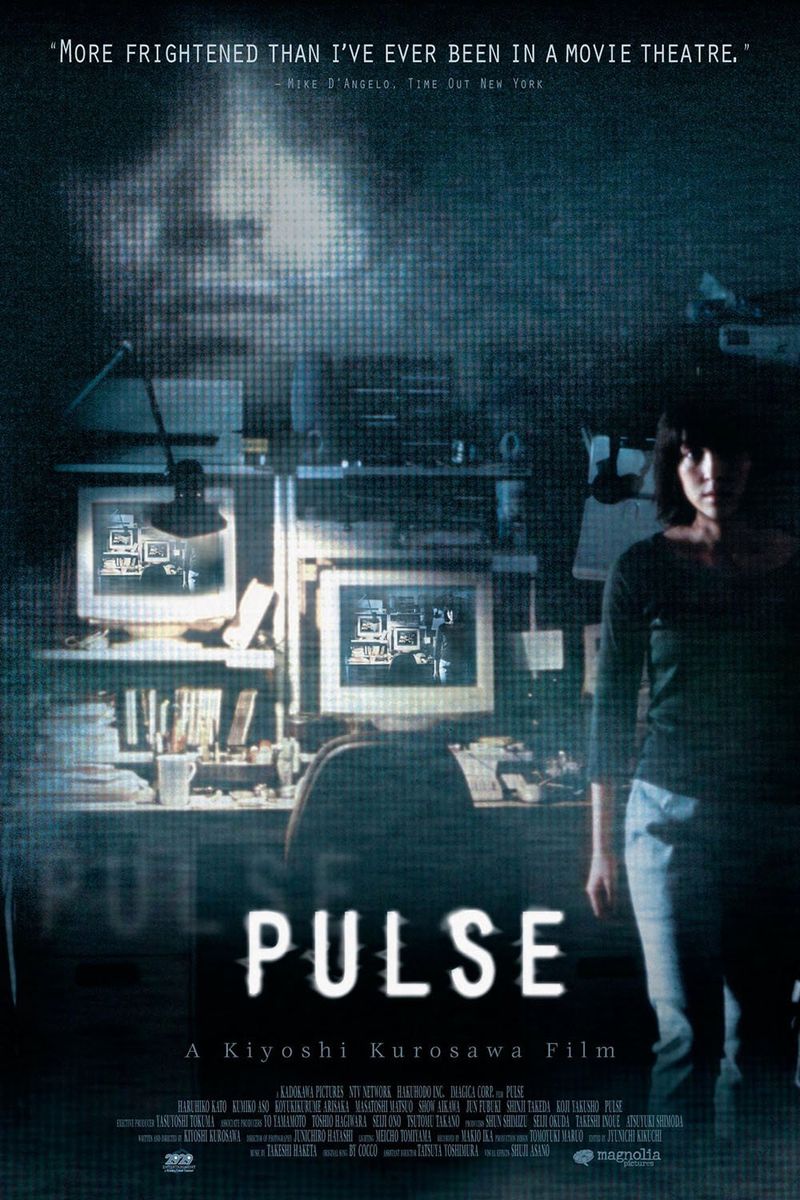
Pulse imagines loneliness as a visual infection spreading quietly through rooms, screens, and empty city spaces.
Kiyoshi Kurosawa fills the film with dead air, pale interiors, and digital gloom, making modern life look spiritually abandoned.
You watch people drift through spaces that feel already evacuated by hope, and that emptiness becomes terrifying.
The horror is devastating because the imagery is so understated.
Ghosts appear with a slowness and distance that make them seem truly unknowable, while the static framing traps you inside unbearable anticipation.
Nothing lunges at the camera, yet every doorway feels wrong.
Pulse remains haunting because it captures a very specific fear: that technology does not connect us at all, but reveals how isolated we were to begin with.
8. Pan’s Labyrinth (2006)
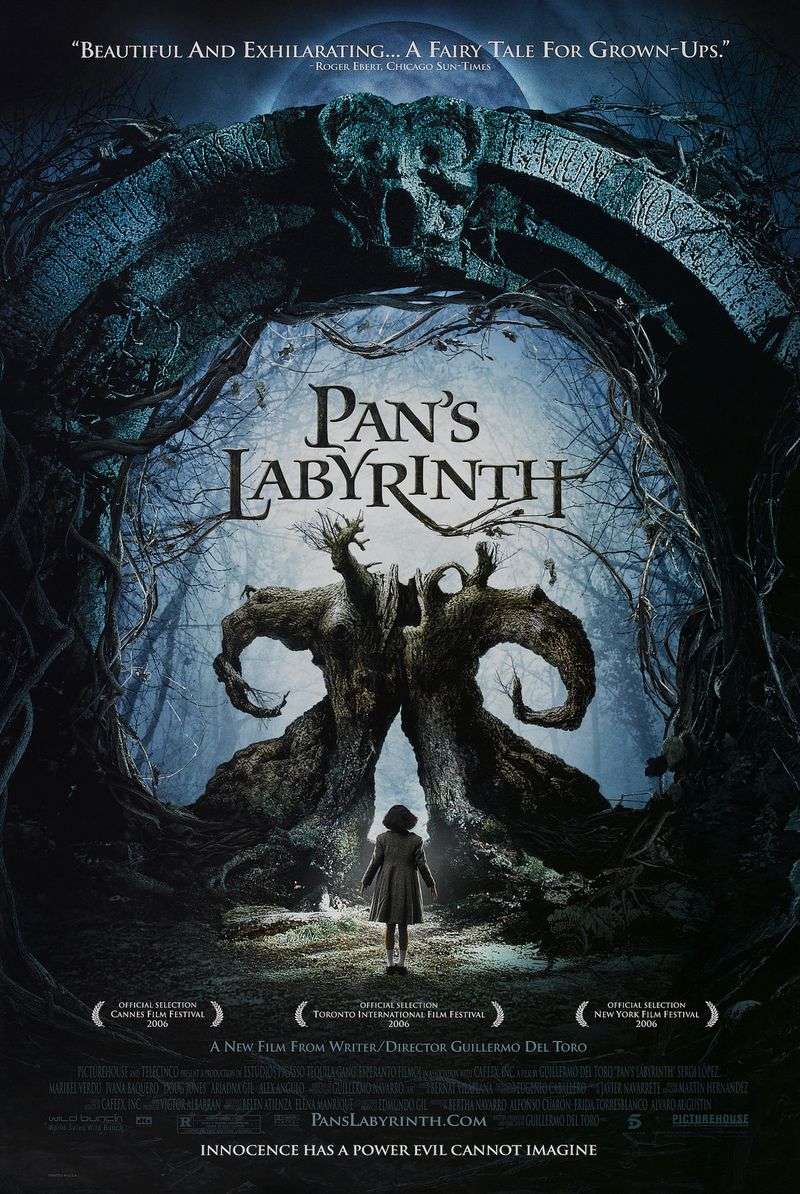
Pan’s Labyrinth balances wonder and terror with images that feel carved from storybook pages and wartime nightmares.
Guillermo del Toro creates a world where roots, stone, candlelight, and blood all seem connected, as if fantasy itself has grown out of historical trauma.
You are constantly pulled between childlike awe and the threat of brutal violence.
What lingers is the film’s tactile richness.
The labyrinth, the underworld chambers, and the creature designs feel handmade, ancient, and alive with dangerous meaning.
Del Toro never lets beauty become safe, which is why each fantastical image carries emotional weight.
Pan’s Labyrinth haunts because it understands that escapism is never pure – it is shaped by fear, resistance, and loss, leaving behind visuals that feel both enchanted and painfully human.
9. Antichrist (2009)
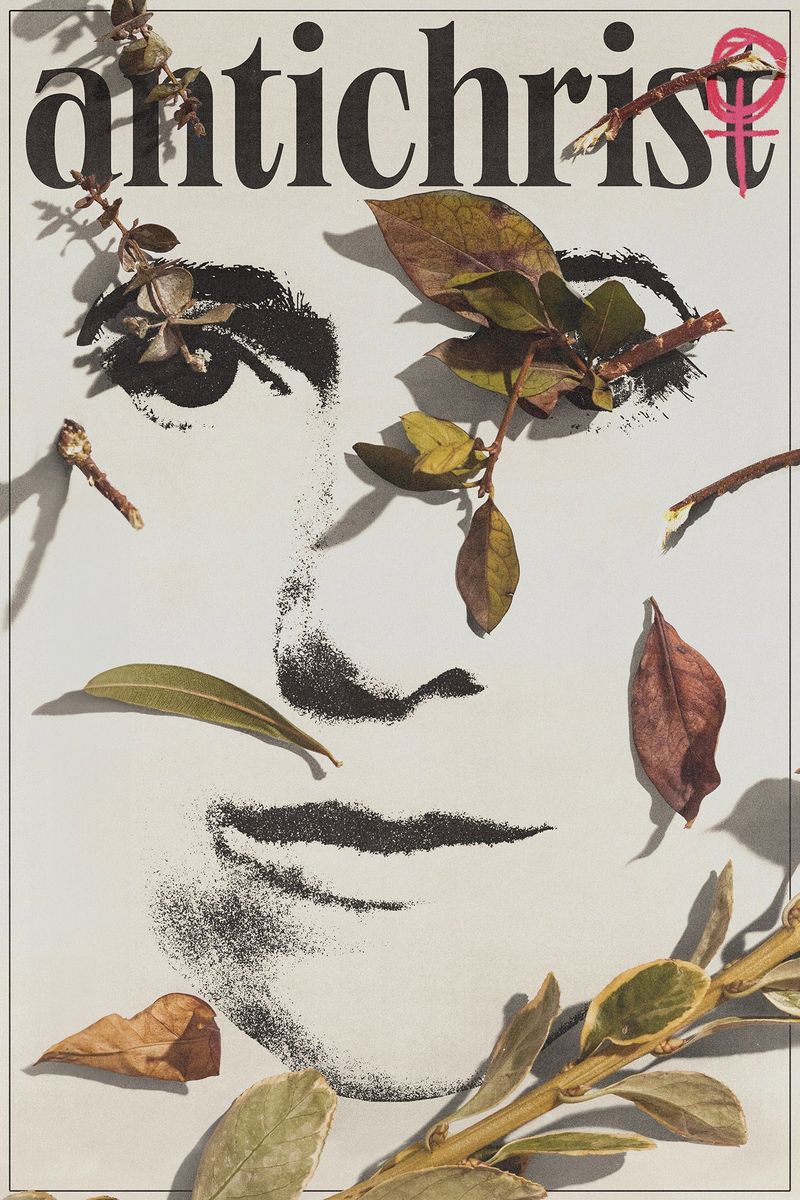
Antichrist is one of those films that feels dangerous simply because of how intensely it is composed.
Lars von Trier uses slow motion, harsh contrasts, and the overwhelming presence of nature to create imagery that feels biblical, intimate, and hostile all at once.
You are not invited into this world – you are confronted by it.
The forest becomes a living expression of grief, desire, and self destruction.
Moss, roots, fog, and animal imagery transform the natural world into something ancient and merciless, while the film’s stark tableaux give suffering an almost ritual form.
It is often beautiful, but never comforting.
Antichrist haunts because it weaponizes visual poetry, forcing unbearable emotions into images so stark and primal that they seem to bypass interpretation entirely.
10. Beyond the Black Rainbow (2010)
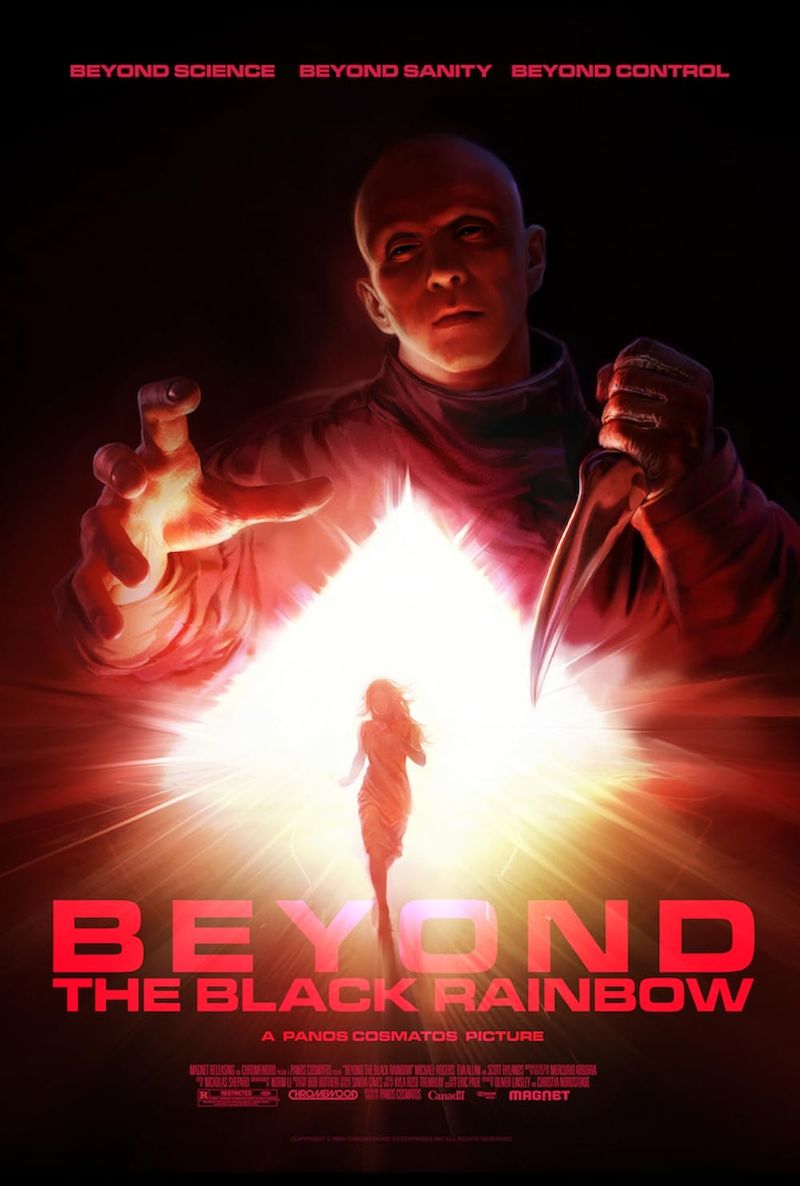
Beyond the Black Rainbow looks like a forgotten nightmare from an alternate version of the 1980s.
Panos Cosmatos fills the screen with glowing color fields, sterile corridors, and abstract compositions that feel both futuristic and decayed.
You are hypnotized before you are frightened, which makes the unease sink in even deeper.
Its visuals are haunting because they prioritize mood over explanation.
Red rooms, black voids, and glass enclosures suggest a universe built on repression, control, and spiritual emptiness.
Every shot lingers long enough to become uncanny, as if the film itself is trying to put you into a trance.
Beyond the Black Rainbow may move slowly, but its imagery sticks hard, creating a beautiful and suffocating vision of synthetic dread.
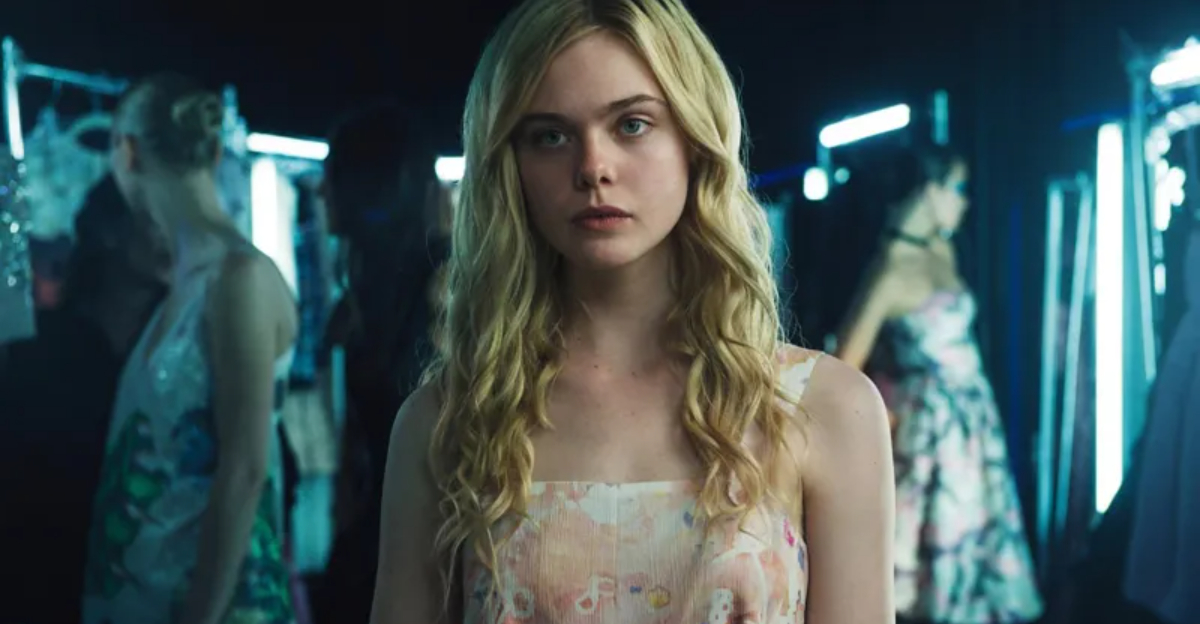
11. The Neon Demon (2016)
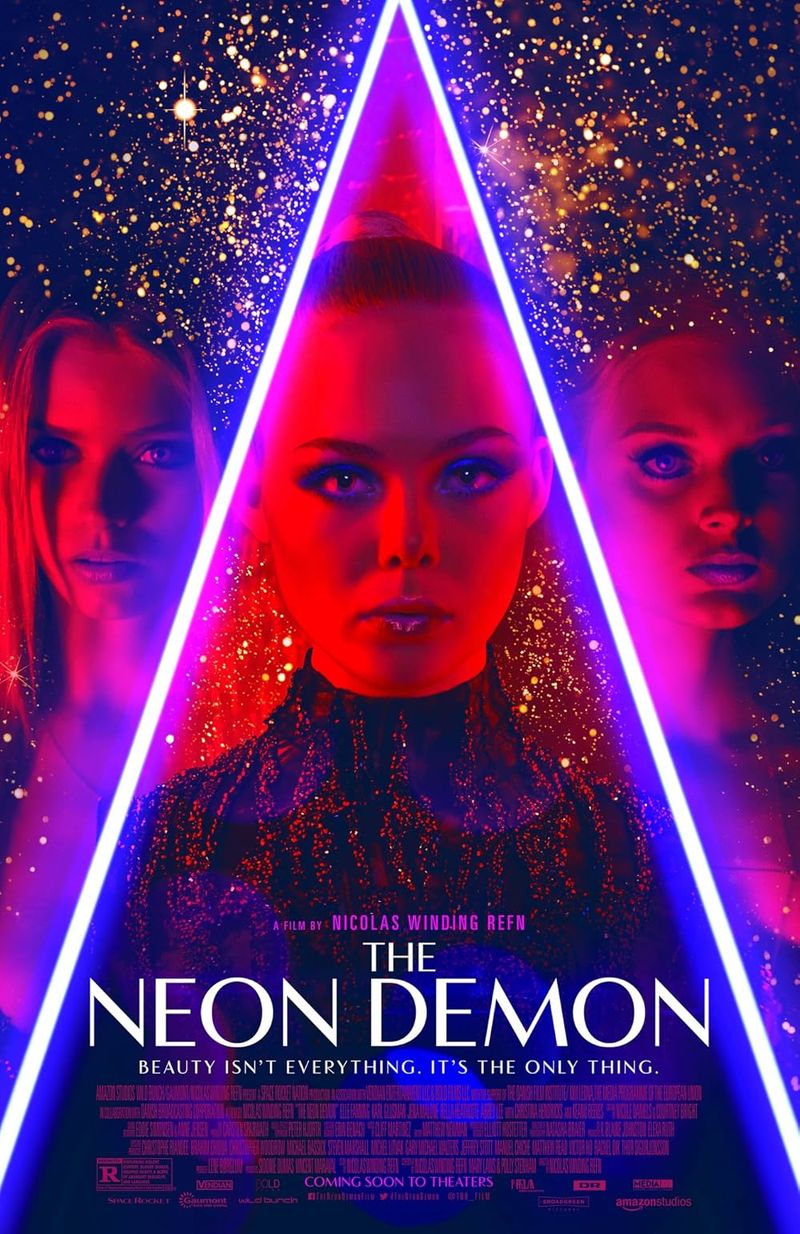
The Neon Demon turns beauty into something ceremonial, artificial, and predatory.
Nicolas Winding Refn shoots Los Angeles like a glowing mausoleum, all mirrors, colored light, and immaculate surfaces waiting to crack.
You can practically feel the emptiness beneath the glamour, which is exactly where the film’s horror lives.
Its most haunting images work because they are so controlled and seductive.
Neon triangles, fashion tableaux, and dreamlike compositions create a trance state where vanity becomes mythic and cannibalistic.
The movie is often cold, but that emotional chill sharpens its visual bite.
The Neon Demon stays with you because it makes surface itself terrifying, showing how beauty can become a void that consumes identity, intimacy, and humanity without leaving a visible stain.
12. The Wailing (2016)
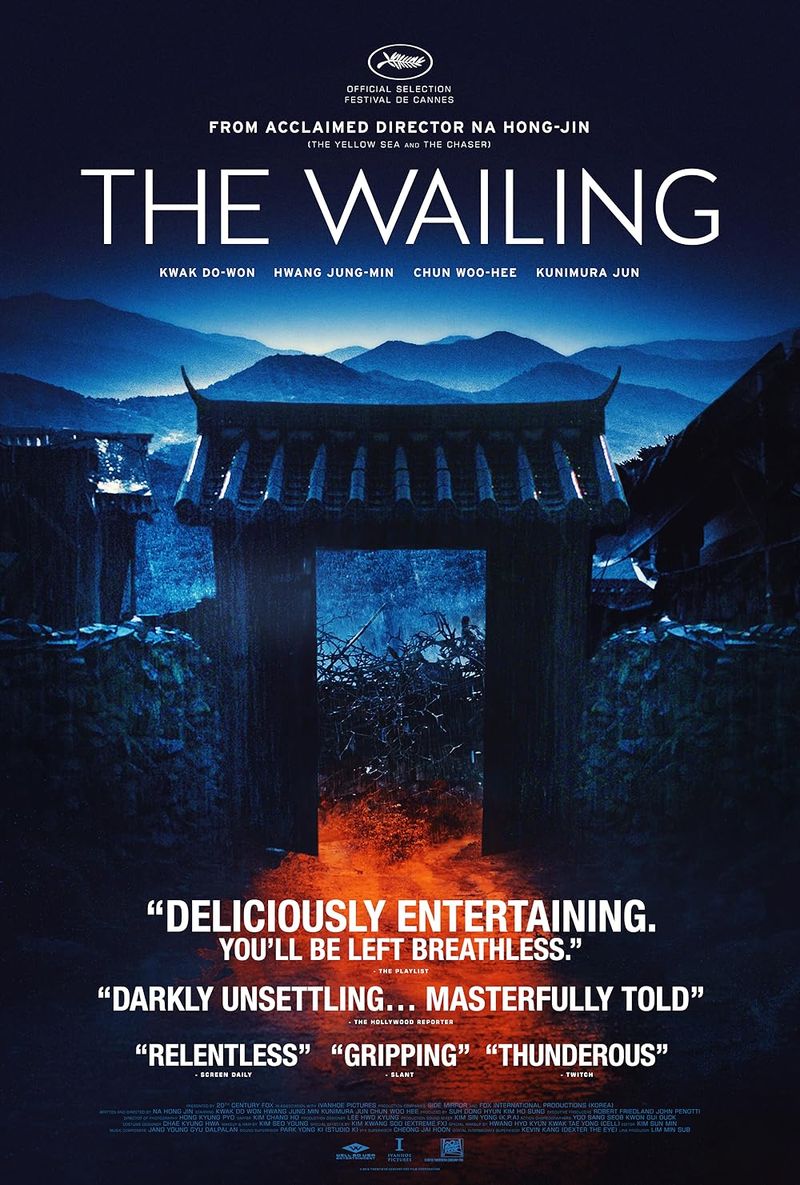
The Wailing builds visual dread from mud, rain, forests, and faces that never seem fully readable.
Na Hong-jin grounds the film in a rural world that feels tangible and lived in, then slowly poisons that realism with spiritual unease.
You keep looking for certainty in the images, but they only grow more unstable and ominous.
What makes the film so haunting is the way it escalates from procedural confusion to apocalyptic ritual.
Weathered homes, mountain roads, and dark interiors become stages for possession, doubt, and cosmic terror.
By the time its most unforgettable images arrive, the movie has trained you to distrust everything you see.
The Wailing lingers because its horror feels ancient and unknowable, emerging from landscapes that seem to hide malign truths in plain sight.
13. Mandy (2018)
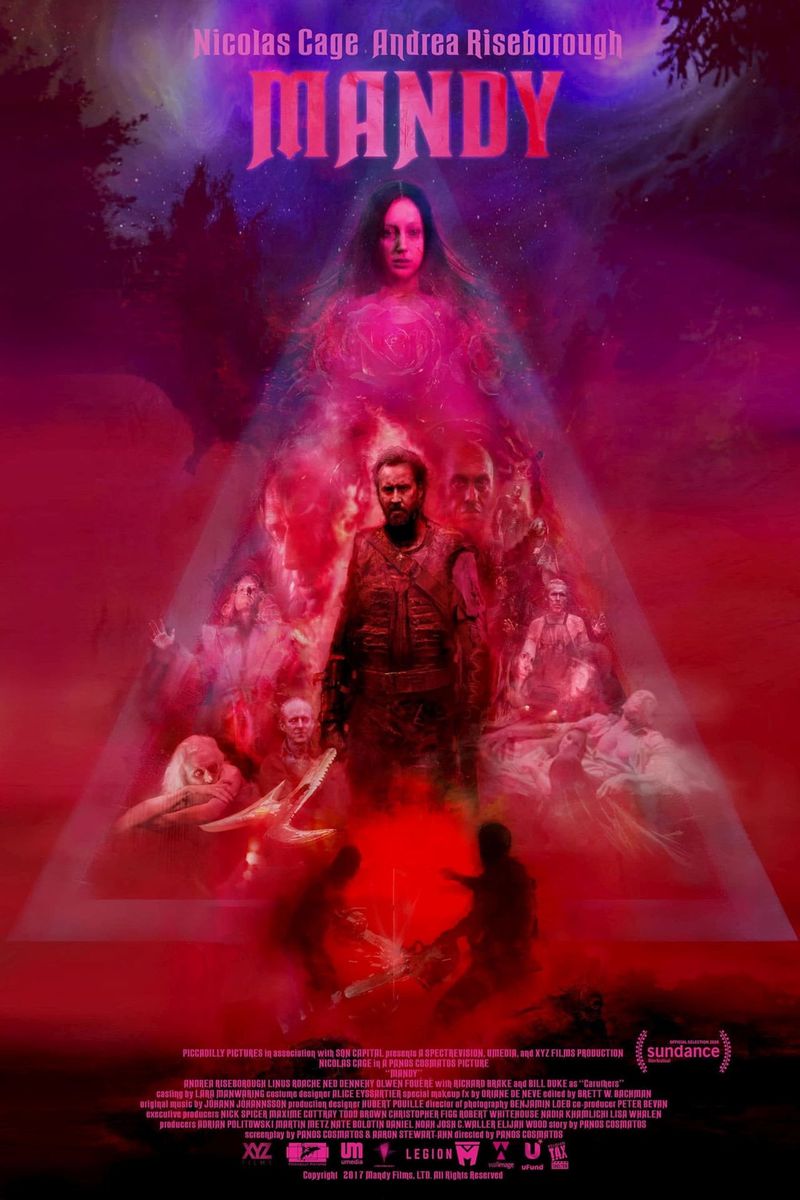
Mandy is visual excess used with total conviction, and that is exactly why it works.
Panos Cosmatos saturates the film in crimson light, black forests, impossible skies, and heavy metal dream imagery until grief mutates into myth.
You are not just following a revenge story – you are descending into a cosmic bad trip.
The movie’s haunting power comes from how sincerely it embraces its own madness.
Faces drift through colored darkness, landscapes feel painted by pain, and violent images take on the scale of hallucination.
Even the quiet scenes seem to glow with doom.
Mandy stays with you because it turns emotional devastation into an operatic visual language, one where love, rage, and annihilation become inseparable under a sky that looks permanently on fire.
14. Annihilation (2018)
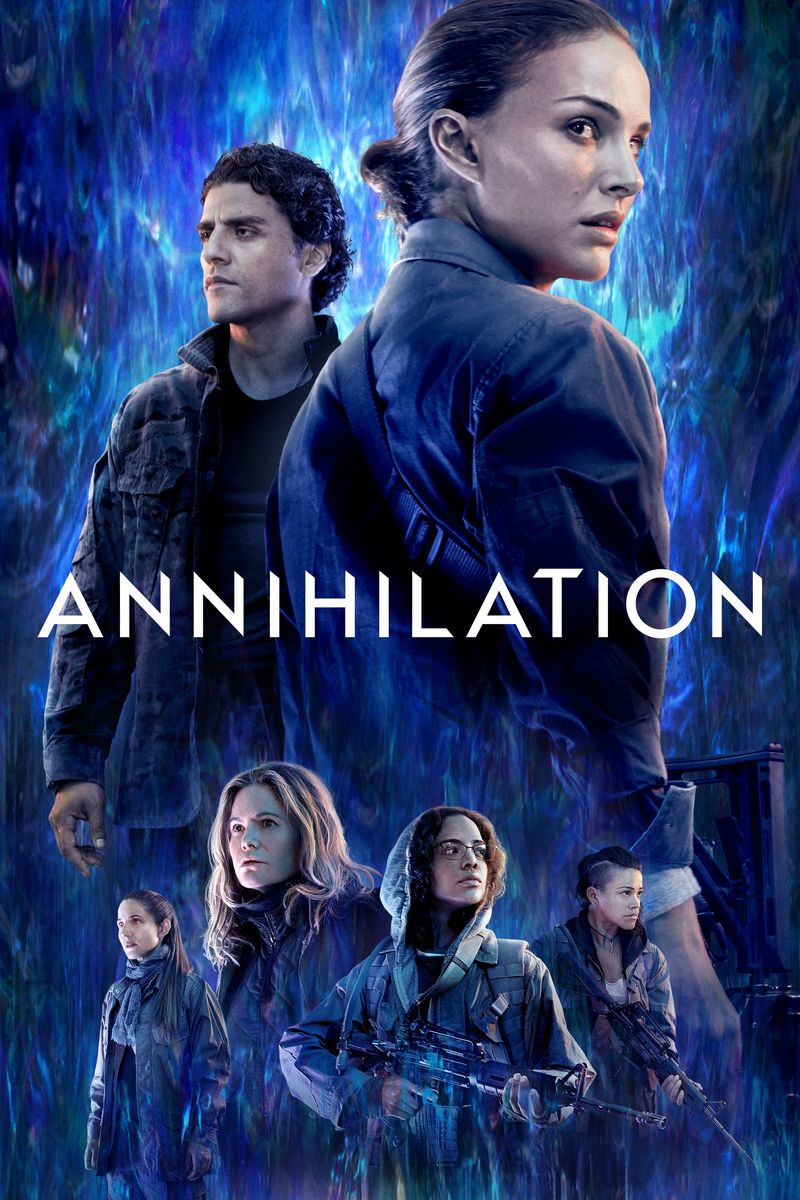
Annihilation is one of the rare horror films where beauty itself feels like a threat.
Inside the Shimmer, plants bloom in impossible colors, bodies and landscapes begin to merge, and everything seems touched by an intelligence beyond human understanding.
You are drawn in by the elegance of it even as the imagery suggests total biological surrender.
The film haunts because it makes transformation look mesmerizing rather than simply grotesque.
Mutated creatures, floral doubles, and refracted environments create a world where identity dissolves into pattern and color.
That tension between wonder and extinction gives every frame unusual power.
Annihilation leaves behind images that feel almost sacred, yet deeply disturbing, as if you have glimpsed a version of nature that has stopped caring whether human beings can survive it.
15. Midsommar (2019)
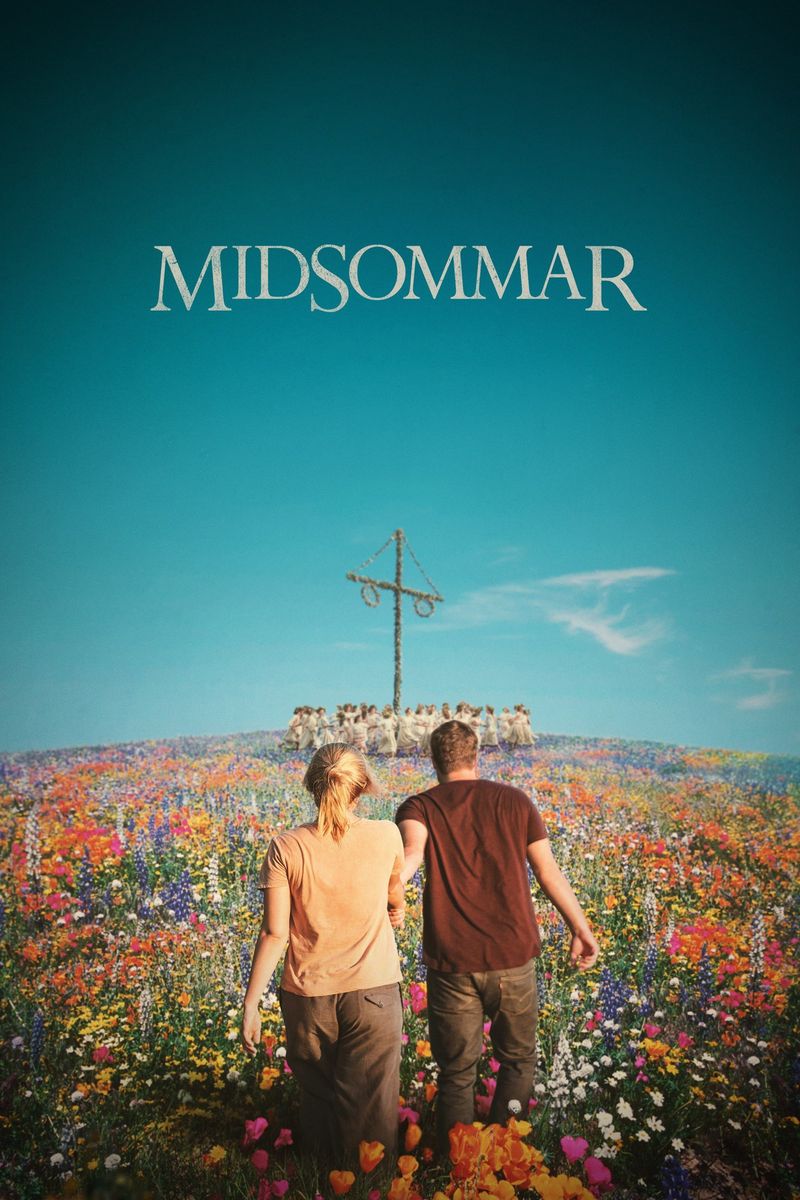
Midsommar proves that horror does not need darkness to leave a scar.
Ari Aster floods the screen with daylight, flowers, embroidered costumes, and pastoral beauty, then slowly twists that brightness into something merciless.
You keep waiting for shadows, but the film’s most disturbing images unfold in plain sun, impossible to hide from.
That contrast is what makes it so haunting.
The clean geometry of rituals, the vivid natural setting, and the serene communal spaces all work against your expectations, making each shock land with uncanny force.
Even hallucinations arrive as lush visual distortions rather than traditional nightmares.
Midsommar lingers because it traps terror inside beauty and belonging, creating a world so radiant that its cruelty feels even more inescapable and spiritually invasive.
16. The Lighthouse (2019)
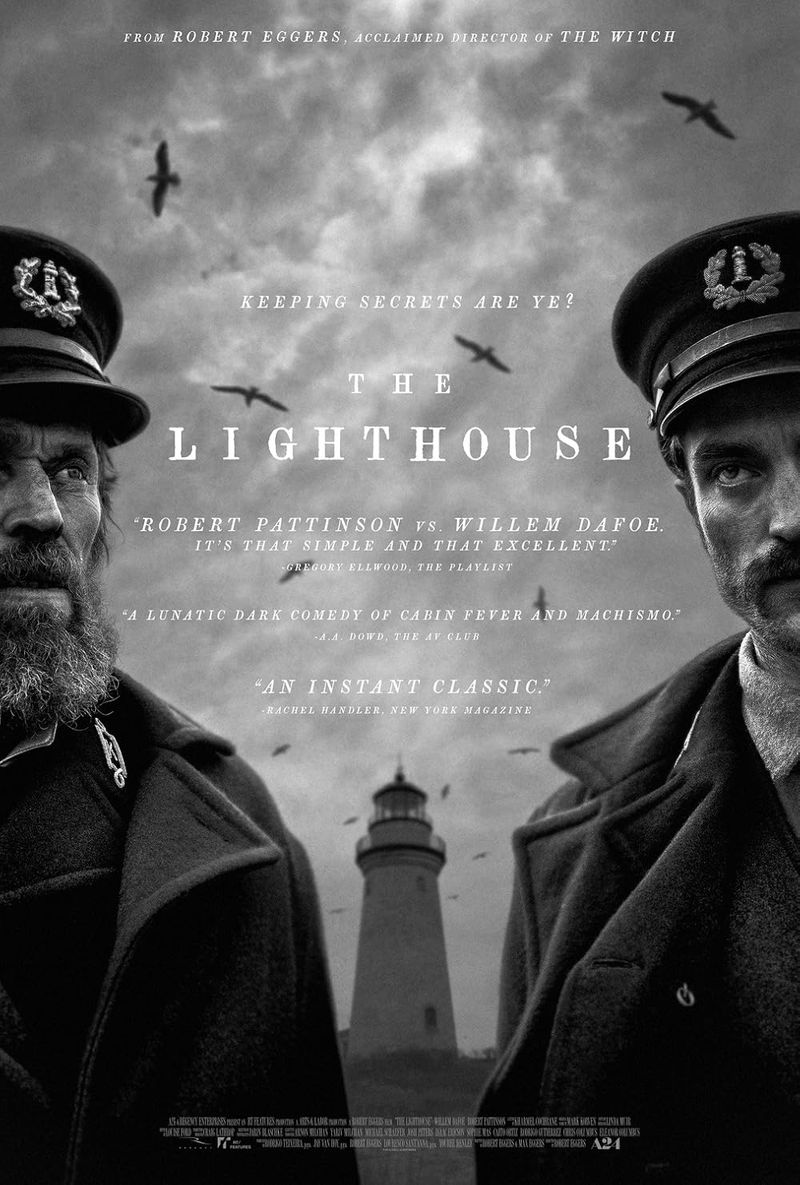
The Lighthouse feels like an artifact dredged up from the sea, soaked in salt and madness.
Robert Eggers uses stark black and white photography, cramped framing, and relentless weather to make the island seem like the edge of human sanity.
You can almost smell the oil, damp wood, and rot pressing in from every side.
Its visuals are haunting because they reduce existence to elemental forces: stone, water, wind, flame, and desire.
The square aspect ratio traps the characters inside an increasingly mythic prison, while every shadow and beam of light gains symbolic weight.
Ordinary labor becomes ritual, and the lighthouse itself turns into an object of blinding obsession.
Few films create such a complete visual world of isolation, power, and ruin with so little wasted.
17. Skinamarink (2022)
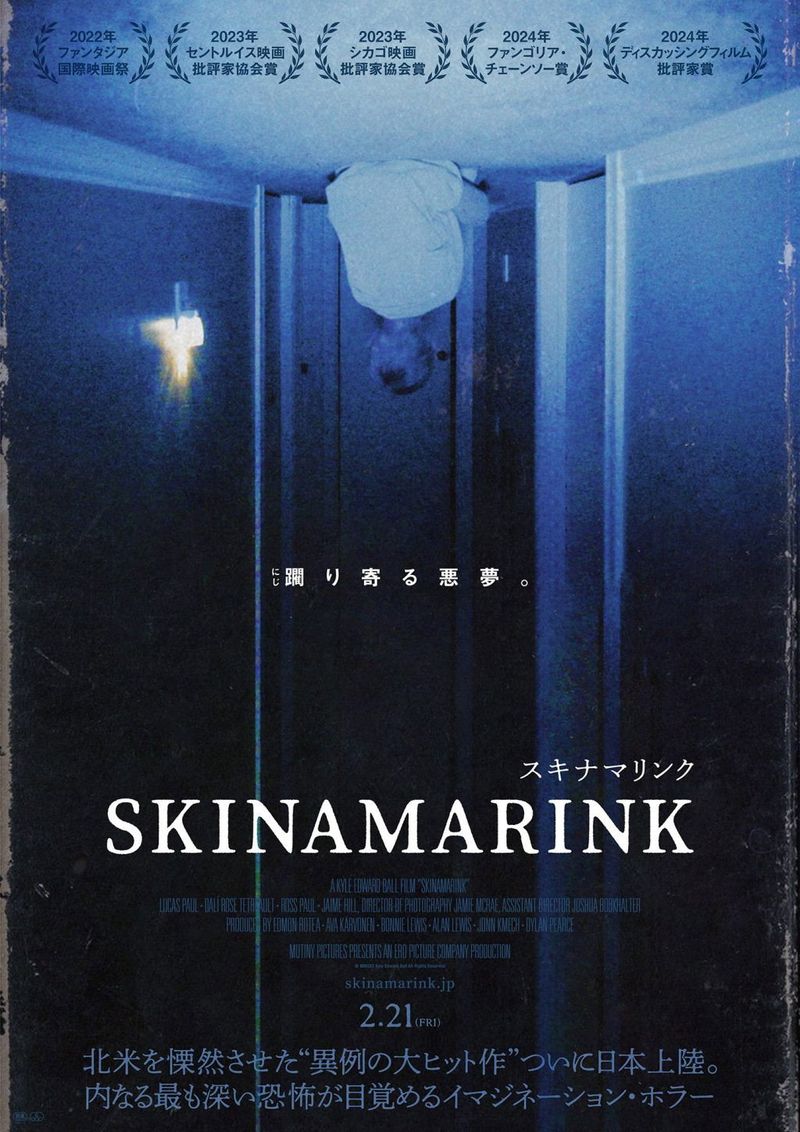
Skinamarink weaponizes the half seen and half remembered in a way that feels unnervingly personal.
Its grainy darkness, low angles, and fixation on ceilings, corners, and doorways recreate the helpless perspective of childhood fear with startling precision.
You are left scanning the frame for meaning, danger, or comfort, and rarely finding any.
That visual ambiguity is exactly what makes the film so haunting.
Instead of delivering clear images, it traps you inside suggestion, where sound and shadow do the work your imagination cannot resist finishing.
The house becomes an endless liminal space, familiar yet fundamentally wrong.
Skinamarink may frustrate some viewers, but for others it opens a primal nightmare zone, where the absence of clear horror becomes far more terrifying than any monster.