 MomSkoop
Movies have a unique power to transport us to different worlds, introduce us to unforgettable characters, and tell stories that stay with us forever. Some films become more than just entertainment—they shape culture, inspire generations, and define what cinema can achieve.
Whether you’re a casual viewer or a serious film buff, certain movies simply deserve a spot on your must-watch list because they represent the very best of storytelling on screen.
1. Inception
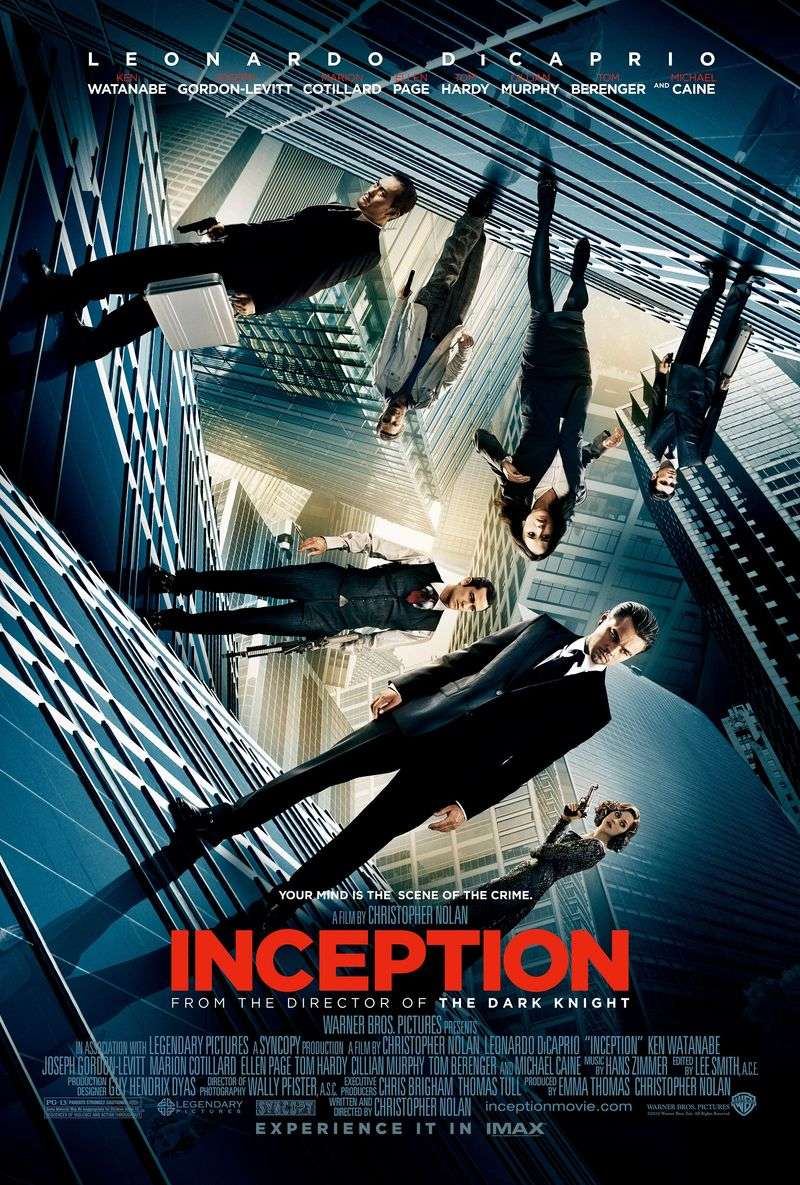
Christopher Nolan crafted something truly mind-bending with this 2010 masterpiece that makes you question what’s real and what’s a dream.
Leonardo DiCaprio plays a skilled thief who steals secrets from people’s subconscious while they sleep, but his latest job requires planting an idea instead of taking one.
The visual effects are stunning, especially scenes where cities fold onto themselves and hallways spin like hamster wheels.
You’ll need to pay close attention because the plot layers dreams within dreams within dreams, creating a puzzle that rewards careful viewers.
Even after the credits roll, you’ll be debating that final scene with anyone who’ll listen.
2. Psycho
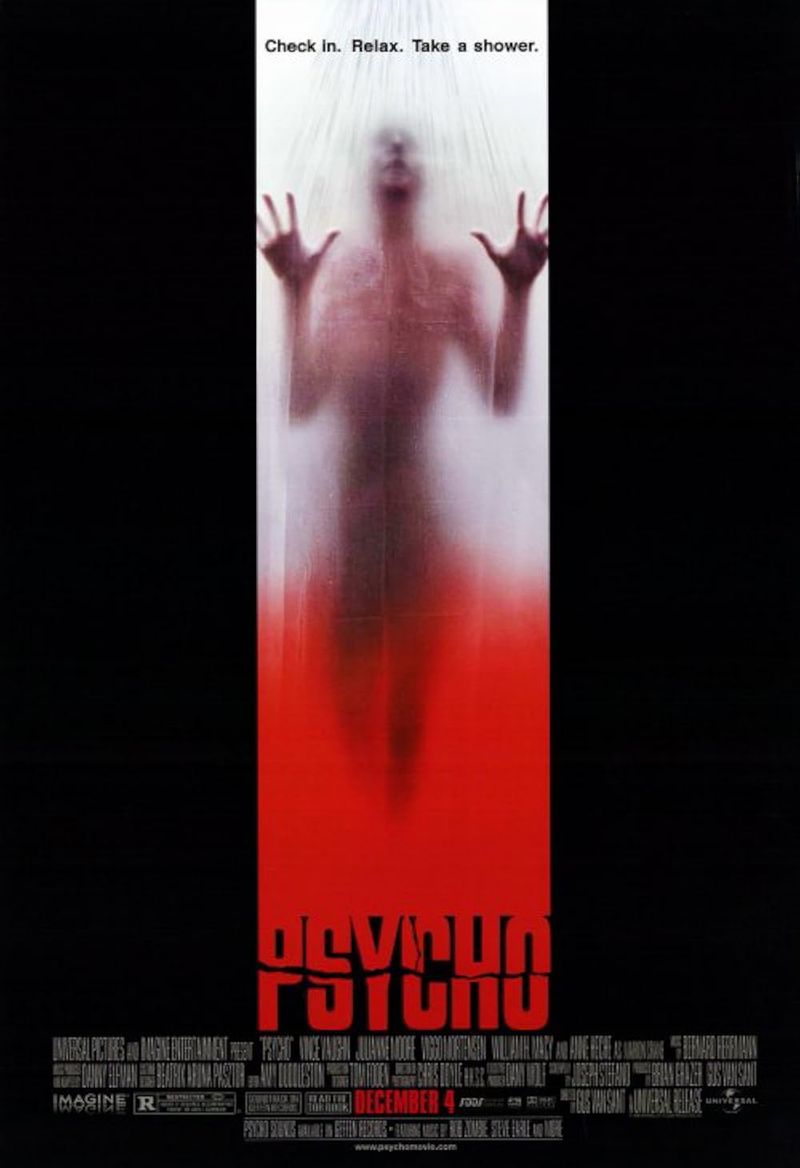
Alfred Hitchcock shocked audiences in 1960 with a thriller so terrifying that theaters wouldn’t let people enter after it started.
The famous shower scene remains one of cinema’s most recognizable moments, proving that suggestion can be scarier than showing everything.
Anthony Perkins delivers a chilling performance as Norman Bates, the awkward motel manager with secrets hidden in the house behind his business.
Hitchcock broke rules by killing off the apparent main character partway through, leaving viewers completely disoriented about where the story would go.
The black-and-white cinematography creates shadows and atmosphere that color films simply couldn’t match.
3. Schindler’s List
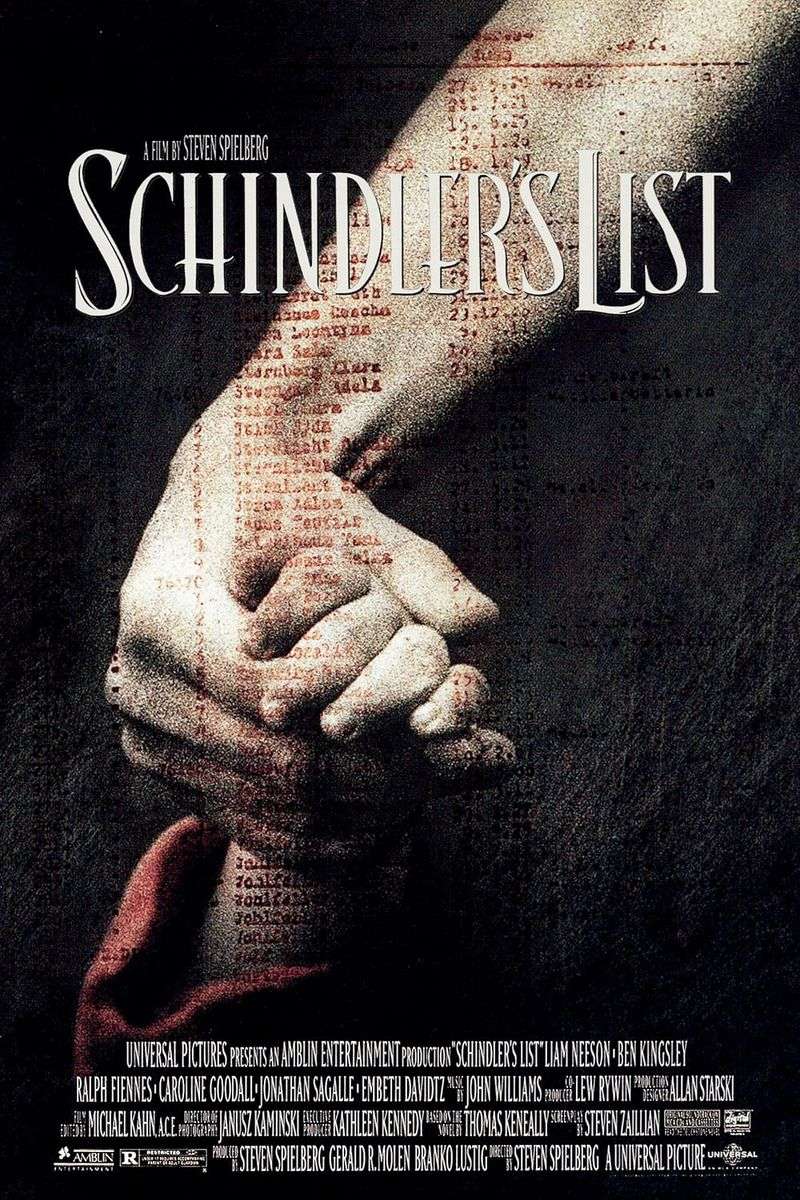
Steven Spielberg’s 1993 masterwork tells the true story of Oskar Schindler, a German businessman who saved over 1,000 Jewish lives during the Holocaust.
Liam Neeson portrays Schindler’s transformation from profit-seeking factory owner to humanitarian hero with remarkable depth and subtlety.
The film’s black-and-white photography makes the rare splashes of color—like a little girl’s red coat—devastatingly powerful.
It’s not an easy watch because it honestly depicts the horrors of history, but that’s exactly why it matters.
This movie reminds us that individual courage can make a difference even during humanity’s darkest chapters.
4. Titanic
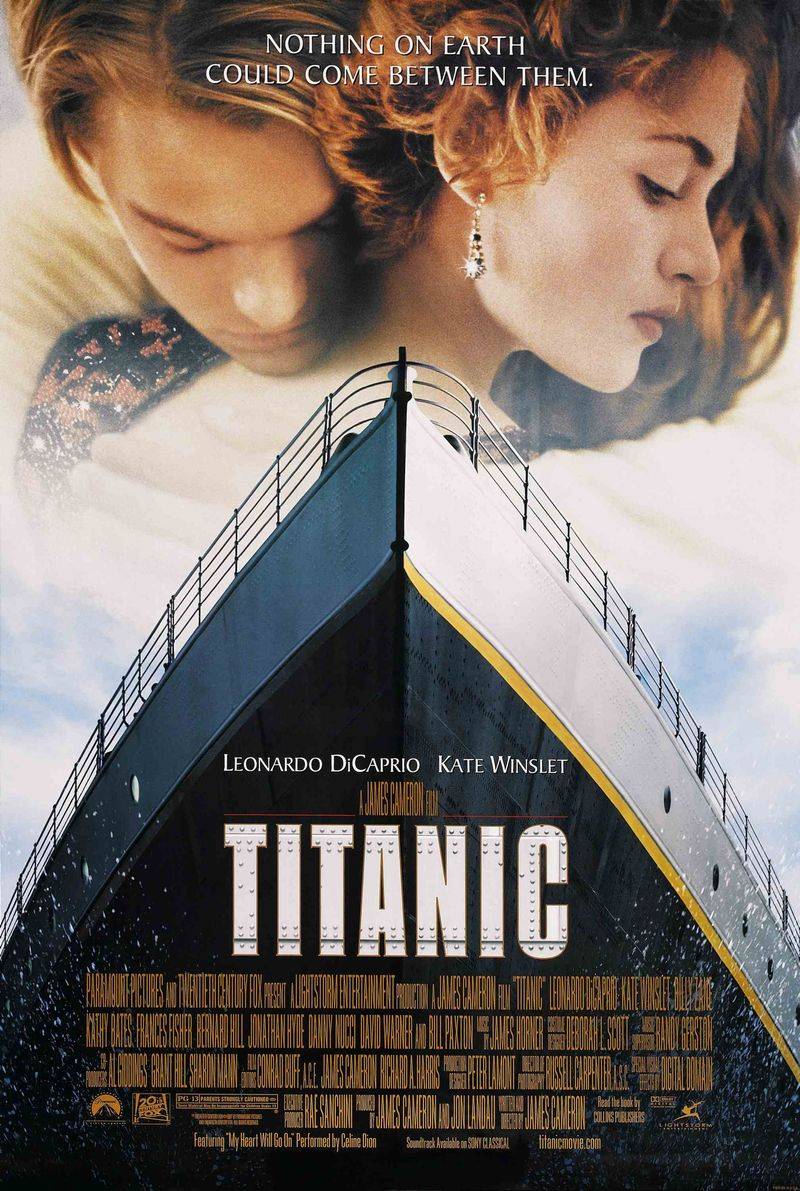
James Cameron’s 1997 epic romance aboard the doomed ocean liner became a cultural phenomenon that dominated conversations for years.
Leonardo DiCaprio and Kate Winslet create unforgettable chemistry as Jack and Rose, star-crossed lovers from different social classes.
The ship itself becomes a character, with Cameron recreating the luxury vessel in meticulous detail before showing its tragic destruction.
Beyond the love story, the film captures the class divisions of 1912 society and the hubris of believing any ship could be unsinkable.
That Celine Dion song will definitely get stuck in your head, but the film’s emotional impact runs much deeper than its soundtrack.
5. Sleepless in Seattle
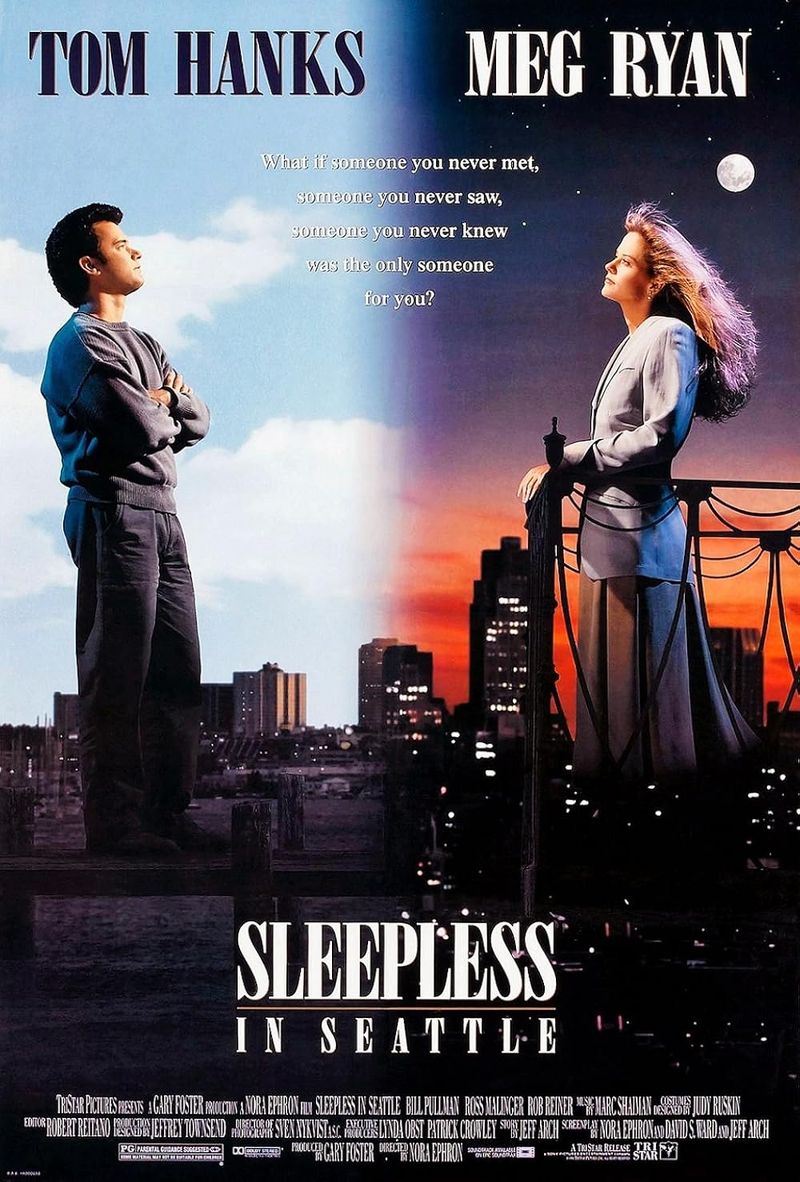
Tom Hanks and Meg Ryan charmed audiences in this 1993 romantic comedy that asks whether soulmates can find each other across the country.
Hanks plays a widowed father whose son calls a radio show to find his dad a new wife, sparking a connection with a Baltimore reporter.
What makes this film special is that the two leads barely share screen time until the final moments, yet their chemistry feels electric.
The movie celebrates the idea of destiny and taking chances on love, even when logic says you’re being ridiculous.
It’s comfort food for the heart—predictable perhaps, but satisfying in all the right ways.
6. Ben-Hur
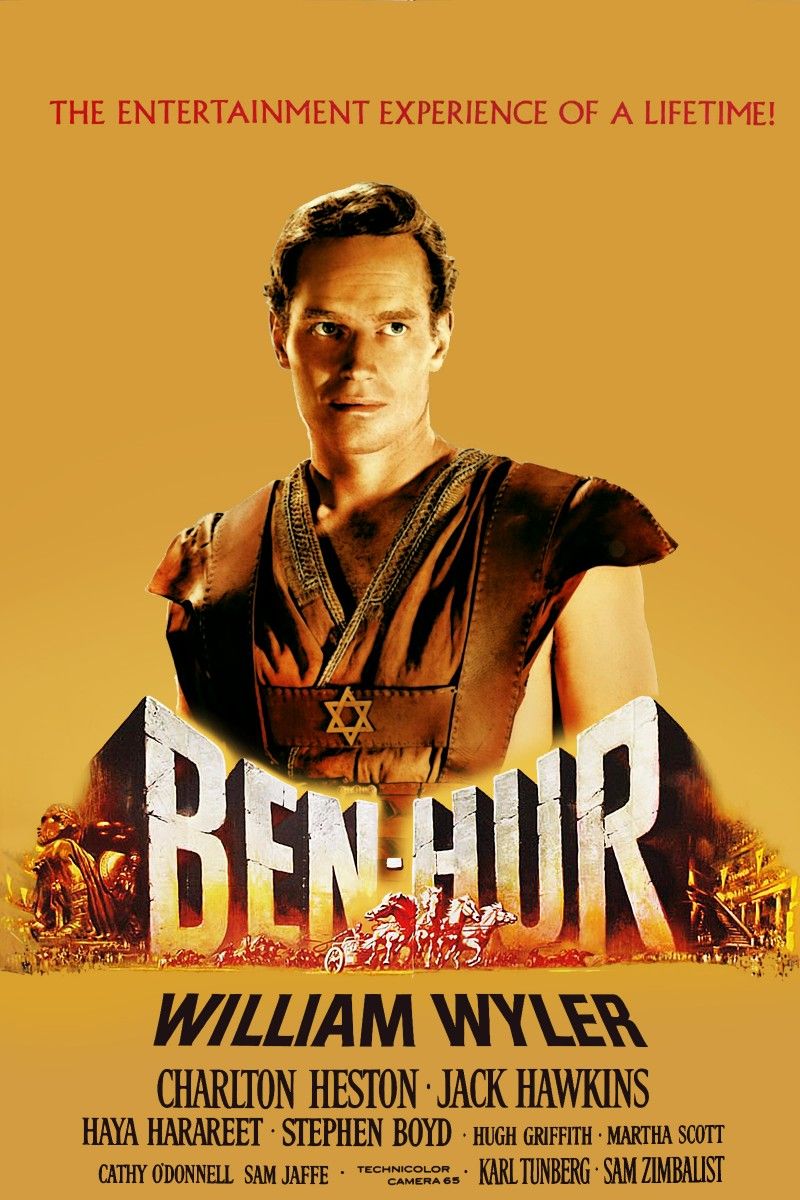
This 1959 biblical epic starring Charlton Heston set the standard for big-budget Hollywood spectacles with its massive sets and cast of thousands.
The chariot race sequence remains one of cinema’s most thrilling action scenes, filmed with real horses and real danger for the stunt performers.
Heston plays Judah Ben-Hur, a Jewish prince betrayed into slavery who seeks revenge against his former Roman friend.
The film won a record-breaking eleven Academy Awards, a feat matched by only two other films in history.
At nearly four hours long, it demands patience, but the payoff is a sweeping story of faith, betrayal, and redemption.
7. Sunset Boulevard
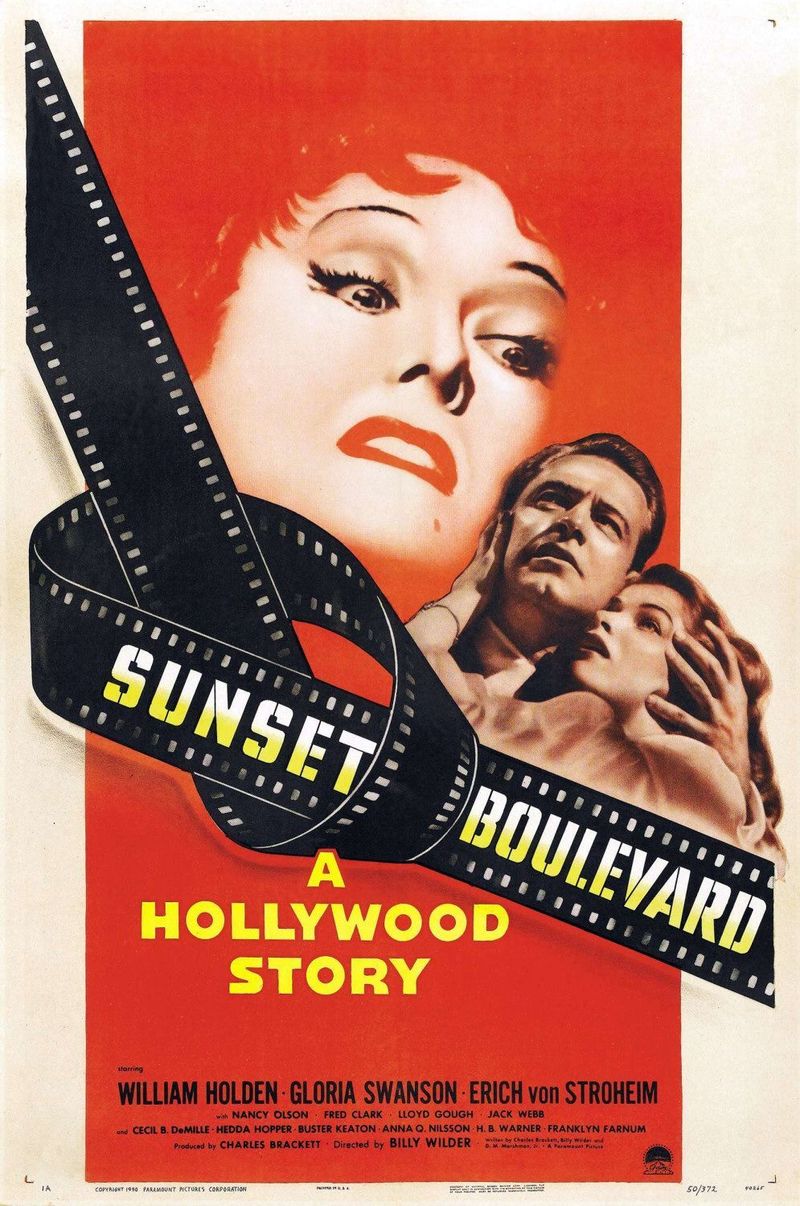
Billy Wilder’s 1950 noir masterpiece pulls back the curtain on Hollywood’s dark side with a story narrated by a dead man.
Gloria Swanson delivers a haunting performance as Norma Desmond, a forgotten silent film star living in delusion inside her decaying mansion.
William Holden plays the struggling screenwriter who becomes entangled in Norma’s world, with consequences he can’t escape.
The film’s cynical view of the entertainment industry felt shocking in 1950 and remains relevant today.
“I’m ready for my close-up” became one of cinema’s most quoted lines, capturing the desperation of someone clinging to vanished glory.
8. Brokeback Mountain
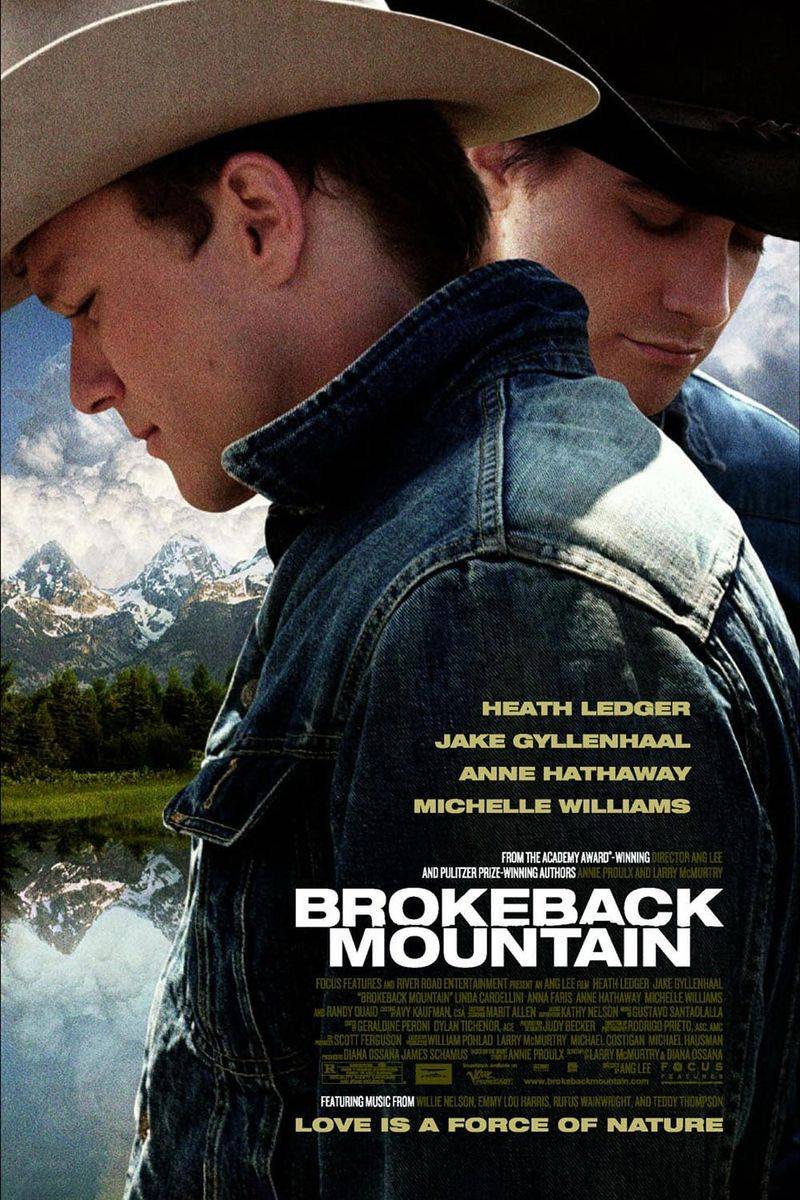
Ang Lee’s 2005 film broke barriers by telling a tender love story between two cowboys in 1960s Wyoming.
Heath Ledger and Jake Gyllenhaal give career-defining performances as Ennis and Jack, two men whose summer job herding sheep changes their lives forever.
The sweeping mountain landscapes mirror the characters’ internal struggles between their true feelings and society’s expectations.
This isn’t just a groundbreaking LGBTQ+ film—it’s a heartbreaking portrait of love denied and lives lived in quiet desperation.
The phrase “I wish I knew how to quit you” captures the impossibility of their situation with devastating simplicity.
9. Gladiator
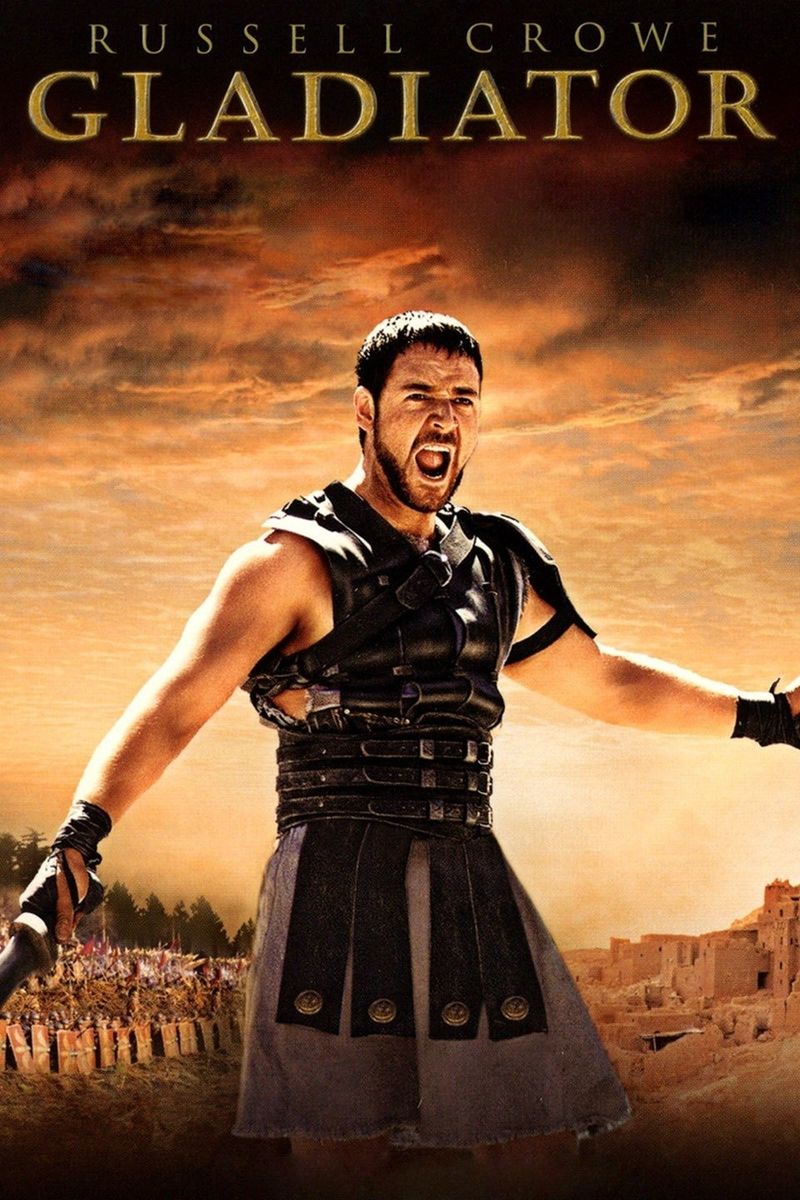
Ridley Scott resurrected the sword-and-sandal epic genre in 2000 with this tale of betrayal, revenge, and honor in ancient Rome.
Russell Crowe won an Oscar playing Maximus, a general forced into slavery who becomes a gladiator fighting for his freedom and vengeance.
The Colosseum battle scenes combine practical effects with early CGI to recreate the brutal spectacle of Roman entertainment.
Joaquin Phoenix plays the villain Commodus with sniveling cruelty, making you root even harder for Maximus’s triumph.
“Are you not entertained?” became an instant classic line, perfectly capturing the film’s examination of violence as spectacle.
10. Selma
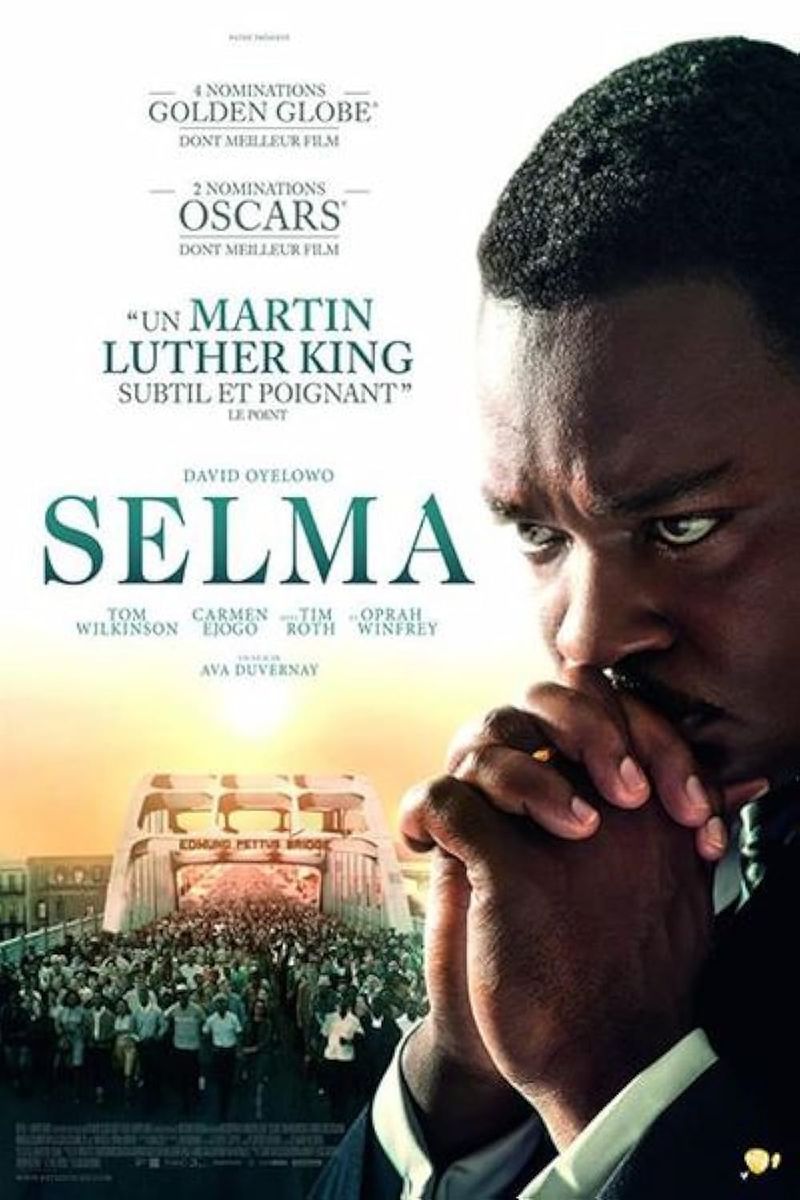
Ava DuVernay directed this powerful 2014 portrayal of the 1965 voting rights marches from Selma to Montgomery, Alabama.
David Oyelowo embodies Dr. Martin Luther King Jr., capturing both the public leader and the private man struggling with fear and doubt.
The film doesn’t shy away from showing the brutal violence peaceful protesters faced, including the shocking attack on “Bloody Sunday.”
Rather than covering King’s entire life, focusing on this specific campaign creates an intimate, detailed portrait of how change actually happens.
The movie reminds us that rights we take for granted today were won through courage and sacrifice just decades ago.
11. The Lord of the Rings
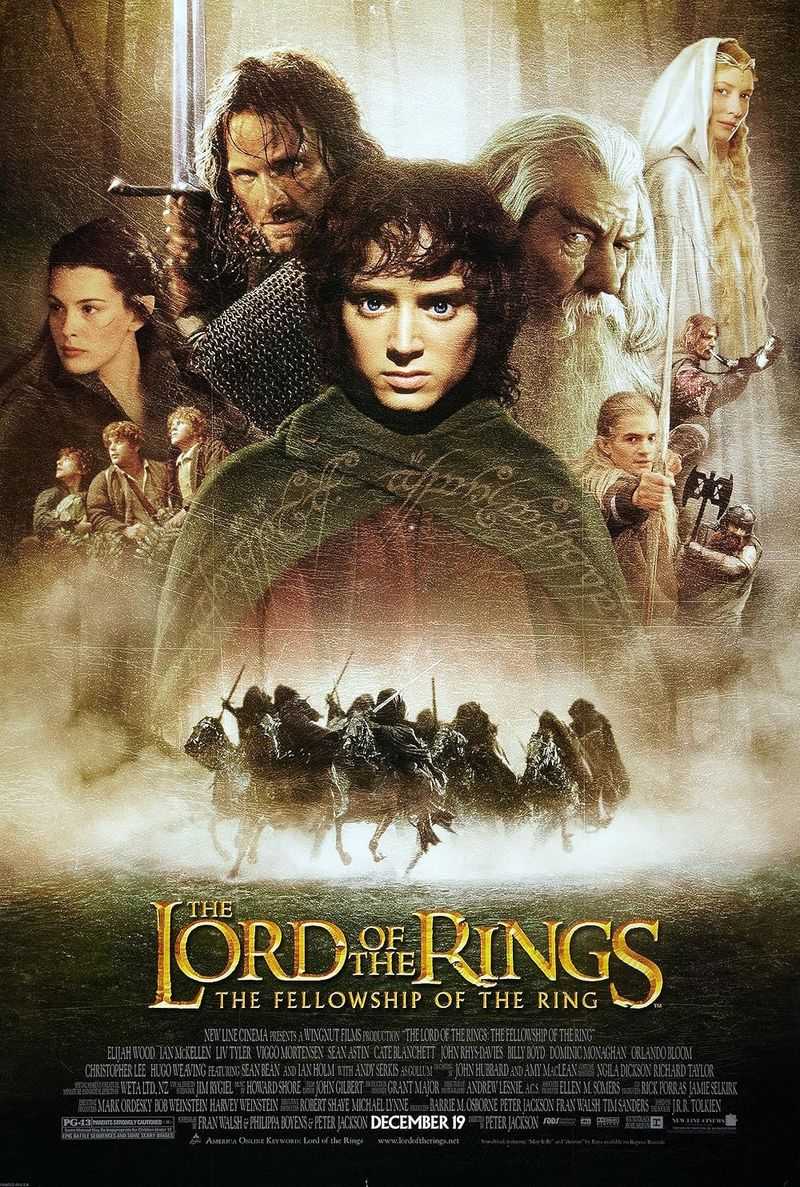
Peter Jackson achieved the impossible by adapting J.R.R.
Tolkien’s beloved fantasy trilogy into three films that satisfied both fans and newcomers.
The story follows Frodo Baggins and his companions on a quest to destroy a powerful ring before evil forces use it to conquer Middle-earth.
New Zealand’s stunning landscapes become the perfect backdrop for this world of elves, dwarves, wizards, and hobbits.
The practical effects, makeup, and massive battle scenes still hold up remarkably well despite being filmed over twenty years ago.
Whether you watch the theatrical versions or commit to the extended editions, you’re in for an unforgettable adventure.
12. Casablanca
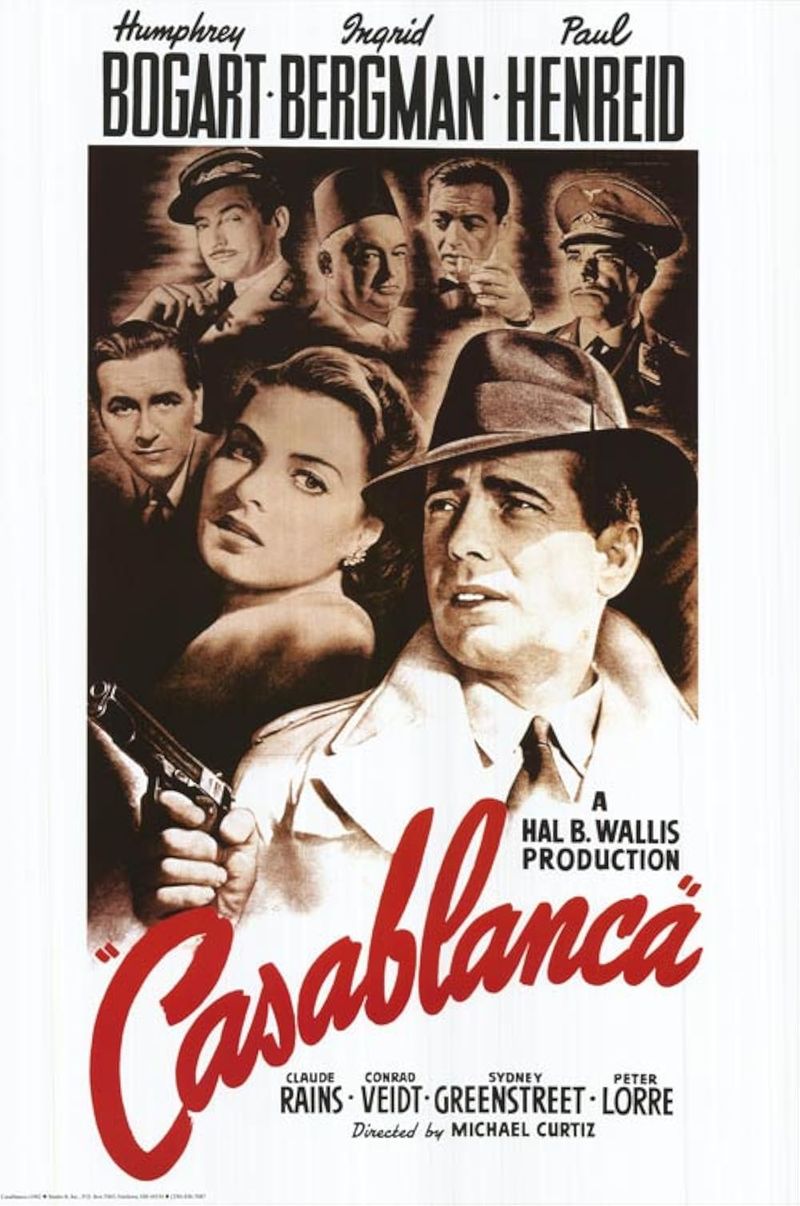
“Here’s looking at you, kid” remains one of cinema’s most romantic lines, delivered by Humphrey Bogart in this 1942 wartime classic.
Bogart plays Rick, a cynical American running a nightclub in Morocco during World War II, until his former love Ingrid Bergman walks through his door.
The film balances romance with political intrigue as characters navigate occupied territory while the war rages across Europe.
What seems like a simple love triangle becomes a story about sacrifice, choosing the greater good over personal happiness.
The final airport scene delivers one of Hollywood’s most perfect endings—bittersweet, heroic, and completely satisfying.
13. The Godfather
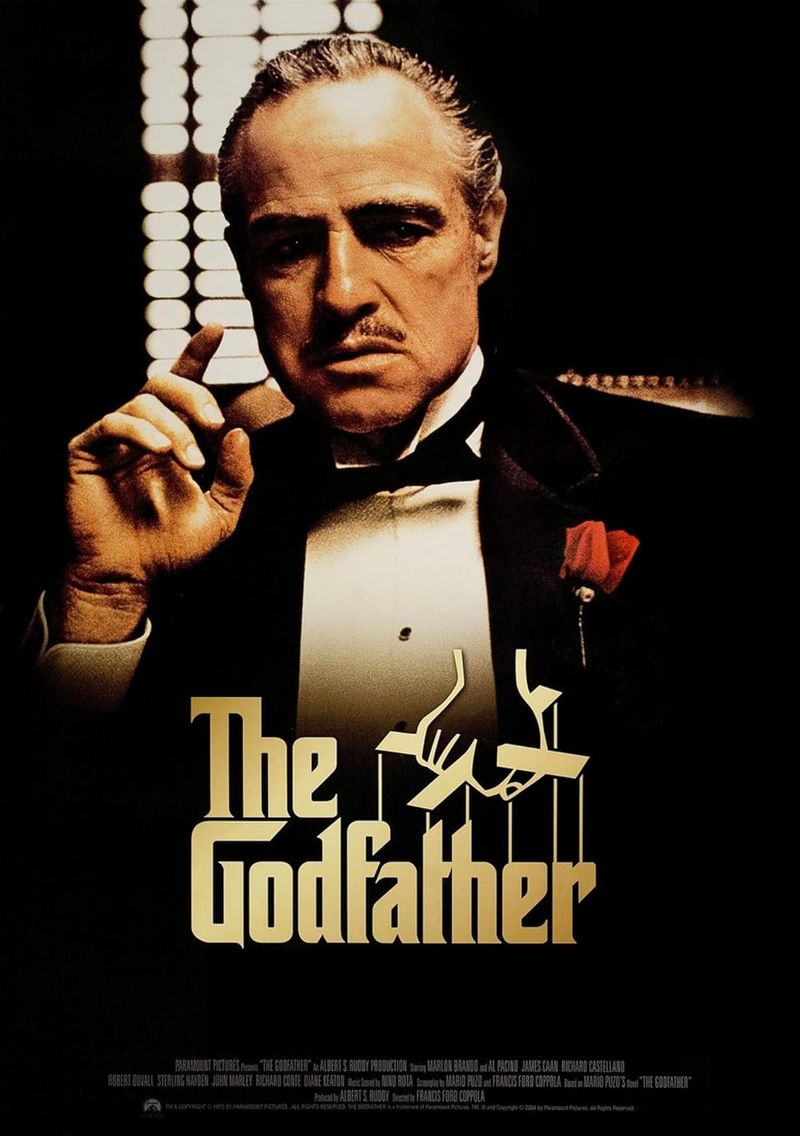
Francis Ford Coppola’s 1972 masterpiece transformed the gangster genre into an American epic about family, power, and the corruption of the soul.
Marlon Brando’s raspy-voiced Don Corleone became instantly iconic, while Al Pacino showed Michael’s transformation from war hero to ruthless mob boss.
The film treats organized crime with operatic grandeur, finding both horror and dark beauty in this violent world.
Cinematographer Gordon Willis created the shadowy, amber-toned look that every crime film since has tried to imitate.
That famous line about making “an offer he can’t refuse” perfectly captures the velvet-glove menace that defines the Corleone family’s power.
14. The Breakfast Club
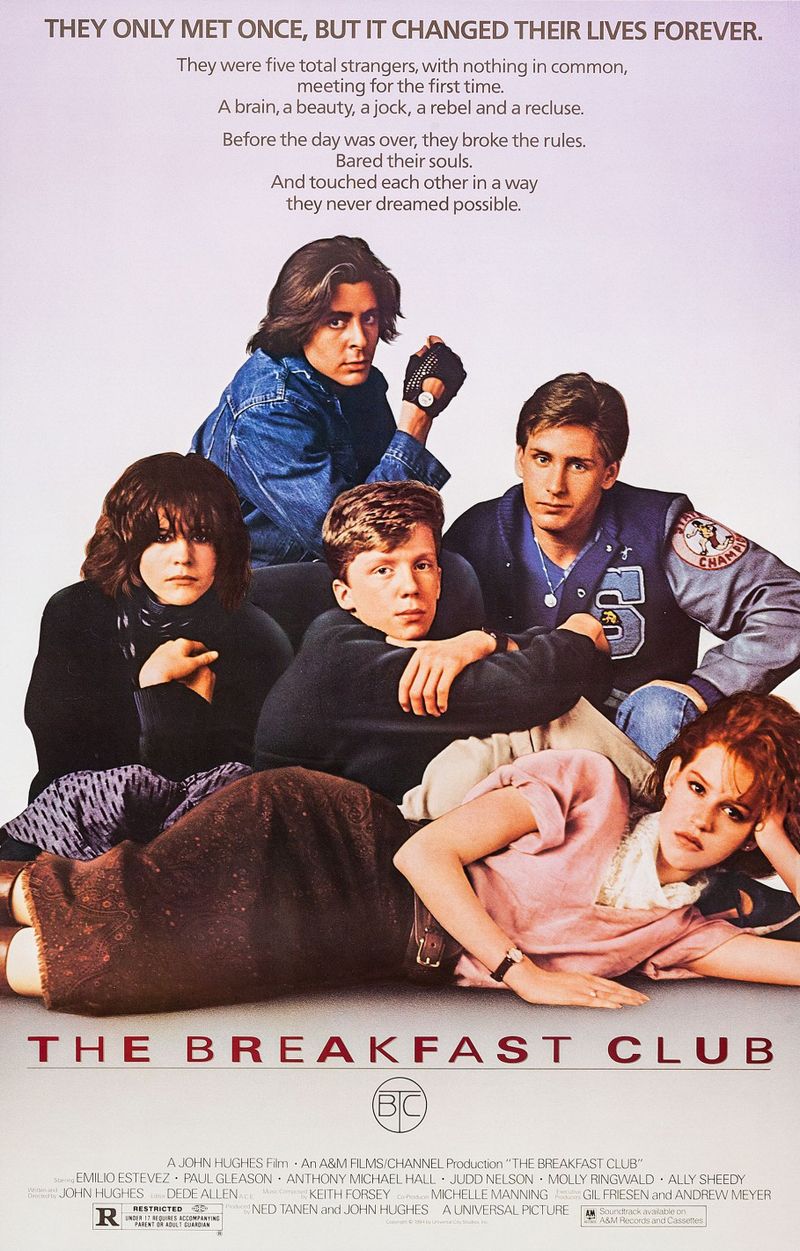
John Hughes captured teenage life perfectly in this 1985 film about five high school students stuck in Saturday detention together.
A brain, an athlete, a basket case, a princess, and a criminal discover they have more in common than the labels their school assigns them.
The movie takes place entirely in one location over one day, yet it explores identity, family pressure, and social hierarchies with surprising depth.
Each character gets moments of vulnerability that reveal the pain hiding behind their teenage armor and bravado.
“Don’t You (Forget About Me)” by Simple Minds became an anthem for anyone who ever felt misunderstood in high school.
15. Rear Window
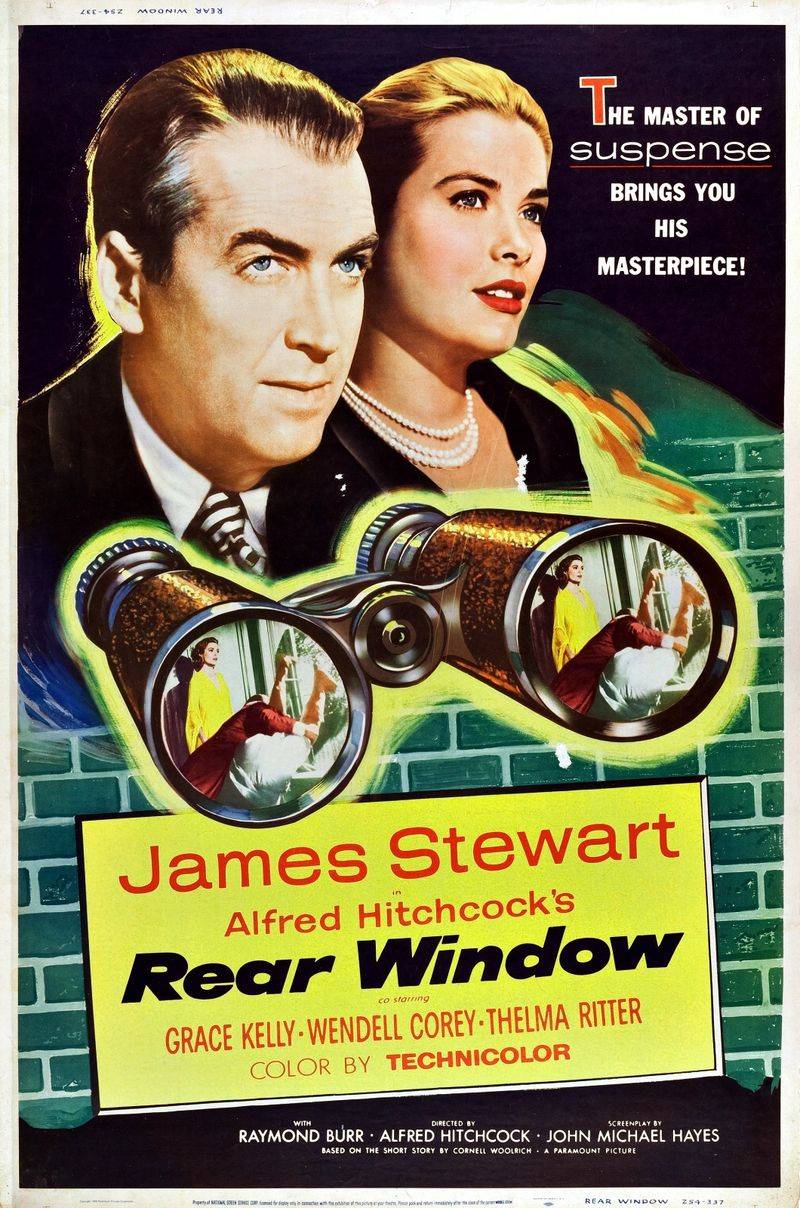
Alfred Hitchcock turned a single apartment into a masterclass of suspense with this 1954 thriller about a photographer who witnesses a murder.
James Stewart plays a man confined to a wheelchair who passes time by watching his neighbors through his rear window—until he sees something disturbing.
Grace Kelly brings glamour and intelligence as his girlfriend who gets drawn into the investigation despite the danger.
The film raises uncomfortable questions about voyeurism and privacy that feel even more relevant in today’s surveillance-saturated world.
Hitchcock builds tension brilliantly, making you feel the protagonist’s helplessness as he watches terrible events unfold across the courtyard.
16. Moonlight
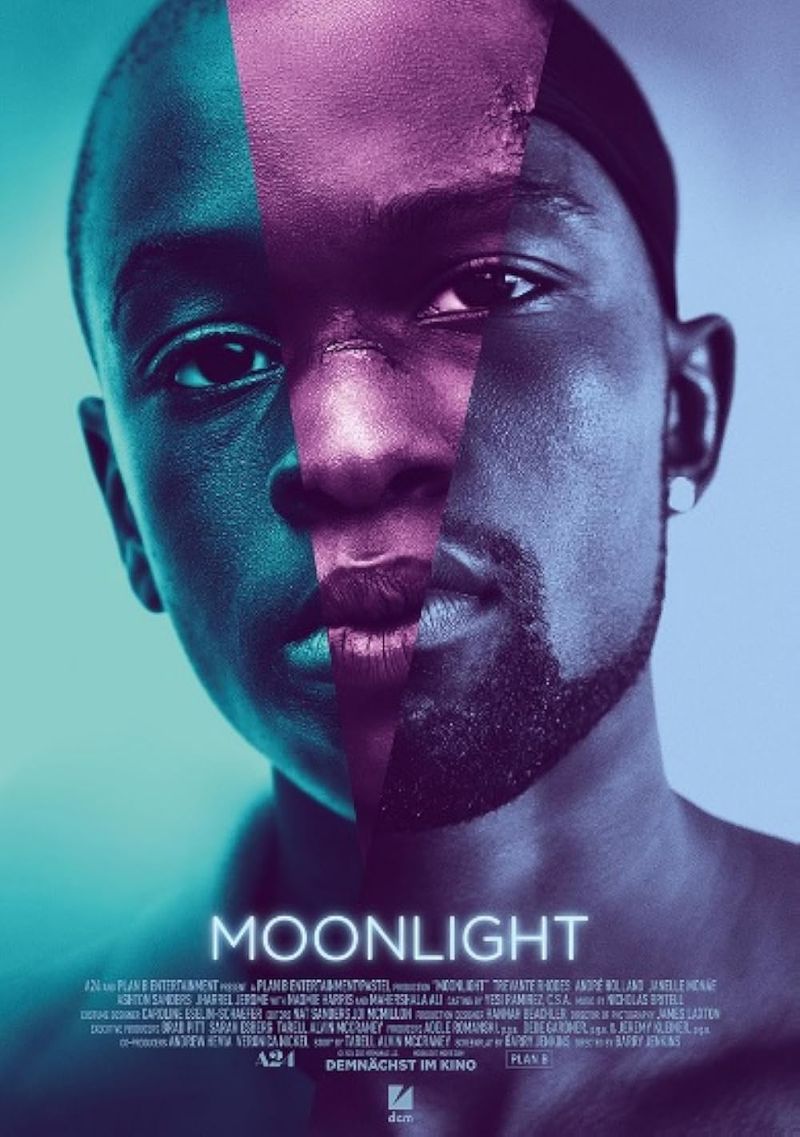
Barry Jenkins won the Best Picture Oscar in 2016 for this poetic coming-of-age story told in three chapters spanning one man’s life.
The film follows Chiron, a young Black man in Miami, as he struggles with his identity, sexuality, and the expectations of masculinity.
Each of the three actors playing Chiron at different ages delivers a remarkably cohesive performance, creating one complete character.
Jenkins bathes the film in gorgeous colors—especially blues and purples—that transform Miami’s rough neighborhoods into something almost dreamlike.
This intimate portrait of vulnerability and self-discovery proved that superhero blockbusters aren’t the only stories worth telling on the big screen.
17. Star Wars
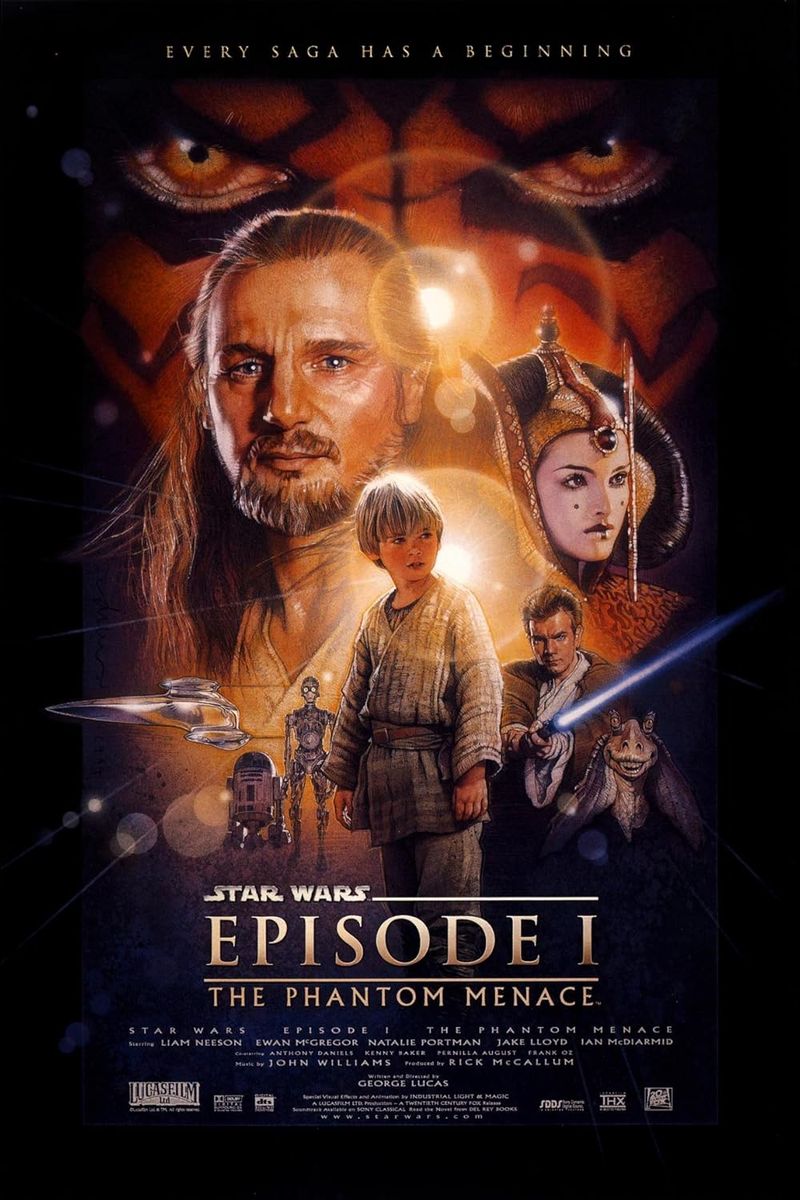
George Lucas changed movies forever in 1977 with this space opera that made science fiction respectable for mainstream audiences.
The story of farm boy Luke Skywalker joining a rebellion against an evil empire feels timeless because it draws on classic mythology.
Practical effects, innovative sound design, and John Williams’ soaring score created a universe that felt lived-in and real despite the fantasy elements.
Characters like Darth Vader, Princess Leia, and Han Solo became cultural icons recognized even by people who’ve never seen the films.
The opening crawl and that famous theme music still give fans goosebumps nearly fifty years later.
18. Forrest Gump
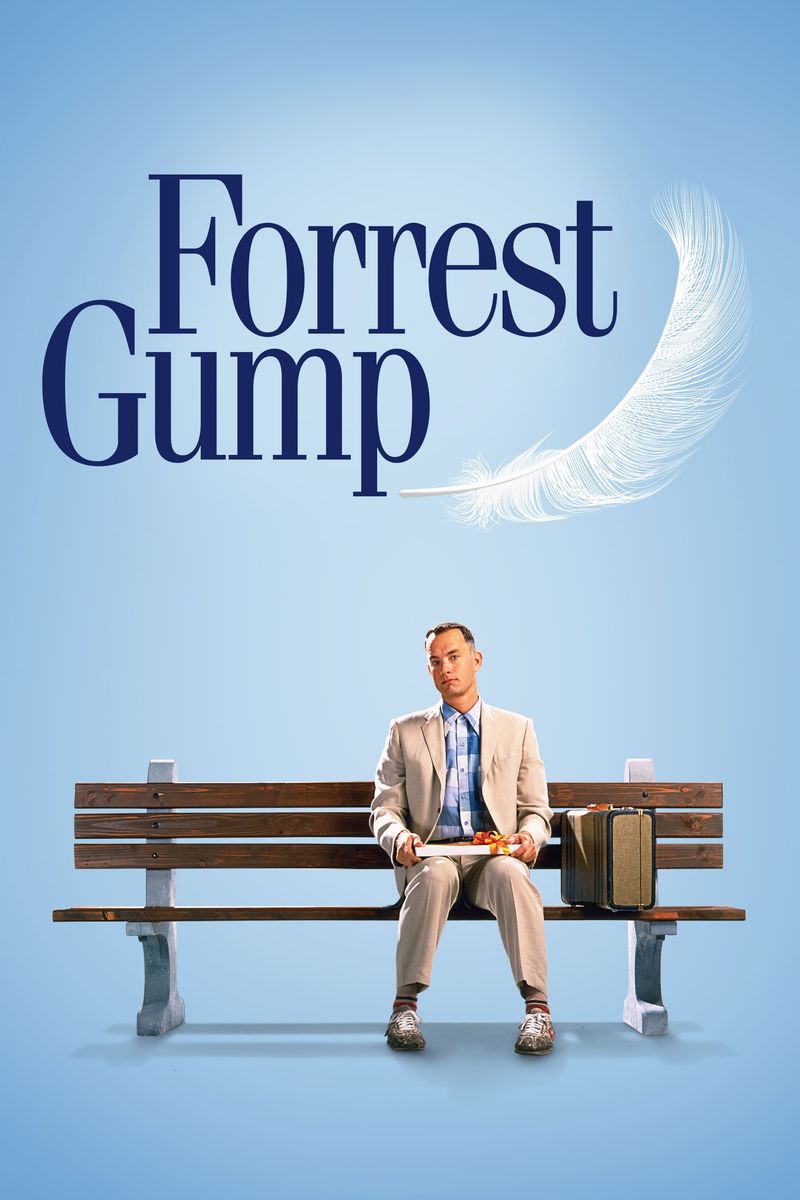
“Life is like a box of chocolates” became a cultural catchphrase thanks to Tom Hanks’ Oscar-winning performance as the simple but wise Forrest.
The film follows Forrest through decades of American history, placing him at the center of major events through clever special effects.
Despite his intellectual limitations, Forrest succeeds at everything he tries while the supposedly smarter people around him struggle and fail.
The love story between Forrest and Jenny provides the emotional core, showing how childhood connection can survive years of separation and different paths.
Robert Zemeckis directed this 1994 crowd-pleaser that makes you laugh and cry, sometimes in the same scene.
19. Barbie
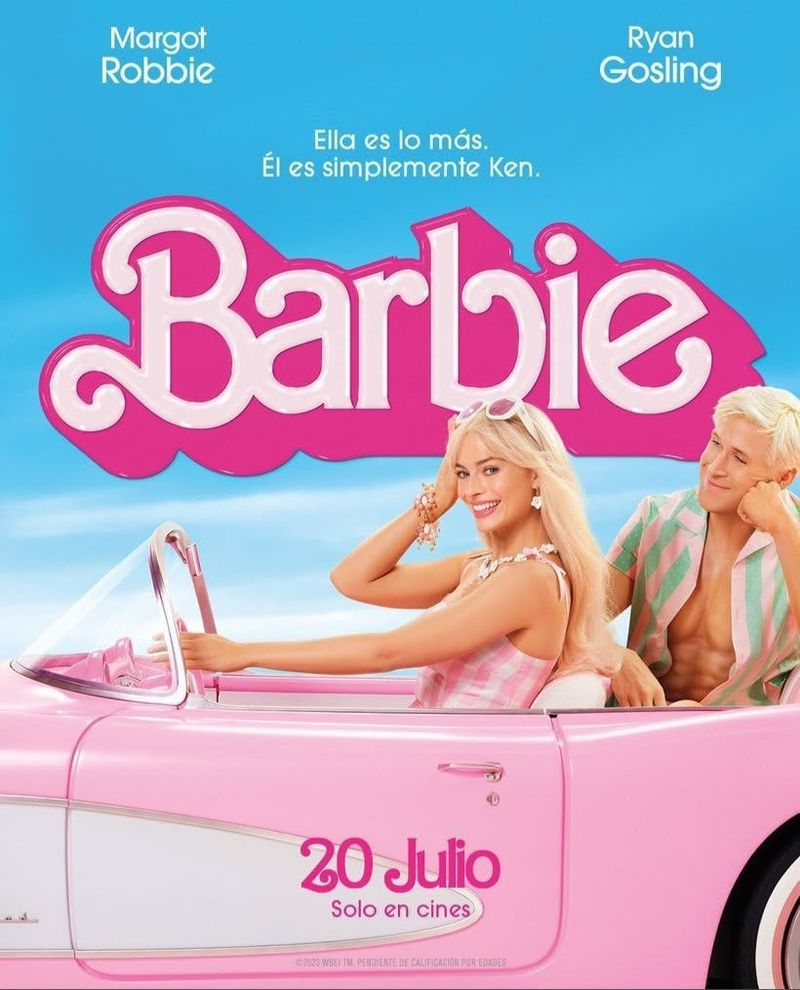
Greta Gerwig surprised everyone in 2023 by turning a toy commercial into a smart comedy about identity, purpose, and what it means to be human.
Margot Robbie plays a “stereotypical” Barbie whose perfect life in Barbie Land gets disrupted when she starts having thoughts about death.
Ryan Gosling steals scenes as Ken, whose journey to find his own identity apart from Barbie provides both laughs and unexpected depth.
The film’s candy-colored production design recreates the plastic perfection of toy sets while subtly critiquing the impossible standards Barbie represents.
What could have been shallow corporate marketing became a genuine exploration of feminism, masculinity, and growing up.
20. Goodfellas
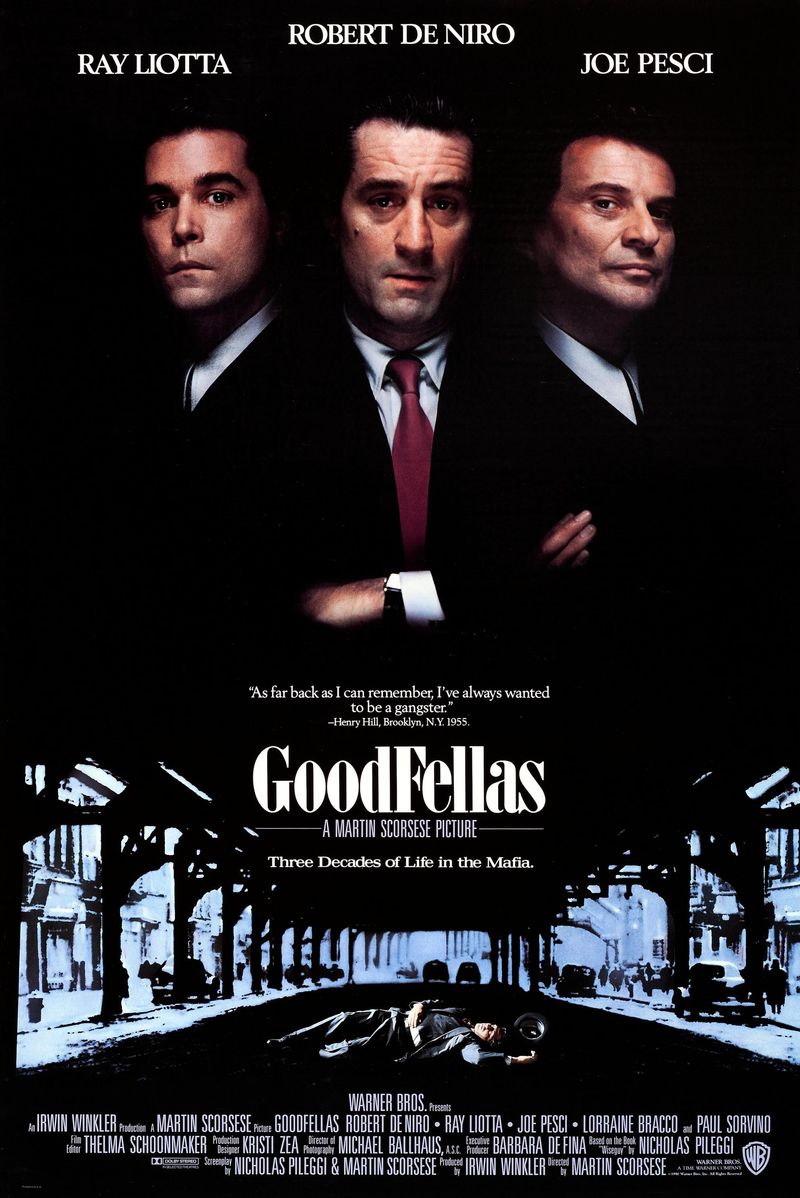
Martin Scorsese’s 1990 crime saga tells the true story of Henry Hill’s rise and fall in the New York mob with kinetic energy and dark humor.
Ray Liotta narrates his character’s journey from teenage wannabe to full-fledged gangster to paranoid informant with the law closing in.
Joe Pesci won an Oscar for playing Tommy, a violent psychopath whose famous “funny how?” scene shows how quickly charm can turn deadly.
The film’s style—freeze frames, pop music needle drops, and that incredible tracking shot through the Copacabana—influenced countless directors afterward.
Scorsese shows both the seductive appeal of mob life and its inevitable, bloody consequences without preaching or glorifying the violence.