 MomSkoop
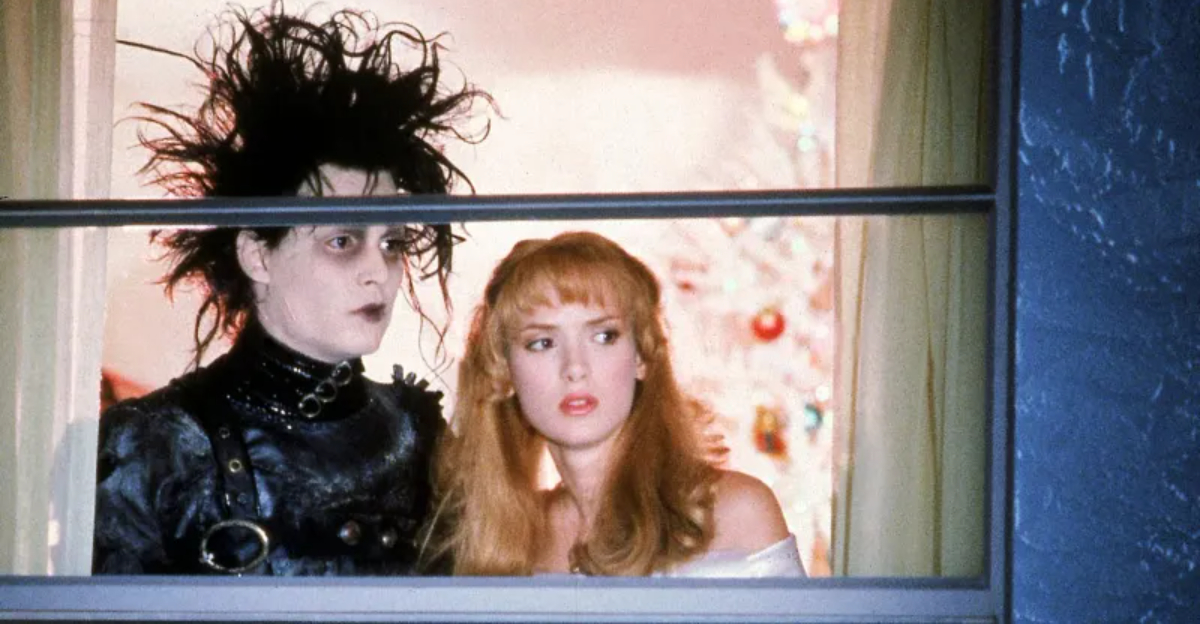
Growing up in the ’80s and ’90s meant Saturday afternoons filled with movies that were supposed to be fun and magical. But somewhere between the popcorn and the cozy blankets, certain scenes burned themselves into our brains in ways we never expected.
These films were marketed to kids, yet they carried dark themes, terrifying visuals, and emotional gut-punches that no child was truly prepared for. If you still get a little uneasy thinking about some of these classics, you are definitely not alone.
1. The NeverEnding Story (1984)
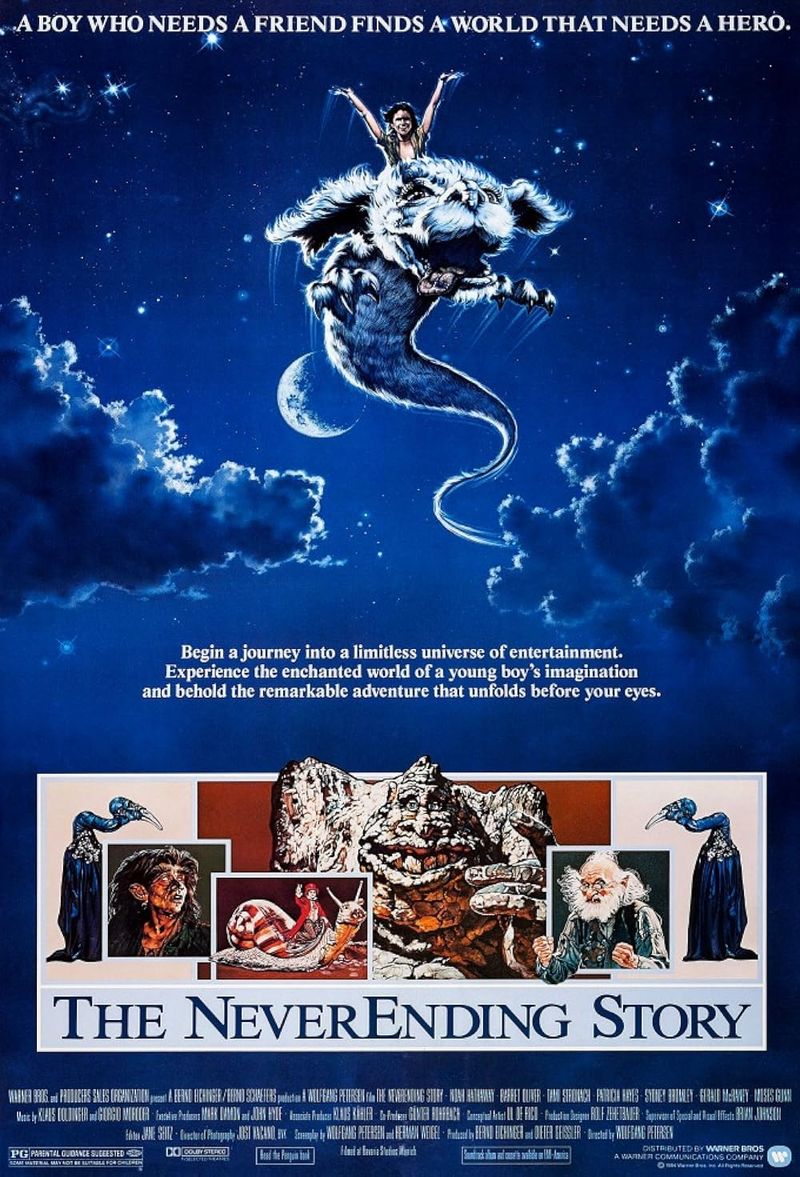
Some movie moments stick with you forever, and Artax sinking into the Swamp of Sadness is at the top of that list.
Atreyu pleads desperately for his beloved horse to keep fighting, but Artax slowly disappears beneath the murky water.
It was a scene so devastating that even adults watching it today feel the sting.
The film never shied away from the idea that sadness itself could be fatal, which is a heavy concept for a child to process.
Artax didn’t fight a monster or face a villain — he simply gave up, overwhelmed by grief.
That quiet surrender made it even more heartbreaking than any action-packed battle scene could have been.
2. The Dark Crystal (1982)
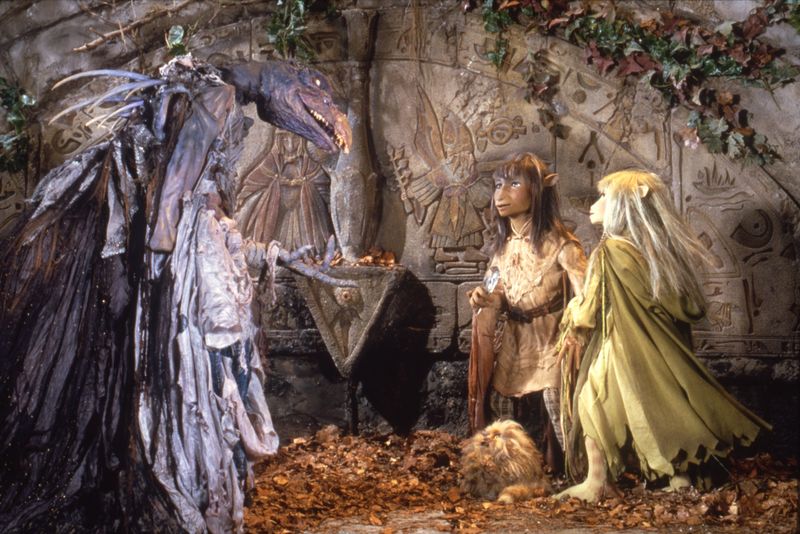
Before CGI monsters dominated Hollywood, Jim Henson created something far more unsettling using puppets and practical effects.
The Skeksis from The Dark Crystal were genuinely horrifying — skeletal, vulture-like creatures who drained the life force from innocent beings to stay young.
Watching them feast and cackle sent chills down the spine of every kid who sat through this film.
What made them so disturbing was how real they looked.
These weren’t cartoonish villains you could laugh at.
They moved, they slobbered, and they radiated pure menace.
Many children who saw this movie in theaters reportedly had nightmares for weeks afterward, and honestly, that reaction makes complete sense given how convincing the creature design truly was.
3. Return to Oz (1985)
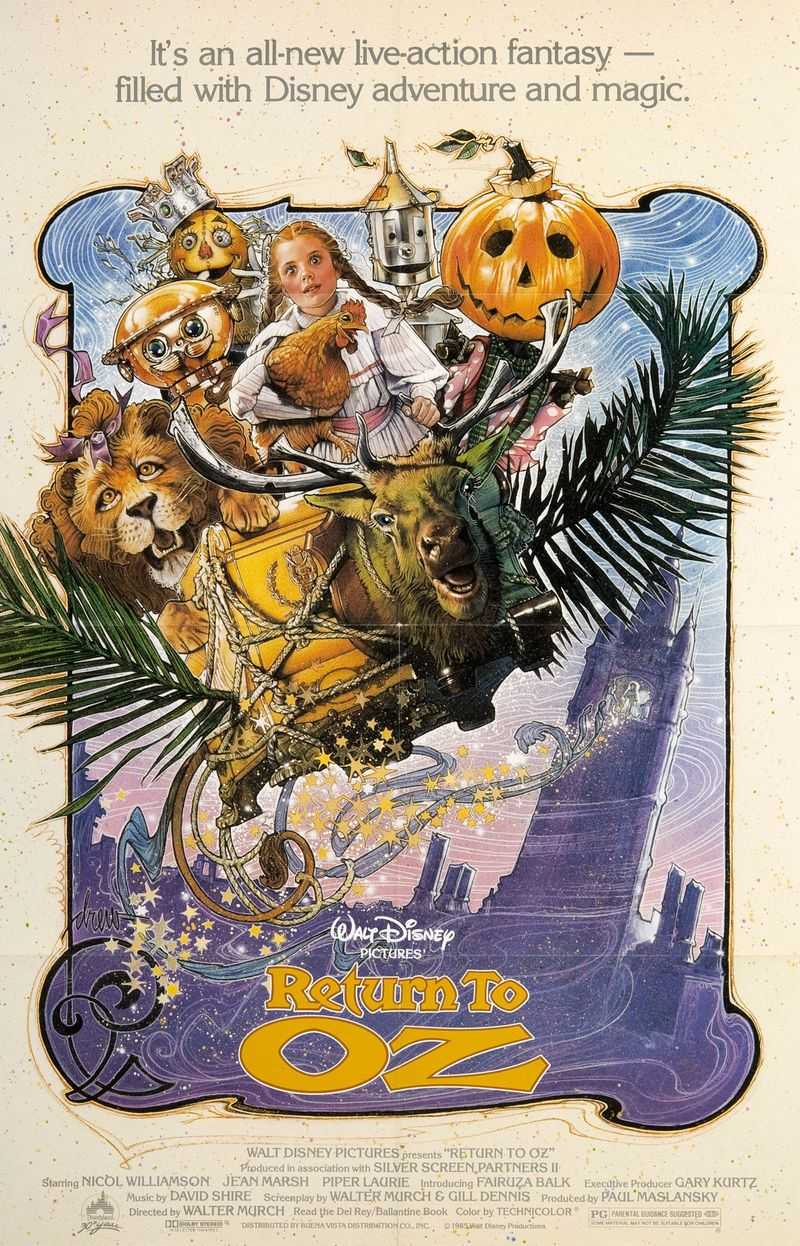
Nobody asked for a darker, more disturbing sequel to The Wizard of Oz, yet Return to Oz delivered exactly that.
The Wheelers — cackling creatures with wheels for hands and feet — were nightmare fuel on their own.
But Princess Mombi’s collection of interchangeable heads displayed in glass cases took the horror to a completely different level.
Dorothy navigating a hallway lined with screaming, disembodied heads is not something a child’s brain easily forgets.
The whole film had a cold, clinical creepiness that felt completely out of place in a story meant for young audiences.
Fans who revisit it as adults are often shocked at just how dark the filmmakers were willing to go for what was technically a kids’ movie.
4. Watership Down (1978)
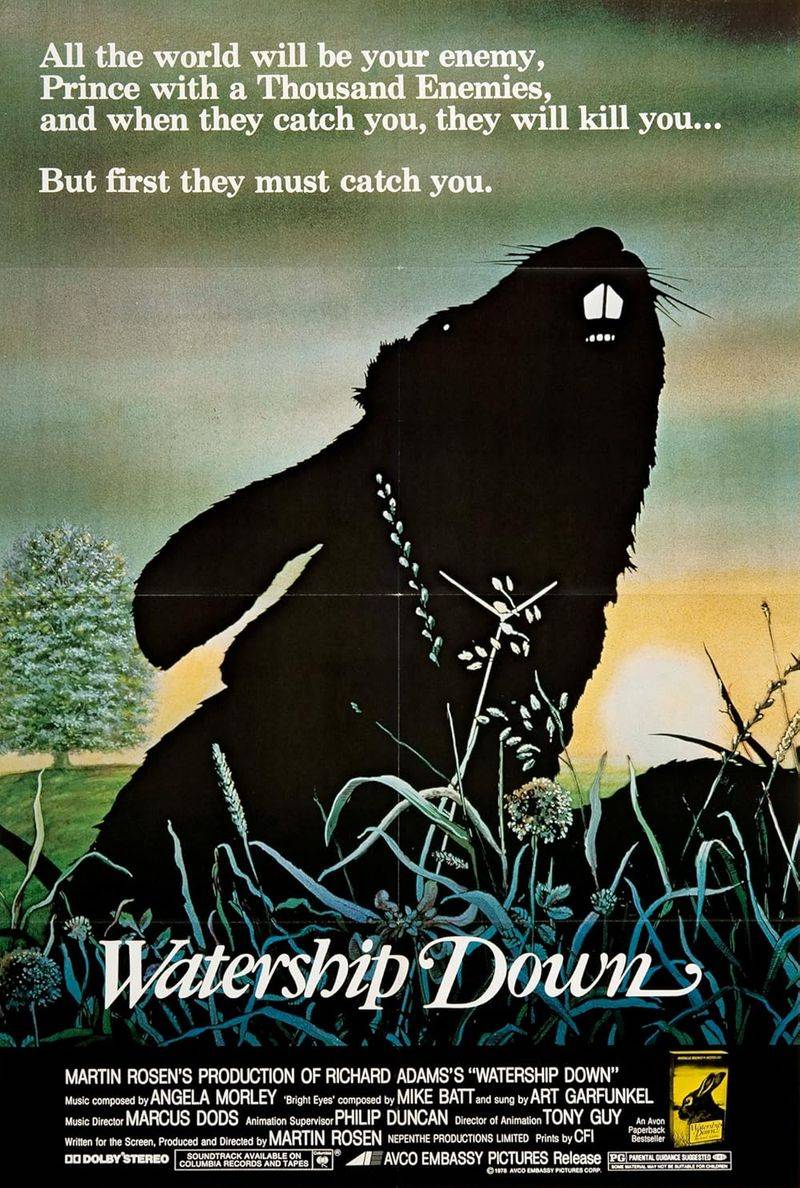
Watership Down tricked an entire generation by looking like a sweet animated film about bunnies.
Within the first few minutes, rabbits were dying in graphic, bloody ways that no child expected.
The movie followed a group of rabbits fleeing the destruction of their warren, but the journey was filled with brutality, loss, and genuine despair.
General Woundwort, the film’s terrifying antagonist, was as frightening as any live-action villain.
The climactic battle scene left many young viewers completely shaken.
Even the film’s haunting theme song, “Bright Eyes,” became associated with sadness for an entire generation.
Parents who rented this thinking it was a peaceful nature story quickly realized their mistake — usually right around the time their children started crying.
5. Who Framed Roger Rabbit (1988)
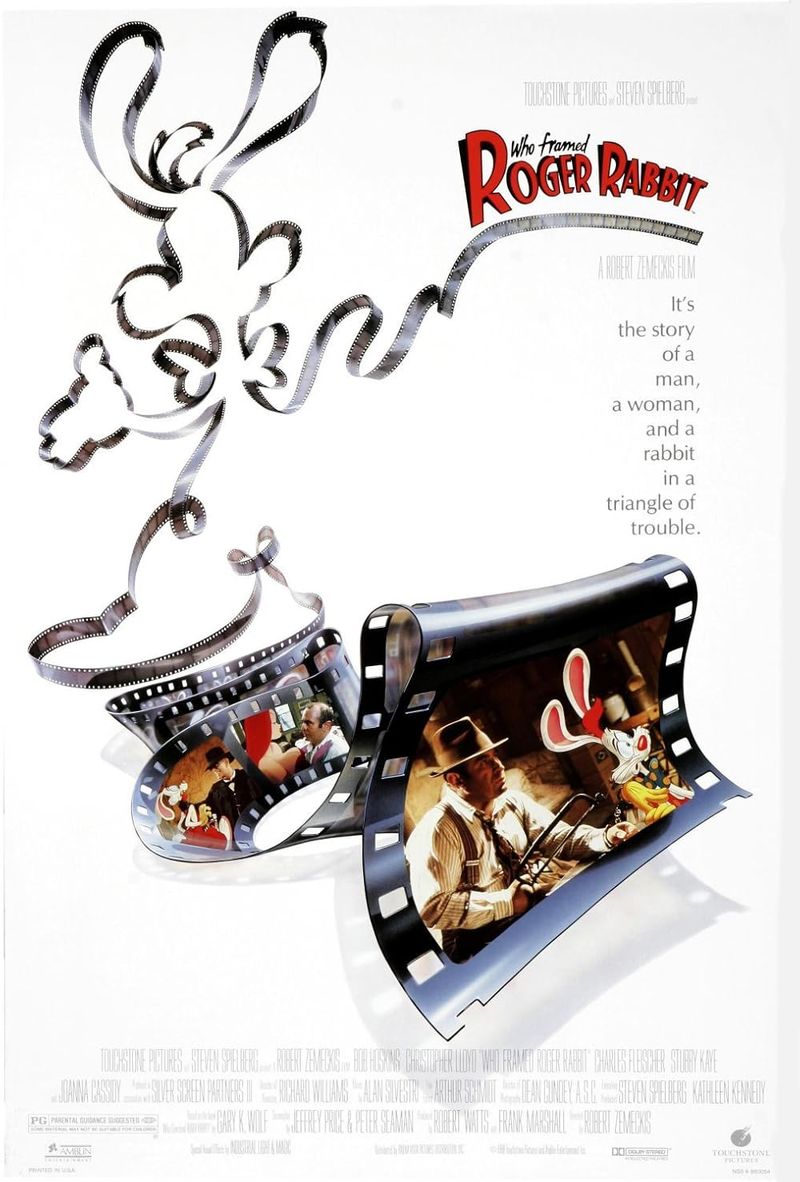
Who Framed Roger Rabbit was a groundbreaking blend of live-action and animation that delighted audiences of all ages — until Judge Doom showed up.
Christopher Lloyd’s villain was unsettling from the start, but his final reveal as a Toon himself, complete with cartoon eyes and that shrieking voice, crossed into genuinely terrifying territory.
The concept of the “Dip” — a substance that could permanently erase cartoons — added an existential horror that children weren’t prepared to process.
Watching an innocent cartoon shoe melt while screaming was disturbing in a way that felt completely at odds with the film’s playful tone.
Judge Doom remains one of cinema’s most underrated nightmare-inducing villains, and the kids who watched this in 1988 would wholeheartedly agree.
6. The Witches (1990)
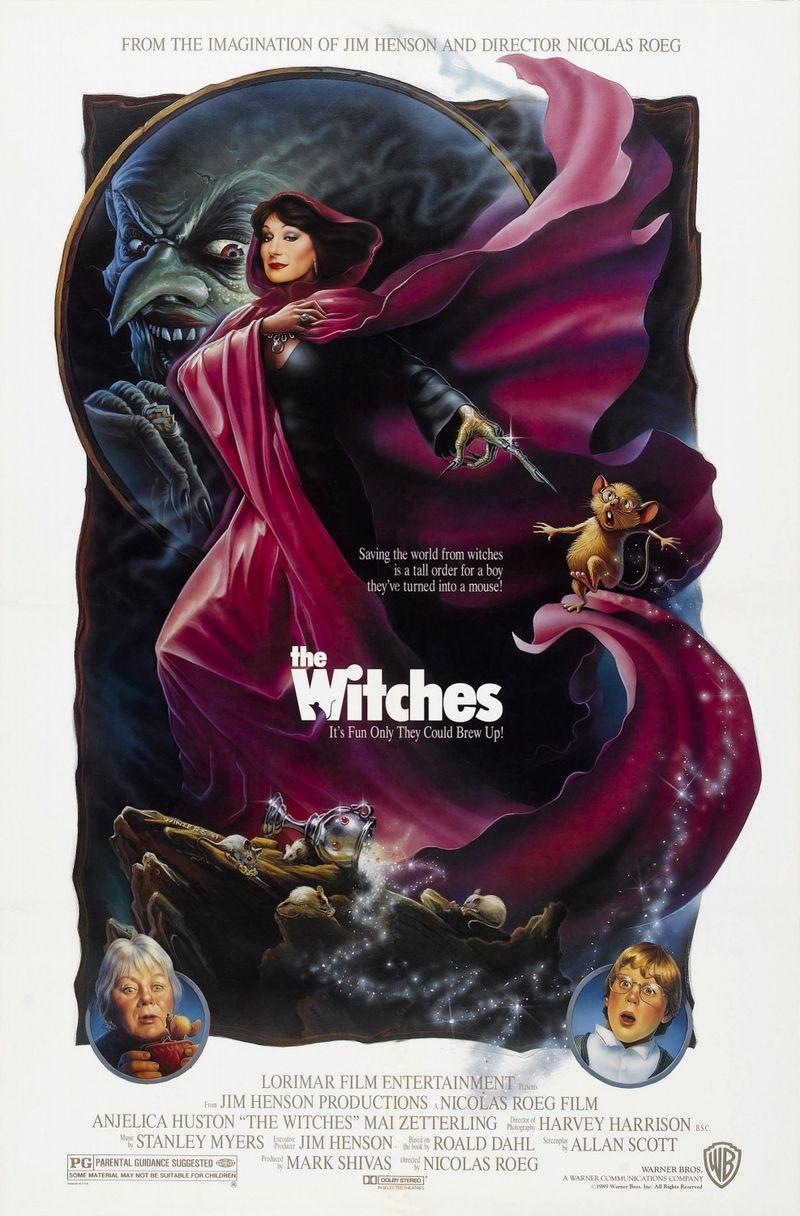
Anjelica Huston was already a commanding screen presence, but her role as the Grand High Witch in The Witches transformed her into something truly monstrous.
The scene where she peels off her human disguise — revealing a bald, clawed, long-nosed creature — was executed with such convincing practical effects that it felt more like a horror film than a children’s story.
The entire movie carried a deeply unsettling message: witches look just like regular women, and they hate children.
For a young viewer, that idea planted seeds of paranoia that were hard to shake.
Nicolas Roeg directed the film with a cold, clinical dread that Roald Dahl himself might have appreciated — though many parents certainly wished for a gentler adaptation.
7. The Secret of NIMH (1982)
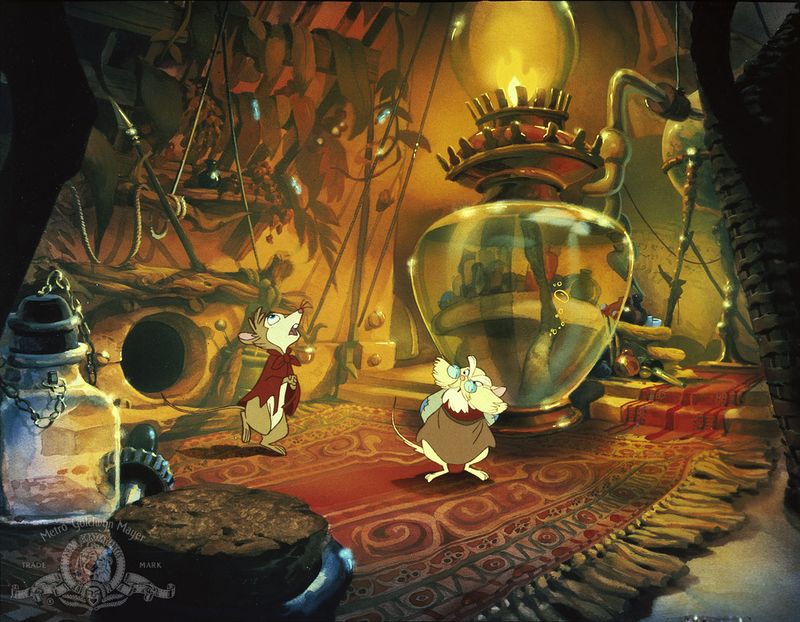
Don Bluth’s The Secret of NIMH was the animated film that proved cartoons didn’t have to be comfortable.
Mrs. Brisby’s desperate mission to save her sick son was wrapped in themes of scientific experimentation, mortality, and sacrifice that felt far heavier than anything Disney was producing at the time.
The animation itself was gorgeous but deeply moody.
Nicodemus’s death, the terrifying Great Owl, and the glowing amulet scenes all contributed to an atmosphere that felt genuinely oppressive.
Children watching this weren’t just entertained — they were emotionally wrung out by the end.
The film respected young viewers enough to not soften its darker edges, which is admirable in hindsight but absolutely overwhelming when you’re sitting there as a seven-year-old.
8. Gremlins (1984)
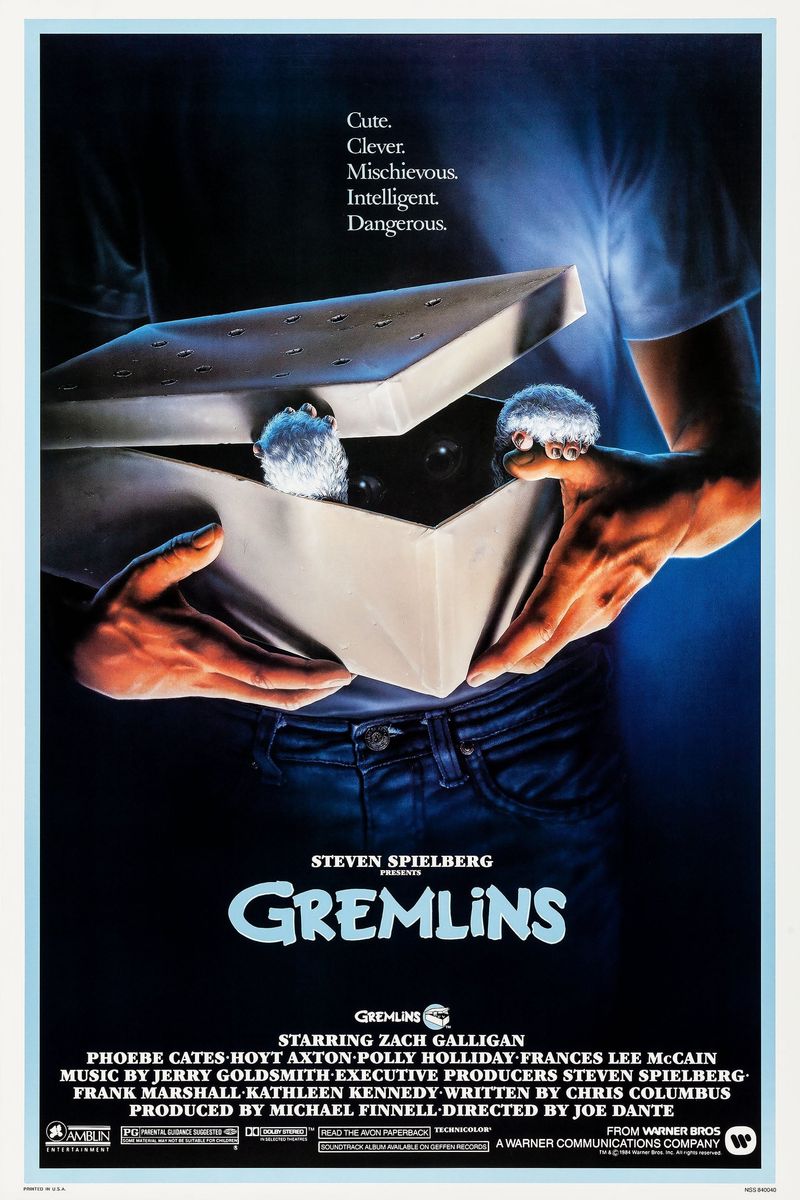
Mogwai was adorable.
Gizmo, with his big eyes and tiny voice, was the kind of creature every kid desperately wanted as a pet.
Then the rules got broken, and Gremlins reminded everyone that cuteness can be a very effective disguise for something genuinely dangerous.
The transformation from fluffy companion to screeching, murderous monster was jarring in the best and worst ways.
The scene where Kate explains why she hates Christmas — describing how her father died in a chimney dressed as Santa — was so unexpectedly dark that it became legendary among audiences.
Gremlins walked a tightrope between horror and comedy, and it didn’t always stay on the comfortable side.
Many kids left theaters with a complicated new feeling about cute animals.
9. The Brave Little Toaster (1987)
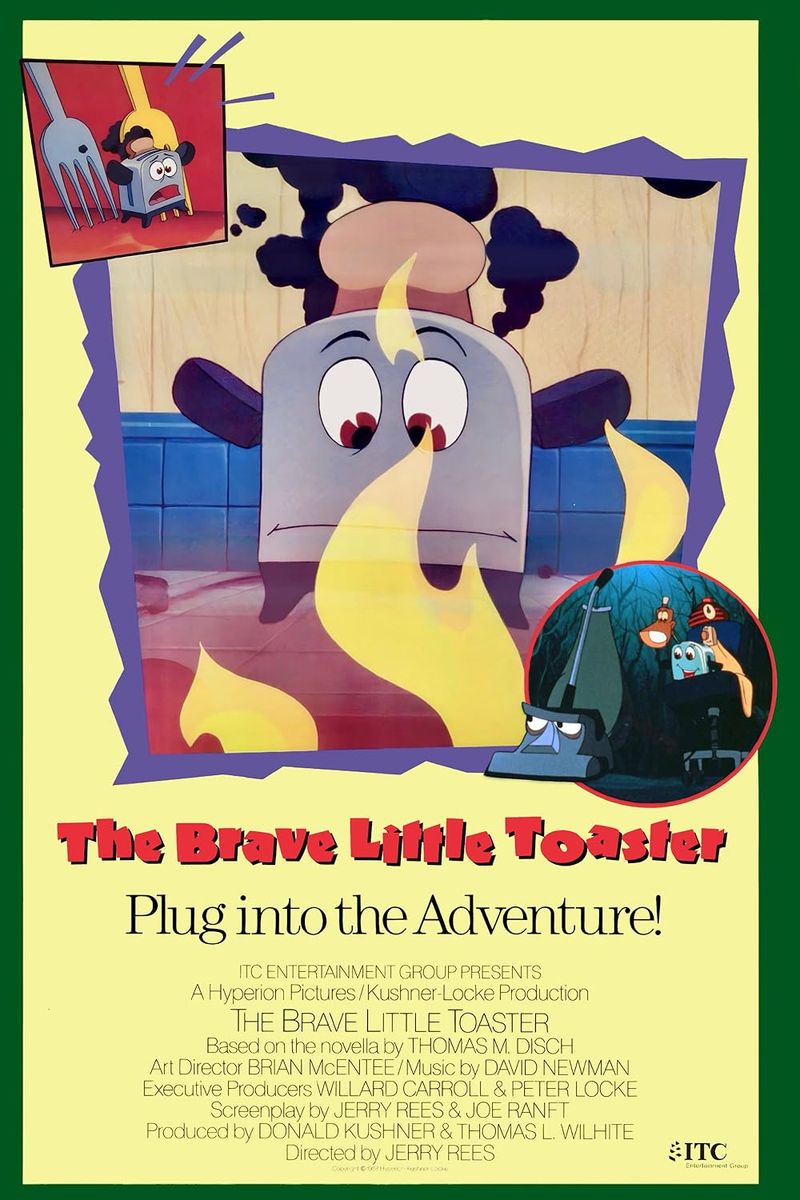
On the surface, The Brave Little Toaster sounds perfectly innocent — a group of household appliances go on an adventure to find their owner.
But underneath that cheerful premise was a film absolutely loaded with existential anxiety, abandonment fears, and mortality themes that hit children like a freight train.
The clown nightmare sequence alone was enough to keep kids awake for nights.
The junkyard scene, where old cars are crushed and destroyed while singing about their forgotten glory days, remains one of the most emotionally devastating sequences in animation history.
Nobody expected a movie about a toaster to make them question the meaning of existence, but here we are.
This film deserves far more recognition for the emotional complexity it asked young viewers to wrestle with.
10. Jumanji (1995)
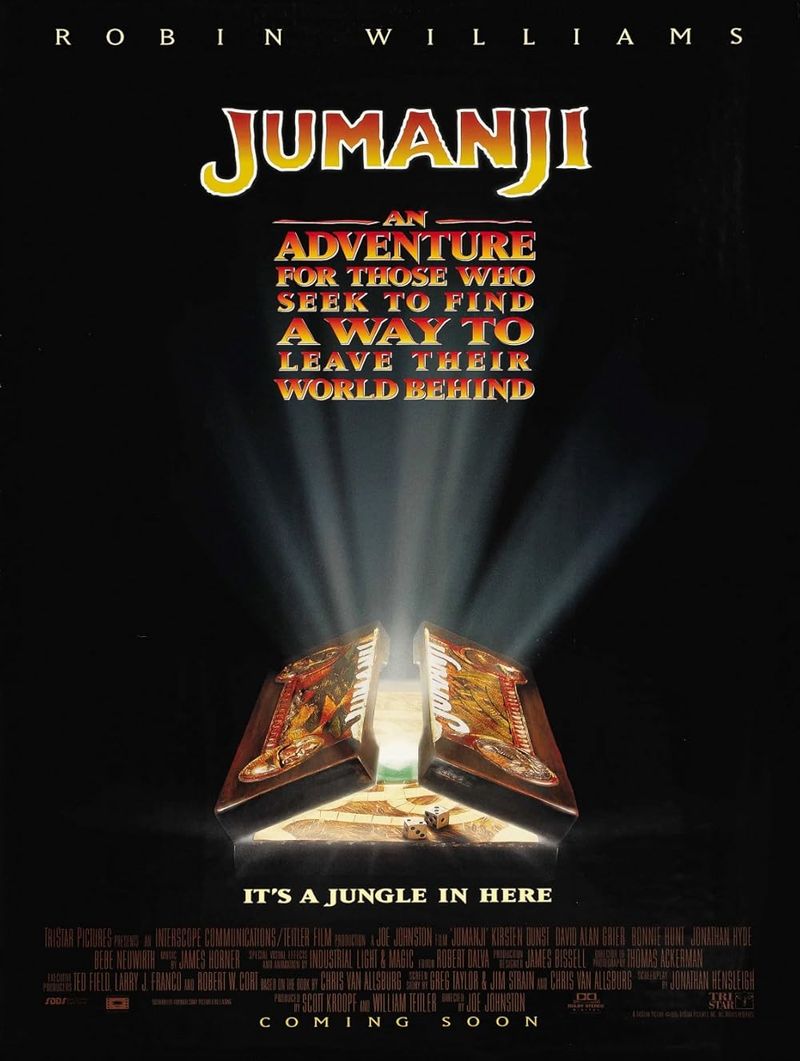
Jumanji dressed itself up as a fun family adventure, but the actual content was relentless and genuinely frightening.
Van Pelt, the hunter who emerged from the game to stalk Robin Williams’s character through a suburban neighborhood, was a legitimately threatening villain.
Giant spiders, stampeding rhinos, and carnivorous plants turned what should have been a whimsical premise into something much more intense.
The film’s central idea — that a magical game could trap a child alone in a jungle for twenty-six years — was existentially horrifying when you stopped to think about it.
Alan Parrish lost his entire childhood to a board game.
Young viewers absorbed that fear without fully understanding why the movie left them feeling so uneasy long after the credits rolled.
11. The Land Before Time (1988)
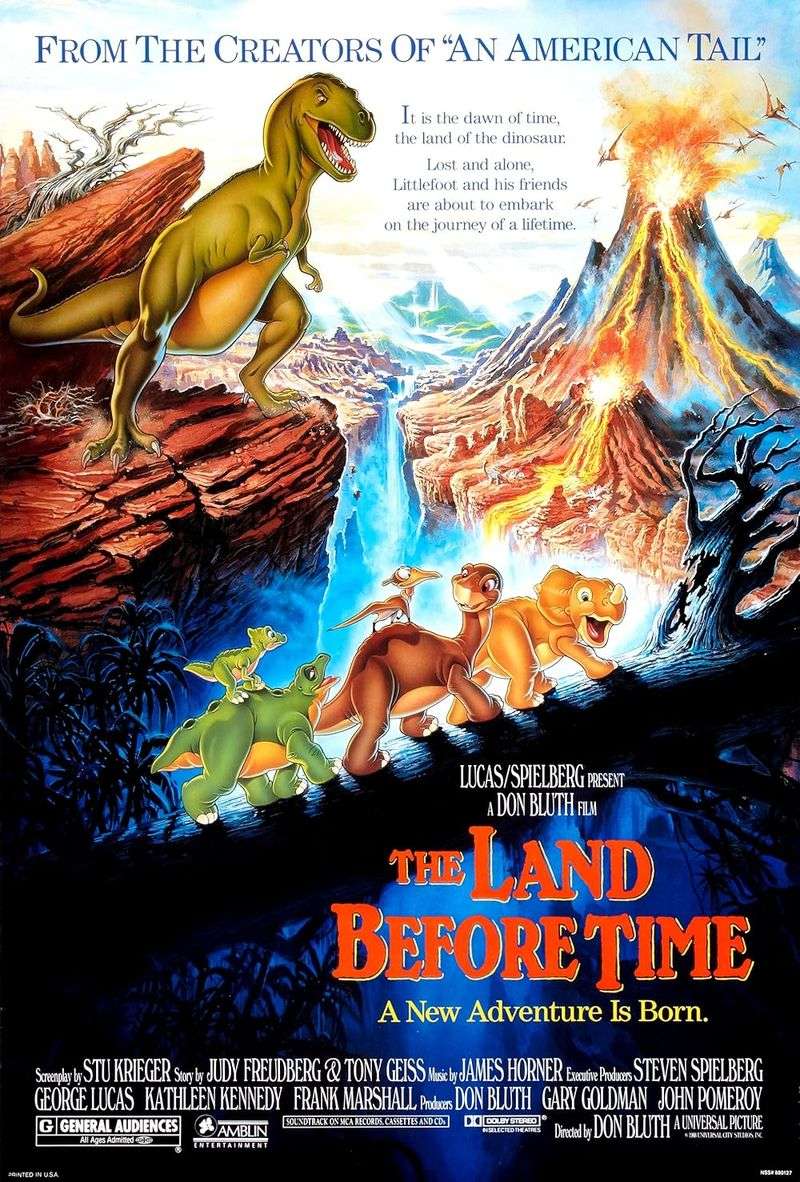
Don Bluth strikes again.
The Land Before Time was supposed to be a heartwarming dinosaur adventure, and for most of its runtime, it delivered exactly that.
But the death of Littlefoot’s mother during an earthquake and Sharptooth attack was presented with such raw emotional honesty that it blindsided children everywhere.
There was no softening, no quick cutaway — just a baby dinosaur losing his mother.
Littlefoot’s confusion and grief were portrayed with a tenderness that made the scene even harder to watch.
The moment he sees his own shadow and mistakes it briefly for his mother remains one of animation’s most heartbreaking images.
Kids who grew up with this film carry that scene with them into adulthood, often without fully realizing how deeply it shaped their understanding of loss.
12. Edward Scissorhands (1990)
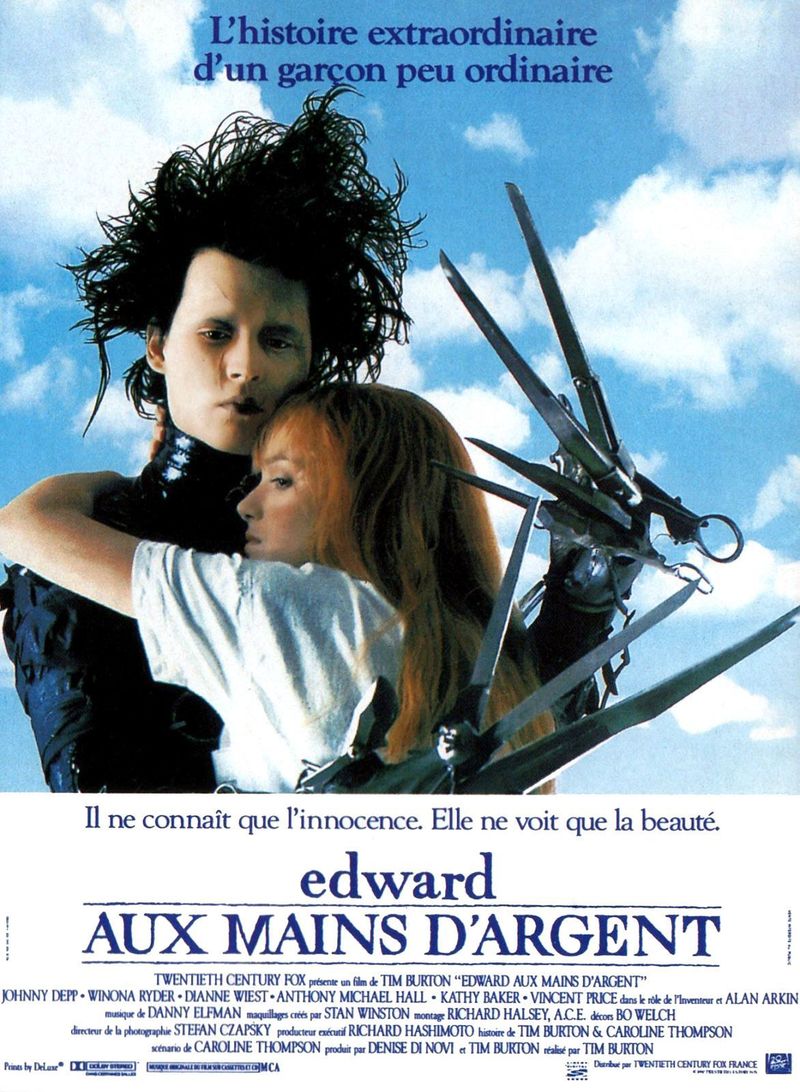
Tim Burton’s Edward Scissorhands wrapped a deeply emotional story about rejection and loneliness inside a fairy-tale aesthetic, which made the pain hit even harder.
Edward, played by Johnny Depp, was a gentle, creative soul who could never truly belong in the world around him.
His inability to touch the people he loved without hurting them was a metaphor that children felt without being able to name it.
The townspeople’s shift from fascination to fear mirrored real experiences of social rejection that many young viewers recognized instinctively.
The bittersweet ending, where Edward retreats permanently to his castle while Kim grows old alone, offered no tidy resolution.
It was honest and melancholy in a way that left audiences of all ages quietly sitting with feelings they weren’t quite sure how to process.
13. My Girl (1991)
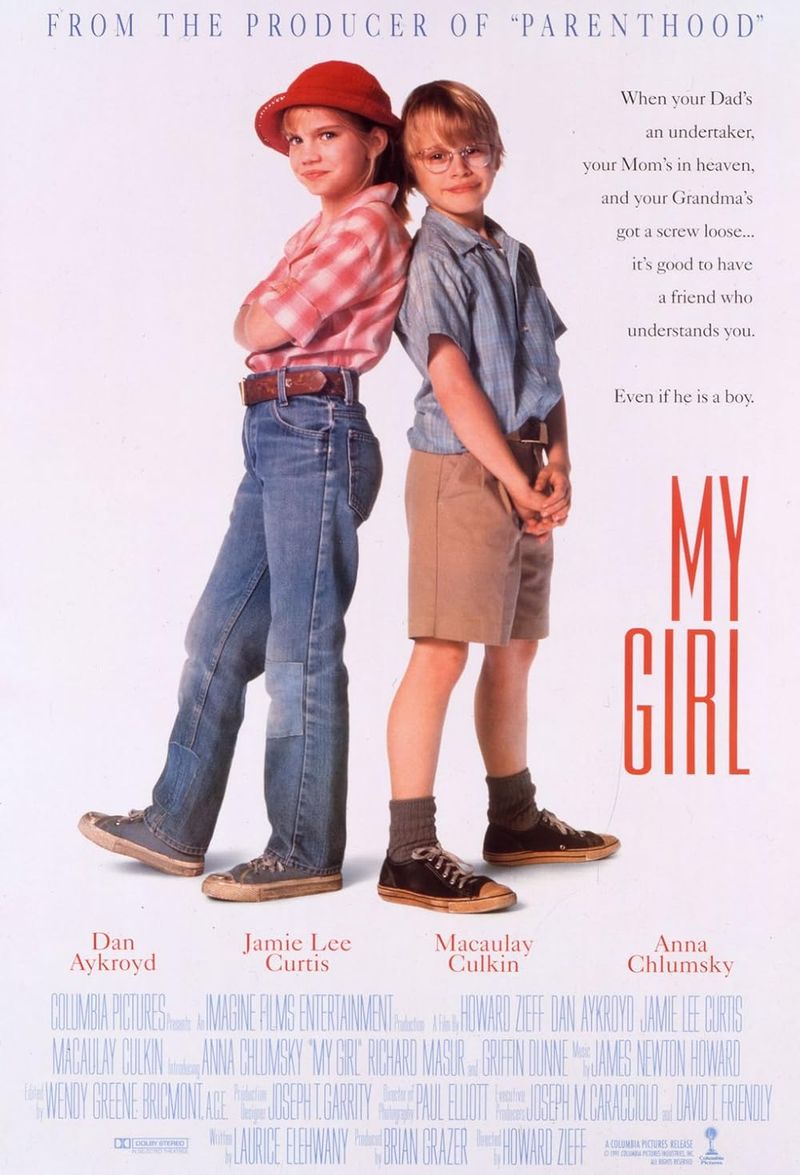
My Girl lured audiences in with the charm of childhood friendship, summer nostalgia, and Anna Chlumsky’s wonderfully real performance as Vada.
Then it killed Thomas J.
Not off-screen, not gently — he died from bee stings while searching for Vada’s mood ring in the woods, and the audience had to watch Vada process that reality at his open casket.
It was brutal.
“He can’t see without his glasses” remains one of the most gut-wrenching lines in cinema history, delivered by a child actor in a moment of pure, unscripted-feeling grief.
My Girl taught an entire generation of children that best friends can disappear without warning, and that loss doesn’t come wrapped in dramatic music or heroic circumstances.
Sometimes it just happens, quietly and terribly.