 MomSkoop
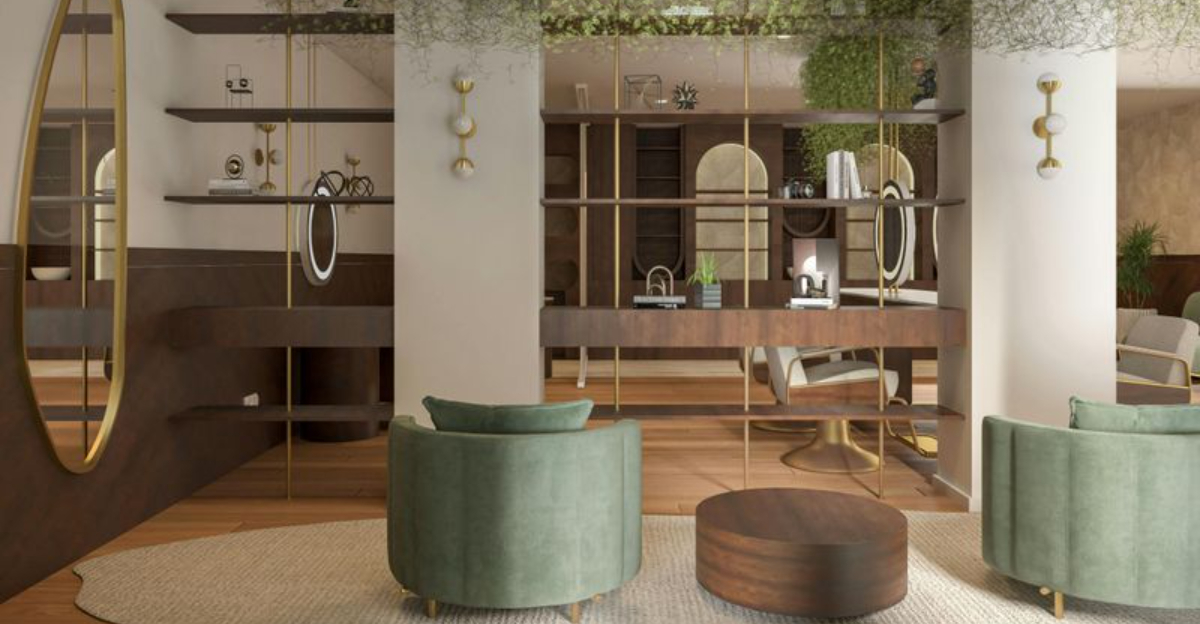
Your home should feel like a sanctuary where every corner invites relaxation and peace. Modern living spaces are evolving beyond just looking good—they’re now designed to make daily life easier and more enjoyable.
From cozy textures to smart technology, today’s trends focus on creating environments that truly support your well-being. Here are nine innovative ways people are transforming their houses into havens of comfort.
1. Biophilic Design Elements
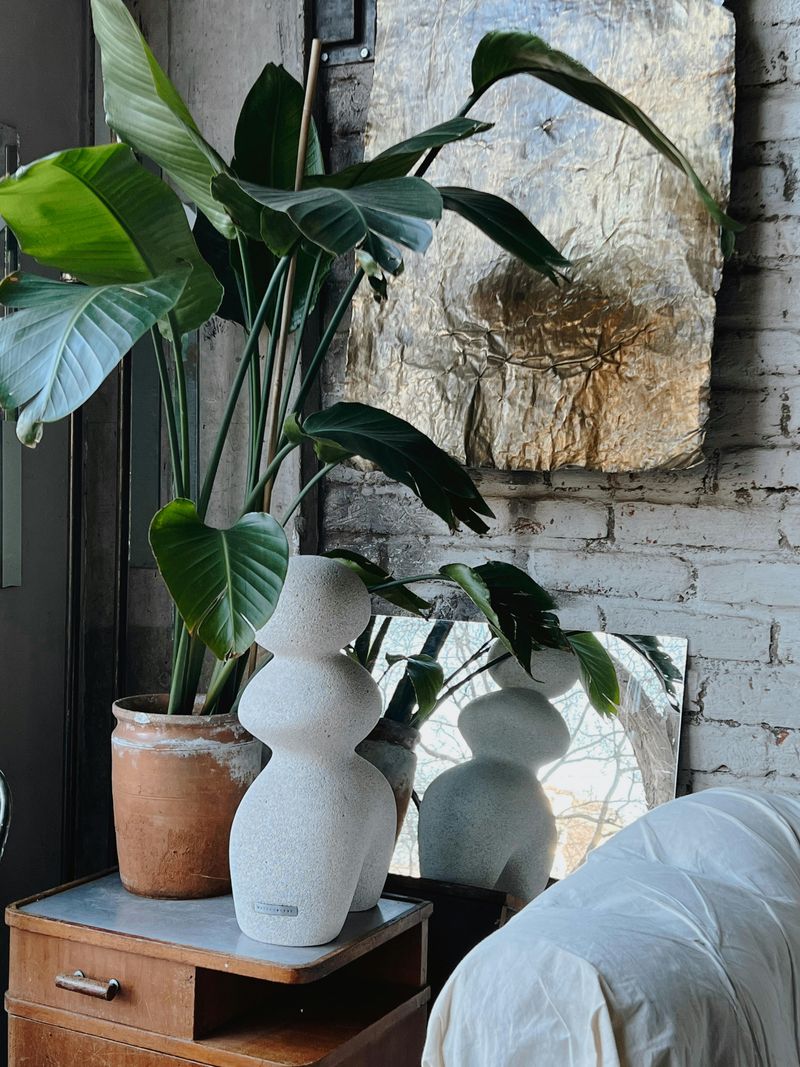
Bringing nature indoors has become more than just a decorating choice—it’s a lifestyle shift.
Plants, natural materials, and earthy colors help reduce stress and improve air quality in your home.
Large windows that invite sunlight, wooden furniture, and stone accents create connections to the outdoors.
You might add a living wall of ferns or place potted succulents throughout your rooms.
Even small touches like bamboo shelves or cotton textiles make spaces feel more organic.
This approach transforms sterile rooms into vibrant, breathing environments.
Studies show that being surrounded by natural elements can boost mood and productivity significantly.
2. Multi-Functional Furniture
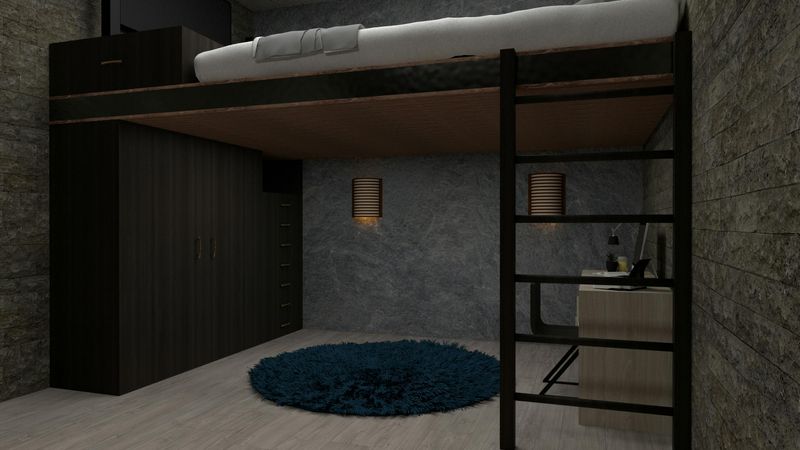
Space-saving furniture has revolutionized how we use every square foot of our homes.
Sofas that convert into beds, coffee tables with hidden storage, and desks that fold into walls maximize functionality.
These clever pieces work especially well in apartments or smaller houses where room is limited.
A dining table might expand to seat eight guests, then shrink back for everyday use.
Ottoman cubes can serve as seating, footrests, or storage boxes depending on your needs.
This flexibility means you’re never stuck with furniture that only serves one purpose.
Smart design choices help create adaptable spaces that change with your daily routines.
3. Warm Minimalism
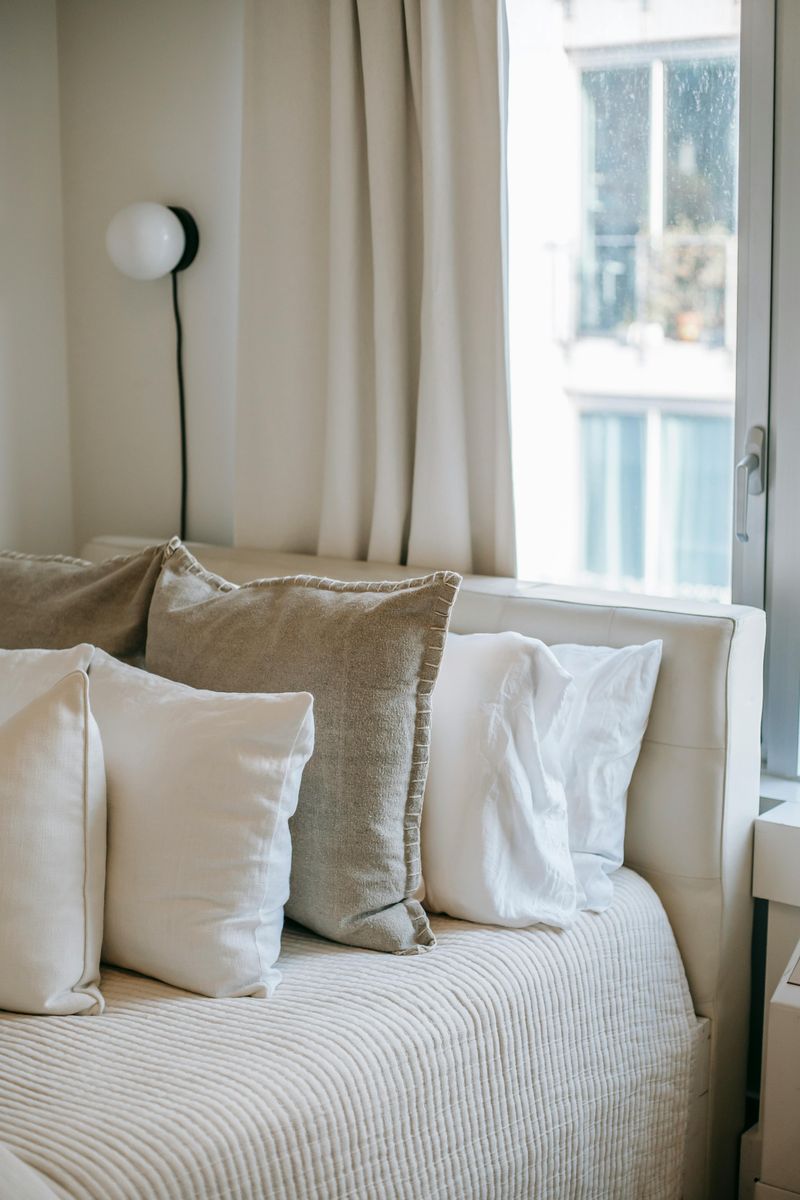
Gone are the days when minimalism meant cold, sterile spaces that felt unwelcoming.
Today’s version embraces simplicity while adding warmth through soft textures and gentle colors.
Cream walls, chunky knit blankets, and smooth wooden surfaces create calm without feeling empty.
The key is choosing fewer items but making each one meaningful and comfortable.
You might keep surfaces clear while adding plush rugs or velvet cushions for coziness.
This style proves you don’t need lots of stuff to feel at home.
By removing excess clutter, your space becomes easier to maintain and more peaceful to inhabit daily.
4. Smart Home Integration
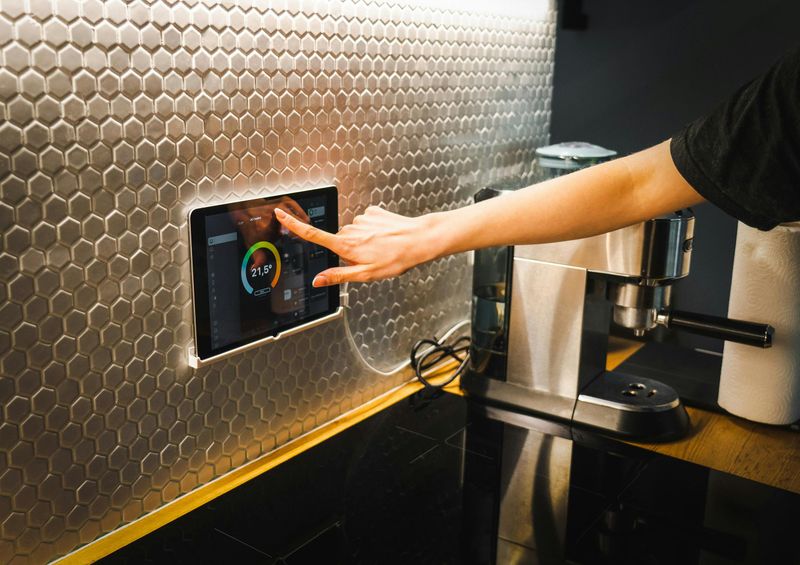
Technology now works quietly in the background, making homes more responsive to your needs.
Voice-activated assistants can adjust lighting, play music, or set the perfect temperature without you lifting a finger.
Smart thermostats learn your schedule and adjust heating or cooling to save energy and money.
You can lock doors, check security cameras, or start your coffee maker from anywhere using your phone.
These systems aren’t just convenient—they also help reduce utility bills and increase home security.
Installation has become simpler, with many devices working right out of the box.
Comfort now means having your home anticipate what you need before you ask.
5. Dedicated Wellness Spaces
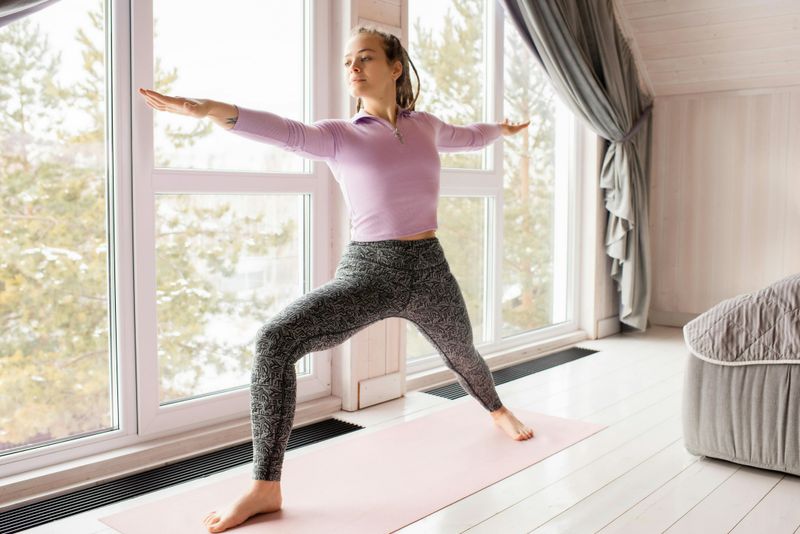
Creating a special corner for self-care has become essential rather than optional for many families.
A quiet room or even a small nook dedicated to yoga, meditation, or exercise supports mental and physical health.
You don’t need much space—just enough for a mat, some cushions, and calming decorations.
Soft lighting, soothing colors, and minimal distractions help these areas feel separate from daily chaos.
Some people add mirrors for workouts, while others prefer candles and essential oil diffusers for relaxation.
Having this designated spot encourages regular wellness practices that might otherwise get skipped.
Your home becomes a place that actively supports your journey toward better health and balance.
6. Layered Lighting Systems
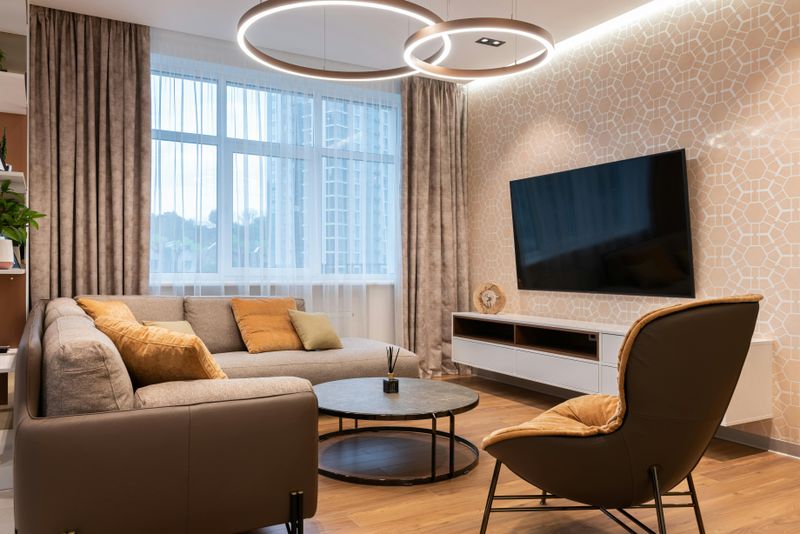
Forget relying on one harsh overhead light to brighten an entire room.
Combining different light sources at various heights creates depth and sets the perfect mood for any activity.
Table lamps provide focused light for reading, while floor lamps add soft ambient glow to corners.
Dimmer switches let you adjust brightness throughout the day, from energizing mornings to relaxing evenings.
Under-cabinet lights in kitchens make cooking safer and easier without flooding the space with brightness.
Accent lighting can highlight artwork or architectural features you want to showcase.
This approach transforms how rooms feel, making spaces more versatile and dramatically more comfortable for everyone.
7. Textured Comfort Layers
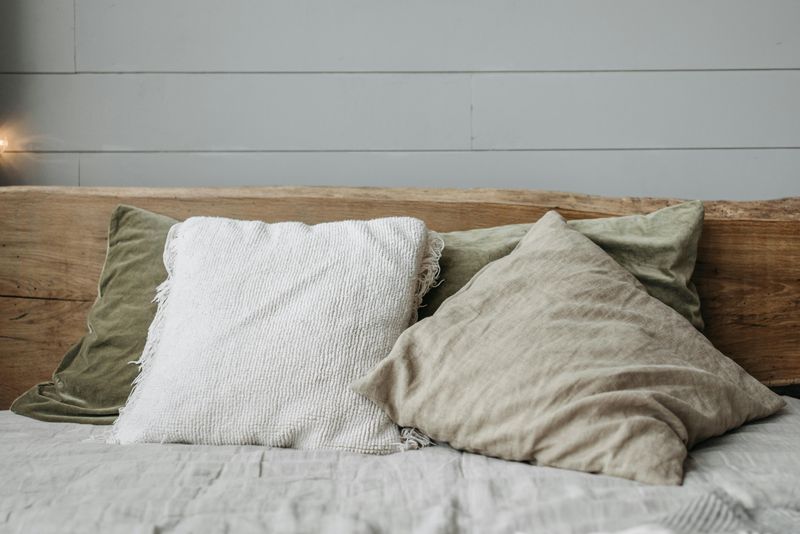
Mixing different fabrics and materials adds richness that makes spaces feel instantly more inviting.
Velvet pillows paired with linen curtains and wool throws create visual interest while boosting coziness.
Layering rugs—perhaps a jute base with a soft sheepskin on top—adds warmth underfoot.
These tactile elements encourage you to touch, snuggle, and truly relax in your surroundings.
Different textures also help define areas within open-concept spaces without needing walls.
Woven baskets, ceramic vases, and smooth wood surfaces all contribute to this sensory experience.
Your home becomes a place where comfort isn’t just seen but genuinely felt through every surface.
8. Flexible Open Spaces
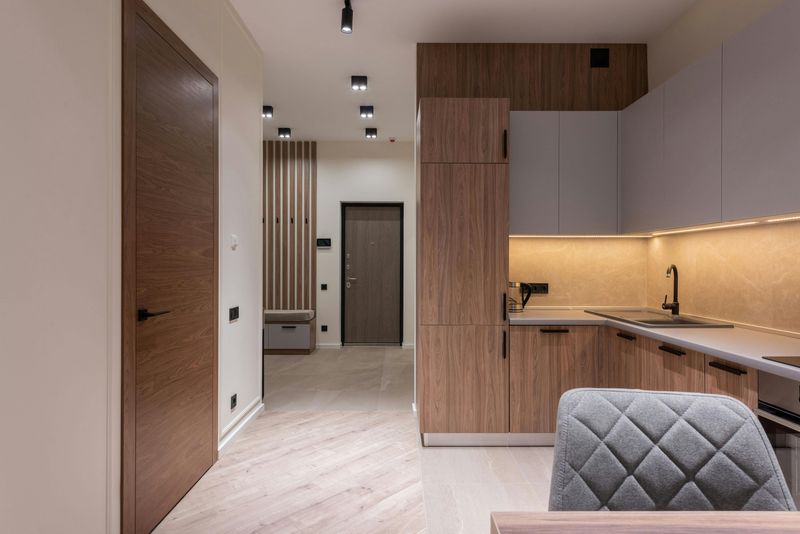
Walls are coming down as families seek spaces that adapt to changing needs throughout the day.
Open floor plans allow rooms to flow together, making homes feel larger and more connected.
However, flexibility is key—sliding doors or movable dividers let you create privacy when needed.
A living room might serve as a play area by day and entertainment zone by evening.
Furniture on wheels can be easily rearranged for hosting parties or creating workspace.
This adaptability means your home grows and changes alongside your lifestyle without requiring renovations.
Families appreciate how these spaces encourage togetherness while still allowing everyone their own activities.
9. Personalized Color Palettes
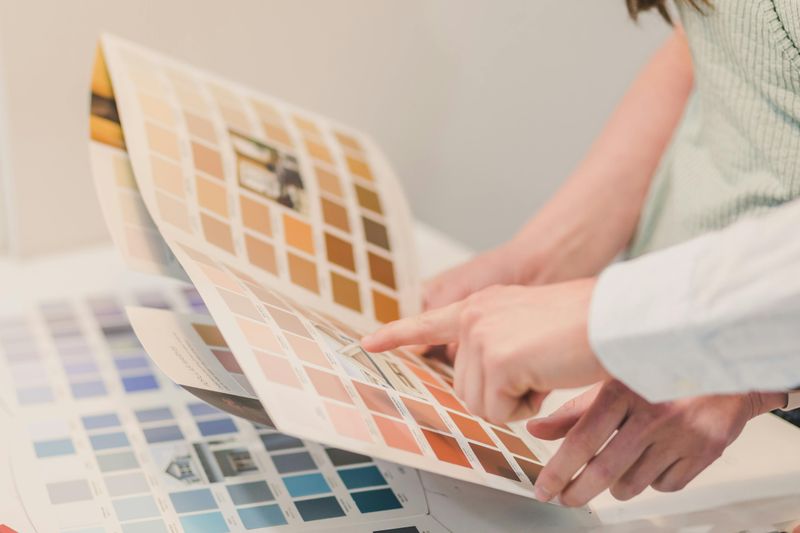
Did you know that colors directly affect your emotions and energy levels throughout the day?
Rather than following trendy paint colors, people are choosing shades that genuinely make them feel good.
Warm terracotta tones might energize your kitchen, while soft blues create calm in bedrooms.
Your favorite colors from nature, travel memories, or childhood can inspire entire room schemes.
This personal approach means your home reflects who you actually are, not what magazines say is popular.
Accent walls, colorful furniture, or vibrant artwork let you experiment without permanent commitment.
When surrounded by colors you love, your space becomes uniquely yours and infinitely more comfortable.