 MomSkoop
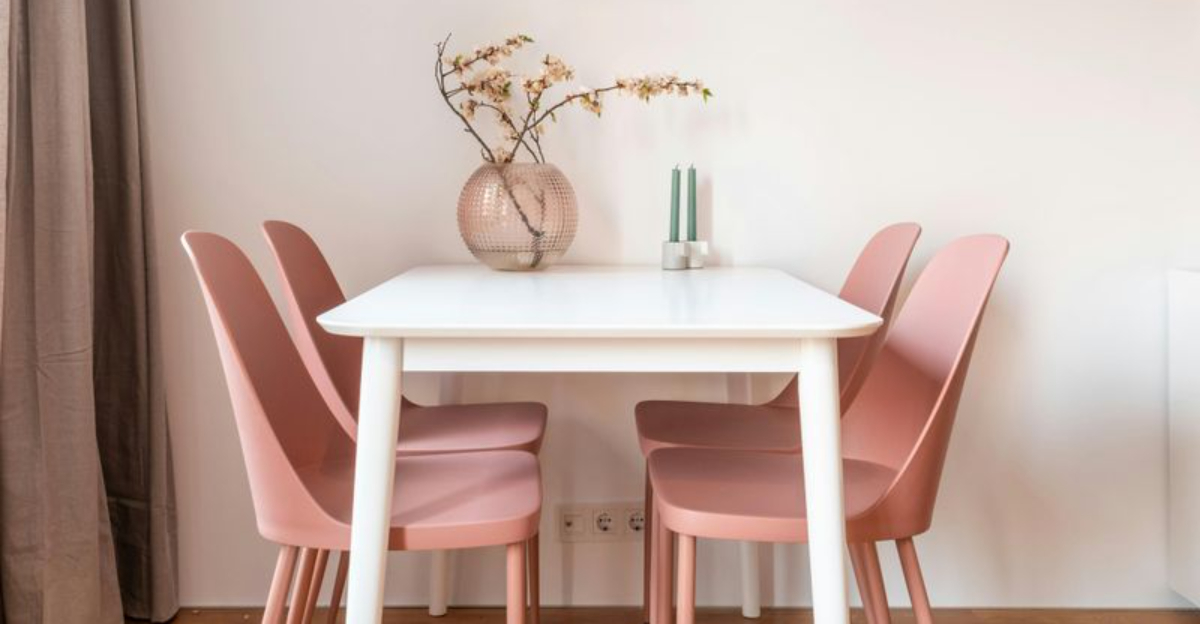
Dining rooms are getting a major upgrade as we approach 2026. Designers everywhere are rethinking how these spaces look and function, blending beauty with purpose in exciting new ways.
From bold colors to flexible furniture, the trends ahead promise to make your dining area more inviting, stylish, and personal than ever before.
1. Multifunctional Dining Spaces
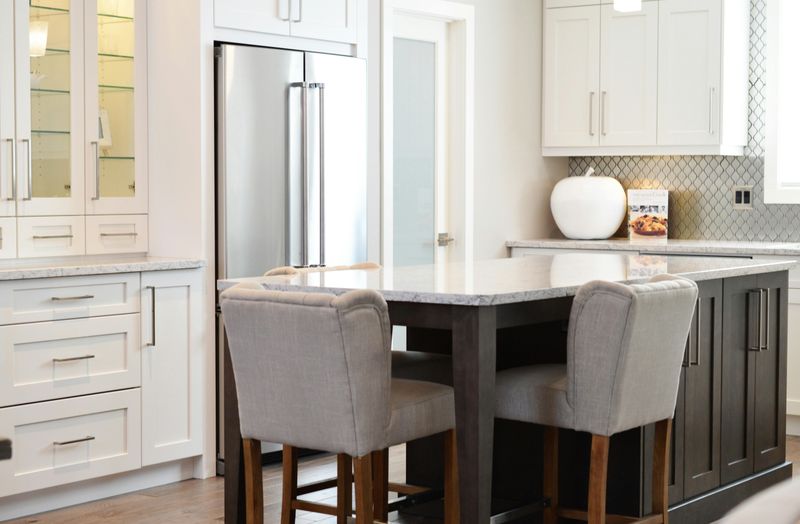
Your dining room no longer has to serve just one purpose.
More families are turning this space into a hub for homework, remote work meetings, game nights, and weekend brunches all in one.
Flexible furniture like extendable tables and stackable chairs makes it easy to shift from dinner party mode to study session in minutes.
Designers recommend investing in pieces that adapt to your lifestyle.
Storage benches hide clutter, while rolling carts bring supplies wherever you need them.
The key is creating a layout that flows smoothly between activities without feeling cramped or chaotic.
2. Statement Dining Tables
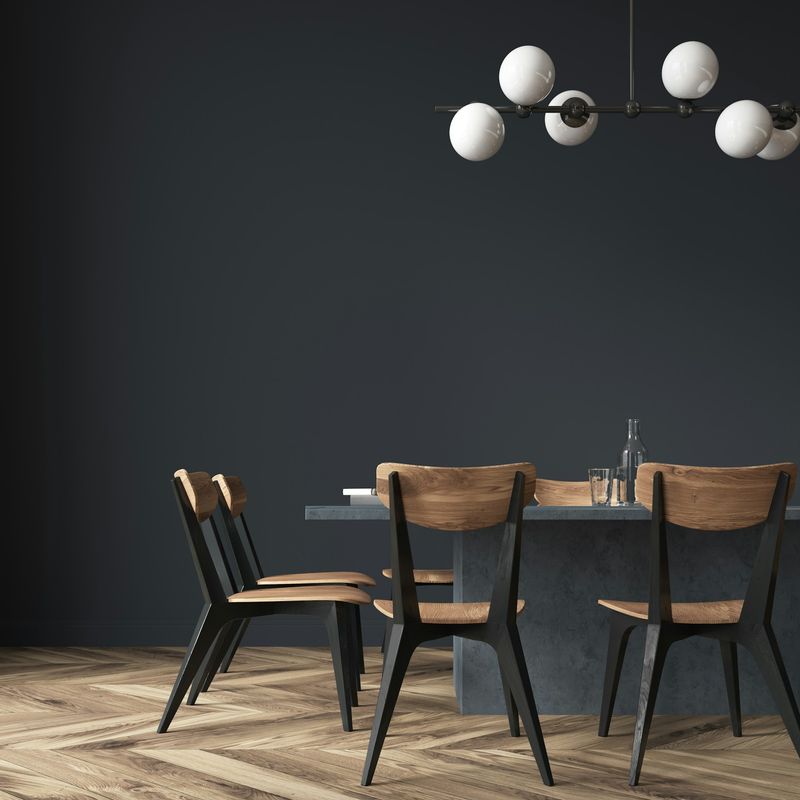
Forget blending in—tables are taking center stage as true works of art.
Sculptural designs crafted from solid wood, natural stone, or mixed materials command attention the moment you walk into the room.
These pieces aren’t just functional; they’re conversation starters that reflect your personal style and taste.
Designers favor tables with unique shapes, live edges, or unexpected material combinations like marble tops with metal bases.
The goal is to choose something that feels special and anchors the entire space.
When your table makes a bold statement, everything else falls beautifully into place around it.
3. Curved and Organic Forms
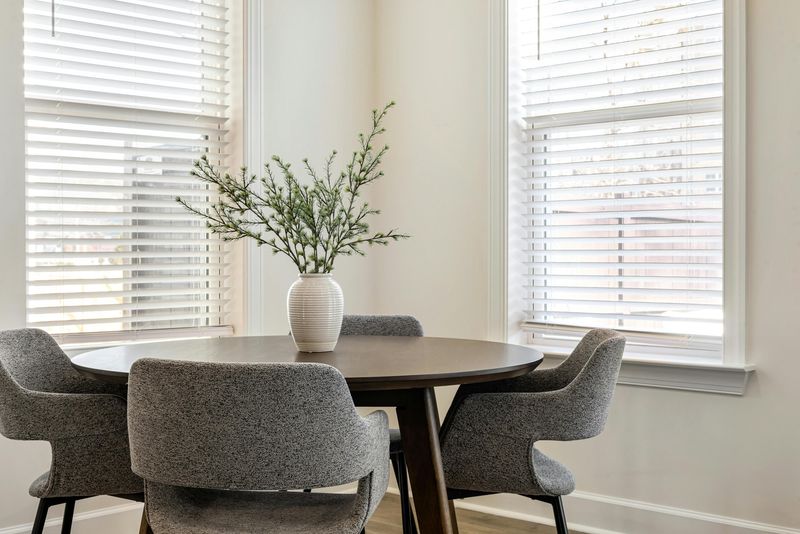
Sharp corners and rigid lines are making way for softer, more welcoming silhouettes.
Round tables, chairs with gentle curves, and flowing shapes create a dining environment that feels calmer and more comfortable.
This shift toward organic design brings a sense of ease that angular furniture simply can’t match.
The beauty of curved pieces lies in their ability to soften a room’s overall feel.
They encourage better conversation flow around the table and make the space feel less formal and more inviting.
Plus, rounded edges are safer for families with young children who are always on the move.
4. Layered, Atmospheric Lighting
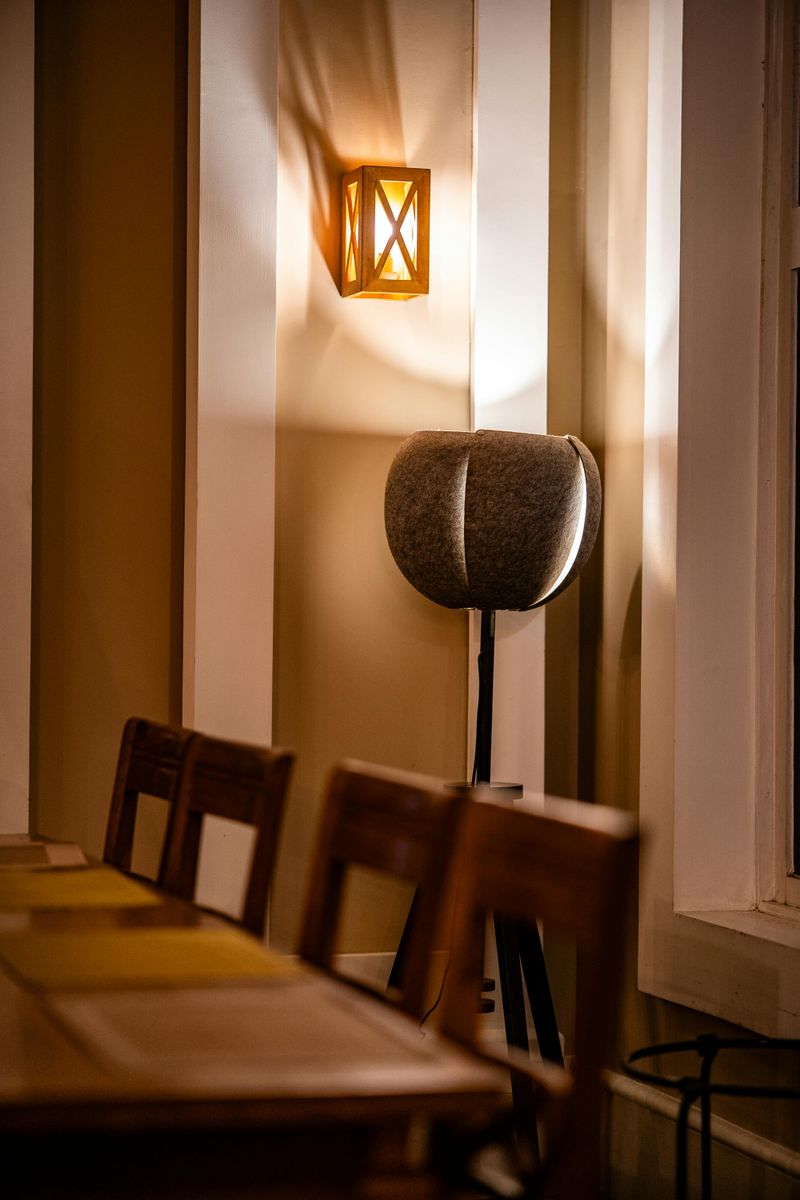
Lighting is no longer an afterthought—it’s becoming the secret ingredient that transforms your dining experience.
Oversized pendant lights hang dramatically above the table, while wall sconces add warmth along the sides.
Dimmable accent lights let you adjust the mood from bright and energetic to soft and intimate with a simple switch.
Designers emphasize layering different light sources at various heights to create depth and visual interest.
This approach gives you complete control over the atmosphere, whether you’re hosting a lively dinner party or enjoying a quiet meal.
Good lighting makes food look better, faces glow warmer, and conversations last longer.
5. Rich, Saturated Color Palettes
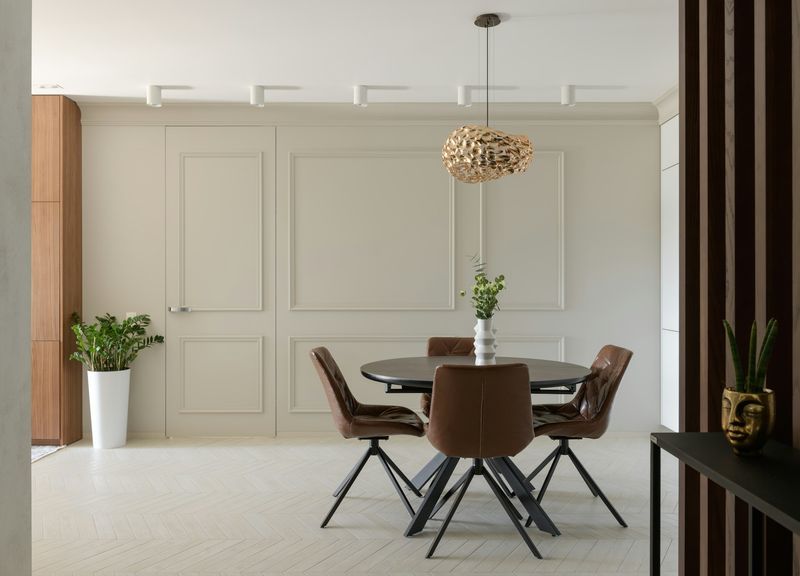
Say goodbye to endless beige and hello to dining rooms drenched in personality.
Deep, luxurious colors like oxblood red, forest green, indigo blue, and chocolate brown are replacing safe neutral schemes.
These bold hues create drama and sophistication while making the space feel more intimate and special.
Don’t worry—using rich colors doesn’t mean overwhelming your senses.
Designers suggest starting with one saturated wall color or painting cabinets in a deep shade, then balancing it with lighter accents.
The result is a dining room that feels wrapped in warmth and character, not washed out or boring like so many beige boxes.
6. Art-Forward Dining Rooms
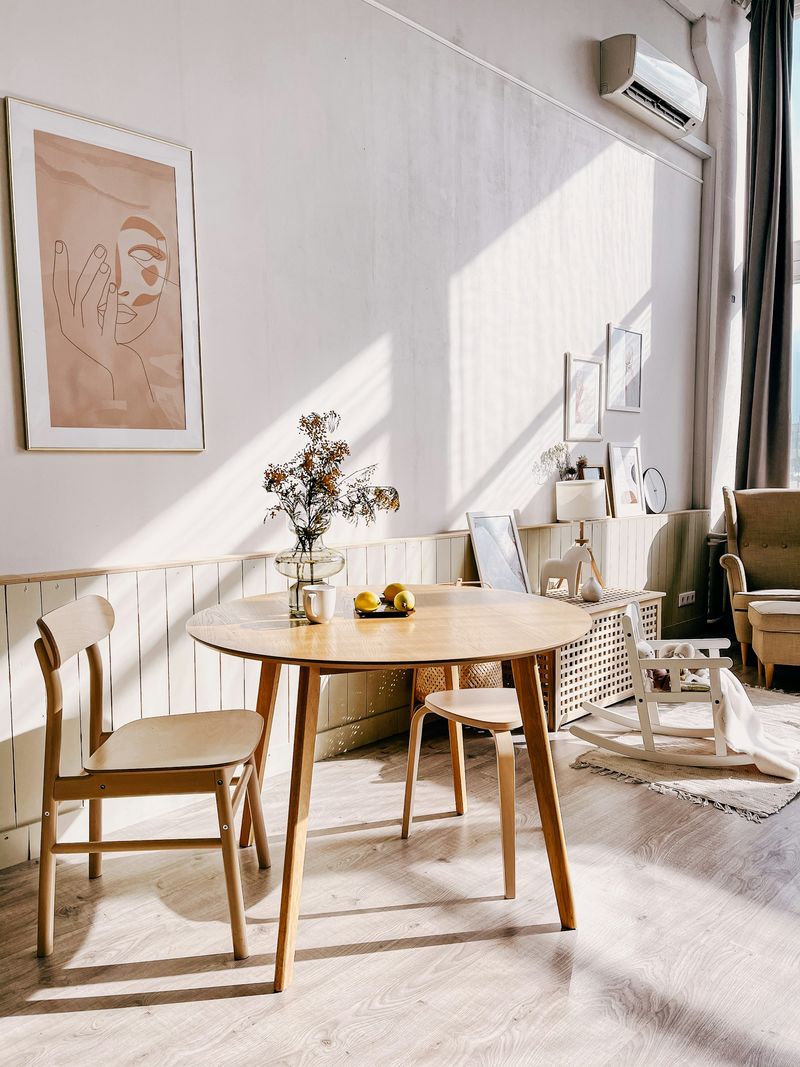
Walls are becoming galleries, and dining rooms are turning into personal museums.
Large-scale artwork, carefully curated collections, and meaningful pieces now serve as central design elements rather than decorative afterthoughts.
This trend celebrates individuality and gives your space a cultured, sophisticated edge that guests will remember.
Designers encourage mixing different art styles and mediums to keep things interesting.
A gallery wall might combine vintage prints with modern photography and abstract paintings.
The trick is arranging pieces thoughtfully so they complement rather than compete with each other.
Your dining room becomes a reflection of your travels, tastes, and the stories you want to share.
7. Textured Walls and Ceilings
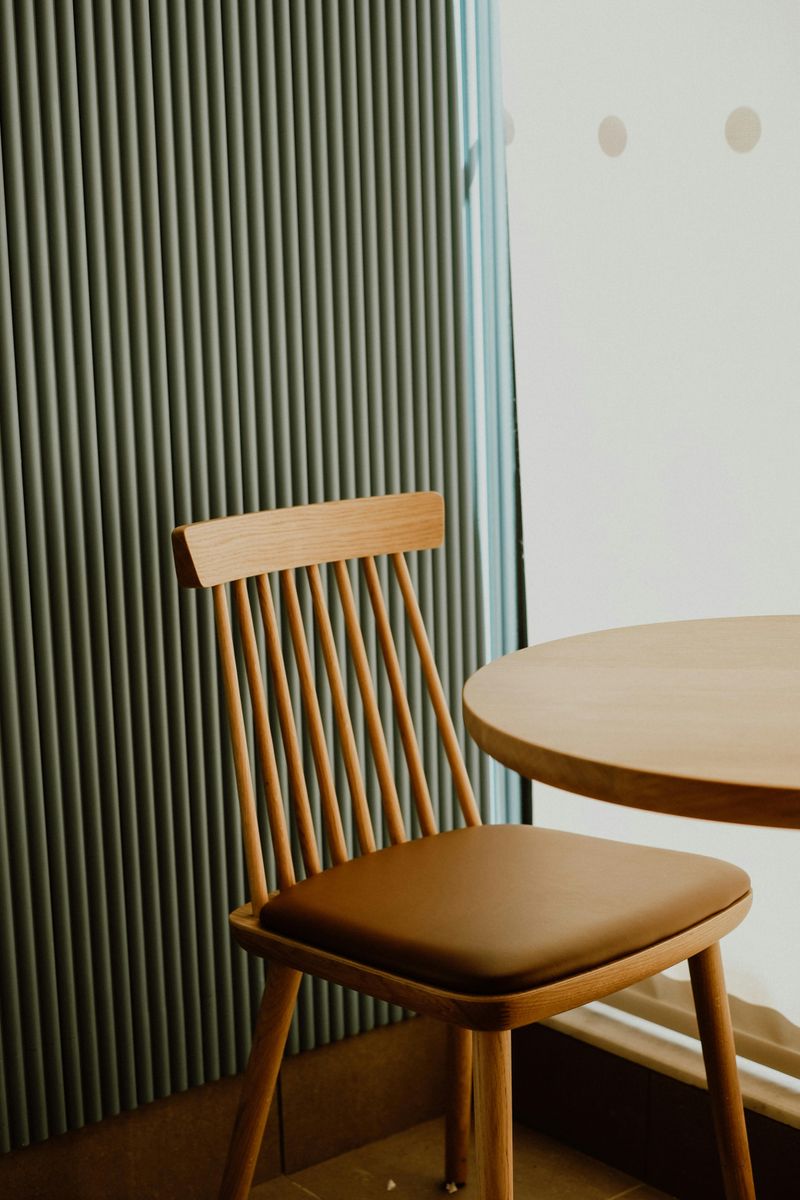
Flat, plain surfaces are getting a major makeover with texture that you can almost feel from across the room.
Limewash finishes, hand-applied plaster, natural grasscloth wallpaper, and decorative ceiling treatments add dimension and warmth that paint alone can’t achieve.
These tactile elements make dining spaces feel more crafted and intentional.
The fifth wall—your ceiling—is finally getting the attention it deserves.
Designers are adding beams, applying decorative plaster, or installing wood paneling overhead to draw the eye upward.
Textured walls catch light beautifully throughout the day, creating subtle shadows and highlights that bring your dining room to life in unexpected ways.
8. Mix-and-Match Seating
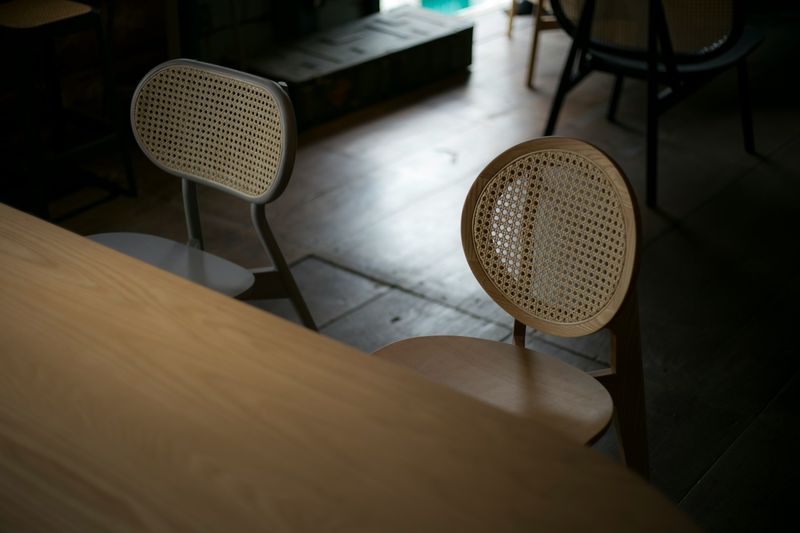
Matching dining chair sets are officially outdated.
Designers now prefer combining different chair styles, adding a bench on one side, or placing upholstered end chairs at the table heads.
This collected, eclectic approach makes your dining room feel more personal and less like a furniture showroom.
The beauty of mixed seating lies in its flexibility and character.
You might pair vintage wooden chairs with modern metal ones, or combine different colors within the same style.
Benches work especially well for families, fitting more people comfortably while adding casual charm.
This trend proves that breaking the rules often creates the most memorable and inviting spaces.
9. Natural and Sustainable Materials
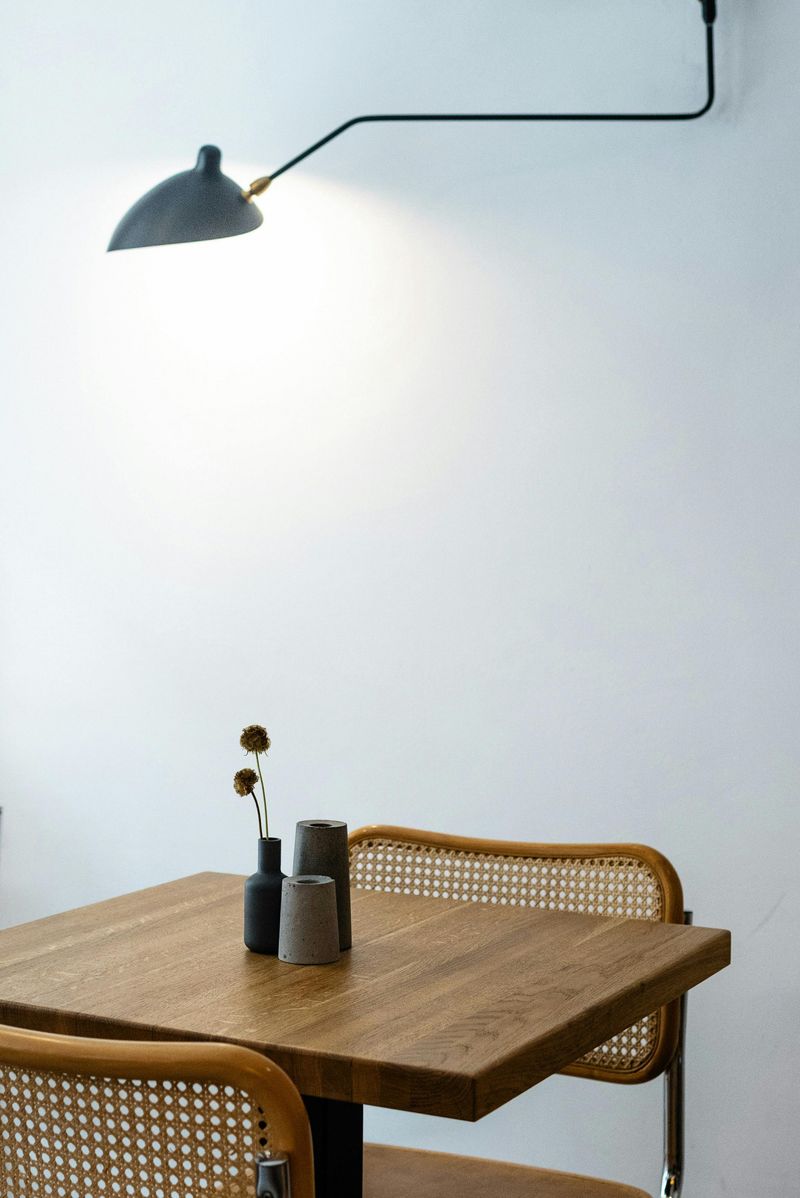
Conscious choices are shaping how dining rooms look and feel.
Reclaimed wood tables, natural stone surfaces, linen curtains, wool rugs, and low-impact finishes are becoming standard rather than special requests.
These materials not only look beautiful—they also tell a story about caring for our planet and making thoughtful purchasing decisions.
Sustainability doesn’t mean sacrificing style or quality.
In fact, natural materials often age more gracefully than synthetic alternatives, developing character over time.
Designers love how these elements bring warmth and authenticity to dining spaces while reducing environmental impact.
Choosing sustainable pieces means investing in furniture that lasts for generations, not just seasons.
10. Intimate, Hospitality-Inspired Design
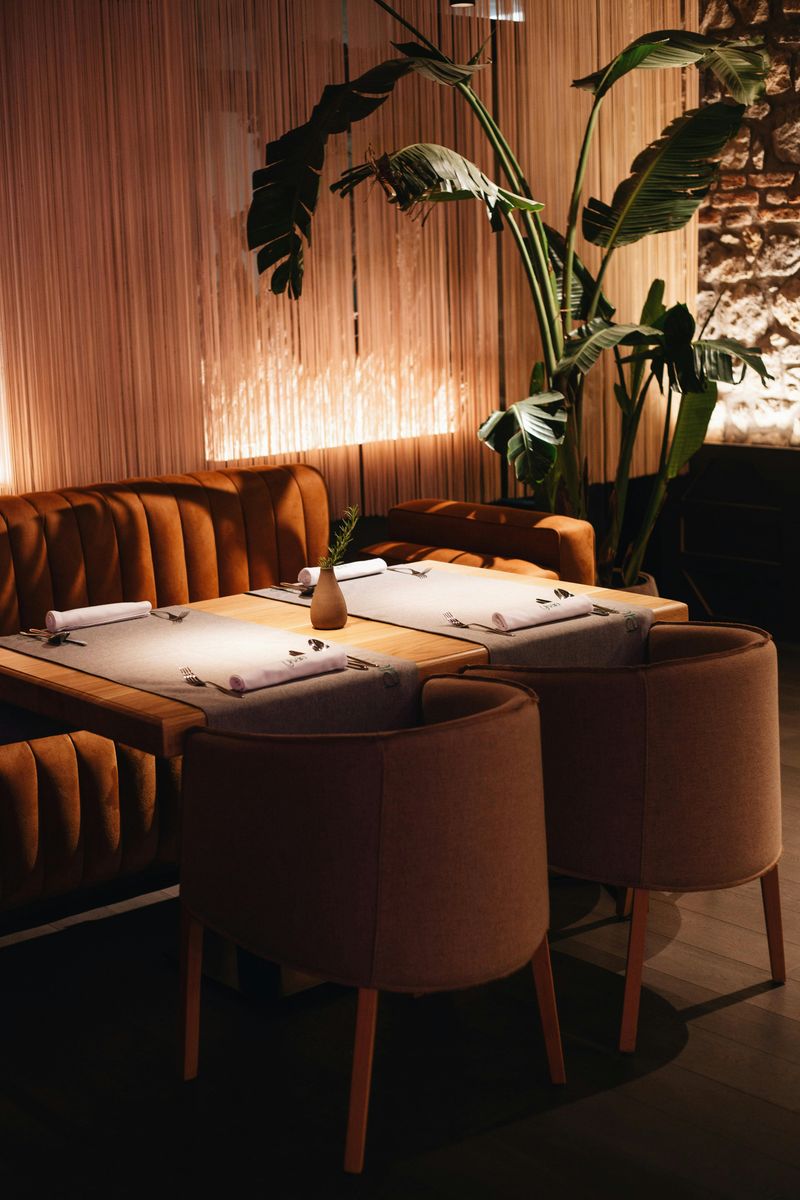
Why not bring the magic of your favorite restaurant home?
Dining rooms are borrowing design cues from boutique eateries—think cozy banquettes, plush upholstery, luxurious detailing, and carefully considered layouts that make every meal feel special.
This trend transforms everyday dining into an experience worth savoring.
Designers focus on creating intimate atmospheres even in larger spaces by using strategic furniture placement and mood lighting.
Upholstered banquettes tucked into corners provide comfortable seating while defining the dining zone.
Rich fabrics, polished hardware, and thoughtful accessories add restaurant-quality polish.
The result is a dining room that makes you want to linger long after the plates are cleared.