 MomSkoop
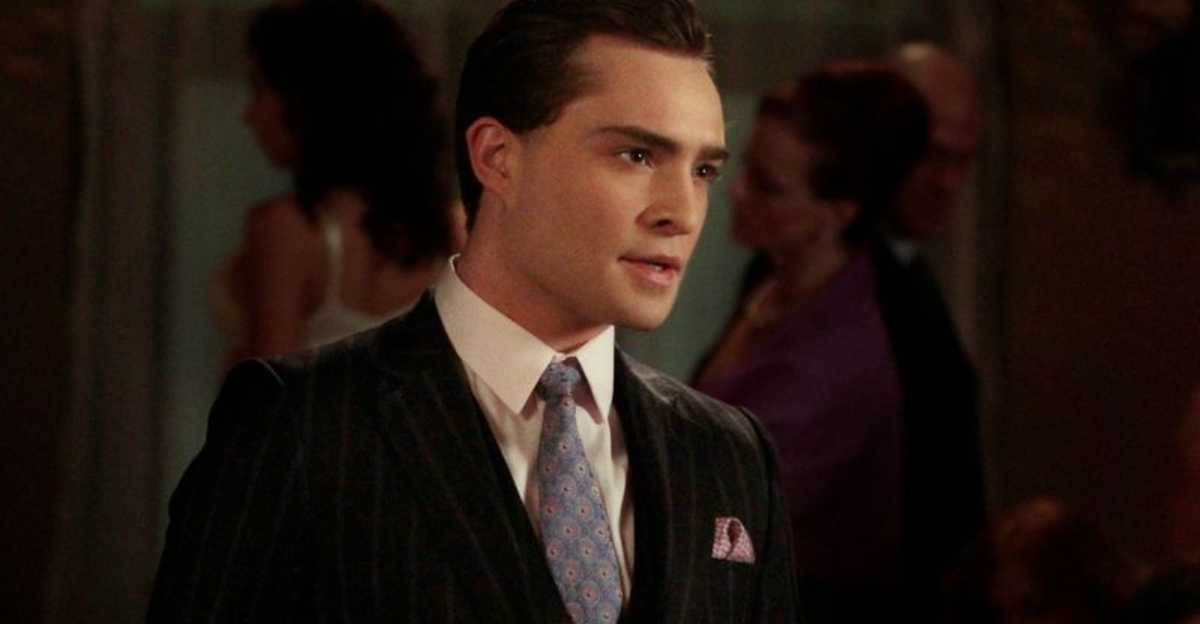
Television has given us some unforgettable romances, but not all love stories deserve celebrating. Some TV boyfriends displayed behaviors so manipulative, controlling, or downright dangerous that they left viewers cringing instead of swooning.
From obsessive stalkers to emotionally abusive partners, these characters remind us what red flags look like in relationships and why we should never ignore our instincts when something feels wrong.
1. Joe Goldberg, You
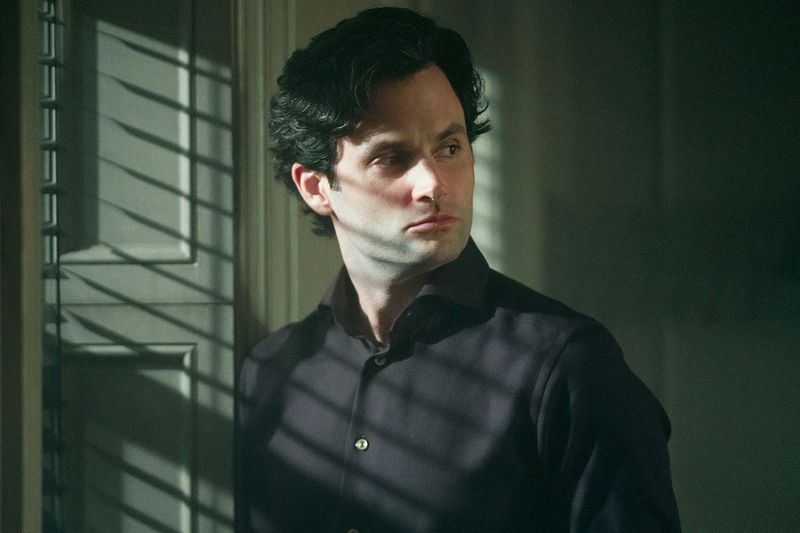
Stalking someone isn’t romantic, no matter how many books they read.
Joe presents himself as a sensitive, literary soul who just wants to find true love.
Behind that charming facade lurks a dangerous obsession that drives him to follow women, break into their homes, and eliminate anyone he sees as a threat.
His internal monologue tries to justify every horrifying action as protection or devotion.
He manipulates situations to make himself appear as the perfect boyfriend while actually controlling every aspect of his partner’s life.
The show brilliantly exposes how abusers rationalize their behavior and prey on vulnerability.
2. Mr. Big, Sex and the City
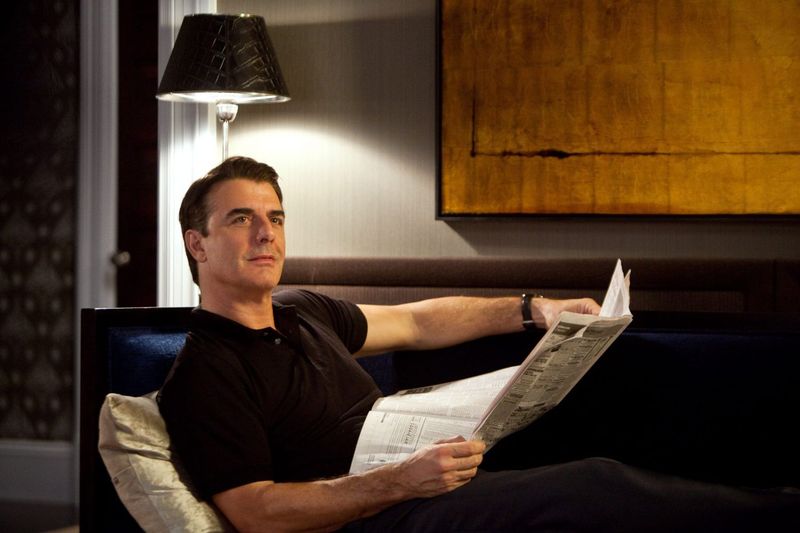
Commitment issues don’t excuse treating someone like a backup plan for years.
Big kept Carrie on an emotional rollercoaster throughout the entire series, pulling her close when convenient and pushing her away when things got serious.
He married someone else while stringing Carrie along, then had the audacity to act jealous when she moved on.
His hot-and-cold behavior created constant insecurity and self-doubt in their relationship.
Carrie spent years waiting for him to decide she was worth committing to, sacrificing her own happiness and other opportunities.
Real love doesn’t make you feel like you’re constantly auditioning for someone’s affection.
3. Simon Basset, Bridgerton
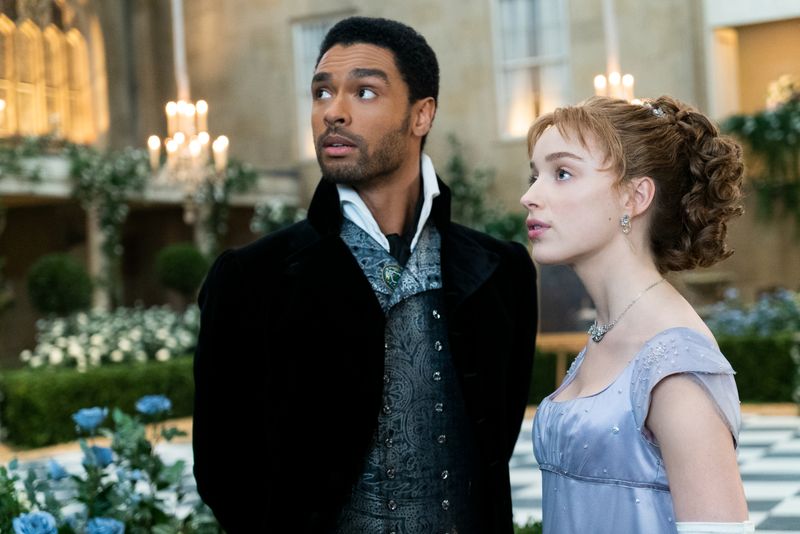
Building a marriage on lies creates a foundation destined to crumble.
Simon married Daphne knowing exactly what she wanted from their union, then deliberately deceived her about his ability to have children.
His childhood trauma with his father doesn’t justify manipulating his wife’s reproductive choices or withholding crucial information before marriage.
When Daphne discovered his deception, he refused to communicate honestly about his feelings or consider compromise.
He prioritized revenge against his dead father over his living wife’s dreams and needs.
Healing from past hurt requires honesty and therapy, not using your partner as collateral damage in unresolved family drama.
4. Chuck Bass, Gossip Girl
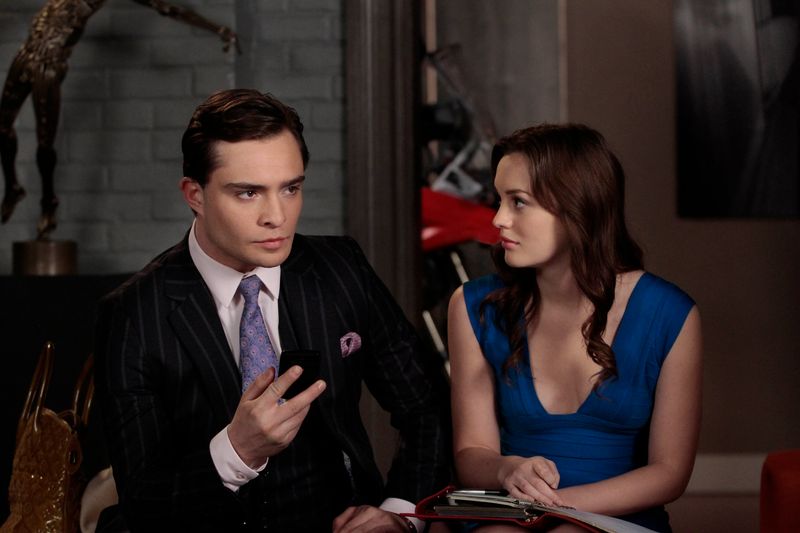
Trading a woman for a hotel isn’t romantic—it’s treating people like property.
Chuck literally sold his girlfriend Blair for ownership of a hotel, proving he valued business deals over human relationships.
His pattern of emotional manipulation, controlling behavior, and using wealth to avoid consequences made him a walking red flag factory.
He constantly sabotaged Blair’s happiness whenever she tried to move forward without him.
The show tried to frame his possessiveness as passion, but real passion respects boundaries and treats partners as equals.
No amount of grand gestures or declarations of love erase a pattern of treating your girlfriend like a bargaining chip.
5. Eric Northman, True Blood

Supernatural powers don’t make manipulation acceptable in relationships.
Eric used his vampire abilities to trick Sookie into drinking his blood, creating an unwanted supernatural bond that forced feelings she didn’t naturally have.
He manipulated her emotions, memories, and choices throughout their relationship, treating consent as optional.
His centuries of life experience gave him unfair advantages in every interaction with human partners.
When things didn’t go his way, he resorted to mind games, jealousy tactics, and leveraging their blood bond.
True love requires genuine choice and equal footing, not mystical coercion that removes someone’s free will and autonomy in the relationship.
6. Lawrence Walker, Insecure
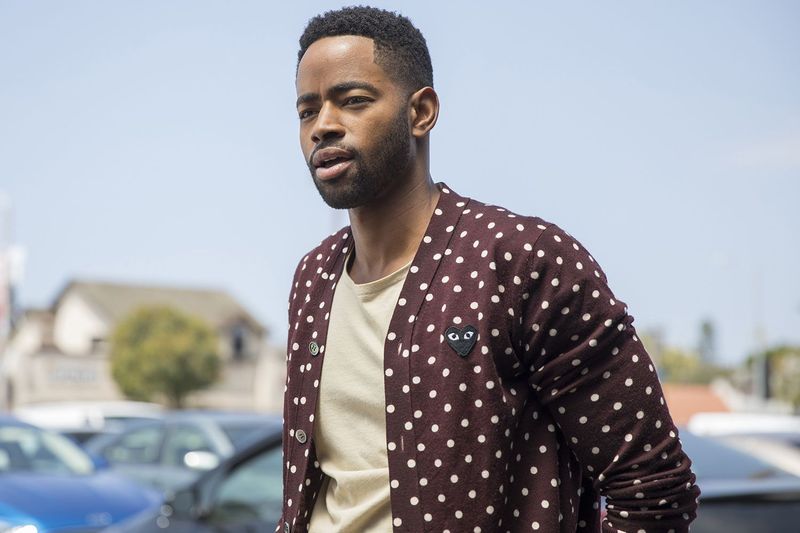
Supporting your partner’s dreams means actually supporting them, not resenting their success.
Lawrence spent years unmotivated and unemployed while Issa financially supported them both and encouraged his goals.
Instead of appreciating her sacrifice, he grew defensive and resentful when she expressed frustration about carrying the entire financial burden.
Once he finally got his career together, he acted like the victim in their relationship’s problems.
His inability to see Issa’s perspective or acknowledge how his lack of ambition affected her demonstrated serious emotional immaturity.
Partnerships require both people pulling their weight and recognizing each other’s contributions, not keeping score or playing victim when called out.
7. Tony Stonem, Skins
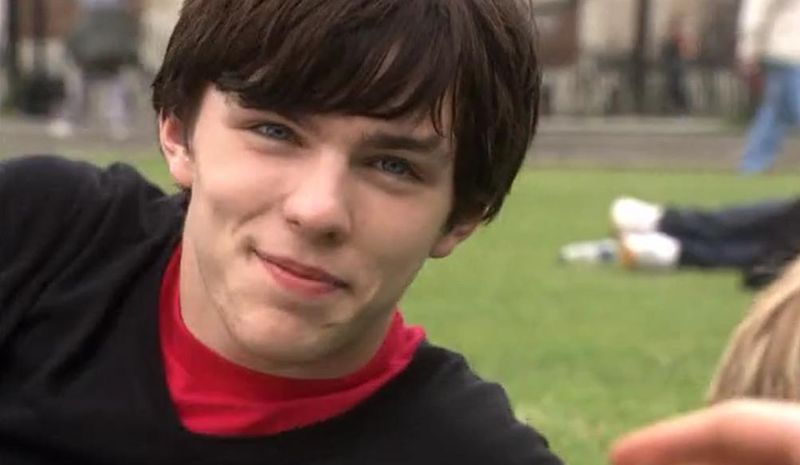
Some people enjoy chaos more than they value the people caught in it.
Tony systematically manipulated everyone around him, treating relationships like chess games where other people’s emotions were just pieces to move around.
He cheated on Michelle repeatedly, gaslit her when she questioned him, and seemed to enjoy watching her suffer.
His charm masked a complete lack of empathy for how his actions hurt others.
Even when confronted with consequences, he rarely showed genuine remorse, just annoyance at getting caught.
Intelligent manipulation is still manipulation, and using your smarts to control and hurt people makes you dangerous, not impressive or misunderstood.
8. Christopher Moltisanti, The Sopranos
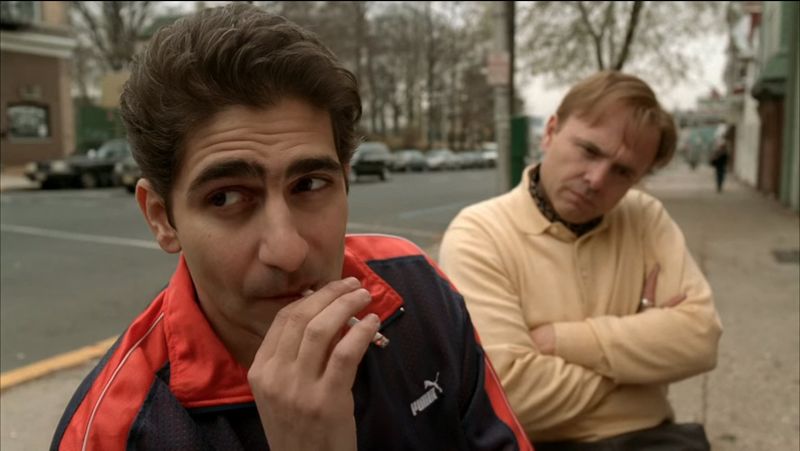
Violence and addiction create relationships built on fear rather than love.
Christopher’s relationships were marked by explosive anger, physical violence, and substance abuse that endangered everyone around him.
His treatment of Adriana involved controlling behavior, jealous rages, and ultimately betrayal that led to her death.
He expected complete loyalty while giving none in return, cheating frequently and prioritizing mob life over his partners’ safety.
His addiction issues weren’t just personal struggles—they became weapons that hurt everyone who cared about him.
No woman should have to walk on eggshells wondering if her boyfriend’s next mood swing will turn violent or if his lifestyle will get her killed.
9. Conrad Fisher, The Summer I Turned Pretty
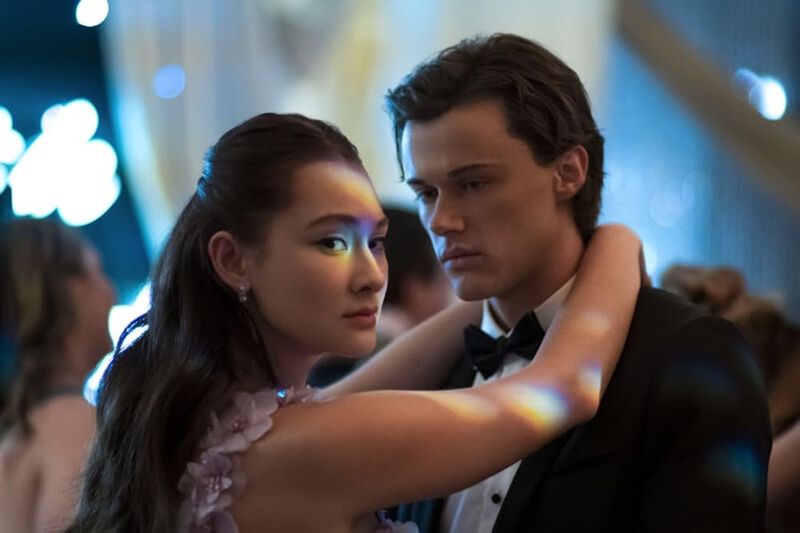
Grief doesn’t give you permission to emotionally yo-yo someone who cares about you.
Conrad pushed Belly away whenever she got close, then acted hurt when she tried to move on with someone else.
His inability to communicate about his mother’s illness left Belly confused and hurt, never knowing where she stood.
Instead of being honest about his feelings or his family situation, he chose moodiness and mixed signals.
He expected Belly to wait around reading his mind while he figured out his emotions.
Processing difficult feelings is important, but stringing someone along while you do it isn’t fair to them or healthy for you.
10. Ezra Fitz, Pretty Little Liars

A teacher dating his underage student isn’t a love story—it’s a crime.
Ezra started a relationship with Aria when she was his sixteen-year-old student, abusing his position of authority and breaking laws designed to protect teenagers.
The power imbalance made genuine consent impossible, no matter how mature Aria seemed.
Later revelations showed he’d been researching Aria and her friends for a book, making his initial approach even more predatory and calculated.
He lied about his intentions, his age, and his past throughout their relationship.
The show romanticized what should have been recognized as grooming and manipulation by an adult who knew better but chose his desires over a teenager’s wellbeing.
11. Adam Sackler, Girls
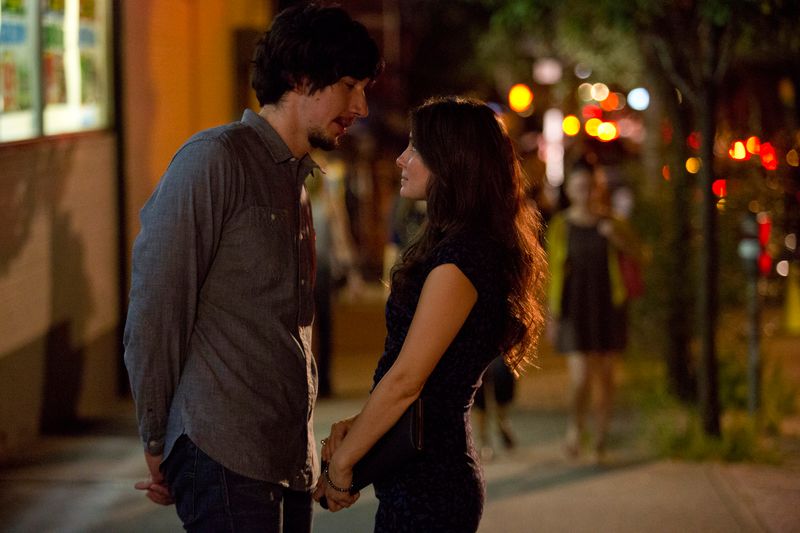
Intensity and emotional unavailability create exhausting relationships that drain rather than fulfill.
Adam’s extreme mood swings kept Hannah constantly off-balance, never knowing if he’d be intensely devoted or completely withdrawn.
His alcoholism and anger issues created an unstable foundation for any relationship.
He demanded emotional labor from partners while offering little emotional support in return.
When things got difficult, he’d shut down or lash out rather than communicate like an adult.
His artistic temperament became an excuse for treating people poorly and avoiding accountability.
Passion without stability, respect, and consistent communication isn’t romance—it’s just chaos that eventually becomes exhausting for everyone involved.
12. Nate Jacobs, Euphoria
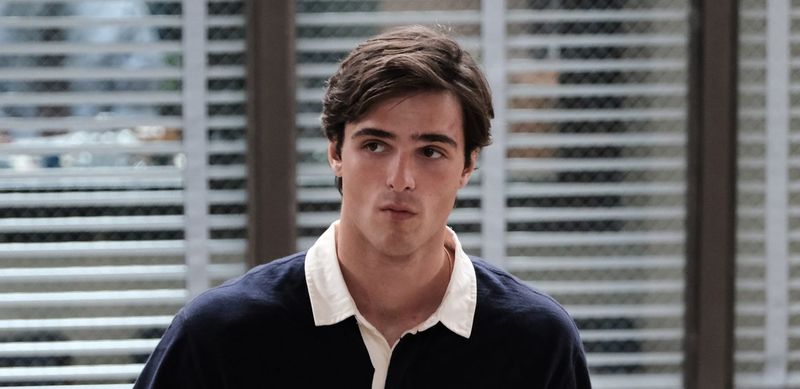
Abuse escalates, and Nate represents every warning sign rolled into one terrifying package.
His violent outbursts, controlling behavior, and threats against Maddy and Cassie demonstrated classic abuser patterns that often end in tragedy.
He used physical intimidation, emotional manipulation, and psychological warfare to maintain control over his girlfriends.
His issues with his father didn’t excuse choking his girlfriend or threatening people with violence.
The show portrayed him realistically as dangerous rather than misunderstood, showing how abusers operate.
Anyone displaying Nate’s behaviors—extreme jealousy, violence, control, threats—is genuinely dangerous and requires professional intervention, not patience or understanding from a teenage girlfriend hoping to fix him.
13. All of Rory’s Boyfriends on Gilmore Girls

Sometimes the problem isn’t just the boyfriends—it’s also how the girlfriend handles relationships.
Dean became possessive and jealous, eventually cheating on his wife with Rory.
Jess was emotionally unavailable and treated Rory poorly while dealing with his own issues.
Logan encouraged reckless behavior and represented privileged entitlement at its worst.
Each relationship brought out different toxic patterns, from jealousy to emotional unavailability to enabling bad decisions.
Rory also contributed by cheating, leading guys on, and struggling with commitment.
The pattern across all three relationships suggests both poor boyfriend choices and Rory’s own relationship issues that prevented healthy partnerships from developing.
14. President Fitzgerald Grant III, Scandal
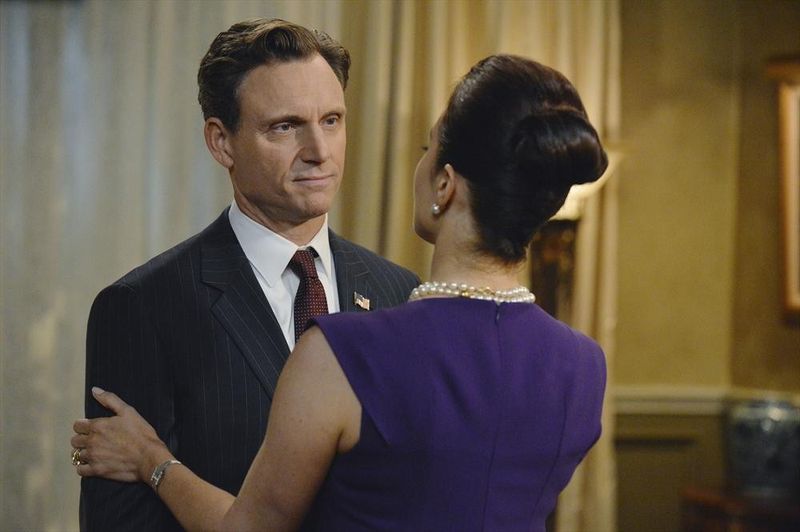
Powerful men who risk everything for affairs rarely leave their wives like they promise.
Fitz kept Olivia in a years-long affair while remaining married, using his presidential power to manipulate situations and people.
He made promises about leaving his wife that he repeatedly broke, keeping Olivia waiting and hidden.
His jealous rages when Olivia tried to move on revealed possessiveness rather than genuine love.
He expected her to sacrifice her career, reputation, and happiness while he maintained his presidency and marriage.
The power imbalance between the President and his employee made their relationship inherently problematic, mixing professional and personal boundaries in dangerous ways that hurt everyone involved.
15. Stephen DeMarco, Tell Me Lies
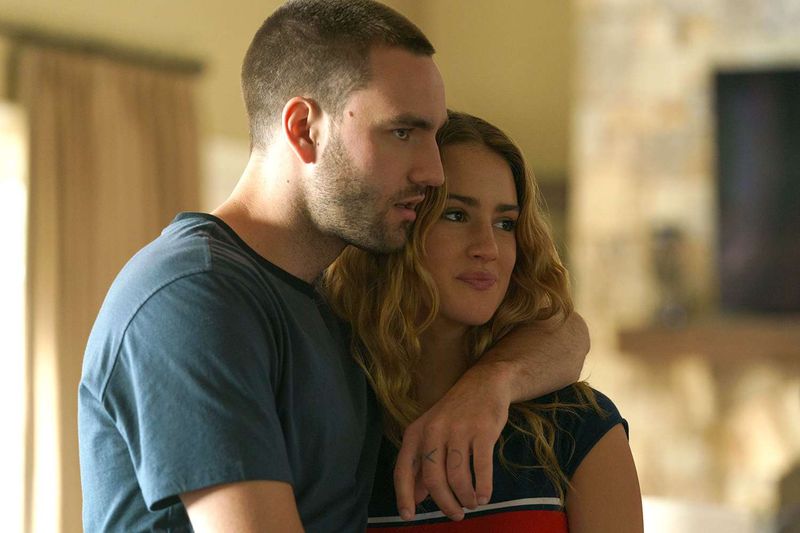
Pathological liars destroy lives while convincing you they’re the victim of circumstances.
Stephen manipulated Lucy and multiple other women simultaneously, lying about everything from small details to major life events.
His gaslighting made Lucy question her own reality and perceptions when she caught him in lies.
He weaponized vulnerability, sharing sob stories to gain sympathy while showing no real remorse for his actions.
Every apology was just another manipulation to maintain access and control.
His pattern of lying, cheating, and emotional abuse while playing the misunderstood nice guy represents modern toxic relationships where manipulation hides behind charm and carefully crafted personas on social media.