 MomSkoop
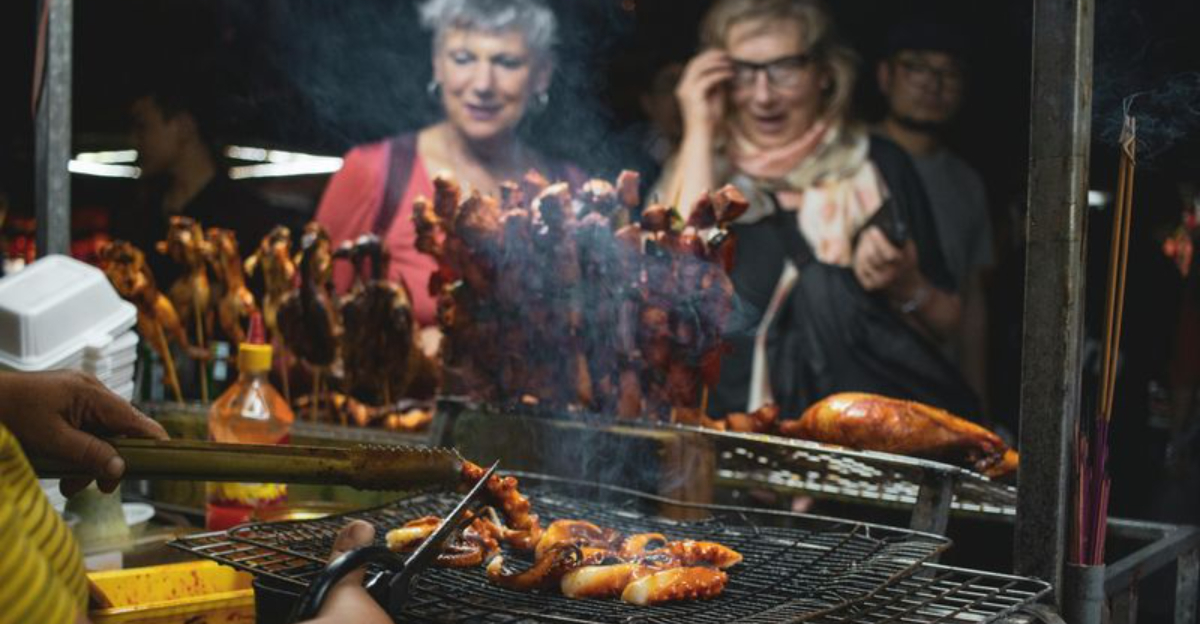
Traveling the world through food is one of life’s greatest adventures. Every country has its own story to tell through spices, techniques, and traditions passed down for generations.
Whether you’re craving bold street snacks or elegant fine dining, 2026 is shaping up to be an incredible year for food lovers everywhere.
1. Italy
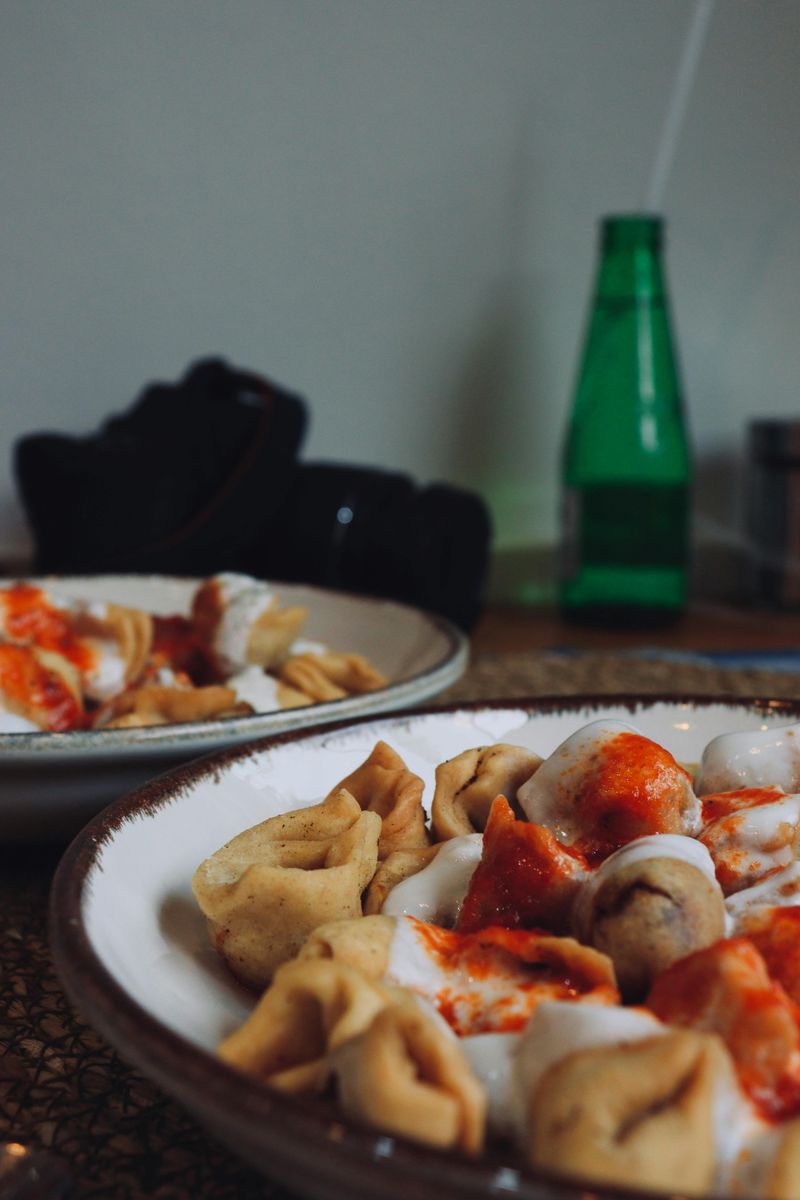
Every region in Italy tells a different culinary story, from the rich ragùs of Emilia-Romagna to the citrus-kissed seafood of Sicily.
Local families still gather around tables where recipes haven’t changed in centuries, using ingredients grown just down the road.
Seasonal cooking is not a trend here; it’s a way of life that honors the land and the seasons.
You’ll taste the difference in every bite, whether it’s handmade tortellini or sun-ripened tomatoes drizzled with olive oil.
Italy remains unmatched in its dedication to preserving tradition while celebrating the simple beauty of real food.
2. Japan
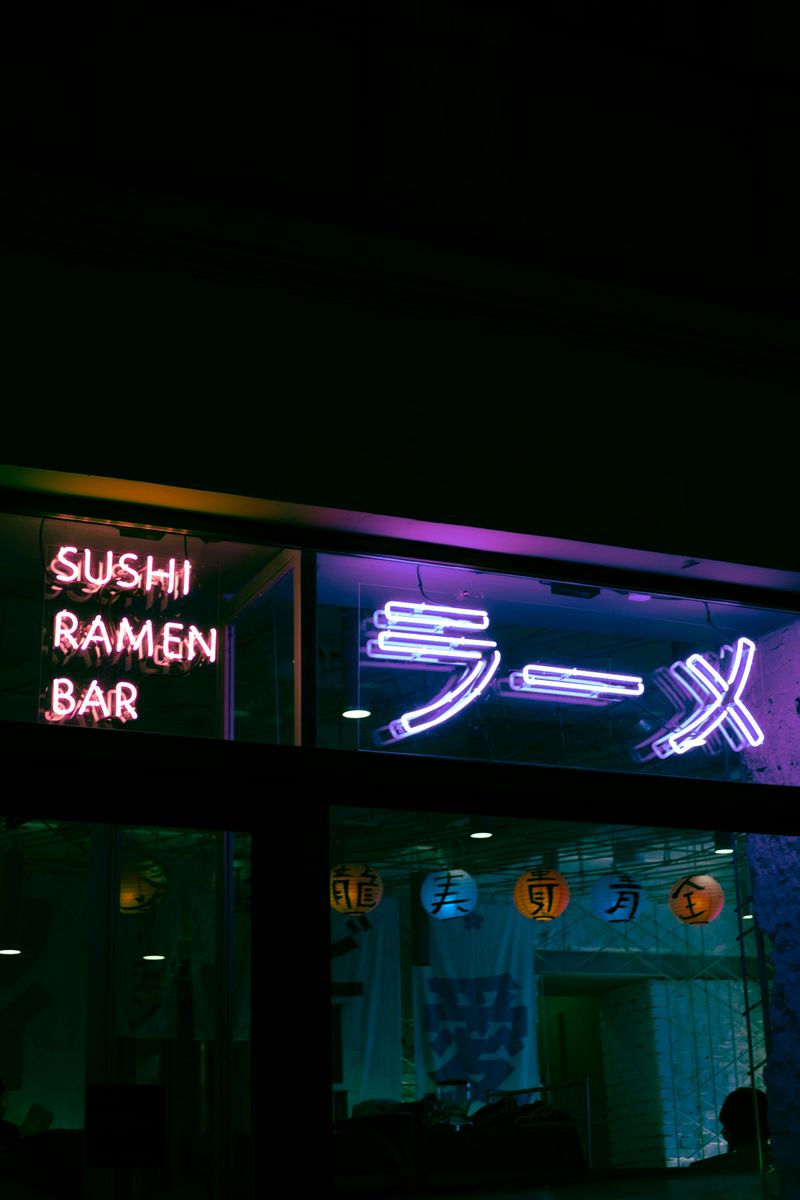
Few countries approach food with the same level of care and artistry as Japan.
From the delicate balance of a kaiseki course to the comforting warmth of a ramen bowl, every dish is crafted with intention.
Chefs train for years to master techniques that honor centuries of tradition, yet they’re never afraid to experiment.
Street food stalls serve up crispy takoyaki and savory okonomiyaki alongside Michelin-starred restaurants pushing culinary boundaries.
Whether you’re in a bustling Tokyo market or a quiet Kyoto teahouse, the respect for ingredients and process is always present.
3. France
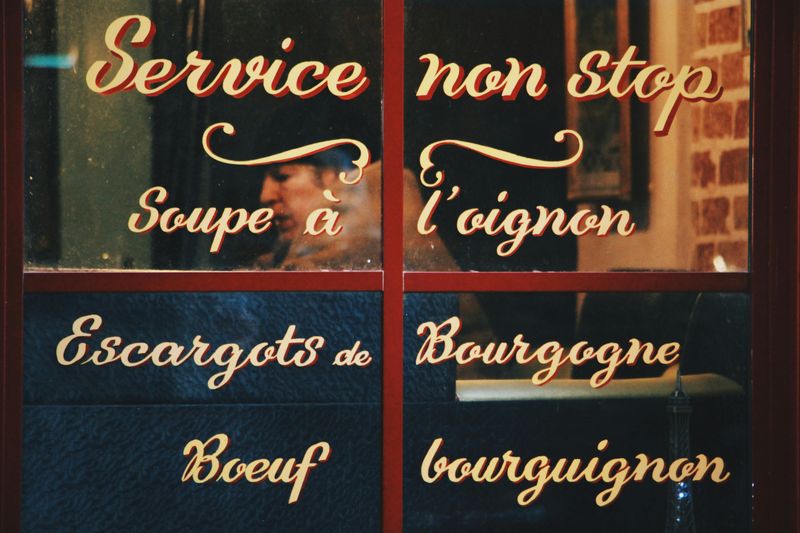
French cuisine has always been the gold standard, but today’s chefs are breathing new life into old traditions.
Bistros across Paris and Lyon are focusing on sustainability, sourcing ingredients from nearby farms and reducing waste without sacrificing flavor.
You’ll still find buttery croissants, perfectly aged cheeses, and rich coq au vin, but with a modern twist that feels fresh and exciting.
The reverence for technique remains, yet there’s a growing movement toward simplicity and honesty on the plate.
France continues to prove that great food doesn’t need to be complicated—it just needs to be done right.
4. Mexico
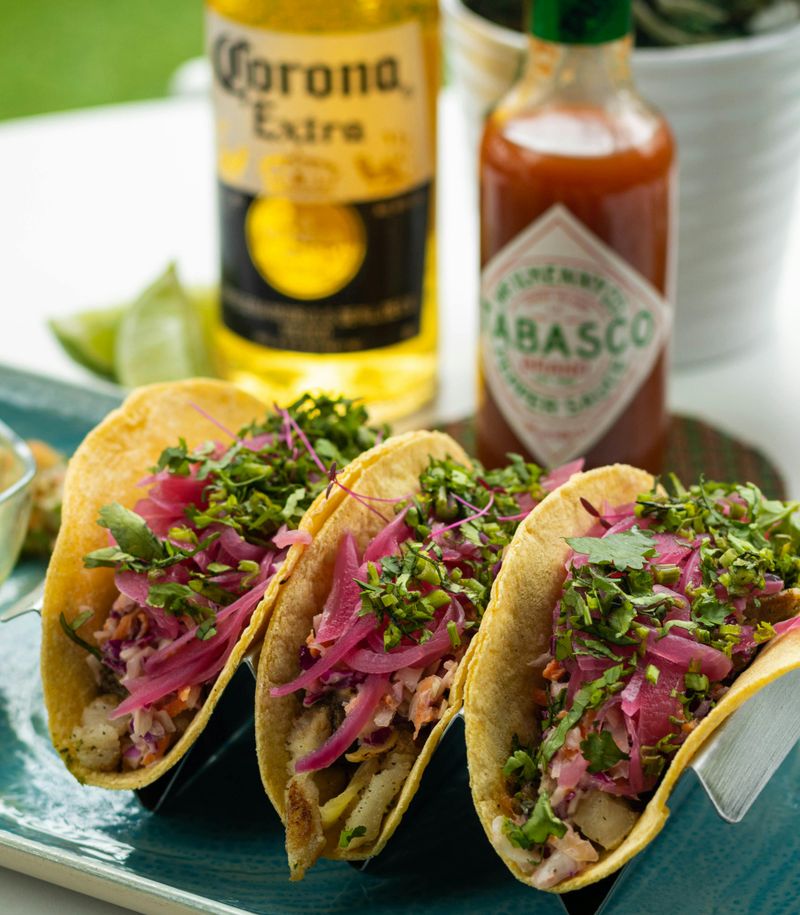
Mexican food is so much more than what most people imagine.
Ancient indigenous flavors—like smoky chilies, earthy corn, and rich cacao—form the backbone of a cuisine recognized by UNESCO for its cultural importance.
Street vendors serve up tacos al pastor and elote with the same pride that fine-dining chefs bring to intricate mole negro.
Cities like Mexico City and Oaxaca are exploding with creativity, blending traditional techniques with contemporary presentations.
Every meal feels like a celebration of history, community, and the land itself, making Mexico a must-visit for any serious food lover.
5. Thailand
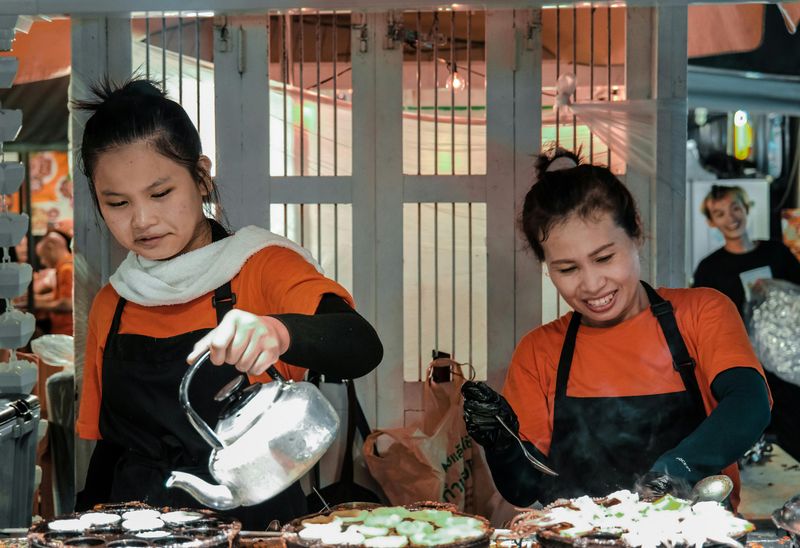
Thai cuisine is a masterclass in balance, where sweet, sour, salty, and spicy come together in perfect harmony.
Street vendors dish out pad thai and som tam with lightning speed, while Michelin-starred kitchens elevate those same flavors to fine art.
Fresh herbs like basil, cilantro, and lemongrass add brightness to every dish, while fish sauce and palm sugar bring depth and complexity.
Whether you’re eating from a plastic stool on a Bangkok sidewalk or a linen-covered table, the food hits the same high notes.
Thailand’s food scene is as dynamic as it is delicious, offering something unforgettable at every price point.
6. Spain
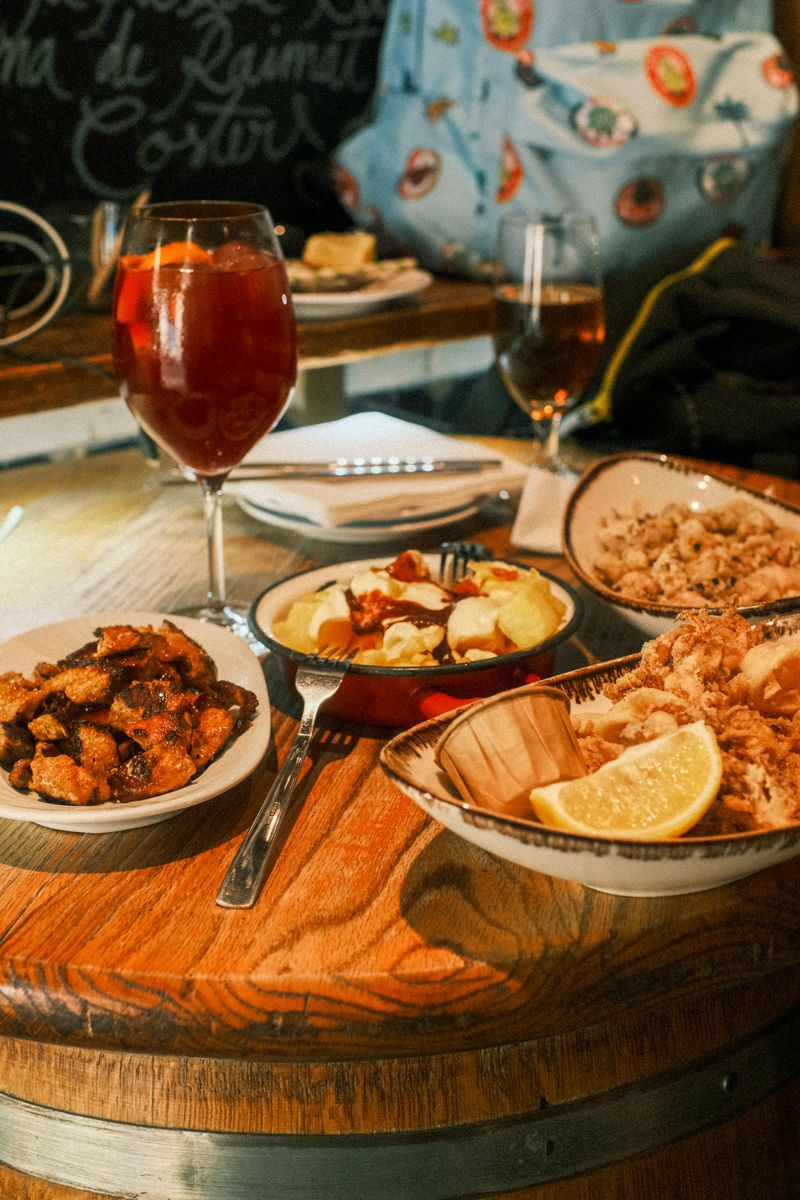
Spain’s culinary identity is shaped by its regions, each with its own signature dishes and proud traditions.
In the Basque Country, pintxos bars overflow with creative small bites, while Andalusia serves up fried fish and gazpacho under the hot sun.
Tapas culture encourages sharing, conversation, and exploration, making every meal feel like a social event.
At the same time, world-class chefs are pushing boundaries with molecular gastronomy and innovative techniques that challenge what food can be.
Spain effortlessly blends the old and the new, honoring its past while fearlessly shaping the future of global cuisine.
7. Peru
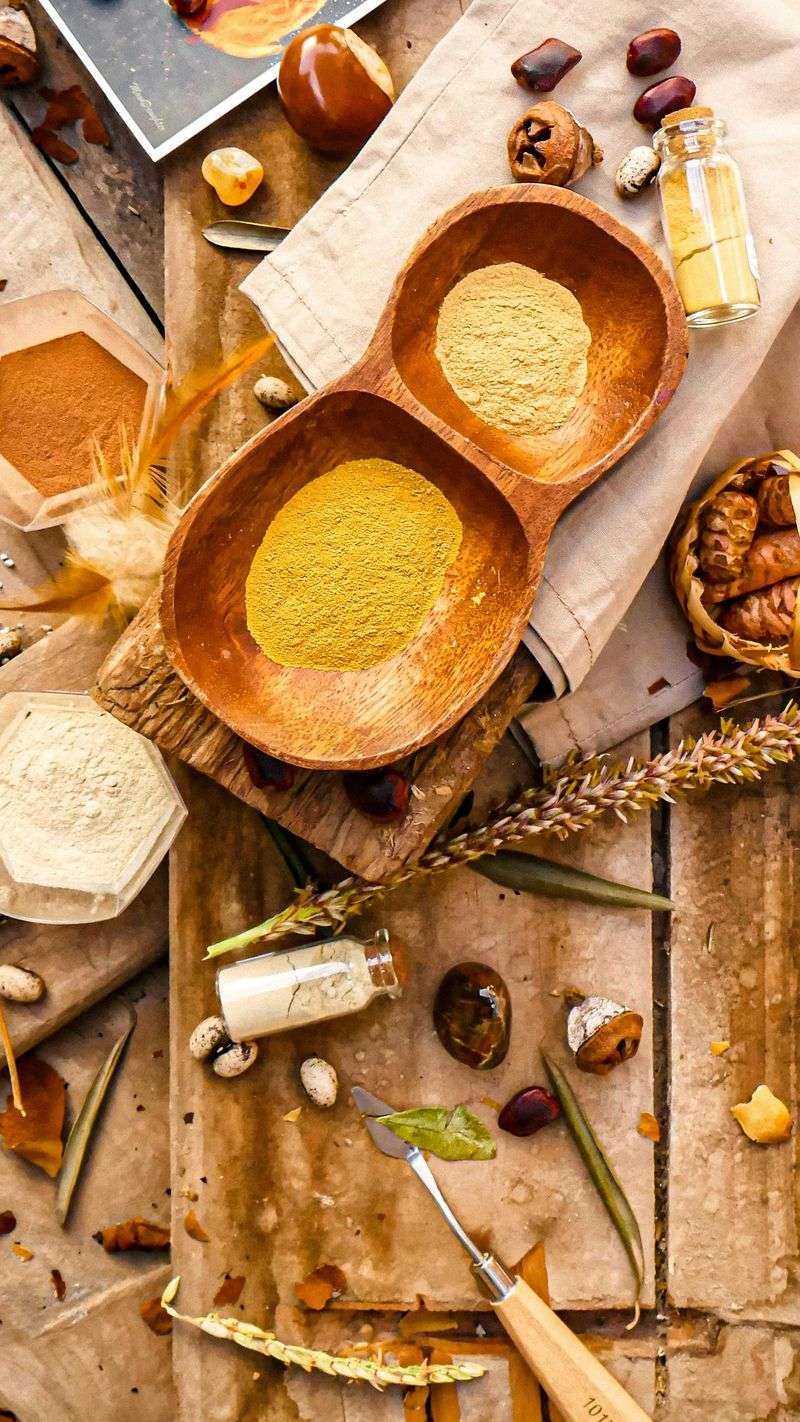
Peru has quietly become one of the most exciting food destinations on the planet.
Its cuisine draws from three distinct ecosystems—the Andes, the Amazon, and the Pacific coast—creating a flavor palette unlike anywhere else.
Ceviche, made with the freshest fish and tangy lime, is a national treasure, while dishes like lomo saltado showcase Peru’s multicultural influences.
Lima’s restaurant scene rivals any major city, with chefs earning international acclaim for their creativity and respect for indigenous ingredients.
Eating in Peru feels like discovering a secret the rest of the world is just beginning to understand.
8. South Korea
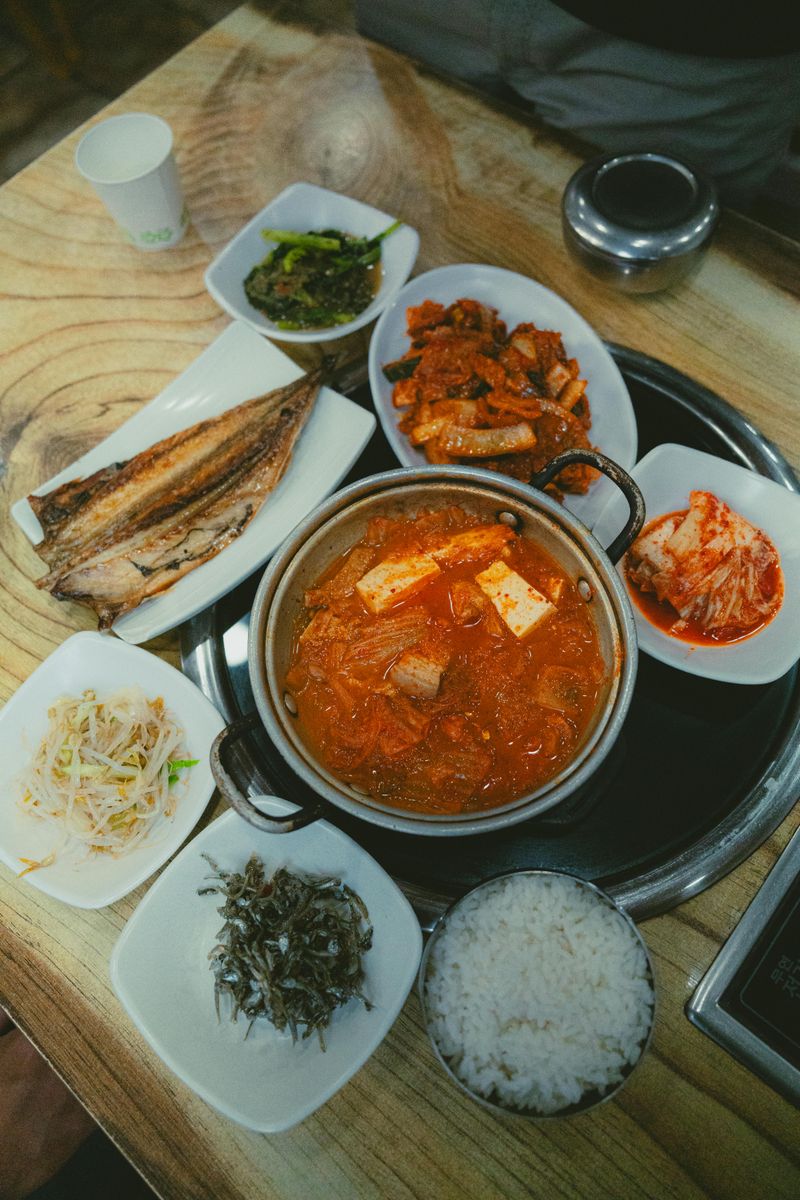
South Korea’s food culture is built on fermentation, a process that transforms simple ingredients into complex, tangy, and deeply flavorful creations.
Kimchi is the star, but doenjang, gochujang, and other fermented staples add layers of umami to countless dishes.
Street food like tteokbokki and hotteok draws crowds, while contemporary Korean fine dining is earning global recognition for its elegance and innovation.
Korean BBQ remains a communal favorite, where grilling meat at the table becomes an interactive experience.
The energy, flavor, and creativity of South Korea’s food scene make it one of the most dynamic places to eat right now.
9. India
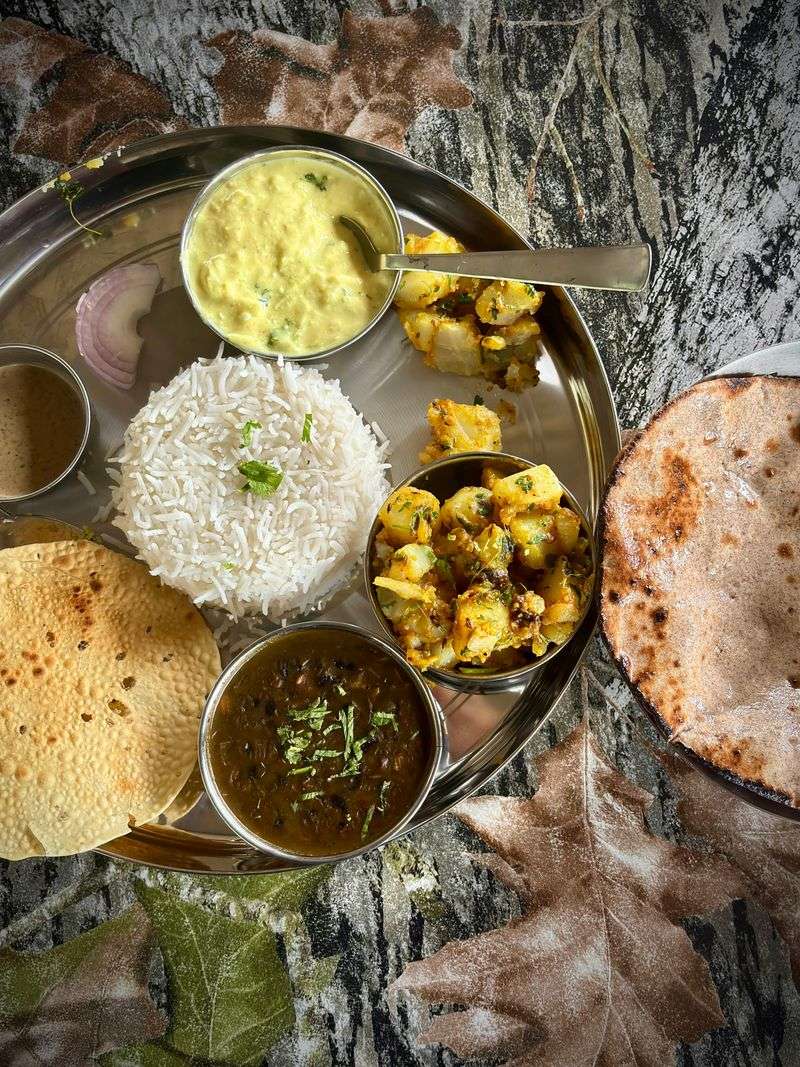
India’s culinary landscape is as vast and varied as the country itself, with each region offering its own spice blends, techniques, and signature dishes.
From the creamy curries of the north to the coconut-rich stews of the south, every meal is a lesson in balance and boldness.
Spices aren’t just for heat—they’re used to build layers of flavor that tell stories of trade routes, history, and family traditions.
Street vendors serve up crispy samosas and tangy chaat, while home cooks preserve ancient recipes passed down through generations.
India’s food deserves attention not just for its taste, but for the depth and diversity it brings to the table.
10. Vietnam
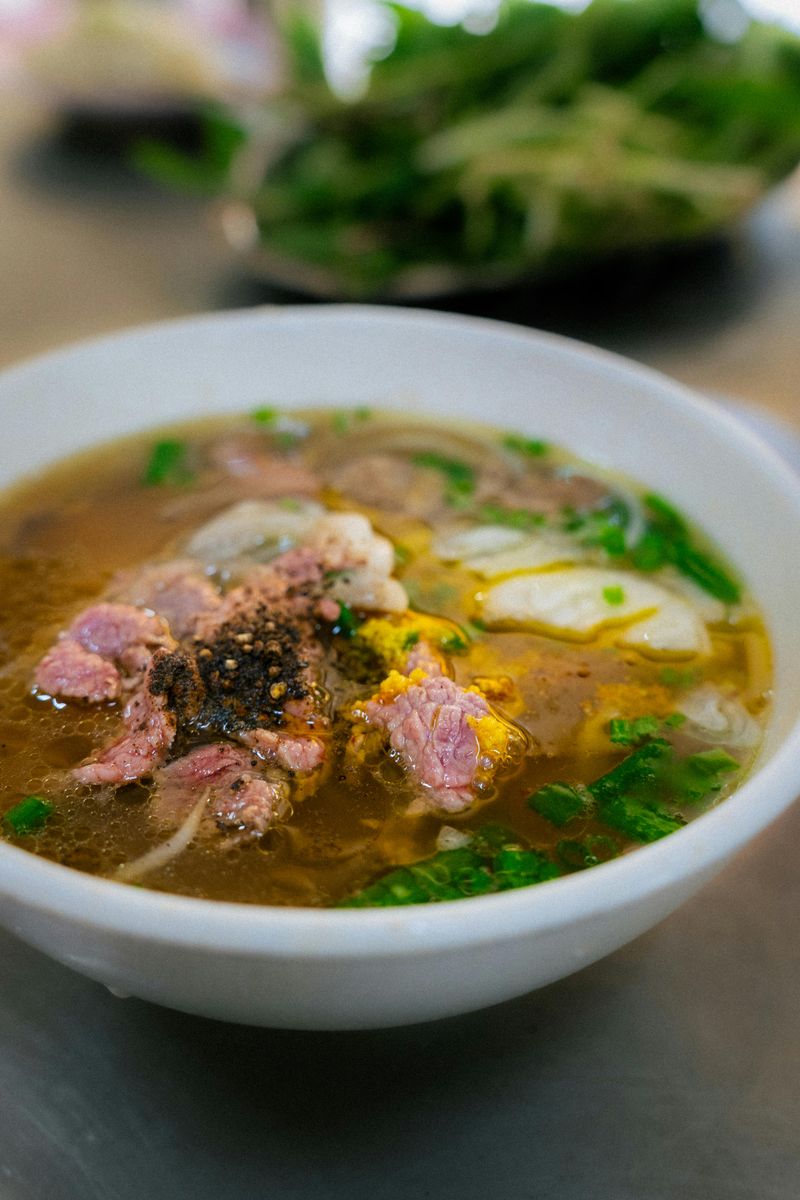
Vietnamese food is light, fresh, and packed with flavor, thanks to an abundance of herbs and a focus on balance.
Pho, the iconic noodle soup, is just the beginning—banh mi, bun cha, and fresh spring rolls showcase the country’s love for texture and contrast.
Street food is king here, with vendors serving up incredible meals from tiny stools and steaming pots on every corner.
Herbs like mint, cilantro, and Thai basil are used generously, adding brightness and complexity to every bite.
Vietnam’s food culture is unpretentious, affordable, and absolutely delicious, making it one of the best places in the world to eat your way through.