 MomSkoop
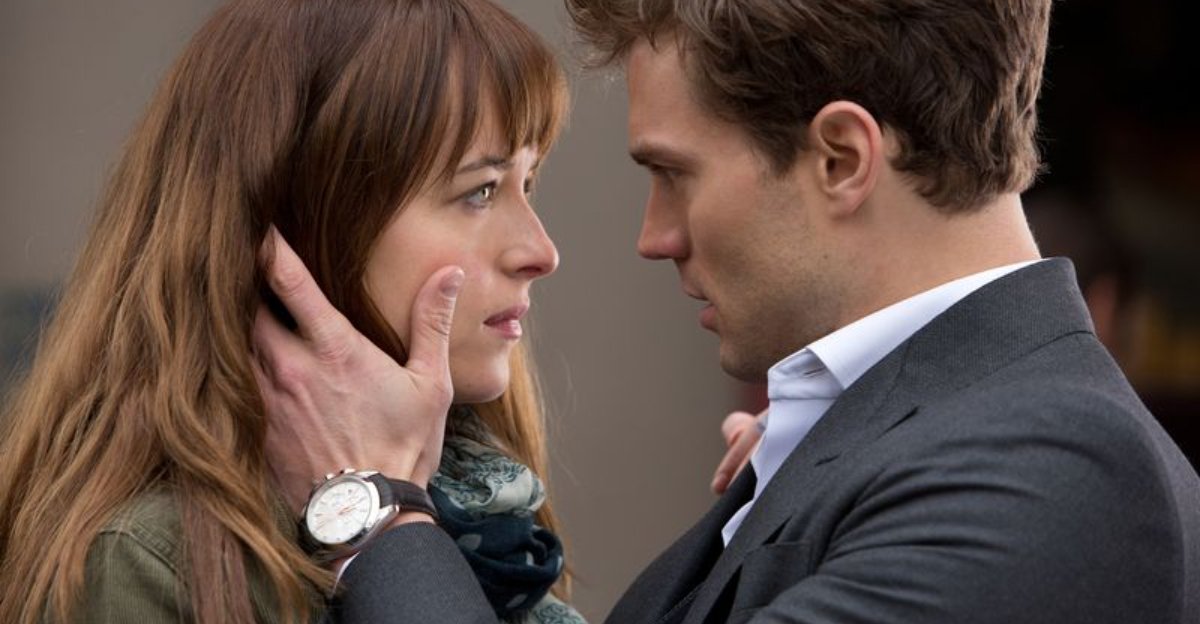
Some movies pack theaters, break records, and get everyone talking — but not always for the right reasons. A few blockbusters have managed to pull in enormous crowds while also earning some of the harshest criticism Hollywood has ever seen.
Whether fans felt cheated, critics felt insulted, or both sides just couldn’t agree, these films sparked debates that still haven’t cooled down. Here are 13 movies that drew massive audiences but also earned a whole lot of hate.
1. Transformers: Revenge of the Fallen (2009)
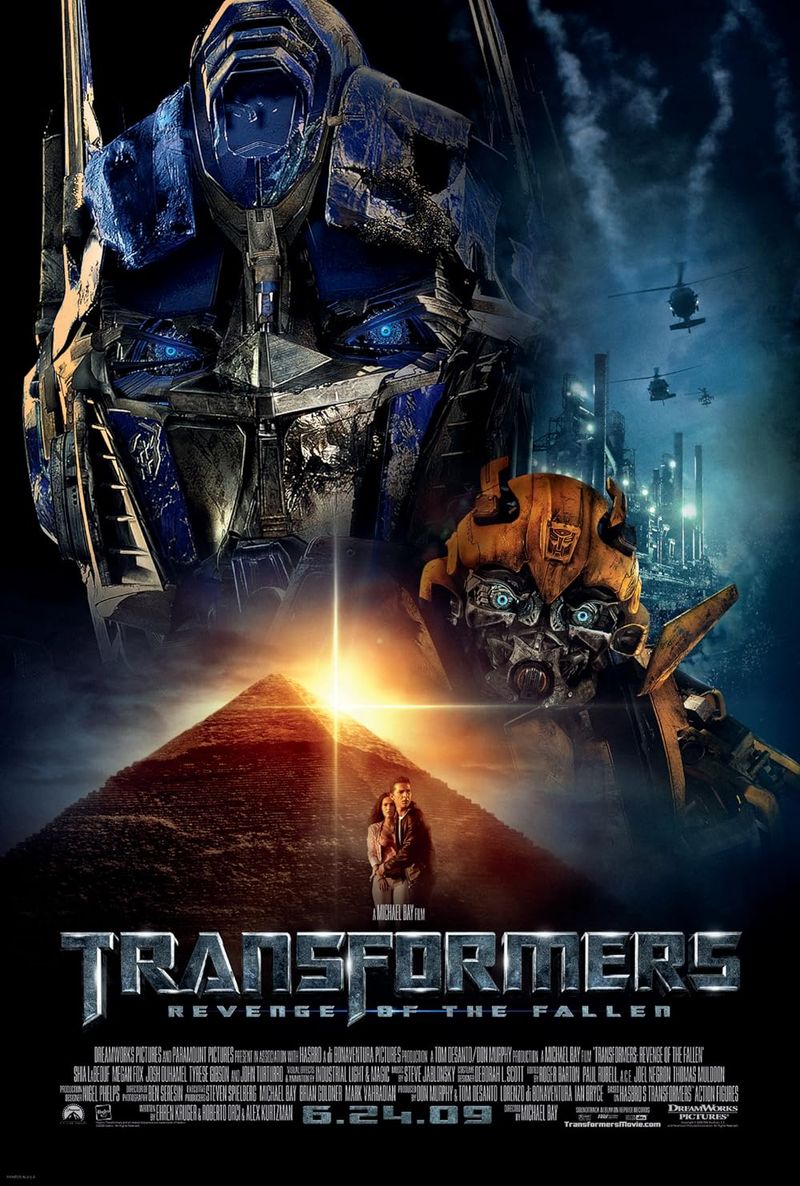
Few sequels have made so much money while making so little sense.
Transformers: Revenge of the Fallen earned over $836 million worldwide, yet critics and many viewers walked out scratching their heads.
The plot was so tangled that even fans admitted it was hard to follow.
Director Michael Bay packed the film with explosions, racing robots, and loud chaos — but forgot to include a coherent story.
Critics called it exhausting and overlong, clocking in at nearly two and a half hours.
Still, audiences showed up in huge numbers, proving that spectacle alone can sell tickets even when the writing falls flat.
2. The Twilight Saga: New Moon (2009)
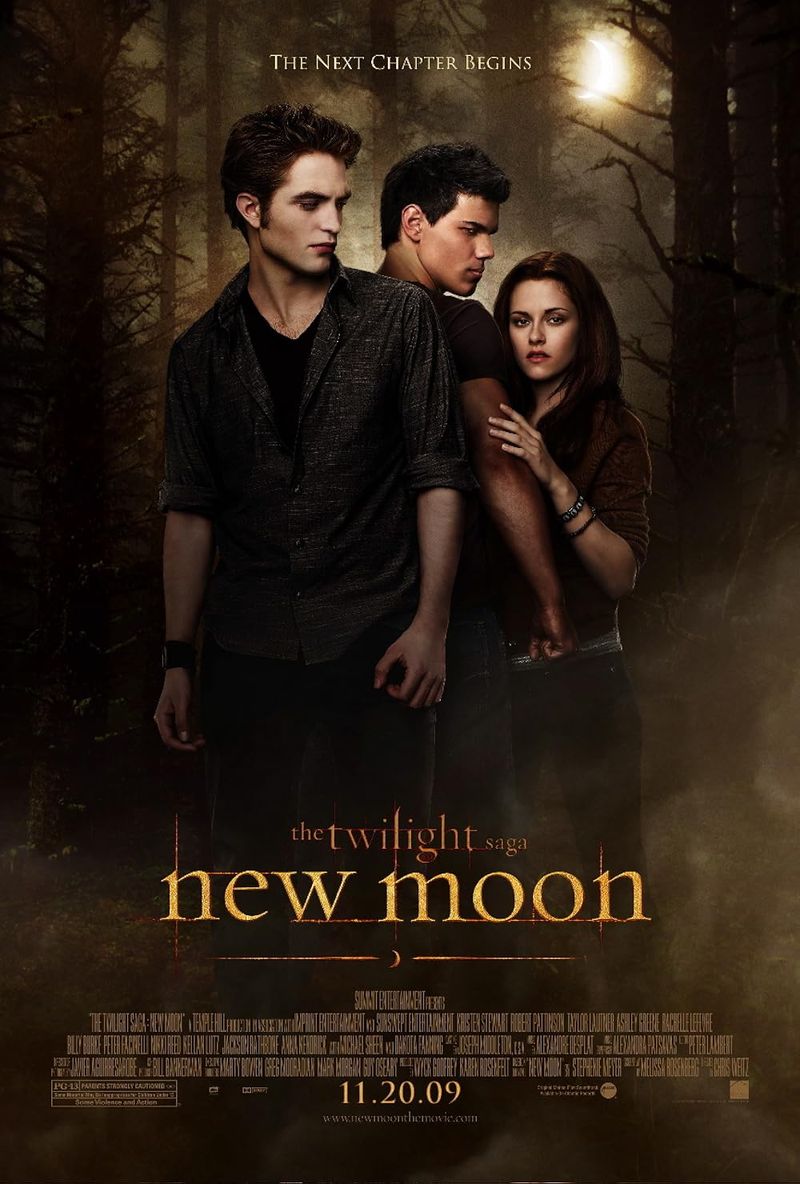
When New Moon hit theaters, Twilight fans practically broke down the doors.
The film earned nearly $710 million globally, riding the wave of one of the biggest teen fandoms of the 2000s.
Team Edward versus Team Jacob debates flooded every school hallway and social media feed.
Critics, however, were far less enthusiastic.
Many pointed to slow pacing, long stretches of emotional brooding, and performances that felt stiff rather than sincere.
The film spends a lot of time watching Bella stare out windows while melancholy music plays.
Fans loved every second of it — everyone else mostly rolled their eyes and checked their watches.
3. Fifty Shades of Grey (2015)
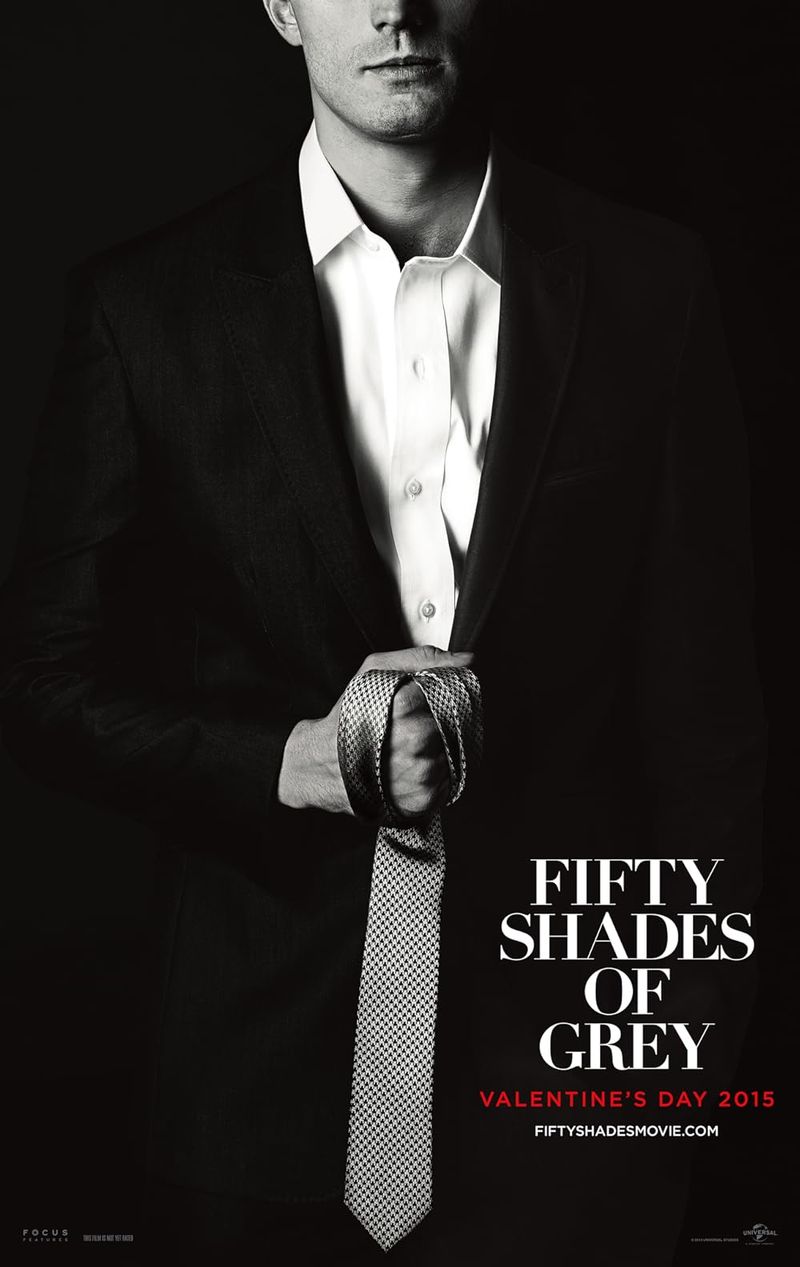
Based on one of the best-selling novels of its era, Fifty Shades of Grey arrived with enormous commercial firepower.
The film earned over $570 million at the box office, fueled by curiosity, Valentine’s Day timing, and a massive built-in readership.
Marketing alone made it feel unmissable.
Once people actually sat down to watch, the reaction was far less passionate.
Critics hammered the writing, the wooden dialogue, and a romantic chemistry between leads that many described as surprisingly cold.
Rotten Tomatoes gave it a 25% critic score.
Yet audiences kept coming, drawn more by the book’s reputation than by any promise of quality filmmaking.
A strange phenomenon all around.
4. Batman v Superman: Dawn of Justice (2016)
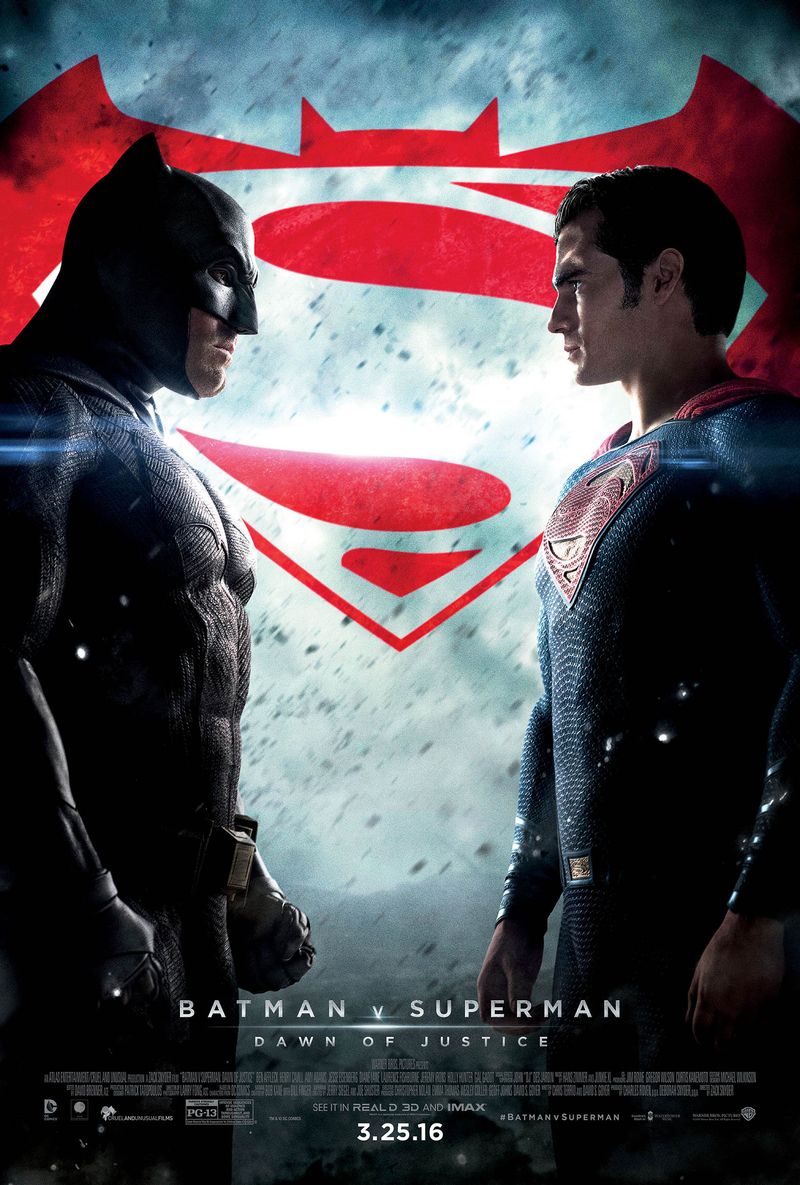
The idea of Batman and Superman sharing a screen for the first time in live-action history had fans counting down for years.
Batman v Superman opened to $166 million domestically in its first weekend — one of the biggest superhero openings ever recorded at that point.
Then came the reviews.
Critics tore apart the film’s grim tone, confusing narrative, and a third act that felt like a completely different movie.
Fans were split right down the middle — some loved Zack Snyder’s brooding vision, others felt betrayed by wasted potential.
The theatrical cut especially drew fire, though a later director’s cut won back some respect.
The debate still runs hot today.
5. Suicide Squad (2016)
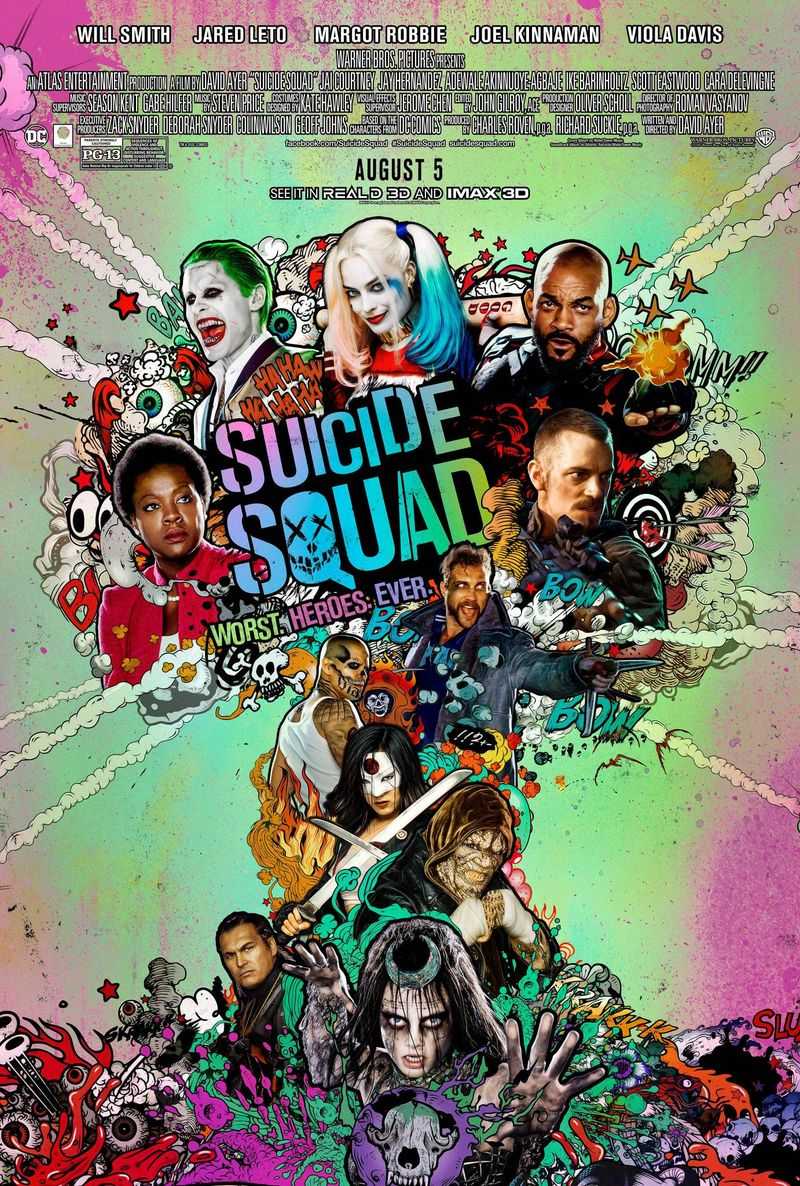
Suicide Squad came out swinging with a neon-soaked trailer that had audiences genuinely excited.
The film opened to $133 million domestically and seemed poised to be a fun, edgy counterpoint to other DC films.
The cast was stacked with talent — Will Smith, Margot Robbie, Jared Leto.
What arrived on screen felt chopped up and confused.
Reports of heavy studio re-editing leaked out, and the finished product showed the scars.
Critics pointed to a muddy villain, wasted characters, and a story that never found its footing.
Harley Quinn became a breakout star despite the mess, which says a lot about Robbie’s screen presence.
The film won an Oscar — for makeup, not storytelling.
6. The Emoji Movie (2017)
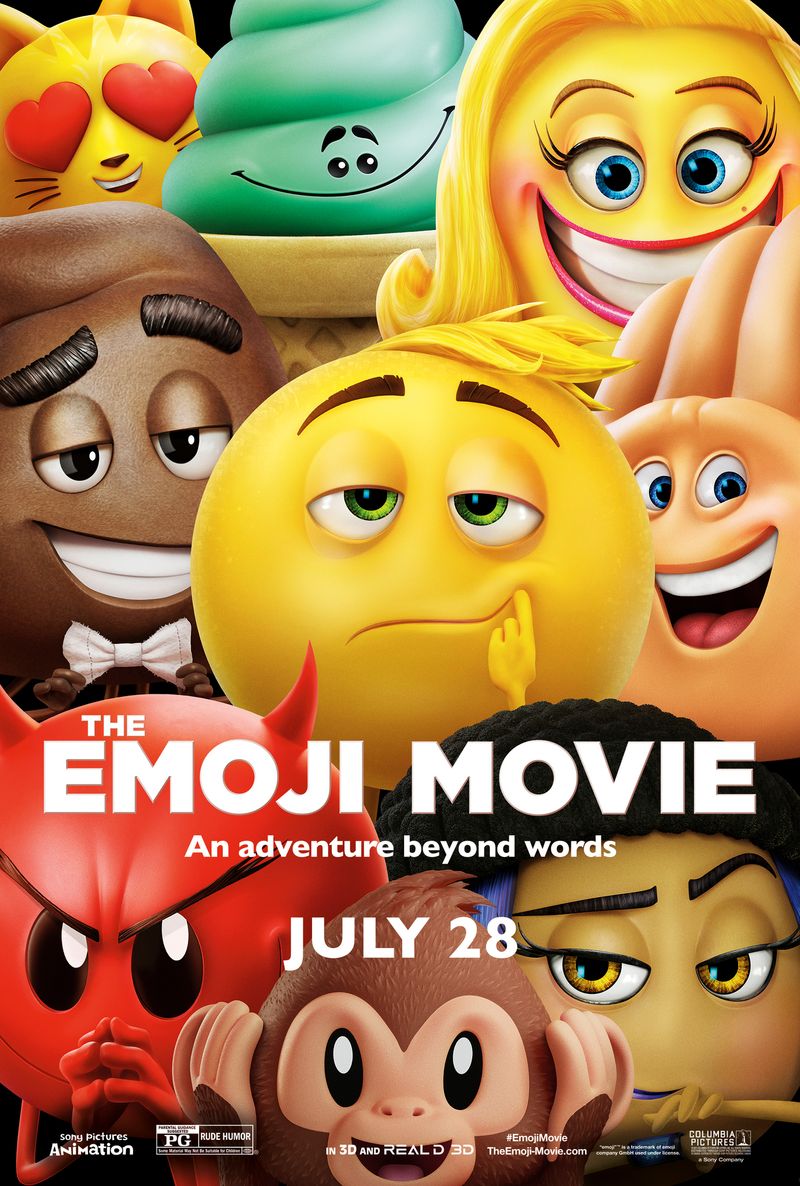
Nobody asked for a feature film set inside a smartphone, but Sony made one anyway — and somehow it earned over $217 million worldwide.
The Emoji Movie arrived in theaters and immediately became a punching bag for critics everywhere, earning a brutal 7% on Rotten Tomatoes.
Reviewers called it a hollow product advertisement dressed up as a children’s story.
Inside Out had already explored the concept of emotions with genuine heart just two years earlier, making the comparison even more painful.
Kids dragged their parents to see it, and parents quietly suffered through every minute.
It remains one of the most financially successful films to receive near-universal critical contempt in recent memory.
7. Jurassic World: Fallen Kingdom (2018)
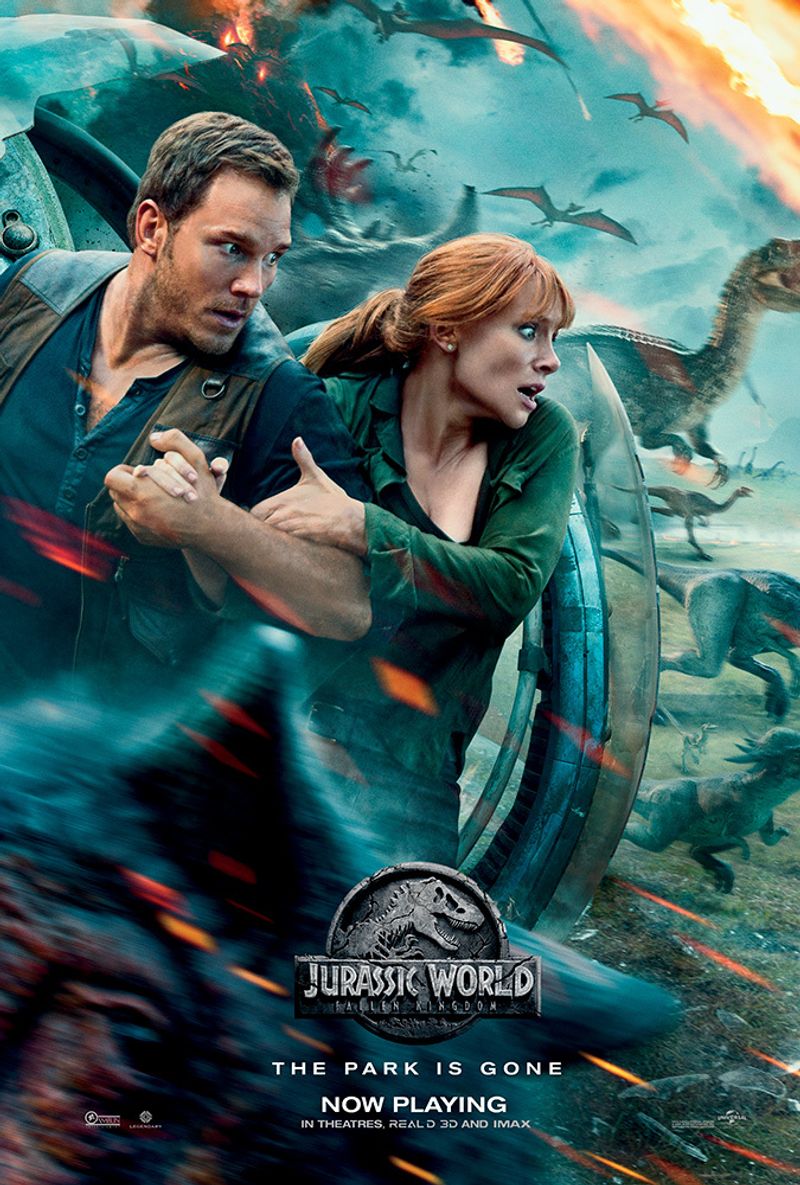
Jurassic World: Fallen Kingdom made over $1.3 billion at the global box office, proving that dinosaurs still put people in seats no matter what.
Audiences showed up willingly, expecting more of the same thrilling prehistoric action that made the first Jurassic World such a hit.
What they got was something much stranger.
The film shifts dramatically in its second half, moving away from island adventure and into something closer to a gothic horror mansion movie — complete with a creepy little girl and underground dinosaur auctions.
Critics appreciated some of the visual ambition but criticized the tonal whiplash.
Fans were genuinely divided on whether bold storytelling choices were refreshing or just bizarre.
8. Venom (2018)
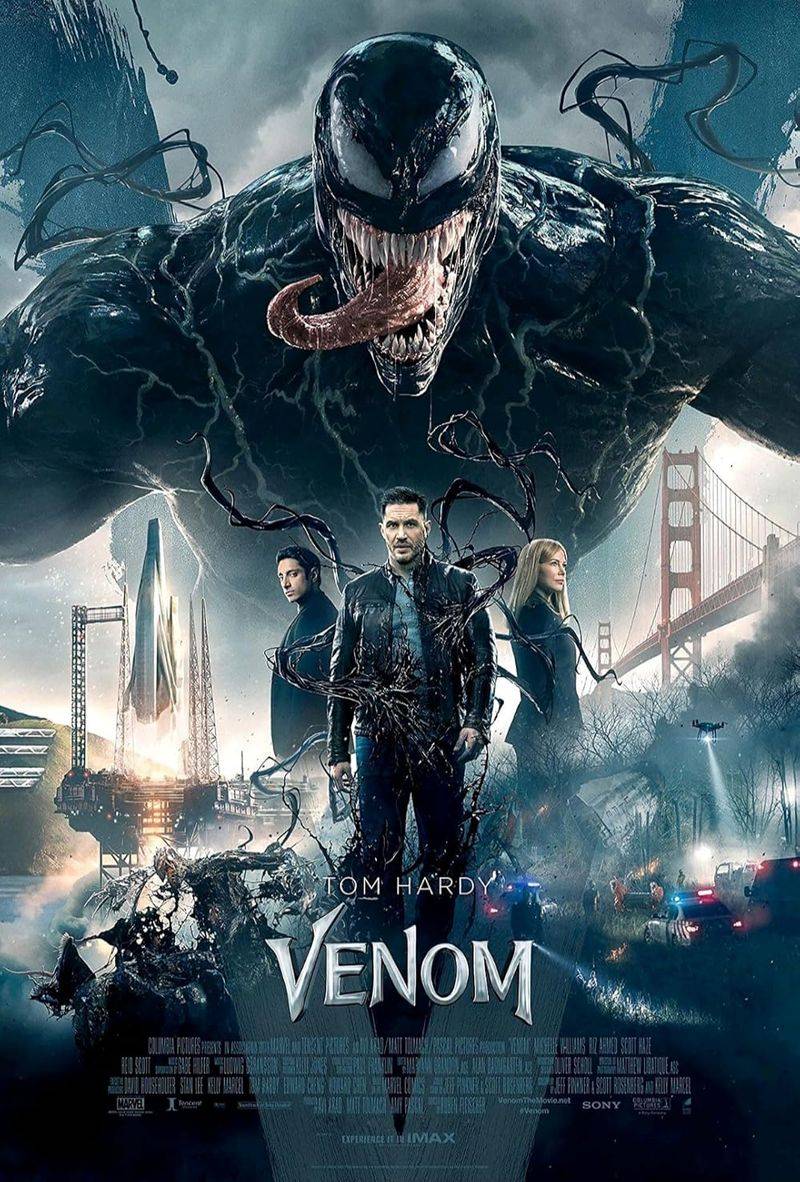
Critics absolutely savaged Venom when it hit theaters.
Reviews called it tonally confused, narratively messy, and oddly disconnected from any real sense of stakes.
A 30% Rotten Tomatoes score made it sound like a disaster waiting to happen at the box office.
Then audiences showed up — and kept showing up.
Venom earned over $855 million globally, making it one of the most successful “bad” movies ever made.
Tom Hardy’s bizarre, almost comedic performance split viewers sharply: some found it unwatchable, others found it wildly entertaining in ways they couldn’t quite explain.
The film developed a genuine cult following almost immediately.
Sometimes audiences and critics just live in completely different universes.
9. Cats (2019)
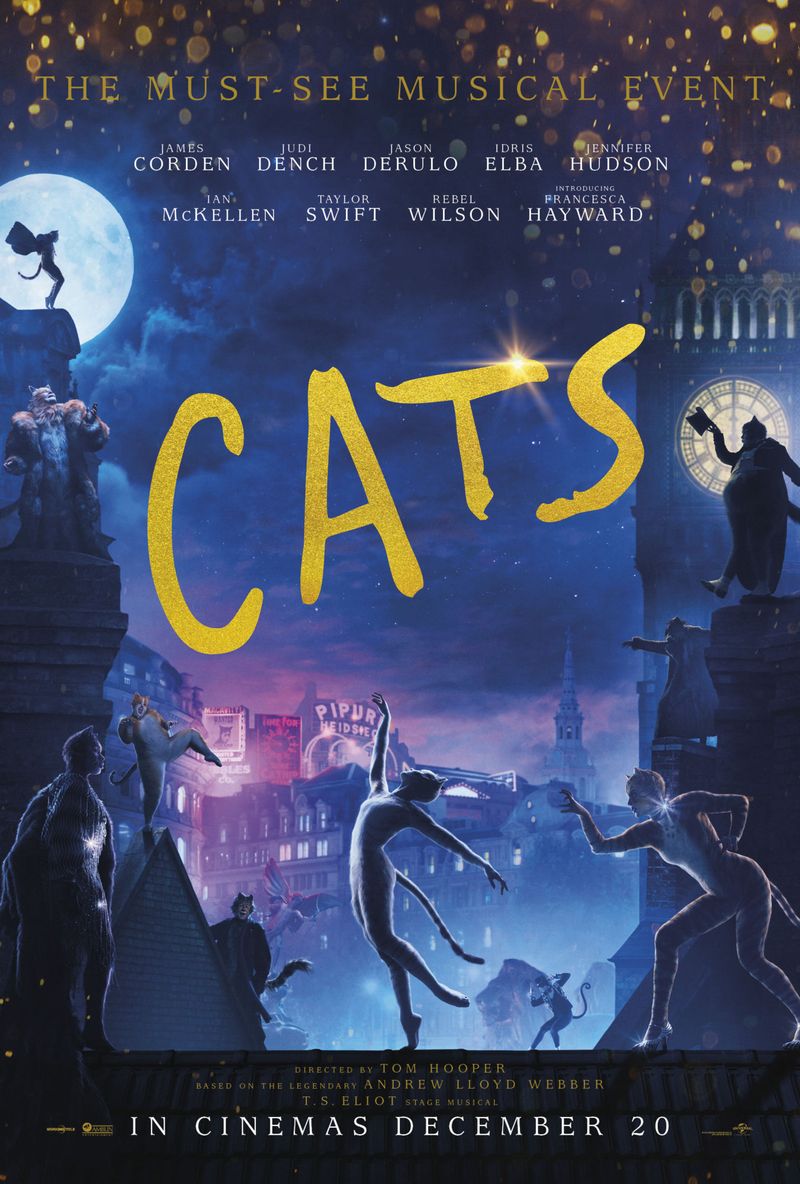
Cats arrived in December 2019 with one of the most jaw-dropping trailers in recent memory — and not in a good way.
The uncanny valley visuals of digitally furred human actors sent the internet into immediate meltdown mode.
Curiosity, mockery, and sheer disbelief drove a surprisingly strong opening weekend.
The film earned $73 million globally against a reported $100 million budget — a financial catastrophe wrapped in fur.
Critics were baffled, audiences were disturbed, and Universal reportedly rushed out a “fixed” version mid-release to correct some visual effects.
Cats became a cultural event, but mostly as something to laugh at together.
A genuinely strange chapter in Hollywood history that still defies easy explanation.
10. Star Wars: The Rise of Skywalker (2019)
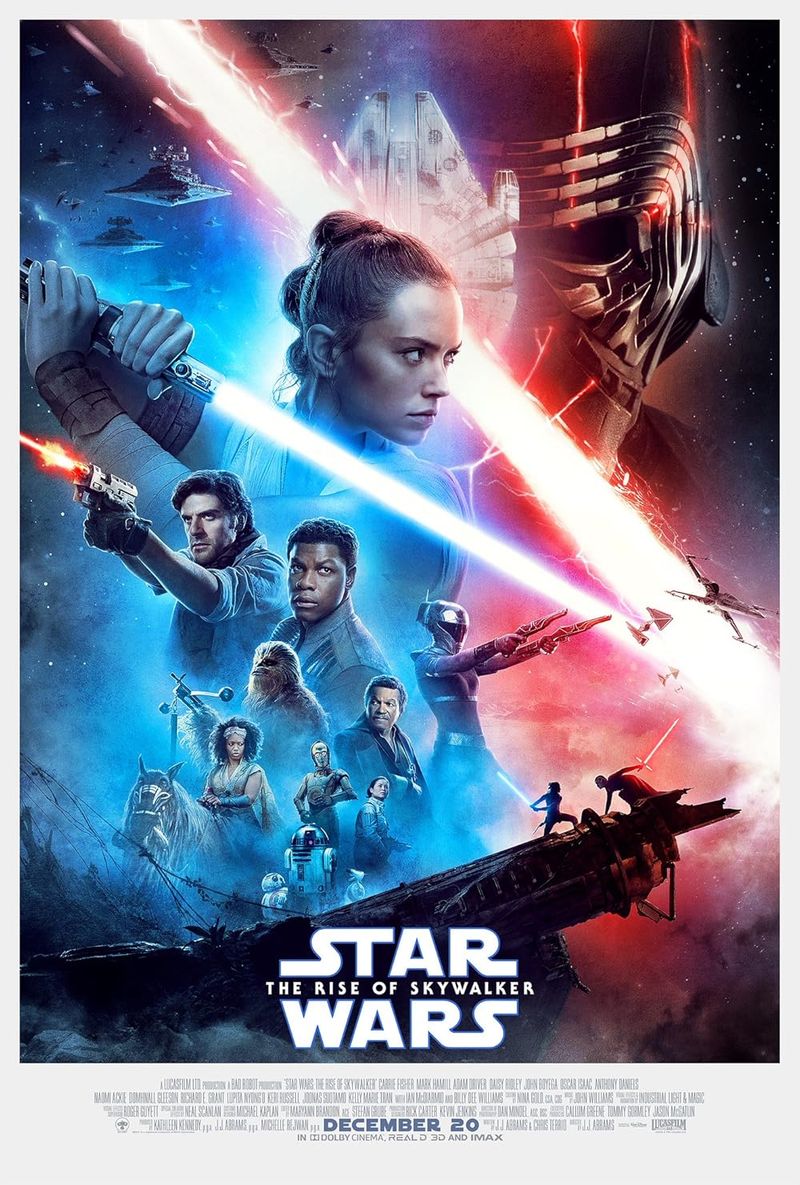
Closing out the Skywalker Saga was always going to be an impossible task, but The Rise of Skywalker still managed to disappoint on a scale that surprised even skeptics.
The film opened to $177 million domestically and ultimately earned over $1 billion worldwide — the numbers were undeniable.
Fan reaction, though, was something else entirely.
Many felt the film reversed key decisions from The Last Jedi in ways that felt reactive rather than intentional.
Plot holes, rushed pacing, and a controversial character resurrection left large portions of the fanbase feeling empty.
Critics were mixed, audiences more sharply divided.
Few franchise conclusions have sparked such passionate, ongoing arguments about what Star Wars truly owes its fans.
11. Wonder Woman 1984 (2020)
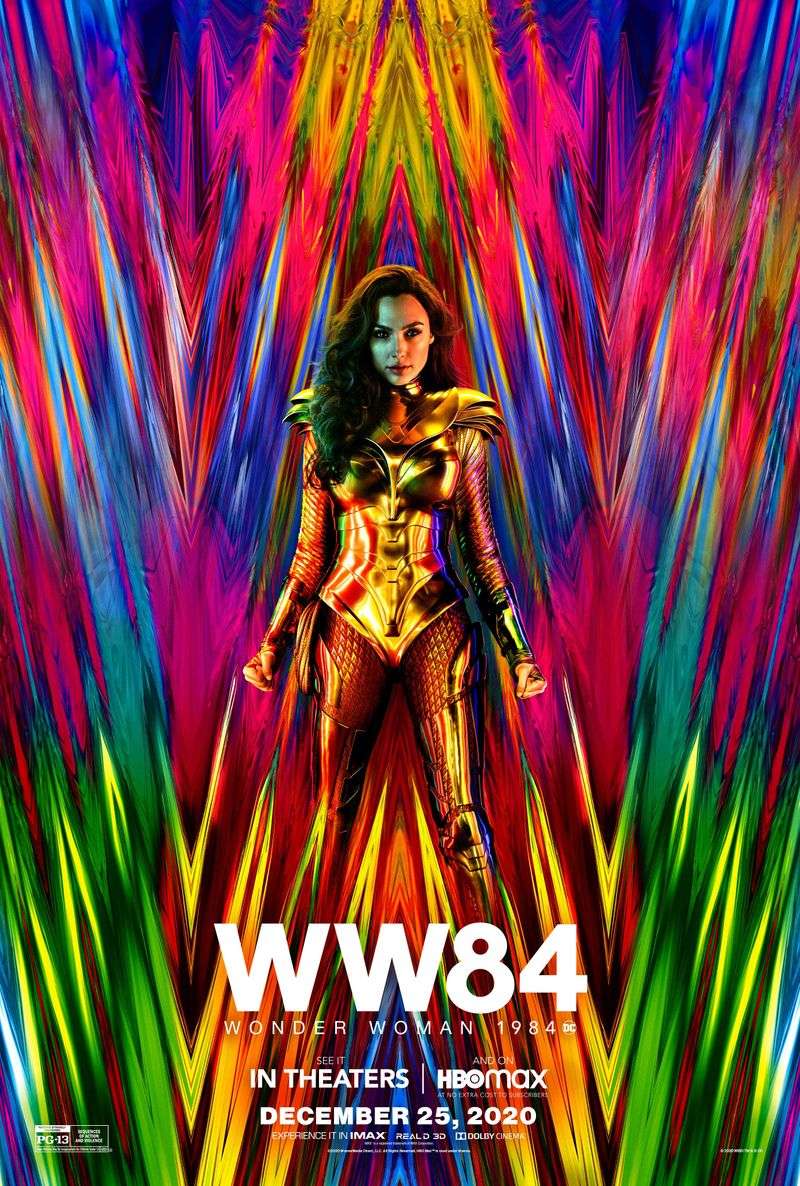
After the first Wonder Woman film earned universal praise, expectations for the sequel were sky-high.
Wonder Woman 1984 launched simultaneously in theaters and on HBO Max during the pandemic, drawing enormous viewership numbers from audiences starved for big-budget entertainment at home.
The goodwill evaporated quickly.
Critics and fans alike took issue with a bloated runtime, a logic-defying wish-granting plot device, and a third act that many described as exhausting rather than thrilling.
Pedro Pascal’s villain was charming but underused, and a controversial subplot involving a returning character generated significant backlash.
The film felt like a step backward after its predecessor’s triumph.
High anticipation made the disappointment sting even harder for loyal fans.
12. Morbius (2022)
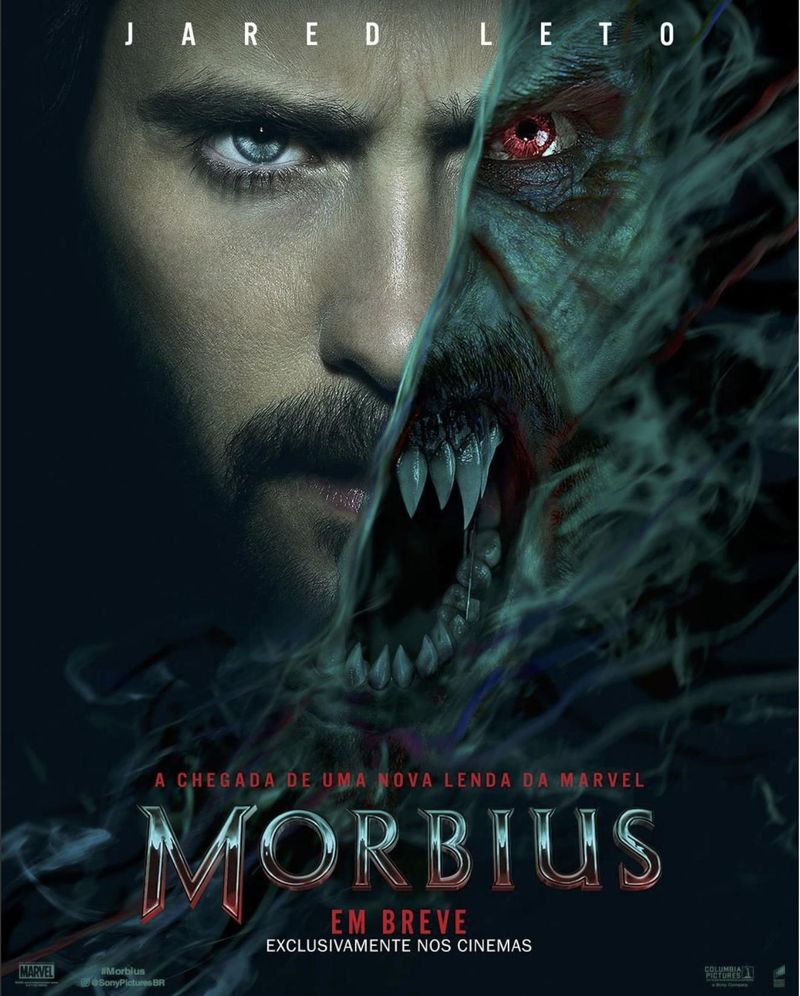
Morbius earned something rarer than box office success — it became a full-blown internet meme.
After a rocky release that earned just $39 million domestically against a $75 million budget, the film somehow got a second theatrical run driven entirely by ironic meme culture.
People went back to theaters specifically to mock it.
Critics had already delivered their verdict with a stinging 15% Rotten Tomatoes score, calling the film dull, poorly constructed, and wasteful of its premise.
Jared Leto’s performance polarized viewers who actually watched it earnestly.
The phrase “It’s Morbin Time” became a viral punchline.
Morbius stands as perhaps the clearest example of hate-watching turning into a genuine cultural moment.
13. Indiana Jones and the Dial of Destiny (2023)
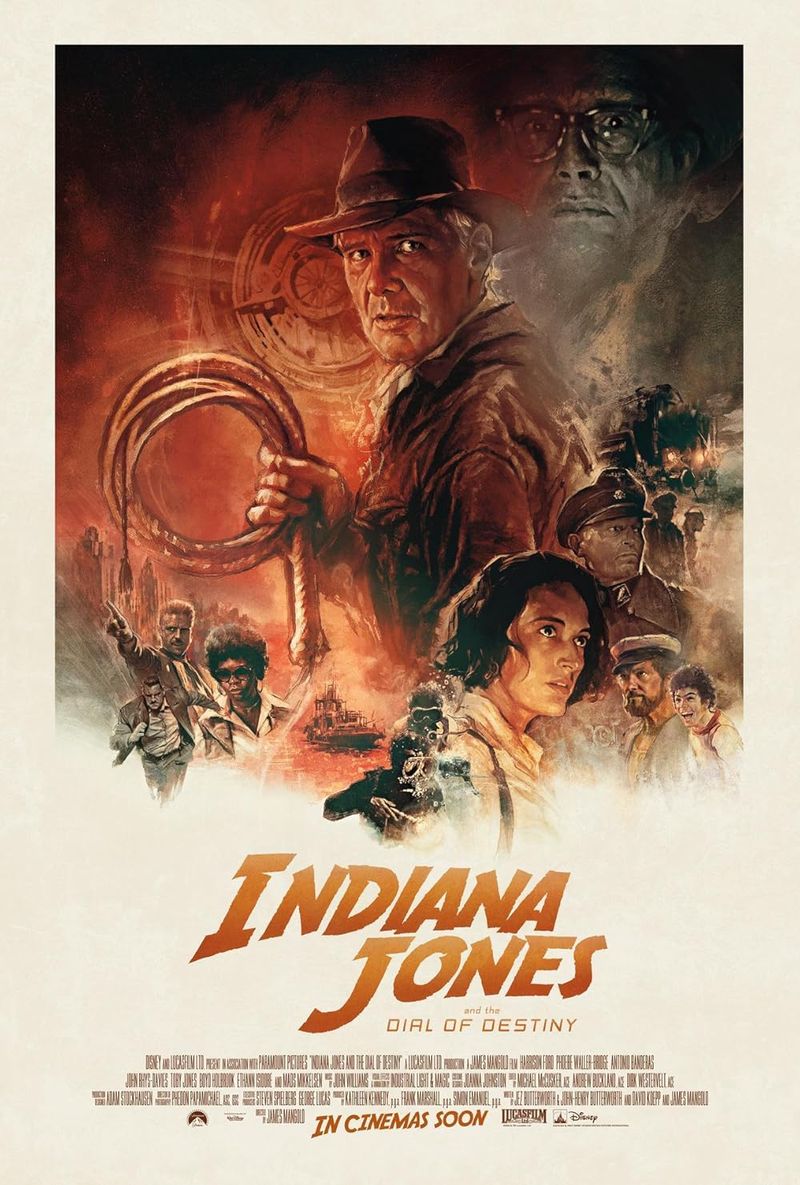
Harrison Ford returning as Indiana Jones one final time felt like a cinematic gift — a beloved icon getting a proper sendoff.
Dial of Destiny earned over $384 million worldwide, fueled by nostalgia and genuine affection for one of cinema’s greatest adventure heroes.
Fan reaction, however, was noticeably divided.
Some embraced the film’s emotional tone and appreciated its attempt at a heartfelt farewell.
Others found the story overly complicated, the de-aging technology distracting, and the climax frustratingly far-fetched even by Indy’s already fantastical standards.
Critics landed somewhere in the middle — respectful but unenthusiastic.
For a franchise with such a devoted following, “decent but divisive” felt like a bittersweet way to close an iconic chapter.