 MomSkoop

Sometimes what feels like deep love might actually be something else entirely. Attachment can disguise itself as romance, making us believe we’ve found our soulmate when really we’re just holding on tight.
Understanding the difference between genuine love and unhealthy attachment can transform your relationships and help you build connections that truly nourish your heart.
1. Fear of Being Alone Drives Your Relationship

Being single terrifies you more than being with the wrong person. You find yourself staying in relationships that don’t make you happy simply because the alternative seems unbearable. The thought of eating dinner alone or spending weekends without someone by your side fills you with dread.
Real love doesn’t come from desperation or fear. When you’re truly in love, you choose someone because they add joy to your already complete life, not because they fill a void. You should feel happy being yourself, whether you’re alone or together.
Ask yourself honestly: would you still want this person if you felt completely comfortable on your own?
2. Comfort Has Replaced Genuine Fulfillment
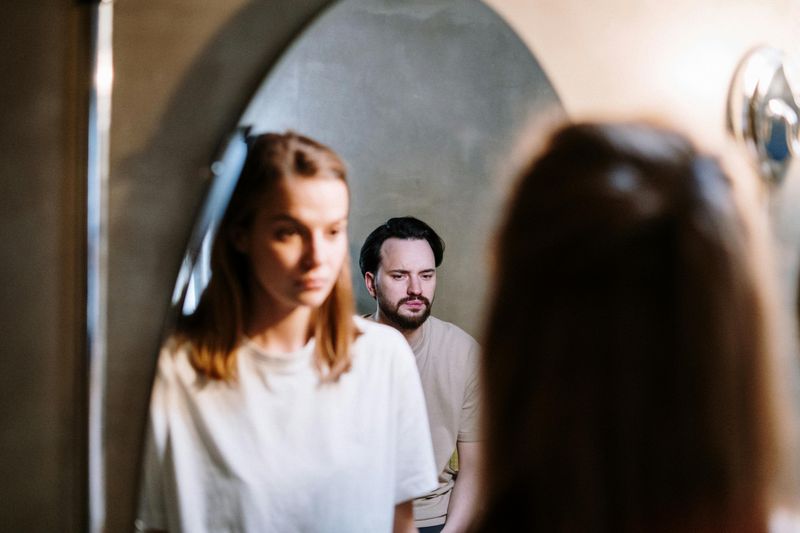
Your relationship has become a routine you follow without thinking. You stay because changing your life feels harder than maintaining the status quo, even when you’re unhappy. The predictability feels safe, but deep down you know something essential is missing.
Comfort isn’t the same as contentment. True love energizes you and makes you excited about your future together. While every relationship needs stability, it shouldn’t feel like you’re just going through the motions.
You deserve more than a relationship that simply exists. Fulfillment means feeling seen, appreciated, and excited about growing together, not just coexisting in familiar patterns.
3. You Love Their Potential More Than Their Reality

You’ve built an entire fantasy around who your partner could become someday. Maybe you think they’ll eventually be more ambitious, kinder, or more attentive once certain circumstances change. You’re dating a projection rather than the actual person standing in front of you.
Genuine love accepts people as they are right now, not who they might transform into. When you constantly wait for someone to change, you’re not really in a relationship with them—you’re in a relationship with hope.
People can grow, but betting your happiness on someone’s hypothetical future self is a recipe for disappointment and resentment.
4. They’re Your Emotional Life Support System

Every emotion you experience requires their validation or support. When you’re sad, happy, confused, or excited, you immediately turn to them to process your feelings. Without their input, you feel lost and unable to handle your own emotional landscape.
Healthy relationships involve two emotionally stable people who support each other, not one person propping up another. Relying on someone else to regulate your emotions creates an unbalanced dynamic that eventually exhausts both people.
Learning to manage your own feelings is crucial. Your partner should enhance your emotional wellness, not serve as its sole foundation. Independence and interdependence create stronger bonds than dependency ever could.
5. Constant Contact Feels Like a Requirement

Hours without hearing from them send you spiraling into worry and insecurity. You need continuous reassurance through texts, calls, or social media interactions to feel secure in the relationship. The silence feels threatening rather than comfortable.
Real love trusts. It doesn’t require constant proof or perpetual communication to survive. Secure couples can spend time apart without anxiety because they’re confident in their connection.
When you need someone’s constant attention to feel valued, that’s attachment speaking, not love. Healthy relationships allow space for individual experiences without triggering panic or doubt about where you stand.
6. Jealousy and Longing Feel Like Passion

The relationship feels most alive when there’s drama, jealousy, or yearning involved. You mistake the adrenaline rush of insecurity for romantic intensity. The emotional rollercoaster convinces you that these extreme feelings must mean you’re deeply in love.
Actual passion in healthy relationships comes from genuine connection, mutual respect, and shared joy. It doesn’t require turmoil to feel real. Sustainable love is steady and warm, not constantly chaotic and anxiety-inducing.
If you only feel close during conflicts or after periods of distance, you might be addicted to the drama rather than truly connected to the person.
7. Red Flags Get Ignored or Excused

You notice behaviors that trouble you—dishonesty, disrespect, inconsistency—but you rationalize them away. Acknowledging these warning signs would threaten the relationship, so you convince yourself they’re not that serious or will improve over time.
Love doesn’t require you to ignore your intuition or compromise your boundaries. When you’re genuinely valued, you won’t need to make excuses for someone’s treatment of you. Attachment makes you prioritize keeping the connection over protecting yourself.
Your gut feelings deserve attention. Dismissing red flags to maintain a relationship means you’re more invested in the attachment than in your own wellbeing and happiness.
8. Validation Matters More Than Understanding

They tell you what you want to hear, but they don’t truly know your deeper thoughts, dreams, or fears. The relationship provides surface-level affirmation without genuine emotional intimacy. You feel appreciated but not actually seen.
Being understood means someone knows your complexities and loves you anyway. It goes beyond compliments to real comprehension of who you are. Validation feels good temporarily, but understanding creates lasting connection.
If your conversations never go deeper than pleasantries and praise, you might have attachment without real intimacy. True love involves being known, not just being liked.
9. Your Own Needs Take a Backseat

You’ve stopped pursuing your own goals, friendships, and interests because the relationship consumes all your energy. Your identity has become wrapped up in being their partner rather than being yourself. Personal growth has stalled because you prioritize their needs exclusively.
Healthy love encourages both people to flourish individually while growing together. Sacrificing your entire self for a relationship creates resentment and loss of identity over time.
You shouldn’t have to shrink yourself to maintain a connection. The right person will celebrate your ambitions and support your individual journey, not require you to abandon it for their sake.
10. Conflict Feels Absolutely Terrifying

Disagreements send you into panic mode because you fear they’ll end the relationship. You avoid expressing concerns or needs to keep the peace, even when issues genuinely bother you. The attachment feels so fragile that any conflict seems like a potential catastrophe.
Real love can handle honest conversations. Secure relationships view disagreements as opportunities to understand each other better, not threats to the connection’s survival. Avoiding conflict doesn’t create harmony—it creates hidden resentment.
If you can’t voice your true feelings without fearing abandonment, you’re walking on eggshells rather than standing on solid ground.
11. Fantasy Outweighs Actual Enjoyment

You spend more time imagining perfect moments with them than actually enjoying the relationship you have. Your daydreams about future vacations, milestones, or romantic gestures feel more satisfying than your real interactions. The fantasy version of your relationship seems better than the reality.
When imagination consistently beats reality, something important is missing. Genuine love makes the present moment feel fulfilling, not just the imagined future. You should enjoy who you’re with right now, not constantly escape into fantasy.
Ask yourself what you’re avoiding by living in your head. The real relationship should be the best part, not the fantasy you’ve created.
12. Routine Keeps You There Despite Unhappiness

The established patterns—morning coffee together, weekend rituals, shared schedules—have become the relationship’s glue. Breaking up would disrupt your entire life structure, which feels overwhelming. You stay because unraveling the routine seems harder than enduring the dissatisfaction.
Routines should support relationships, not replace genuine connection. When habit is the only thing keeping you together, you’ve moved from partnership to inertia. Comfort with patterns isn’t the same as happiness with a person.
Life changes can feel scary, but staying in an unfulfilling relationship just because it’s familiar wastes precious time you could spend finding real joy.
13. Physical Closeness Substitutes for Emotional Connection

Physical affection and intimacy feel like the strongest part of your bond. When you’re not physically together, the connection feels weak or uncertain. You confuse chemistry with compatibility and touch with true understanding.
While physical connection matters, it can’t be the relationship’s foundation. Genuine love involves mental and emotional intimacy that exists whether you’re touching or not. Chemistry fades if there’s nothing deeper supporting it.
Can you connect meaningfully through conversation alone? If physical closeness is the only time you feel truly bonded, you might be experiencing attraction rather than love. Real relationships thrive on multiple levels of connection.
14. Clinginess Has Replaced Genuine Connection

You feel an urgent need to be near them constantly, not from joy but from insecurity. The thought of them doing things without you triggers anxiety rather than happiness for their independence. Your attachment feels desperate rather than comfortable.
Healthy love creates security that allows freedom. Clinginess comes from fear of loss, not confidence in the relationship. When you truly trust your connection, you can give each other space without feeling threatened.
Notice whether your desire for closeness comes from wanting to share experiences or from needing constant reassurance. One builds relationships; the other slowly suffocates them with pressure and neediness.