 MomSkoop

You might think your kids are lost in their own little worlds, oblivious to what’s happening around them.
The truth is, children are remarkably perceptive observers who pick up on far more than we give them credit for.
From the slightest shift in your tone to the way you treat yourself when you think no one’s watching, their radar is constantly scanning for information about how the world works and where they fit in it.
1. The Real Meaning Behind Your Voice
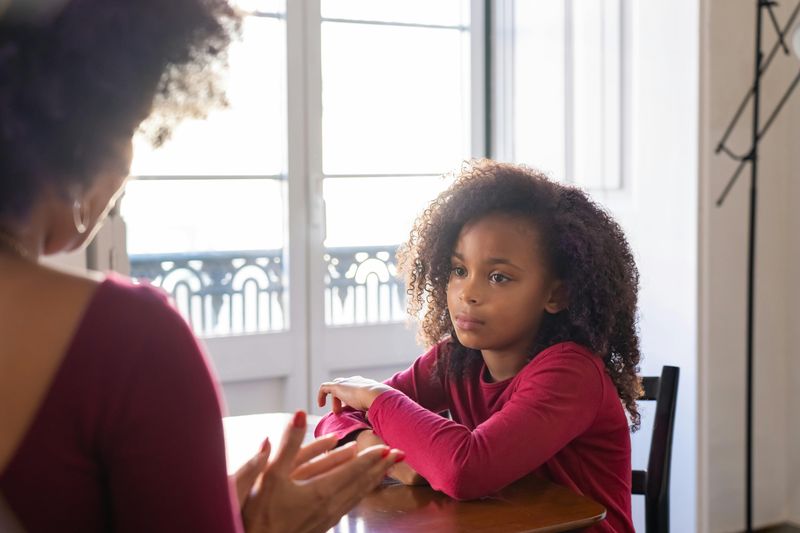
Your words might say one thing, but your voice tells the real story.
Kids possess an almost supernatural ability to detect when something’s off, even if you’re trying to hide it.
That slight tightness when you say everything’s okay?
They hear it.
The faster pace when you’re stressed?
Noticed.
The overly cheerful tone masking frustration?
Completely transparent.
Children learn early that tone carries more truth than words.
They’re tuning into pitch changes, pauses, and that specific edge that creeps in when you’re pretending.
This skill develops because their survival once depended on reading caregivers’ emotional states.
Even now, they’re hardwired to detect these vocal shifts, making them expert lie detectors in their own homes.
2. Split-Second Facial Reactions
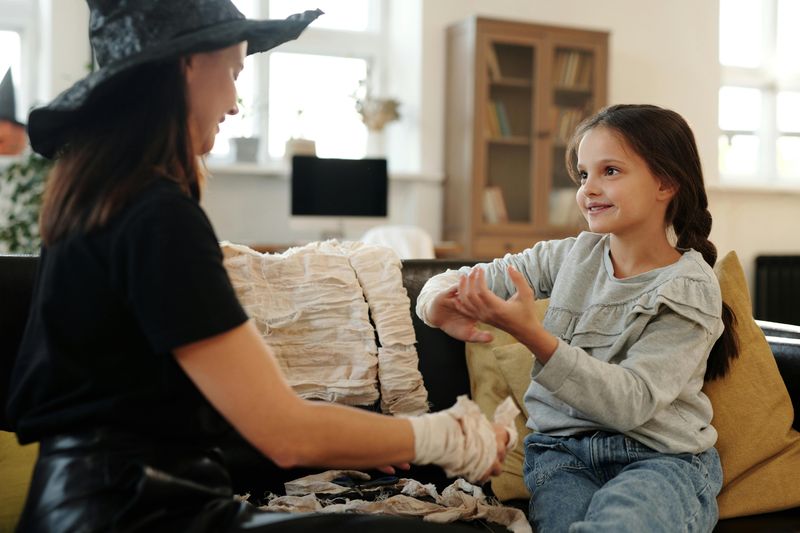
Before you even register making a face, your child has already cataloged it.
That micro eye-roll when they ask the same question for the tenth time?
Seen it.
The brief flash of annoyance before you compose yourself?
Filed away for future reference.
These split-second expressions happen faster than conscious thought.
Your face betrays your true feelings before your brain engages the filter.
Kids are especially attuned to these because they’re constantly monitoring adult reactions to gauge safety and approval.
Forced smiles don’t fool anyone under four feet tall.
They can distinguish between genuine happiness and the tight-lipped version you’re using to mask irritation.
3. Rules That Don’t Apply to You
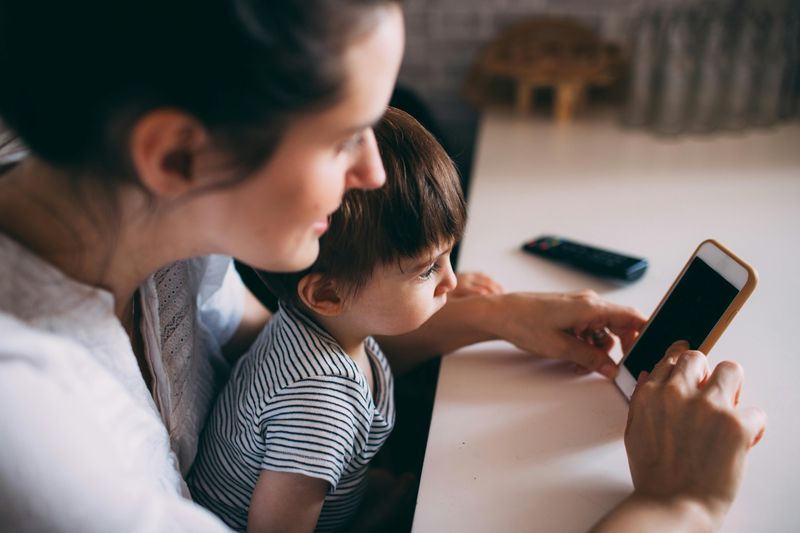
Nothing escapes their sense of justice faster than watching you break the rules you enforce.
You’ve banned phones at dinner, but yours buzzes and suddenly you’re texting back.
The message lands loud and clear: rules are flexible depending on who you are.
Kids possess an incredibly sensitive fairness detector.
They’re watching to understand how power works and who gets exceptions.
When your behavior contradicts your words, they don’t just notice the hypocrisy—they internalize it as a lesson about how the world operates.
This inconsistency teaches them that authority figures can be arbitrary.
It also quietly gives them permission to find their own loopholes.
4. Unspoken Tension in the Air

Walk into a room after parents have argued, and the air feels different.
Kids sense this atmospheric shift immediately, even when no one mentions what happened.
They might not understand the details, but they absolutely feel the emotional temperature drop.
Financial stress creates a particular kind of heaviness.
Relationship strain produces another distinct vibe.
Children are remarkably skilled at reading these invisible signals—the longer silences, the careful word choices, the physical distance between adults.
Nobody needs to explain that something’s wrong.
Their nervous systems pick up on the collective anxiety, processing it as potential danger.
This awareness often manifests as behavioral changes or increased clinginess in response to instability they can’t name.
5. Unequal Distribution of Patience

They’re keeping score, whether you realize it or not.
One sibling gets softer responses, more eye contact, and longer explanations.
The other gets shorter answers, quicker consequences, and less benefit of the doubt.
Kids notice these disparities with mathematical precision.
They’re comparing the number of times you smiled at their brother versus them.
They’re tracking whose mistakes get understanding and whose get immediate punishment.
This isn’t paranoia—it’s survival instinct driving them to understand their position in the family hierarchy.
Even when you’re trying to be fair, subtle preferences leak through.
The child receiving less patience internalizes messages about their worth, while the favored one learns problematic lessons about entitlement.
6. Comparisons Disguised as Comments

Your cousin reads so much.
Your sister never had trouble with math.
Why can’t you be more like your brother?
Every comparison lands like a ranking system, telling kids exactly where they stand.
Even subtle comparisons register as judgments.
You might think you’re motivating them, but what they hear is that someone else is better.
These comments create internal scorecards where they’re constantly measuring themselves against others and usually coming up short.
The damage isn’t just about hurt feelings.
Constant comparison shapes their identity around deficiency rather than possibility.
They begin defining themselves by what they’re not instead of discovering who they are.
This pattern often continues into adulthood.
7. How You Discuss Other People
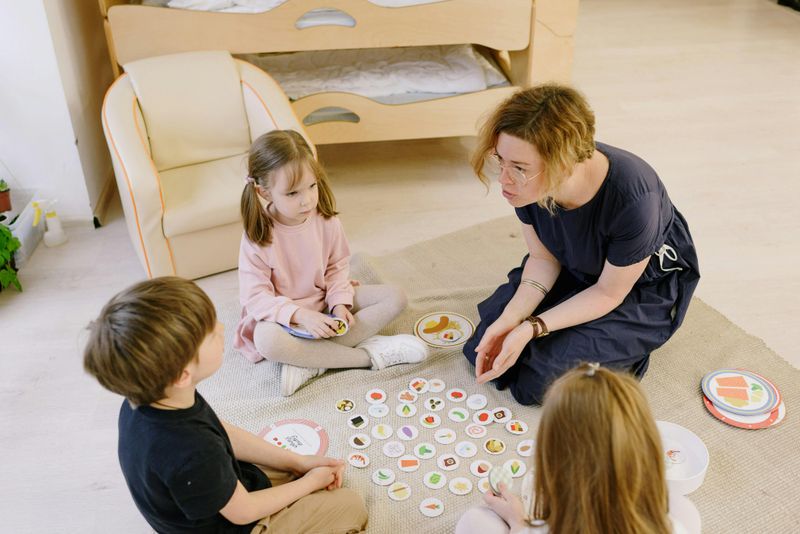
Your child is absorbing every word you say about the neighbor, the grocery clerk, your mother-in-law, or the teacher.
These conversations become their user manual for navigating social hierarchies and determining who deserves respect.
When you’re dismissive about service workers, they learn that certain jobs make people less valuable.
When you gossip about family members, they discover that loyalty is conditional.
Your casual commentary builds their worldview brick by brick.
Kids don’t separate your private opinions from your public values.
They’re learning that how you treat people when they’re not around reveals character.
This shapes their own relationship patterns and their understanding of integrity far more than any lecture ever could.
8. Your Divided Attention

You’re nodding along while your child explains their day, but your eyes keep drifting to your phone.
You say you’re listening, but your body language screams otherwise.
Kids instantly recognize the difference between genuine presence and physical proximity.
They notice every glance at your screen, every distracted “uh-huh,” every moment your eyes glaze over.
This teaches them that they’re less interesting than whatever’s happening on that device.
The message isn’t subtle: you’re not worth full attention.
Half-listening creates disconnection that accumulates over time.
Eventually, they stop sharing because why bother?
You’ve already shown them that being in the same room doesn’t mean being truly together.
9. Shifts in Daily Patterns
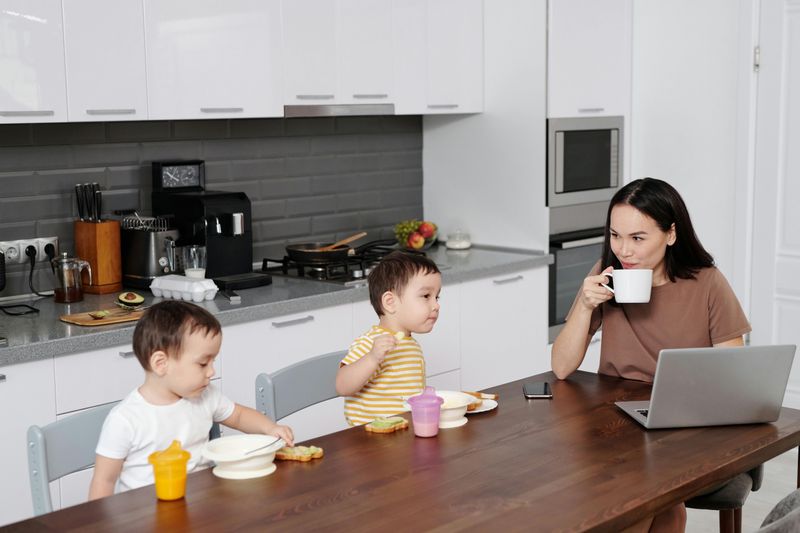
Something feels different this morning, though nothing’s been announced.
The usual breakfast routine is shorter.
Car rides are quieter.
Fewer treats appear in the grocery cart.
Kids detect pattern disruptions immediately, even before explanations arrive.
Their brains are wired to notice deviations from routine because consistency equals safety.
When patterns change, their internal alarm system activates.
They might not ask what’s wrong, but they’re definitely aware something has shifted.
Maybe finances are tighter.
Maybe a relationship is strained.
Maybe work stress is bleeding into family time.
Whatever the cause, children sense the ripple effects long before adults think to address them.
This awareness often creates anxiety they can’t articulate.
10. Your Relationship with Yourself
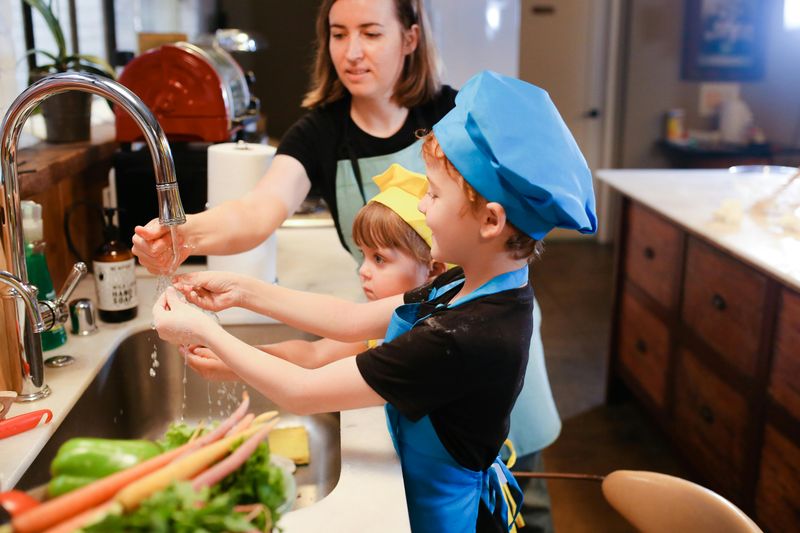
How you talk about your own body, handle your mistakes, or push through exhaustion becomes their template for adulthood.
When you criticize your appearance, they learn that bodies are problems to fix.
When you never rest, they internalize that worth comes from productivity.
Self-criticism delivered in their presence might seem harmless—you’re just thinking out loud.
But they’re recording these moments as instructions for their own future.
Your stress habits, perfectionism, and burnout patterns show them what being a grown-up looks like.
You’re modeling self-worth through your actions.
If you treat yourself with contempt, they learn that’s normal.
If you ignore your needs, they’ll likely do the same.