 MomSkoop

Many people think they’re just shy, but shyness and social anxiety are actually quite different.
Shyness might make you feel a little nervous around new people, but social anxiety can affect your daily life in bigger ways.
If you’ve been brushing off certain feelings as “just being shy,” it might be time to look a little closer at what’s really going on.
1. Avoiding Social Situations Even When You Want to Join
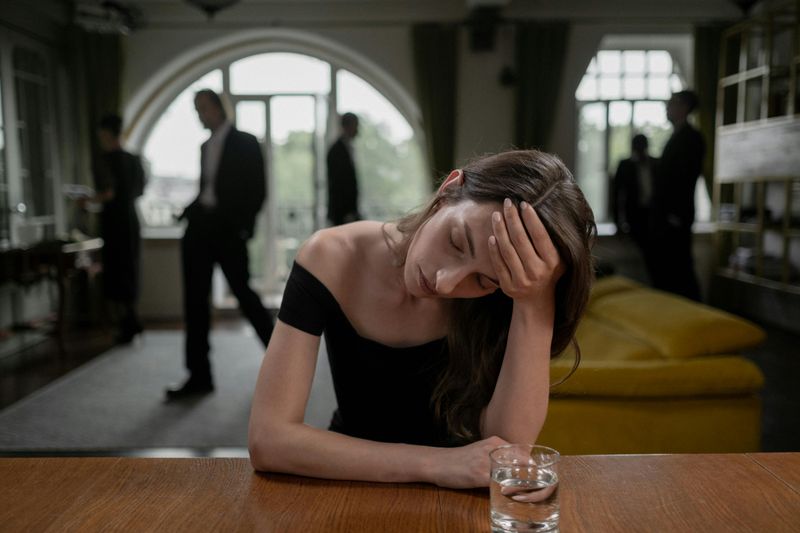
Picture this: your friends invite you to hang out, and part of you really wants to go.
But another part feels terrified, so you make up an excuse to stay home.
This isn’t just preferring alone time—it’s fear winning the battle.
When you have social anxiety, the worry about what might happen feels overwhelming.
You might imagine worst-case scenarios or think everyone will judge you.
These thoughts become so strong that avoiding the situation feels like the only safe choice.
Shyness might make you hesitant at first, but you usually warm up.
Social anxiety keeps you away completely, even from things you’d genuinely enjoy.
2. Overanalyzing Conversations Long After They End

Did that sound weird?
Why did I say that?
They probably think I’m awkward.
Sound familiar?
If you spend hours replaying conversations in your head, you might be dealing with more than shyness.
Social anxiety makes your brain work overtime.
You remember every word you said, every pause, every facial expression.
You analyze it all like a detective looking for mistakes, convinced you embarrassed yourself somehow.
This mental replay isn’t helpful reflection—it’s exhausting worry.
While shy people might think briefly about a conversation, those with social anxiety can’t stop the loop of overthinking.
3. Deep Fear of Being Judged or Embarrassed

Everyone worries a little about what others think.
But social anxiety takes this concern to an entirely different level.
The fear isn’t just surface-level nervousness—it’s a powerful, consuming dread that others are constantly evaluating and criticizing you.
You might feel like you’re under a microscope in social settings.
Every move feels watched, every word feels scrutinized.
This isn’t occasional self-consciousness; it’s a persistent belief that people are focused on your flaws.
Shy people might worry briefly, then move on.
Social anxiety makes the fear stick around, affecting how you act and what you avoid.
4. Physical Symptoms in Social Settings

Your body has its own alarm system, and social anxiety sets it off in social situations.
Blushing, sweating, trembling, nausea, or a pounding heart aren’t just “nerves”—they’re physical responses to intense fear.
These symptoms can happen even in situations that seem harmless to others.
Your body reacts as if there’s real danger, preparing for fight or flight.
Unfortunately, this makes you feel even more self-conscious, creating a frustrating cycle.
Shyness rarely causes such strong physical reactions.
When your body responds this dramatically to social situations, it’s signaling something deeper than simple quietness or reservation.
5. Struggling to Speak Up in Low-Pressure Situations
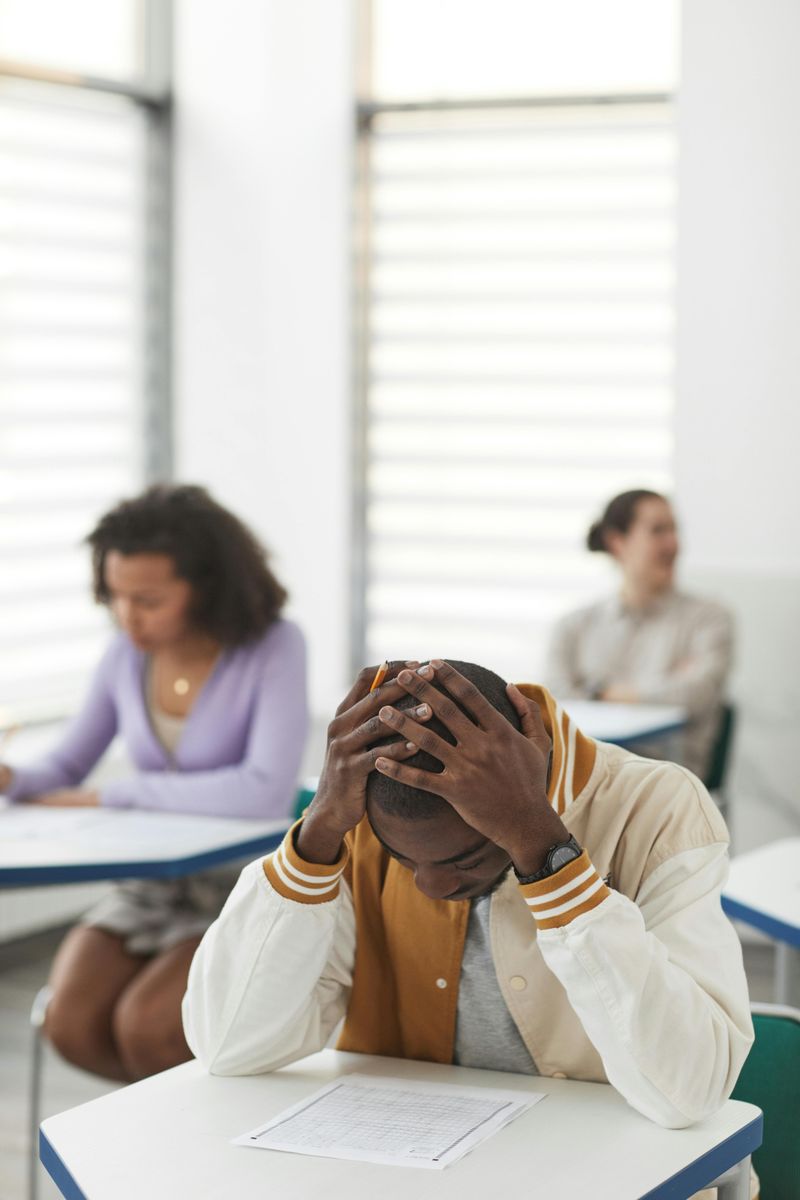
Ordering food at a restaurant.
Making a phone call.
Asking where the bathroom is.
These everyday tasks shouldn’t feel like climbing a mountain, but for someone with social anxiety, they absolutely can.
It’s not about being quiet or reserved.
It’s about genuine difficulty getting words out, even when the stakes are incredibly low.
Your mind might go blank, your voice might shake, or you might avoid the situation entirely.
Shy people might speak softly or hesitate briefly.
Social anxiety makes even simple interactions feel impossible, affecting basic daily activities that most people don’t think twice about.
6. Mentally Rehearsing Conversations in Advance

Do you script out what you’ll say before making a phone call?
Do you practice conversations in your head before social events?
This mental preparation might seem helpful, but it’s actually a sign of significant anxiety.
Spending excessive mental energy rehearsing interactions shows how much fear is driving your behavior.
You’re trying to control every variable, hoping to avoid mistakes or awkwardness.
This isn’t just being prepared—it’s being consumed by worry.
A shy person might think briefly about what to say.
Someone with social anxiety creates detailed scripts, then panics when conversations don’t follow the plan exactly as rehearsed.
7. Feeling Completely Drained After Social Interaction

Introverts might need alone time to recharge, but social anxiety creates a different kind of exhaustion.
After social interactions, you don’t just feel tired—you feel absolutely wiped out, like you’ve run a marathon.
This exhaustion comes from the constant mental battle happening during social situations.
You’re monitoring everything you say, watching for judgment, managing physical symptoms, and trying to appear normal.
All this effort is incredibly draining.
The difference matters: introverts enjoy social time but need recovery.
People with social anxiety find the interactions themselves stressful and threatening, making them exponentially more exhausting than they should be.
8. Avoiding Eye Contact or Appearing Closed Off
Teachers might have called you “shy” or “distant.” Friends might think you’re uninterested.
But avoiding eye contact and appearing closed off often stems from discomfort and anxiety, not rudeness or disinterest.
Eye contact can feel intensely uncomfortable when you have social anxiety.
It feels too intimate, too exposing.
You might worry that people can see your anxiety or judge you more easily when looking directly at you.
Crossing your arms, looking down, or turning away are protective behaviors.
Your body is trying to create safety in situations that feel threatening, even when logically you know you’re not in danger.
9. Fearing Attention, Even Positive Attention

Most people enjoy compliments, introductions, or being recognized for achievements.
But if these moments make you squirm, panic, or want to disappear, you’re experiencing something beyond shyness.
Social anxiety doesn’t distinguish between positive and negative attention—all attention feels threatening.
Being the focus means people are looking at you, thinking about you, possibly judging you.
Even praise can trigger intense discomfort.
You might deflect compliments, avoid celebrations in your honor, or feel relief when attention shifts to someone else.
This reaction shows that the core issue is fear of being perceived, regardless of how positively.
10. Social Anxiety Interfering With Daily Life

Here’s the biggest difference between shyness and social anxiety: does it limit your life?
Social anxiety isn’t just a personality trait—it’s something that gets in the way of work, school, relationships, and opportunities.
You might turn down job opportunities that require presentations.
You might avoid classes where participation is required.
You might struggle to form close relationships because opening up feels impossible.
These aren’t choices—they’re limitations caused by fear.
When anxiety starts making decisions for you, preventing you from living the life you want, it’s time to recognize it as more than shyness.
You deserve support and strategies to help you move forward.