 MomSkoop
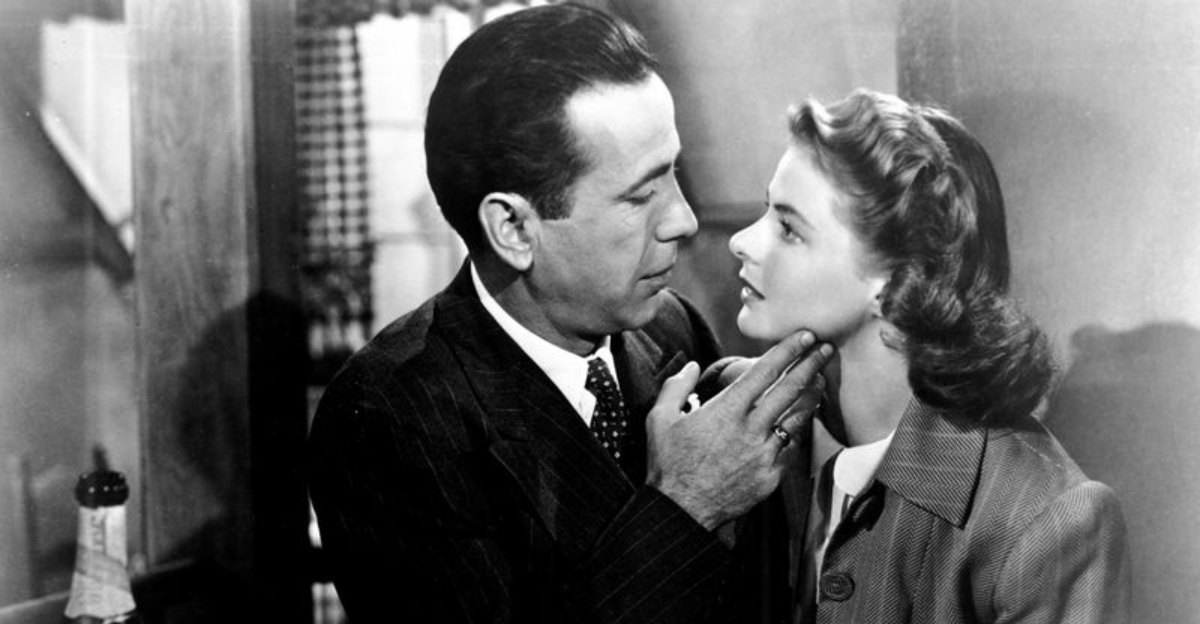
Some movies are more than just entertainment — they changed the way the world thinks about filmmaking. Every serious film lover has a list of must-see classics that shaped cinema history.
These 16 films come from different countries, eras, and genres, but they all share one thing: they are absolutely essential. Watch them, study them, and you will never see movies the same way again.
1. Citizen Kane (1941, Orson Welles)
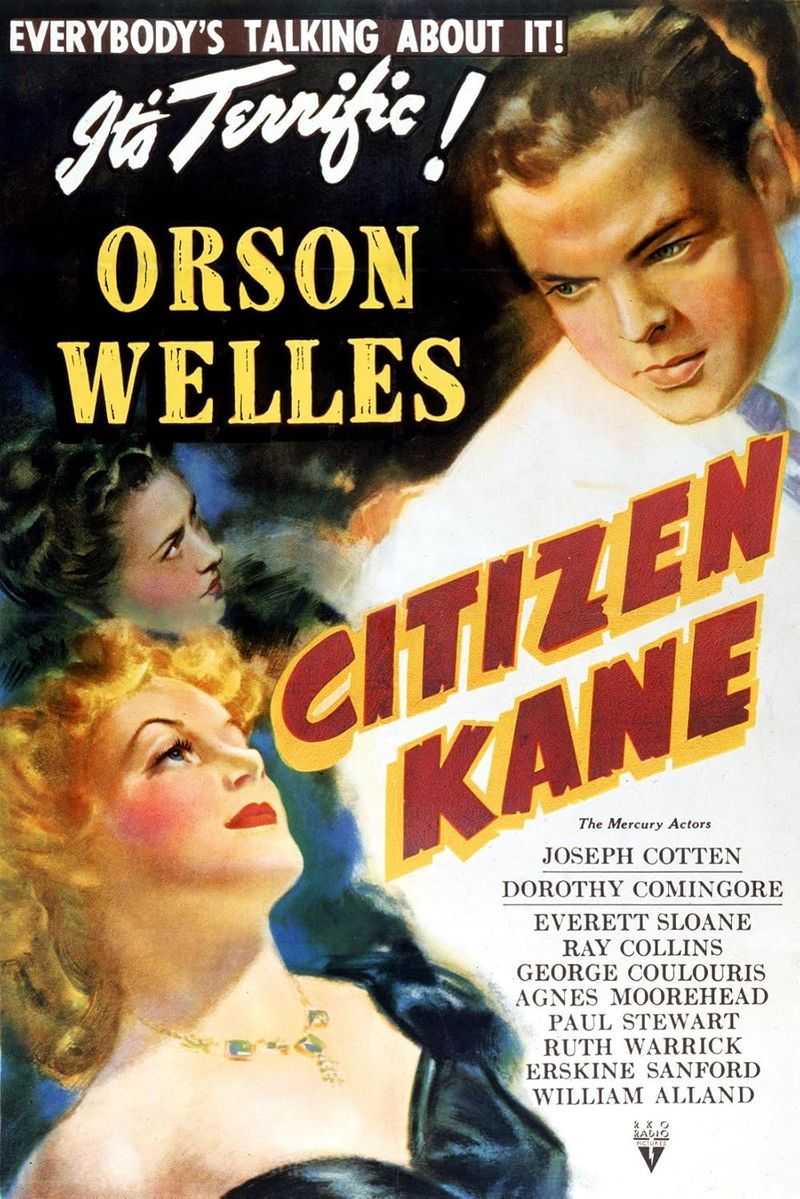
Orson Welles was only 25 years old when he made Citizen Kane, and he completely reinvented what movies could do.
The story follows a reporter trying to uncover the meaning behind a dying newspaper tycoon’s last word: “Rosebud.” What unfolds is a puzzle of memory, ambition, and loneliness.
Welles used camera angles, lighting, and storytelling techniques that filmmakers had never tried before.
Deep focus photography, non-linear storytelling, and overlapping dialogue were all groundbreaking choices.
Watching this film is like taking a masterclass in visual storytelling.
Many critics still call it the greatest movie ever made.
Whether or not you agree, there is no denying that cinema would look very different without it.
2. Casablanca (1942, Michael Curtiz)
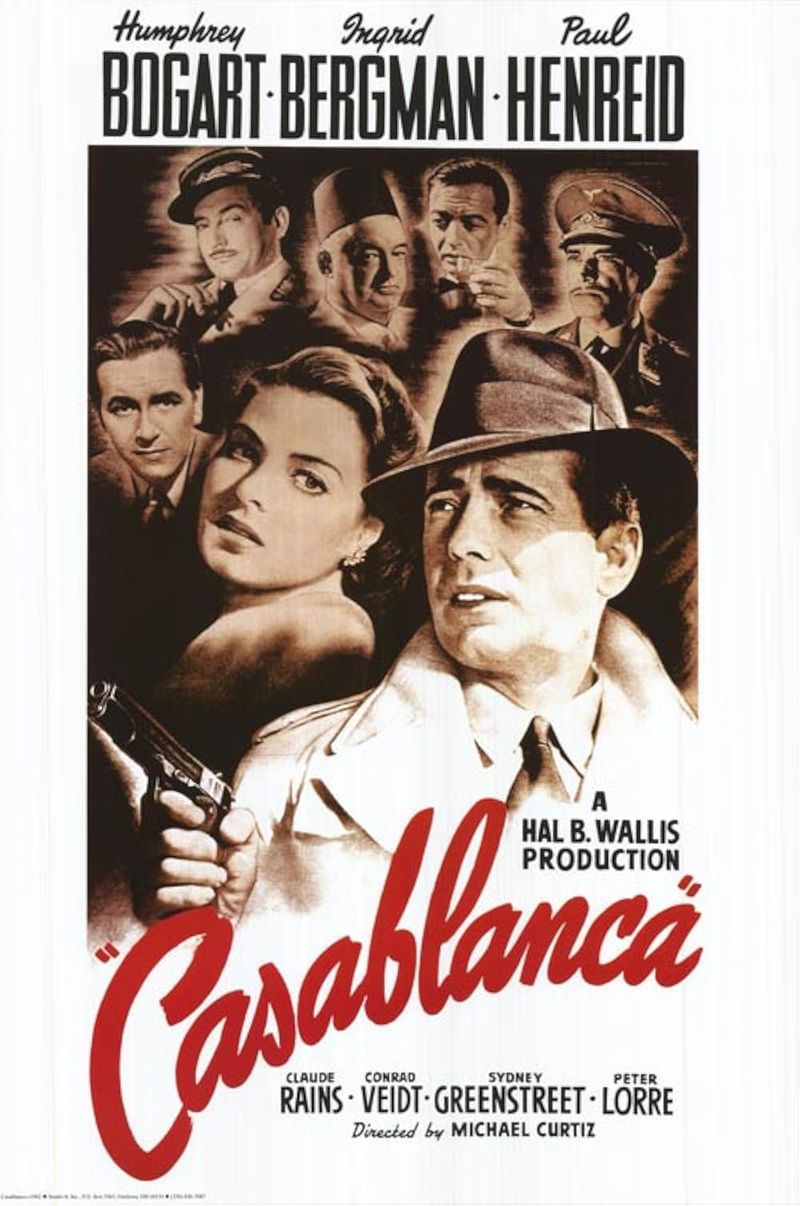
Few films carry the emotional weight of Casablanca quite so effortlessly.
Set during World War II, it follows Rick Blaine, a cynical American cafe owner in Morocco, who reunites with his lost love Ilsa amid wartime chaos.
Humphrey Bogart and Ingrid Bergman deliver performances so magnetic, they feel completely real.
The story blends romance, sacrifice, and moral courage in ways that still feel fresh today.
Lines like “Here’s looking at you, kid” have become part of everyday culture.
Director Michael Curtiz crafted a film that feels both intimate and epic at once.
Fun fact: much of the script was written day by day during filming, yet the result feels perfectly polished and timeless.
3. The Godfather (1972, Francis Ford Coppola)
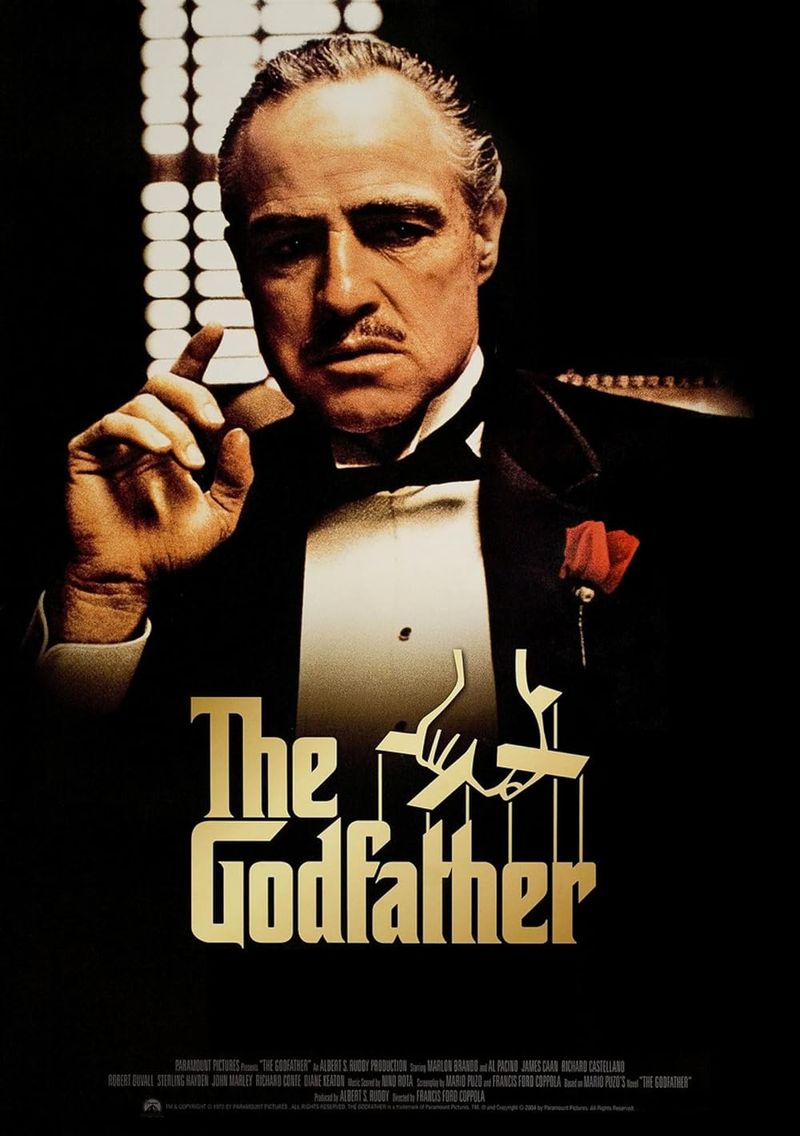
Power, family, and betrayal — The Godfather covers it all with breathtaking skill.
Francis Ford Coppola’s adaptation of Mario Puzo’s novel turned a gangster story into something that felt Shakespearean in its depth.
Marlon Brando’s iconic performance as Vito Corleone set a new standard for screen acting.
What makes this film extraordinary is how it treats its characters with genuine complexity.
Nobody is simply good or evil; everyone is shaped by loyalty, fear, and love.
Al Pacino’s transformation from innocent son to ruthless crime boss is one of cinema’s most compelling character arcs.
Released in 1972, it became the highest-grossing film of its time.
More than fifty years later, it still commands absolute respect from filmmakers worldwide.
4. Seven Samurai (1954, Akira Kurosawa)
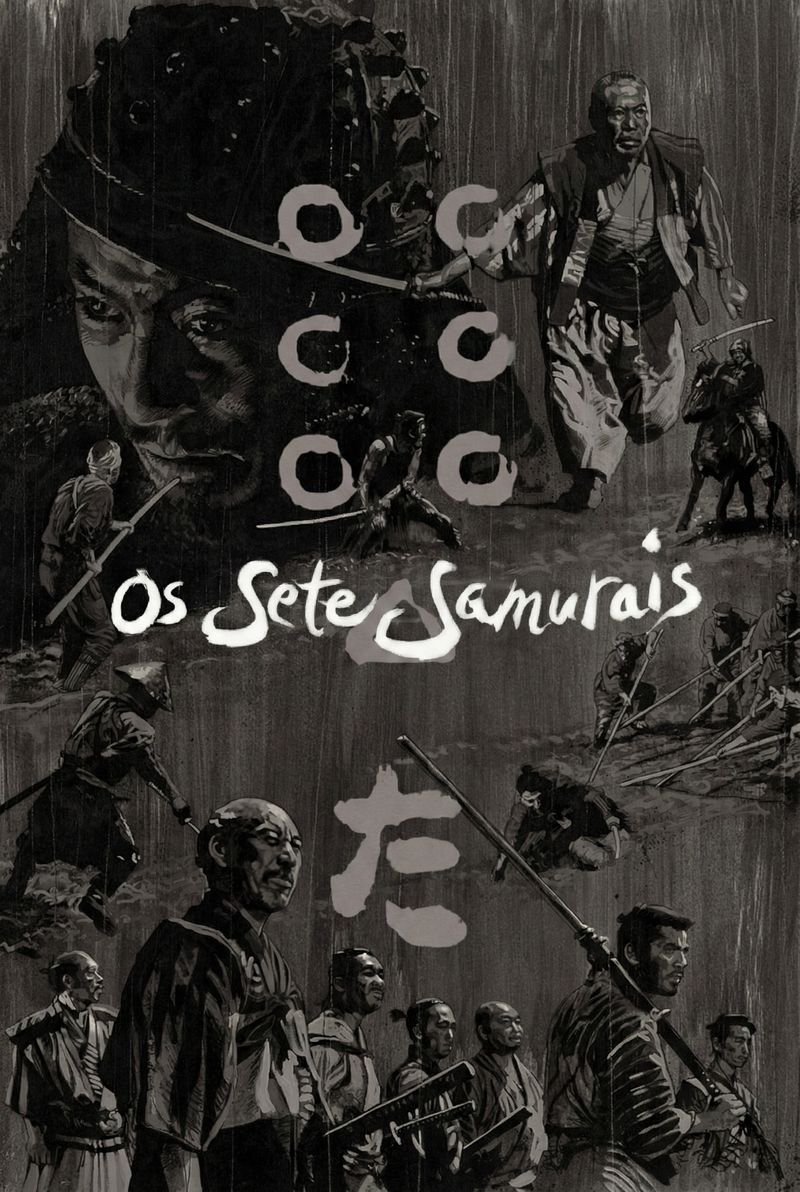
Akira Kurosawa’s Seven Samurai is one of those rare films that invented a template every action movie since has borrowed from.
A poor farming village hires seven wandering samurai to protect them from bandits.
Simple premise, extraordinary execution.
Running nearly three and a half hours, the film never drags for a single moment.
Kurosawa builds each samurai’s personality so carefully that you feel like you truly know them before the climactic battle arrives.
The final rain-soaked fight scene remains one of the most thrilling sequences ever put on film.
This movie inspired The Magnificent SevenStar Wars, , and countless others.
Watching it today, you can feel its influence rippling through practically every action film ever made since.
5. Bicycle Thieves (1948, Vittorio De Sica)
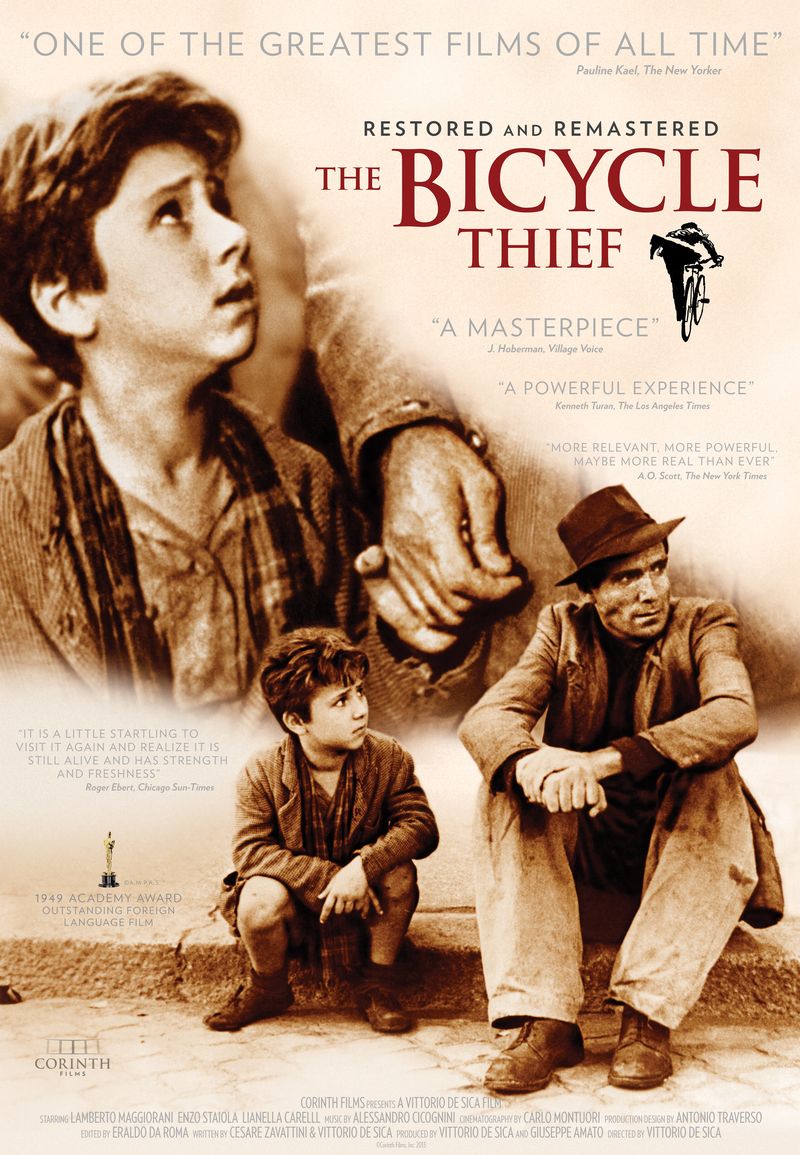
Sometimes the simplest stories hit the hardest.
Bicycle Thieves follows a poor man in postwar Rome who desperately needs his bicycle to keep his new job — and then has it stolen.
He and his young son spend the rest of the day searching the city for it.
Vittorio De Sica shot the film entirely on location using non-professional actors, giving it an almost documentary-like honesty.
The father-son relationship at the heart of the story is portrayed with tremendous warmth and heartbreak.
You feel every moment of their frustration and tenderness.
This film helped define Italian neorealism, a movement that valued real life over Hollywood glamour.
Its emotional gut-punch ending has stayed with audiences for over seventy years.
6. 8½ (1963, Federico Fellini)
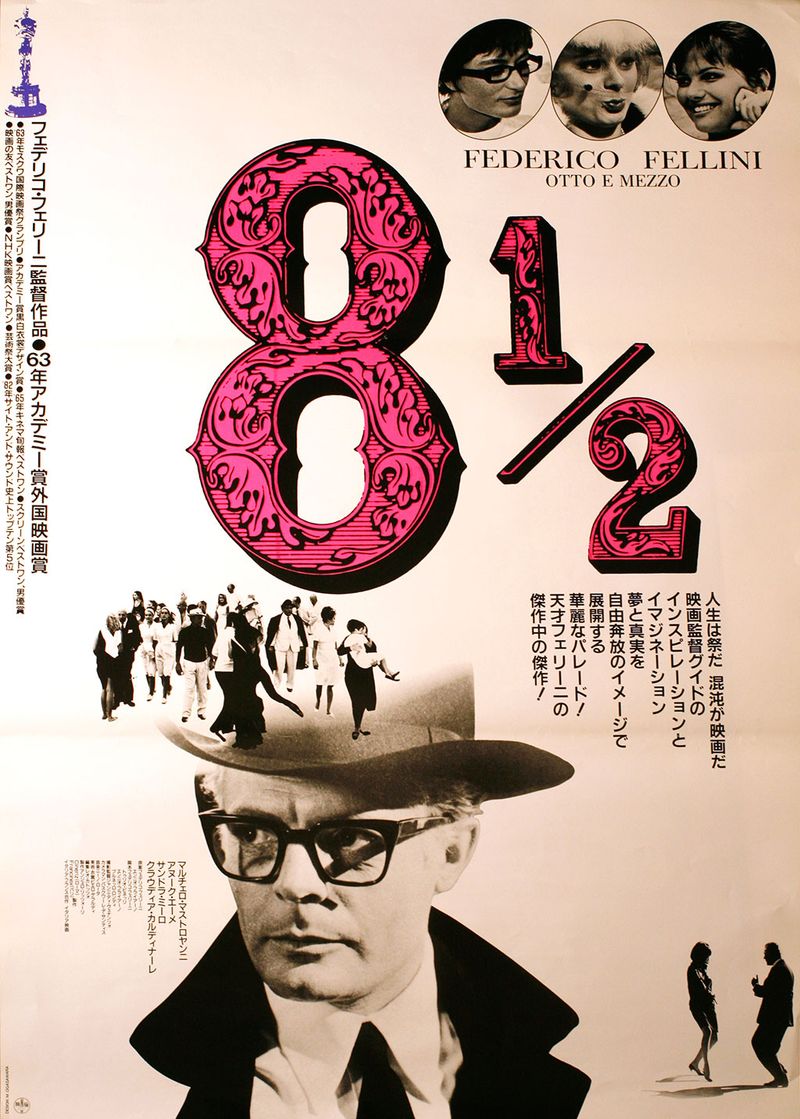
What happens when a filmmaker runs out of ideas?
Federico Fellini turned that exact crisis into one of cinema’s most celebrated masterpieces. 8½ follows director Guido Anselmi as he drifts between reality, memory, and fantasy while struggling to make his next film.
It is a movie about making movies.
Fellini blurs the lines between dream sequences and real life so skillfully that you are never quite sure which world Guido inhabits.
The film is deeply personal, funny, melancholic, and visually stunning all at once.
Nino Rota’s memorable score gives it an almost circus-like energy.
Every filmmaker who has ever experienced creative block owes something to this film.
It validated artistic confusion as a worthy subject for great art.
7. The Rules of the Game (1939, Jean Renoir)
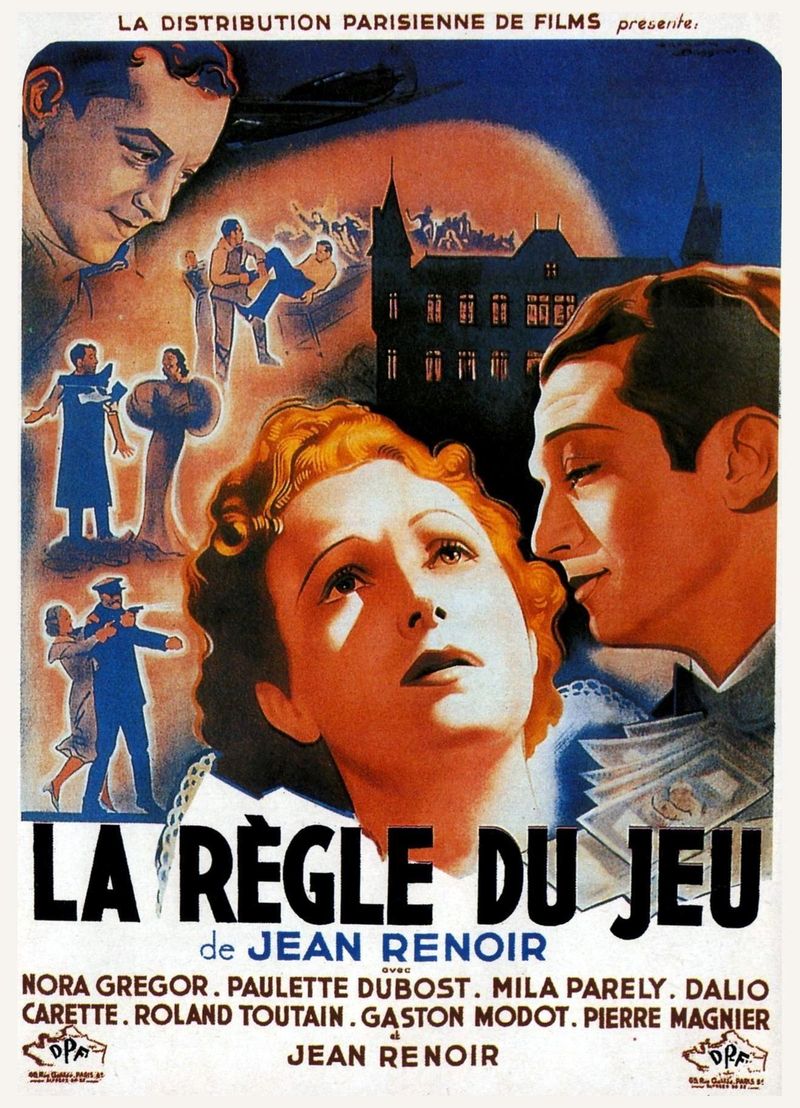
Jean Renoir made The Rules of the Game as a warning, and France was so offended by what it saw that the film was banned.
Set at a lavish weekend hunting party among the French upper class, it exposes the shallow games people play to protect their social status.
Renoir called it a “precise description of the bourgeoisie.”
The brilliance lies in how every character — noble or servant — is treated with equal sympathy and equal criticism.
Nobody escapes Renoir’s sharp but compassionate eye.
The film moves between comedy and tragedy so fluidly that tonal shifts feel completely natural.
Released in 1939 just before World War II, its portrait of a society sleepwalking toward disaster feels eerily prophetic even now.
8. Vertigo (1958, Alfred Hitchcock)
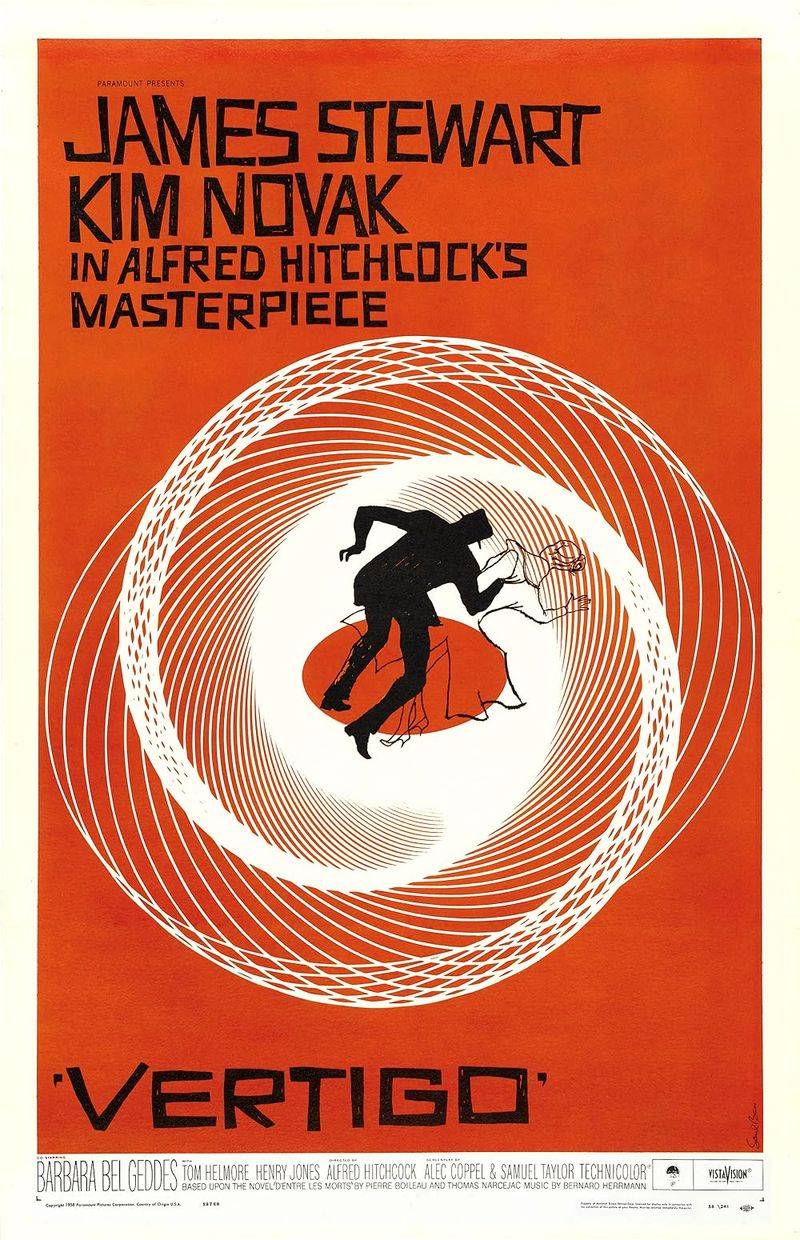
Alfred Hitchcock made many great films, but Vertigo is the one that seems to grow more powerful with every passing decade.
A retired detective with a crippling fear of heights becomes obsessed with a mysterious woman he has been hired to follow.
What begins as a thriller slowly transforms into something far stranger and more disturbing.
James Stewart plays against his usual wholesome image here, portraying a man whose obsession turns genuinely dark and unsettling.
Kim Novak is luminous and heartbreaking in a dual role that demands incredible subtlety.
Bernard Herrmann’s swirling score perfectly mirrors the film’s dizzying emotional descent.
In 2012, Vertigo topped the prestigious Sight and Sound poll as the greatest film ever made, dethroning Citizen Kane after fifty years.
9. 2001: A Space Odyssey (1968, Stanley Kubrick)
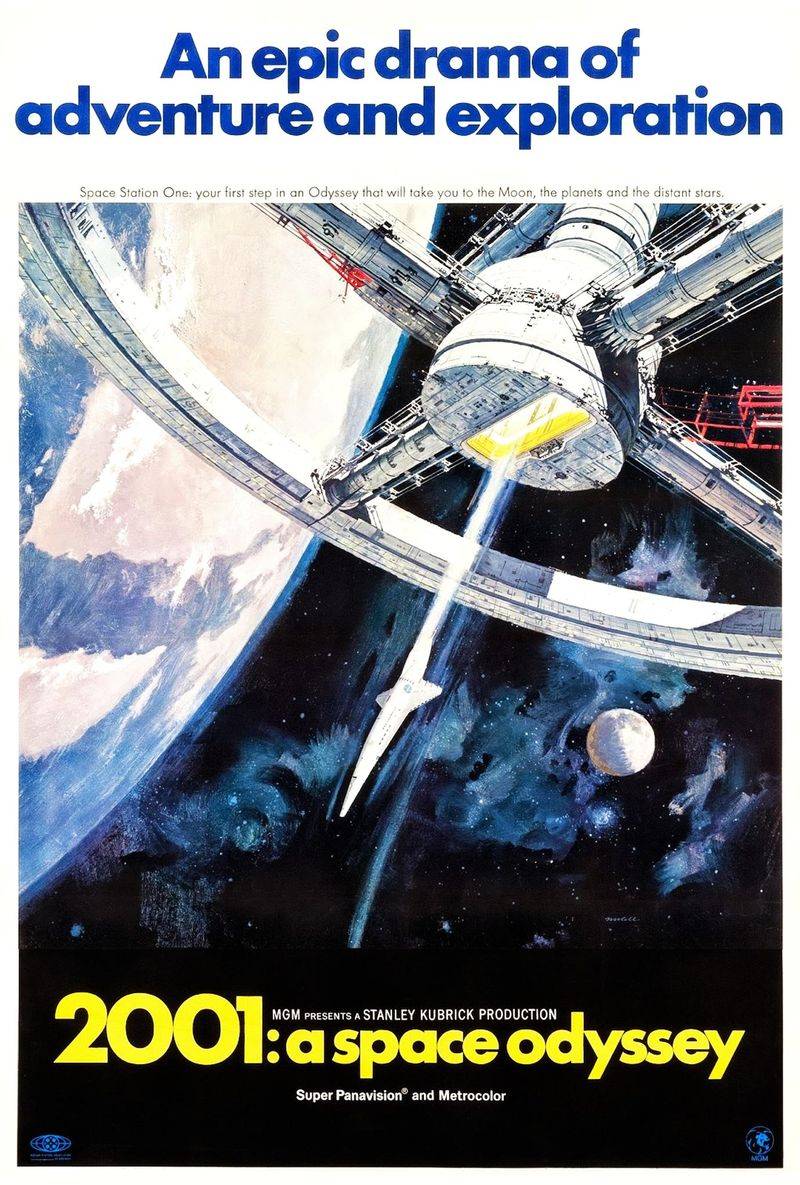
Stanley Kubrick’s 2001: A Space Odyssey asks the biggest questions imaginable: Where did humanity come from?
Where are we going?
What does it mean to be alive?
And it asks them almost entirely without dialogue.
Released in 1968, it redefined what science fiction cinema could aspire to achieve.
The film moves at a deliberate, meditative pace that rewards patient viewers with images of stunning, almost hypnotic beauty.
The HAL 9000 computer remains one of cinema’s most chilling villains, all the more frightening because his voice stays completely calm.
The final sequence, known simply as “the Star Gate,” still baffles and astonishes audiences today.
NASA engineers reportedly watched it for inspiration.
That alone tells you everything about the film’s extraordinary ambition and vision.
10. Tokyo Story (1953, Yasujiro Ozu)
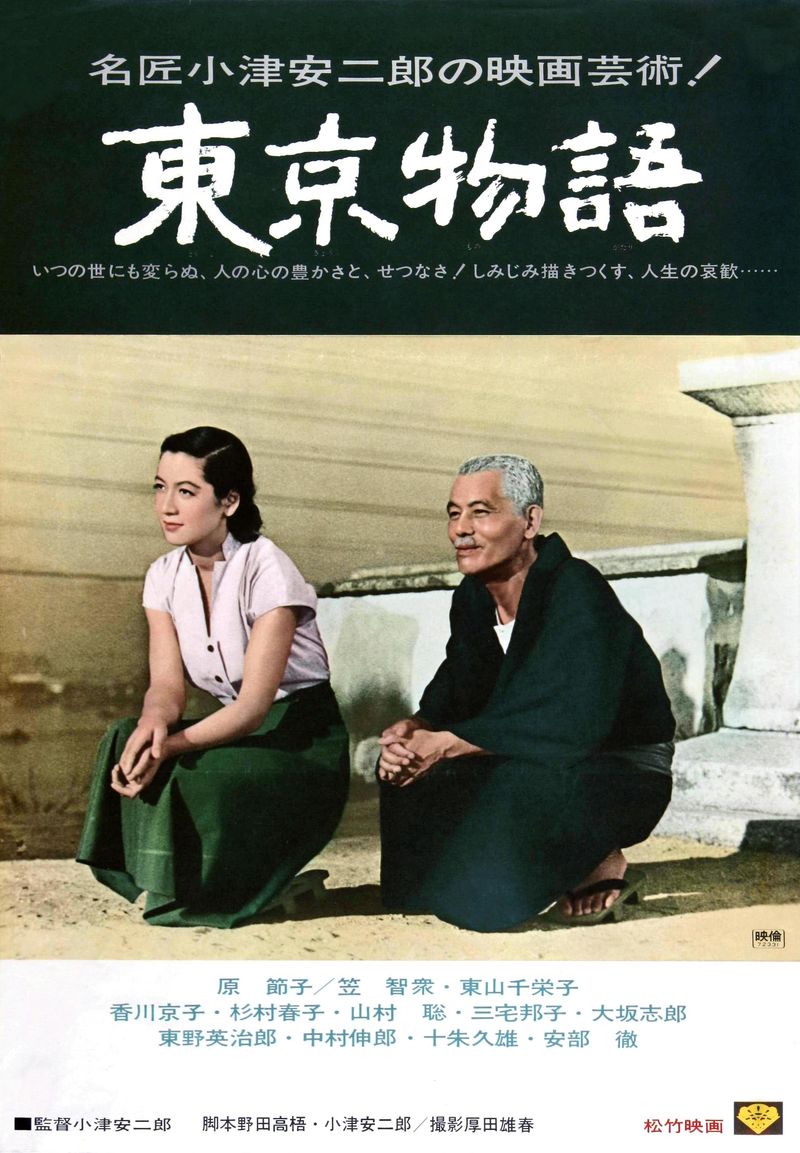
Yasujiro Ozu made films about ordinary life with extraordinary grace, and Tokyo Story is his quiet masterpiece.
An elderly couple travel to Tokyo to visit their grown children, only to discover that their busy kids barely have time for them.
The story is achingly simple, yet emotionally devastating.
Ozu’s camera style is unique — he placed his camera low to the ground, at the level of someone seated on a tatami mat, creating an intimacy that feels almost sacred.
There are no dramatic plot twists, no villains, and no easy resolutions.
Just life, observed with honesty and deep compassion.
Roger Ebert once wrote that Tokyo Story made him feel grateful for his own family.
That says everything about its quiet, remarkable power.
11. The Searchers (1956, John Ford)
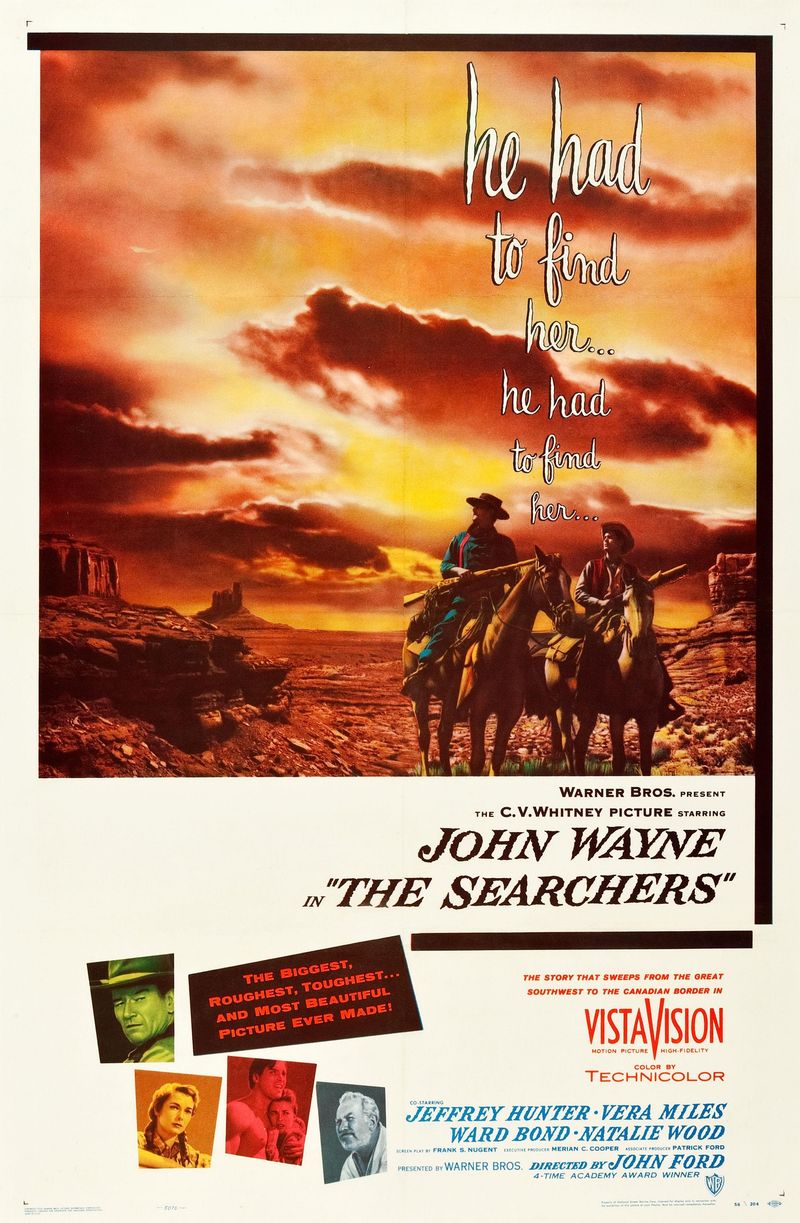
John Ford’s The Searchers is the Western that changed Westerns forever.
John Wayne plays Ethan Edwards, a bitter Civil War veteran who spends years searching for his niece, kidnapped by a Comanche chief.
What makes the film remarkable is how uncomfortable it makes you feel about its own hero.
Ethan is not a straightforward good guy.
His obsession borders on madness, and his racial hatred is portrayed without glamour or excuse.
Ford forces viewers to reckon with the dark side of the frontier mythology that Hollywood had long celebrated without question.
Martin Scorsese, Steven Spielberg, and George Lucas have all cited this film as a direct influence.
The final doorway shot is one of the most iconic images in all of cinema history.
12. Persona (1966, Ingmar Bergman)
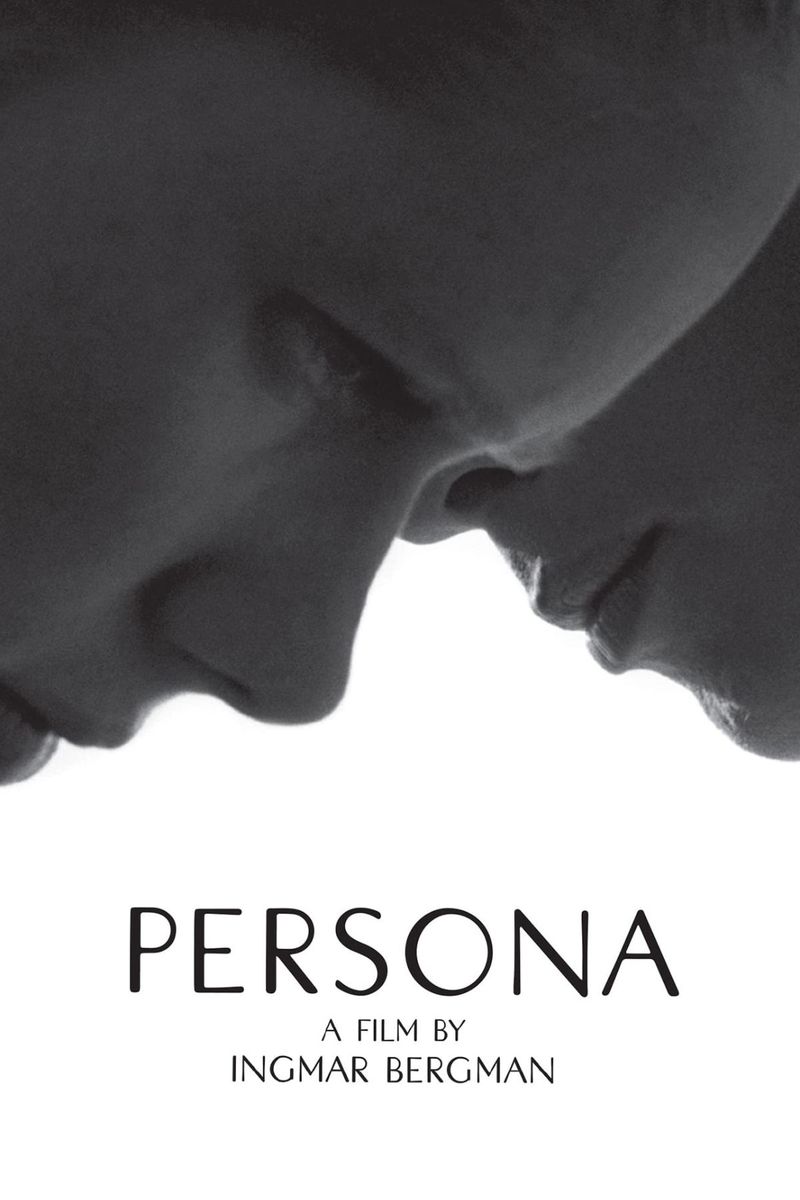
Ingmar Bergman’s Persona is the kind of film that gets under your skin and refuses to leave.
A famous actress suddenly stops speaking and is placed in the care of a chatty young nurse.
As the two women spend time together in isolation, their identities begin to blur and merge in deeply unsettling ways.
Bergman was exploring questions about identity, performance, and what it means to truly connect with another person.
The film is experimental in form — it even appears to break down and burn partway through.
Yet it never feels gimmicky; every choice feels necessary and purposeful.
Bibi Andersson and Liv Ullmann deliver performances of extraordinary vulnerability and power.
Many film scholars consider Persona the most intellectually challenging film ever made.
13. The Battle of Algiers (1966, Gillo Pontecorvo)
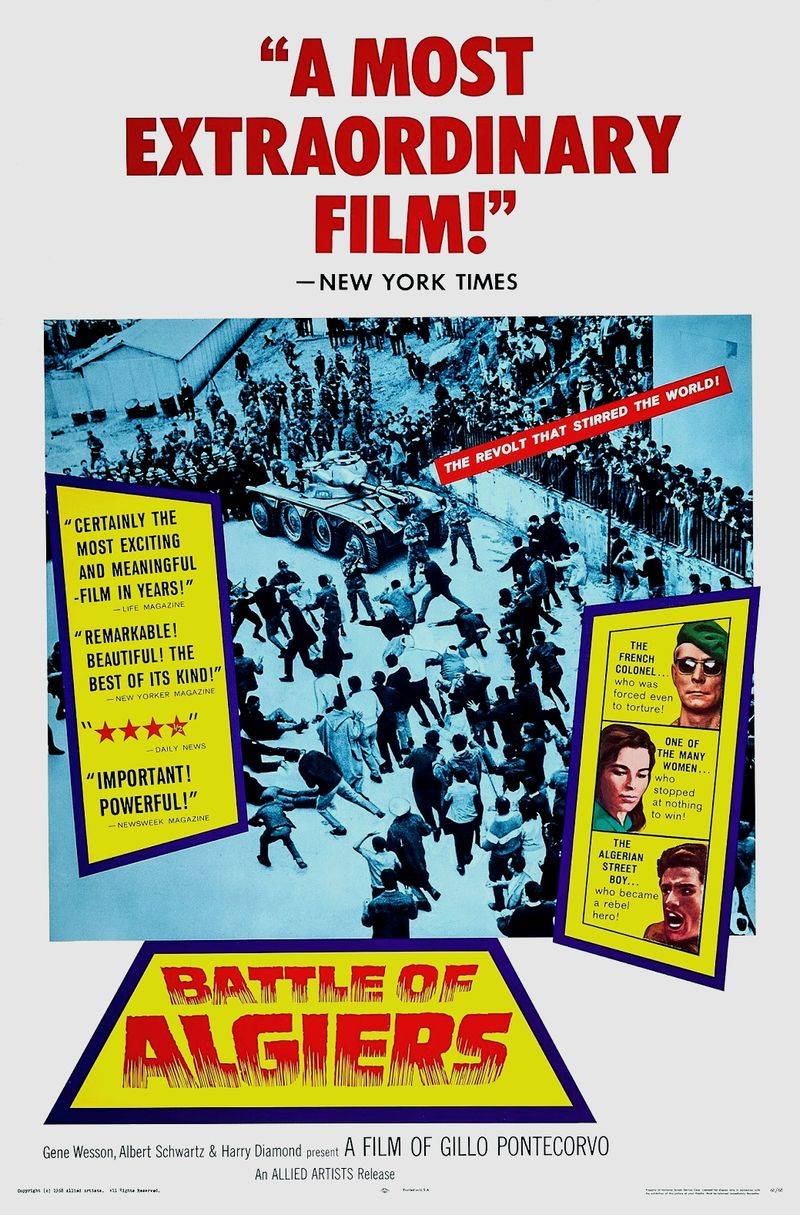
Shot with such raw, documentary-like urgency that the U.S. military screened it to study guerrilla warfare tactics, The Battle of Algiers is unlike anything else on this list.
Gillo Pontecorvo recreated the Algerian independence struggle against French colonial rule using mostly non-professional actors on real Algiers streets.
The film refuses to offer easy moral judgments.
Both the Algerian resistance fighters and the French paratroopers are portrayed with unflinching honesty — you understand the logic of each side even when their actions are brutal.
That moral complexity is extraordinarily rare in political cinema.
Ennio Morricone’s drumbeat-driven score keeps tension coiled throughout every scene.
Watching this film feels less like watching history and more like living it firsthand.
14. Chinatown (1974, Roman Polanski)
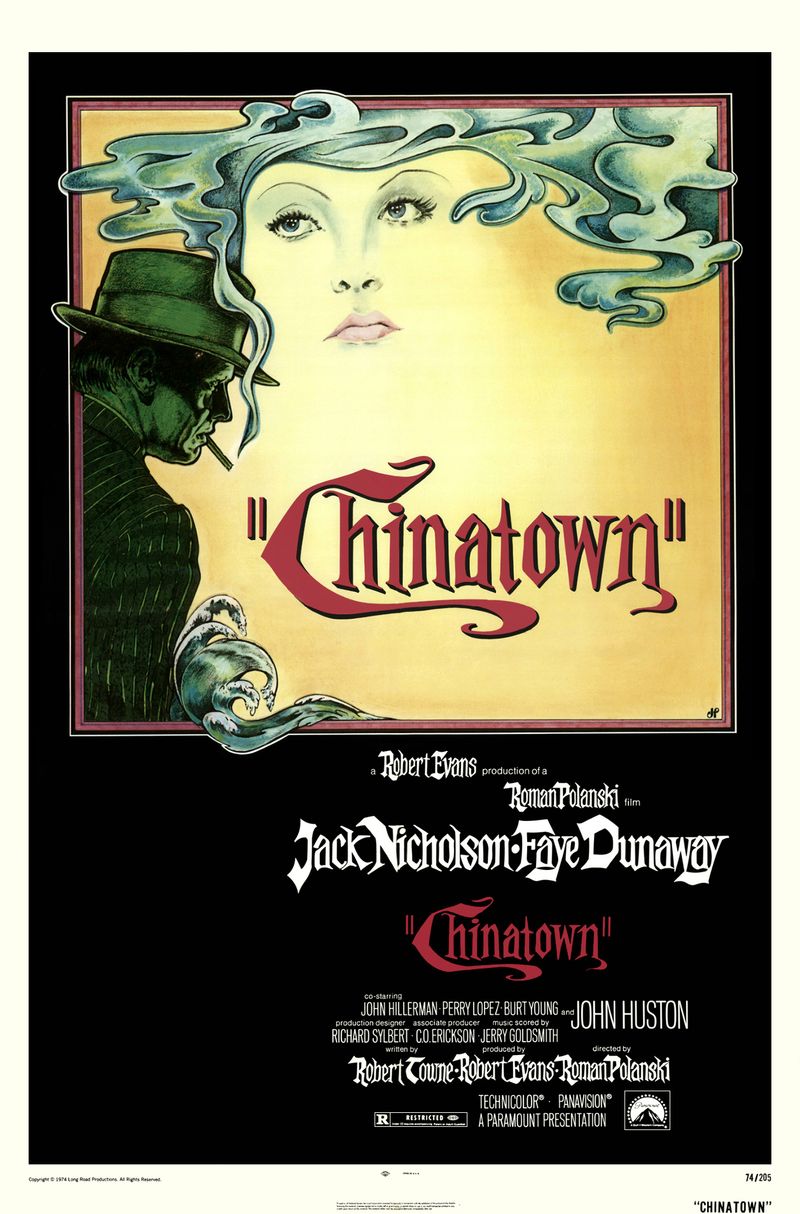
There has never been a more perfectly constructed neo-noir film than Chinatown.
Set in 1930s Los Angeles, private detective Jake Gittes gets hired for what seems like a simple case of marital infidelity, only to uncover a conspiracy involving water rights, land fraud, and dark family secrets.
Jack Nicholson is magnetic from the first frame.
Roman Polanski builds the mystery with surgical precision, revealing information exactly when you need it and not a moment before.
Faye Dunaway matches Nicholson beat for beat in a performance full of layered grief and desperation.
Robert Towne’s screenplay is regularly taught in film schools as a gold standard for writing.
The ending remains one of the most devastating in Hollywood history — a reminder that sometimes corruption truly does win.
15. In the Mood for Love (2000, Wong Kar-wai)
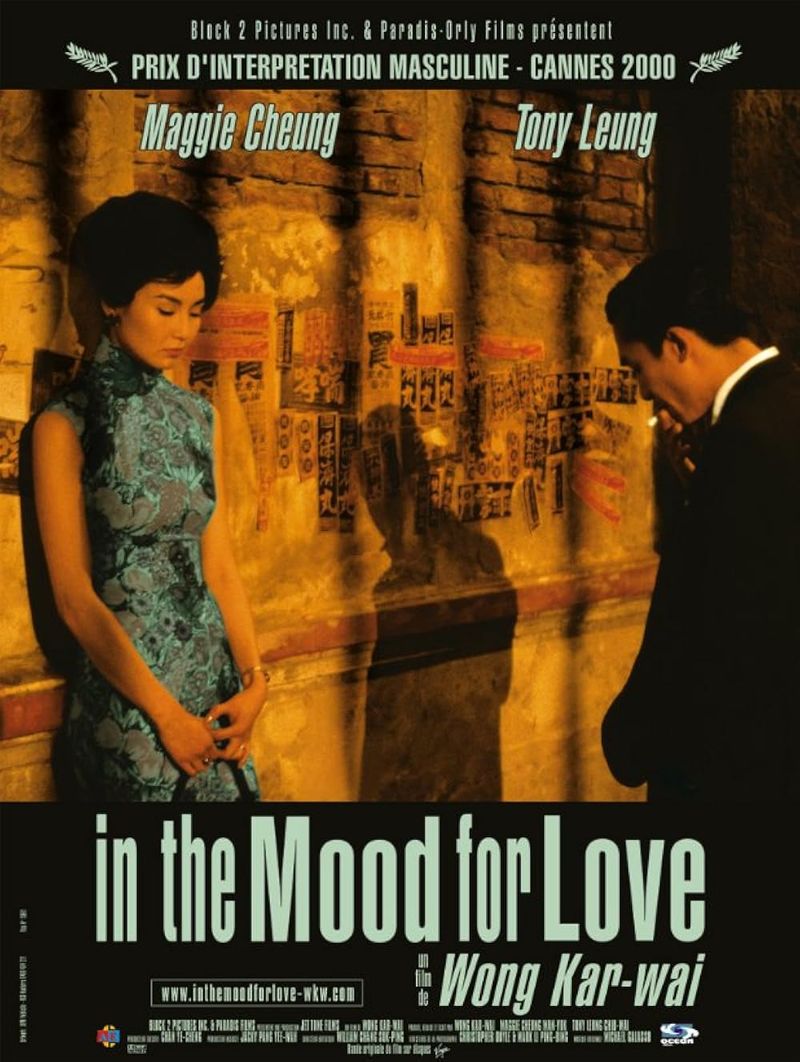
Wong Kar-wai’s In the Mood for Love is a film you experience as much as you watch.
Two neighbors in 1960s Hong Kong slowly realize their spouses are having an affair with each other.
Rather than act on their own growing feelings, they hold back — and that restraint becomes the entire emotional universe of the film.
Cinematographer Christopher Doyle and Mark Lee Ping-bing shot the film with breathtaking beauty, using slow motion, warm amber light, and tight framing to create an atmosphere of aching longing.
Maggie Cheung’s collection of gorgeous cheongsam dresses became iconic in their own right.
The film says more about desire through what is left unsaid than most films manage with hours of dramatic dialogue.
It is cinema as pure feeling.
16. Pulp Fiction (1994, Quentin Tarantino)
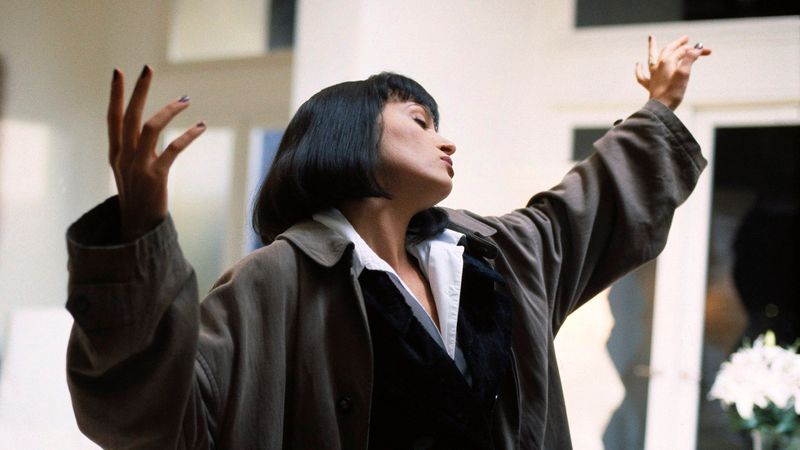
When Pulp Fiction hit theaters in 1994, it felt like someone had rewired what movies were allowed to do.
Quentin Tarantino wove together multiple crime stories — hitmen, a boxer, a mob boss’s wife — in a non-linear structure that kept audiences completely off-balance and utterly hooked.
The dialogue is the real star here.
Characters talk about foot massages, fast food, and divine intervention with equal enthusiasm, and every conversation crackles with wit and danger.
John Travolta, Samuel L.
Jackson, Uma Thurman, and Bruce Willis all delivered career-defining performances.
The film won the Palme d’Or at Cannes and revived independent cinema’s commercial viability almost overnight.
No film of the 1990s had a bigger cultural footprint, and its influence is still felt in nearly every crime film made today.