 MomSkoop

Solo travel after 60 can feel like reclaiming a piece of yourself you forgot existed.
The kids are grown, responsibilities have lightened, and suddenly the world is yours to explore on your own terms.
But stepping into the unknown alone can bring up worries about safety, health, and logistics.
With the right preparation and mindset, solo travel becomes less about fear and more about freedom, confidence, and the joy of discovering new places at your own pace.
1. Choose Destinations That Match Your Energy, Not Your Age
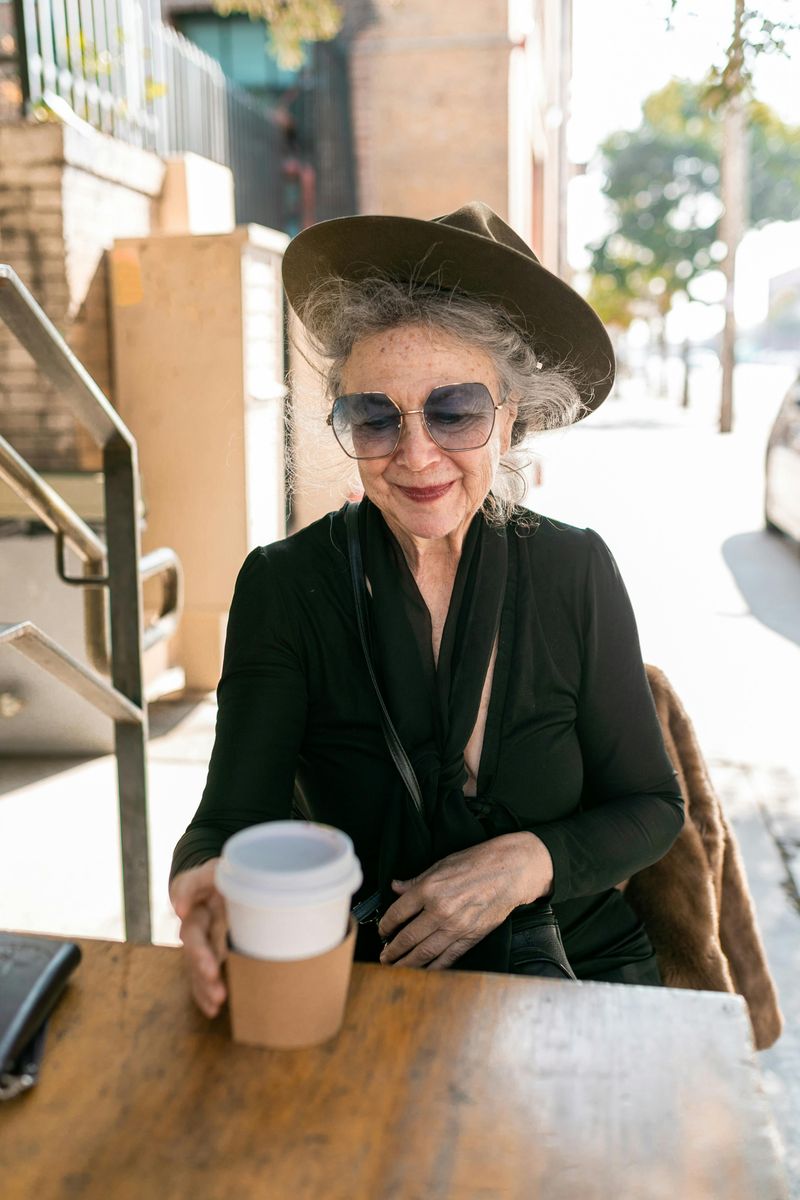
Joy fuels confidence more than any guidebook ever could.
Pick places that genuinely excite you and suit your current pace, whether that’s a walkable European city filled with cafes and museums, a wellness retreat surrounded by nature, or a scenic train journey through mountains.
Your travel style should reflect what energizes you now, not what society expects from someone your age.
If hiking trails sound exhausting, skip them.
If bustling markets make your heart race with excitement, seek them out.
Matching destinations to your genuine interests creates natural motivation and reduces anxiety.
When you’re excited about where you’re going, confidence follows naturally, making every step feel empowering rather than overwhelming.
2. Prioritize Health Logistics Before You Book
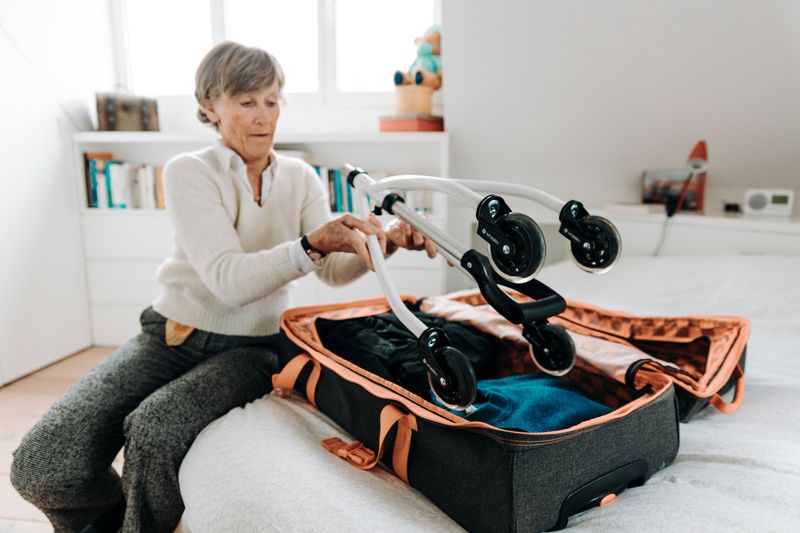
Medical preparation isn’t pessimistic—it’s empowering.
Check travel insurance coverage carefully, especially regarding pre-existing conditions, which many standard policies exclude.
Pack extra medications in original containers with labels clearly visible.
Carry digital copies of prescriptions, doctor contact information, and a brief medical summary on your phone or cloud storage.
Research and note nearby hospitals or clinics at your destination before you arrive.
Knowing you’ve covered health logistics removes a major source of travel anxiety.
You’re not expecting problems; you’re simply ensuring that if something minor happens, you can handle it calmly and efficiently without disrupting your adventure.
3. Book Your First Night (or Two) in Advance

After a long journey, certainty matters more than spontaneity.
Pre-arranged accommodation—ideally in a well-reviewed, central area—reduces stress and sets a calm tone for your entire trip.
Arriving exhausted in an unfamiliar place and scrambling for lodging drains energy and confidence quickly.
Having a confirmed reservation means you can focus on orientation, rest, and adjusting to your new surroundings.
Once you’ve settled in and gotten your bearings, you can decide whether to stay longer or explore other neighborhoods.
But those first crucial hours after arrival should feel secure and predictable, not chaotic or uncertain.
4. Share Your Itinerary—But Travel Independently

Independence feels empowering; staying connected keeps it smart.
Give a trusted friend or family member a loose itinerary with accommodation names, major destinations, and planned travel dates.
Establish a simple check-in plan—maybe a text every few days or a quick call once a week.
This keeps loved ones reassured without making you feel monitored or accountable for every movement.
You’re not asking permission or reporting constantly; you’re maintaining a safety net that allows you to roam freely with confidence.
Knowing someone back home has basic information about your whereabouts provides peace of mind for everyone involved.
5. Arrive in Daylight Whenever Possible
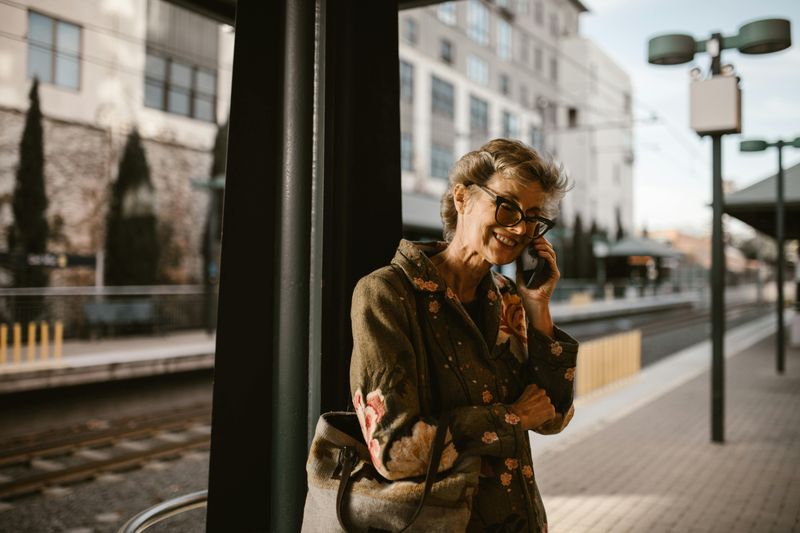
First impressions matter tremendously when you’re somewhere new.
Navigating unfamiliar streets, finding transportation, and locating your accommodation all become significantly easier and safer in daylight hours.
Natural light boosts orientation, awareness, and confidence in ways artificial lighting simply cannot match.
You notice landmarks better, read maps more easily, and feel more alert to your surroundings.
When booking flights or trains, prioritize arrivals in late morning or early afternoon.
The extra cost or slightly longer connection time is worth the reduced stress and increased security of arriving when the city is awake and active around you.
6. Trust Your Intuition Instantly

If something feels off—a driver, a street, a situation—leave immediately.
You don’t owe politeness to discomfort, and your instincts have been sharpened by decades of life experience.
That uncomfortable feeling in your stomach when someone stands too close or a neighborhood seems too quiet?
That’s wisdom speaking, not paranoia.
Honor it without hesitation or second-guessing.
Experience has taught you to read people and situations accurately.
Solo travel after 60 means trusting that internal compass completely, even when it seems rude or overcautious to others.
Your safety and comfort matter more than anyone’s feelings.
7. Pack Lighter Than You Think You Need
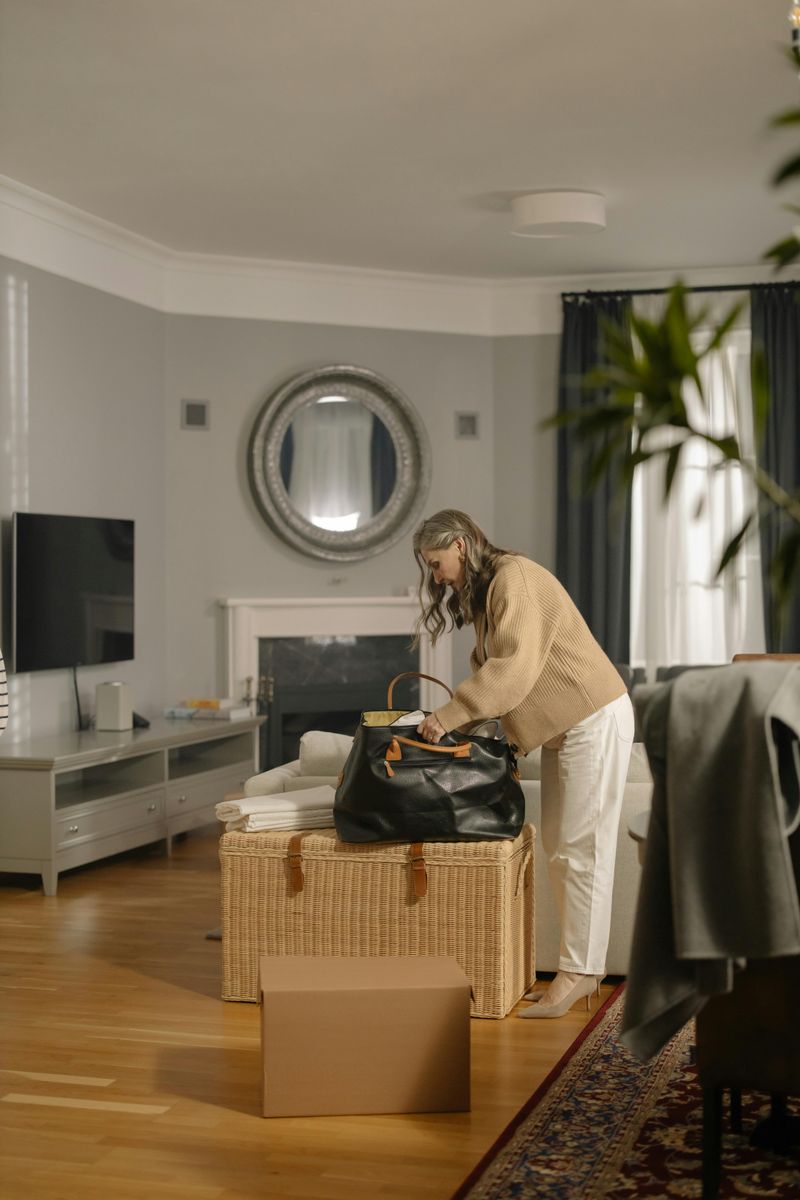
Mobility equals freedom in ways you’ll appreciate immediately.
A manageable suitcase or carry-on reduces physical strain and keeps you agile navigating stations, cobblestones, stairs, and tight spaces.
Challenge yourself to pack half of what you initially gather.
Choose versatile pieces that mix and match easily.
Remember that most destinations have laundry facilities or services.
Dragging heavy luggage exhausts you before adventures even begin and limits spontaneity.
Light packing means you can change plans easily, handle your own bags confidently, and move through your trip with energy to spare for experiences that actually matter.
8. Blend in with Quiet Confidence

Dress neatly but unobtrusively, avoiding flashy jewelry, expensive watches, or obviously touristy clothing.
Carry yourself like you belong, even when you’re completely lost inside.
Confidence deters unwanted attention more effectively than any security device.
Walk with purpose, keep your phone discreet, and avoid looking overly confused or vulnerable in public spaces.
Study a map before leaving your accommodation rather than standing on street corners looking obviously disoriented.
If you need directions, step into a shop or cafe rather than asking strangers on empty streets.
Quiet confidence is your best invisibility cloak.
9. Schedule Rest as Intentionally as Sightseeing
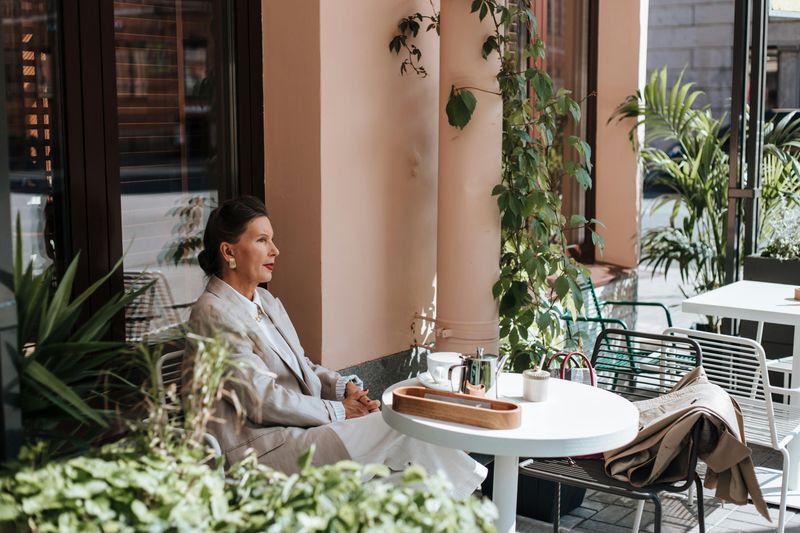
Midday breaks, cafe pauses, or slower travel days aren’t luxuries—they’re essential strategies.
Fatigue is when mistakes happen, judgment clouds, and vulnerability increases significantly.
Energy management is a safety strategy as much as a comfort one.
Plan rest into your itinerary as deliberately as you plan museum visits or excursions.
A two-hour afternoon rest in your room, a leisurely coffee break watching people pass by, or designating one full day for minimal activity all help maintain the stamina and alertness you need.
Solo travel isn’t about cramming in maximum sights; it’s about sustainable enjoyment and staying sharp enough to stay safe.
10. Design Moments of Delight, Not Just Logistics

Book the cooking class that intrigues you.
Sign up for the museum tour led by a passionate guide.
Reserve the sunset cruise, the poetry walk, or the wine tasting you’ve been curious about.
Solo travel after 60 isn’t about proving strength or checking boxes on a bucket list.
It’s about savoring freedom and creating memories that make you smile months later.
These planned moments of joy give structure to your days while ensuring you’re not just moving through spaces but truly experiencing them.
Delight is the whole point—logistics are simply the framework that makes delight possible.