 MomSkoop
Have you ever noticed someone with two different colored eyes or maybe a friend who never got wisdom teeth? The human body is full of surprises, and some people are born with features that make them truly one of a kind.
These unique traits aren’t just interesting to look at—they tell us about the amazing variety in human genetics. Get ready to explore ten body features that most people will never have or even see in person.
1. Having Different Colored Eyes (Heterochromia)

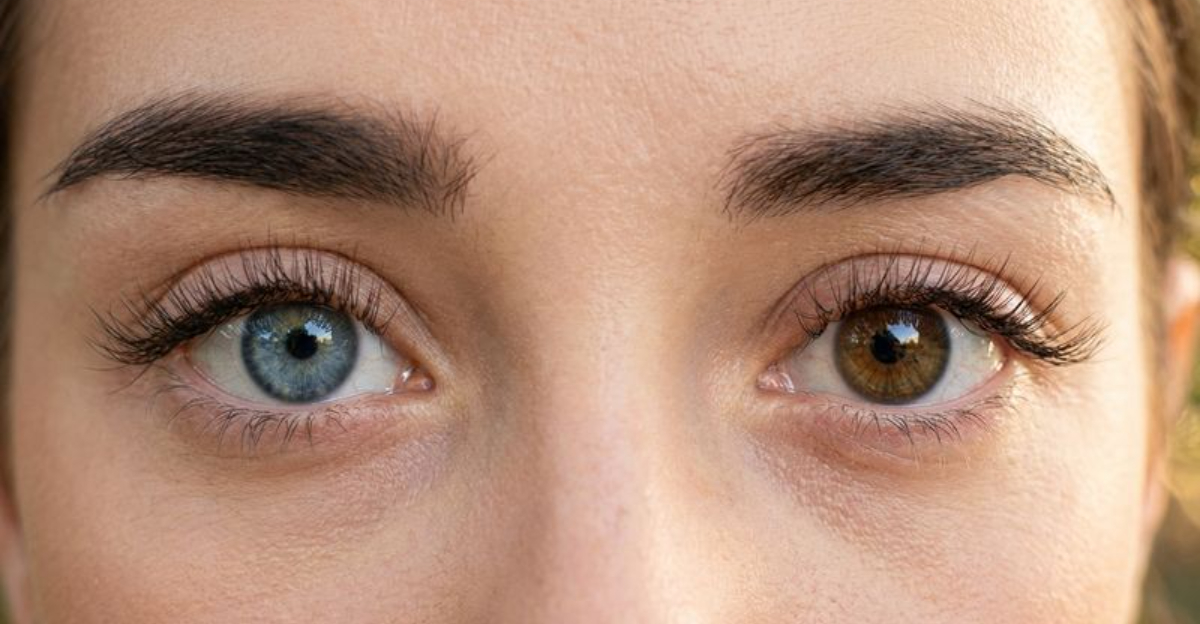
Walk into any room and you might spot someone whose eyes don’t match—one blue, one brown, or even sectioned with multiple colors.
This condition happens when melanin distributes unevenly during development, creating a striking contrast that’s hard to miss.
Complete heterochromia means each eye is a totally different color, while sectoral heterochromia shows up as a splash of another hue within one iris.
Most people with this trait are born with it, though injury or certain medical conditions can cause it later in life.
Famous folks like Mila Kunis and Kate Bosworth have turned this rare feature into a signature look.
Only about 1% of the world’s population has heterochromia, making it a truly special characteristic.
2. Natural Red Hair

Fiery copper locks catch the light like no other hair color can.
Natural redheads carry a special mutation in the MC1R gene that produces pheomelanin instead of the darker eumelanin most people have.
This genetic quirk creates shades ranging from strawberry blonde to deep auburn, often paired with fair skin and freckles.
Scotland claims the highest percentage of redheads at around 13%, but globally only 1-2% of people have this hair color.
Red hair also comes with some interesting side effects—redheads often need more anesthesia during surgery and may experience pain differently than others.
The rarity of this trait makes it both memorable and genetically fascinating.
3. An Extra Rib Is A Rare Body Feature
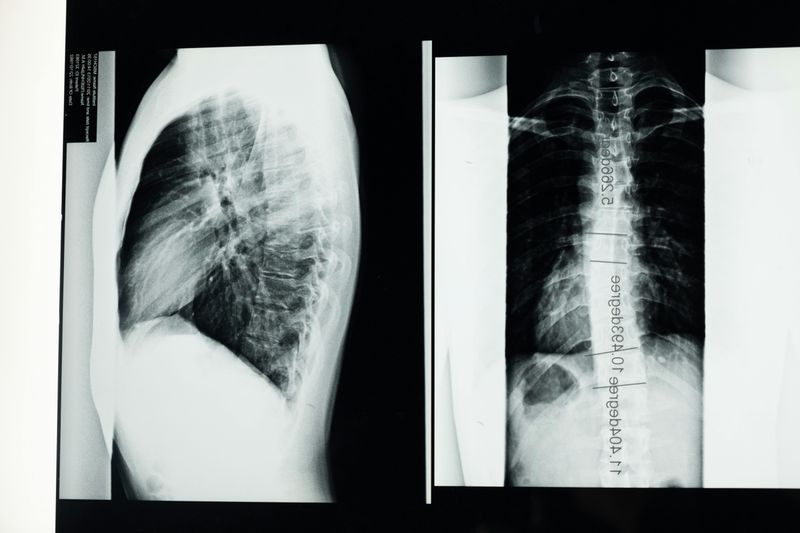
Most humans have 24 ribs—12 pairs that protect vital organs.
But some people are born with a 25th rib called a cervical rib, which grows from the seventh cervical vertebra in the neck.
This extra bone can be fully formed or just a thin strand of tissue, and many people don’t even know they have one.
About 1 in 200 people have this anatomical oddity, though it usually causes no problems at all.
In rare cases, a cervical rib can press on nearby nerves or blood vessels, causing pain or numbness in the arm.
Doctors typically discover it by accident during X-rays taken for other reasons.
4. Ocular Albinism
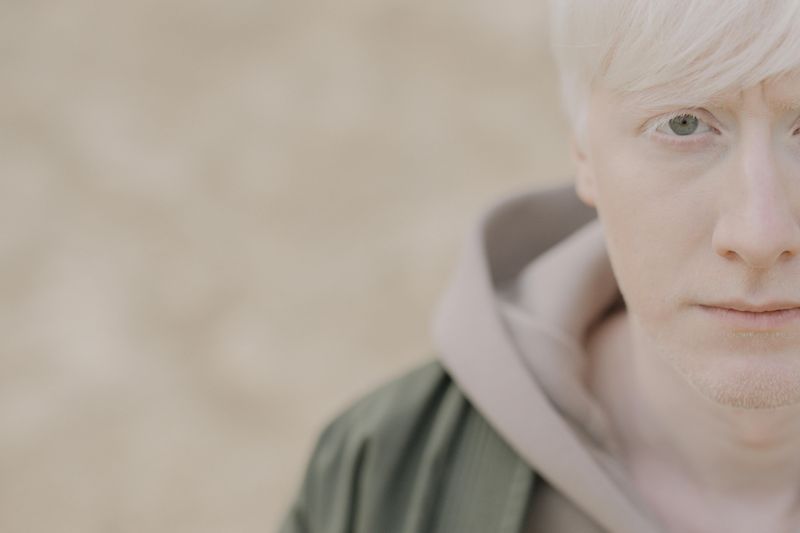
Imagine seeing the world through eyes that lack almost all pigment.
Ocular albinism affects only the eyes, leaving skin and hair their normal colors while the irises appear extremely pale—sometimes blue, gray, or even pinkish.
People with this condition have reduced melanin in their retinas and irises, which causes vision problems like light sensitivity and involuntary eye movements.
It’s much rarer than regular albinism, affecting about 1 in 50,000 males (it’s usually X-linked, so males get it more often).
Special glasses and visual aids help manage the brightness issues that come with having less eye pigment.
The striking appearance of pale irises makes this condition instantly recognizable.
5. Double Row Of Eyelashes
Elizabeth Taylor famously had this trait, and it made her eyes absolutely mesmerizing.
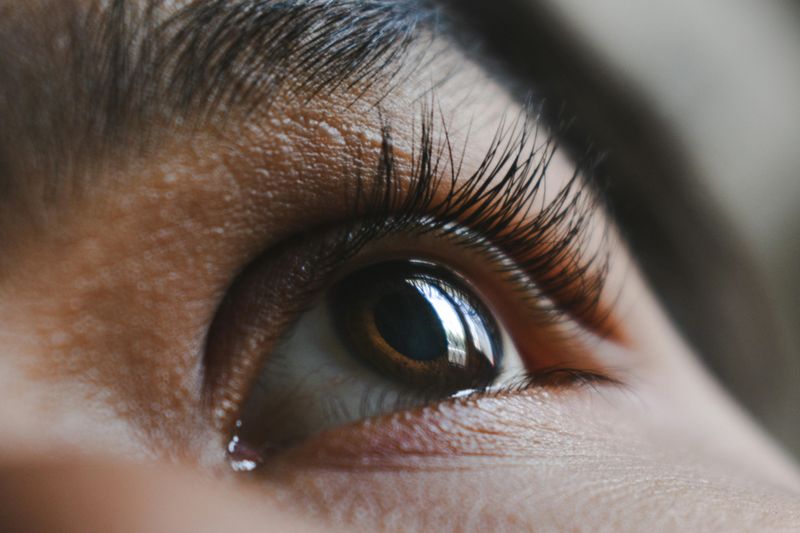
Distichiasis is the medical term for having an extra row of eyelashes growing behind the normal ones.
This happens when eyelashes sprout from the meibomian glands instead of their usual follicles along the eyelid edge.
While it sounds glamorous, the extra lashes can actually irritate the eye by rubbing against the cornea.
Some people need treatment to prevent eye damage, while others enjoy the naturally fuller lash look without any problems.
This genetic mutation is extremely uncommon, making those who have it part of a very exclusive club.
6. Gray Eyes Are Super Rare
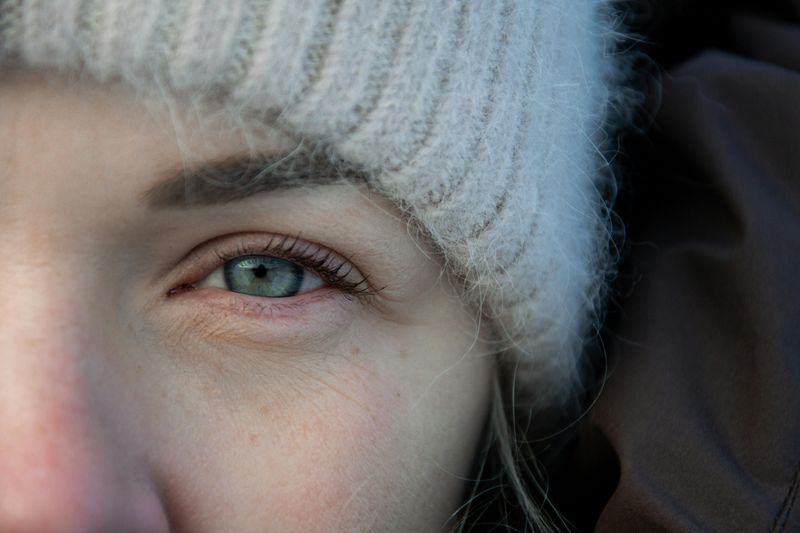
Gray eyes shimmer like storm clouds, shifting between silver and blue depending on the light.
This eye color results from even less melanin in the iris than blue eyes have, combined with a different collagen structure in the stroma.
The scattering of light through these layers creates that distinctive steel-gray appearance.
Less than 1% of the global population has gray eyes, making them rarer than green eyes.
They’re most common in Northern and Eastern European populations, particularly around the Baltic Sea region.
Gray eyes can appear to change color based on clothing, lighting, and even mood due to how light reflects through the iris.
7. An Absence Of Wisdom Teeth
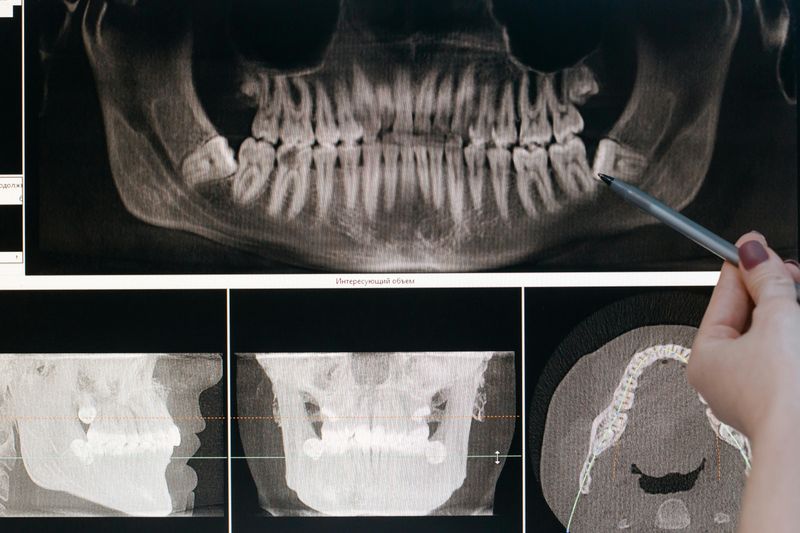
Lucky folks who never develop wisdom teeth skip the pain and expense of extraction surgery.
About 35% of people are born without one or more wisdom teeth due to evolutionary changes in jaw size and diet.
As human jaws became smaller over thousands of years, these third molars became less necessary for chewing tough foods.
The genes responsible for tooth development simply stopped producing these extra teeth in some individuals.
Dentists consider this a beneficial mutation since wisdom teeth often cause crowding, pain, and infection in modern mouths.
If you’re one of these people, thank your ancestors for passing down this convenient trait that saves you from oral surgery.
8. Super Color Vision
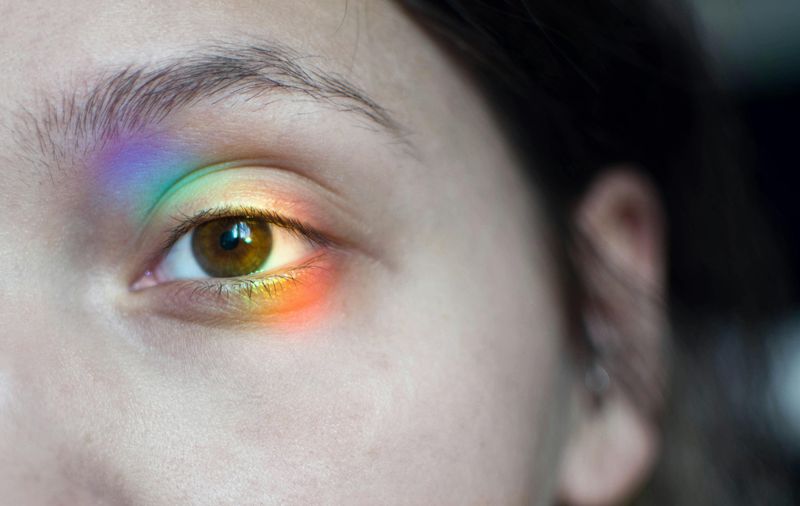
What if you could see millions more colors than everyone around you?
Tetrachromacy gives some people a fourth type of cone cell in their retinas, allowing them to perceive roughly 100 million colors instead of the usual 1 million.
This trait appears almost exclusively in women because it requires two X chromosomes with specific genetic variations.
Scientists estimate that 12% of women might carry the genes for tetrachromacy, but only a small fraction actually experience enhanced color vision.
These super-seers can distinguish subtle color differences that look identical to the rest of us—imagine seeing a rainbow with dozens more bands.
Testing for this ability requires specialized equipment since tetrachromats themselves might not realize their vision is different.
9. Morton’s Toe (Long Second Toe)
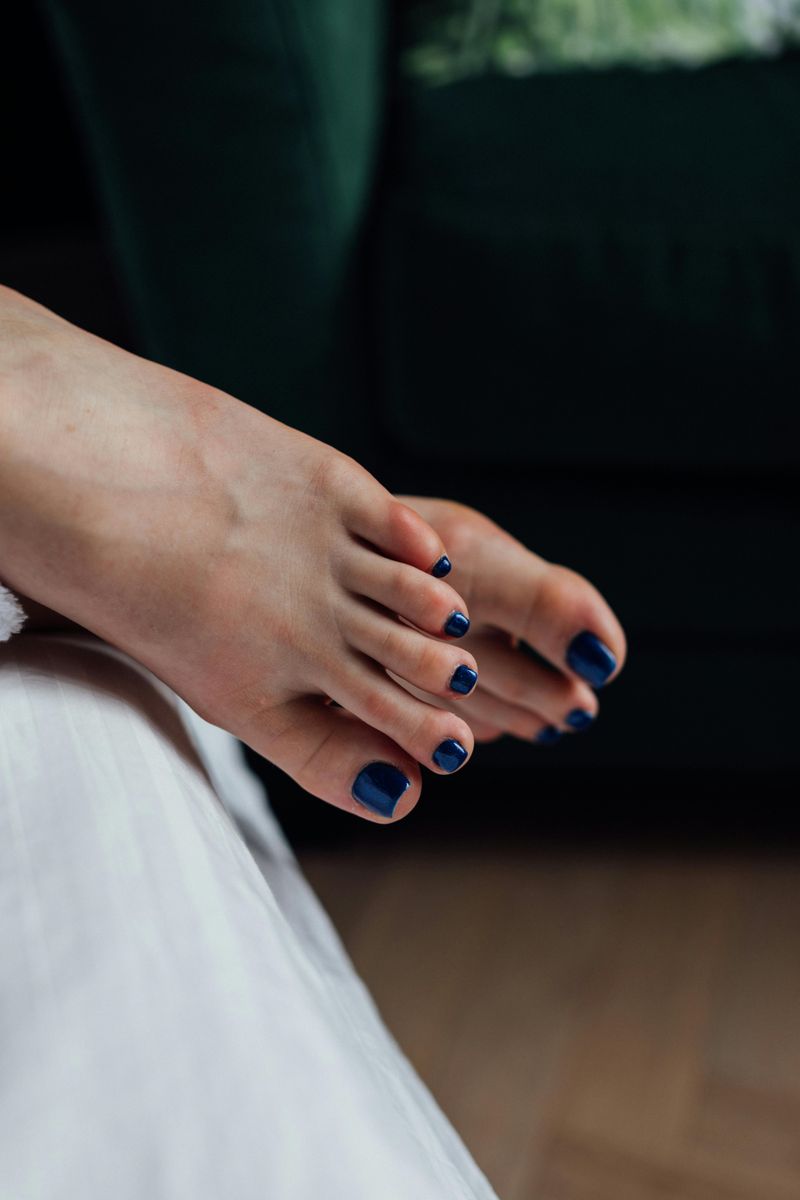
Glance down at your feet—is your second toe longer than your big toe?
This trait, called Morton’s toe, appears when the first metatarsal bone is shorter than the second, making that second toe stick out farther.
Between 10-30% of people have this foot structure, which was actually considered a sign of beauty in ancient Greek and Roman art.
The Statue of Liberty even has Morton’s toe if you look closely at her feet!
Some athletes believe this foot shape provides better balance and push-off power, though research doesn’t strongly support this claim.
It can sometimes cause foot pain because weight distribution shifts differently when walking.
10. Outie Belly Buttons
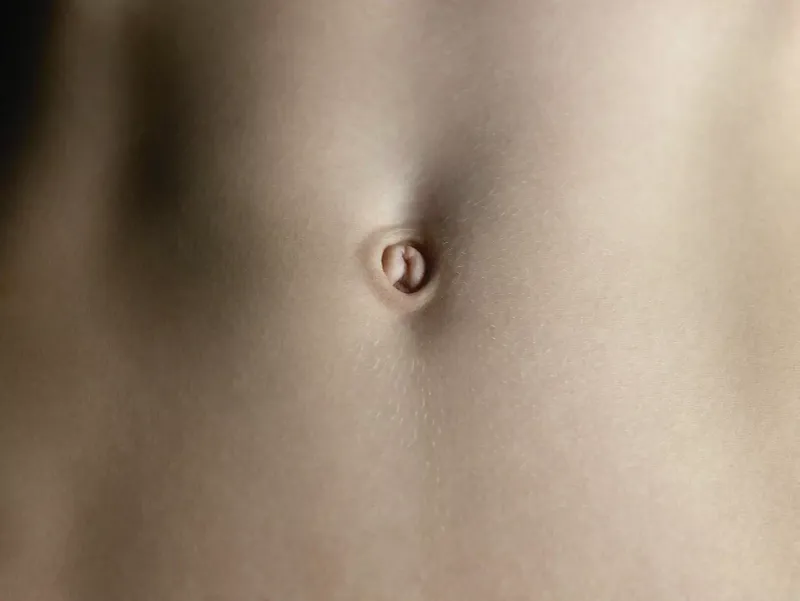
Your belly button tells the story of how your umbilical cord healed after birth.
Only about 10% of people have an outie, where the navel protrudes instead of creating an indent.
This happens when scar tissue forms differently during healing, or when a small umbilical hernia pushes tissue outward.
Contrary to popular belief, how the doctor cuts or clamps the cord doesn’t determine innie versus outie—it’s all about how your body heals.
Outies are completely harmless and just add to the wonderful variety of human bodies.
Some cultures even consider protruding navels lucky or special, celebrating this unique characteristic rather than hiding it.