 MomSkoop

Going home to see your parents once you’re grown up hits different than it used to.
What once felt like stepping back into childhood now carries a weight you weren’t expecting.
Between noticing how much they’ve aged and feeling old emotions resurface, these visits can stir up feelings that are hard to name but impossible to ignore.
1. Their Bodies Have Changed in Ways You Hadn’t Noticed
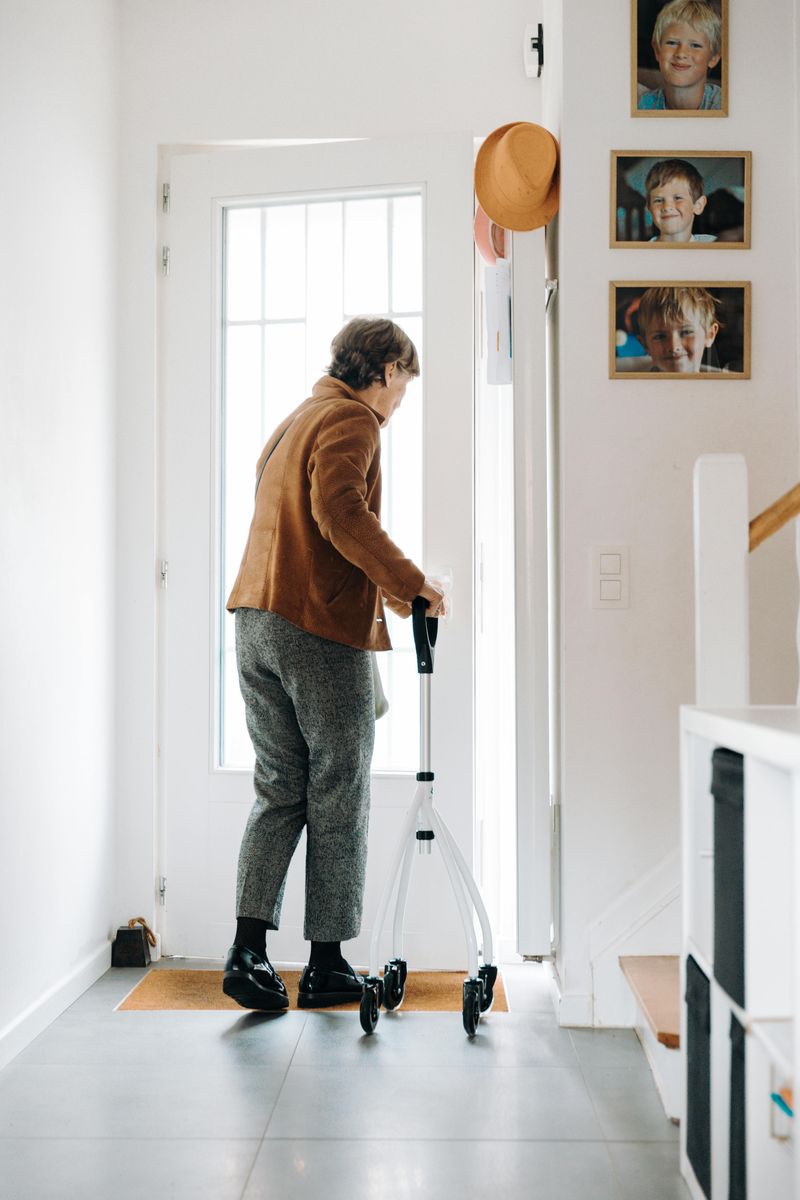
Walking through the door, you might catch your mom gripping the counter a little longer than necessary.
Your dad’s hands shake slightly when he pours coffee.
These aren’t dramatic changes, but they’re unmistakable once you’re paying attention.
Memory lapses happen more often now.
They repeat stories or forget names of neighbors they’ve known for decades.
Their hearing isn’t what it was, so conversations require more patience and repetition.
Physically, they move through space differently.
Stairs take longer.
Getting up from the couch requires effort.
You realize these shifts didn’t happen overnight, but distance kept you from seeing the gradual decline that’s been happening all along.
2. Home Doesn’t Feel Like Your Safe Space Anymore

Your childhood bedroom still has the same posters, but sleeping there feels strange now.
The house that once meant comfort now triggers something more complicated.
Old family patterns emerge the moment you walk in.
Maybe it’s how your mom still comments on what you eat.
Perhaps your dad makes the same jokes that bothered you as a teenager.
The dynamics you thought you’d outgrown snap right back into place.
You find yourself reverting to old behaviors without meaning to.
The confidence you’ve built in your own life seems to evaporate here.
Instead of rest, you feel a low-level tension that reminds you why you moved away in the first place.
3. You’ve Become the Worrier in the Relationship

There was a time when your parents worried about you constantly.
Now you’re the one lying awake wondering if they’re eating properly or managing their medications.
The role reversal happened so gradually you didn’t see it coming.
You notice things they’re struggling with but won’t admit.
The yard isn’t as maintained.
Bills are piling up on the counter.
Their car has a new dent they can’t explain.
Part of you wants to step in and fix everything.
Another part knows they’ll resist your help, insisting they’re fine.
You’re caught between respecting their independence and wanting to protect them from harm, a balance that feels impossible to strike.
4. The Power Dynamic Has Quietly Shifted

Nobody announced it, but somewhere along the way, you stopped being the child who needed guidance.
Your parents now ask for your opinion on decisions they would have made alone before.
They want your help with technology, finances, or medical choices.
This shift feels uncomfortable for everyone involved.
They don’t want to appear weak or incapable.
You don’t want to seem bossy or disrespectful by taking charge.
Sometimes you catch yourself using the same patient tone with them that they once used with you.
The realization stings.
You’re parenting your parents in small ways, and none of you quite know how to acknowledge what’s happening without making it hurt more.
5. Important Conversations Keep Getting Avoided

Every visit, you think about bringing up the big topics.
Estate planning.
Health directives.
What happens if one of them can no longer live independently.
But the words never quite make it out of your mouth.
Your parents deflect with jokes or change the subject entirely. “We’re not there yet,” they say, even though the signs suggest otherwise.
Everyone pretends that avoiding these discussions means avoiding the reality behind them.
The silence around difficult subjects creates its own kind of heaviness.
You leave each visit knowing these conversations need to happen, promising yourself you’ll bring them up next time.
But next time comes, and the pattern repeats itself all over again.
6. Their World Has Gotten Smaller Than You Realized
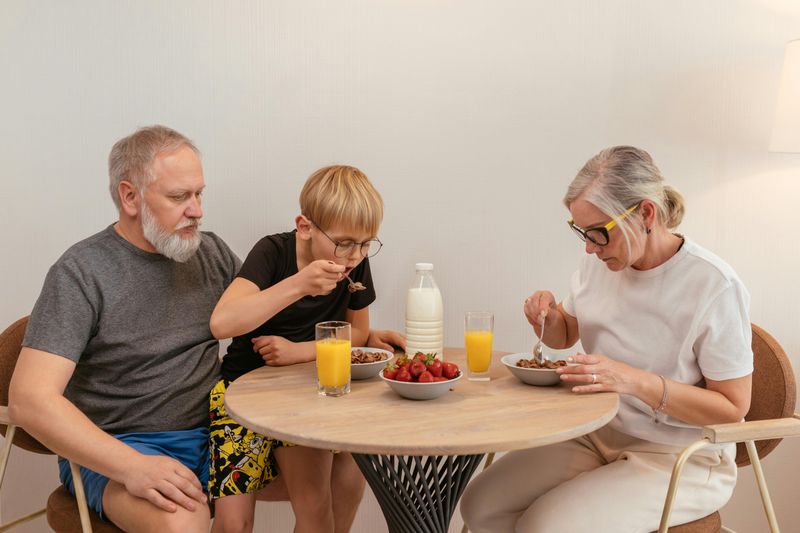
Your parents used to have full social calendars and weekend plans.
Now their routine rarely changes.
They see the same few people, visit the same places, and talk about the same topics on repeat.
Friends have moved away or passed on.
Health issues limit how far they can travel.
Activities they once enjoyed have become too difficult or exhausting to maintain.
You realize their universe has contracted to the boundaries of their neighborhood, maybe even just their house.
What fills your life with variety and stimulation has been replaced in theirs with predictability and limitation.
Understanding this shrinking world makes you see their lives with new sadness and compassion.
7. Old Triggers Still Know Exactly Where to Find You
You’ve done years of therapy.
You’ve grown and changed in meaningful ways.
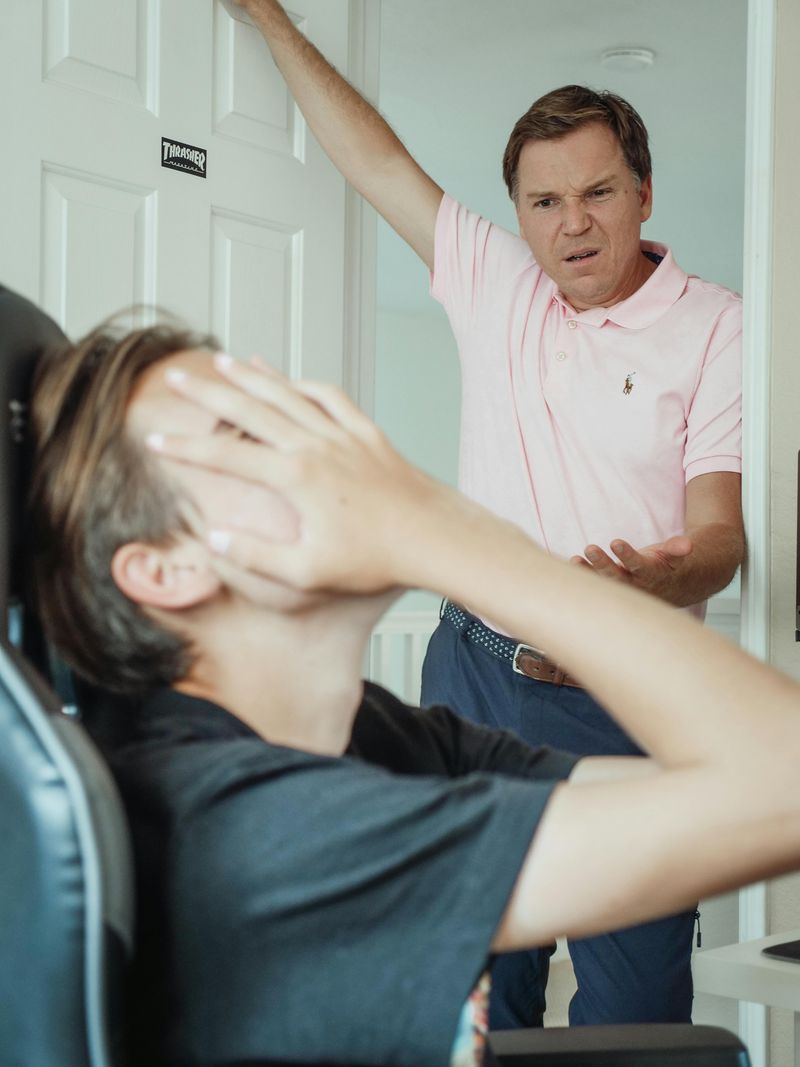
But then your parent makes one particular comment, and suddenly you’re fifteen again, feeling exactly what you felt back then.
Maybe it’s criticism disguised as concern.
Perhaps it’s favoritism toward a sibling that never went away.
Whatever the specific trigger, it proves that emotional wounds from childhood don’t fully heal just because you moved out.
The intensity of your reaction surprises you.
You thought you were past this.
But being back in the environment where those patterns formed brings everything rushing back.
Growth doesn’t make you immune to old pain; it just gives you better tools for managing it afterward.
8. You Can See Your Upbringing’s Imprint Everywhere

Spending time with your parents as an adult reveals patterns you couldn’t see before.
The way you handle conflict, express affection, or deal with stress all traces back to what you learned in this house.
Some of those lessons serve you well.
Others have caused problems in your relationships and career.
Being back home makes the connections crystal clear in ways that feel both enlightening and uncomfortable.
You notice yourself doing things exactly like your parents, even things you swore you’d never do.
You also see where you’ve deliberately chosen different paths.
Understanding how deeply your upbringing shaped you doesn’t change the past, but it does explain the present in ways you hadn’t fully grasped before.
9. Time Together Now Carries an Unspoken Weight

When you were younger, visits home felt endless and sometimes tedious.
Now each one feels precious in a way that’s hard to articulate.
You’re more aware that these moments are limited and counting down.
This awareness changes how you experience the time together.
Small annoyances matter less.
You’re more patient with repeated stories.
You take more photos and try to be present instead of scrolling your phone.
But the weight of this awareness also makes visits emotionally exhausting.
You’re trying to soak up time while simultaneously dreading its passage.
Every visit carries the knowledge that you’re creating final memories, even if nobody wants to say it out loud.
10. You Can’t Fix Them, Only Choose Your Response

At some point, you have to accept that your parents are who they are.
The things about them that frustrate you probably aren’t going to change now.
Waiting for apologies or acknowledgment that never comes will only drain you.
You can’t make them eat healthier, go to the doctor, or heal their own emotional wounds.
You can’t force them to be the parents you needed them to be, either back then or now.
What you can control is how you show up.
How patient you’re willing to be.
What boundaries you need to protect yourself.
Whether you’ll keep coming back despite the difficulty.
Accepting this limited control is both liberating and heartbreaking in equal measure.
11. Every Goodbye Feels Heavier Than the Last

Leaving your parents’ house used to be simple.
Now each departure carries a feeling you can’t shake.
You hug them a little longer.
You look back one more time before driving away.
There’s always a voice in your head wondering if this could be the last time.
You hate that thought, but you can’t stop it from appearing.
The awareness of mortality has become an uninvited companion to every visit.
Your parents probably feel it too, though nobody says it directly.
The goodbyes have become laden with everything you’re all thinking but not speaking.
You carry that weight with you as you drive home, already dreading and anticipating the next visit in equal measure.