 MomSkoop

Growing up with smartphones, social media, and instant access to everything has shaped Gen Z in ways that are hard to ignore.
While older generations are still figuring out the latest apps, Gen Z already knows three shortcuts most people haven’t discovered yet.
These aren’t just tech tricks — they’re real-life skills that give this generation a genuine edge.
From managing money to protecting their mental health, Gen Z is quietly rewriting the rulebook on how to live and work in a modern world.
1. Instinctive Digital Navigation

Hand a Gen Zer a brand-new app and watch what happens — within minutes, they’ve found every feature, shortcut, and hidden setting without reading a single instruction.
This isn’t magic; it’s the result of growing up surrounded by screens from day one.
Every new platform they encounter feels familiar because the logic behind digital tools follows patterns they’ve absorbed naturally.
Swiping, tapping, and exploring menus is as automatic as breathing for them.
For older generations, learning new tech often feels like homework.
For Gen Z, it’s just Tuesday.
That instinctive confidence with digital tools is a serious competitive advantage in school, work, and everyday life.
2. Rapid-Fire Information Filtering

Most people scroll and absorb everything equally.
Gen Z scrolls and instantly knows what’s worth their attention and what’s noise.
That split-second ability to sort real information from clickbait is genuinely rare.
Growing up during the rise of fake news, viral misinformation, and content overload forced this generation to develop a sharp mental filter early.
They evaluate sources, spot exaggeration, and move on quickly without getting stuck.
In a world drowning in data, knowing what to ignore is just as powerful as knowing what to read.
Gen Z figured that out before most adults even recognized it was a skill worth having.
3. Multitasking Across Multiple Screens

Watching a video, texting a friend, checking homework, and listening to music — all at the same time — is just how Gen Z operates.
What looks chaotic to older observers is actually a finely tuned system of parallel attention.
Research debates whether true multitasking is possible, but Gen Z has developed a rapid task-switching ability that functions remarkably well in today’s fast-paced environments.
They can re-engage with a task after an interruption faster than most people can find their reading glasses.
Workplaces and classrooms increasingly demand flexible attention.
Gen Z arrived already wired for it, making them surprisingly adaptable in environments that require juggling multiple responsibilities at once.
4. Communicating Without Traditional Conversation

A phone call feels formal, even awkward, to many Gen Zers.
Why call when a well-placed meme or a three-second voice note says everything perfectly?
Communication has evolved, and they evolved right along with it.
Texts, GIFs, emojis, and voice messages aren’t shortcuts for this generation — they’re a full language with nuance, tone, and emotional depth that outsiders sometimes completely miss.
Knowing when to send a meme versus a paragraph is genuine social intelligence.
Adapting communication style to the platform and audience is a skill employers increasingly value.
Gen Z does it automatically, switching between professional emails and casual DMs without skipping a beat.
5. Learning Anything on Demand

Forget waiting for the right class or the right teacher.
When Gen Z wants to learn something, they pull up a tutorial and start immediately.
Cooking, coding, drawing, playing guitar — YouTube and online platforms are their classroom, open 24/7.
This self-directed learning style builds more than just skills.
It builds confidence, independence, and the understanding that almost any knowledge gap can be closed with enough curiosity and a decent Wi-Fi connection.
Traditional education teaches you to wait for information to be delivered.
Gen Z taught themselves to go get it.
That proactive approach to learning is one of the most powerful habits anyone can develop at any age.
6. Turning Hobbies Into Income Streams

Somewhere along the way, Gen Z decided that doing what you love and making money from it weren’t two separate goals.
Side hustles, Etsy shops, Twitch streams, and sponsored posts turned weekend hobbies into legitimate income — sometimes before graduation.
This isn’t luck.
It requires understanding platforms, building audiences, creating consistent content, and managing money — skills that most formal education doesn’t teach.
Gen Z figured them out through experimentation and sheer determination.
The old model said: get a stable job, keep hobbies separate.
Gen Z said: what if the hobby IS the job?
That mindset shift is quietly changing how an entire generation approaches careers and financial independence.
7. Using AI and Tech as Everyday Tools

While some people are still debating whether AI is scary or overhyped, Gen Z already has it bookmarked, downloaded, and integrated into their daily workflow.
To them, AI is just another useful tool — like a calculator, but smarter.
They use it to brainstorm ideas, summarize long readings, check their writing, and solve problems faster.
There’s no fear attached to it because they grew up watching technology evolve rapidly and learned to adapt without overthinking.
Understanding how to use AI effectively — and knowing its limitations — is quickly becoming one of the most valuable workplace skills of the decade.
Gen Z has a significant head start on nearly everyone else.
8. Curating a Digital Identity

Every post, bio, and profile picture tells a story — and Gen Z knows exactly which story they want to tell.
Managing a personal brand online isn’t vanity; it’s a modern communication skill that affects friendships, opportunities, and careers.
They think about tone, aesthetic, consistency, and audience in ways that would impress most marketing professionals.
Knowing when to share, what to keep private, and how to present yourself authentically online is genuinely complex social navigation.
As employers increasingly look people up before interviews, having a thoughtful digital presence matters more than ever.
Gen Z started building theirs early, giving them a polished online identity long before most people realize it’s necessary.
9. Navigating Online Communities Like Real-World Spaces
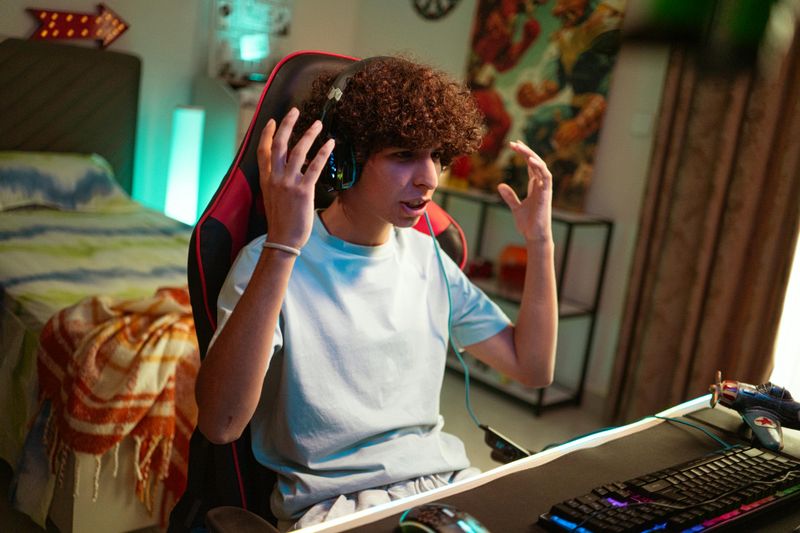
Discord servers, Reddit threads, gaming clans, and niche fan communities aren’t just websites to Gen Z — they’re real neighborhoods with social rules, inside jokes, hierarchies, and genuine friendships.
Navigating them takes actual skill.
Knowing how to join a community respectfully, build trust, resolve conflicts, and find your place in a digital space mirrors real-world social intelligence.
These aren’t hollow interactions; many Gen Zers have deep, meaningful relationships formed entirely online.
As remote work and global collaboration become standard, the ability to connect authentically across digital platforms is increasingly essential.
Gen Z has been practicing that exact skill for years, often without even calling it a skill.
10. Prioritizing Mental Health Openly

Talking about anxiety, setting boundaries, or saying “I need a mental health day” would have raised eyebrows in previous generations.
For Gen Z, it’s just honest self-awareness — and they’ve made that honesty feel completely normal.
Growing up during a global pandemic, social media pressures, and economic uncertainty pushed mental health conversations to the forefront.
Rather than bottling it up, Gen Z normalized therapy, journaling, and asking for help in ways older generations rarely experienced.
That openness creates healthier relationships, better workplaces, and stronger communities.
Recognizing when you’re struggling and actually doing something about it is emotional maturity — and Gen Z is modeling it for everyone watching.
11. Financial Awareness Through Apps and Micro-Decisions

Forget waiting until your 30s to think about money.
Many Gen Zers are tracking budgets, investing through apps, and understanding credit scores before they’ve finished high school — and they’re doing it all from their phones.
Apps like Cash App, Robinhood, and budgeting tools made financial literacy accessible and even interesting to a generation that grew up making micro-decisions online.
Every subscription they cancel or investment they make builds a practical money mindset early.
Starting financial habits young creates enormous long-term advantages thanks to compound growth and early confidence around money.
Gen Z didn’t wait for a finance class — they opened an app and started learning by doing.
12. Knowing When to Disconnect on Purpose

Here’s the unexpected twist: the most digitally connected generation is also leading the charge toward intentional offline time.
Screen-free mornings, social media detoxes, and phone-free hangouts are increasingly popular choices — not punishments.
Having grown up surrounded by notifications and constant connectivity, many Gen Zers recognized the mental cost earlier than expected.
They understand that always being online drains creativity, attention, and genuine happiness in ways that sneak up quietly.
Choosing when to log off takes self-awareness and discipline that most people underestimate.
Gen Z is proving that knowing your limits with technology is just as important as knowing how to use it — maybe even more so.