 MomSkoop

Generation Z is changing the world in ways that might surprise you.
Born between the mid-1990s and early 2010s, this generation has grown up in a digital age filled with constant change and uncertainty.
Despite facing unique challenges, they’ve developed a set of core beliefs that are reshaping how we think about authenticity, mental health, and what really matters in life.
1. Being Real Matters More Than Being Perfect
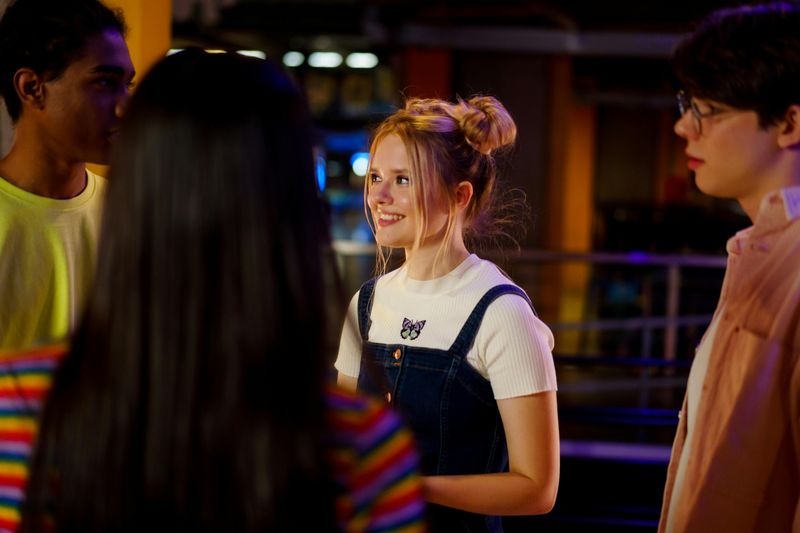
Authenticity has become the currency of connection for Gen Z.
They’d rather see someone’s messy room in the background of a video than a carefully staged photoshoot that feels fake.
This generation grew up watching influencers rise and fall based on whether they kept it real or got caught pretending.
Social media filters and airbrushed photos?
Gen Z sees right through them.
They value honesty about struggles, mistakes, and the unglamorous parts of life.
When brands or people try too hard to appear flawless, younger audiences tune out immediately.
This belief extends beyond social media into everyday life.
Gen Z prefers genuine conversations over small talk and real relationships over surface-level friendships.
2. Time and Attention Are Valuable and Should Be Used Intentionally
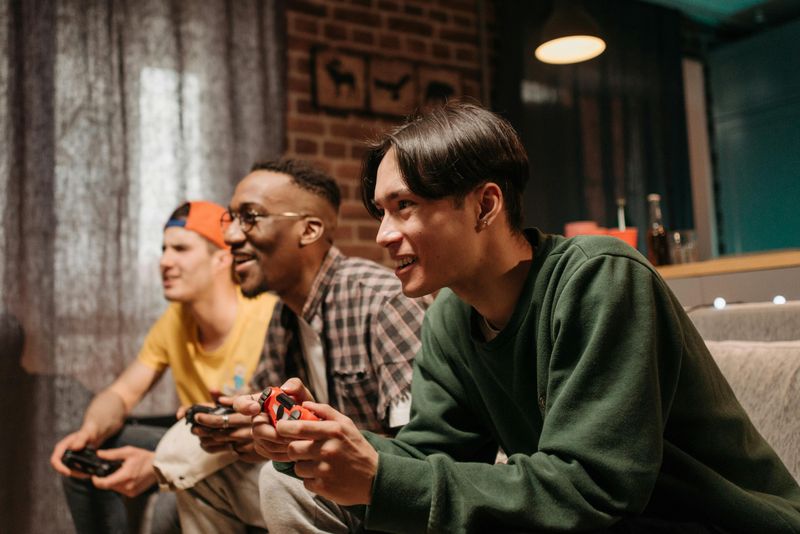
Gen Z understands something many older generations are still learning: your attention is precious.
Growing up with endless scrolling and notifications competing for every second, they’ve become experts at recognizing when their time is being wasted.
Apps that respect their time get loyalty; those that don’t get deleted.
This generation actively curates their digital diet.
They unfollow accounts that drain their energy, set screen time limits, and aren’t afraid to put their phones away when something matters more.
They’ve watched their parents become phone-addicted and decided to be more intentional.
Beyond screens, Gen Z applies this belief to relationships and commitments.
They’re selective about where they invest their energy.
3. Belonging Is More Important Than Popularity

Forget trying to be the most popular person in school.
Gen Z has figured out that finding your people matters way more than being liked by everyone.
They’ve seen how chasing popularity on social media can leave you feeling empty, even with thousands of followers who don’t really know you.
This generation creates tight-knit communities around shared interests, identities, and values.
Whether it’s a Discord server for anime fans or a local group fighting climate change, they prioritize deep connections.
Quality beats quantity every single time in their book.
The shift from popularity to belonging has made Gen Z more accepting of differences.
They celebrate niche interests and unique identities instead of trying to fit everyone into the same mold.
4. Culture Is Communicated Through Humor and Memes

If you want to understand Gen Z, you need to understand their memes.
This generation has turned humor into a language all its own, using jokes and viral content to process everything from personal struggles to global crises.
Memes aren’t just entertainment; they’re how Gen Z shares values, builds community, and makes sense of chaos.
The humor is often dark, ironic, and layered with references that outsiders might miss completely.
But that’s the point—memes create an insider culture where understanding the joke means you’re part of the group.
They’re a form of social currency and emotional expression rolled into one.
Through humor, Gen Z tackles serious topics that might feel too heavy otherwise.
5. Values Should Guide Choices, Including What We Buy and Support

Every purchase is a vote to Gen Z.
Before buying something, they research whether companies align with their values on issues like sustainability, workers’ rights, and social justice.
If a brand gets caught doing something shady, Gen Z won’t hesitate to cancel their subscription or switch to a competitor that walks the talk.
This generation expects transparency from businesses.
They want to know where products come from, how they’re made, and whether the company actually cares about more than just profits.
Greenwashing and performative activism get called out immediately on social media.
Gen Z’s values-driven approach extends to supporting creators, artists, and small businesses.
They’d rather pay more for something ethical than save money supporting something harmful.
6. Mental Health Deserves Openness and Protection

Talking about therapy used to be taboo.
Gen Z changed that completely.
They openly discuss anxiety, depression, and mental health struggles the way previous generations might have talked about physical illnesses.
This generation refuses to pretend everything is fine when it isn’t, and they’ve normalized seeking help when you’re struggling.
Social media has become a space where Gen Z shares coping strategies, recommends therapists, and reminds each other that it’s okay not to be okay.
They’ve turned mental health from something shameful into something that deserves care and attention, just like physical health does.
Beyond talking about it, Gen Z actively protects their mental wellbeing.
They set boundaries, take mental health days, and prioritize self-care without apology.
7. Laughing Is a Valid Way to Cope with Uncertainty

When the world feels overwhelming, Gen Z makes jokes about it.
Climate change, economic instability, global pandemics—nothing is off-limits for their coping humor.
While some people criticize this approach as not taking things seriously, Gen Z knows that sometimes you have to laugh to keep from crying.
Humor becomes a survival mechanism when uncertainty is constant.
This generation grew up during multiple crises, from school shootings to a pandemic to economic recession.
They learned early that dwelling in doom doesn’t help, but finding humor in dark situations can make them bearable.
The jokes aren’t about not caring; they’re about staying sane.
Comedy provides emotional release and builds solidarity when everyone’s dealing with the same struggles.
8. Identity Is Fluid and Self-Defined, Not Assigned

Gen Z rejects the idea that your identity should be determined by others or fit into rigid boxes.
They believe people should define themselves on their own terms, whether that relates to gender, sexuality, career paths, or lifestyle choices.
Labels are tools for self-expression, not limitations imposed from outside.
This generation has normalized conversations about pronouns, non-binary identities, and exploring who you are without pressure to have everything figured out immediately.
They understand that identity can evolve over time, and that’s perfectly okay.
What matters is authenticity, not conforming to outdated expectations.
The freedom to self-define extends beyond gender and sexuality.
Gen Z questions traditional life timelines and creates their own definitions of success and happiness.
9. Communication Should Be Interactive, Not One-Sided

Gen Z grew up with technology that lets them respond, remix, and participate in conversations rather than just passively consuming content.
They expect communication to be a two-way street, whether that’s responding to social media posts, commenting on videos, or having actual dialogue with brands and leaders.
Talking at them doesn’t work; talking with them does.
This generation values collaboration over lectures.
In school, they prefer group projects and discussions over sitting silently while a teacher talks.
Online, they engage with content creators who respond to comments and involve their audience in decision-making.
Participation makes them feel valued and heard.
One-sided communication feels outdated and disrespectful to Gen Z.
10. Learning Works Best When It’s Visual, Shared, and Self-Directed

Traditional education doesn’t always work for Gen Z, but that doesn’t mean they aren’t eager to learn.
They just prefer doing it their way: through YouTube tutorials, TikTok explainers, and online communities where knowledge gets shared freely.
Visual content helps complex ideas stick, and learning from peers feels more accessible than dusty textbooks.
This generation takes charge of their own education.
If they want to learn graphic design, they watch tutorials.
Interested in history?
They follow engaging content creators who make it entertaining.
Gen Z proves that curiosity thrives when learning feels relevant and self-paced rather than forced and standardized.
Collaboration enhances their learning experience.
Study groups happen in Discord servers, and knowledge flows freely through shared resources and community support.