 MomSkoop

Some couples have been together for 30, 40, even 50 years — and they make it look surprisingly real.
We asked baby boomers who have lived through the hard seasons of long-term love to share what actually works.
Their answers are honest, sometimes uncomfortable, and completely worth reading.
No fairy tales here — just the truth about what keeps two people choosing each other, year after year.
1. Stop Expecting Your Partner to Complete You

A marriage counselor once said the most dangerous idea in romance is the belief that someone else can fill your emptiness.
Baby boomers who have stayed happily married for decades almost always say the same thing: they stopped waiting for their partner to fix them.
Your partner is not your therapist, your cheerleader, or your emotional support system rolled into one.
Expecting that much from one person puts enormous pressure on the relationship.
When you take responsibility for your own happiness, you show up as a whole person — and that makes love far more sustainable long-term.
2. Attraction Fades and Returns — Learn to Ride the Waves
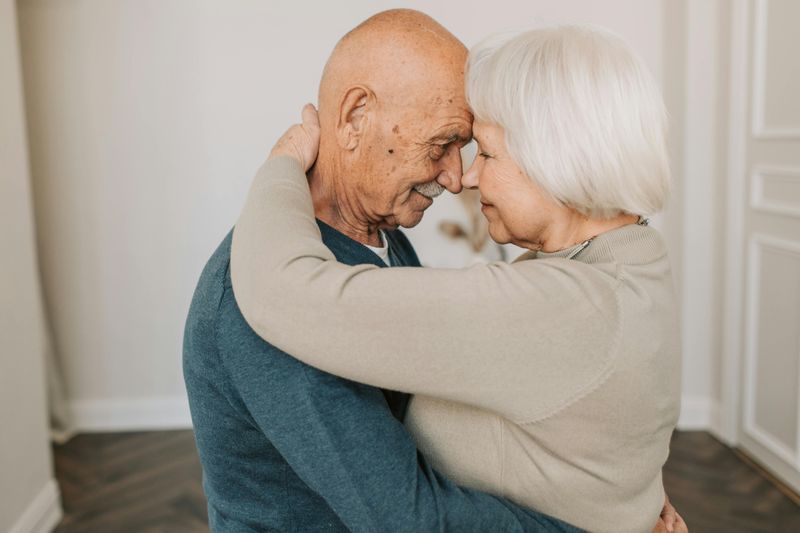
Nobody warned them about the quiet seasons.
Several boomers described years when the spark felt completely gone — only for it to quietly return after a rough patch passed.
Long love is not a straight line of butterflies and excitement.
Attraction moves in phases, shaped by stress, health, life changes, and even boredom.
Panicking when desire dips can cause more damage than the dip itself.
The couples who lasted learned to trust the cycle.
They held on through the flat stretches, knowing warmth had a way of coming back when they stopped forcing it.
3. Understand How Your Partner Argues, Not Just What They Argue About
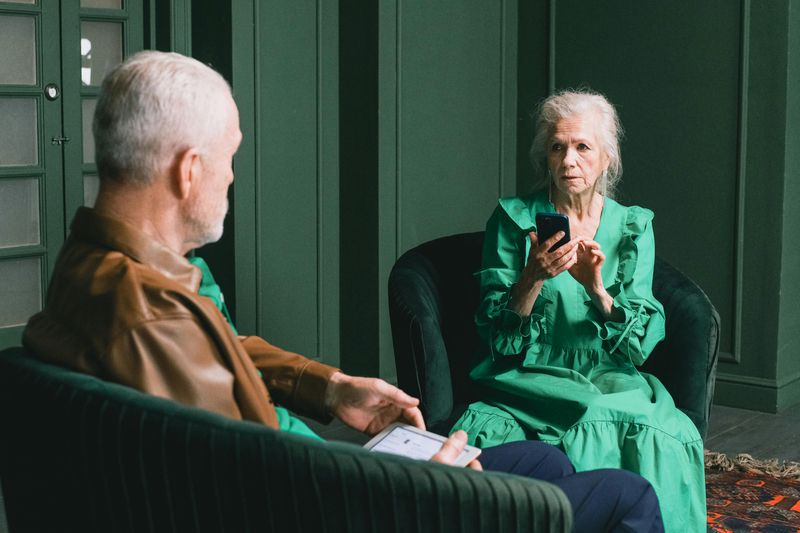
One boomer woman said her biggest breakthrough came when she realized her husband did not argue to hurt her — he argued to feel heard.
That shift changed everything.
Knowing your partner’s conflict style is more useful than memorizing every topic you disagree on.
Some people shut down when overwhelmed.
Others escalate when they feel dismissed.
Understanding those patterns means you stop taking the style personally and start responding to the real need underneath.
Winning a single argument means nothing if the way you fought left a lasting bruise.
Lasting couples fight smarter, not louder.
4. Boredom Is Normal — Do Not Confuse It With Falling Out of Love
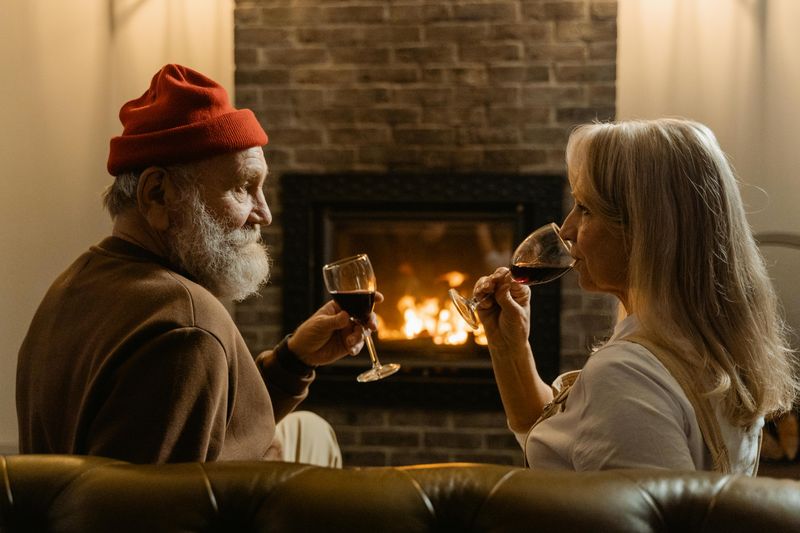
Stability can feel surprisingly dull after years of shared routines.
Many boomers admitted going through stretches where nothing felt exciting — but looking back, those were often the healthiest seasons of their marriage.
Boredom is not a warning sign.
It is frequently a signal that things are simply working.
The trap is mistaking calm for emptiness.
Chasing constant excitement in a long relationship often means creating unnecessary drama.
Real love includes plenty of ordinary Tuesdays.
The couples who understood that did not run from the quiet.
They learned to find something worth appreciating in the steady, unhurried rhythm of shared life.
5. Say Things Before They Turn Into Resentment
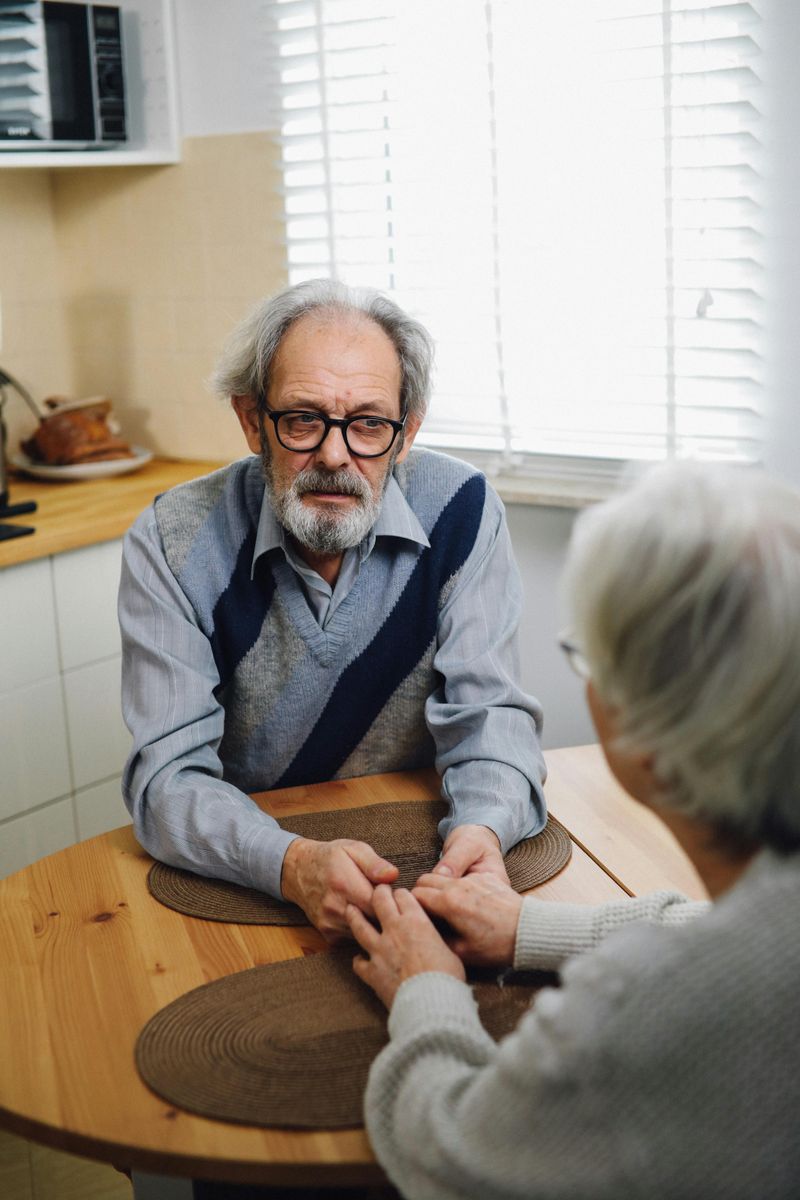
Small annoyances have a way of multiplying when left unspoken.
A boomer man described spending three years silently furious about something trivial — until it exploded into a fight that nearly ended his marriage.
The original issue had nothing to do with why they almost split.
Resentment builds quietly and destroys loudly.
Saying the uncomfortable thing early, even awkwardly, almost always costs less than swallowing it for years.
Couples who last tend to speak up before emotions reach a boiling point.
It takes practice and courage, but addressing friction early keeps small problems from growing roots deep enough to crack the foundation.
6. You Won’t Always Like Each Other — And That’s Perfectly Fine

Ask anyone married for 40 years and they will tell you: there were days they genuinely did not like their spouse.
Not disliked their choices — actually found them irritating, exhausting, or just plain hard to be around.
That is completely normal, and pretending otherwise sets unrealistic expectations.
Love is not constant admiration.
Sometimes it is choosing patience when your gut wants to snap back.
The boomers who stayed described love less as a feeling and more as a daily decision.
Especially on the days when your partner is being difficult, distant, or just deeply annoying — choosing to stay anyway is what real commitment actually looks like.
7. Money, Stress, and Life Pressure Will Test Everything You Have
Relationships do not exist in a protected bubble.
Layoffs, medical bills, aging parents, rebellious kids, and financial strain — real life arrives without warning and hits hard.
Several boomers said their most difficult years had nothing to do with each other and everything to do with outside pressure crushing them simultaneously.
The couples who survived those seasons did not pretend the stress was not there.
They talked about money honestly, even when it was embarrassing.
They asked for help when overwhelmed.
Treating financial and life stress as a shared problem rather than a personal failure kept them on the same team instead of turning against each other.
8. Keep a Life Outside the Relationship — It Feeds the Love Inside It

One boomer woman put it bluntly: the years she had her own friendships, her own hobbies, and her own identity were the years her marriage felt the most alive.
Spending every waking hour together does not deepen love — it can quietly smother it.
Having a full life outside your relationship gives you interesting things to bring back into it.
Your partner stays curious about you when you are still growing as a person.
Independence does not weaken commitment; it actually reinforces it.
Couples who maintained separate interests and social lives consistently reported feeling more attracted to each other than those who merged completely.
9. Apologize Properly — Without Burying It in Excuses
“Sorry you felt that way” is not an apology.
Boomers who navigated decades of disagreements learned that a real apology requires owning the specific thing you did — not softening it, not redirecting it, and definitely not following it with a “but.”
Defensive apologies tend to reopen wounds instead of closing them.
When someone feels genuinely heard and acknowledged, repair happens faster.
The couples who got this right described a kind of relief that followed a clean, honest apology — like pressure releasing from a sealed container.
It takes ego strength to apologize without protecting yourself, but it pays off every single time.
10. Don’t Keep Score — Relationships Are Not Transactions

Keeping a mental tally of who did more, gave more, or sacrificed more is one of the fastest ways to poison a long relationship.
A boomer husband described a period where every conversation became a negotiation, and the love between them started feeling like a business arrangement.
Generosity without scorekeeping is what separates thriving long-term couples from exhausted ones.
Some seasons one partner gives more — and that balance shifts over time.
Trusting that the relationship will even out over years, rather than days, creates space for genuine kindness.
When love becomes transactional, warmth disappears and resentment quietly moves in to take its place.
11. Choose the Relationship Again and Again — Especially on the Hard Days

Lasting love is not something that simply happens to lucky people.
Every boomer interviewed circled back to some version of this same truth: love is a repeated choice, not a permanent state that maintains itself automatically.
On the days when everything feels wrong — when you are tired, frustrated, and wondering what you signed up for — choosing to stay and work through it is where real love actually lives.
The romantic version of love makes it look effortless.
The honest version looks like two imperfect people deciding, quietly and repeatedly, that the relationship is worth showing up for.
That decision, made daily, is what decades are built on.