 MomSkoop

Marriage rates have been dropping for years, and experts are paying close attention to why.
More women today are choosing to stay single, focus on their careers, or simply opt out of traditional relationships altogether.
The reasons behind this shift are complex, personal, and deeply tied to how society has changed.
Understanding these factors can help all of us build healthier, more equal relationships.
1. Financial Independence Has Changed Everything

Not long ago, marriage was practically a financial survival strategy for women.
Without access to equal pay or career opportunities, many women depended on a husband’s income to get by.
That world looks very different today.
Women now earn degrees at higher rates than men and hold leadership roles across nearly every industry.
When you can pay your own rent, build your own savings, and fund your own future, the urgency to marry fades fast.
Financial independence gives women the freedom to choose a partner based on love and compatibility rather than necessity.
That shift alone has reshaped the entire marriage conversation.
2. Unequal Housework Wears Women Down
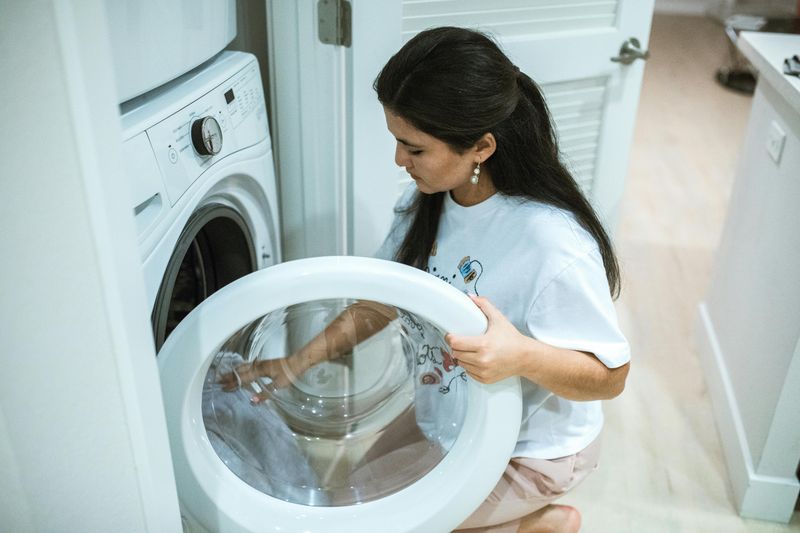
Even in households where both partners work full-time jobs, studies consistently show that women handle a disproportionate share of cooking, cleaning, and childcare.
Beyond the physical tasks, women also carry the “mental load” – remembering appointments, planning meals, and organizing family life.
This invisible labor adds up quickly.
Over time, it creates deep exhaustion and resentment that erodes even loving relationships.
Many women report feeling more like household managers than equal partners.
When the imbalance becomes obvious and unchanging, staying single starts to look far more appealing than signing up for a lifetime of unpaid domestic work.
3. Emotional Burnout Is a Real and Serious Problem
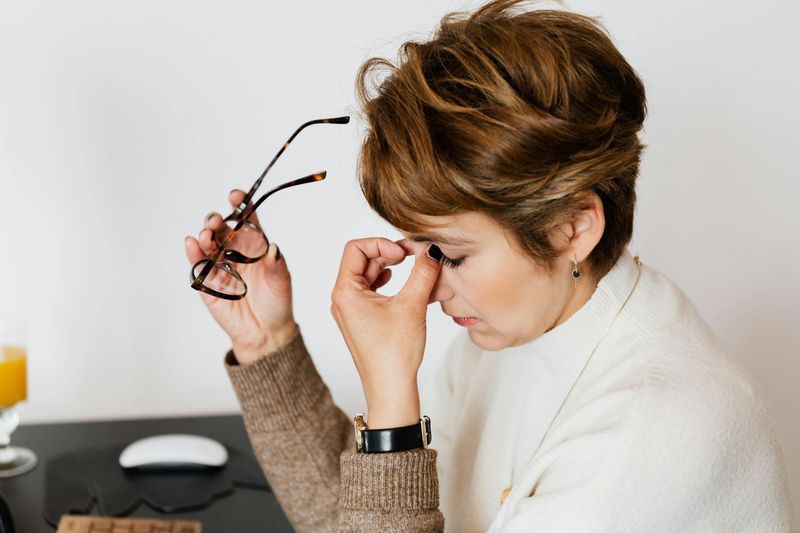
Ask many women what exhausts them most in relationships, and emotional labor tops the list.
Managing a partner’s feelings, smoothing over conflicts, offering constant support, and keeping the emotional peace is draining work that rarely gets acknowledged.
Over time, this one-sided emotional caregiving leads to burnout.
Women begin to feel like therapists rather than partners, giving endlessly without receiving the same energy in return.
Experts note that emotional burnout is one of the leading reasons women disengage from romantic relationships entirely.
Protecting your mental health and emotional reserves is not selfish – it is absolutely necessary for long-term wellbeing.
4. Modern Women Want Real Partnerships, Not Old-Fashioned Roles
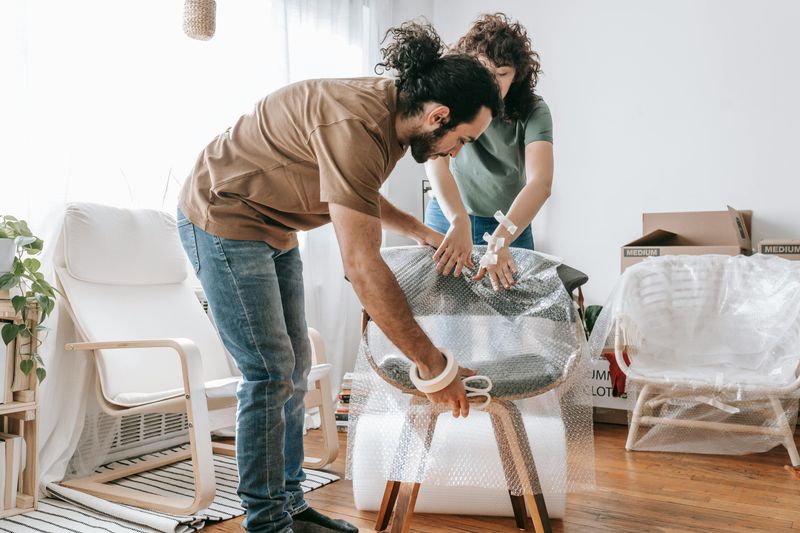
The traditional marriage model – breadwinner husband, homemaker wife – simply does not match what most women want today.
Research shows that younger women overwhelmingly seek partners who share responsibilities, respect their ambitions, and engage as true equals.
When relationships slip into outdated gender roles, many women feel unseen and undervalued.
That gap between expectation and reality pushes a lot of women toward the exit door.
Healthy partnerships require ongoing communication and a genuine willingness to grow together.
Women who know their worth are less likely to settle for arrangements that ask them to shrink themselves to fit a role designed decades ago.
5. Personal Fulfillment Is Taking Center Stage

Travel the world.
Launch a business.
Earn that advanced degree.
Adopt a rescue dog.
For a growing number of women, life feels full and meaningful without a wedding ring involved.
Cultural messaging used to insist that marriage was the ultimate achievement for women.
Today, that narrative is crumbling fast.
Women are building rich, satisfying lives centered on their own goals, passions, and timelines.
Prioritizing personal fulfillment is not about rejecting love – it is about refusing to put your own growth on hold for a relationship that may not serve you.
Many women are simply choosing themselves first, and thriving because of it.
6. Awareness of Toxic Patterns Has Never Been Higher
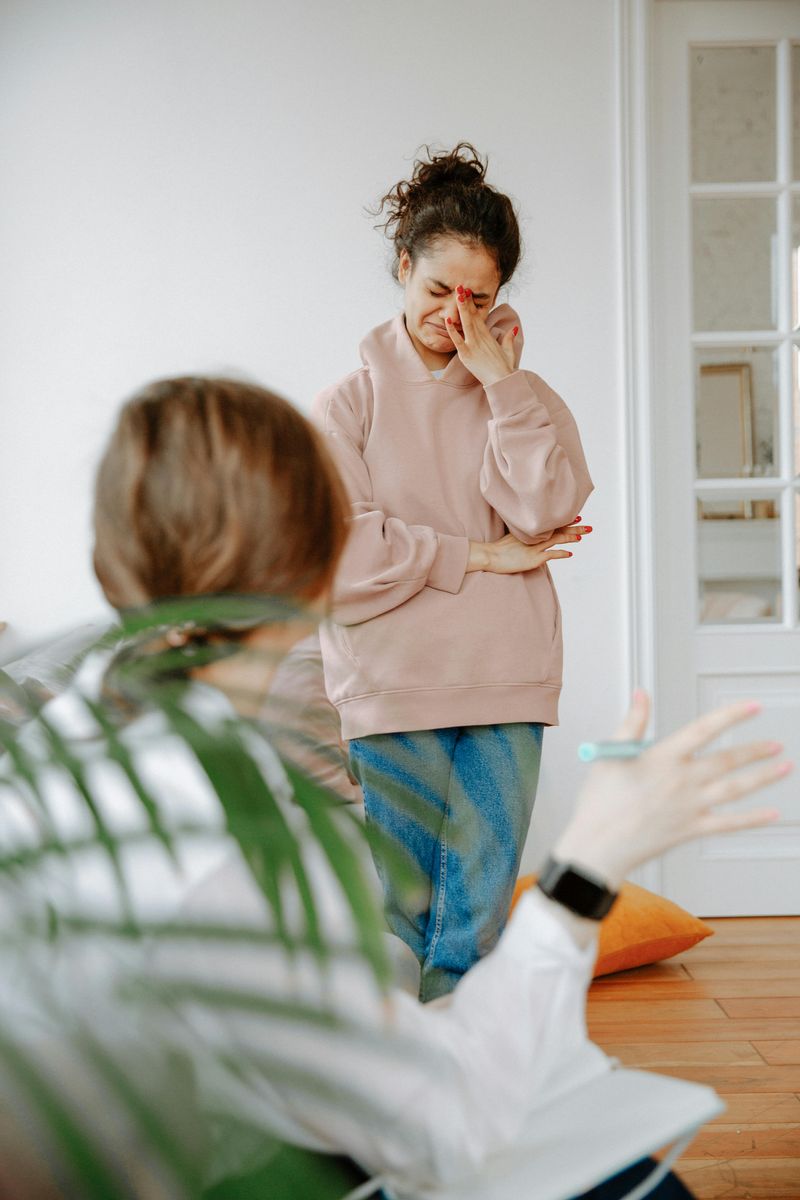
Therapy culture, social media conversations, and mental health education have given women powerful tools to recognize unhealthy relationship dynamics.
Concepts like gaslighting, emotional manipulation, and boundary violations are now widely understood and openly discussed.
A generation ago, many women stayed in damaging relationships simply because they lacked the language or support to leave.
That has changed dramatically.
Women today are quicker to identify red flags early and less willing to tolerate disrespect or inequality in any form.
This heightened self-awareness is genuinely healthy progress, even if it means fewer women are rushing into marriages that would ultimately harm them.
7. Marriage Benefits Men More Than Women, Research Suggests
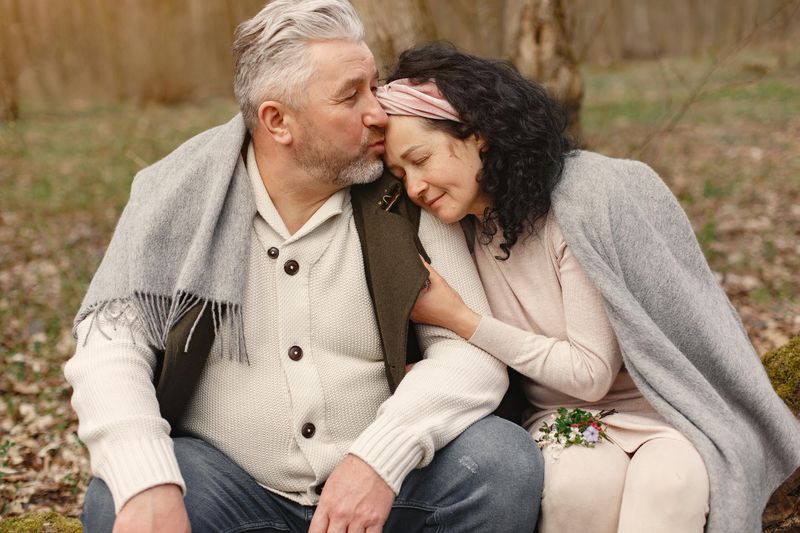
Here is a striking finding that surprises many people: decades of sociological research suggest that marriage provides significantly greater health, emotional, and lifestyle benefits to men than to women.
Married men live longer, report higher happiness, and enjoy better physical health compared to their single counterparts.
For women, the data tells a more complicated story.
Married women often report higher stress levels and lower personal happiness than single women of the same age.
When the institution of marriage appears to favor one partner so heavily, it is understandable that women pause before committing.
Awareness of this imbalance is growing, and it is influencing real decisions.
8. Higher Standards Are Filtering Out the Wrong Matches
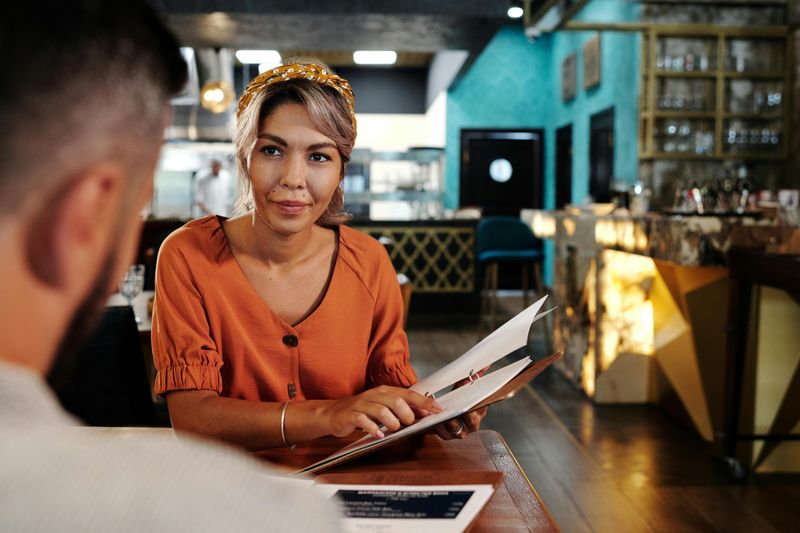
Women today are not just looking for someone who shows up – they want emotional maturity, shared values, stability, and genuine mutual respect.
Those standards are higher than previous generations held, and rightfully so.
Some critics frame this as women being “too picky.” Experts tend to disagree.
Holding out for a truly compatible partner rather than settling for the first available option is a sign of healthy self-respect, not unrealistic expectations.
When potential partners consistently fall short of basic emotional readiness or life alignment, walking away becomes the sensible choice.
Many women would rather remain single than commit to a relationship built on a shaky foundation.
9. Marriage Is No Longer Seen as a Life Requirement

For centuries, marriage was treated as an unavoidable milestone – something every woman was expected to achieve by a certain age.
That social pressure is losing its grip, especially among younger generations who are rewriting the rules entirely.
Gen Z and Millennial women increasingly view marriage as one possible life path among many, not the default destination.
Singlehood, cohabitation, and chosen-family structures are all gaining legitimacy and social acceptance.
Removing the stigma from being unmarried has been quietly revolutionary.
Women no longer feel broken or behind for skipping the traditional timeline.
That freedom to choose – without shame – is reshaping relationship trends across the globe.
10. Growing Gaps Between Genders Are Creating Distance
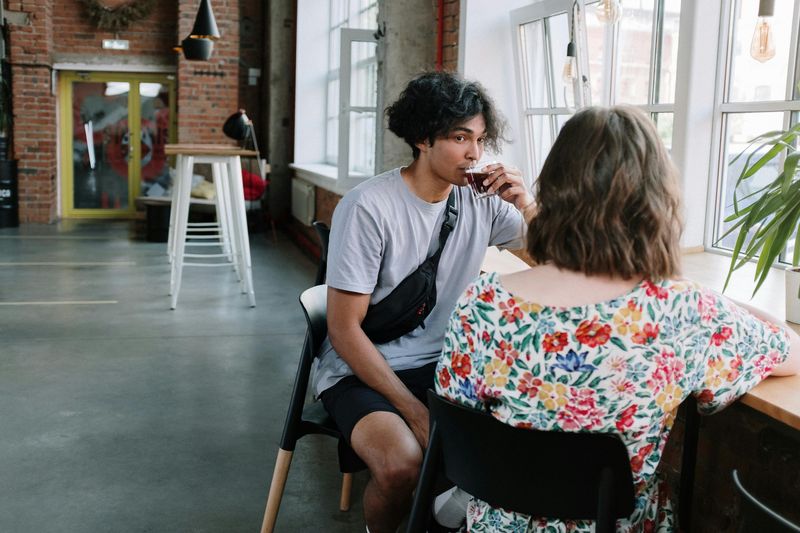
Across many countries, researchers are documenting a widening gap between young men and young women in political views, social values, and expectations around gender roles.
These differences are not small – in some studies, the ideological distance between young men and women is larger than it has been in decades.
Shared values are the foundation of lasting partnerships.
When those values diverge sharply, building a functional, happy marriage becomes genuinely difficult.
Women who prioritize equality, social justice, or progressive values may find fewer compatible partners among men who hold more traditional views.
This growing divide is quietly but powerfully influencing who women choose – or choose not – to marry.