 MomSkoop

Losing your sense of purpose can feel like wandering through fog without a map.
When that inner compass fades, people often slip into patterns that keep them stuck instead of moving forward. Recognizing these habits is the first step toward rediscovering meaning and direction in life.
1. Drifting Through Days on Autopilot

Waking up without excitement or intention becomes the norm when purpose disappears.
Every day starts to blend together, creating a loop where nothing feels new or meaningful.
Mornings arrive without anticipation, and evenings pass without reflection.
Autopilot mode means going through motions without really experiencing them.
Tasks get completed, but there’s no spark or energy behind them.
Time slips away unnoticed because nothing stands out as special or important.
Breaking this pattern requires introducing small, intentional changes.
Start by setting one meaningful goal each morning, even something tiny.
Creating moments of awareness throughout your day helps you reconnect with the present instead of sleepwalking through life.
2. Procrastinating on Even Small Decisions

Choosing what to eat for dinner becomes exhausting when you lack a deeper reason to care.
Simple decisions pile up because making choices requires energy that feels unavailable.
Without a guiding purpose, everything seems equally pointless, so why bother deciding?
This habit creates a backlog of unmade choices that weighs heavily on your mind.
Bills sit unopened, emails go unanswered, and opportunities pass by.
The mental clutter from avoided decisions adds to feelings of being overwhelmed and stuck.
Combat this by making one quick decision immediately each day, no matter how small.
Practice choosing without overthinking the outcome.
Building decision-making muscles gradually restores confidence and forward momentum in your life.
3. Withdrawing Socially

Invitations start getting declined when connecting with others feels too demanding.
Energy for maintaining friendships dwindles, and isolation begins to feel safer than engagement.
Phone calls go unreturned, and social gatherings seem more draining than rewarding.
Withdrawal happens gradually, often without conscious awareness.
Friends eventually stop reaching out, which reinforces feelings of disconnection.
Loneliness grows even though being alone was the choice, creating a painful contradiction.
Reconnecting starts with one small social interaction, like texting a friend or joining a brief conversation.
You don’t need to attend big events right away.
Gentle, consistent contact helps rebuild social muscles and reminds you that connection can be nourishing, not just exhausting.
4. Excessive Nostalgia or Living in the Past

Old photos and memories become a refuge when the present feels empty.
Conversations constantly circle back to better days, achievements from years ago, or how things used to be.
The past seems brighter and more meaningful than anything happening now.
While reminiscing can be healthy, excessive nostalgia keeps you stuck looking backward.
Current opportunities get missed because nothing measures up to idealized memories.
Growth stops when yesterday becomes more important than tomorrow.
Balance nostalgia by creating one new positive memory each week.
Appreciate your past without letting it overshadow your present potential.
Focus on what you can build today rather than what you’ve lost, turning memories into motivation instead of escape.
5. Loss of Curiosity

Books sit unread, hobbies get abandoned, and learning new skills feels pointless without purpose driving you forward.
Questions that once sparked excitement now seem irrelevant.
The world becomes smaller as interests fade and wonder disappears.
Curiosity fuels personal growth and keeps life interesting.
When it vanishes, days become predictable and dull.
Nothing captures attention long enough to inspire exploration or experimentation.
Reignite curiosity by committing to explore one new topic this month, no matter how random.
Watch a documentary, try a recipe from another culture, or learn three facts about something unfamiliar.
Small acts of discovery rebuild the habit of seeking knowledge and can gradually restore your sense of wonder about the world around you.
6. Overconsumption of Distractions

Hours disappear into endless scrolling, binge-watching shows, or playing games that require no real engagement.
These activities numb uncomfortable feelings temporarily but leave you feeling emptier afterward.
Distraction becomes the default response to free time.
Mindless consumption fills the void where purpose used to live.
It’s easier to zone out than face the discomfort of feeling directionless.
However, this habit prevents reflection and problem-solving that could lead to rediscovering meaning.
Set boundaries around screen time and replace one hour of distraction with something creative or active.
Even a short walk or journaling session breaks the numbing cycle.
Awareness of how you spend time is the first step toward reclaiming it.
7. Neglecting Physical Health

Gym memberships go unused, vegetables rot in the fridge, and sleep schedules become chaotic when purpose fades.
Taking care of your body requires motivation that seems to evaporate without a reason to stay healthy.
Physical decline mirrors internal disconnection.
Skipping exercise and eating poorly creates a downward spiral.
Poor health drains energy, making it even harder to find motivation.
The body and mind become trapped in a cycle of neglect.
Start incredibly small: drink one extra glass of water daily or take a five-minute walk.
Physical care doesn’t require perfection, just consistency.
Tiny health habits rebuild the foundation for feeling better, which makes rediscovering purpose more possible.
8. Cynicism or Chronic Negativity

Hope gets replaced by skepticism when purpose disappears from view.
Positive news gets dismissed, optimism seems naive, and complaints become the primary form of expression.
Everything appears darker when you’ve lost sight of what matters.
Cynicism protects against disappointment but also blocks opportunities for connection and growth.
Relationships suffer because negativity pushes people away.
The world starts reflecting back the bitterness you project onto it.
Challenge one negative thought daily by finding evidence against it.
Practice gratitude for something small, even if it feels forced at first.
Shifting perspective takes effort, but recognizing this pattern is crucial for breaking free from the negativity trap that keeps purpose hidden.
9. Avoiding Long-Term Planning

Calendars stay empty beyond next week because the future feels foggy and irrelevant.
Goals that once excited you now seem pointless to pursue.
Planning requires believing tomorrow matters, which becomes impossible without purpose guiding your vision.
Living only in the present moment might sound freeing, but avoiding all future thinking creates instability.
Opportunities get missed because you haven’t prepared for them.
Life happens to you instead of being shaped by you.
Set one small goal for three months from now, something achievable and slightly exciting.
Write it down and create one action step for this week.
Planning doesn’t have to be overwhelming; it just needs to exist to help you start building toward something again.
10. Comparing Themselves Unfavorably to Others

Social media becomes a torture device when you lack purpose, highlighting everyone else’s apparent success.
Each scroll reinforces feelings of inadequacy and falling behind.
Comparison steals joy and replaces it with resentment or diminished self-worth.
Without your own direction, other people’s achievements feel like personal failures.
You measure your insides against their outsides, which is never a fair comparison.
This habit deepens the sense of being lost and worthless.
Limit exposure to comparison triggers and focus on your own past progress instead.
Celebrate one personal win, no matter how small, each day.
Your journey is unique, and measuring it against others only distracts from discovering what truly matters to you personally.
11. Clinging to Rigid Routines
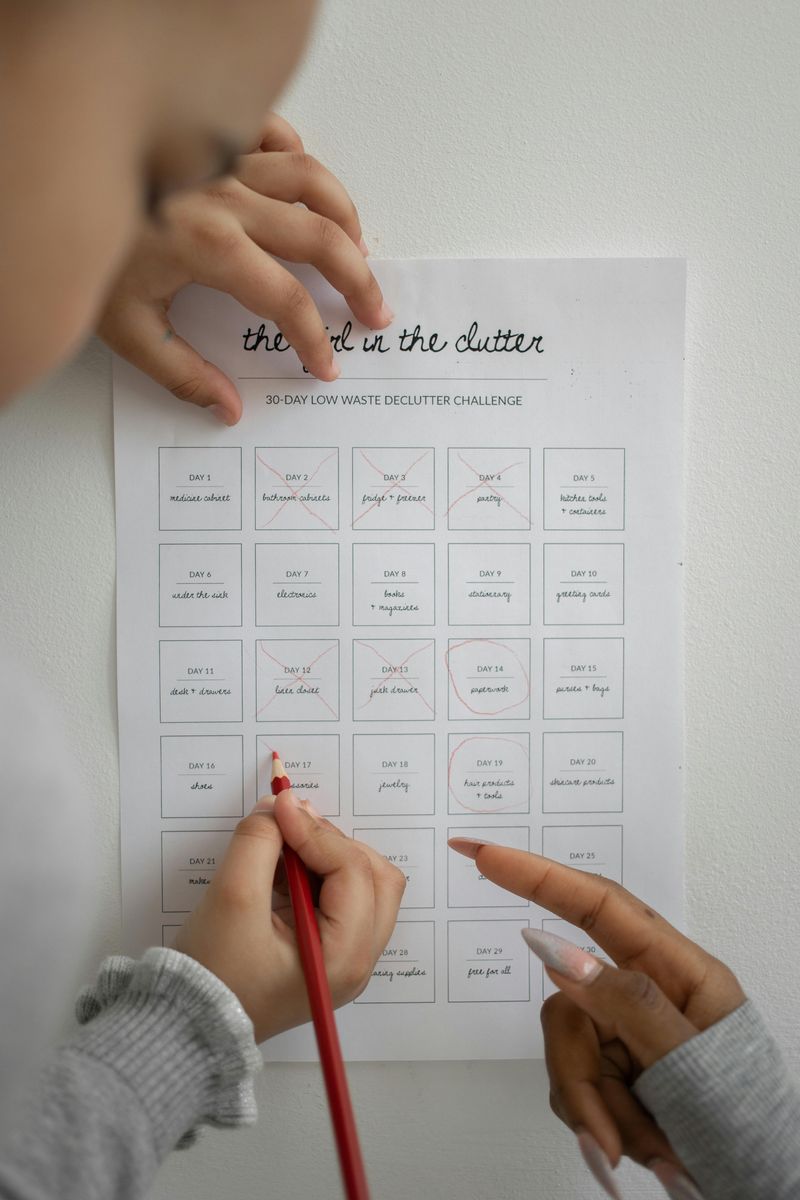
Structure becomes a security blanket when purpose disappears, offering predictability but little fulfillment.
Every day follows the exact same pattern because deviation feels threatening.
Routines provide safety but prevent growth and discovery.
While healthy routines support wellbeing, rigid adherence signals fear rather than intention.
Life becomes mechanical, with no room for spontaneity or adaptation.
The comfort zone shrinks until it feels more like a prison.
Introduce one small variation to your routine weekly, like taking a different route or trying a new breakfast.
Flexibility builds resilience and opens space for unexpected discoveries.
Balance structure with spontaneity to create routines that serve you rather than confine you in meaningless repetition.
12. Feeling Emotionally Flat or Disengaged

Joy, sadness, excitement, and even anger become muted when purpose fades away.
Emotional numbness settles in, making everything feel gray and distant.
You go through experiences without really feeling them, like watching your own life through foggy glass.
This flatness protects against pain but also blocks positive emotions.
Celebrations feel hollow, and losses don’t hurt as much as they should.
Disconnection from feelings means disconnection from what makes life rich and meaningful.
Practice naming one emotion you feel each day, even if it’s subtle.
Engage your senses intentionally by noticing textures, tastes, or sounds around you.
Reconnecting with feelings takes time, but small acts of emotional awareness gradually thaw the numbness and help you feel alive again.