 MomSkoop

Neighbors can be friendly, helpful, and fun to chat with, but not every conversation needs to include your most personal details. Sharing too much with the wrong person can lead to awkward situations, safety risks, or even bigger problems down the road.
Building a good relationship with your neighbors does not mean opening up your entire life to them. Knowing what to keep private helps protect you, your family, and your home.
1. Your Exact Income and Financial Situation

Money talk might feel natural in casual conversation, but sharing exactly how much you earn can quietly create problems you never saw coming.
When neighbors know your income, it can shift the way they see you.
Some may start expecting more from you, while others might feel jealous or resentful.
Your financial situation is personal, and it affects decisions about your home, your family, and your future.
Sharing salary details or debt struggles can also make you a target for scams or unwanted financial advice.
Keep money conversations general.
There is no need to mention specific numbers, job salaries, savings accounts, or financial setbacks.
A simple “we are doing okay” is more than enough for a neighborly chat.
2. Details About Your Home Security System
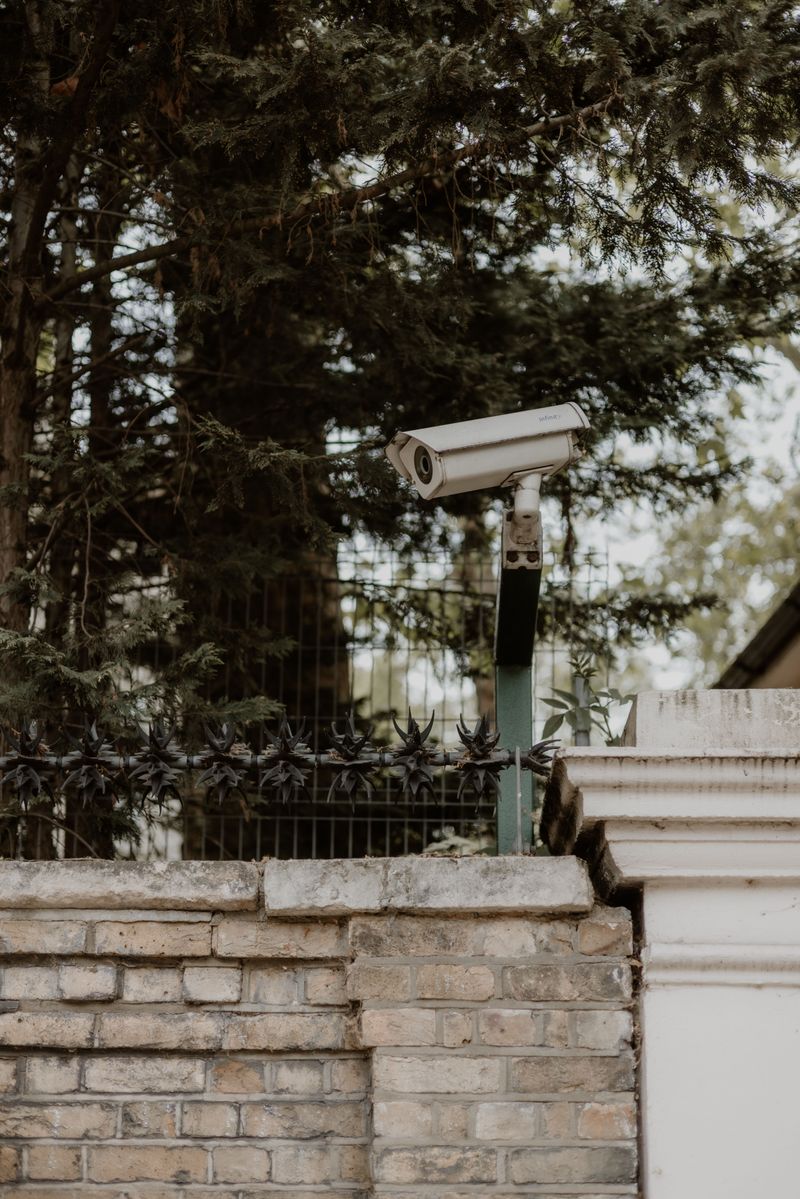
Your home security system is one of the best tools you have for keeping your family safe, but talking about it openly can actually make your home less secure.
Knowing which company monitors your home, where the cameras are placed, or what time your system arms itself gives others a roadmap they should not have.
Even a neighbor you trust completely might share that information without thinking.
Word travels fast in neighborhoods, and the wrong person could overhear more than you intended.
Avoid mentioning security codes, camera blind spots, or system schedules in casual conversation.
A general “yes, we have a security system” is perfectly fine, but the details are best kept between you and your household.
3. When Your Home Will Be Empty
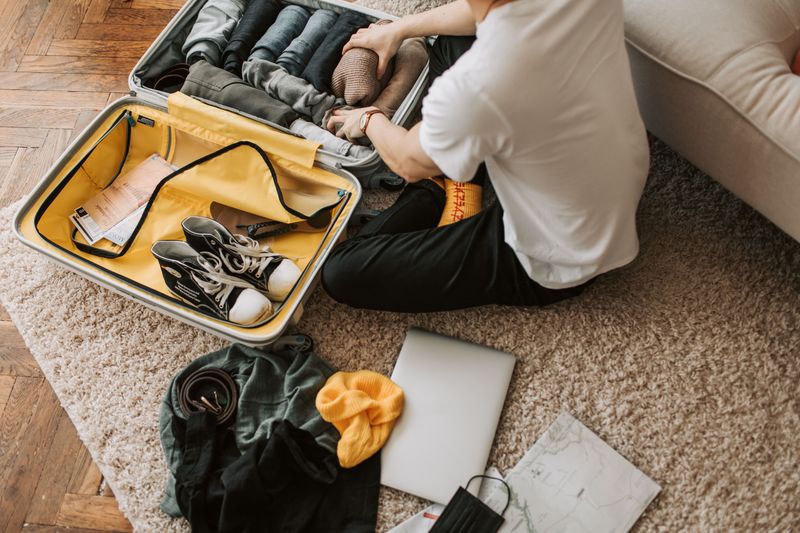
Telling a neighbor about your upcoming vacation or work schedule sounds harmless enough, but letting people know exactly when your home will be empty is a real safety risk.
Burglars often look for opportunities, and an empty house with a known schedule is a tempting target.
Even a well-meaning neighbor might casually mention your plans to someone else who is not so trustworthy.
You really cannot control how far that information travels once it leaves your mouth.
If you need someone to collect mail or water plants while you are away, share only what is necessary and only with someone you fully trust.
Keep your travel dates and daily schedule off the neighborhood grapevine for your own peace of mind.
4. Family Arguments and Relationship Problems

Every family goes through rough patches.
Arguments happen, relationships get strained, and sometimes things feel really hard at home.
That is completely normal, but sharing those struggles with neighbors can make an already difficult situation worse.
Once personal conflicts become neighborhood gossip, it is nearly impossible to take them back.
People may take sides, share opinions you did not ask for, or bring up past arguments at the worst possible times.
Protecting your family’s privacy during tough moments is a form of respect for everyone involved.
If you need support, reach out to a trusted friend, family member, or counselor instead.
Neighbors do not need a front-row seat to your personal life, no matter how friendly they are.
5. Your Medical or Health Information

Health is deeply personal, and sharing medical details with neighbors can lead to unwanted questions, unsolicited advice, or even judgment.
Whether you are dealing with a chronic illness, a mental health condition, or a recent diagnosis, that information belongs to you and the people you choose to tell.
Neighbors who learn about health struggles may treat you differently, sometimes with too much pity or, in unfortunate cases, with discrimination.
Some may also share your information with others in the neighborhood without realizing the harm it causes.
You are never obligated to explain a doctor’s visit, a hospital stay, or a medication you are taking.
A polite “I have been dealing with some health stuff” is enough.
Your medical story is yours to share on your own terms.
6. Negative Opinions About Other Neighbors

Venting about a neighbor to another neighbor might feel satisfying in the moment, but it almost always backfires.
Neighborhoods are small social circles, and people talk.
What you say about one person has a way of getting back to them faster than you would ever expect.
Sharing negative opinions can also put the person you are confiding in a difficult position.
They may feel caught between two people they both know, which creates unnecessary tension for everyone on the block.
If you have a real issue with a neighbor, address it directly and calmly, or find a private outlet to process your feelings.
Keeping your opinions to yourself protects relationships and helps maintain the kind of peaceful neighborhood everyone wants to live in.
7. Expensive Purchases and Valuables in Your Home

Getting a new TV, a piece of jewelry, or a high-end appliance is exciting, and it is tempting to share that excitement with the people around you.
However, advertising expensive purchases can make your home a more attractive target for theft.
You might not think twice about mentioning a new laptop or a collection of valuable items, but that kind of information sticks.
Even if your neighbors are trustworthy, others who overhear or are told second-hand may not be.
Try to dispose of large boxes discreetly, and avoid casually listing what valuables you keep at home.
Excitement about a new purchase is totally understandable, but keeping the details low-key is a simple and smart way to protect what you own.
8. Passwords, PINs, and Other Security Information
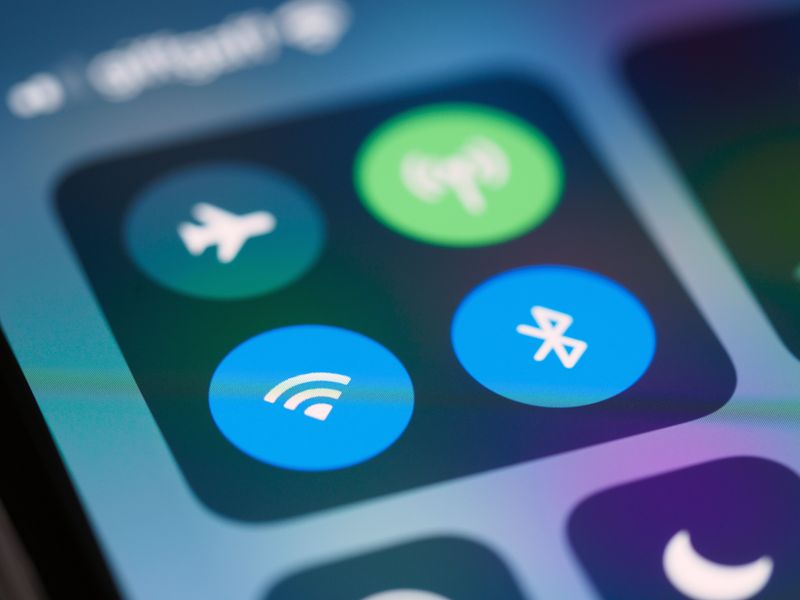
Sharing passwords or PINs with anyone outside your household is risky, even when it feels like a small favor.
Maybe a neighbor asks for your Wi-Fi password or hears you mention a gate code.
That information, once shared, is out of your control completely.
Passwords and PINs protect your finances, your devices, and your home.
Even the most trustworthy neighbor could accidentally share that information, write it down somewhere unsafe, or have their own security compromised in ways that affect you.
Keep all security credentials strictly private.
If you need to give temporary access to your home, use a one-time code or a smart lock feature instead.
Protecting your digital and physical security starts with treating every password like a secret worth keeping.
9. Sensitive Details About Your Children

Parents naturally love talking about their kids, but some details about your children are better kept private.
Sharing your child’s school name, daily schedule, after-school activities, or personal struggles can expose them to risks you might not immediately consider.
Not everyone who seems friendly has good intentions, and even well-meaning neighbors can share information carelessly.
Knowing a child’s routine gives strangers or unsafe individuals more access than they should ever have.
Celebrate your kids’ milestones and share the fun moments, but think carefully before mentioning specific routines, locations, or personal challenges your child is facing.
Protecting your children’s privacy is one of the most important things you can do as a parent, starting right in your own neighborhood.
10. Workplace Conflicts and Confidential Work Information

Work stress is real, and it is natural to want to vent when things get rough at the office.
However, sharing details about workplace conflicts or confidential company information with neighbors is a habit that can cause serious trouble.
Depending on your job, discussing internal disputes, personnel issues, or business strategies could violate confidentiality agreements.
Even if there is no legal risk, word can spread in unexpected ways and reach your coworkers or employer.
Beyond the professional risks, oversharing work drama can paint you in a negative light or create awkward dynamics if your neighbor happens to know someone connected to your workplace.
Keep work complaints for a trusted friend or a private journal, and protect your professional reputation with the same care you give your personal life.
11. Legal Disputes and Ongoing Personal Matters

Going through a legal dispute, whether it involves a divorce, a lawsuit, or a property issue, is already stressful enough without adding neighborhood opinions to the mix.
Sharing details about ongoing legal matters can complicate your case and invite advice from people who simply are not qualified to give it.
Neighbors may mean well, but legal situations are complex, and casual conversations can sometimes be used in ways you would never expect.
Anything said in public, even on your own front lawn, is not necessarily private.
Keep legal matters between yourself, your attorney, and the people directly involved.
Sharing too much can muddy the waters and create unnecessary drama.
Quiet discretion during legal challenges is not just smart, it is often essential to protecting your outcome.
12. Your Future Plans Before They’re Finalized

Talking about future plans before they are set in stone is a setup for disappointment and unwanted commentary.
Whether you are thinking about moving, starting a business, or making a big life change, sharing too early invites opinions that can shake your confidence or pressure your decisions.
Neighbors might get excited, spread the news before you are ready, or even react negatively in ways that affect your relationship with them.
Plans have a way of changing, and explaining a reversal to the whole neighborhood is nobody’s idea of fun.
Wait until decisions are final before sharing major news with neighbors.
Keep the excitement close to home until the ink is dry and the plans are solid.
Your future deserves to unfold on your schedule, not the neighborhood’s.