 MomSkoop

Some women reach their 60s with a deep sense of connection that does not happen by accident. They follow quiet habits that keep relationships strong, daily life meaningful, and loneliness from taking over.
The good news is that these patterns are simple, realistic, and available to anyone willing to practice them. If you want your later years to feel fuller, warmer, and more connected, these habits are worth borrowing.
1. They nurture old friendships consistently

Women who stay connected do not wait for special occasions.
They send short messages, share updates, and remember small details.
That steady contact keeps friendships warm instead of fading quietly.
In your sixties, consistency often matters more than elaborate social plans.
A five minute call can brighten a whole lonely afternoon.
Close friendships create comfort, laughter, and the feeling of being known.
When life changes, those familiar bonds provide emotional steadiness and ease.
You do not need dozens of friends to feel connected.
You need a few people who still know your story.
That kind of care can make solitude feel peaceful, never empty.
2. They stay open to making new connections
Women who feel connected rarely assume friendship opportunities are behind them.
They stay curious about people they meet in ordinary places.
A neighbor, classmate, or walking partner can become truly important.
This openness keeps life expanding instead of growing smaller every year.
In your sixties, new friendships can feel surprisingly refreshing and easy.
They bring fresh stories, different perspectives, and renewed social energy.
You do not need instant closeness to begin building something meaningful.
You only need warmth, interest, and a willingness to return.
Small repeated interactions often grow into dependable companionship over time.
That mindset helps loneliness lose its power before it settles in.
3. They keep a simple social routine

Connection becomes easier when it is built into regular life.
Women who feel less lonely often keep simple social rituals.
They schedule coffee dates, walks, classes, or weekly family calls.
These routines remove the pressure of constantly making fresh plans.
They also create something to anticipate during quieter stretches.
In your sixties, predictability can be comforting rather than boring.
A recurring lunch or Thursday chat keeps relationships active naturally.
You spend less time wondering who to contact and when.
That structure supports connection even when energy or mood feels low.
Over time, regular contact turns companionship into a dependable part of life.
4. They say yes more often

Women who rarely feel lonely often accept invitations before overthinking.
They understand connection usually begins with showing up, not certainty.
Not every gathering will be memorable, but many are worthwhile.
Saying yes creates momentum that keeps life socially alive and interesting.
In your sixties, it is easy to choose comfort every time.
But too much comfort can quietly turn into isolation.
You do not need perfect energy, confidence, or the perfect outfit.
You just need willingness to step outside your usual routine.
Even a short visit can lift your mood more than expected.
That habit keeps your world open, active, and full of possibility.
5. They invest in meaningful hobbies

Meaningful hobbies give life texture, purpose, and natural conversation starters.
Women who feel connected often stay engaged with interests they love.
They join classes, groups, or informal circles around shared passions.
That creates community without forcing awkward small talk all the time.
In your sixties, hobbies can become a social bridge and anchor.
They keep your mind active and your identity expanding.
Whether it is gardening, singing, painting, or dancing, interest attracts people.
You feel less defined by age and more defined by vitality.
Shared enthusiasm makes connection easier because everyone already has common ground.
That sense of purpose leaves much less room for lingering loneliness.
6. They keep their bodies moving

Movement helps more than physical health, it supports emotional connection too.
Women who stay active often feel more hopeful, social, and energized.
A walk, class, or swim can shift the mood quickly.
It also creates regular chances to see familiar friendly faces.
In your sixties, physical activity can become a powerful social habit.
You notice more confidence when your body feels capable and strong.
That confidence makes reaching out easier and staying home less tempting.
Even solo movement improves mood, which affects how you relate.
Better energy often leads to better conversations and more openness.
When your body feels alive, your world usually feels more welcoming.
7. They reach out first without embarrassment

Women who stay connected do not always wait to be invited.
They understand that everyone gets busy, distracted, or a little hesitant.
Reaching out first is not needy, it is generous and brave.
That small initiative often starts the conversation everyone wanted anyway.
In your sixties, pride can quietly block important moments of connection.
Letting go of that pride keeps relationships more alive and responsive.
You can send the first text, suggest lunch, or make plans.
Most people appreciate being remembered more than you might expect.
This habit turns passive loneliness into active relationship building.
Often, one simple message is enough to change the day completely.
8. They volunteer and feel needed

Feeling needed can protect people from the emptiness of isolation.
Women who rarely feel lonely often give their time somewhere meaningful.
Volunteering creates structure, social contact, and a strong sense of purpose.
It reminds you that your presence still matters in real ways.
In your sixties, usefulness can feel just as nourishing as companionship.
Helping others often leads to warm, repeated, natural interactions.
You meet kind people while focusing on something larger than yourself.
That shared mission makes connection feel genuine instead of forced.
Service also shifts attention away from personal worries and emptiness.
When you feel valuable, loneliness has far less room to grow.
9. They protect healthy emotional boundaries
Connection feels better when it is not mixed with chronic exhaustion.
Women who avoid loneliness also learn which relationships drain them.
They choose closeness without overgiving, rescuing, or accepting constant negativity.
Healthy boundaries make room for relationships that feel reciprocal and safe.
In your sixties, emotional energy becomes something worth protecting carefully.
That protection is not selfish, it is deeply wise.
You can love people while limiting what harms your peace.
When your social life feels respectful, you are more likely to engage.
Good boundaries make companionship feel sustaining rather than overwhelming.
That balance helps connection remain a source of comfort, not stress.
10. They use technology to stay close
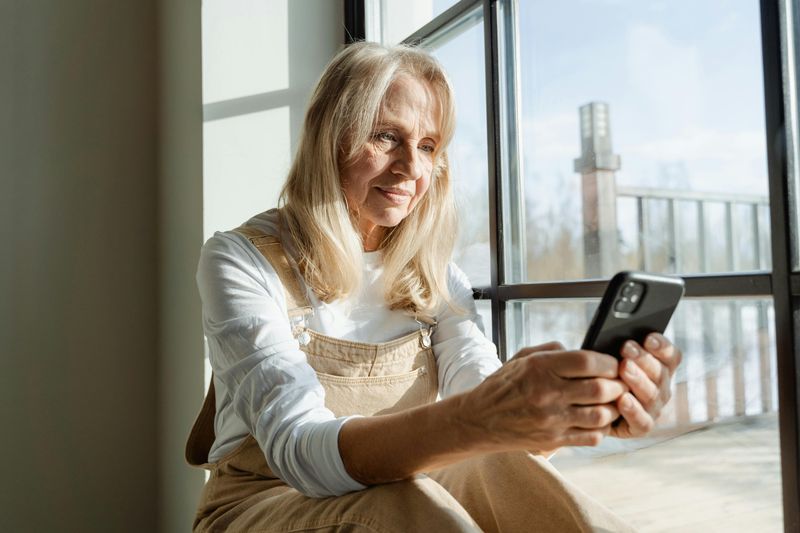
Women who stay connected often use technology with clear intention.
They send photos, join video calls, and follow loved ones easily.
Distance feels smaller when communication stays frequent and personal.
Technology cannot replace presence, but it can protect important bonds.
In your sixties, learning these tools can expand your social world.
It becomes easier to stay involved with family and friends.
You can share everyday moments instead of waiting for major events.
That ongoing contact keeps affection active across cities and schedules.
Used wisely, screens become bridges instead of barriers to closeness.
This habit helps loneliness loosen its grip, especially during quieter seasons.
11. They practice gratitude for the people they have

Gratitude changes how connection feels, even before life changes outwardly.
Women who feel less lonely notice the good people already present.
They appreciate a caring daughter, loyal friend, kind neighbor, or mentor.
That mindset creates abundance where others only see what is missing.
In your sixties, gratitude can soften disappointment and sharpen appreciation.
It helps you invest more deeply in the relationships you have.
You become quicker to express love, thanks, and genuine affection.
Those expressions often strengthen bonds in immediate, visible ways.
Feeling grateful does not erase loneliness, but it reduces its weight.
And often, appreciation becomes the doorway to deeper everyday connection.