 MomSkoop

For decades, countless women have quietly carried the weight of entire families on their shoulders — managing schedules, soothing hurts, solving problems, and keeping everyone afloat.
By the time they reach their 60s, many arrive not with a sense of triumph, but with a bone-deep tiredness that goes far beyond needing a good night’s sleep.
This exhaustion is real, layered, and deeply personal.
Understanding what these women carry is the first step toward honoring their journey and helping them finally rest.
1. Decision Fatigue From a Lifetime of Being the Default Problem-Solver

Every single day, someone needed an answer.
What’s for dinner?
How do we pay this bill?
What should we do about the neighbor, the job, the argument?
For years, she was the one everyone turned to, and she rarely said she didn’t know.
Decision fatigue is what happens when the brain has made too many choices over too many years.
It shows up as mental fog, irritability, and a deep reluctance to choose anything at all.
By her 60s, even small decisions can feel overwhelming.
She has earned the right to say, “Someone else decide for once.”
2. Emotional Exhaustion From Decades of Absorbing Everyone Else’s Feelings

She cried with her children when they hurt, worried alongside her partner through every crisis, and somehow found comfort to give even when she had none left for herself.
Absorbing other people’s emotions year after year takes a quiet but devastating toll.
Psychologists call this emotional contagion — when someone feels the pain of others so deeply that it becomes their own.
Over time, the nervous system stays on high alert, always braced for the next wave.
Reaching her 60s, she may feel emotionally hollow — not cold, but simply emptied out by a lifetime of loving hard.
3. Compassion Fatigue From Years of Caring for Children, Partners, and Aging Parents

Compassion fatigue sounds like something that only happens to nurses or social workers, but it quietly settles into the bones of family caregivers too.
When you spend years tending to a child’s needs, a partner’s health, and then your own aging parents, the well of care can run dangerously dry.
It doesn’t mean she stopped loving them.
It means her capacity to respond with fresh energy has been stretched past its limit, again and again.
Many women in their 60s describe feeling numb when they once felt deeply.
Recognizing compassion fatigue is the beginning of healing it.
4. Mental-Load Exhaustion From Being the Family’s Planner, Memory, and Organizer

She remembered every birthday, every doctor’s appointment, every permission slip, every family member’s food allergy, and every anniversary.
Nobody asked her to keep all of this in her head — it just became hers by default, year after year.
The mental load is invisible work.
Nobody sees it happening, but when it doesn’t get done, everyone notices.
Carrying this load for decades without real support creates a specific kind of exhaustion that rest alone cannot fix.
By her 60s, her brain may feel permanently cluttered.
Sharing the mental load going forward isn’t a luxury — it’s a necessity for her health.
5. Invisible Labor Exhaustion From Work That Was Expected but Rarely Acknowledged

Nobody threw a party for the hundredth school lunch packed, the thousandth load of laundry folded, or the countless times she quietly fixed a problem before anyone noticed it existed.
Invisible labor is the work that keeps families running smoothly — and it is almost never celebrated.
Studies show that women still perform a disproportionate share of unpaid household labor, even when they also work full-time jobs outside the home.
That gap accumulates into years of unacknowledged effort.
Feeling unseen for so long leaves a mark.
Many women in their 60s carry a quiet grief for the recognition they never received.
6. Identity Exhaustion From Constantly Putting Personal Dreams on Hold

There was a version of her that wanted to paint, travel, write, build a business, or simply figure out who she was outside of being someone’s mother, wife, or daughter.
That version kept getting postponed — just one more year, just until the kids are older, just until things settle down.
Identity exhaustion happens when a person spends so long living for others that they lose the thread of their own self.
By her 60s, she may not even know what she wants anymore.
Rediscovering personal identity after decades of self-erasure takes real courage — and real time.
She deserves both.
7. Relationship Fatigue From Years of Smoothing Conflicts and Keeping Peace

She was the one who made the phone calls after arguments, softened the harsh words, translated misunderstandings between family members, and kept the peace when everyone else wanted to fight.
Peacemaking is an art — but doing it for decades without anyone returning the favor is exhausting.
Relationship fatigue looks like dreading family gatherings, feeling resentful of people you love, or simply not having the energy to mediate one more conflict.
It doesn’t mean the love is gone.
Many women reach their 60s realizing they have poured enormous energy into relationships that rarely poured back.
That awareness, though painful, can be freeing.
8. Loneliness Exhaustion From Always Being Needed but Rarely Being Truly Seen

Paradoxically, the most needed person in the room is often the loneliest.
She was surrounded by people who depended on her, called her name, and asked for her help — but very few ever asked how she was really doing and stayed long enough to hear the honest answer.
Being needed is not the same as being known.
Loneliness exhaustion is the ache that builds when your inner world goes unseen for years, when you are a resource rather than a person to those around you.
By her 60s, many women quietly mourn the deep, reciprocal connection they gave so freely but rarely received in return.
9. Physical Exhaustion Carried in the Body After Decades of Stress and Caregiving
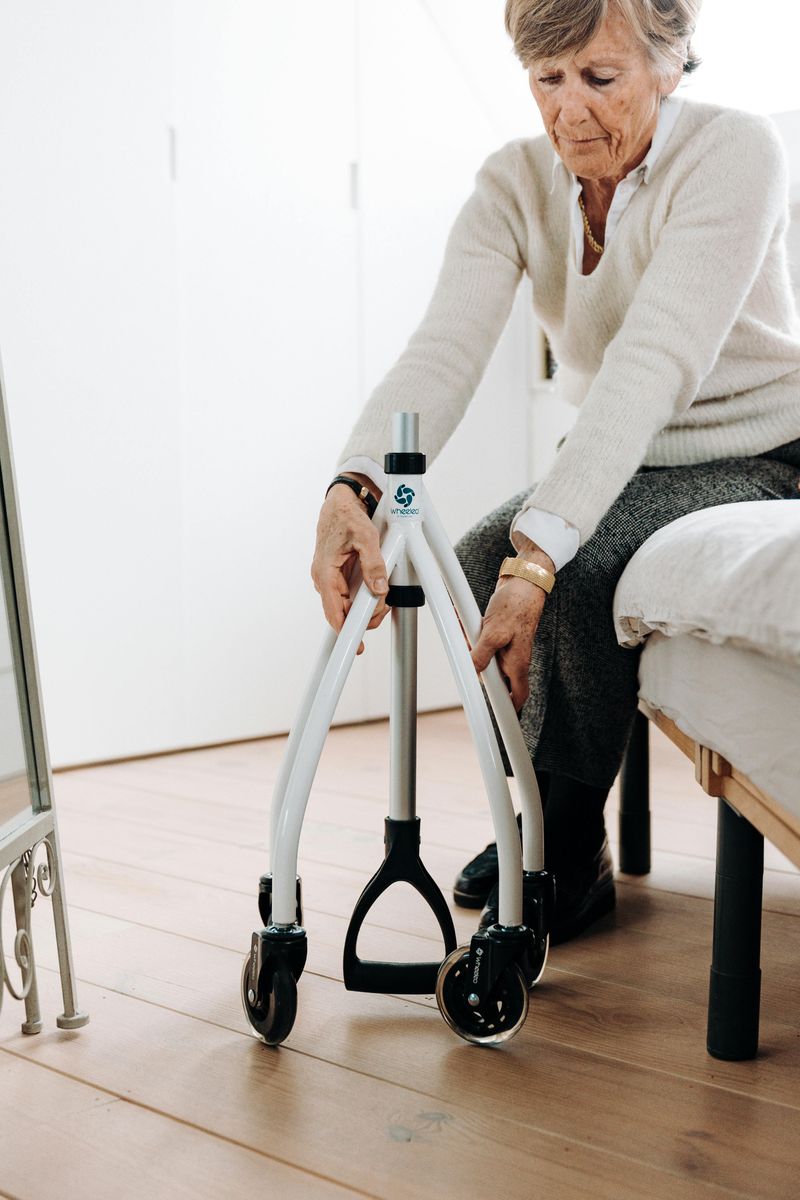
Chronic stress doesn’t just live in the mind — it takes up permanent residence in the body.
Decades of elevated cortisol, disrupted sleep, skipped meals, and physical caregiving leave real marks: aching joints, persistent fatigue, weakened immunity, and a body that feels older than it should.
Many women in their 60s are surprised to discover that the tiredness they feel isn’t just emotional.
It’s cellular.
Their bodies have been running on emergency fuel for years.
Gentle movement, proper nutrition, and actual rest — not just sleep, but true restoration — are not indulgences for these women.
They are urgent medicine.
10. Purpose Exhaustion From Reaching a Stage Where Roles Change but Meaning Hasn’t Yet Been Rebuilt
For thirty or forty years, her purpose was clear: keep the family together, keep everyone fed, keep moving forward.
Then one day the children leave, the caregiving role shifts, and the calendar suddenly has open space — and it feels terrifying rather than freeing.
Purpose exhaustion is the disorientation of arriving at a new chapter with no script.
She gave her best years to a role that has now changed, and nobody handed her a map for what comes next.
Rebuilding meaning takes time and permission — permission she rarely gives herself.
But this chapter can be the richest one yet, if she lets it.