 MomSkoop

You’ve been together for years, building a life side by side, sharing dreams and daily routines. Yet somehow, the proposal you’ve been hoping for hasn’t happened.
Before jumping to conclusions or letting anxiety take over, it helps to understand the real reasons behind the delay. Many factors can stall a proposal, and most have nothing to do with how much he loves you.
1. He’s Comfortable With the Status Quo

When everything feels good enough, change can seem unnecessary.
Your relationship provides companionship, emotional support, and probably shared responsibilities that work well.
From his perspective, if things aren’t broken, why fix them?
Many men don’t attach the same emotional significance to marriage that their partners do.
The daily reality of your partnership already feels like commitment to him.
He wakes up next to you, shares bills, maybe even has keys to your place.
This comfort isn’t rejection—it’s satisfaction.
He genuinely doesn’t realize you need more formal recognition.
Without understanding your timeline or feelings, he assumes you’re equally content.
Communication becomes essential here, because he can’t read your mind about what marriage means to you emotionally.
2. Fear of Making the Wrong Choice
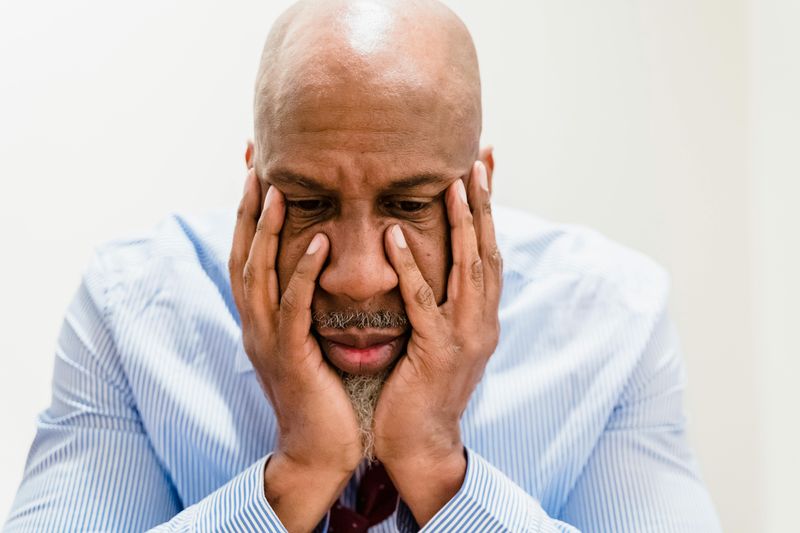
Love doesn’t always erase doubt.
He might adore you, enjoy your time together, and still wonder if you’re truly compatible for the next fifty years.
This internal conflict creates paralysis rather than action.
Sometimes past relationships haunt current ones.
If he’s been wrong before about someone he thought was “the one,” that memory creates caution.
He questions his own judgment more than he questions you.
Doubts about lifestyle preferences, parenting styles, or long-term goals can linger beneath surface happiness.
These aren’t dealbreakers necessarily, just unresolved questions.
He keeps waiting for absolute certainty that may never arrive naturally.
Understanding that commitment requires choosing despite some uncertainty could help, but he hasn’t reached that realization yet.
His hesitation reflects fear, not lack of affection.
3. Avoidance of Commitment, Not Love

Commitment anxiety is real and surprisingly common.
Someone can genuinely love their partner while simultaneously panicking at the thought of forever.
These feelings coexist uncomfortably, creating confusion for everyone involved.
This anxiety often stems from deeper fears about losing freedom or identity.
Marriage symbolizes permanence, and permanence triggers existential worries he can’t quite articulate.
It’s not about you specifically—it’s about what marriage represents.
People with commitment anxiety often excel at maintaining relationships right up until formalization becomes necessary.
Everything feels fine until the possibility of engagement surfaces.
Then avoidance behaviors emerge.
He might change the subject when marriage comes up or deflect with humor.
Recognizing this pattern as anxiety rather than disinterest helps clarify what’s actually happening.
4. Unresolved Personal Goals

Career ambitions, educational pursuits, or financial targets can feel incomplete.
Many men attach marriage to achievement, believing they should reach certain milestones first.
Until those boxes are checked, proposing feels premature regardless of relationship readiness.
This mindset often reflects traditional ideas about being a provider.
He wants to offer stability, security, or a certain lifestyle before making things official.
The goalposts might keep moving as new ambitions emerge.
Self-identity work also plays a role.
Maybe he’s still figuring out who he is outside of relationships.
Personal development goals—fitness, hobbies, friendships—might feel unfinished.
He worries that marriage before self-discovery means losing himself.
These goals aren’t excuses necessarily, but they do create mental barriers to moving forward with engagement plans.
5. Different Timelines That Were Never Reconciled

Assumptions about timing cause significant problems.
He thinks you both have plenty of time, while you’re wondering why nothing’s happened yet.
These unspoken expectations create frustration without either person realizing the disconnect.
Early conversations about future plans often remain vague. “Someday” means different things to different people.
For him, someday might mean five years from now.
For you, it might have meant two years ago.
Age, biological clocks, and life stages influence timelines differently.
What feels urgent to you might seem distant to him.
Without explicit conversations about when marriage should happen, you’re both operating on different schedules.
He genuinely doesn’t understand you’re waiting, and you don’t realize he’s on a completely different calendar.
Clear communication about specific timelines becomes crucial.
6. He Doesn’t See Marriage as Necessary

Cultural shifts have changed marriage’s perceived importance.
Some people view it as an outdated institution or unnecessary paperwork.
He values your partnership deeply but doesn’t connect that feeling to needing legal recognition.
His parents might have had a terrible marriage, or he grew up seeing committed unmarried couples thrive.
These experiences shape beliefs about what commitment requires.
Marriage feels optional rather than essential to demonstrating love.
Philosophical or practical objections also matter.
He might question why government involvement strengthens a relationship.
Tax benefits and legal protections don’t motivate him emotionally.
This perspective isn’t about avoiding commitment—it’s about genuinely not understanding why marriage matters.
If this is his stance, you’ll need deeper conversations about what marriage means to each of you personally.
7. Financial Insecurity or Pressure

Money worries create powerful psychological barriers.
Student loans, credit card debt, or unstable income make him feel unprepared for marriage.
He associates proposing with being able to afford a wedding, a ring, or future family expenses.
Traditional provider expectations weigh heavily even in modern relationships.
He wants to contribute equally or more before formalizing commitment.
This pressure might be self-imposed or culturally influenced, but it feels very real to him.
Economic uncertainty amplifies these concerns.
Job insecurity, industry changes, or economic downturns make long-term planning feel risky.
He’s waiting for financial stability that keeps seeming just out of reach.
Understanding that you might not share these same financial prerequisites for marriage could open important conversations about shared values and priorities.
8. Fear of Divorce or Repeating Family Patterns

Childhood experiences shape adult relationship fears profoundly.
If his parents divorced messily, marriage might represent potential pain rather than celebration.
He watched love turn to resentment and wants to avoid repeating that pattern.
Failed relationships in his own past also create hesitation.
Previous engagements or serious relationships that ended badly leave scars.
He worries that history will repeat itself despite different circumstances now.
Statistics about divorce rates feed these fears.
He’s heard that half of marriages fail and doesn’t want to become another statistic.
This trauma-based hesitation needs compassion and possibly professional support.
His fear isn’t about you specifically—it’s about marriage itself triggering painful memories.
Addressing these deeper wounds might require couples therapy or individual counseling before he can move forward.
9. He’s Unsure About Long-Term Compatibility

Surface compatibility doesn’t always translate to long-term confidence.
You might get along wonderfully day-to-day while he harbors concerns about fundamental differences.
Values around money, children, religion, or lifestyle can create quiet doubts.
These concerns often remain unspoken because bringing them up feels confrontational.
He doesn’t want to hurt you or create conflict, so he keeps his worries private.
Meanwhile, uncertainty grows silently.
Sometimes incompatibilities seem manageable now but potentially problematic later.
Different social needs, communication styles, or conflict resolution approaches work okay currently but worry him for the future.
He’s trying to decide if these differences are dealbreakers or simply things to navigate.
Without honest conversations about these concerns, he stays stuck in analysis paralysis, unable to commit or clearly communicate what’s holding him back.
10. Lack of External Accountability

Social and cultural pressure to marry has decreased significantly.
Without family asking when he’ll propose or friends getting engaged around him, there’s no external push toward marriage.
He exists in a pressure-free bubble.
Previous generations faced expectations from parents, religious communities, or social norms.
Those external forces created timelines and accountability.
Modern relationships often lack these influences entirely.
When everyone around him is also unmarried or taking their time, his timeline feels perfectly normal.
He doesn’t experience the gentle nudging that might otherwise prompt action.
This absence of accountability means the decision rests entirely on internal motivation.
If he’s already comfortable and lacks external pressure, inertia wins.
Creating some form of accountability—through conversations about timelines or involving trusted friends—might help generate the momentum that’s currently missing.
11. Conflict Avoidance
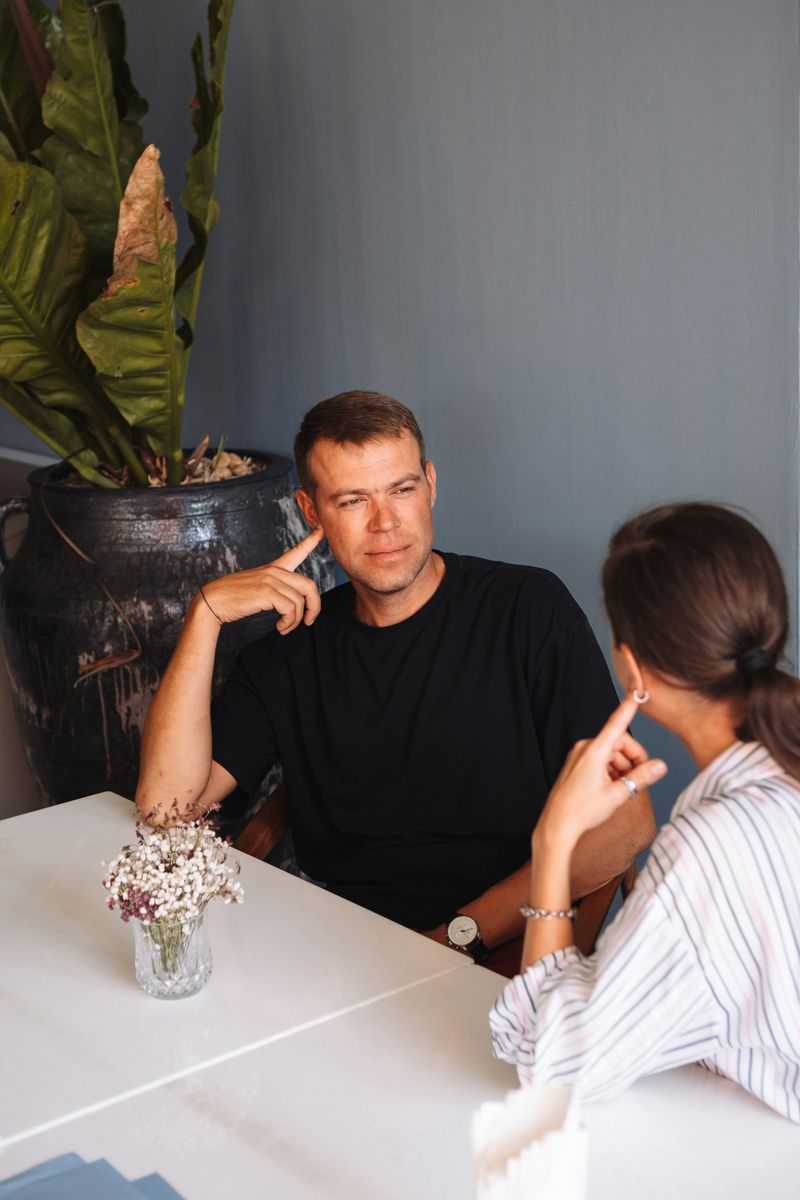
Proposing opens doors to bigger conversations he’s been sidestepping.
Engagement means discussing wedding plans, family dynamics, living situations, and future logistics.
If he’s been avoiding difficult topics, a proposal feels like opening Pandora’s box.
Maybe you’ve had unresolved disagreements about where to live or whether to have children.
These topics create tension, so he’s learned to avoid them.
Marriage forces resolution he’s not ready to face.
Conflict-avoidant people often maintain surface harmony while deeper issues simmer underneath.
He’d rather keep things pleasant than tackle uncomfortable subjects.
Unfortunately, this strategy prevents progress.
The proposal becomes symbolic of all the hard conversations he’s been dodging.
Addressing conflict avoidance patterns directly—possibly with professional help—becomes necessary before engagement can happen.
Otherwise, he’ll keep postponing indefinitely.
12. He Believes Love Should Feel Effortless

Romanticized ideas about relationships create unrealistic expectations.
If he believes true love should be easy and effortless, any relationship work signals something’s wrong.
This fairytale thinking prevents commitment despite genuine love.
Movies and media perpetuate myths about perfect partnerships.
He’s waiting for a feeling that matches Hollywood’s version of certainty—fireworks, zero doubts, constant bliss.
Real relationships require effort, compromise, and choosing commitment daily.
When challenges arise, he interprets them as red flags rather than normal relationship dynamics.
Disagreements or difficult phases make him question compatibility instead of seeing them as opportunities for growth.
This mindset keeps him perpetually searching for an impossible standard.
Understanding that commitment is an active choice, not a passive feeling, could shift his perspective.
But reaching that maturity requires either life experience or intentional learning.