 MomSkoop

Television has given us some of the most unforgettable stories, characters, and moments in entertainment history.
From gripping dramas to groundbreaking comedies, certain shows have transcended their medium to become cultural landmarks.
This list celebrates twenty series that didn’t just entertain—they changed the way we think about what TV can accomplish.
1. The Sopranos

When Tony Soprano first walked into Dr. Melfi’s office, television drama changed forever.
This HBO masterpiece followed a New Jersey mob boss struggling with panic attacks while managing his criminal empire and dysfunctional family.
Creator David Chase crafted a show that felt more like an art film than typical TV fare.
The series explored themes of mental health, American identity, and morality with unprecedented depth.
James Gandolfini’s performance remains one of the greatest in television history, bringing vulnerability and menace to a complex antihero.
Every episode balanced brutal violence with dark humor and genuine emotional moments.
The show’s influence on modern television cannot be overstated, paving the way for prestige dramas that followed.
2. The Wire

Baltimore’s streets became America’s classroom through David Simon’s sprawling urban epic.
Rather than focusing solely on cops versus criminals, this series examined how institutions—police departments, schools, newspapers, and city hall—fail the people they’re meant to serve.
Each season introduced new layers to the city’s ecosystem.
The show featured an ensemble cast so rich that main characters could disappear for episodes without viewers feeling cheated.
Its commitment to authenticity included hiring former Baltimore residents and even real-life figures like former mayor Kurt Schmoke.
The dialogue crackled with street poetry and bureaucratic double-speak.
Critics initially overlooked it, but The Wire eventually earned recognition as perhaps the most novelistic series ever produced for television.
3. Breaking Bad

A high school chemistry teacher diagnosed with cancer decides to cook methamphetamine—and television got its most intense character transformation ever.
Walter White’s descent from mild-mannered educator to ruthless drug kingpin unfolded with relentless precision.
Vince Gilligan created a modern tragedy disguised as a crime thriller.
The New Mexico desert became a character itself, with cinematographer Michael Slovis capturing stunning visuals that elevated every scene.
Bryan Cranston and Aaron Paul’s chemistry (no pun intended) anchored the show’s emotional core.
Each season raised the stakes impossibly higher.
The series proved that network-style storytelling could thrive on cable with patience, detail, and unwavering commitment to consequences.
Its finale satisfied in ways few shows manage.
4. Mad Men

Madison Avenue in the 1960s came alive through Matthew Weiner’s meticulous period drama about advertising executives navigating cultural upheaval.
Don Draper, the mysterious creative director with a hidden past, embodied the American Dream’s hollow promise.
The show dissected masculinity, femininity, and identity with surgical precision.
Every detail mattered, from the perfectly recreated office furniture to the historically accurate cocktails.
The costume design alone won multiple Emmy Awards.
Beyond the gorgeous surface, Mad Men explored how people construct and reconstruct themselves.
The series moved through the decade slowly, allowing characters to evolve naturally while historical events like the Kennedy assassination and moon landing provided context.
It remains a masterclass in visual storytelling and character development.
5. The Leftovers

What happens to those left behind after two percent of the world’s population vanishes without explanation?
Damon Lindelof’s adaptation of Tom Perrotta’s novel became something far stranger and more profound than its premise suggested.
The show wasn’t about solving the mystery—it explored grief, faith, and how humans create meaning from chaos.
Justin Theroux, Carrie Coon, and an exceptional ensemble delivered performances of raw emotional power.
The series took bold creative risks, including an entire episode told from a character’s perspective after death.
Its willingness to embrace ambiguity and spirituality set it apart.
Each season felt like a different show while maintaining thematic coherence.
The finale offered closure without easy answers.
6. Succession

The Roy family makes Shakespeare’s dynasties look functional.
Jesse Armstrong’s savage comedy-drama about a media empire’s succession battle combined biting satire with genuine tragedy.
Logan Roy, the aging patriarch, dangled control of his company before his damaged children like a cruel puppet master.
The show’s dialogue became instantly quotable, mixing corporate jargon with creative insults.
Each sibling—Kendall, Shiv, Roman, and Connor—represented different flavors of privilege and dysfunction.
The writing balanced laugh-out-loud moments with scenes of devastating emotional brutality.
Brian Cox commanded every scene as Logan, while the ensemble cast created a family you loved to hate.
The series captured modern wealth and power with unflinching clarity, making viewers squirm and laugh simultaneously throughout its brilliant run.
7. Better Call Saul

Could a prequel to Breaking Bad possibly live up to its predecessor?
Vince Gilligan and Peter Gould answered with a resounding yes.
Jimmy McGill’s transformation into sleazy lawyer Saul Goodman unfolded with even more patience and artistry than Walter White’s journey.
Bob Odenkirk revealed dramatic depths nobody expected.
The show explored themes of identity, morality, and whether people can truly change.
Rhea Seehorn’s Kim Wexler became one of television’s most compelling characters despite not appearing in Breaking Bad.
The cinematography somehow exceeded the original series’ already high bar.
Each season peeled back layers, revealing how good intentions curdle into corruption.
The finale connected to Breaking Bad while standing as its own complete tragedy about choices and consequences.
8. Twin Peaks

Who killed Laura Palmer?
That question launched television into surreal territory it had never explored before.
David Lynch and Mark Frost created a show that was simultaneously a murder mystery, supernatural thriller, soap opera parody, and philosophical meditation.
The small town of Twin Peaks, Washington, harbored secrets that defied conventional explanation.
Agent Dale Cooper’s investigation led viewers through red rooms, backwards-talking spirits, and dancing dwarves.
The show influenced everything from The X-Files to True Detective.
Its second season stumbled, but the 2017 revival proved Lynch’s vision remained uncompromising.
Twin Peaks demonstrated that network television could be genuinely avant-garde.
Its blend of horror, humor, and heart created something that still feels unique decades later.
9. The Americans

Marriage counseling takes on new meaning when both spouses are Soviet spies living undercover in 1980s suburban Washington, D.C.
Joe Weisberg’s Cold War drama used espionage as a framework to explore marriage, parenthood, and identity.
Philip and Elizabeth Jennings weren’t just fighting for their country—they were fighting for their relationship.
Keri Russell and Matthew Rhys delivered career-defining performances as the conflicted couple.
The show’s attention to period detail extended beyond costumes to capturing the era’s political tensions.
Their neighbor, an FBI agent played by Noah Emmerich, added constant danger.
Unlike typical spy thrillers, The Americans focused on the emotional toll of living a lie.
Its finale ranked among television’s best, providing a perfect ending to a morally complex story.
10. Fargo

Noah Hawley took the Coen Brothers’ film and expanded it into an anthology series that somehow captured the movie’s spirit while telling entirely new stories.
Each season transplanted the Fargo formula—ordinary people making terrible decisions with darkly comic consequences—to different times and places in the upper Midwest.
The Minnesota accents and snow-covered landscapes became characters themselves.
The series attracted incredible talent, from Billy Bob Thornton’s chilling hitman to Kirsten Dunst’s hapless hairdresser.
Each season stood alone while sharing thematic DNA.
The show balanced brutal violence with absurdist humor in ways that shouldn’t work but absolutely did.
Fargo proved that anthology series could maintain quality across different casts and stories while respecting its source material without copying it.
11. Game of Thrones
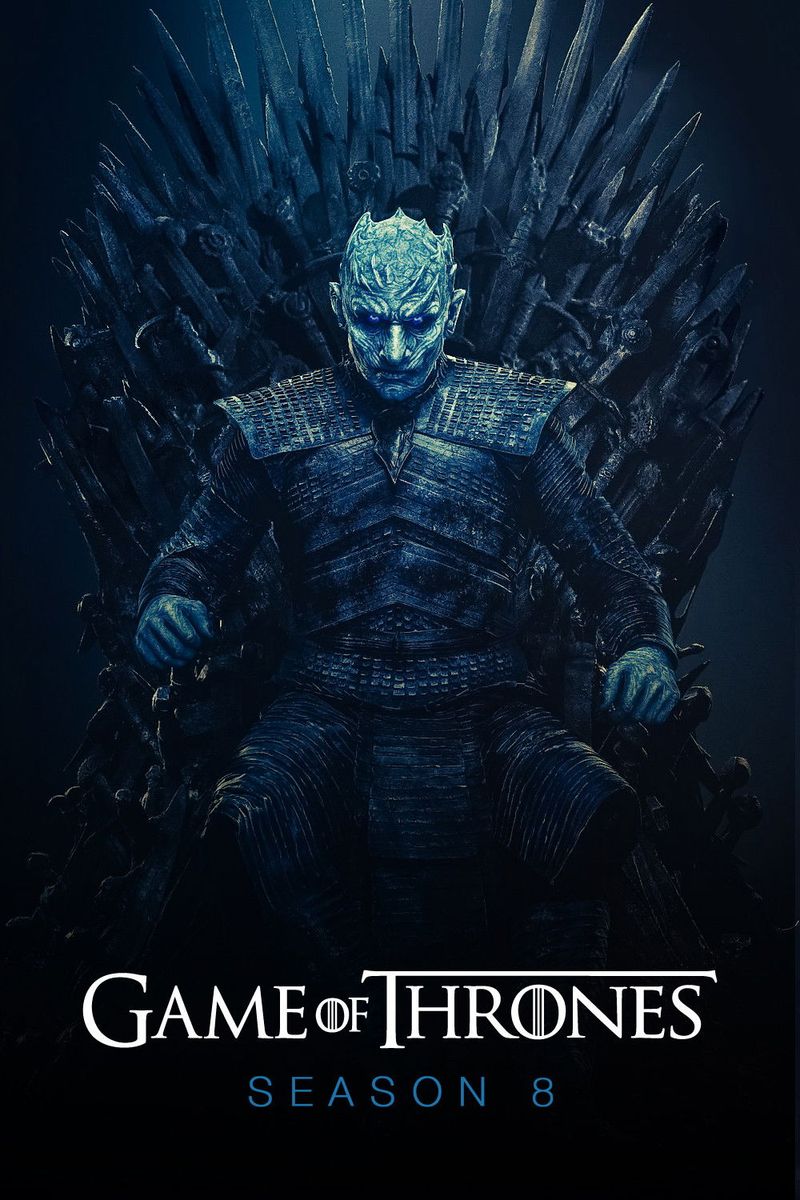
Yes, the ending disappointed millions, but the journey to that conclusion included some of television’s most spectacular storytelling.
George R.R.
Martin’s fantasy epic came to life through HBO’s massive production, featuring dragons, political intrigue, and shocking character deaths.
For several seasons, Game of Thrones dominated global culture like no show since The Sopranos.
The series proved fantasy could appeal to mainstream audiences when grounded in complex characters and political realism.
Episodes like “The Rains of Castamere” and “Battle of the Bastards” showcased cinematic ambition on the small screen.
The ensemble cast made Westeros feel lived-in and real.
Despite its flawed conclusion, the show’s peak seasons represented television at its most ambitious and entertaining.
Its cultural impact remains undeniable.
12. Six Feet Under

Death became strangely life-affirming in Alan Ball’s drama about a family running a funeral home in Los Angeles.
Each episode began with someone’s death, then explored how the Fisher family processed mortality while dealing with their own messy lives.
The show tackled grief, sexuality, mental health, and meaning with unflinching honesty.
Peter Krause, Michael C.
Hall, Frances Conroy, and Lauren Ambrose created a dysfunctional family that felt painfully real.
The series mixed surreal elements—conversations with the dead—with grounded emotional drama.
Its exploration of how people cope with loss resonated deeply with audiences.
The finale remains one of television’s most celebrated endings, offering a moving meditation on life, death, and everything between.
Six Feet Under proved HBO could do family drama as compellingly as crime.
13. True Detective (Season 1)

Nic Pizzolatto’s first season created a template for prestige television anthologies.
Matthew McConaughey and Woody Harrelson played Louisiana detectives investigating a ritualistic murder across seventeen years.
The show’s atmospheric cinematography, philosophical dialogue, and Southern Gothic mood created something hypnotic.
McConaughey’s Rust Cohle became an instant icon with his nihilistic monologues.
The single-shot six-minute action sequence in episode four changed how television approached ambitious camera work.
The mystery unfolded slowly, prioritizing character development over plot twists.
The Louisiana bayou setting dripped with dread and decay.
Later seasons couldn’t match this debut’s lightning-in-a-bottle quality, but Season 1 stands alone as a complete masterpiece.
It proved movie stars would flock to television for the right material.
14. Seinfeld

A show about nothing became everything in comedy.
Jerry Seinfeld and Larry David created a sitcom that broke every rule—no hugging, no learning, no sentimentality.
Four self-absorbed New Yorkers navigated trivial problems with obsessive focus, turning everyday annoyances into comedic gold.
The show’s influence on modern comedy remains enormous.
Catchphrases like “yada yada yada” and “not that there’s anything wrong with that” entered the cultural vocabulary.
Each character—Jerry, George, Elaine, and Kramer—was uniquely terrible in their own way.
The show’s willingness to make its protagonists genuinely unlikable was revolutionary.
Episodes about puffy shirts, marble rye, and soup nazis demonstrated how mundane situations could generate brilliant comedy.
Seinfeld proved sitcoms didn’t need warmth to be beloved.
15. Chernobyl

Craig Mazin’s five-episode miniseries about the 1986 nuclear disaster achieved what seemed impossible—making radiation terrifying.
The show meticulously recreated the accident and its aftermath, showing how Soviet bureaucracy, human error, and hubris created catastrophe.
Jared Harris played scientist Valery Legasov, who fought to reveal the truth while the government demanded silence.
The production’s attention to historical detail was extraordinary, from the costumes to the Soviet-era architecture.
The series never sensationalized the tragedy, instead treating it with appropriate gravity.
Scenes of firefighters and miners facing invisible death remained haunting.
Chernobyl demonstrated that limited series could achieve cinematic scope while maintaining television’s character focus.
It won multiple Emmy Awards and reminded viewers that some of history’s most dramatic stories need no embellishment.
16. The Simpsons (Classic Era)

Springfield’s dysfunctional yellow family redefined what animated television could accomplish.
Matt Groening’s creation started as shorts on The Tracey Ullman Show before becoming a cultural phenomenon.
The classic era (roughly seasons 3-8) featured writing that worked on multiple levels—kids laughed at the slapstick while adults caught the satirical commentary on American life.
Episodes like “Marge vs. the Monorail” and “Homer’s Enemy” showcased brilliant comedy writing.
The show’s massive cast of supporting characters created a fully realized world.
Its influence extended beyond animation into how comedy approached social satire.
Later seasons declined in quality, but at its peak, The Simpsons was television’s smartest, funniest show.
It proved animation wasn’t just for children and paved the way for Adult Swim’s entire existence.
17. Band of Brothers

Steven Spielberg and Tom Hanks brought World War II’s European theater to television with unprecedented realism.
This ten-part miniseries followed Easy Company, 506th Regiment of the 101st Airborne Division, from D-Day through the war’s end.
Based on historian Stephen Ambrose’s book, the show combined massive battle sequences with intimate character portraits.
Each episode focused on different soldiers, showing how war affected individuals differently.
The production spared no expense recreating combat, from the Normandy invasion to the Battle of the Bulge.
The cast of then-unknown actors included future stars like Damian Lewis and Michael Fassbender.
Band of Brothers set the standard for historical miniseries, balancing spectacular action with genuine emotional depth.
It honored veterans while showing war’s brutal reality without glorification.
18. Deadwood

David Milch’s Western exploded the genre’s myths while maintaining its frontier spirit.
The South Dakota mining camp of Deadwood in the 1870s became a laboratory for examining how civilization emerges from chaos.
The show’s ornate, profanity-laden dialogue sounded like Shakespeare written by drunken prospectors.
Ian McShane’s Al Swearengen owned every scene as the camp’s ruthless saloon owner.
The series explored how communities establish law, commerce, and social order in the absence of formal government.
Historical figures like Wild Bill Hickok and Calamity Jane mixed with fictional characters.
The mud, violence, and moral ambiguity felt authentic.
HBO canceled the show too soon, leaving storylines unresolved until a 2019 movie provided some closure.
Despite its truncated run, Deadwood remains a masterpiece of television writing.
19. The Twilight Zone (Original Series)

Rod Serling’s anthology series used science fiction and fantasy to comment on society in ways direct drama couldn’t.
Each standalone episode presented a self-contained story with a twist ending, often revealing uncomfortable truths about human nature.
From “Time Enough at Last” to “To Serve Man,” the show created episodes that remain cultural touchstones.
Serling’s opening and closing narrations became iconic.
The show tackled racism, war, technology, and conformity during the conservative 1950s and 60s.
Its influence on television and film extends to countless imitators and homages.
The black-and-white cinematography and Bernard Herrmann’s theme music created an atmosphere of unease.
The Twilight Zone proved that genre television could be intelligent, socially relevant, and genuinely thought-provoking while entertaining millions.
20. BoJack Horseman

An animated sitcom about a washed-up anthropomorphic horse actor became one of television’s most devastating examinations of depression, addiction, and self-destruction.
Raphael Bob-Waksberg’s Netflix series started as a celebrity satire before evolving into something far more profound.
BoJack’s desperate attempts to find meaning and redemption felt painfully human despite the animal characters.
The show balanced absurdist humor with moments of crushing emotional honesty.
Episodes like “Time’s Arrow” and “Free Churro” showcased experimental storytelling that pushed animation’s boundaries.
Will Arnett’s voice performance captured every shade of BoJack’s damaged psyche.
The series never offered easy answers or complete redemption, making it more honest than most live-action dramas.
BoJack Horseman proved animation could tackle adult themes with sophistication and heart.