 MomSkoop
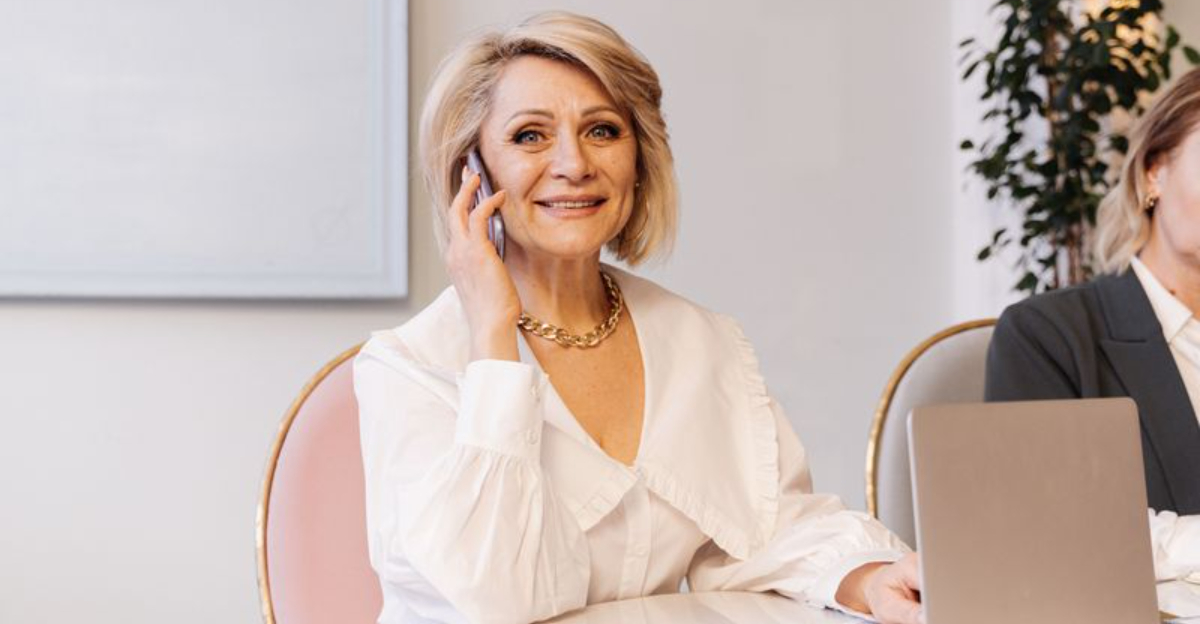
Sometimes the words we say with the best intentions end up hurting more than helping. When talking to older adults, certain phrases can come across as dismissive, condescending, or just plain rude — even when you mean no harm.
Growing older doesn’t make someone less capable, less sharp, or less worthy of respect. Before your next conversation with an older friend, family member, or colleague, take a moment to think about these 16 things you should never say.
1. You’re Too Old for That

Picture telling someone they can’t enjoy something simply because of their birth year.
That’s exactly what this phrase does.
It puts an invisible wall around a person’s choices based on nothing more than age.
Older adults have every right to try new hobbies, wear bold fashion, or chase fresh dreams.
Age doesn’t come with a rulebook that bans certain activities.
Many people discover passions well into their 60s, 70s, and beyond.
Instead of limiting someone with this phrase, try showing curiosity.
Ask what drew them to the activity.
You might learn something amazing about a person you thought you already knew well.
2. Back in Your Day
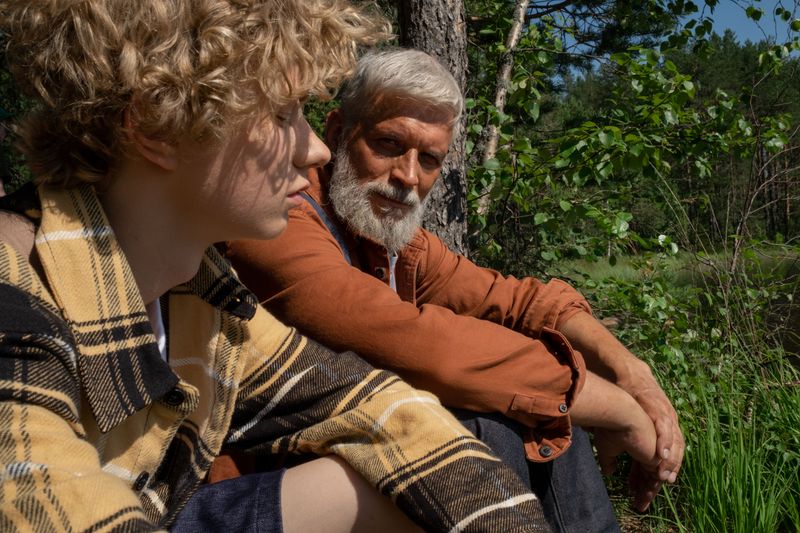
Saying “back in your day” quietly tells someone their time has passed — that they now belong to history rather than the present.
It’s a phrase that accidentally pushes people out of the current world.
The truth is, older adults are living in today’s world just like everyone else.
They shop, vote, travel, work, and stay informed.
Framing their experiences as ancient history is both dismissive and inaccurate.
A better approach is to ask about their experiences without attaching a timestamp.
Phrases like “what was that like for you?” open up real conversations.
That kind of curiosity builds connection instead of creating distance between generations.
3. You Probably Don’t Understand Technology

Assuming older adults are tech-illiterate is one of the most common — and most wrong — stereotypes out there.
Millions of seniors use smartphones, video call their grandkids, stream shows, and even run online businesses.
This assumption doesn’t just underestimate people; it can actually discourage them from trying.
When someone is told they won’t get it before they even attempt it, why would they bother?
If an older person genuinely needs tech help, offer it without the assumption that they’re hopeless.
Say something like, “Want me to walk you through it?” Patience and encouragement go a long way further than a condescending head start on the conversation.
4. You Look Great for Your Age
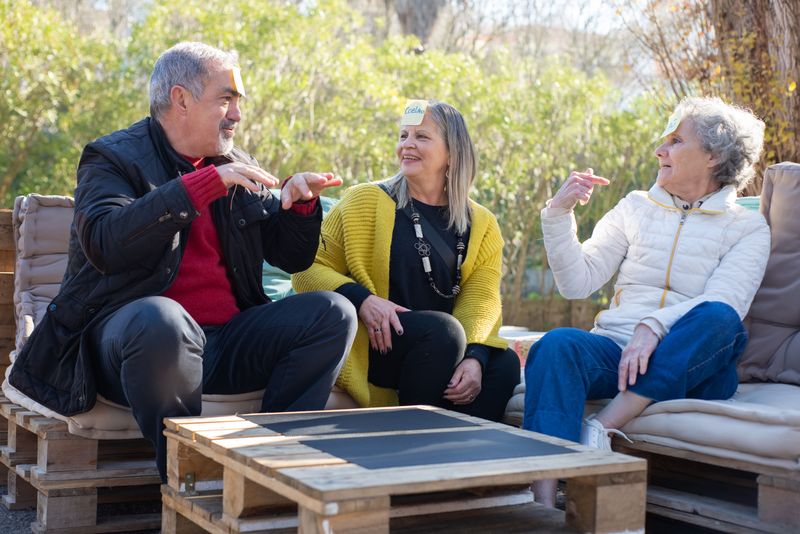
At first glance, this sounds like a compliment.
Look closer, though, and you’ll find the hidden sting: it implies that looking good is surprising given how old they are.
The phrase sets up age as something ugly that they’ve somehow beaten.
People don’t want to be complimented against a backdrop of low expectations.
Saying someone looks great “for their age” is the verbal version of grading on a curve nobody asked for.
Try simply saying, “You look great!” Full stop.
No qualifier needed.
Stripping the phrase of its age-related asterisk turns a backhanded remark into a genuine, warm compliment that anyone — at any age — would be happy to receive.
5. At Your Age, You Should…

Unsolicited advice is annoying at any age, but tacking on “at your age” makes it feel like a warning label.
It implies the person has somehow failed to figure out their own life after decades of living it.
Older adults have navigated careers, relationships, health challenges, and major life events.
They don’t need someone younger telling them how to manage their time, health, or priorities based on a number.
If someone asks for your input, share it respectfully.
If they haven’t asked, hold back.
Trusting people to make their own decisions — regardless of age — shows far more respect than loading them down with age-triggered advice they never requested.
6. You’re So Cute

Calling an older adult “cute” might feel affectionate, but it often comes across as patronizing.
Cute is a word people use for puppies and toddlers — not for accomplished, experienced adults with full and complex lives.
When you call an older person cute, you shrink them.
You reduce decades of wisdom, strength, and personality into something small and adorable, which is rarely how they see themselves.
Opt for words that honor their actual qualities.
Words like “sharp,” “inspiring,” “funny,” or “thoughtful” reflect who they really are.
Respecting someone’s dignity through language costs nothing and means everything, especially to someone who has spent a lifetime earning genuine admiration.
7. You Already Told Me That
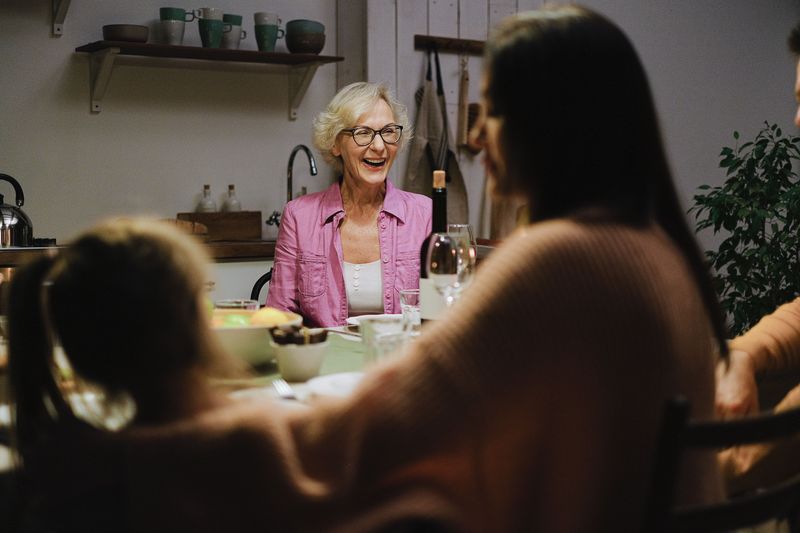
Memory naturally changes as people age, and sometimes stories get repeated.
Pointing it out bluntly, though, accomplishes nothing except making the person feel embarrassed and self-conscious in the middle of a moment they were enjoying.
Even if you’ve heard the story three times, the person telling it is sharing something meaningful to them.
The repetition isn’t a flaw — it’s often a sign of how much that memory matters.
Let the story play out.
Nod, smile, find something new to appreciate in the retelling.
If you’re genuinely concerned about their memory, that’s a private, caring conversation for another time — not a correction tossed out at the dinner table.
8. You Wouldn’t Understand
Before the internet, before smartphones, before most of today’s technology existed, older adults were already solving complex problems, navigating social dynamics, and figuring out the world without a GPS or a search engine.
Saying “you wouldn’t understand” shuts down conversation before it even starts.
It assumes that experience and wisdom count for nothing when faced with something new or modern.
Older adults often bring perspectives that younger people genuinely haven’t considered yet.
Their understanding might look different from yours, but different doesn’t mean less.
Try explaining your situation and see what happens.
You might be surprised by how much insight walks right back through that door you almost closed.
9. You Should Retire Already

Work gives people purpose, structure, social connection, and a sense of identity.
Telling someone they should retire is essentially telling them to step aside and stop mattering in a professional space.
Some people genuinely love their work and have no desire to stop.
Others may need the income.
Either way, it’s not anyone else’s decision to make, and suggesting it can feel like a push toward irrelevance.
If someone wants to talk about retirement, they will.
Until then, treat their career as exactly what it is — theirs.
Celebrating their continued contributions rather than hinting they’ve overstayed is a far more respectful way to share a workplace with someone older.
10. Can You Still Drive?
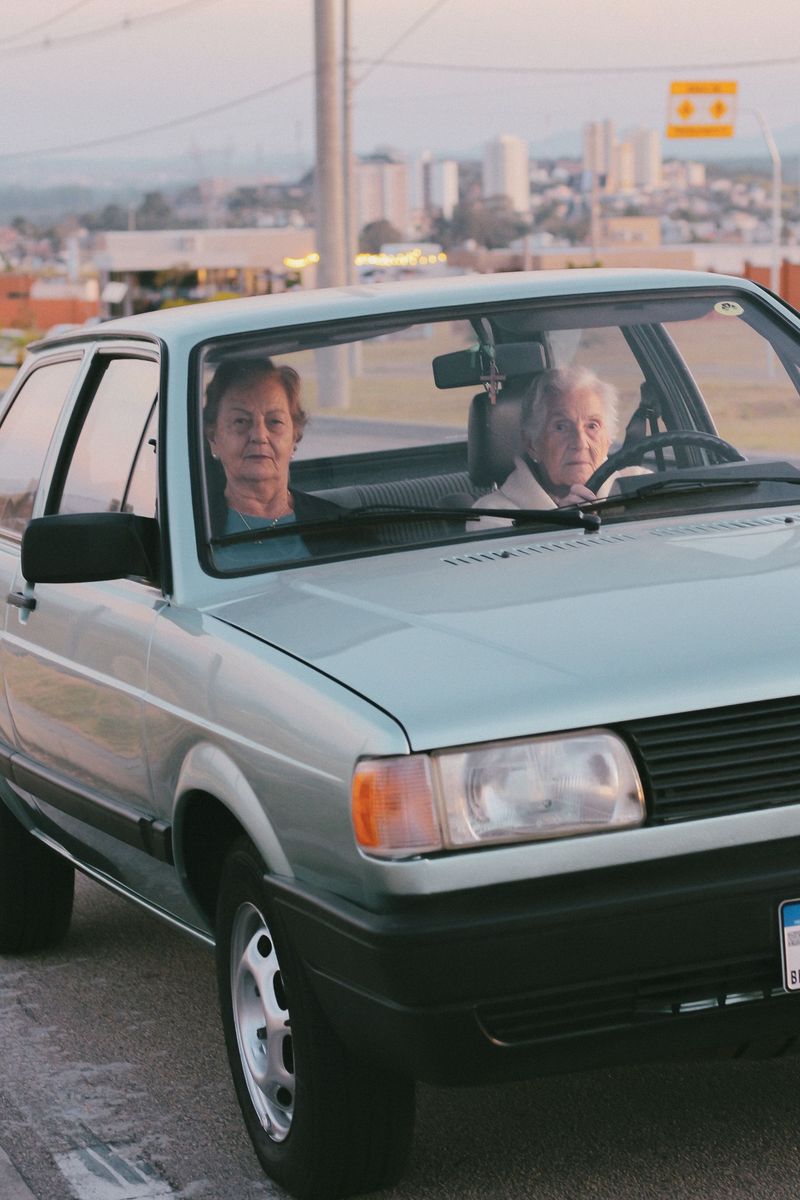
Driving represents independence — the ability to go where you want, when you want, without asking anyone for a ride.
Questioning an older person’s ability to drive, out of nowhere, chips away at that independence in a very personal way.
Unless you’ve actually witnessed unsafe driving behavior, bringing it up unprompted is presumptuous.
It suggests you’ve already decided they’re a risk before seeing any evidence of one.
If you have a real, specific concern, approach it gently and privately — never as a casual remark or a joke.
Framing it as coming from care rather than judgment makes all the difference.
Most people respond far better to kindness than to an accusation dressed up as concern.
11. You’re Slowing Everyone Down

Whether said outright or implied through sighs and eye rolls, this message is devastating.
Everyone moves at their own pace, and that pace can shift for countless reasons — health, injury, caution, or simply a different rhythm of life.
Older adults are often more deliberate because they’ve learned that rushing leads to mistakes.
That careful pace isn’t a flaw; it’s frequently a form of wisdom built from experience.
Patience is a simple thing to offer and a powerful thing to receive.
If you’re in a hurry, adjust your own schedule rather than making someone else feel like a burden.
Slowing down occasionally to match someone else’s pace can even teach you something valuable about presence.
12. You’re Too Old to Learn That

Research consistently shows that the brain retains the ability to learn new skills well into old age.
Neuroplasticity — the brain’s ability to form new connections — doesn’t simply switch off after a certain birthday.
Telling someone they’re too old to learn something doesn’t just discourage them in the moment.
Over time, it can genuinely damage their confidence and make them less likely to try new things, which actually harms their mental health.
Learning keeps people sharp, engaged, and connected to the world around them.
Cheer someone on when they want to pick up a new language, instrument, or skill.
Enthusiasm is contagious, and your encouragement might be exactly what tips them from hesitation into action.
13. You Remind Me of My Grandma or Grandpa

This one usually comes from a warm place — people love their grandparents.
But comparing a colleague, neighbor, or acquaintance to your grandmother or grandfather accidentally reduces them to a role they never signed up for.
It also subtly shifts the dynamic of the relationship.
Suddenly, instead of being peers or equals, there’s an implied hierarchy where one person is wise and old and the other is young and learning.
Every person deserves to be seen as who they actually are, not as a stand-in for someone from your personal life.
Compliment the specific quality you admire — their warmth, humor, or patience — without attaching it to a family comparison they can’t control.
14. You Need Help with Everything

Jumping in to help before being asked is well-meaning but can quickly cross into treating someone like they’re helpless.
Older adults notice when people assume they can’t manage basic tasks, and it stings every time.
Constantly offering help — especially unsolicited — sends the message that you don’t trust the person to know their own limits.
Most people are perfectly capable of asking for assistance when they actually need it.
A much better rule: wait to be asked.
If you genuinely see someone struggling and want to offer help, ask first — “Would you like a hand with that?” — and then fully accept it if they say no. Respecting autonomy is one of the greatest gifts you can give anyone.
15. Wow, You’re Still Alive?
Even as a joke, this is one of the most hurtful things you can say to an older person.
It frames their continued existence as surprising, as if they’ve somehow defied the odds just by waking up that morning.
Aging comes with its own set of fears and uncertainties.
Older adults don’t need those fears punctuated with careless humor.
What might feel like a lighthearted quip to you can land as a painful reminder of mortality to them.
There is simply no version of this phrase that lands well.
Skip it entirely.
If you want to celebrate someone’s longevity, do it warmly — tell them you’re glad they’re here, that their presence matters, and that life is better with them in it.
16. You Don’t Look Your Age

This phrase sounds like a compliment, but it quietly reinforces the idea that looking old is something to be ashamed of.
The subtext is clear: aging is unattractive, so not looking your age is somehow a victory.
Older adults didn’t survive decades of life, experience, love, and loss just to be complimented on not appearing as old as they actually are.
Their age is part of who they are — not something to be dodged or disguised.
Real compliments don’t need a comparison to land.
Try “You look wonderful” or “You have such a great energy about you.” Genuine words of appreciation that celebrate a person as they are will always outshine anything that accidentally implies their real age is a flaw.