 MomSkoop
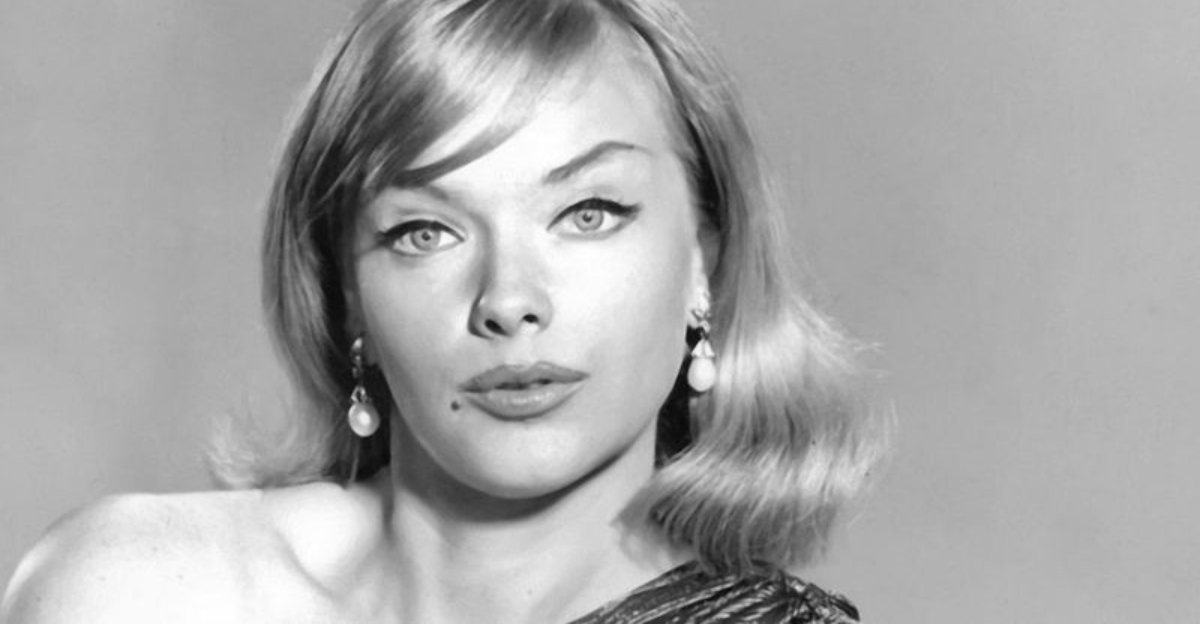
The 1960s were a golden era for television, packed with bold ideas, quirky characters, and stories that pushed boundaries in ways most people never expected. While everyone remembers classic shows like The Andy Griffith Show or Star Trek, dozens of other incredible series quietly slipped through the cracks of pop culture history.
Some were canceled too soon, others were simply overshadowed by bigger hits, but all of them deserved a much longer run. Get ready to rediscover 17 TV shows from the 1960s that you probably forgot even existed.
1. The Time Tunnel (1966–1967)
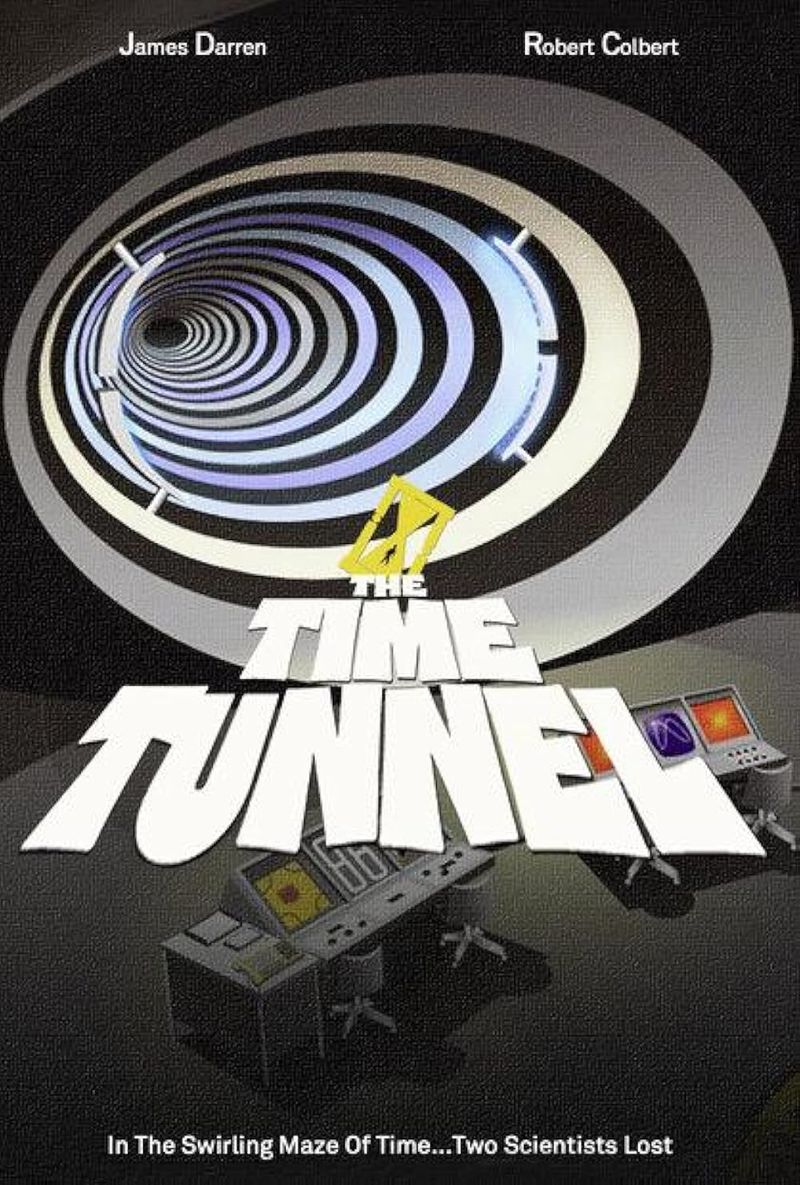
Imagine being accidentally launched through time with no way to get home.
That was the terrifying reality for scientists Doug Phillips and Tony Newman in this thrilling Irwin Allen production.
Each week, they landed in a different historical moment — from the Titanic to ancient Troy — desperately trying to survive while their colleagues back at the base raced to pull them home.
The show blended real history with pulse-pounding adventure in a way that felt genuinely fresh for 1966.
Despite strong ratings, ABC canceled it after just one season due to high production costs.
Fans were left hanging with no resolution.
Even today, The Time Tunnel holds up as one of the most imaginative sci-fi series the decade ever produced.
2. Honey West (1965–1966)
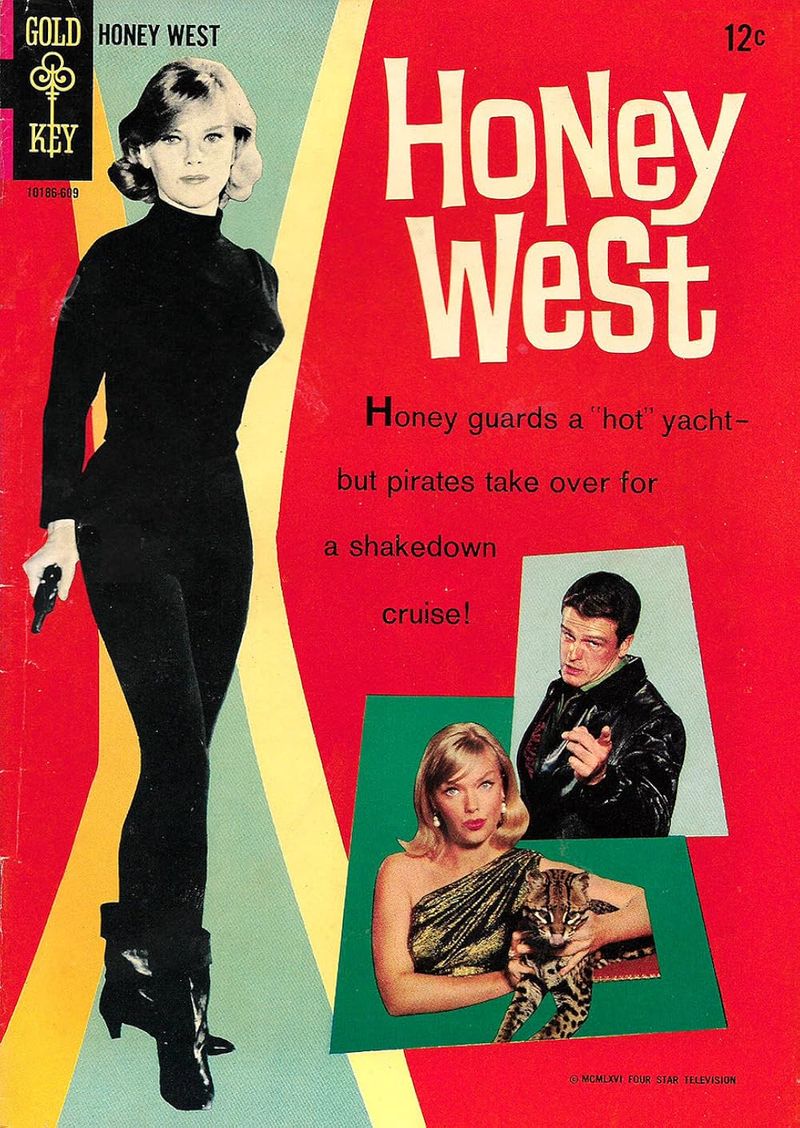
Long before Charlie’s Angels made female detectives a TV staple, Anne Francis was already kicking down doors as Honey West.
She was sharp, stylish, and completely capable of handling herself in any dangerous situation.
Her gadgets, her pet ocelot, and her no-nonsense attitude made her one of the coolest characters on 1960s television.
The show actually spun off from Burke’s Law and quickly earned Anne Francis an Emmy nomination.
Honey West was a private investigator who used her looks as a weapon and her brains as her greatest tool.
Sadly, ABC pulled the plug after just one season.
She deserved far more episodes — and arguably paved the way for every tough female TV hero that followed.
3. T.H.E. Cat (1966–1967)
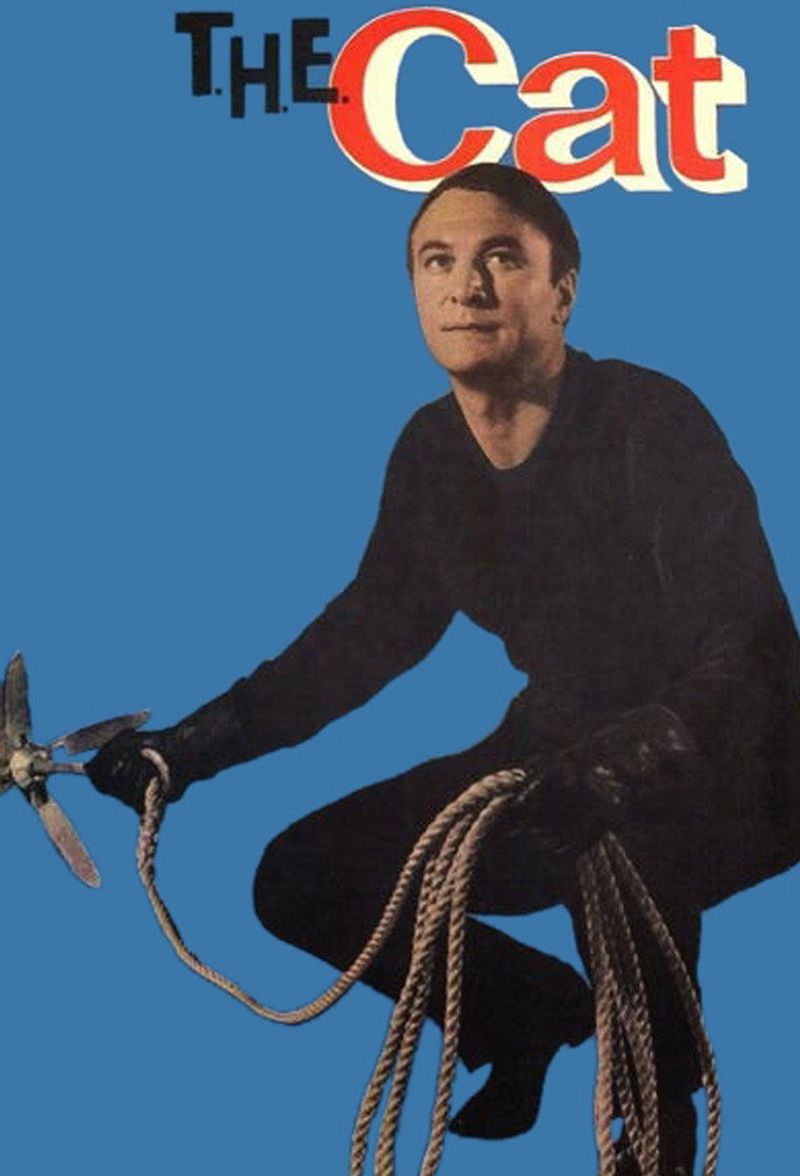
Robert Loggia was pure cool as Thomas Hewitt Edward Cat, a reformed cat burglar who reinvented himself as an elite bodyguard.
His acrobatic skills made fight scenes look almost balletic, and his mysterious past added layers to every single episode.
NBC gave viewers something genuinely different with this one — a noir-tinged action drama that felt more like a stylish European film than a typical American TV show.
The series leaned heavily into atmosphere and character rather than flashy plots, which may be exactly why it struggled to find a massive audience at the time.
Only one season aired before it was quietly shelved.
Robert Loggia fans often cite T.H.E.
Cat as one of his most underappreciated and compelling performances of his entire career.
4. Coronet Blue (1967)
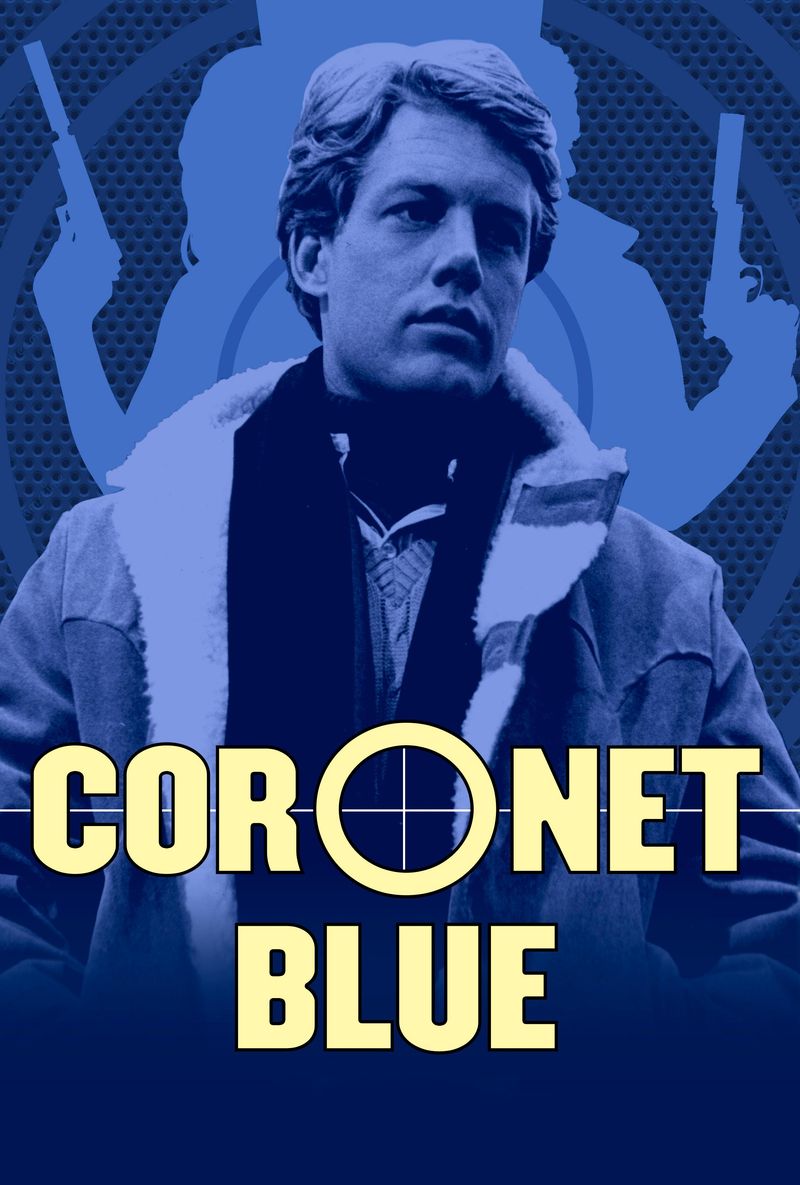
Few TV mysteries have ever ended as frustratingly as Coronet Blue.
Frank Converse played a man who wakes up with no memory, knowing only two words: Coronet Blue.
Each episode followed his desperate search for his own identity while shadowy figures tried to silence him permanently.
The show was actually filmed in 1965 but sat on the shelf for two years before CBS finally aired it in the summer of 1967.
Tragically, the network never broadcast the final episode that would have revealed everything.
The mystery was left completely unsolved, leaving viewers with one of television history’s greatest unresolved cliffhangers.
Its short, strange life made it legendary among TV historians who consider it a fascinating artifact of 1960s experimental storytelling.
5. Run, Buddy, Run (1966–1967)
Picture an accountant who accidentally overhears mob secrets in a steam room — and suddenly becomes the most wanted man in America.
That was the brilliantly absurd premise of Run, Buddy, Run, a comedy that took the classic wrong-man thriller concept and played it entirely for laughs.
Jack Sheldon brought enormous likability to the role of the hapless Buddy Overstreet.
The show had a genuinely funny energy, mixing slapstick chases with winking humor about organized crime.
CBS aired it as part of their Monday night lineup, but audiences never fully warmed up to it.
Only one season was produced before it was canceled.
Still, those who remember it fondly describe it as one of the most underrated comedies the 1960s television landscape ever offered.
6. Stoney Burke (1962–1963)
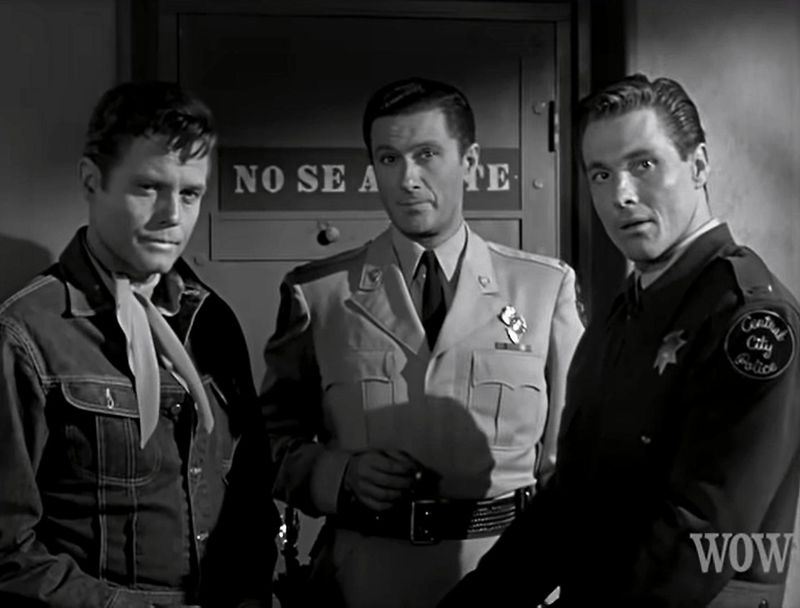
Jack Lord — yes, the same Jack Lord who later became Hawaii Five-O’s iconic Steve McGarrett — first made his mark as Stoney Burke, a determined rodeo cowboy chasing the world championship title.
The show had real grit to it, capturing the nomadic, bruising life of professional rodeo with surprising authenticity for early 1960s television.
Unlike most Westerns of the era, Stoney Burke wasn’t set in the Old West at all.
It was a modern drama about a working-class athlete grinding through a tough circuit, dealing with rivals, romance, and personal setbacks along the way.
ABC gave it one season before moving on.
Rodeo fans and Western drama enthusiasts still consider it a hidden gem that deserved far more recognition than it ever received.
7. The Rogues (1964–1965)
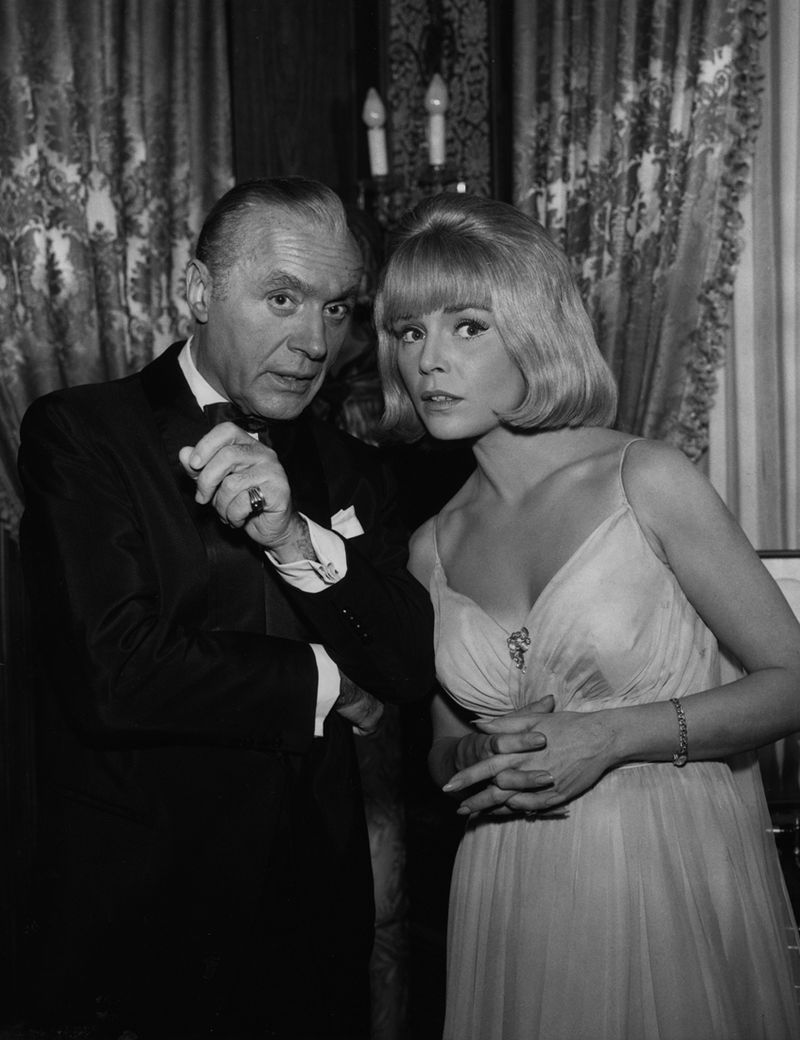
Charming criminals have always made for great television, and The Rogues delivered a trio of them played by some of the biggest names of the era.
Charles Boyer, David Niven, and Gig Young rotated as the lead each week, portraying members of a sophisticated family of con artists who used their skills to help ordinary people against corrupt and powerful enemies.
The whole thing dripped with wit, style, and old-world European glamour.
It was essentially a comedy-drama caper show before that format had even been properly defined.
NBC aired it for one season, and it earned an Emmy for Outstanding Program Achievement.
Audiences who stumbled across reruns decades later often wondered why such a polished, delightful show ever disappeared in the first place.
8. Judd for the Defense (1967–1969)
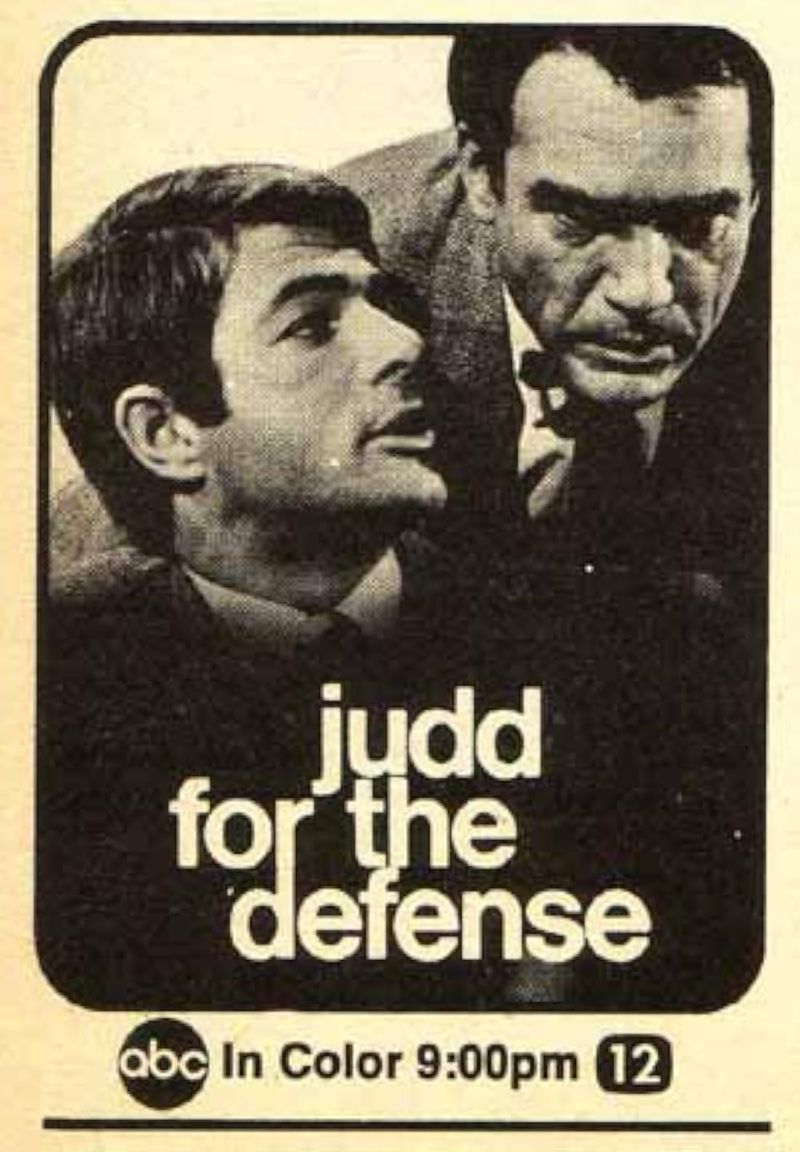
Carl Betz won a Primetime Emmy for his portrayal of Clinton Judd, a high-powered Texas defense attorney who took on the cases nobody else wanted.
The show tackled genuinely controversial topics for its time — drug addiction, civil rights violations, political corruption — with a seriousness that felt more like a documentary than a prime-time drama.
ABC aired two solid seasons of Judd for the Defense, and critics consistently praised Betz for bringing real depth and moral conviction to the role.
It stood apart from courtroom procedurals by focusing as much on the human cost of injustice as on legal strategy.
Despite the Emmy win and critical praise, the show remains largely forgotten today, overshadowed by flashier legal dramas that followed in later decades.
9. Way Out (1961)
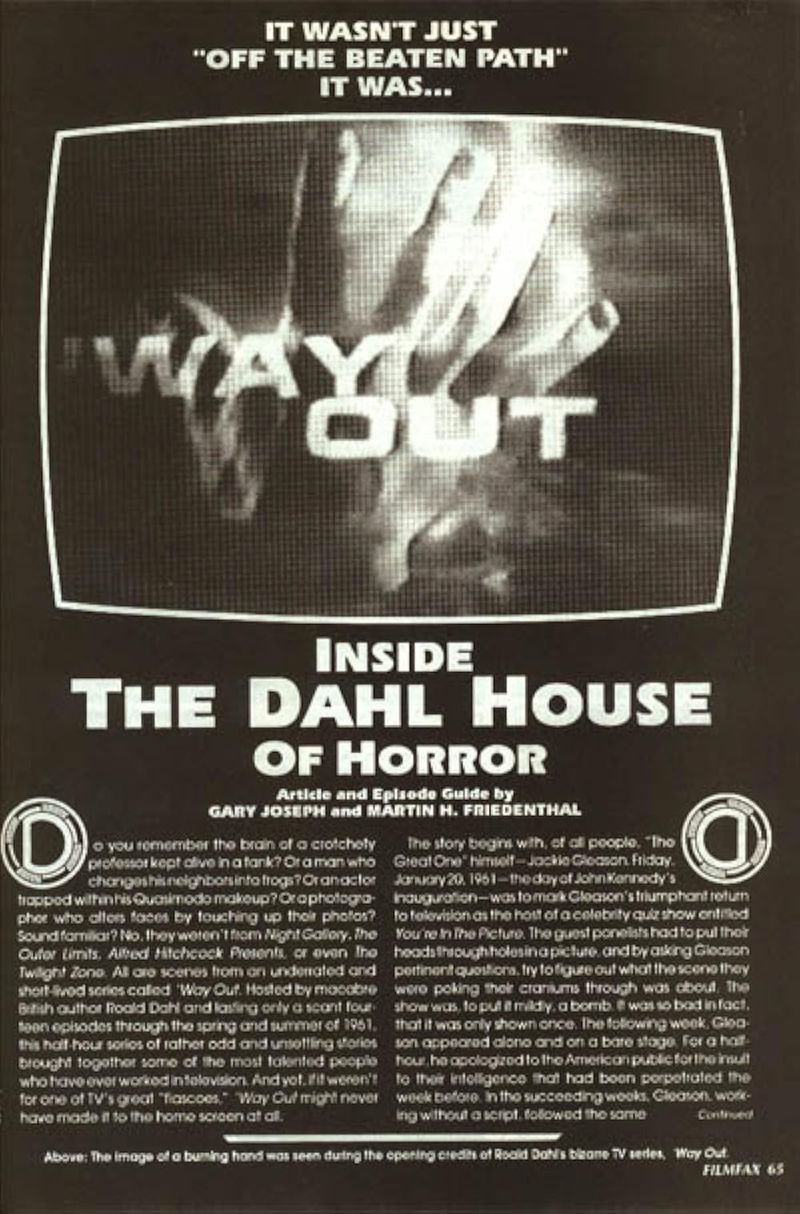
Roald Dahl hosting a TV anthology series sounds almost too good to be true, but Way Out was absolutely real — and absolutely strange.
CBS gave Dahl the platform to introduce chilling stories of psychological horror, dark irony, and supernatural twists that felt deeply personal to his literary sensibility.
Each episode was a compact, unsettling little nightmare designed to linger in your mind long after the credits rolled.
The show ran for only 14 episodes in early 1961 before CBS pulled it from the schedule.
Some television historians argue it was simply too weird for mainstream American audiences of the time.
Dahl’s dry wit and genuinely creepy storytelling choices made Way Out a spiritual ancestor of shows like The Twilight Zone.
It deserved a much longer, stranger life.
10. It’s About Time (1966–1967)
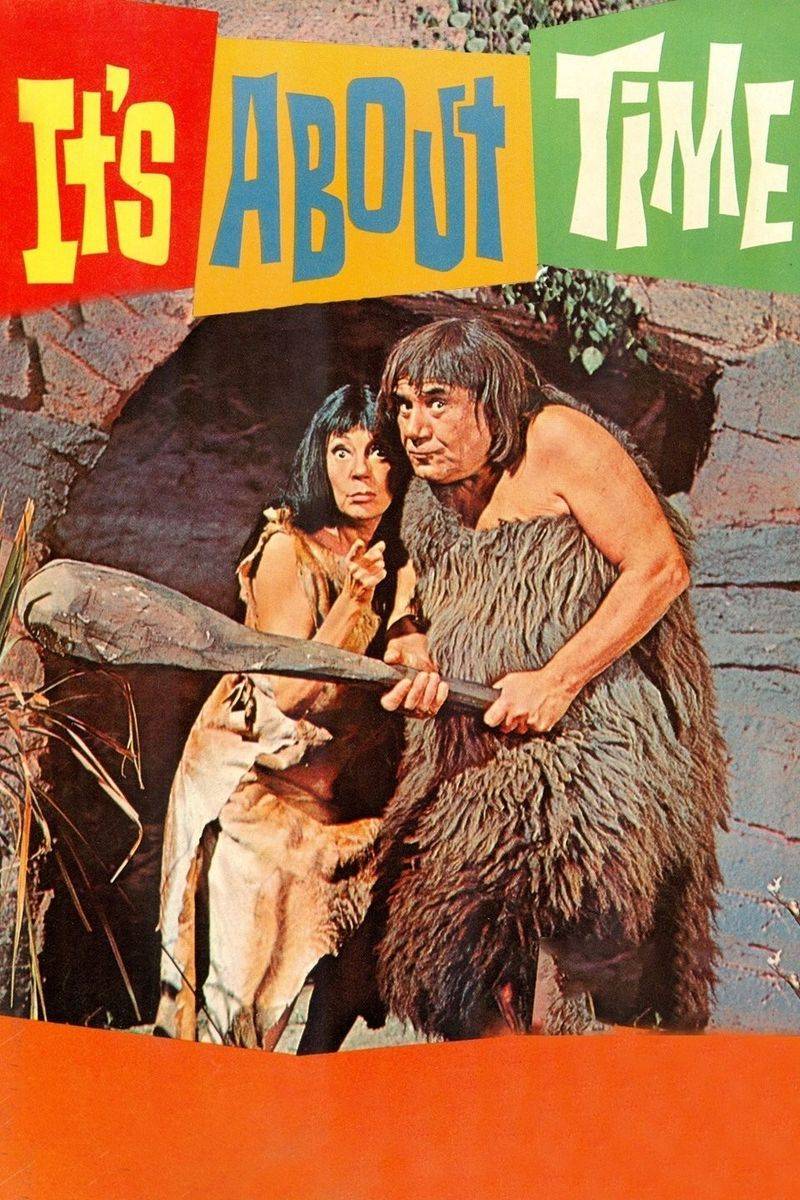
Sherwood Schwartz — the creative mind behind Gilligan’s Island and The Brady Bunch — brought his signature fish-out-of-water formula to prehistoric times with this delightfully silly sitcom.
Two modern astronauts accidentally break the time barrier and end up stranded in the Stone Age, surrounded by confused cavemen and hungry dinosaurs.
The show had an infectious goofy energy, and the comedy of watching astronauts explain modern technology to cave people never really got old.
Midway through the season, the format flipped entirely — the astronauts made it back to the present but brought a cave family with them, reversing the joke.
CBS canceled it after one season.
It remains one of those wonderfully odd 1960s experiments that only Sherwood Schwartz could have dreamed up.
11. Mr. Terrific (1967)
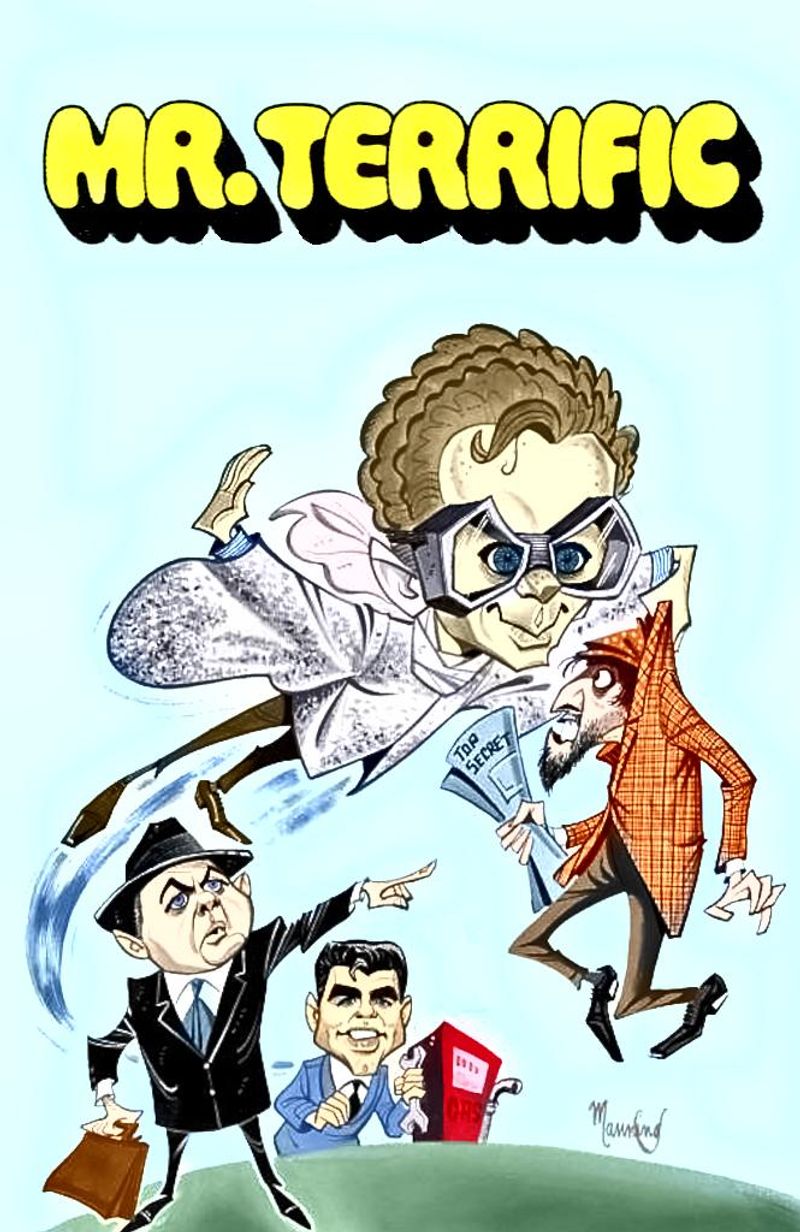
Before superhero stories dominated movie screens, Mr. Terrific was asking a very relatable question: what if the government’s experimental power pill only worked on one completely ordinary, unimpressive guy?
Stanley Beamish ran a gas station and had zero heroic qualities — until that pill kicked in and turned him into a flying, super-strong crime fighter.
The catch?
The effects were wildly unpredictable.
CBS aired Mr. Terrific alongside its superhero comedy rival Captain Nice in the same 1967 season, and both shows suffered from the comparison.
Neither lasted more than one year.
But Mr. Terrific had a warmth and silliness that made it genuinely endearing.
Stephen Strimpell played Stanley with such sweet cluelessness that it’s hard not to root for him even fifty years later.
12. The Ghost and Mrs. Muir (1968–1970)
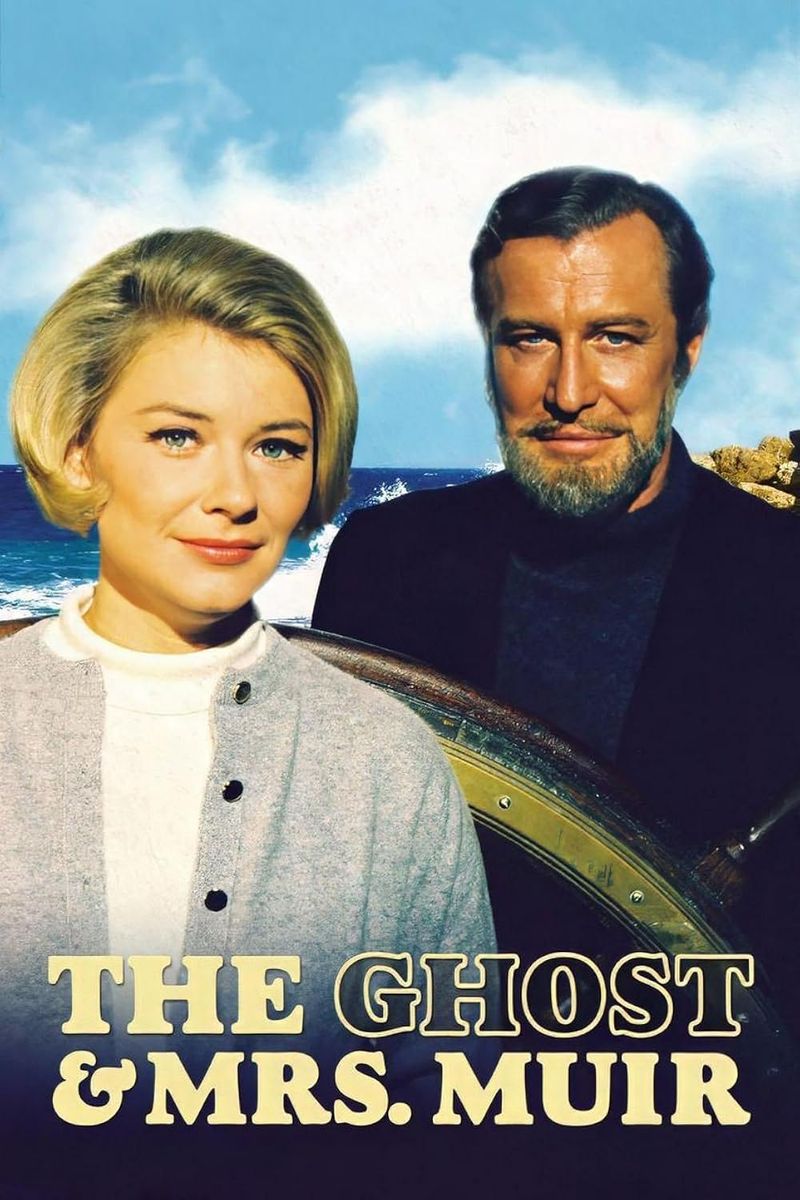
Based on the beloved 1947 film, this charming fantasy sitcom followed a widowed young mother who moves into a seaside cottage haunted by the ghost of its original owner — a salty, opinionated sea captain who refuses to leave.
Hope Lange and Edward Mulhare had remarkable chemistry for a duo where one of them was technically dead.
The show ran for two seasons across both NBC and ABC, earning Hope Lange two Golden Globe Awards for her performance.
It was warm, witty, and surprisingly touching for a comedy about a ghost.
Somehow, despite the awards and the devoted fan base, The Ghost and Mrs. Muir has faded into near-total obscurity.
Anyone who tracks it down today tends to fall completely in love with it all over again.
13. The Immortal (1969–1971)
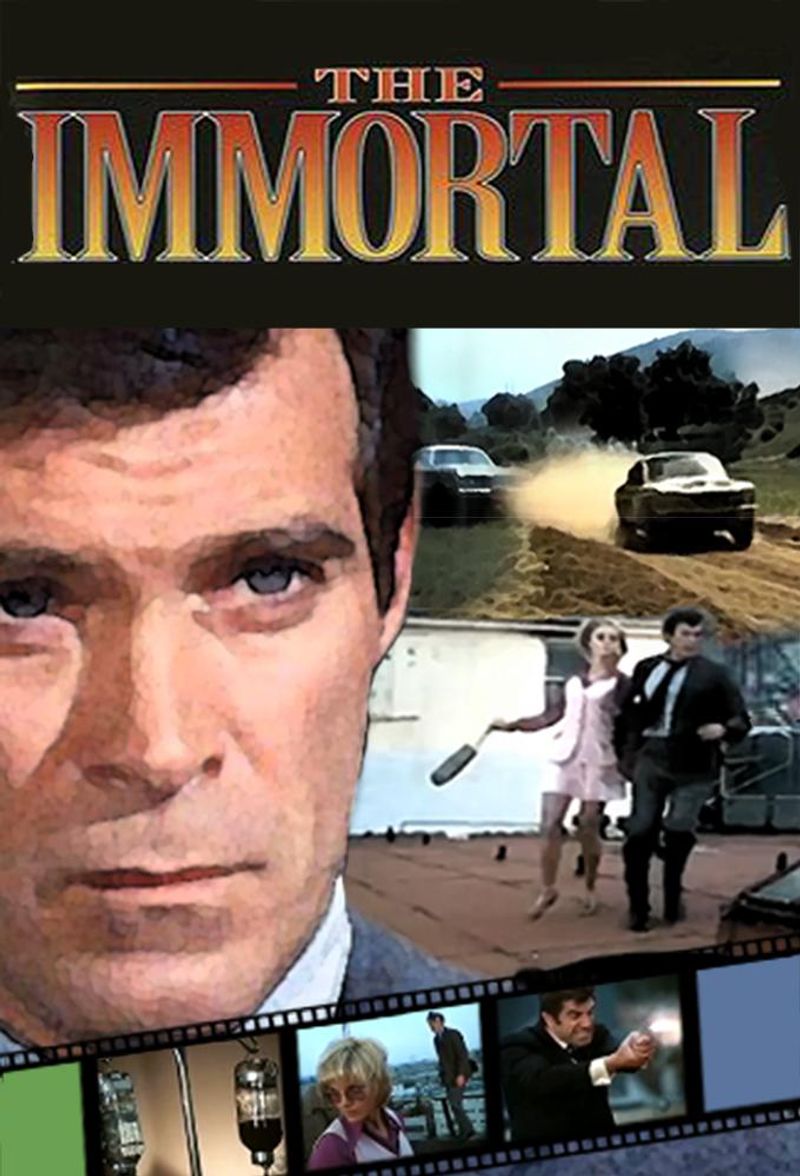
Long before Highlander made immortality a pop culture obsession, The Immortal explored the concept with a grounded, melancholy edge.
Ben Richards discovers his blood contains a unique antibody that makes him biologically immortal — a fact that immediately attracts the obsessive attention of a dying billionaire who wants that blood for himself.
The result is essentially a road show with existential stakes.
Christopher George played Ben with a weary charisma, portraying a man who should feel blessed but mostly feels hunted and alone.
The show aired on ABC for two seasons before being quietly dropped.
Its premise was genuinely compelling and ahead of its time, touching on themes of identity, mortality, and what it actually means to live forever.
Rediscovering it today feels like finding a lost treasure.
14. The Rat Patrol (1966–1968)
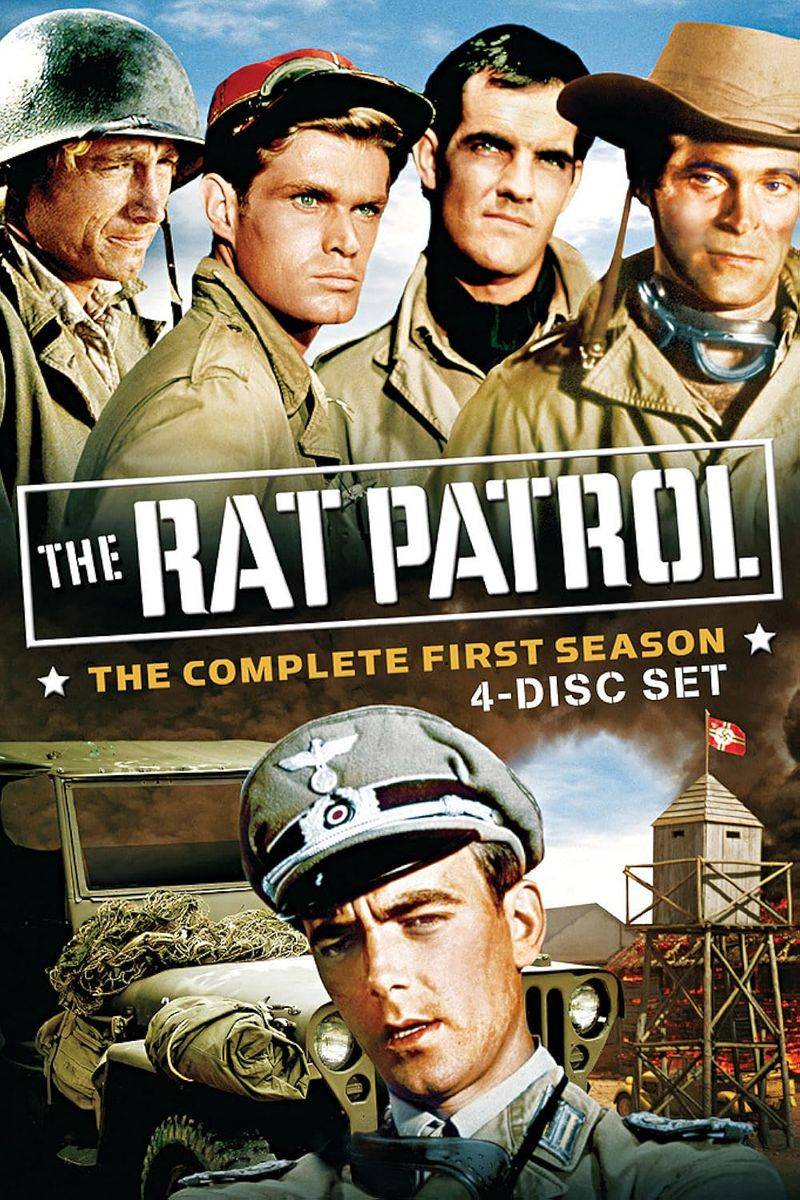
Four Allied soldiers.
Two machine-gun-mounted jeeps.
An endless North African desert.
And an entire German army trying to stop them.
The Rat Patrol delivered explosive action every single week on ABC, making World War II feel immediate, personal, and thrillingly dangerous.
Christopher George led the team with quiet authority, and the desert photography gave the show a cinematic scale rarely seen on 1960s television.
Interestingly, the show sparked real controversy — British veterans objected to the series minimizing the actual British Eighth Army’s historic role in North Africa.
Despite the political noise, American audiences tuned in enthusiastically for two solid seasons.
The Rat Patrol has largely been overshadowed by bigger war dramas since, but as pure adrenaline-fueled television entertainment, it remains remarkably effective and fun to watch.
15. The Prisoner (1967–1968)
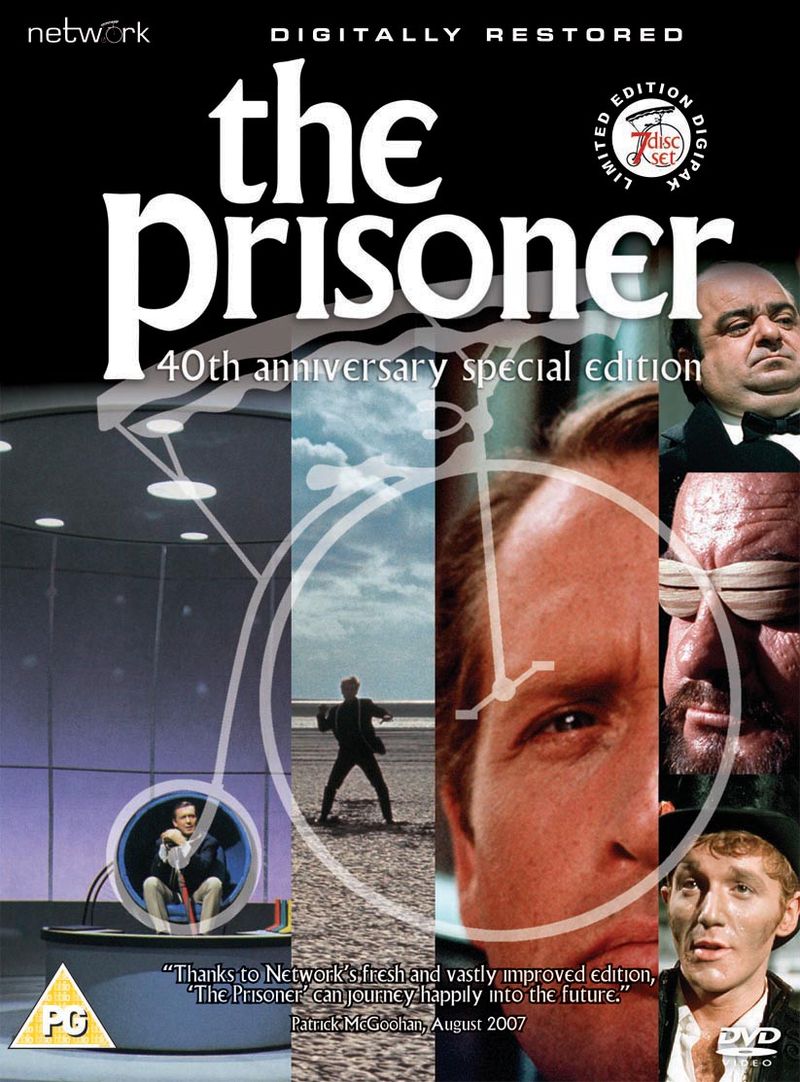
Patrick McGoohan resigned from a top spy show, created his own series, and produced one of the most mind-bending pieces of television in history.
The Prisoner follows a secret agent who resigns from his job and immediately wakes up in a bizarre, beautiful village where everyone is known only by a number.
He is Number Six.
His captors want information.
He refuses to give it.
What followed across 17 episodes was a surreal, philosophical battle of wills that challenged viewers’ ideas about identity, freedom, and authority.
The finale was so strange and abstract that it reportedly caused riots among confused British viewers.
Decades later, The Prisoner is studied in universities and celebrated as a masterpiece.
If you somehow missed it, correcting that oversight should move to the top of your list immediately.
16. East Side/West Side (1963–1964)
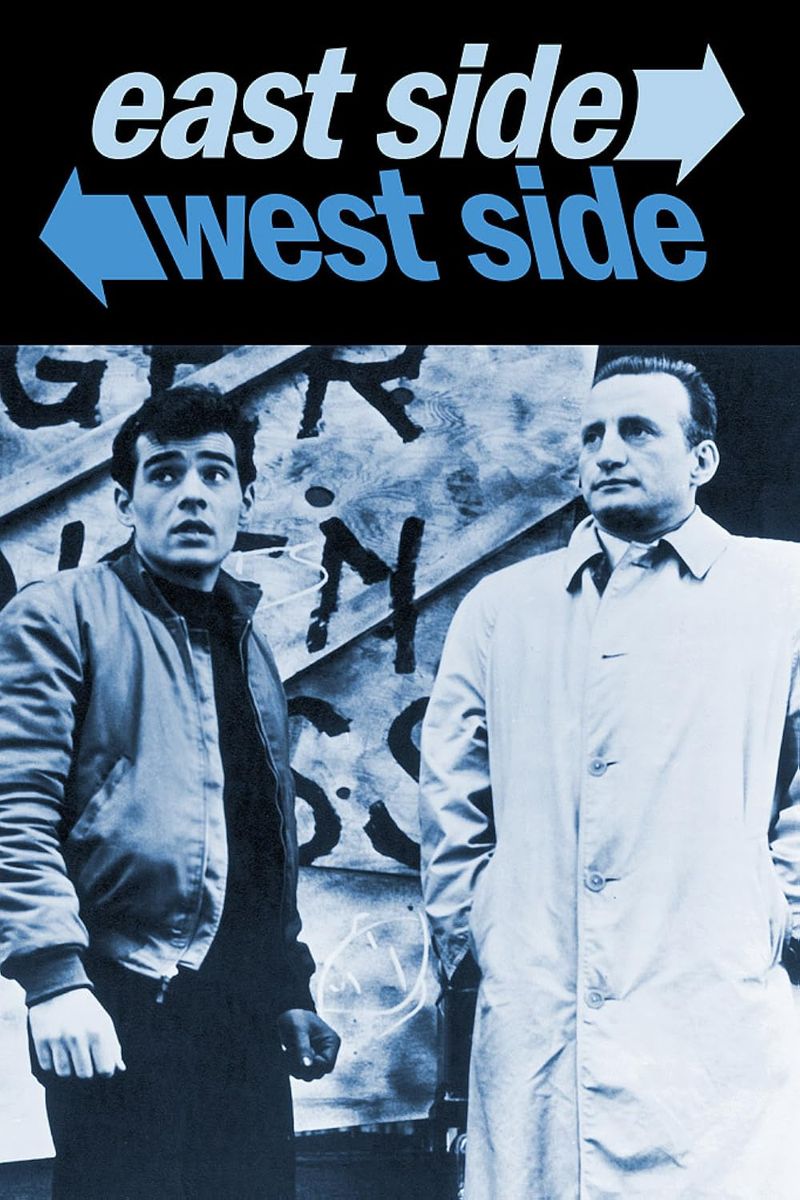
George C.
Scott — before his legendary film career exploded — poured everything into Neil Friess, a New York City social worker confronting poverty, racism, and systemic failure week after week.
East Side/West Side was brutally honest about America’s social problems at a time when most television preferred to look away.
It featured one of the first recurring Black characters in a non-stereotypical dramatic role on American network TV.
CBS aired the show for one season, but affiliate stations in the South refused to broadcast several episodes due to their civil rights themes.
That kind of courage is rare in any era of television.
Critics adored it.
Audiences respected it.
But the network pressure and affiliate resistance ultimately doomed it.
East Side/West Side remains one of the bravest, most important TV experiments the 1960s ever produced.
17. The Wild Wild West (1965–1969)
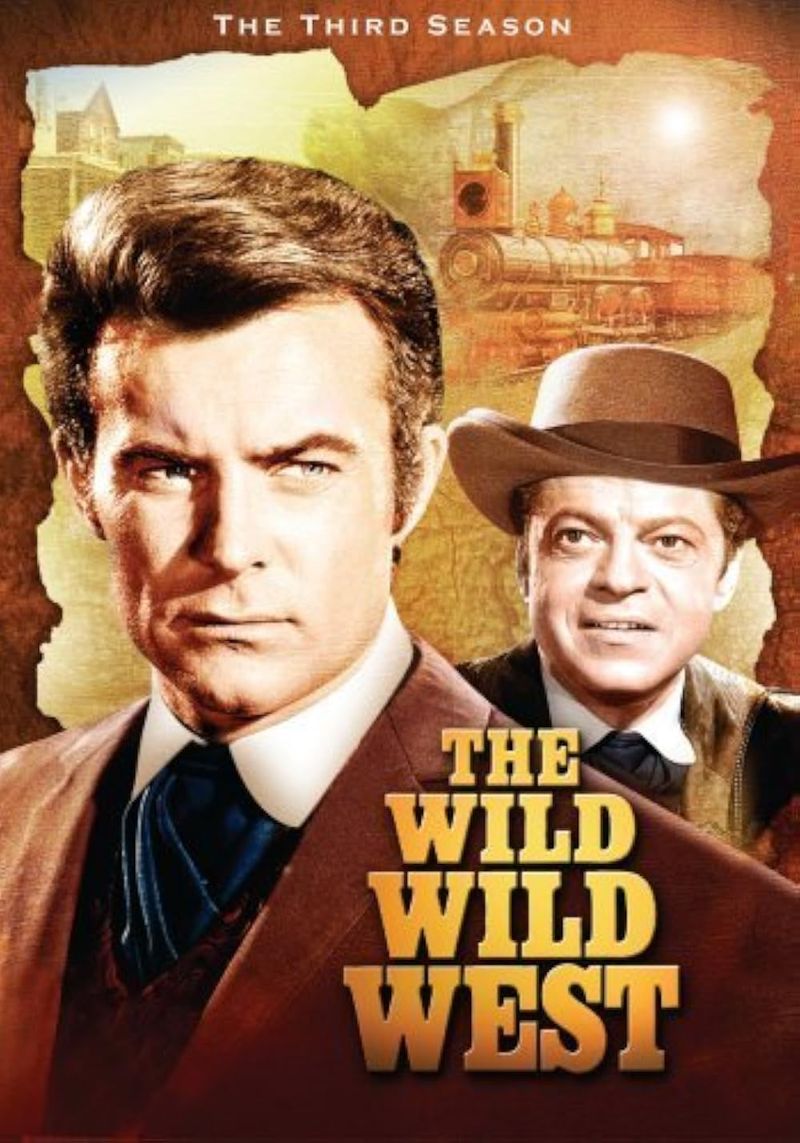
James West had the charm of James Bond, the setting of a classic Western, and gadgets that belonged firmly in a science fiction story.
Robert Conrad played the government agent with movie-star swagger, while Ross Martin’s master-of-disguise partner Artemus Gordon provided the brains and humor.
Together, they fought supervillains across the American frontier in ways that felt completely unlike anything else on television.
The show ran four successful seasons on CBS and produced some genuinely spectacular villain performances — particularly Michael Dunn’s recurring role as the brilliant, menacing Dr. Miguelito Loveless.
Despite its long run, The Wild Wild West tends to be overlooked today in favor of its more famous contemporaries.
The 1999 movie adaptation didn’t help its reputation either.
Revisiting the original series reveals a wildly inventive show that was decades ahead of its storytelling instincts.