 MomSkoop

Walk into a Baby Boomer’s home and you’ll notice certain items that seem to appear again and again.
These aren’t just random possessions—they’re pieces of a generation that values preparation, tradition, and keeping things “just in case.”
From fancy dishes waiting for the perfect moment to drawers stuffed with mystery cables, these common finds tell the story of how Boomers live and what they hold onto.
1. The Good China Set
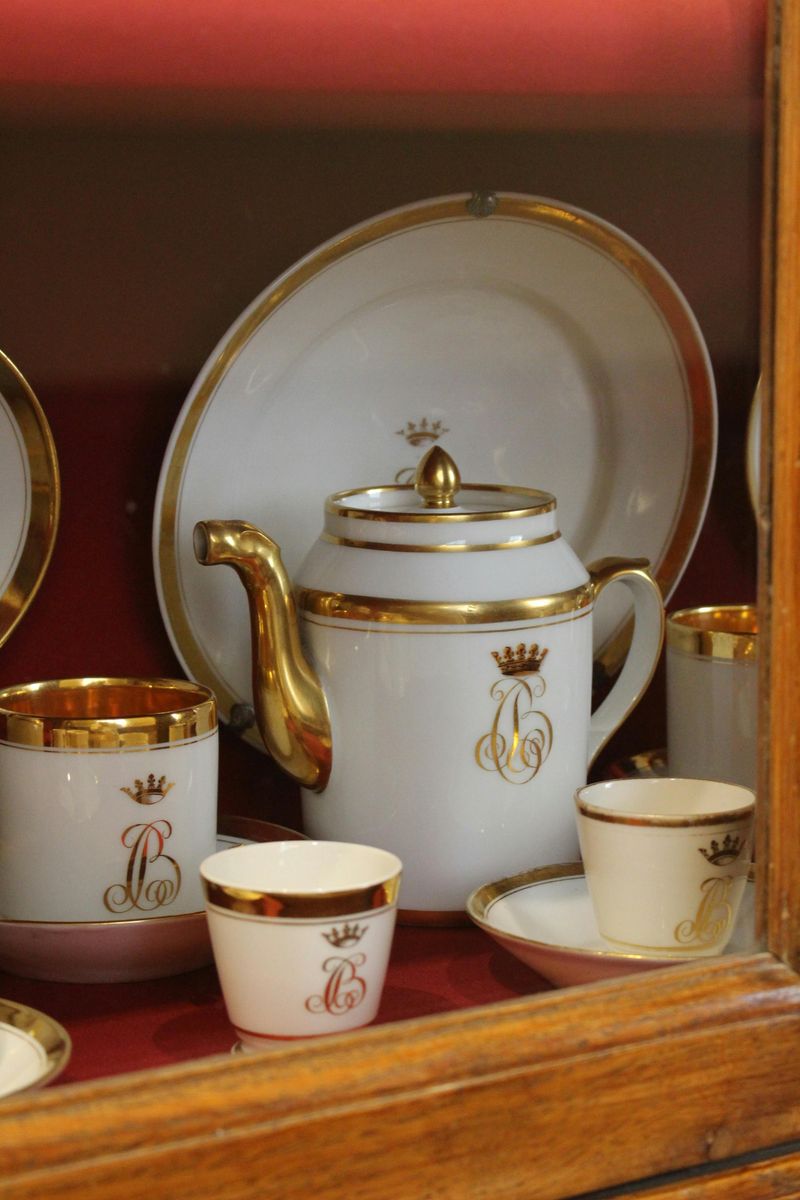
Tucked away in the dining room hutch sits a complete set of porcelain dishes that cost a small fortune decades ago.
The plates gleam behind glass doors, perfectly stacked and rarely touched.
Most Boomer households have at least one “good” set reserved for Thanksgiving, Christmas, or other major celebrations.
The funny thing is, that special occasion worthy of the fancy china almost never arrives.
Family dinners happen on everyday plates while the expensive set gathers dust.
Yet the tradition of saving something nice for later runs deep in this generation.
These sets often came as wedding gifts or were collected piece by piece over years.
They represent an era when formal dining meant something special and certain possessions deserved protection from daily wear and tear.
2. Heavy Crystal Glassware
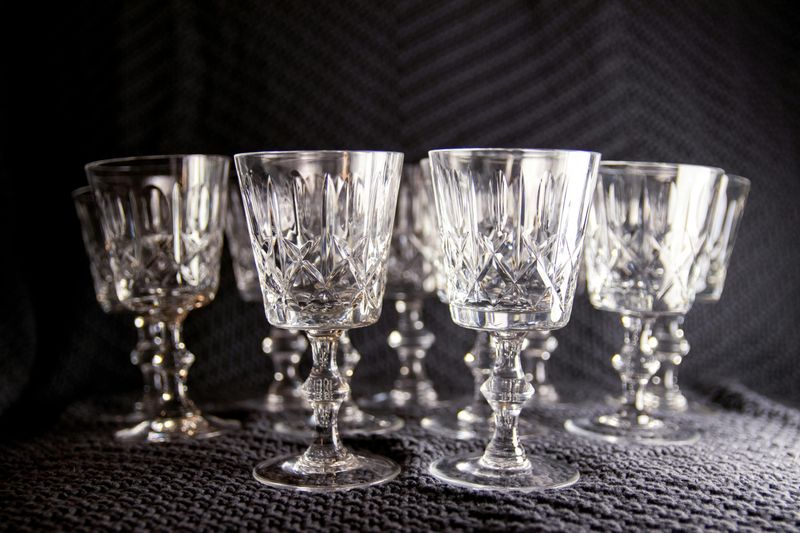
Crystal glasses weighing more than modern drinkware sit in special cabinets, waiting for their annual appearance.
These aren’t your everyday cups—they’re substantial pieces that make a satisfying clink when touched together.
Boomers received many of these as wedding presents or inherited them from their own parents.
The weight alone tells you these glasses mean business.
Cut crystal patterns catch the light beautifully, creating little rainbows across the room.
But like the good china, they mostly stay put except for major holidays or when important guests visit.
Washing these by hand takes forever, which partly explains why they stay tucked away.
The other reason?
They represent a time when entertaining meant pulling out all the stops and showing off your finest possessions to guests who truly appreciated the effort.
3. Tangled Charger Drawer
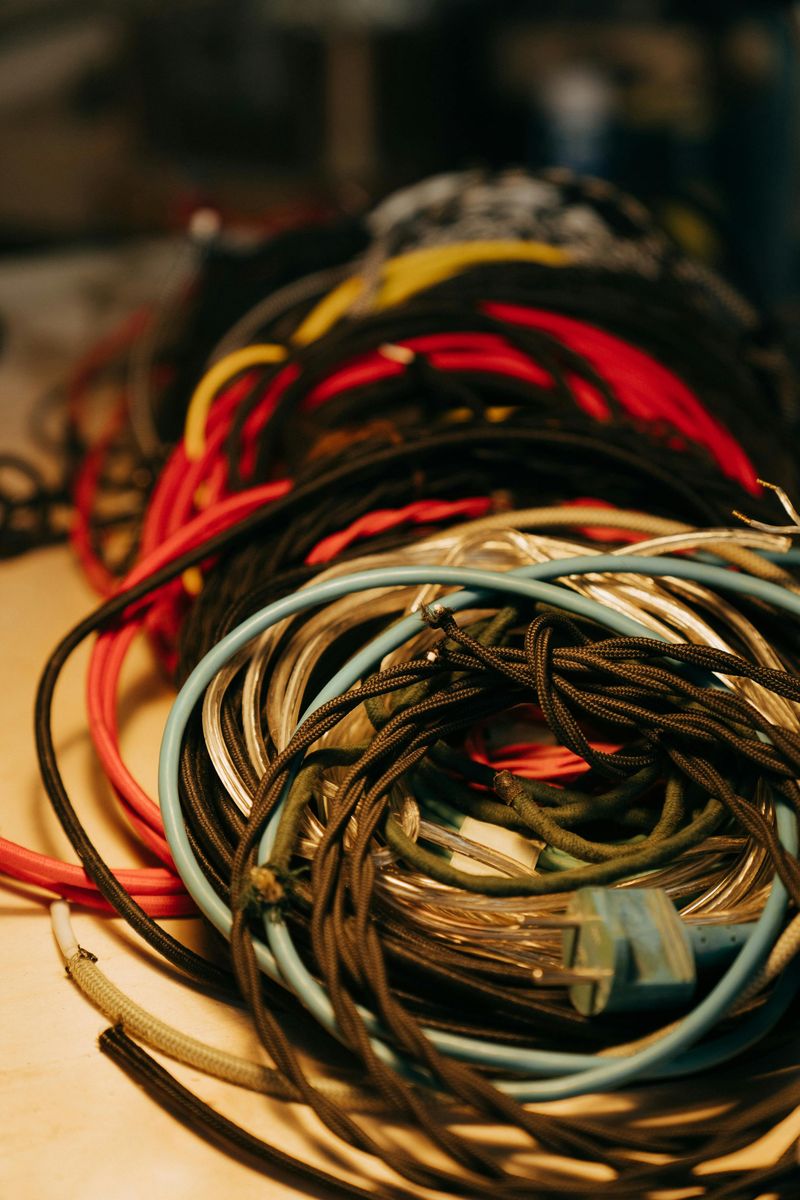
Open any kitchen drawer and you’ll likely find a nest of cables that nobody can identify anymore.
Black cords wind around white ones, USB ends poke out randomly, and mysterious power bricks huddle in the corner.
The thinking goes: throw it away and you’ll need it tomorrow.
Half these chargers belonged to phones from 2008 or tablets that died years ago.
But what if one of them works for something current?
Better safe than sorry, right?
This drawer represents the Boomer commitment to being prepared for any electronic emergency.
Untangling this mess would take an entire afternoon that nobody wants to spend.
Besides, you never know when a visiting grandkid might need an old micro-USB cable.
The chaos stays, growing slightly each year as new mystery cords join the pile.
4. Landline Phone System
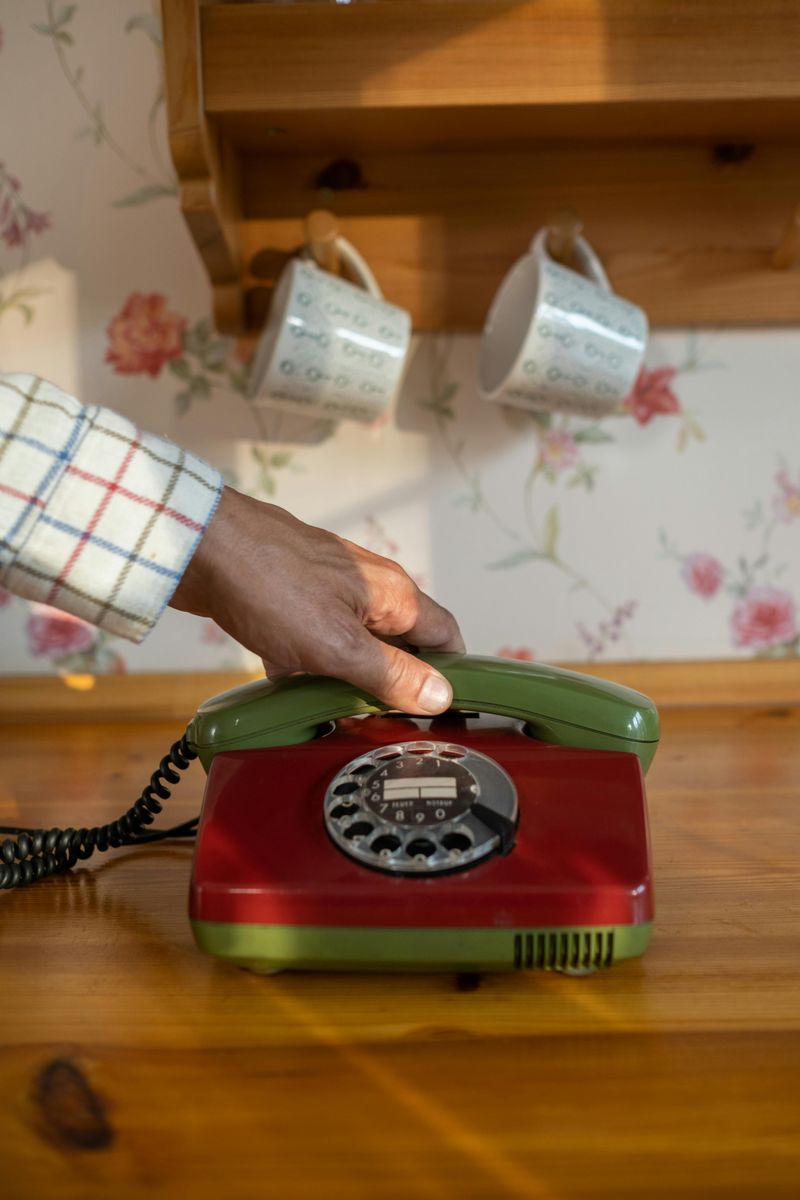
Despite everyone carrying smartphones, a landline phone still occupies counter space in most Boomer homes.
Sometimes it’s a sleek cordless model, other times an old-school corded version that survived decades.
Extra handsets might be scattered throughout the house, even if some batteries died long ago.
Many Boomers keep the landline active for emergencies or because it’s bundled with their cable package.
Others maintain it out of habit, even though the only calls coming through are from telemarketers and political campaigns.
The familiar ring still sounds more trustworthy than a cell phone buzz.
There’s comfort in having a phone that doesn’t need charging and works during power outages.
Plus, the number has been the same for thirty years—changing it now feels like erasing a piece of history that connects to everyone who ever called.
5. Obsolete Device Remotes
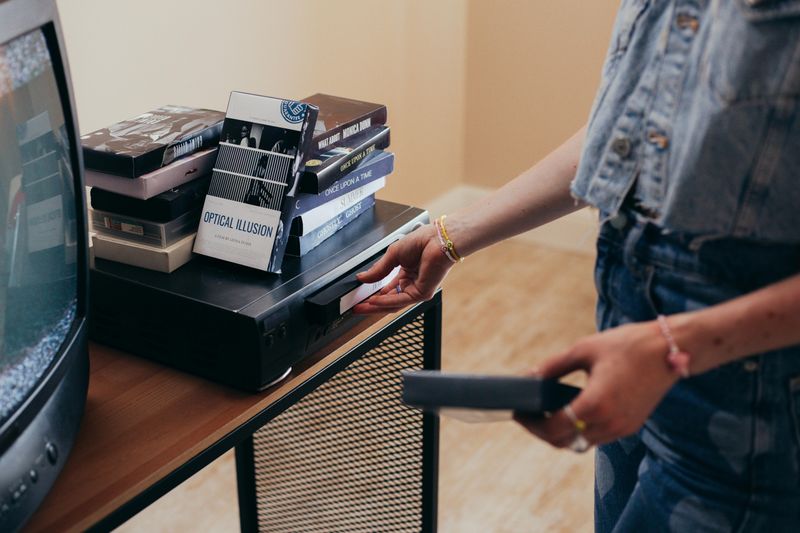
A basket or drawer holds remotes for devices that haven’t existed in the house for years.
The VCR got donated in 2012, but its remote remains.
That second cable box from the bedroom makeover?
Gone, but the remote survives.
Boomers struggle to throw these away because what if the device comes back somehow?
Sorting through the remote collection feels overwhelming, so it never happens.
Instead, new remotes join the pile when equipment gets upgraded.
Finding the right one becomes a guessing game that tests patience during every TV session.
Some remotes have worn-off buttons from decades of use.
Others look brand new because they controlled something that broke immediately.
Together they form an archaeological record of home entertainment evolution that nobody wants to excavate and organize properly.
6. Instruction Manual Archive
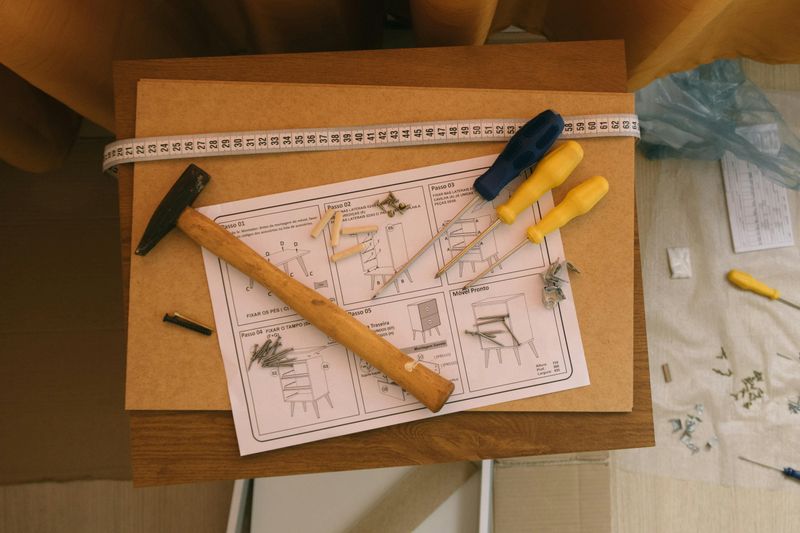
Somewhere in the house exists a drawer or box stuffed with instruction manuals for appliances that stopped working during the Obama administration.
Warranty cards promise coverage that expired before smartphones became popular.
Yet these paper guides remain filed away, because you paid good money for those items and the manuals came with them.
The microwave manual from 1997 sits next to booklets for three different coffee makers, only one of which still functions.
Nobody has opened these in years, but throwing them out feels wrong.
What if you need to troubleshoot something and the internet isn’t working?
This collection grows despite regular appliance turnover because new purchases come with their own manuals that immediately join the archive.
The pile becomes a time capsule of every kitchen gadget, power tool, and electronic device that passed through the household.
7. Gift Wrap Stockpile
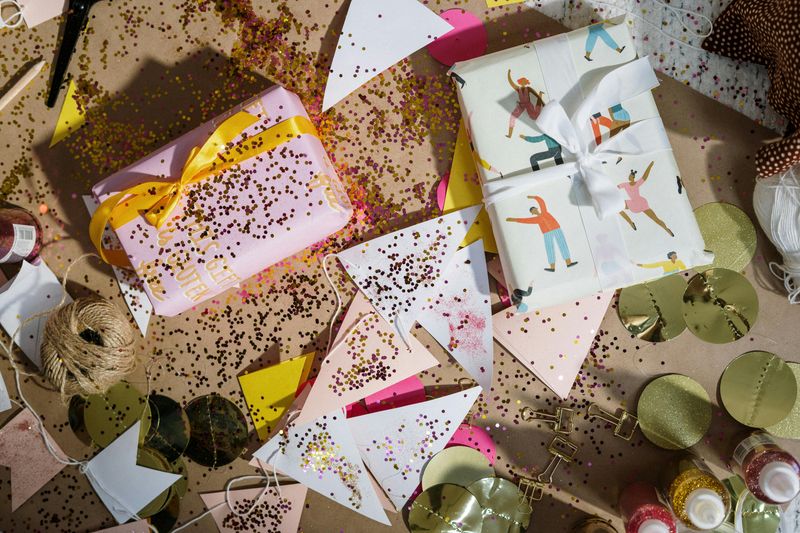
A dedicated box or closet shelf holds every gift bag received in the past decade, carefully flattened and saved for future use.
Ribbons get wound back up, bows return to the collection, and tissue paper gets smoothed out for another round.
Boomers see no reason to buy new wrapping supplies when perfectly good materials already exist at home.
The collection includes bags for every occasion: birthdays, holidays, baby showers, and generic celebrations.
Some bags have made the rounds so many times that everyone in the family recognizes them.
That sparkly blue bag?
It’s been to at least six birthday parties.
Younger generations might grab fresh supplies at the store, but Boomers remember when gift bags cost real money and wrapping paper was expensive.
Reusing these items makes economic and environmental sense, even if the storage space they occupy could be used for something else.
8. Magazine and Newspaper Pile
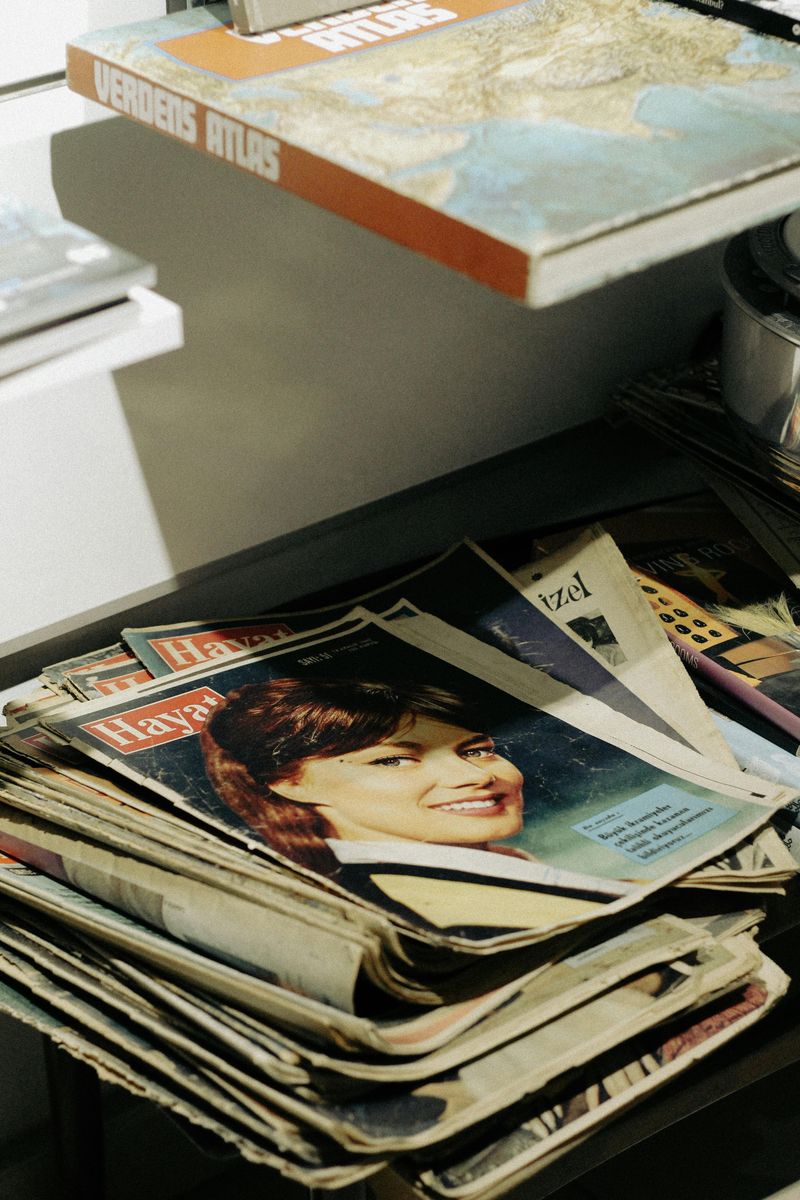
Stacks of magazines accumulate on coffee tables, in bathrooms, and beside favorite chairs.
That National Geographic from 2019 has an article about climate change that deserves a proper read someday.
The local newspaper from three weeks ago contains a recipe worth clipping.
These piles grow because there’s always something worth saving for later.
Some magazines get kept specifically for wrapping fragile items when shipping packages.
Others contain crossword puzzles not yet completed.
A few hold sentimental value because they feature stories about the local community or family friends.
Recycling them feels wasteful when they still have potential use.
The intention to read through them properly never quite materializes, but hope springs eternal.
Meanwhile, new issues arrive while old ones remain unread, creating an ever-expanding collection that occasionally gets sorted but rarely gets significantly reduced.
9. Souvenir Mug Collection

Cabinet space gets taken up by mugs from every vacation, work event, bank promotion, and community fundraiser attended over the past forty years.
That cup from the Grand Canyon trip in 1989 still holds coffee just fine.
The promotional mug from a bank that closed in 2005?
It’s a perfectly functional drinking vessel.
Each mug carries a memory, making it hard to purge the collection even when storage runs short.
The oversized mug from that conference might be ugly, but it holds more coffee than regular cups.
The chipped one from a favorite restaurant that closed deserves to stay for sentimental reasons.
Guests opening the cabinet face an overwhelming array of choices, none of which match.
But Boomers don’t care about matching sets when each piece tells a story.
These mugs represent experiences, places visited, and moments worth remembering every morning.
10. Plastic-Covered Furniture
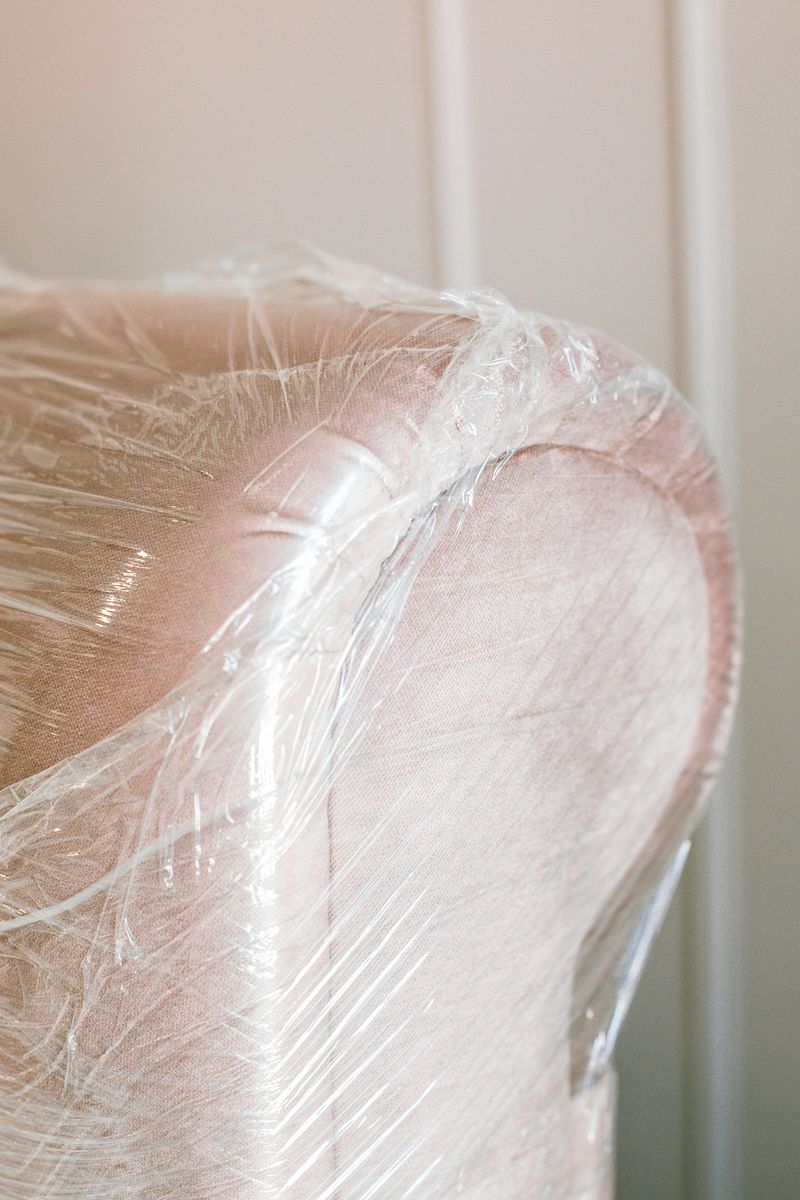
The formal living room contains beautiful furniture that nobody actually sits on because it’s wrapped in protective plastic.
Couches remain pristine under clear covers that stick to bare legs in summer.
These pieces were expensive investments meant to last forever, which apparently requires keeping them in showroom condition at all times.
Guests get directed to the family room with its comfortable, uncovered seating while the formal room stays perfect.
The plastic makes sense in theory—it protects against spills, stains, and wear.
In practice, it makes the furniture uncomfortable and somewhat pointless since it never gets properly enjoyed.
This room represents aspirational living, a space maintained for special occasions that rarely come.
The furniture waits patiently for company important enough to justify its existence, while daily life happens elsewhere.
The plastic stays because removing it means accepting that the special occasion may never arrive.