 MomSkoop
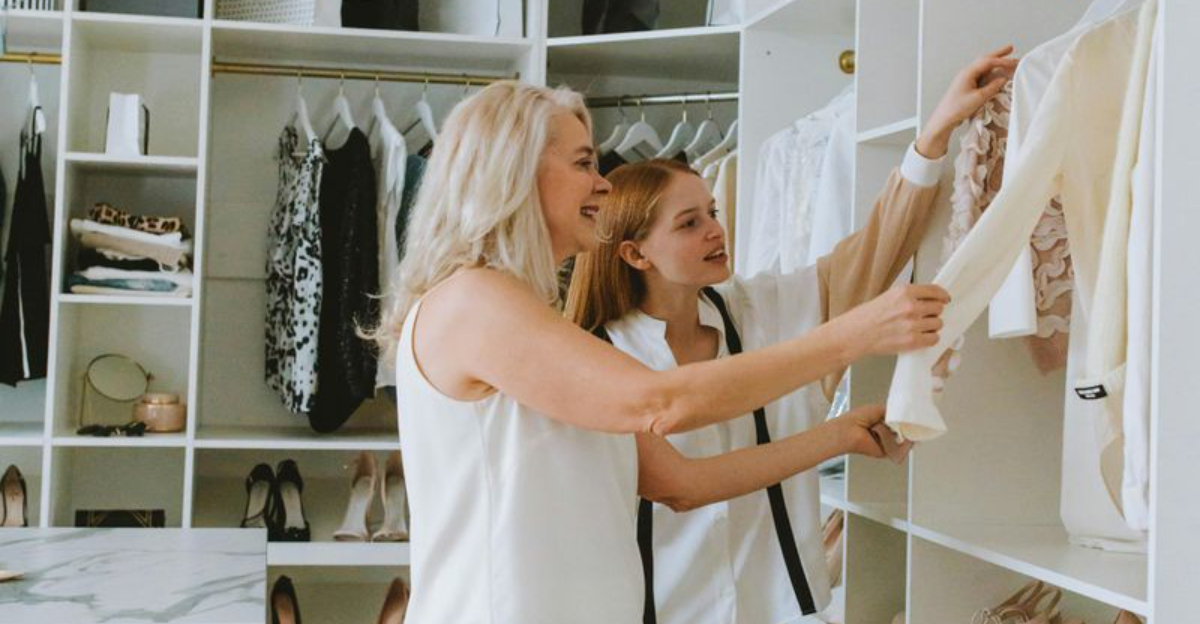
Walking into a truly organized home feels different. There’s a sense of calm, a place for everything, and everything seems to work smoothly. These homes aren’t just clean—they’re thoughtfully arranged to make daily life easier and less stressful for everyone who lives there.
1. Clear Countertops and Surfaces
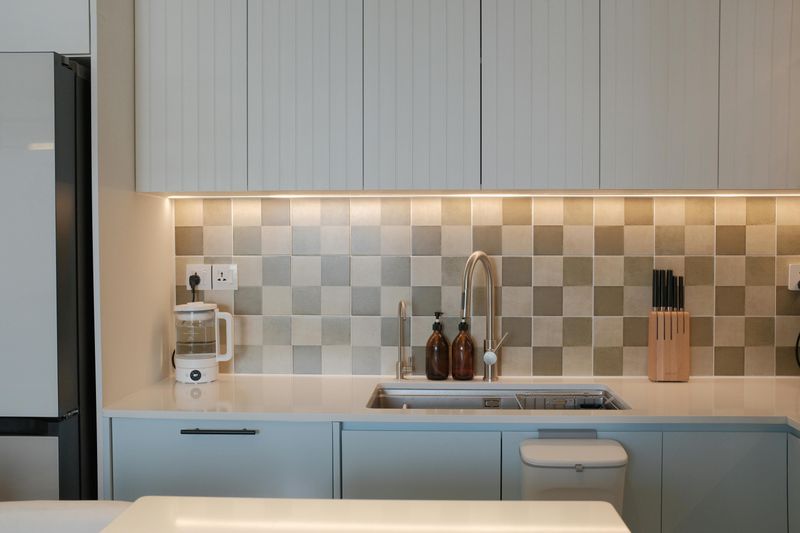
Open spaces make a home feel bigger and more peaceful.
When counters stay mostly empty, cleaning becomes quick and easy.
Organized families keep only what they use daily within reach.
Coffee makers, dish soap, and maybe a fruit bowl earn their spots.
Everything else gets tucked into cabinets or drawers where it belongs.
This simple habit prevents piles from forming and keeps stress levels down.
You’ll never waste time hunting for your keys again.
Clear surfaces also make cooking and homework time much more enjoyable.
Kids can spread out projects without moving clutter first.
The whole family benefits from this one organizing rule.
2. Labels on Almost Everything
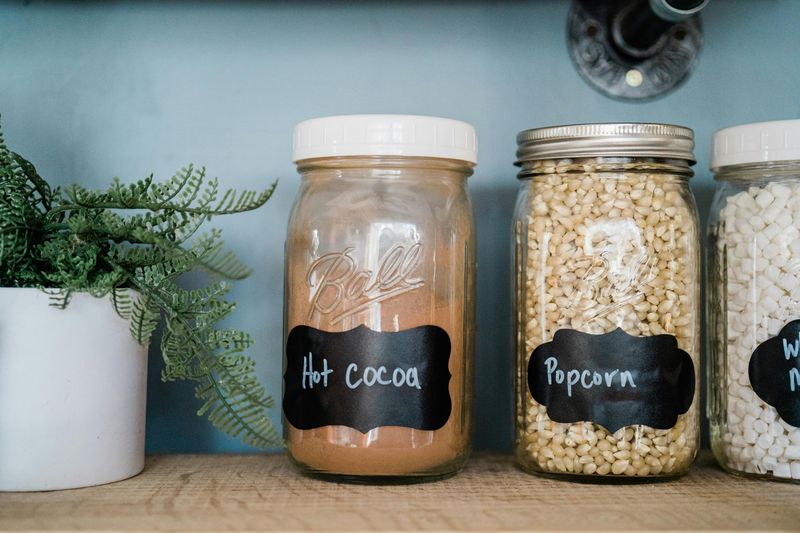
Labels might seem unnecessary until you realize how much time they save.
Even adults forget which bin holds the winter scarves or where the batteries live.
Kids especially benefit because labels help them put things back correctly.
Organized homes use labels in closets, pantries, toy bins, and garages.
A simple tag tells everyone exactly what belongs where.
This prevents the dreaded junk drawer from taking over your home.
You can use a label maker or just masking tape with a marker.
Either way works perfectly fine for keeping order.
When guests visit, they can help put dishes away without asking questions.
Labels create independence and reduce daily frustrations for everyone.
3. A Landing Spot Near the Door
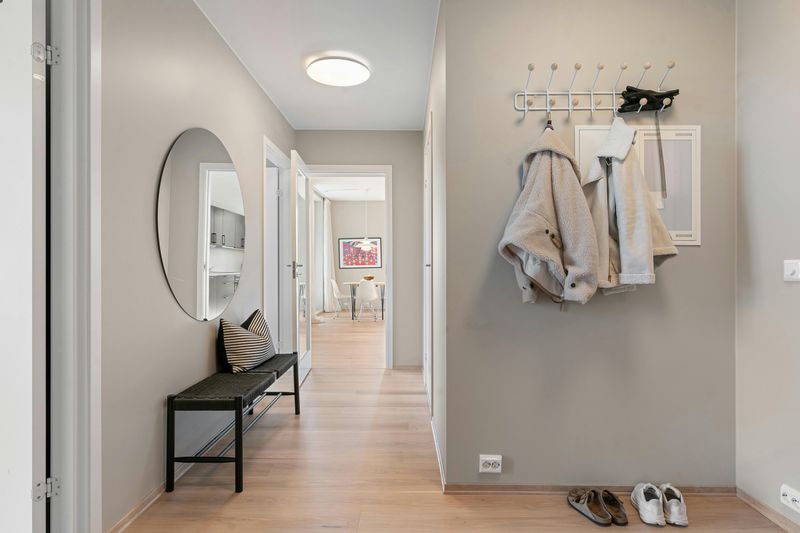
Shoes, backpacks, and jackets need a home right when you walk inside.
Without a designated spot, these items end up scattered everywhere.
Smart families create a landing zone with hooks, baskets, and a small bench.
Mail gets sorted here instead of piling up on the dining table.
Keys hang on hooks so nobody runs late searching for them.
This area works like a buffer between outside chaos and indoor peace.
Even a small corner can transform into an effective drop zone.
The secret is making it convenient enough that everyone actually uses it.
When morning routines go smoothly, the whole day starts better.
This one spot prevents clutter from invading your entire home.
4. Matching Storage Containers

Mismatched containers create visual chaos even when things are technically organized.
Uniform bins and baskets make shelves look neat and maximize space.
Clear containers let you see what’s running low without opening every lid.
Organized homes invest in sets that stack properly and fit their shelves.
This isn’t about being fancy—it’s about function and efficiency.
When containers match, they use vertical space better than random boxes.
You’ll fit more items in the same cabinet or closet.
Plus, matching storage just looks more put-together and calming.
Kids find it easier to maintain systems when everything has a consistent look.
This small upgrade makes a surprisingly big difference in how organized your home feels.
5. A Paper Management System
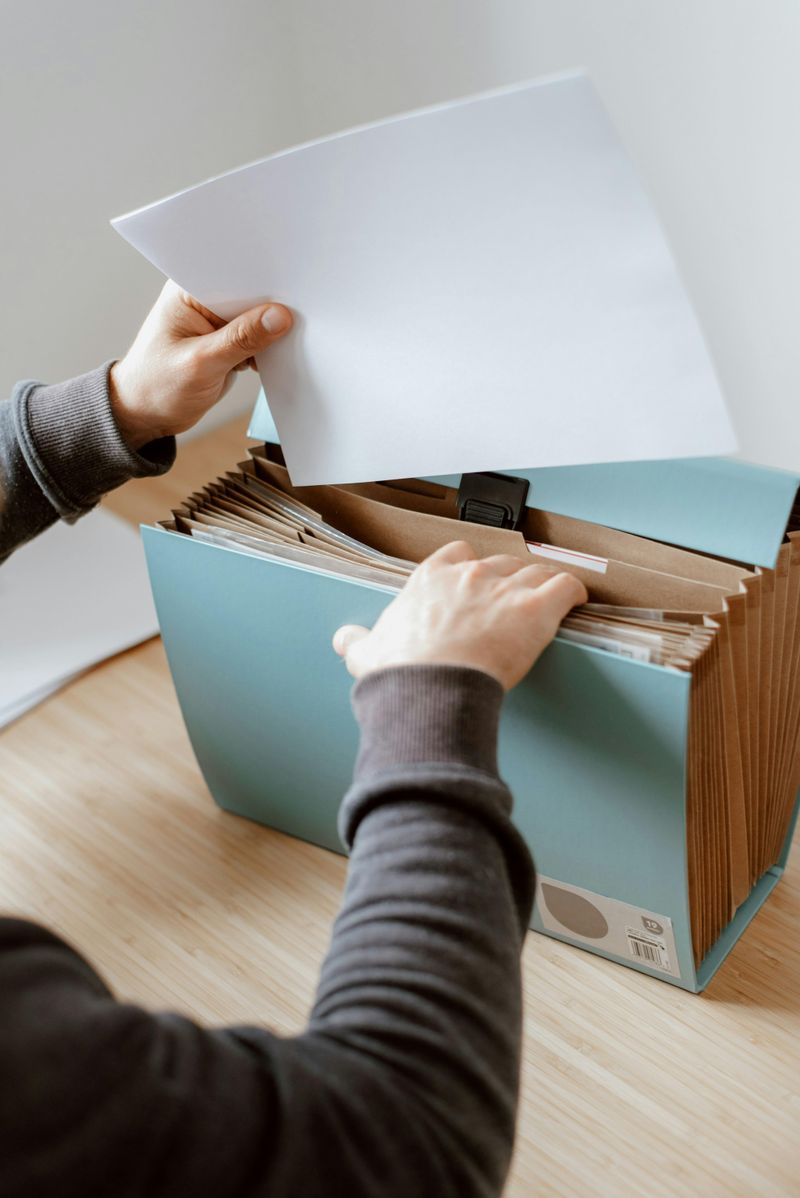
Paper seems to multiply overnight if you don’t have a plan.
School forms, bills, coupons, and receipts create mountains fast.
Organized families handle paper immediately instead of letting it pile up.
They use an inbox for items needing action and file or toss everything else.
Some homes go digital, scanning documents into organized computer folders.
Others use simple filing systems with labeled folders for different categories.
The key is dealing with paper right away, not someday later.
A weekly ten-minute sorting session keeps the system running smoothly.
When tax season arrives, everything you need is already organized.
No more frantic searches through random stacks at the last minute.
6. Regular Decluttering Habits
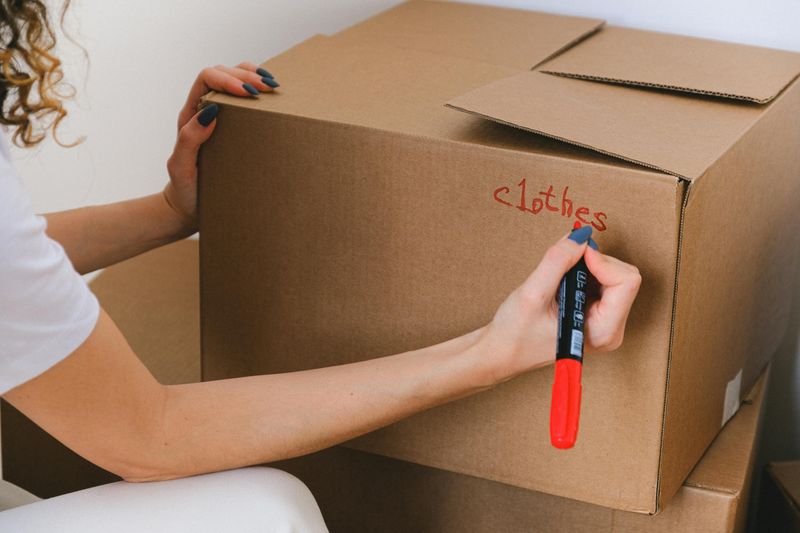
Stuff accumulates whether we notice it or not.
Organized homes schedule regular times to evaluate what they actually need.
Some families do a quick sweep every season, donating outgrown clothes and unused items.
Others follow the one-in-one-out rule when bringing new things home.
This prevents closets from overflowing and drawers from jamming shut.
Kids learn valuable lessons about gratitude and sharing through this practice.
It’s easier to stay organized when you own less stuff overall.
Decluttering doesn’t mean throwing everything away—it means keeping what matters.
When you love and use everything you own, maintaining order becomes natural.
Regular purging prevents that overwhelming feeling of drowning in possessions.
7. Kitchen Zones That Make Sense
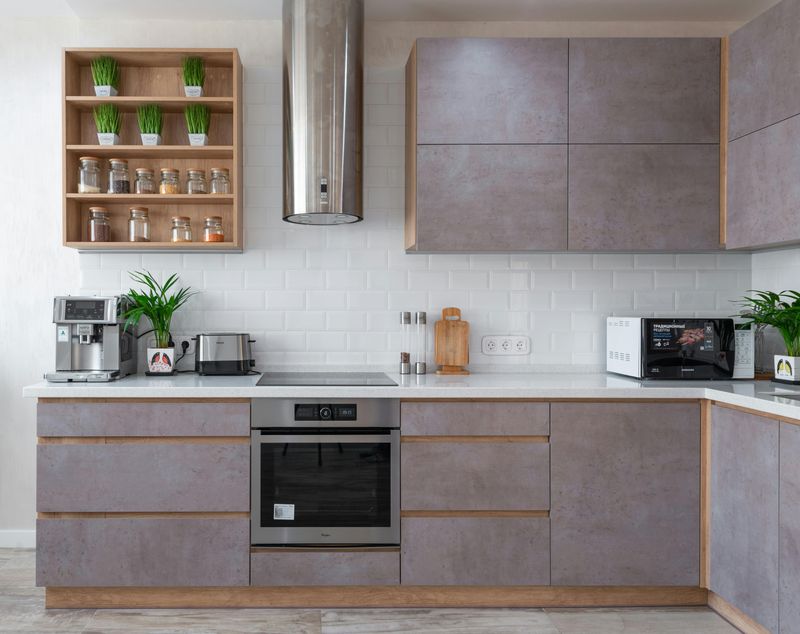
Ever notice how some kitchens just flow better than others?
Organized homes group items by when and how they’re used together.
Coffee, filters, mugs, and sugar all live in one breakfast station.
Baking supplies cluster near the mixer and measuring cups.
This zoning strategy cuts down on running around while cooking.
You’ll find what you need without opening five different cabinets.
It also helps other family members pitch in more easily.
When zones are logical, even guests can find things and help out.
Take fifteen minutes to rearrange your kitchen by task instead of randomly.
You’ll wonder why you didn’t organize this way years ago.
8. Nighttime Reset Routine
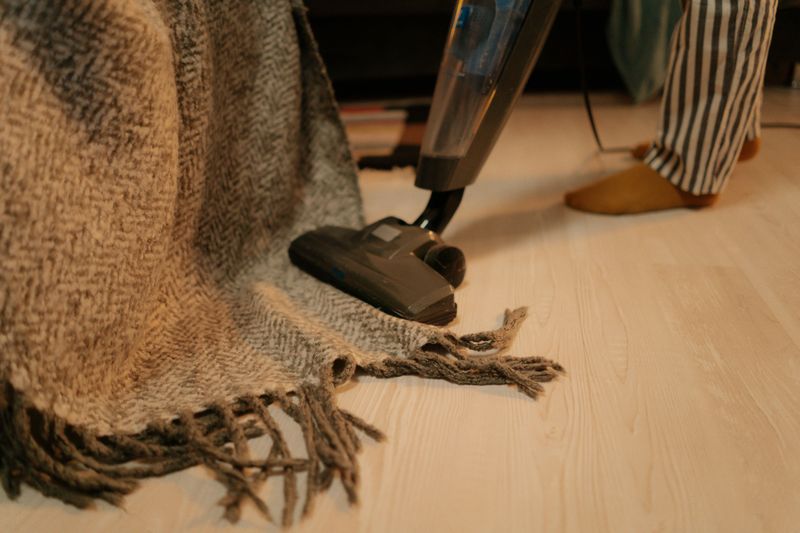
Waking up to yesterday’s mess makes mornings harder than they need to be.
Organized families spend ten minutes each evening resetting their main spaces.
Dishes go in the dishwasher, toys return to bins, and surfaces get cleared.
This isn’t deep cleaning—just a quick tidy that maintains order.
Kids can help by handling their own rooms and picking up toys.
The habit takes effort at first but soon becomes automatic.
Starting each day with a clean slate reduces stress significantly.
You’ll have more time for breakfast instead of clearing the table first.
This routine prevents small messes from becoming overwhelming disasters.
A calm morning environment helps everyone leave home feeling more prepared.
9. Vertical Storage Solutions
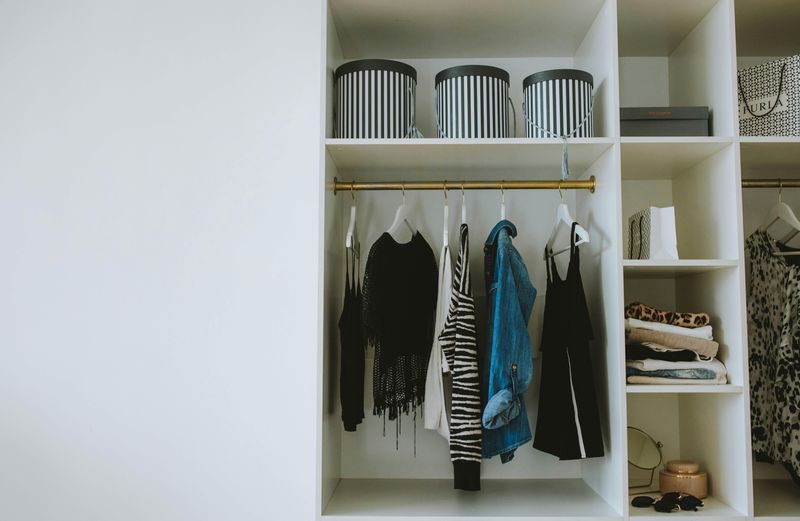
Most homes waste tons of space by only organizing horizontally.
Looking up reveals walls and doors perfect for additional storage.
Organized families install hooks, shelves, and hanging organizers everywhere possible.
Over-the-door racks hold shoes, cleaning supplies, or bathroom products.
Wall-mounted systems keep floors clear and rooms feeling more spacious.
This strategy works especially well in small homes or apartments.
Vertical storage puts things at eye level where you won’t forget them.
Garages transform when tools hang on pegboards instead of cluttering workbenches.
Even narrow walls between windows can hold slim shelving units.
Thinking vertically doubles your storage capacity without requiring more square footage.
10. Digital Calendar for the Family
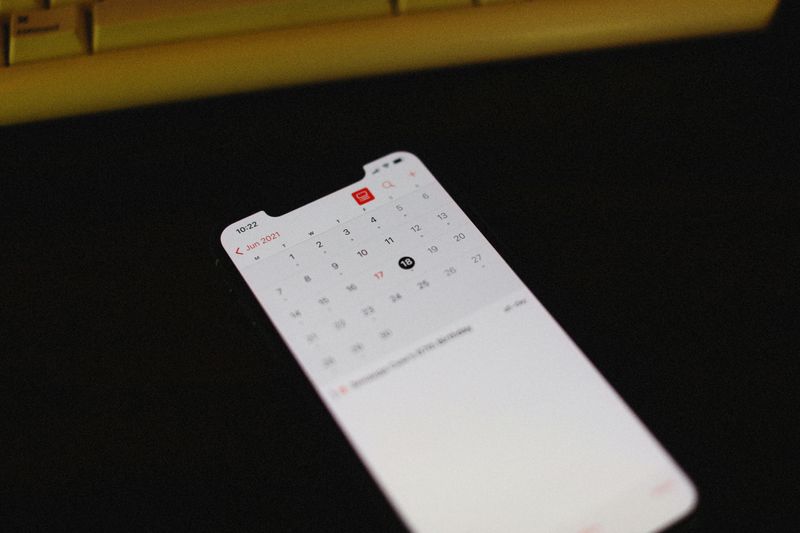
Keeping track of everyone’s activities used to mean multiple paper calendars.
Now organized families sync one digital calendar that everyone can access.
Soccer practice, dentist appointments, and school events all appear in one place.
Color-coding by family member makes it easy to see who’s doing what.
Parents can add events from work, and kids see their schedules updating automatically.
This eliminates the classic excuse of not knowing about something important.
Shared calendars send reminders so nothing falls through the cracks.
No more double-booking or forgetting about early dismissal days.
Everyone stays on the same page without constant text message updates.
This digital tool keeps family life coordinated and reduces scheduling stress considerably.