 MomSkoop
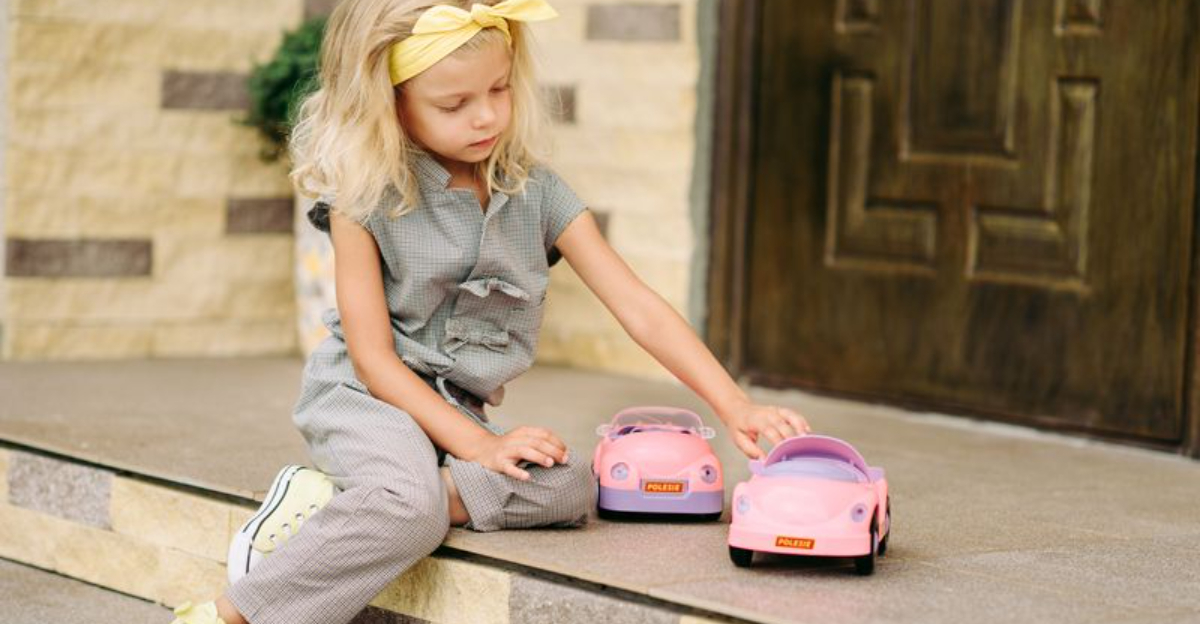
From the time they are very young, girls hear messages that shape how they see themselves and the world around them. Some of these messages come from family, teachers, or even strangers, and they can stick around for a long time.
While many people mean well, certain phrases can quietly send the wrong idea about what girls are supposed to be or how they should act. Taking a closer look at these 12 common sayings can help us understand their impact and think about better ways to encourage every girl to be her full, authentic self.
1. Be a good girl
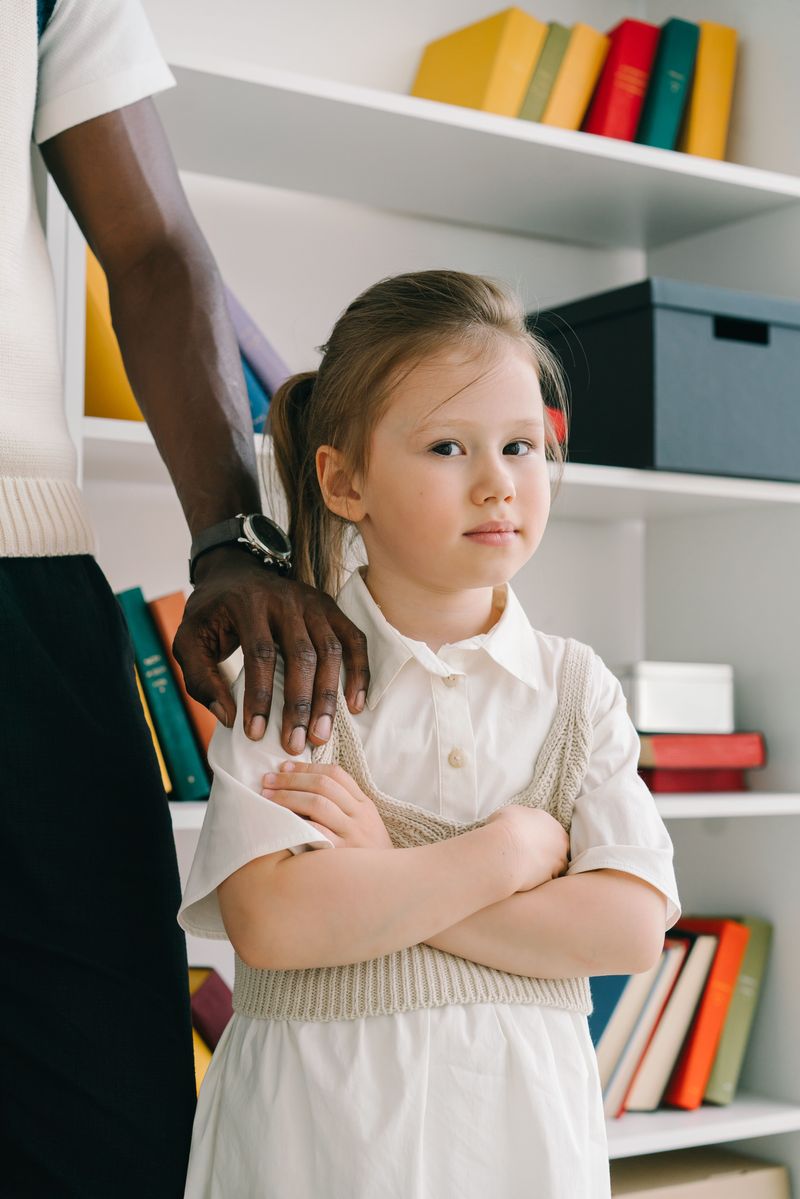
Almost every girl has heard this one.
From grocery stores to grandma’s house, “be a good girl” gets said so often it almost blends into the background.
But what does it actually mean?
Usually, it signals that a girl should stay quiet, follow rules without question, and avoid causing any trouble.
The problem is that growing up means making mistakes, asking hard questions, and sometimes pushing back.
All of those things are healthy and important.
Telling girls to simply “be good” can make them feel that their worth depends on how easy they are to manage.
Girls deserve encouragement to be curious, brave, and honest, not just agreeable.
2. Don’t be so loud
The boys are shouting, roughhousing, and having a blast.
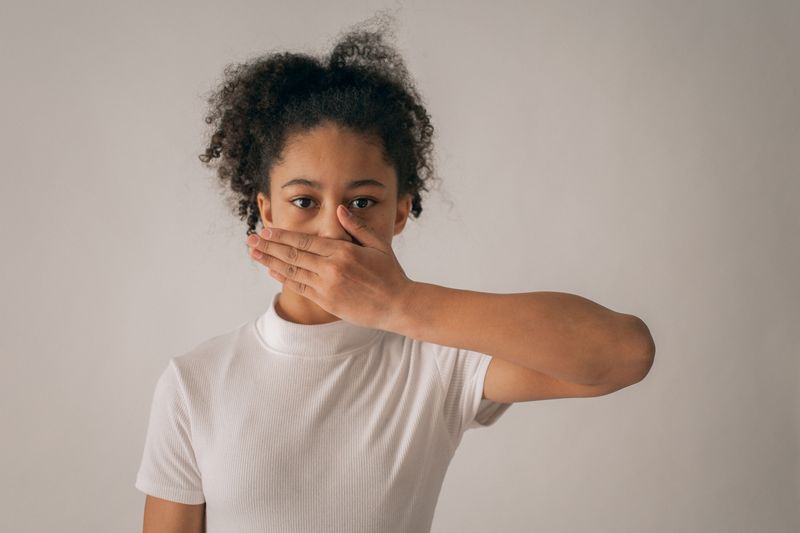
Then a girl lets out a big, joyful laugh, and suddenly someone says, “Shh, don’t be so loud.” Sound familiar?
Girls are often told to lower their voices far more than boys are.
Over time, this teaches them that taking up space, even with sound, is somehow wrong.
It can make them second-guess themselves every time they want to speak up or share excitement.
A girl’s voice is powerful.
Whether she is cheering at a game or standing up for herself, being heard is not something she should ever have to apologize for.
3. You should smile more

Smiling is wonderful, but it should come naturally, not on command. “You should smile more” is one of those phrases girls hear constantly, often from people who barely know them.
Boys rarely get the same instruction.
When a girl is told to smile, the real message can feel like: your natural face is not acceptable, and your job is to look pleasant for others.
That is a heavy thing to carry, especially when she might be focused, tired, or simply thinking deeply.
Emotions are real, and faces reflect them honestly.
Encouraging girls to perform happiness instead of feel it teaches them to mask their true feelings.
Genuine smiles are earned, not demanded.
4. Girls should be polite

Manners matter for everyone, but girls often get a much stricter version of this rule.
While politeness is a good value, the way it gets applied to girls can sometimes go too far.
They are expected to say yes graciously, never interrupt, and always put others first.
When a girl asserts herself, disagrees, or sets a boundary, she might be told she is being rude, even when she is simply being direct.
Over time, this can make her feel that standing up for herself is somehow impolite.
Teaching girls to be kind is great.
Teaching them that kindness means never saying no, or always softening their words, is a different story entirely.
Both kindness and confidence can coexist beautifully.
5. Don’t be bossy
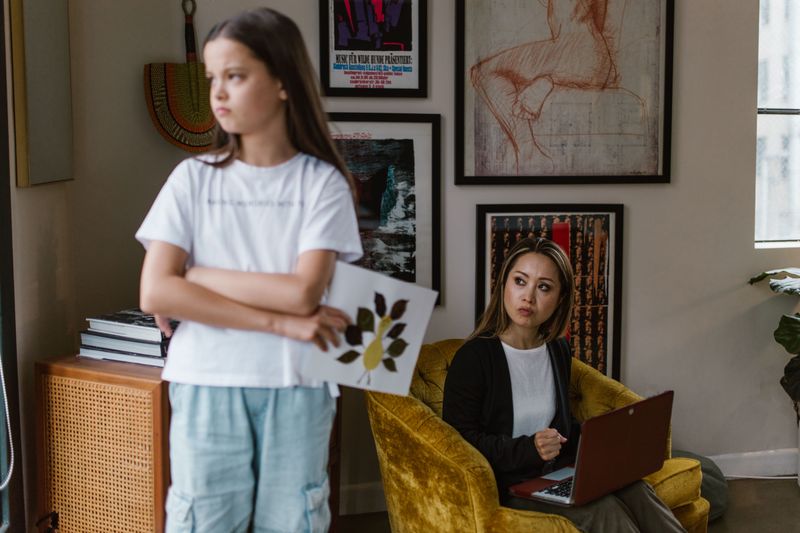
Here is something worth noticing: when a boy takes charge, people often call him a leader.
When a girl does the exact same thing, she might get labeled bossy.
This double standard has been pointed out by researchers, teachers, and parents for decades, yet the word keeps showing up.
Calling a girl bossy for organizing a game or speaking her mind sends a quiet signal that leadership is not really for her.
She may start holding back her ideas to avoid the label, and that is a real loss for everyone around her.
Girls who speak up and take initiative grow into confident adults.
Swapping “bossy” for “great leader in the making” can make a world of difference in how she sees herself.
6. You need to look pretty
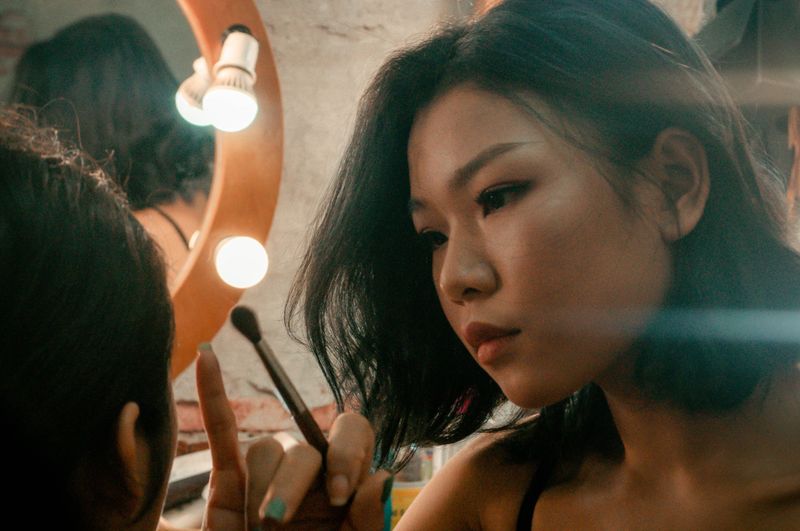
From frilly dresses to hair bows and lip gloss for toddlers, girls get the message about appearance very early. “You need to look pretty” might not always be said out loud, but it comes through in countless little ways every single day.
When a girl’s looks are the first thing people comment on, she learns to tie her value to her appearance.
Research shows that girls who focus heavily on how they look from a young age often struggle more with self-esteem as they grow older.
Of course, feeling good in what you wear is fine.
The shift happens when looking pretty becomes a requirement rather than a personal choice.
Girls are so much more than how they appear to others.
7. That’s not very ladylike
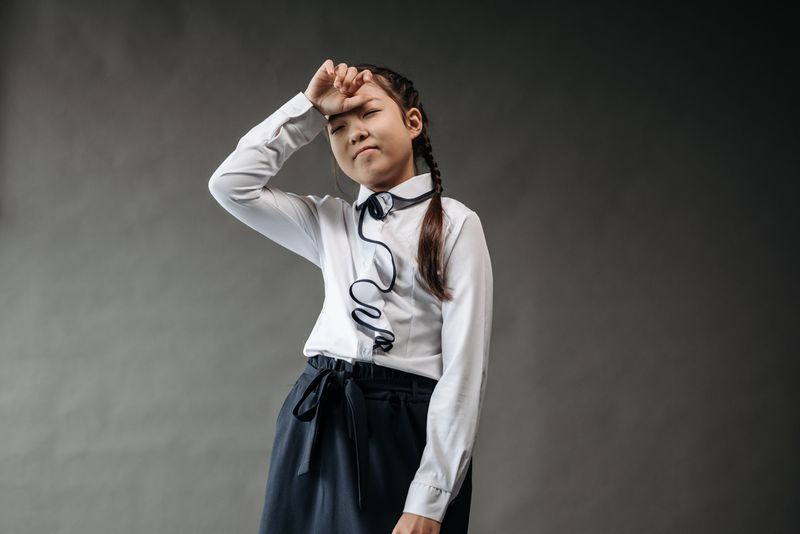
Mud on her knees.
A loud burp at the dinner table.
Sitting with her legs wide open on the grass.
For many girls, any of these moments might earn a sharp “that’s not very ladylike.” The phrase has been around for generations, and it carries a lot of baggage.
At its core, “ladylike” is a set of unwritten rules about how girls should move, eat, sit, and act.
These rules often have more to do with making others comfortable than with what is actually good for the girl herself.
Kids learn by doing, exploring, and yes, getting a little messy.
When girls are constantly corrected for simply being themselves, it chips away at their freedom to just exist and enjoy childhood fully.
8. Boys tease you because they like you

Few phrases are as confusing to a young girl as this one.
She comes home upset because a boy pulled her hair or said something mean, and instead of being taken seriously, she hears: “Oh, he probably just likes you.” That explanation does not help.
Actually, it causes harm.
This common response teaches girls to excuse unkind behavior and to read mistreatment as a form of affection.
It blurs the line between attention and disrespect at a very young age, which can set up unhealthy patterns later in life.
Every child deserves to have their feelings validated.
When a girl says someone hurt her feelings, the right response is to believe her, not to reframe the situation in a way that normalizes being treated poorly.
9. Don’t get your clothes dirty

Dirt is basically a childhood rite of passage.
Building sandcastles, digging in the garden, rolling down grassy hills, these are the moments kids remember forever.
Yet girls are far more likely than boys to hear “careful, don’t get your clothes dirty” before they even start playing.
The warning seems small, but it adds up.
When girls are constantly reminded to stay clean and tidy, they may begin to choose neatness over adventure.
They might hold back from experiences that could teach them something new or simply bring them joy.
Clothes can be washed.
Childhoods cannot be rewound.
Letting girls play freely, without worrying about grass stains or muddy shoes, sends the message that their experiences matter more than their appearance.
10. You’re too emotional

Emotions are not a flaw.
They are a feature.
Yet girls are regularly told they are “too emotional” when they cry, get angry, or feel things deeply.
This phrase can make a girl feel like something is wrong with her just for having a normal human response.
Studies have shown that girls are often penalized for showing emotions that boys are allowed to express freely.
Anger in a boy might be called passion or intensity.
The same feeling in a girl gets labeled as overreacting or being dramatic.
Emotional intelligence is actually one of the most valuable skills a person can develop.
Instead of shutting feelings down, helping girls name and understand their emotions builds resilience, empathy, and strength that will serve them their entire lives.
11. Let someone else take the lead

Stepping back is sometimes painted as a virtue for girls, almost as if taking up less space is the polite thing to do. “Let someone else go first” or “let the boys handle it” might seem harmless in the moment, but these nudges add up over time.
When girls are consistently guided away from leadership roles, they begin to internalize the idea that leading is not really their place.
By the time they are teenagers or young adults, many have already talked themselves out of opportunities they were completely capable of handling.
Leadership looks different on everyone, and there is plenty of room for all kinds of voices at the front.
Girls should be encouraged to step forward, not sideways, whenever they have something to offer.
12. What will people think of you?

This question plants a seed of self-doubt that can grow for years. “What will people think?” teaches girls to filter their choices, words, and even their personalities through the lens of outside opinion.
It is a habit that is very hard to unlearn once it takes root.
Girls who grow up worrying about what others think often struggle to make decisions with confidence.
They may shrink themselves to avoid judgment, skip opportunities because they fear failure in public, or stay quiet when they have something important to say.
Building a healthy sense of self means learning to trust your own values over the crowd’s opinion.
Girls deserve to hear, early and often, that their worth is not up for a public vote.