 MomSkoop

Ever wonder why your grocery bill keeps climbing even though you buy the same things every week? Many everyday items come with hidden markups that drain your wallet without you even realizing it.
From convenient snacks to fancy bottled drinks, stores count on shoppers choosing pricier options when cheaper alternatives work just as well. Understanding where you might be overspending can help you make smarter choices and keep more money in your pocket each month.
1. Single-Serve Snacks

Grabbing those tiny bags of chips or cookies might seem convenient, but you pay a huge premium for that portability.
A family-size bag of the same snack costs way less per ounce than buying several individual packs.
Manufacturers charge extra for the packaging and portion control, even though the food inside is identical.
Instead of buying pre-portioned snacks, purchase larger bags and divide them yourself using reusable containers or sandwich bags.
Your wallet will thank you, and you can still enjoy the convenience of grab-and-go snacks.
Plus, you create less waste by avoiding all that extra packaging.
Making this simple switch could save your family hundreds of dollars annually.
2. Bottled Water

Americans spend billions on bottled water each year, even though tap water in most places is perfectly safe and clean.
Buying a case of bottled water can cost 2,000 times more than the same amount from your kitchen faucet.
Companies market bottled water as purer or healthier, but studies show it often comes from the same sources as tap water.
Investing in a good reusable bottle and a filter pitcher makes way more financial sense.
If you worry about water quality, a simple home filtration system costs less than buying bottles for just a few months.
You save money while helping the environment by reducing plastic waste.
3. Pre-Cut Fruits And Vegetables
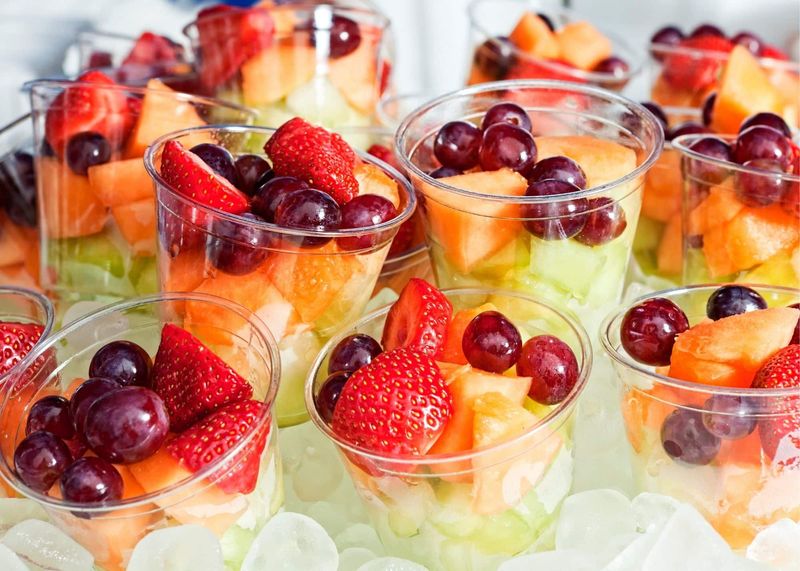
Those convenient containers of sliced melon or chopped vegetables come with a shocking price tag attached.
Stores charge double or even triple the price for produce someone else cut up for you.
A whole pineapple might cost three dollars, while the pre-cut version in a plastic container runs eight dollars or more.
The actual cutting takes only a few minutes with a sharp knife and cutting board.
Pre-cut produce also spoils faster because cutting exposes more surface area to air and bacteria.
Buying whole fruits and vegetables keeps them fresher longer while saving substantial money.
A little prep work goes a long way toward stretching your grocery budget.
4. Cold-Pressed Juices
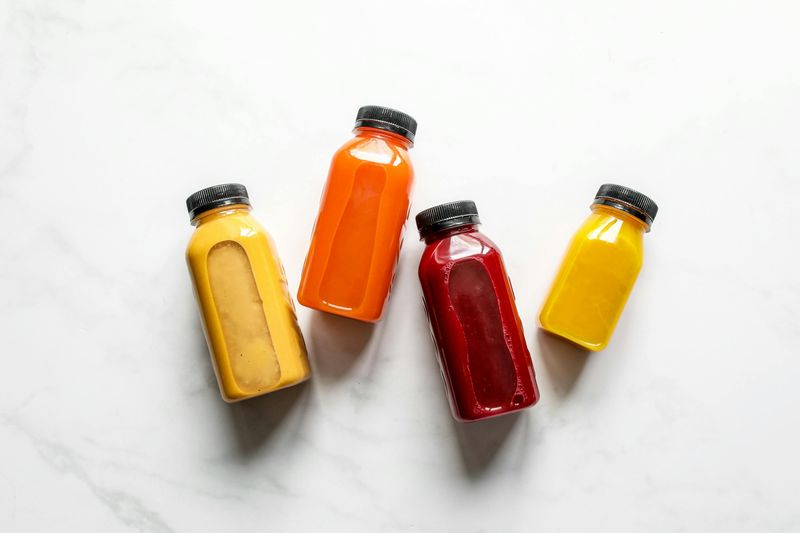
Health-conscious shoppers often reach for those trendy cold-pressed juices without checking the eye-watering price first.
A single bottle can cost anywhere from six to ten dollars, making it one of the priciest items per ounce in the entire store.
While companies claim special processing preserves nutrients better, regular juice or simply eating whole fruits provides similar benefits at a fraction of the cost.
Whole fruits contain fiber that juice lacks, keeping you fuller longer.
If you love fresh juice, consider buying an affordable juicer or blender for home use.
Making your own costs pennies compared to store-bought versions and lets you control ingredients completely.
5. Organic Packaged Snacks

Slapping an organic label on crackers, cookies, or chips instantly raises the price, sometimes by 50 percent or more.
While organic produce makes sense for certain items with high pesticide residues, processed snacks offer minimal health advantages over conventional versions.
Organic junk food is still junk food, with similar calories, sugar, and salt content.
Companies know consumers associate organic with healthier choices and charge accordingly.
Reading ingredient labels matters more than looking for organic certification on heavily processed foods.
Save your organic budget for fresh produce where it actually makes a meaningful difference.
Your snack choices will taste the same without the premium price tag.
6. Gourmet Salts And Sugars
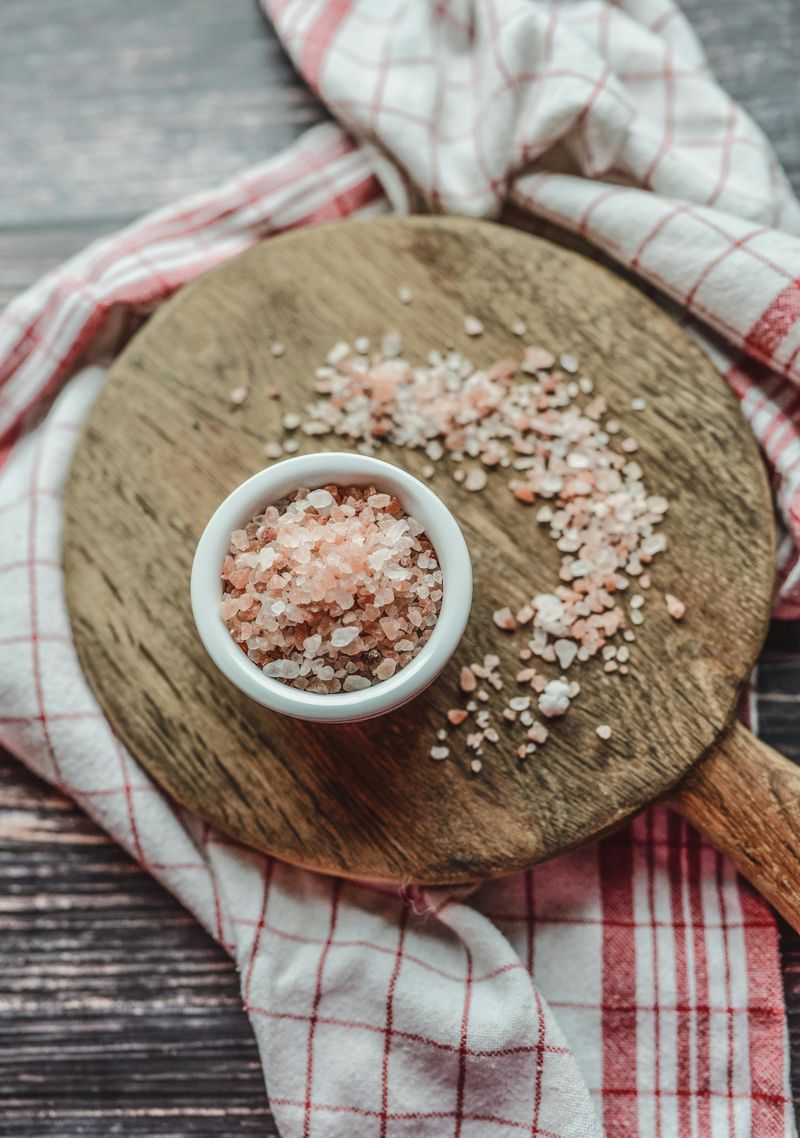
Pink Himalayan salt, black lava salt, and specialty sugars promise unique flavors but rarely deliver enough difference to justify their cost.
Regular table salt costs pennies per pound, while gourmet varieties can run ten dollars or more for a tiny jar.
Chemically, salt is salt—sodium chloride performs the same function regardless of color or origin story.
Fancy sugars work similarly in baking and cooking as the regular white kind.
Professional chefs often use basic ingredients and save money for items that truly impact flavor.
Unless you need something specific for a special recipe, stick with standard salt and sugar.
Your taste buds probably cannot tell the difference anyway.
7. Flavored Instant Oatmeal Packets
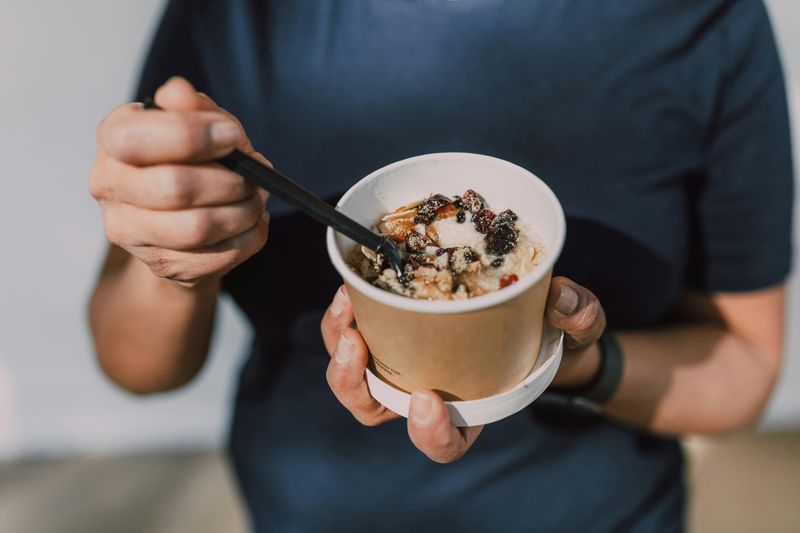
Buying those individual flavored oatmeal packets costs about five times more per serving than plain oats you flavor yourself.
Each tiny packet contains mostly regular oats plus a bit of sugar, artificial flavoring, and salt.
A canister of plain oatmeal provides dozens of servings for the price of a small box of instant packets.
Adding your own fresh fruit, honey, cinnamon, or brown sugar takes seconds and tastes better, too.
You control the sweetness level and avoid unnecessary additives found in flavored versions.
Plain oats cook almost as quickly in the microwave with a splash of water or milk.
This simple breakfast swap saves serious money over time.
8. Pre-Shredded Cheese

That bag of shredded cheese costs significantly more per pound than buying a block and grating it yourself at home.
Companies add cellulose powder to pre-shredded cheese to prevent clumping, which also prevents it from melting as smoothly.
A cheese grater or food processor makes quick work of a block, giving you fresher-tasting results.
Block cheese stays fresh longer too since it has less surface area exposed to air.
The couple of minutes spent shredding saves you money while improving your meals.
Many cooks notice better flavor and texture when using freshly grated cheese instead of the bagged stuff.
Small effort, big savings, better taste—sounds like a winning combination.
9. Bottled Coffee Drinks
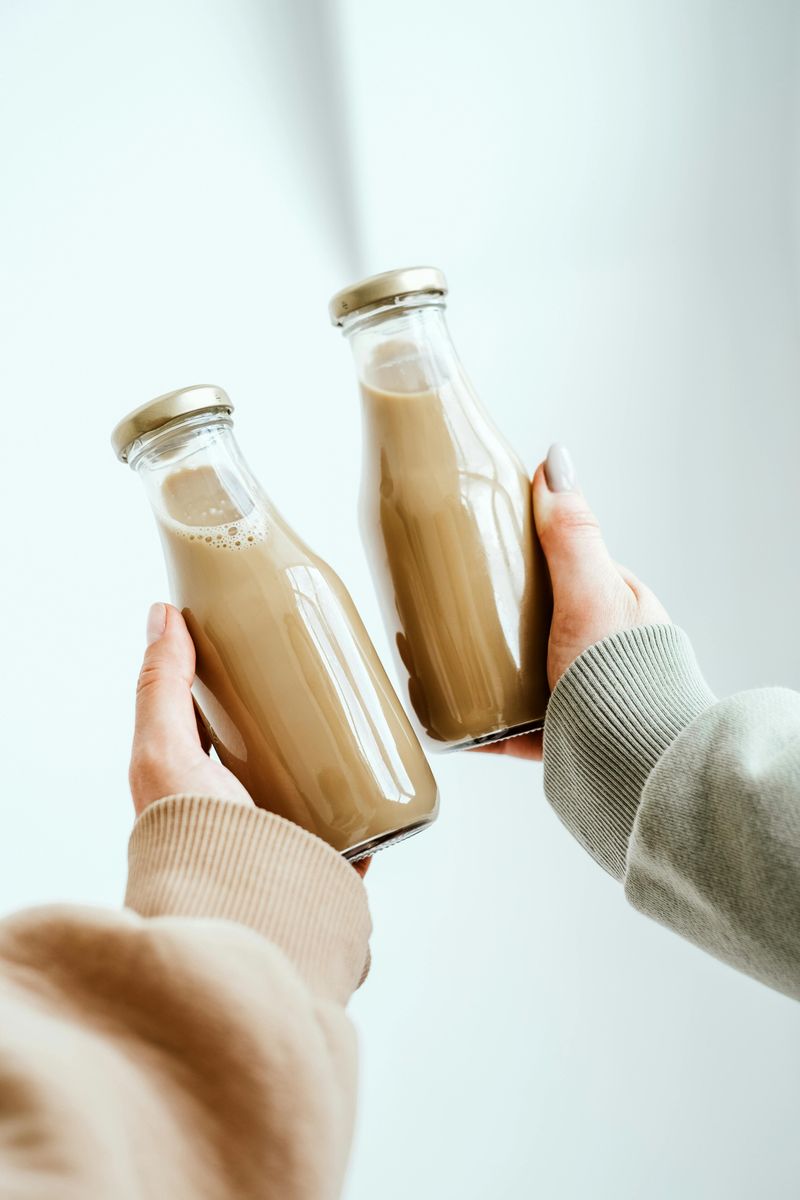
Picking up a bottled iced coffee or fancy coffee drink at the grocery store seems cheaper than a coffee shop, but it still costs too much.
One bottle might run four dollars, while making coffee at home and chilling it costs about 25 cents per serving.
These bottled drinks often contain loads of added sugar and artificial ingredients you would not put in homemade coffee.
Brewing coffee the night before and refrigerating it takes minimal effort.
Add your preferred milk and sweetener, and you get a customized drink for a fraction of the price.
Over a month, skipping bottled coffee saves enough for a nice dinner out or other treats you actually enjoy.
10. Brand-Name Spices
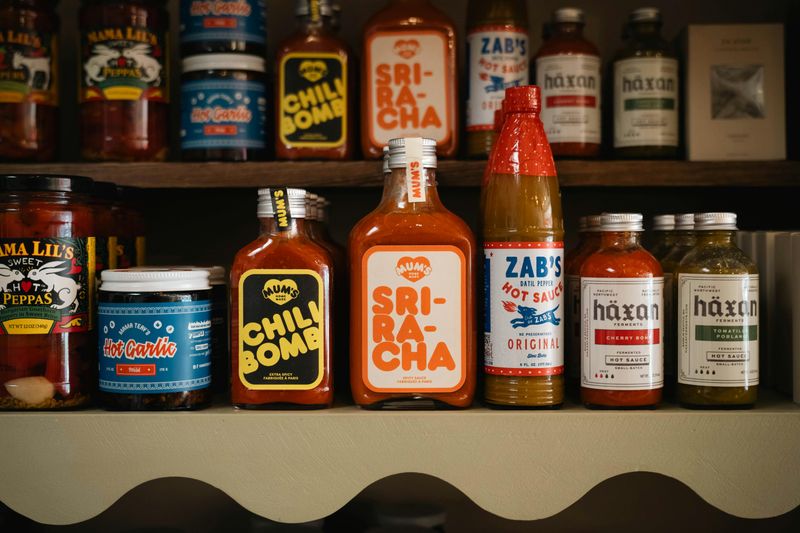
Walk down the spice aisle and you will notice brand-name options cost two or three times more than store brands sitting right beside them.
The actual spices inside those jars come from the same places and taste virtually identical.
Companies charge premium prices for familiar names and fancy packaging, not superior quality.
Store-brand spices work perfectly well in any recipe calling for oregano, cumin, or paprika.
Some shoppers swear they taste differences, but blind taste tests rarely support those claims.
Ethnic grocery stores often sell spices in larger quantities for even less money than generic supermarket brands.
Seasoning your food should not break the bank every month.
11. Name-Brand Pantry Staples
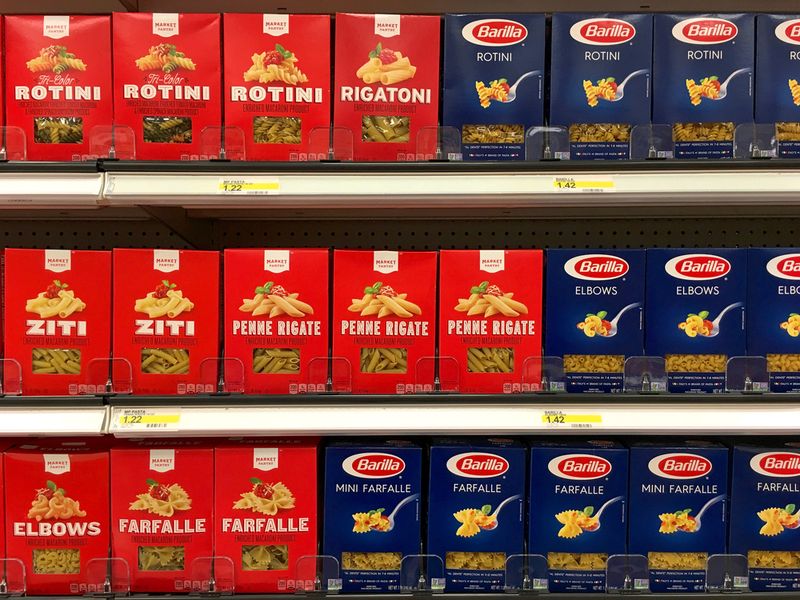
Flour, sugar, rice, pasta, and canned goods represent areas where brand loyalty costs you money without providing better results.
Store brands must meet the same safety and quality standards as expensive national brands.
The main difference lies in marketing budgets and packaging design, not what goes inside the container.
Blind taste tests consistently show people cannot identify which pasta or flour came from which brand.
These basic ingredients perform identically in recipes whether they wear a famous label or not.
Switching to generic pantry staples saves the average family several hundred dollars yearly.
That money buys ingredients that actually matter to your meals, like fresh herbs or quality proteins.
12. Salad Kits

Bagged salad kits with lettuce, toppings, and dressing seem like time-savers but cost three or four times more than making salads from scratch.
A head of lettuce, a few vegetables, and a bottle of dressing provide multiple salads for less than one kit costs.
The greens in pre-made kits often start wilting faster because of processing and packaging.
Washing and chopping lettuce takes maybe five minutes total.
You get fresher ingredients and can customize your salad exactly how you like it.
The tiny packets of dressing and toppings in kits barely provide enough flavor anyway.
Building your own salads saves money while giving you control over quality and portions every single time.