 MomSkoop
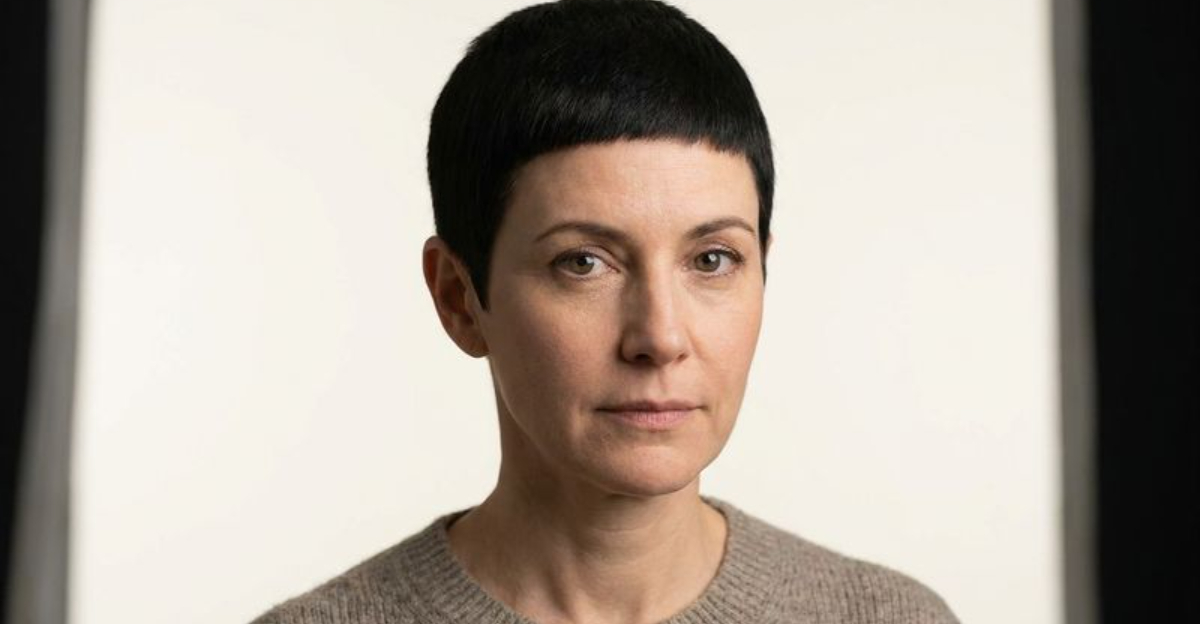
Your hairstyle can do a lot more than just frame your face — it can actually add years to your appearance without you even realizing it. Some cuts and styles that seem safe or classic are secretly flattening your hair and making it look thin and heavy.
Whether you have fine hair, thick hair, or somewhere in between, certain choices can work against you. Here are ten hairstyles that are known to steal volume and quietly age your overall look.
1. One-Length, Heavy Cuts (No Layers)
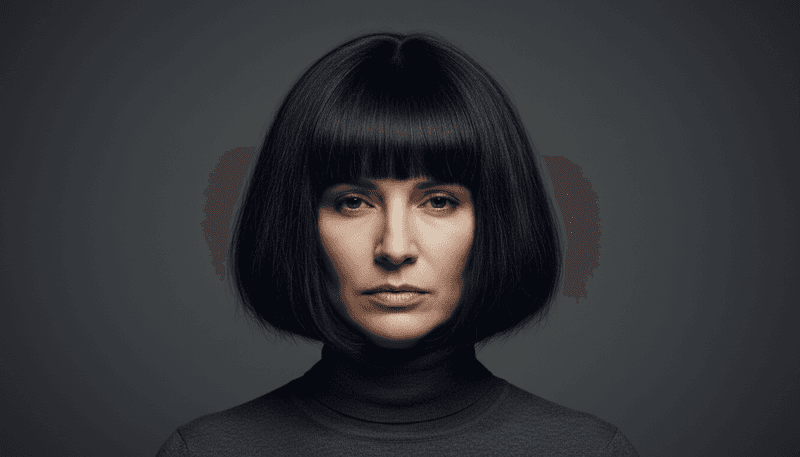
Picture every strand of your hair cut to the exact same length — no movement, no bounce, just a flat curtain of hair.
While it sounds clean and simple, a one-length cut, especially at shoulder level, can actually drag your face downward and make your hair look like a solid, lifeless block.
Without layers to create shape and lift, the hair sits heavy and refuses to move.
The result feels more dated than polished.
Adding even a few face-framing layers can completely transform the silhouette.
If you love a sleek look, ask your stylist for subtle layers underneath to give your hair some hidden life and movement.
2. Super Sleek, Pin-Straight Styles
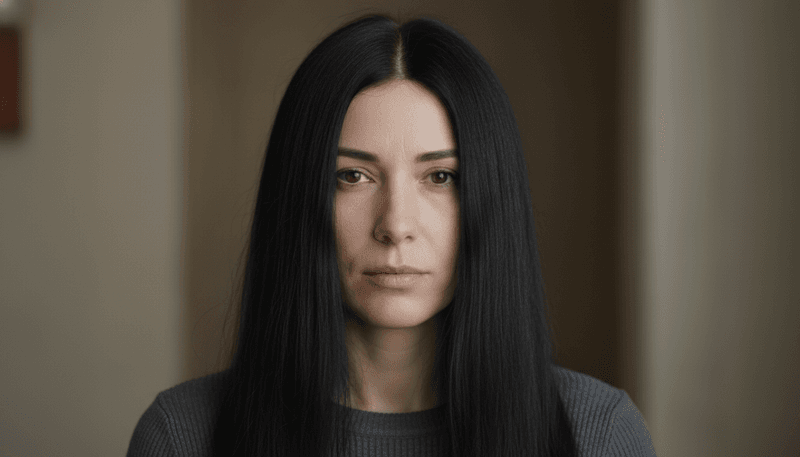
There is something almost hypnotic about perfectly straight, glossy hair — but push it too far and you end up with a style that works against you.
Ultra-flat ironing with zero lift at the roots creates a look that can actually highlight thinning and make hair appear limp rather than luxurious.
When every wave and bend is ironed out completely, the hair loses its natural texture, which is often what gives it dimension and body.
A little root lift or a slight bend at the ends makes a huge difference.
Try using a volumizing mousse before blow-drying to keep things smooth but not completely flat.
Sleek does not have to mean deflated.
3. Outgrown, Shapeless Bobs
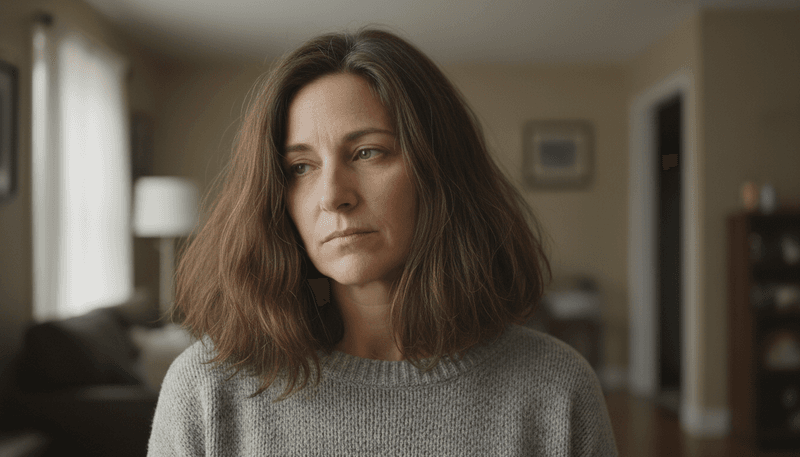
A fresh bob is one of the chicest cuts around — but let it grow out without a trim and it quickly turns into something else entirely.
An outgrown bob loses its clean lines, becomes uneven, and often gets bulky and heavy at the ends, which makes the whole style feel tired and dated.
When the shape collapses, the hair tends to hang in an awkward zone — too long to feel intentional, too short to wear up easily.
That in-between length can also emphasize heaviness around the jaw.
Regular trims every six to eight weeks keep a bob looking intentional and fresh.
A well-maintained bob is timeless; a neglected one tells a different story altogether.
4. Overly Teased, Stiff Styles
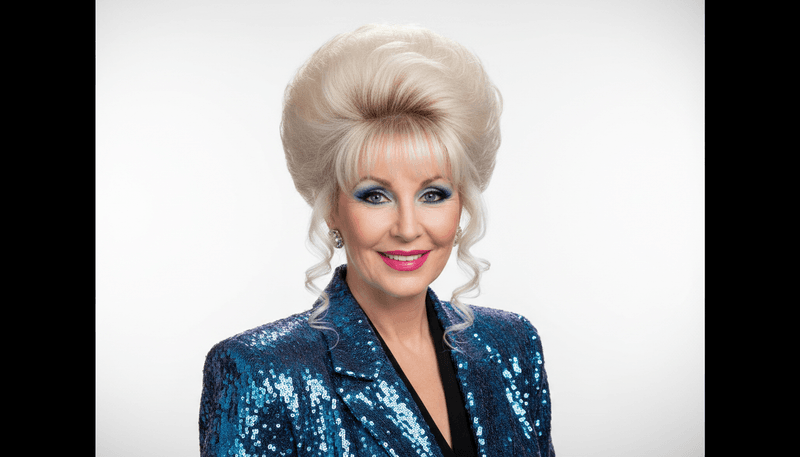
Back-combing your hair for a little lift is a classic trick, but there is a fine line between volume and a helmet.
Excessive teasing combined with a heavy coat of hairspray creates a stiff, immovable structure that looks more like a prop than a hairstyle — and it reads as instantly outdated.
The problem is not the teasing itself but the rigidity it creates when overdone.
Hair that does not move looks artificial, and stiff styles tend to emphasize rather than hide thinning areas.
Soft, touchable volume is what makes hair look full and youthful.
Try a volumizing spray at the roots instead — you get the lift without the crunch, and your hair will actually look alive.
5. Flat, Center-Parted Long Hair (No Layers)
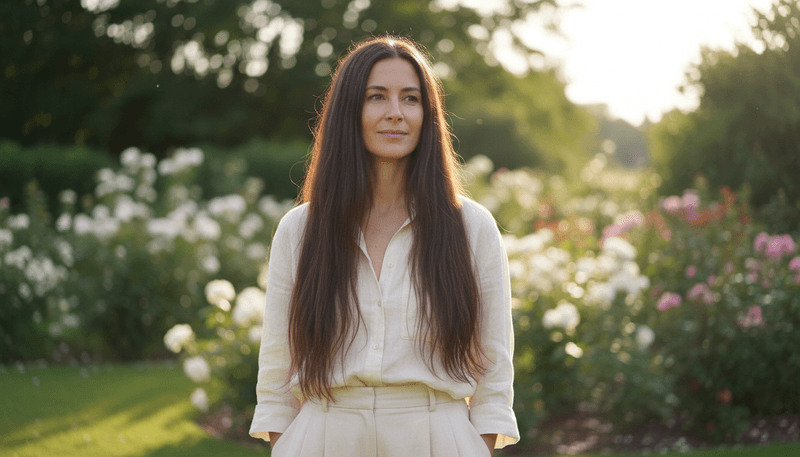
A severe center part with long, straight hair might feel effortless, but it can quietly work against you if your hair is fine or thinning.
Parting your hair right down the middle exposes the scalp along a long, straight line, which instantly draws attention to any thinning at the crown.
Without layers to break up the weight, the hair hangs flat and heavy, making the whole look feel dense rather than flowing.
Shifting your part slightly to one side adds instant volume and visual interest.
Adding long layers throughout gives the hair movement and prevents that dragging, curtain-like appearance.
Sometimes the smallest change — like moving your part an inch — can shave years off your overall look.
6. Short Cuts with No Texture (Blocky Pixies)
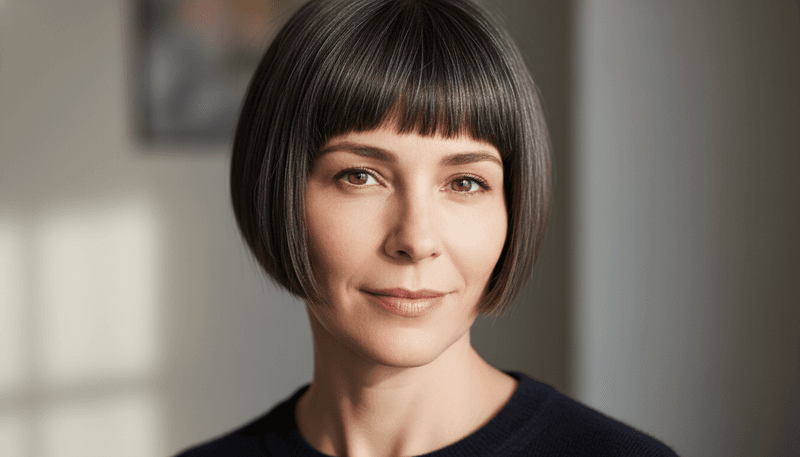
A pixie cut done right is bold, modern, and full of personality.
But a blunt pixie with no texture or movement?
That is a different story.
When a short cut lacks any layering or piece-y detail, it can appear rigid and boxy — almost like a helmet sitting on top of the head.
For anyone with fine or thinning hair, a blocky pixie actually draws more attention to the lack of fullness rather than disguising it.
Texture is everything with short hair.
Ask your stylist to add choppy ends, point-cut layers, or a bit of razoring to create dimension and softness.
A textured pixie moves with you and feels intentional, giving the whole style an energy that a blunt cut simply cannot match.
7. Overgrown Layers That Collapse
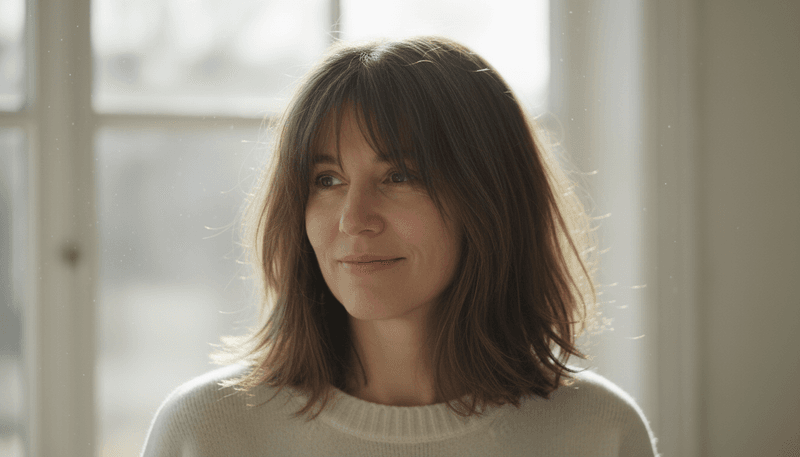
Layers are supposed to be your hair’s best friend — they create movement, reduce weight, and add that bouncy, voluminous look everyone wants.
But when layers are left to grow out too long without a refresh, they stop doing their job and start working against you.
Overgrown layers lose their shape and end up blending into the rest of the hair, creating bulk in all the wrong places.
Instead of lifting the hair, they weigh it down and make it look shapeless.
Most stylists recommend refreshing layers every eight to twelve weeks to keep them active and effective.
Skipping those appointments might save time in the short run, but it costs you the volume and shape you were originally going for.
8. Too-Long Hair with Thin Ends
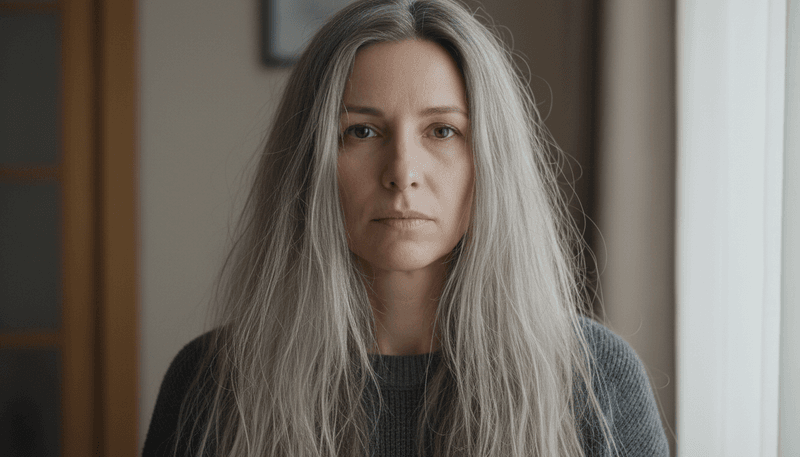
Growing your hair long is a commitment, and there is real beauty in long locks — but only when the ends are healthy and full.
When hair grows very long without regular trims, the ends become wispy, split, and thin, giving the whole style a stringy, dragged-down appearance that is hard to ignore.
Thin ends also make the hair look less dense overall, which can emphasize any thinning happening closer to the roots.
The visual weight pulls downward instead of creating flow.
A simple dusting — removing just the thinnest half inch of the ends — can completely change how healthy and full the hair looks.
Healthy ends make long hair look intentional and lush rather than just long and forgotten.
9. Heavy, Straight-Across Bangs
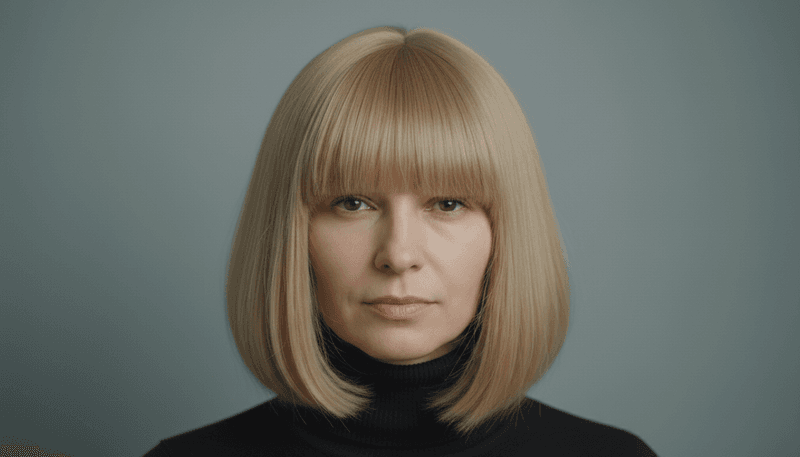
Bangs can be a fun, face-framing choice — but thick, blunt bangs cut straight across the forehead have a way of closing off the face rather than opening it up.
That dense, heavy curtain of hair across the brow can make the overall hairstyle feel flat and compact, which tends to read as older rather than youthful.
Heavy bangs also draw the eye downward, shortening the appearance of the face and reducing the sense of height and lift that adds energy to a look.
Wispy, side-swept, or curtain bangs are much more flattering alternatives that keep the face open and light.
If you love bangs, ask for texture and softness at the ends rather than a sharp, blunt line across the forehead.
10. Low, Tight Ponytails or Buns
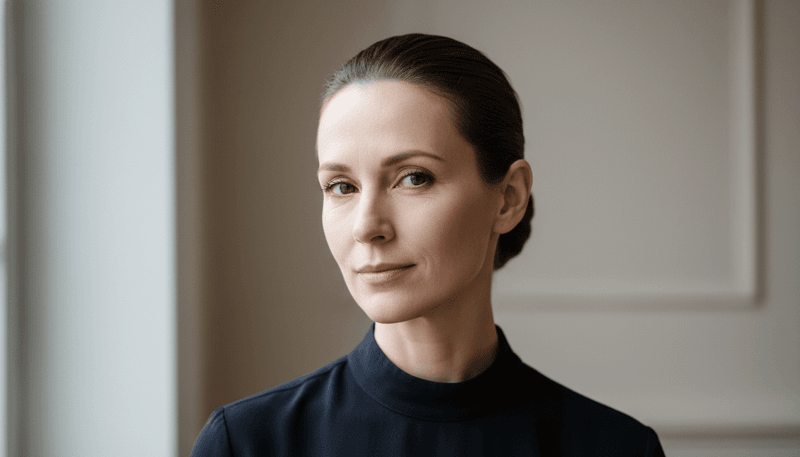
Pulling your hair back into a tight, low ponytail or bun might feel like a quick and practical fix, but it can actually highlight the very things you might want to minimize.
With no volume at the crown and all the hair pulled flat against the head, this style draws full attention to any thinning at the top.
The tightness also creates a severe, pulled look that can feel harsh rather than polished.
A loose, slightly elevated bun or a ponytail with a bump of volume at the crown makes a world of difference.
Even pulling out a few soft pieces around the face softens the entire effect.
Small tweaks to a classic updo can take it from aging to effortlessly elegant in seconds.