 MomSkoop
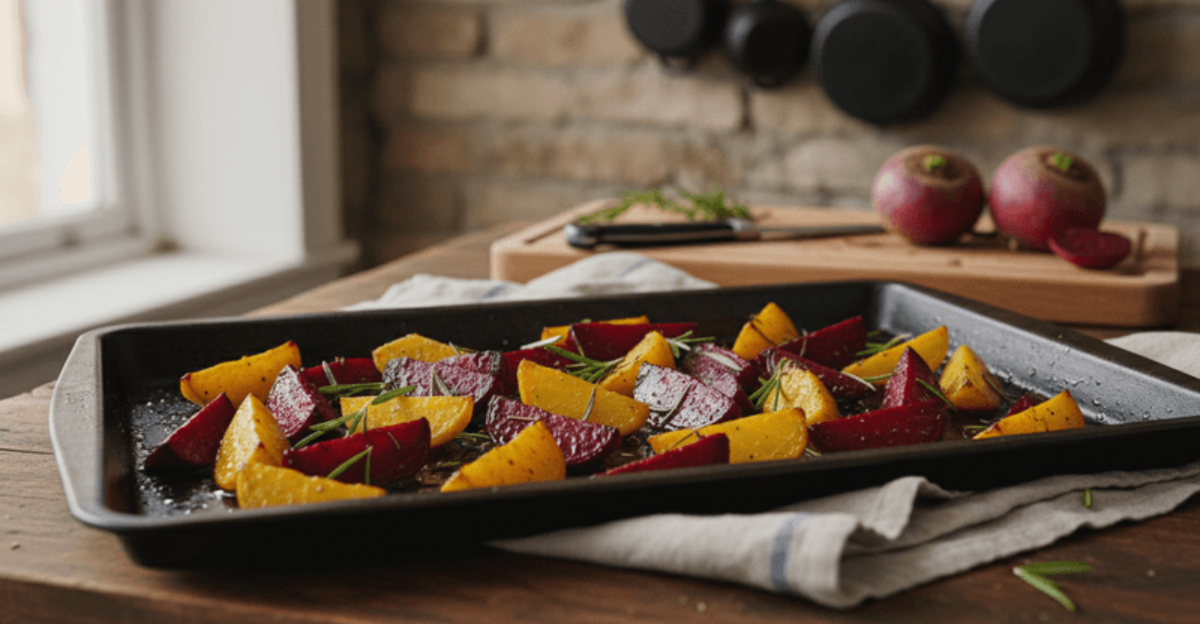
Beets are more than just a colorful vegetable — they are packed with powerful nutrients that can seriously boost your health.
Scientists have found that beets contain natural compounds called nitrates and antioxidants, which help improve blood flow and protect your cells from damage.
Whether you enjoy them raw, cooked, or blended, there are plenty of delicious ways to add beets to your daily meals.
Read on to discover the best science-backed methods to get the most out of this amazing root vegetable.
1. Fresh Beetroot Juice
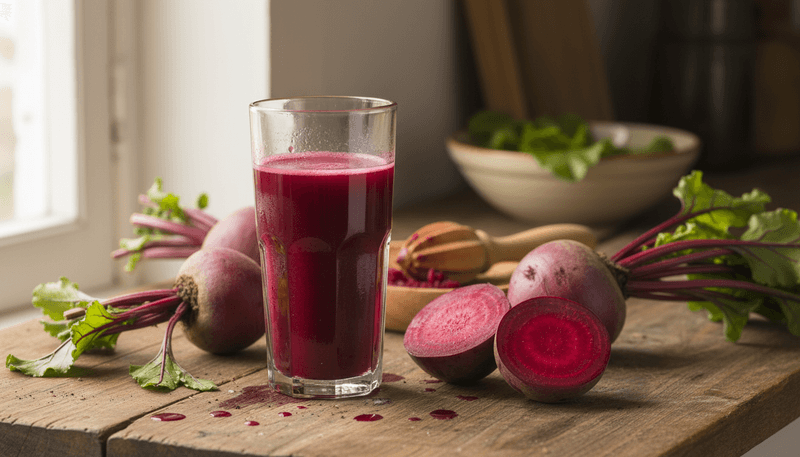
Sipping on fresh beetroot juice might just be one of the smartest things you can do for your heart.
Raw beet juice is loaded with natural nitrates, which your body converts into nitric oxide — a compound that relaxes blood vessels and supports healthy blood pressure.
Studies have shown that drinking just one cup of beet juice daily can make a noticeable difference in circulation.
It works fast, too, with effects sometimes felt within a few hours.
Try blending fresh beets with a squeeze of lemon and a small apple for a tasty, energizing morning drink.
2. Raw Shredded Beets in Salads
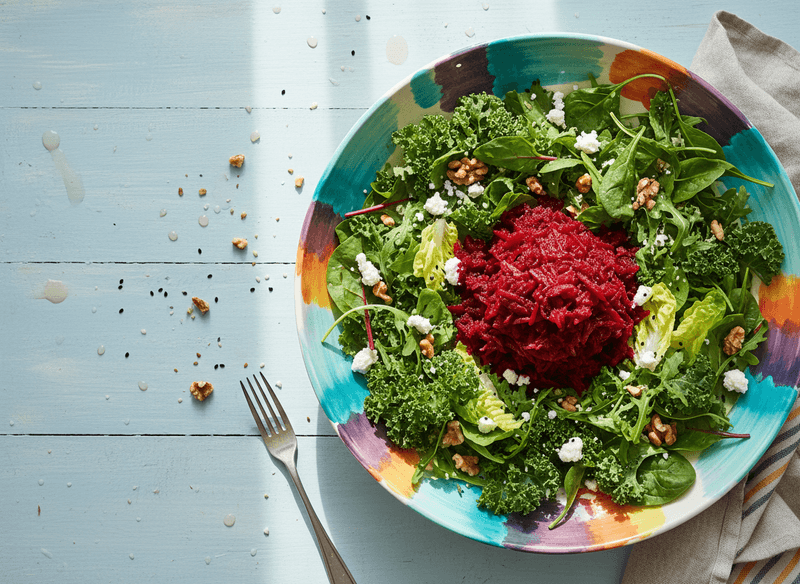
Grabbing a box grater and shredding fresh beets directly into your salad is one of the easiest ways to keep all those powerful nutrients intact.
Heat can break down some antioxidants and nitrates, so eating beets raw helps you get the full benefit of every bite.
Raw beets have a satisfying crunch and a mildly sweet, earthy flavor that pairs wonderfully with arugula, goat cheese, or citrus dressing.
Research suggests that the betalain antioxidants found in raw beets are especially potent, helping to fight inflammation and oxidative stress at the cellular level.
Simple, fresh, and incredibly effective.
3. Steamed Beets

Steaming is one of the gentlest ways to cook beets, and your body will thank you for it.
Unlike boiling, which can leach water-soluble nutrients into the cooking water, steaming keeps much of the potassium, folate, and antioxidant compounds right inside the beet where they belong.
The process is straightforward — just place whole or halved beets in a steamer basket over boiling water for about 30 to 45 minutes.
Once tender, they peel easily and taste naturally sweet.
Drizzle with a bit of balsamic vinegar or fresh herbs for a simple, nutrient-rich side dish that supports your cardiovascular system.
4. Roasted Beets with Olive Oil
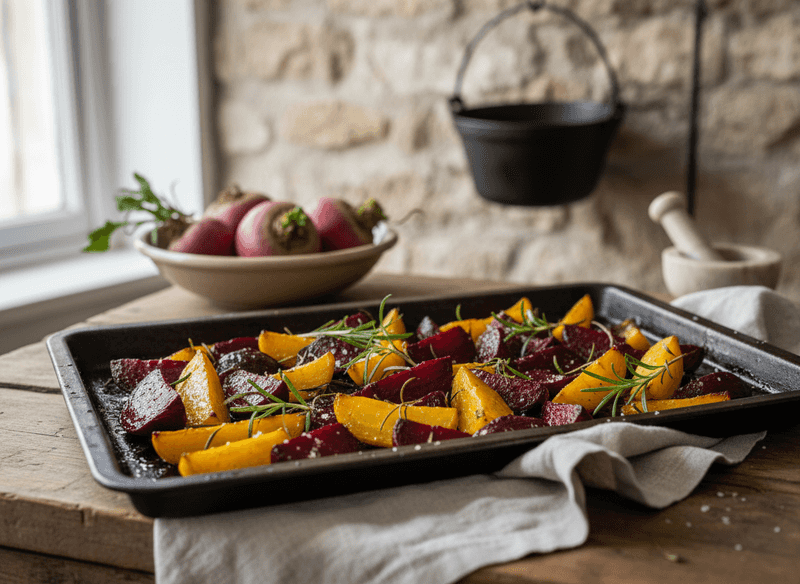
There is something almost magical about what happens to beets in a hot oven — they caramelize, deepen in flavor, and become irresistibly tender.
Roasting with a drizzle of extra-virgin olive oil is not just delicious; it is scientifically smart.
Fat-soluble antioxidants and certain phytonutrients are better absorbed by your body when eaten alongside a healthy fat like olive oil.
Cut beets into wedges, toss with olive oil, a pinch of black pepper, and fresh thyme, then roast at 400°F for about 40 minutes.
The result is a heart-friendly dish that tastes indulgent but fuels your circulation beautifully.
5. Beet and Leafy Green Smoothies
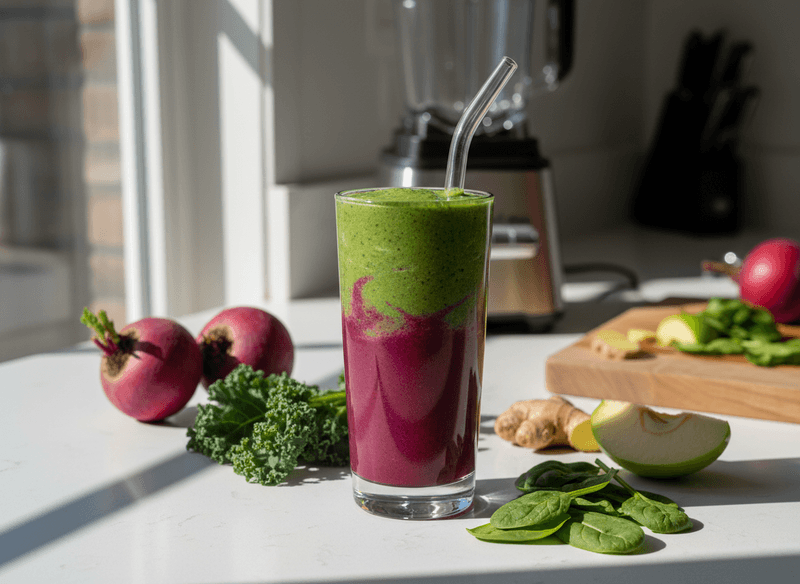
Blending beets with leafy greens like spinach or kale creates a nutritional powerhouse in a single glass.
Beets bring nitrates and betalain antioxidants, while greens add iron, magnesium, and additional antioxidants that work together to support healthy blood flow and reduce oxidative stress throughout the body.
You do not need a fancy recipe — just toss half a cooked or raw beet into the blender with a handful of spinach, a frozen banana, and some almond milk.
The banana naturally sweetens the smoothie, masking any earthy beet flavor.
Research shows that combining these ingredients amplifies their individual health benefits significantly.
6. Sauteed Beet Greens

Most people toss the leafy tops of beets straight into the trash — but that is a serious nutritional mistake.
Beet greens are actually among the most nutrient-dense parts of the plant, packed with potassium, calcium, fiber, and antioxidants like lutein and zeaxanthin, which also support eye health.
A quick saute with garlic and a splash of olive oil transforms these slightly bitter leaves into a flavorful side dish in under ten minutes.
Studies confirm that beet greens contain compounds that help regulate blood pressure and reduce inflammation.
Next time you buy fresh beets, keep those leafy tops and put them to work.
7. Low-Sodium Pickled Beets
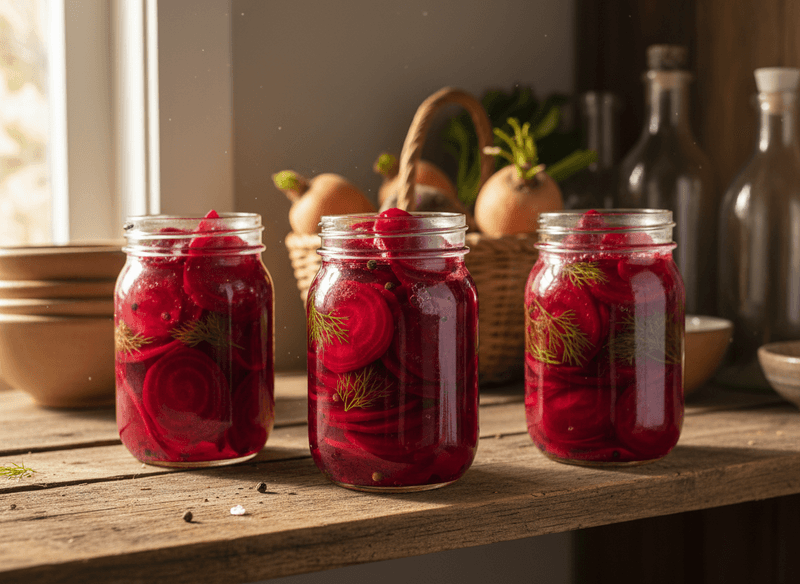
Pickling beets without heavy salt is a clever way to enjoy their tangy flavor while preserving their valuable phytonutrients for longer.
Traditional high-sodium pickles can counteract the blood-pressure benefits of beets, so opting for a low-sodium brine — using vinegar, water, and natural spices — keeps things heart-friendly.
Research suggests that the fermentation and acidic environment in pickling actually helps stabilize betalain antioxidants, extending their shelf life and bioavailability.
Keep a jar in the fridge for a ready-to-eat snack or salad topping any time.
The tangy bite pairs surprisingly well with grains, sandwiches, or a simple cheese plate.
8. Beet-Infused Soups Like Borscht
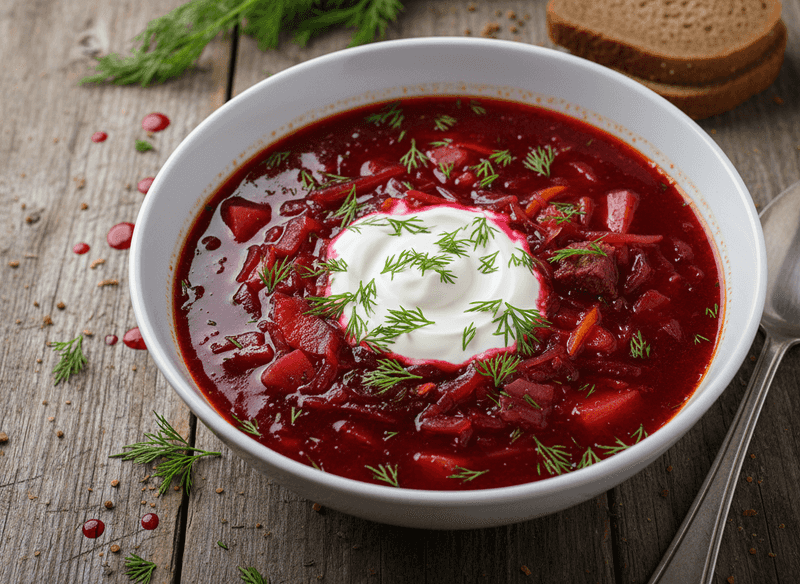
Borscht has been warming people up for centuries across Eastern Europe, and it turns out this traditional soup is also a circulation-boosting masterpiece.
Beets serve as the star ingredient, releasing their nitrates and antioxidants directly into the broth, which gets absorbed efficiently by the body during digestion.
Combining beets with other vegetables like cabbage, carrots, and tomatoes in a hearty soup multiplies the nutrient density considerably.
Low-sodium vegetable broth keeps the recipe heart-friendly.
Serve with a small dollop of plain Greek yogurt instead of sour cream for added protein.
A warm bowl of borscht is genuinely good medicine hiding in a delicious meal.
9. Baked Beet Chips
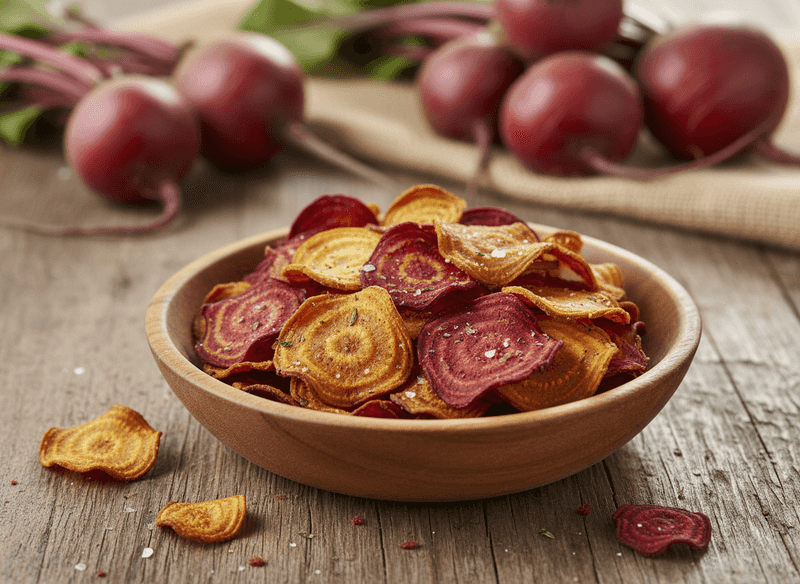
Forget greasy potato chips — thinly sliced beets baked in the oven with just a tiny drizzle of oil make a satisfying, crunchy snack that actually supports your health.
Baking at a low temperature, around 325°F, slowly dehydrates the beet slices without destroying their antioxidant content the way deep frying would.
Studies show that baked beet chips retain a meaningful portion of their betalain pigments and nitrates compared to fried alternatives.
Season with a pinch of cumin or smoked paprika for extra flavor.
Kids and adults alike tend to love these colorful chips, making them a fun way to sneak more nutrients into snack time.
10. Beet Powder in Smoothies or Dressings
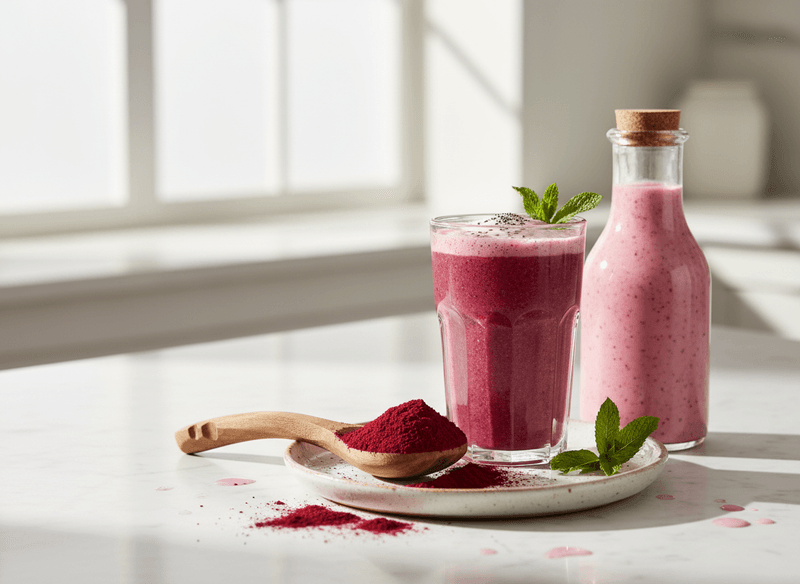
Beet powder is basically concentrated beet nutrition in a convenient, shelf-stable form.
Made from dehydrated beets, it packs a solid dose of nitrates and antioxidants per teaspoon, making it incredibly easy to add a health boost to smoothies, salad dressings, hummus, or even oatmeal without any chopping or cooking required.
Athletes have actually used beet powder for years to enhance endurance and improve oxygen delivery to muscles during exercise — a benefit backed by multiple clinical studies.
Look for powders with no added sugar or fillers.
One or two teaspoons stirred into your morning smoothie is all it takes to feel the circulatory benefits throughout your day.