 MomSkoop
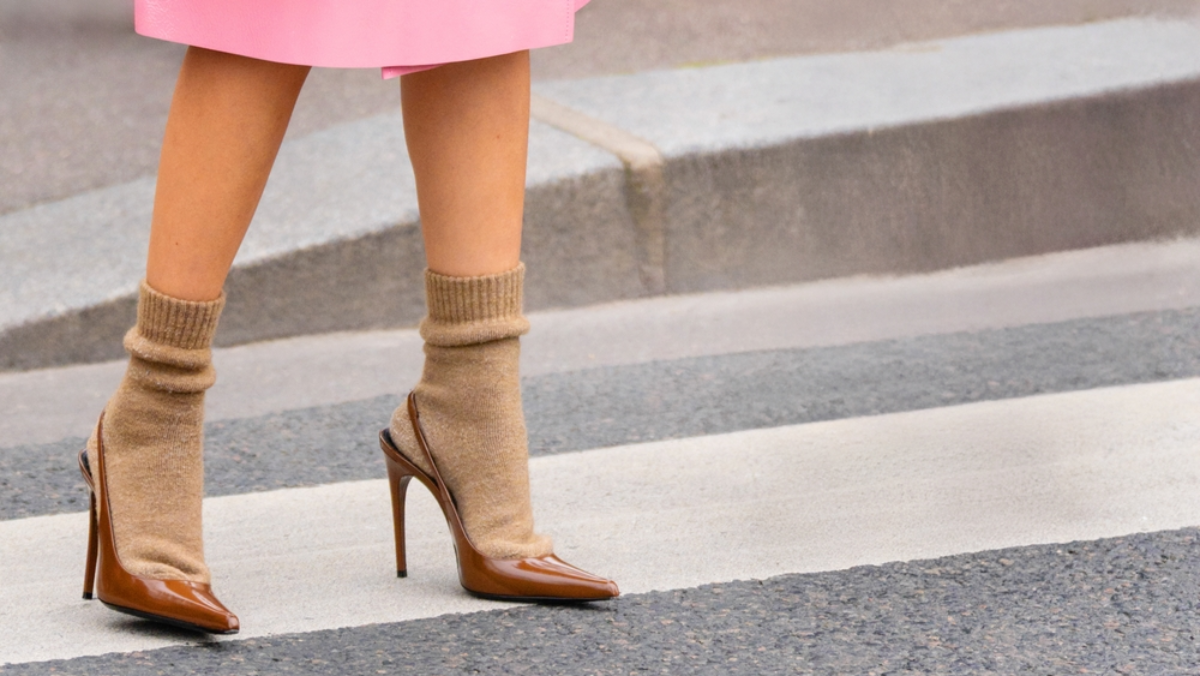
Our footwear choices evolve as we age, with comfort and practicality often replacing the impractical styles we once adored.
For women over 50, certain shoes that once seemed essential gradually make their way to the donation pile as priorities shift.
Some styles no longer serve our bodies, lifestyle needs, or personal style evolution that comes with maturity and confidence.
1. Sky-High Stilettos
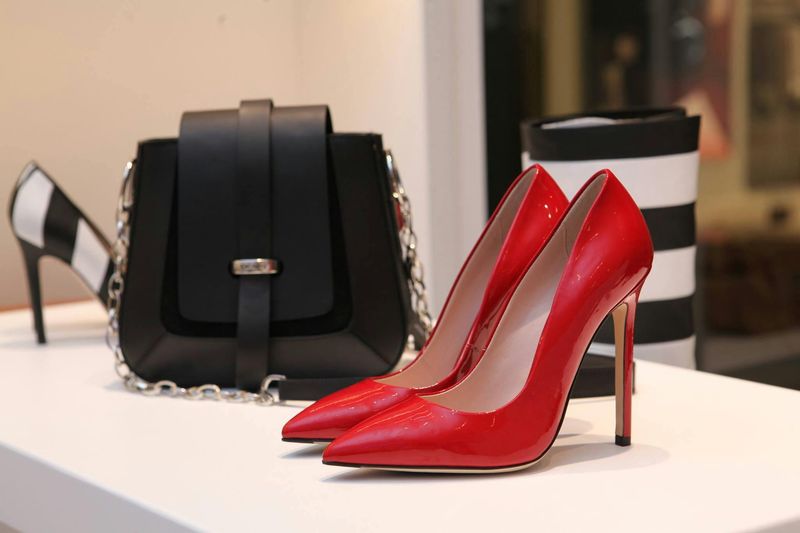
Remember those towering 4-inch heels that made your legs look fantastic?
Your feet certainly remember them too—and not fondly.
Those glamorous stilettos now feel more like torture devices than fashion statements.
After 50, the feet have endured decades of pressure, and the natural fat padding on our soles diminishes significantly.
Balance becomes more precious than adding height, and the risk of falls increases dramatically with each extra inch.
Smart alternatives include block heels under 2 inches or kitten heels that provide elegance without the pain.
Your back, knees, and ankles will thank you for making the switch to more supportive options.
2. Cheap Flip-Flops
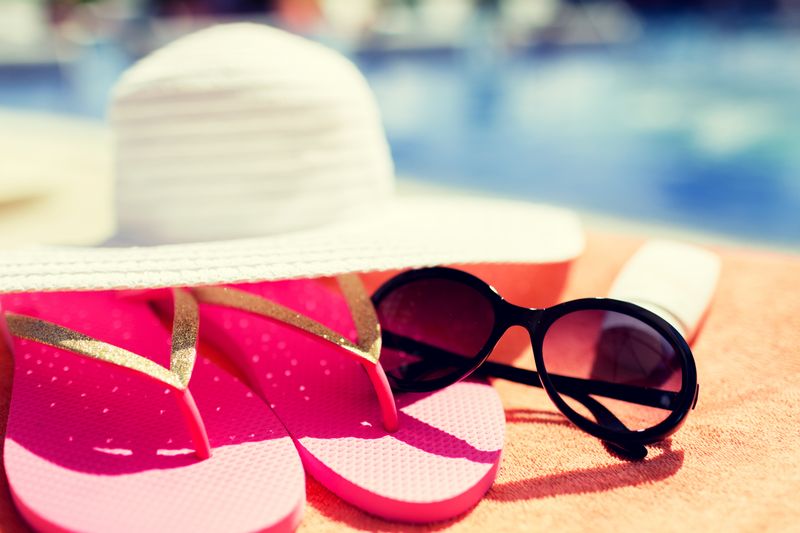
Those flimsy $5 rubber flip-flops might seem like a summer bargain, but they’re secretly undermining your foot health.
Without arch support or proper cushioning, they force your toes to grip constantly just to keep them on.
Mature feet need proper support to prevent plantar fasciitis and other painful conditions that become more common with age.
The complete lack of shock absorption sends jarring impact straight to your knees and hips with every step.
Reserve basic flip-flops strictly for pool days or quick garden tasks.
For regular warm-weather wear, invest in supportive sandals with contoured footbeds, adjustable straps, and cushioned soles that protect your precious feet.
3. Overly Trendy Sneakers
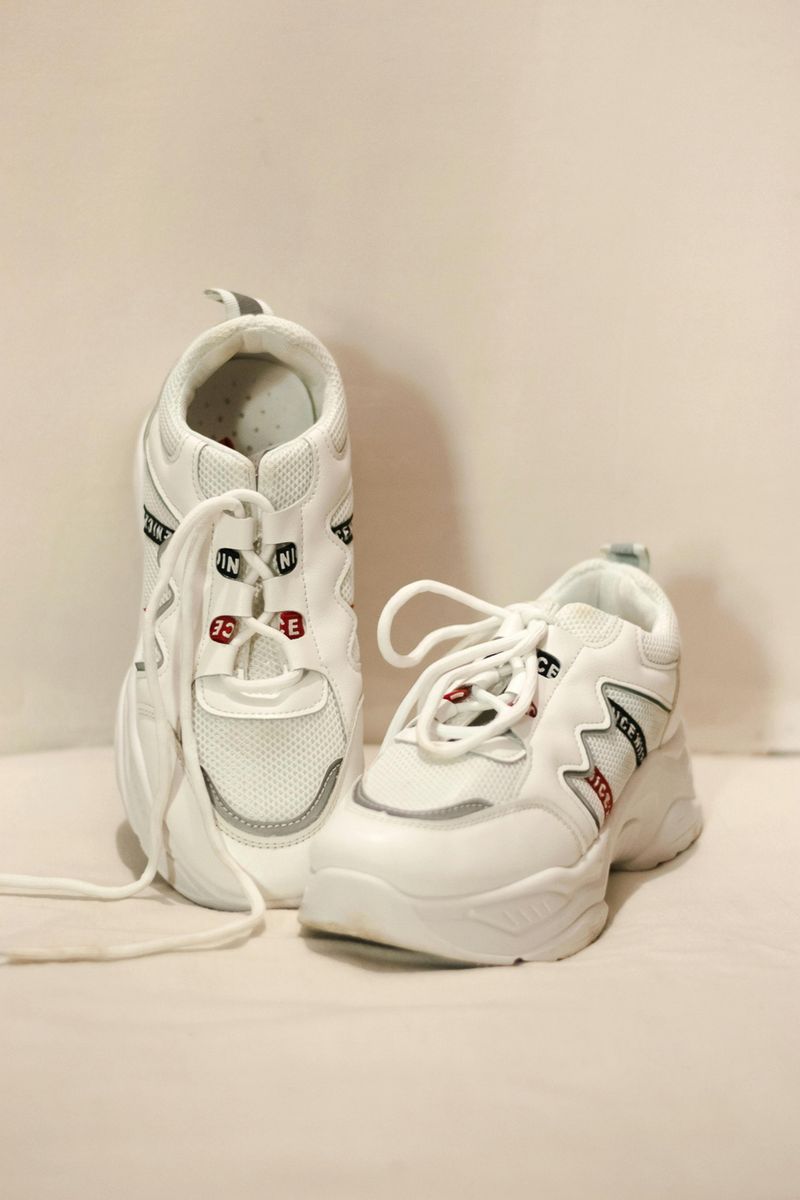
Fashion’s obsession with exaggerated sneaker trends—like the massive chunky platforms or neon-colored designs—rarely translates well for sophisticated women.
When borrowed directly from teen fashion, these statement sneakers often look like a desperate attempt to recapture youth.
The weight of those chunky designs can actually strain ankles and knees unnecessarily.
Plus, many ultra-trendy styles lack the proper arch support and cushioning mature feet require.
Classic, well-made sneakers in neutral colors offer timeless appeal without trying too hard.
Brands focusing on comfort technology provide both style and support, ensuring you look current without chasing fleeting trends that will look dated in photos years from now.
4. Overly Strappy Heels
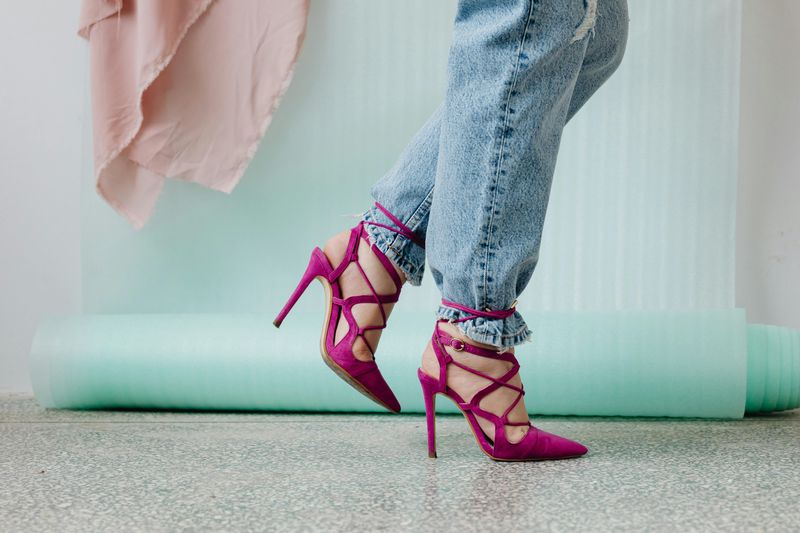
Overly strappy heels might look chic on display, but in reality they’re rarely practical.
Thin straps tend to dig into the skin, causing discomfort after just a short time on your feet.
They also offer little support, making walking awkward and sometimes painful.
For women over 50, style is just as important as comfort, and these heels often fail on both counts.
A better choice is a sleek block-heel sandal or a minimalist design with supportive straps that deliver elegance without the struggle.
5. Ultra-Pointy Heels
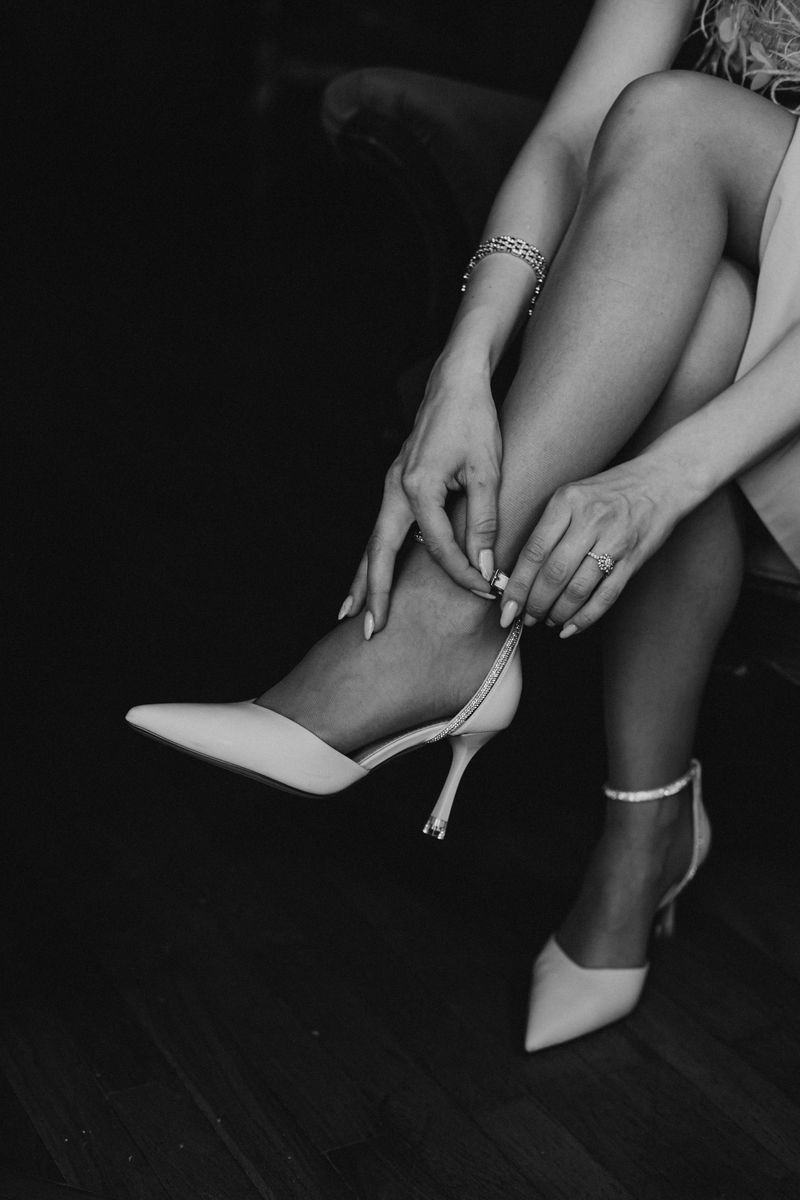
Those needle-sharp pointed toe boxes might elongate the leg visually, but they create a cramped compression chamber for your toes.
After decades of wear, many women develop bunions, hammertoes, and neuromas that make pointy shoes unbearably painful.
The natural foot shape widens with age, requiring more room in the toe box, not less.
Squeezing toes into a triangular point creates pressure that can cause lasting nerve damage and exacerbate existing foot problems.
Almond-toe or slightly rounded styles offer a modern, elegant silhouette without the medieval torture device feel.
The slight extra width makes a world of difference in comfort while still maintaining a sleek, sophisticated look that works beautifully with both casual and formal outfits.
6. Platform Heels from Decades Past
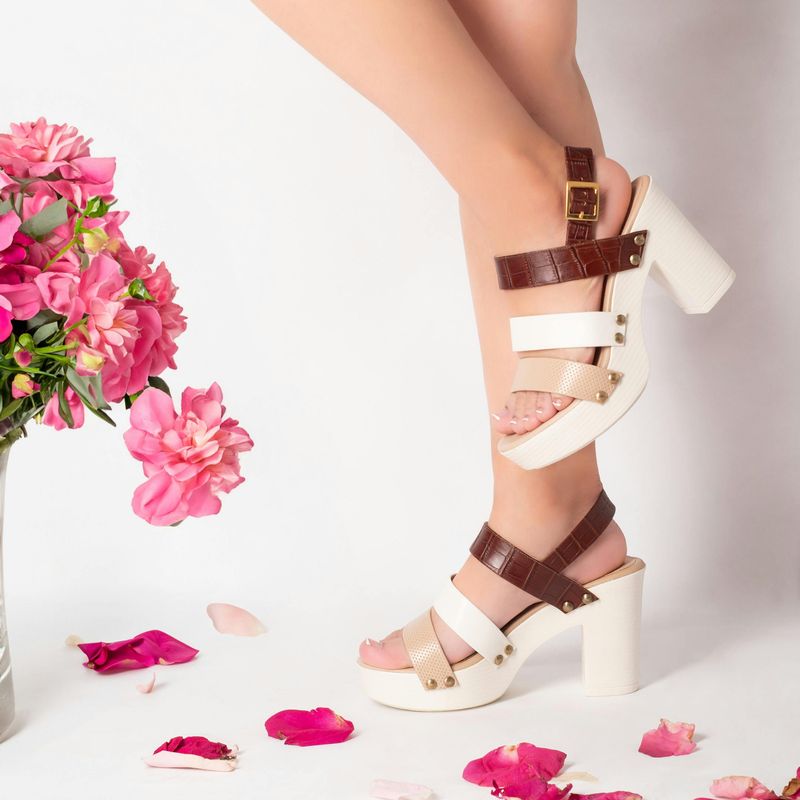
Those iconic chunky platforms from the disco era might hold sentimental value, but they’re relics best left in photo albums.
The extreme height combined with inflexible heavy bases creates a dangerous combination for mature women.
The rigid platform prevents natural foot flexion while walking, forcing an awkward gait that puts stress on knees and hips.
Their outdated silhouettes often appear costumey rather than classic, making them instantly aging rather than youthful.
Modern wedges or low platforms with flexible materials offer better stability and updated style.
If you’re feeling nostalgic, incorporate ’70s elements through other accessories instead of potentially ankle-breaking footwear that belongs in a museum of fashion history rather than your everyday rotation.
7. Over-Worn Ballet Flats
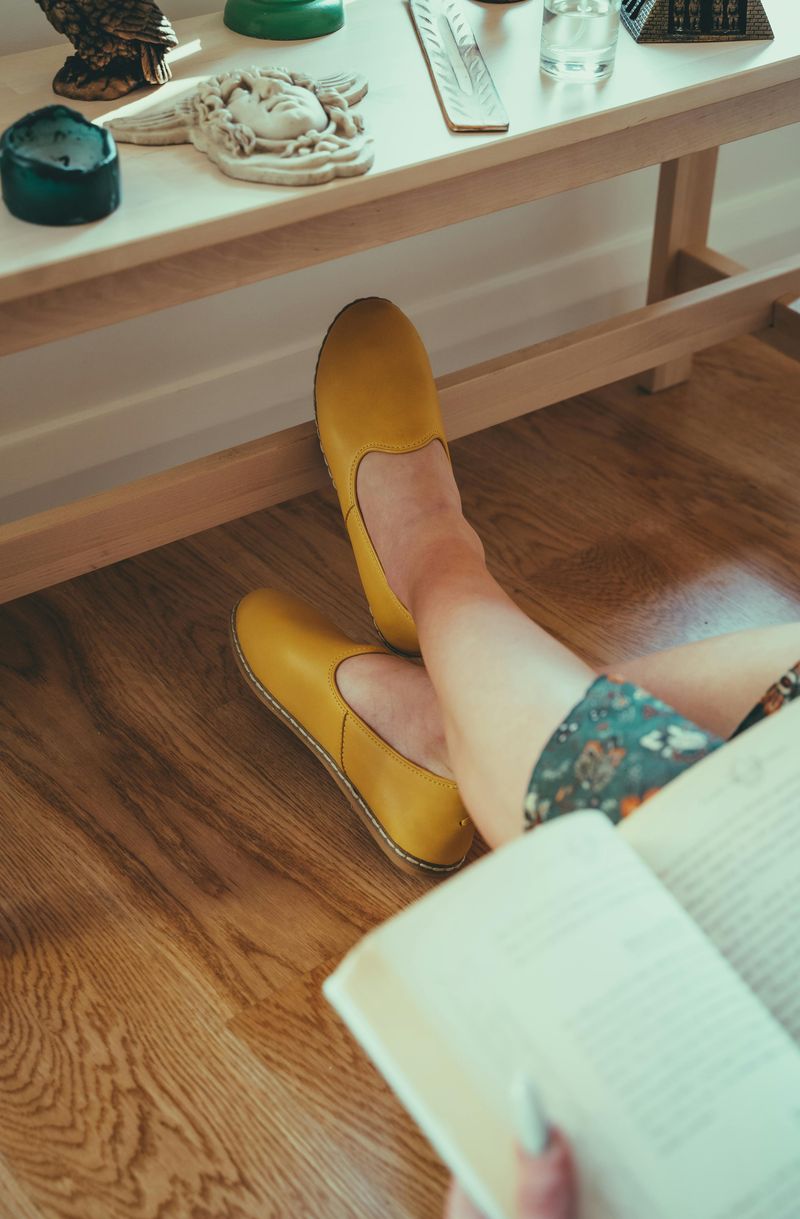
Ballet flats often become the go-to comfort shoe after abandoning heels, but beware of keeping them past their prime.
Once the inner cushioning compresses and the sole thins out, these seemingly innocent shoes become foot health saboteurs.
Without proper arch support, worn-out flats contribute to fallen arches, plantar fasciitis, and knee pain over time.
The paper-thin soles of budget varieties offer zero impact protection, essentially leaving you walking on concrete with minimal barrier.
Quality matters tremendously with flats—invest in pairs with proper cushioning, arch support, and durable materials.
Replace them before visible wear appears, as internal support structures break down before external signs show.
Your feet deserve more than collapsed shoes masquerading as comfortable options.
8. Cheap Slouchy Boots
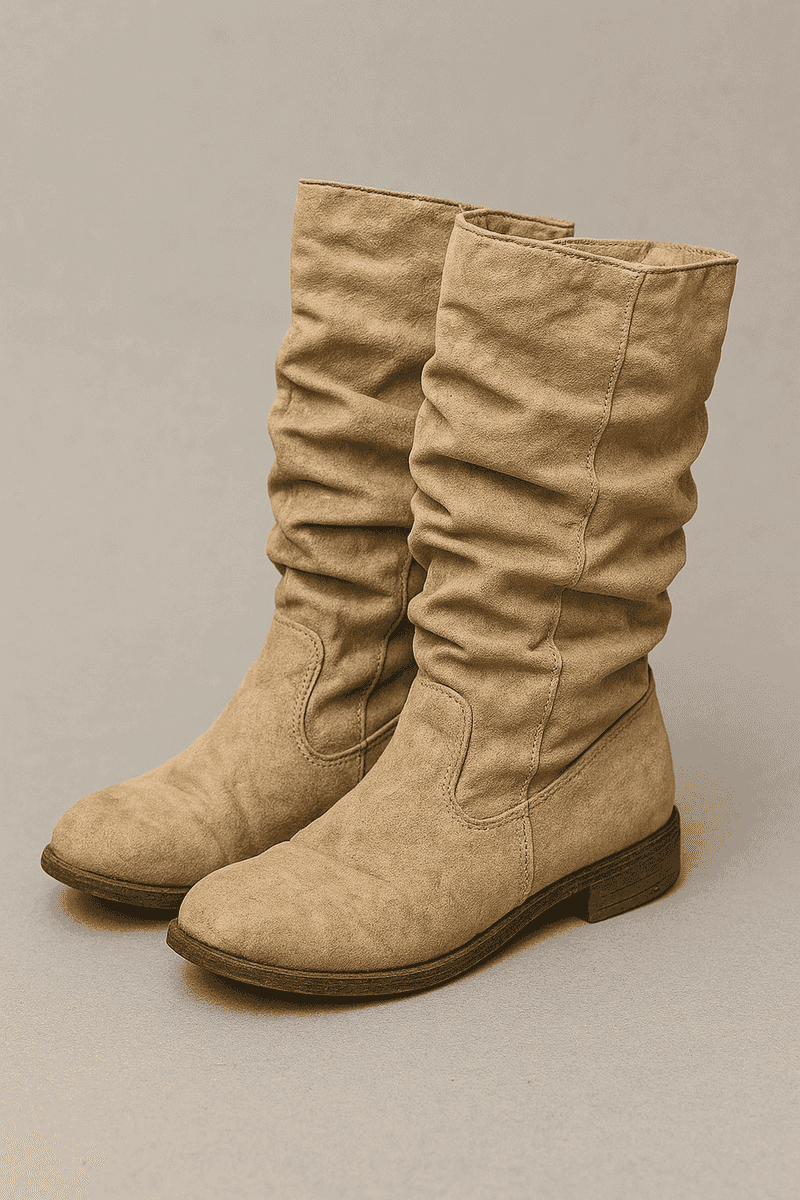
Bargain-bin boots with thin synthetic materials inevitably collapse around the ankles after minimal wear, creating that dreaded saggy, wrinkled appearance.
This droopy look reads as sloppy rather than stylish, instantly downgrading any outfit.
Beyond aesthetics, unsupported boots provide minimal stability for ankles and offer poor traction on slippery surfaces.
The thin materials also fail to provide adequate warmth or protection during colder months.
Quality leather or suede boots with structured shafts maintain their shape beautifully with age.
While the investment might feel substantial initially, calculated by cost-per-wear over many seasons, they’re actually more economical than repeatedly replacing cheaply made versions that quickly lose their shape and function.
9. Worn-Out Running Shoes
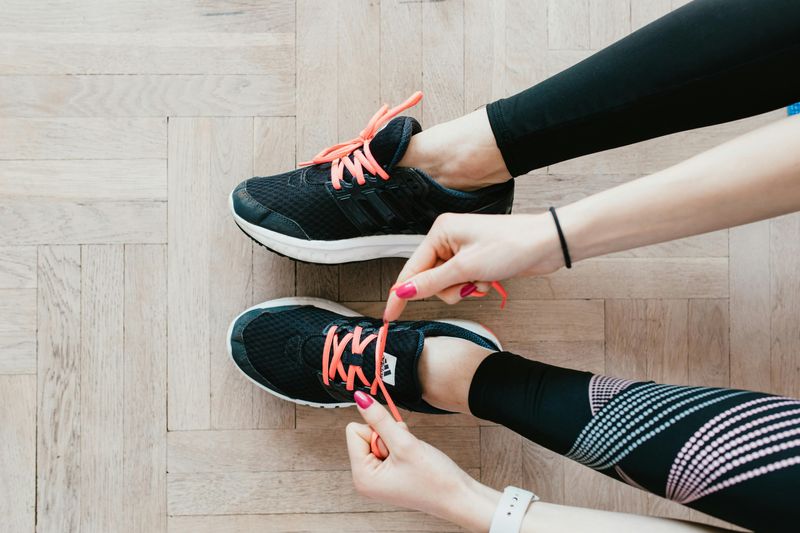
“I’ve had these forever!” is never something to brag about when it comes to athletic footwear.
Sneakers kept long past their supportive prime aren’t just unflattering—they’re potentially dangerous for mature joints and muscles.
The shock-absorbing midsoles in athletic shoes break down after about 300-500 miles of use, even if they still look decent externally.
Continuing to exercise in depleted shoes increases impact forces on knees, hips, and back, potentially leading to injuries and chronic pain.
Track your shoe mileage or replace athletic footwear at least yearly if used regularly.
Modern athletic shoes blend technical support with stylish designs, so there’s no need to sacrifice appearance for function.
Your body will reward proper footwear with less pain and more energy.
10. Overly Embellished Sandals
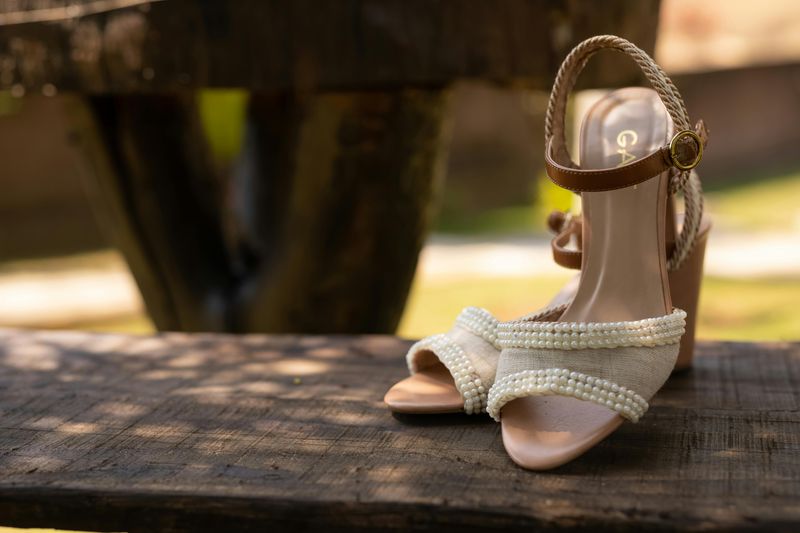
Sandals dripping with plastic gemstones, oversized bows, and excessive decorations often look more appropriate for a teenager’s closet than a sophisticated woman’s wardrobe.
These busy designs can appear childish rather than playful on mature feet.
Beyond the questionable aesthetics, all those glued-on embellishments frequently catch on clothing, scratch furniture, and inevitably start falling off after minimal wear.
The weight of excessive decorations can also create uncomfortable pressure points on the tops of feet.
Elegant sandals with minimal, quality hardware or a single well-placed accent deliver sophistication without the juvenile overtones.
Clean designs in quality materials speak volumes about personal style while remaining versatile enough to complement multiple outfits throughout the warmer seasons.
11. Paper-Thin Loafers
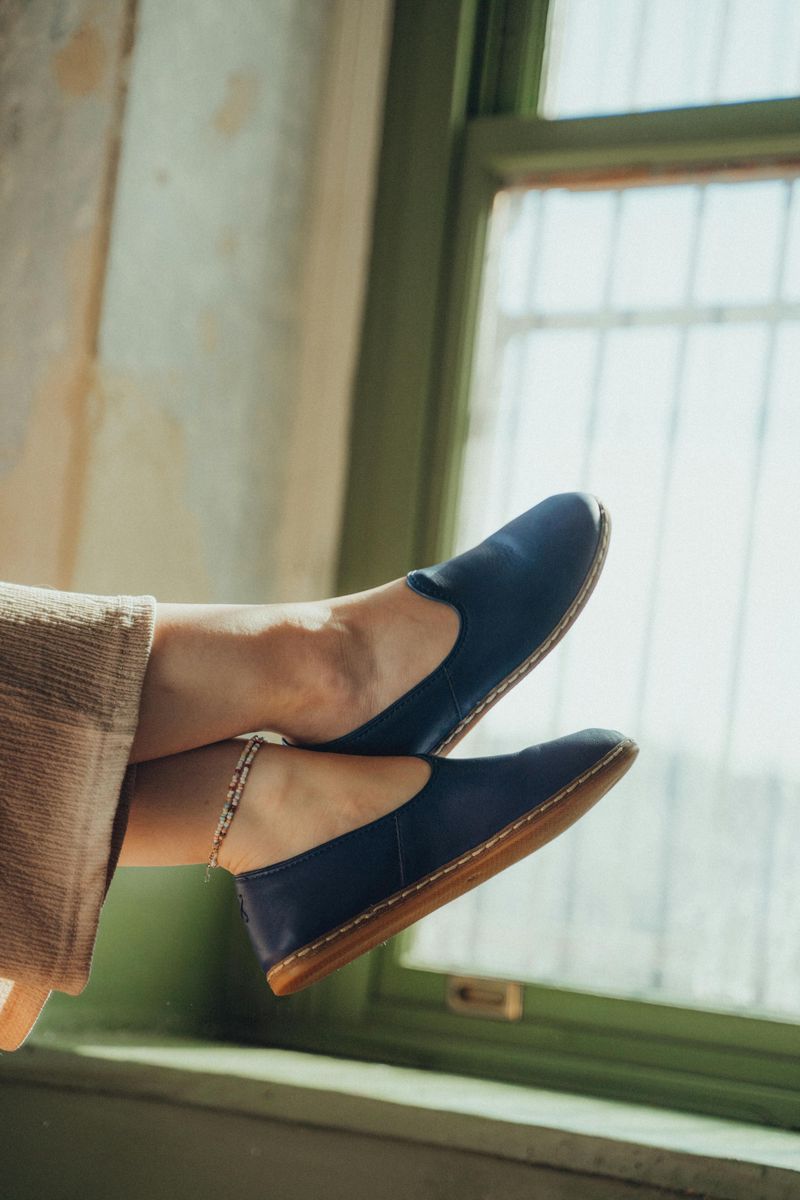
Those sleek little loafers may look polished on the shelf, but once the cushioning disappears, they stop being chic and start feeling punishing.
After 50, hard soles and zero support can aggravate heels, arches, and even your lower back.
What used to seem effortlessly classic suddenly feels like walking across pavement in cardboard.
A good loafer should feel structured, soft, and supportive from the first step.
If yours are paper-thin, overly stiff, or worn flat inside, they are not doing you any favors.
Your style does not have to suffer, but your feet should not have to either.
12. Backless Mule Heels
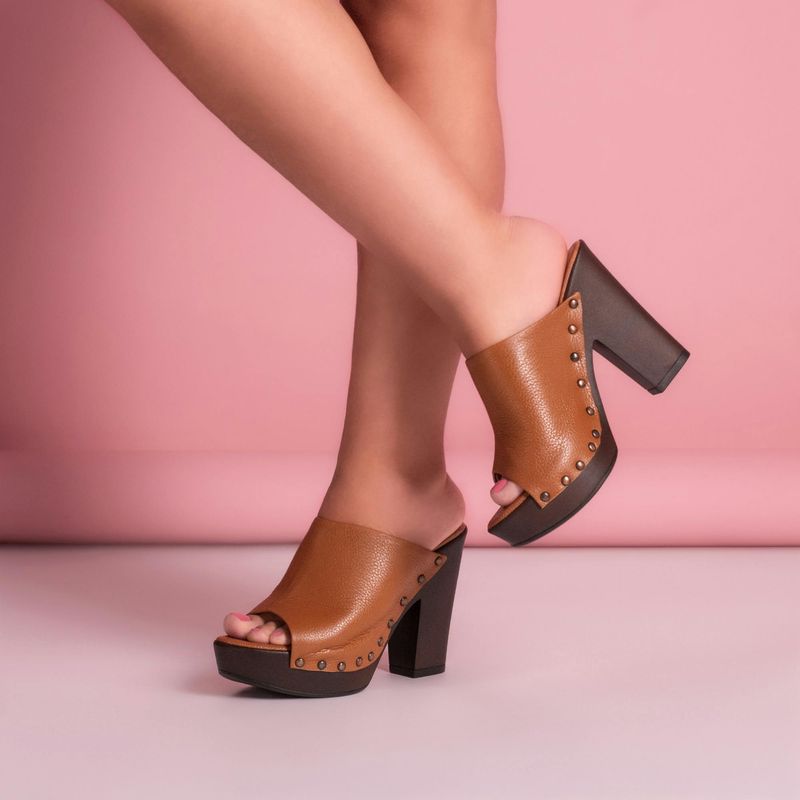
Backless mule heels have a way of looking elegant while quietly making every step less secure.
If you find yourself gripping with your toes just to keep them on, that is a sign they no longer belong in regular rotation.
Balance becomes more precious with age, and shoes that slide, slap, or wobble are simply asking too much.
You should not have to choose between feeling put together and feeling steady.
A better option gives you the same refined look with more coverage, more grip, and a lot less strain.
When a shoe demands effort to walk across a room, it has overstayed its welcome.
13. Stiff Knee-High Boots
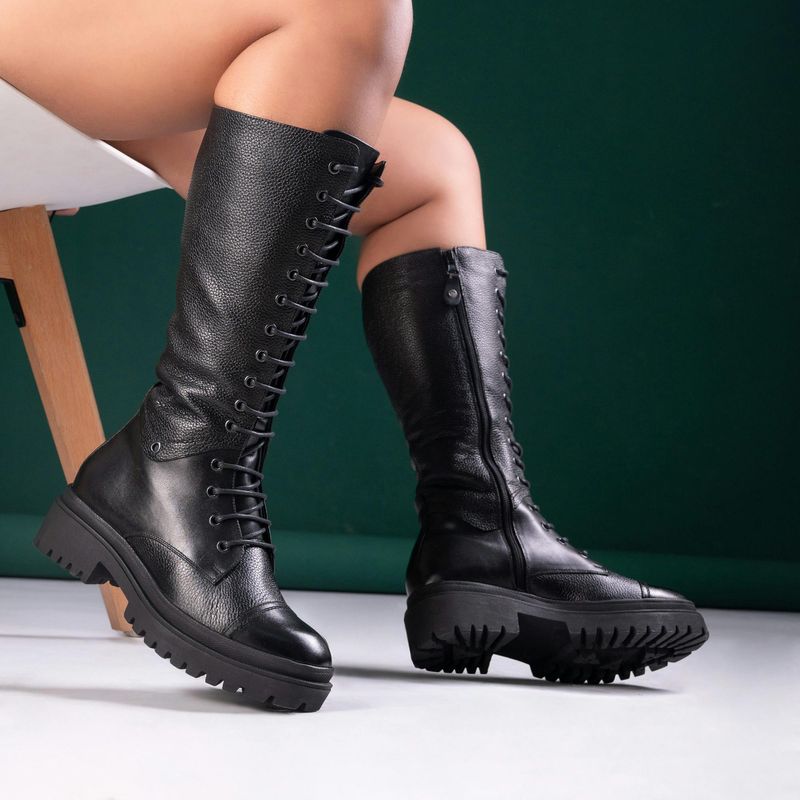
Stiff knee-high boots can look sophisticated, but if the leather fights every step, they quickly become exhausting.
Years ago, you might have tolerated pinching shafts, rigid ankles, and heavy soles for the sake of style.
Now, that kind of discomfort lingers longer, and it can turn a simple outing into an all-day regret.
The right boot should move with you, not against you.
If yours dig into your calves, refuse to flex, or feel like a workout by lunchtime, it is time to let them go.
A sleek boot can still feel modern and flattering, but it should support your stride instead of sabotaging it.