 MomSkoop

Merino wool comes from sheep bred for fine, soft fibers, and it can keep you warm without making you look like a stuffed armchair. That one fabric choice solves a big winter work problem in a surprisingly quiet way. Office winters are strange because the commute can feel icy while the conference room feels like a greenhouse. Your outfit has to handle both places before lunch even arrives.
Dressing well for cold weather is mostly about smart planning, not spending a fortune. The right layers, fabrics, and shoes can carry you from the parking lot to a big meeting without a single shiver. The ideas ahead work for many budgets, dress codes, and personal styles. So which piece of your winter work wardrobe is quietly doing the least for you right now?
1. Build Smart Layers

Offices in winter can swing from chilly hallways to toasty meeting rooms in about ten steps.
Layering lets you adjust without looking like you lost a fight with your closet.
Start with a thin base layer close to your skin.
Merino wool and silk both work well here because they stay slim and smooth under other clothes.
Next comes the middle layer, which adds warmth.
A fine-gauge sweater or a neat cardigan fits this job nicely, since thin knits don’t puff up under jackets.
Finish with a structured outer layer, like a blazer.
When the heater cranks up, you can remove it and still look put together in your sweater.
Keep each layer a little thinner than the one on top of it.
That simple rule stops sleeves from bunching and shoulders from feeling tight.
Color can help, too.
Try sticking with two or three shades that match, such as cream, gray, and navy, so any layer you peel off still leaves a tidy outfit behind.
Your budget matters less than the fit here.
A basic store-brand thermal top can work just as well as a fancy one when it lies flat.
2. Choose Tailored Wool Trousers
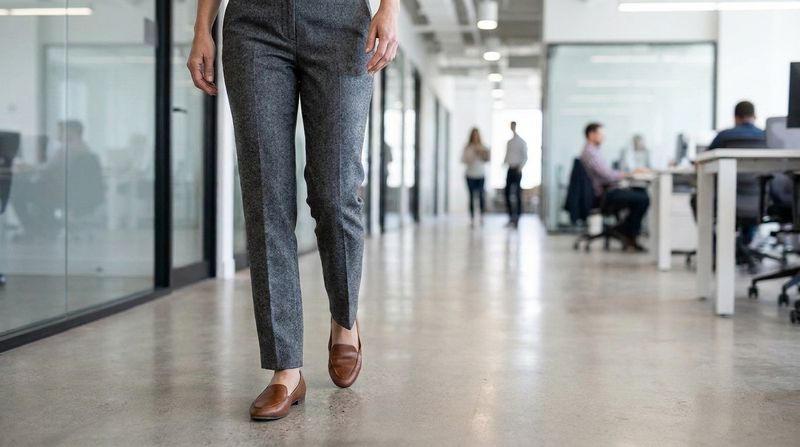
Cold legs make long meetings feel even longer.
Swapping thin summer pants for heavier fabrics can change your whole workday.
Wool, flannel, tweed, and corduroy all bring extra weight and warmth.
They also hold their shape better than flimsy fabrics, which keeps the outfit looking crisp.
Flannel is a fun one to know about.
It’s usually brushed so the surface feels soft and slightly fuzzy, giving trousers a quiet winter texture.
Straight-leg and wide-leg shapes are both popular office choices right now.
A straight leg looks clean and classic, while a wide leg feels a bit more relaxed and modern.
Here’s a sneaky trick for frosty mornings.
Thin tights or leggings can slide under roomier trousers, and nobody at the coffee machine will ever know.
Pick colors that mix easily with your tops.
Charcoal, navy, camel, and chocolate brown pair with plenty of sweaters and blouses.
Care matters too, so check the label before tossing wool in the wash.
Many wool trousers need dry cleaning or gentle hand washing to stay in good shape for seasons ahead.
3. Lean on Polished Knitwear

Sweaters are basically wearable blankets that passed a job interview.
The trick is picking knits that look sharp, not sleepy.
Cashmere, merino wool, and fine-gauge wool are smart picks for work.
Fine-gauge means the knit is tight and thin, so it looks smooth instead of chunky.
Crewneck sweaters feel simple and tidy.
They look great alone or under a blazer, and you can add a collared shirt underneath for a more formal look.
V-necks show a little more of the shirt or necklace below.
That makes them handy when you want some detail without much effort.
Turtlenecks deserve a special shout-out.
They keep your neck warm and look sleek under jackets, almost like a built-in scarf.
Structured cardigans work well too.
Look for ones with firm edges and neat buttons so they read more like a jacket than loungewear.
To keep knits nice, fold them instead of hanging them.
Hangers can stretch shoulders into odd little bumps that nobody wants to explain in a meeting.
4. Invest in a Tailored Coat
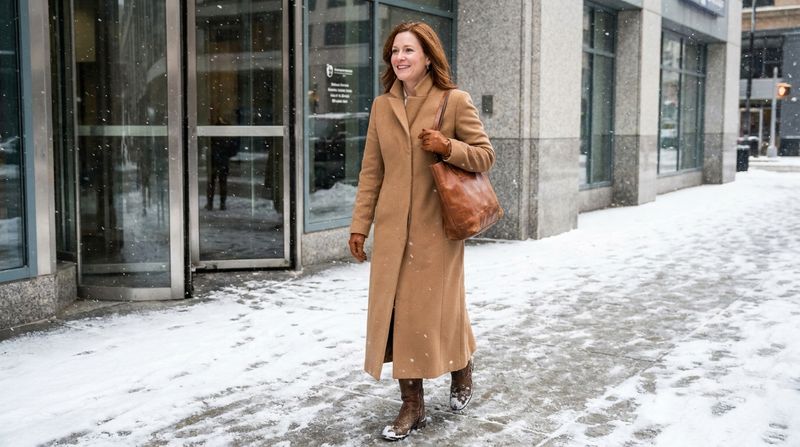
People often see your coat before they see anything else you’re wearing.
On a busy winter morning, it may be the whole first impression.
A long, tailored coat in wool or a wool blend looks polished almost instantly.
Neutral colors like black, navy, gray, and camel go with nearly any work outfit underneath.
Camel has a fun history in menswear and womenswear alike.
Its soft golden-brown shade brightens dark winter clothes without shouting for attention.
Shape gives you options.
Wrap coats tie at the waist for a soft look, overcoats feel clean and classic, and modern trench styles add a sharp collar and belt.
Check the shoulders when trying one on.
Wear a sweater or blazer so you know the coat fits over your real office layers.
Length matters on cold days.
A coat that reaches your knees or lower covers more of your outfit and helps block wind.
Budget can stretch further here than you’d think.
Secondhand shops often carry wool coats in good condition, and a tailor can adjust sleeves for a closer fit.
5. Make the Blazer Your Anchor

Throw a blazer over almost anything, and suddenly you look ready for the big presentation.
That’s a lot of power for one jacket.
Winter blazers come in heavier fabrics like wool, tweed, and cashmere blends.
Tweed is woven with a rough, textured look and has deep roots in Scotland, where it was made for outdoor wear.
Those textures add warmth and visual interest at the same time.
A tweed blazer over a plain sweater instantly looks thoughtful.
Knit blazers are another option many brands now offer.
They’re made with stretchy knitted fabric, so they move more like a cardigan while keeping a jacket shape.
Softer shoulders are also showing up more often.
Instead of stiff padding, these blazers follow your natural shape for a relaxed look.
Fit is still the key detail.
Your arms should move easily, and the sleeves should end near your wrist bone.
Keep one blazer in a neutral shade that matches most of your pants and skirts.
Then you can wear it three times a week, and it’ll look like a plan instead of a repeat.
6. Pick Polished Winter Footwear

Slushy sidewalks are no friend to nice shoes.
Luckily, a little planning keeps your feet dry and your look sharp.
Leather ankle boots work well for many offices.
They pair nicely with trousers, and dress boots with slim soles look tidy under suit pants.
Knee-high boots are a sleek match for skirts and dresses.
Paired with tights, they cover your legs well on chilly days.
For rough commutes, think about a two-shoe plan.
Wear waterproof boots outside, then change into loafers, derbies, or pumps once you reach your desk.
Keep the office pair in a drawer or tote bag.
That way you’re not carrying an extra load every single morning.
Road salt can leave white marks on leather.
Wiping shoes with a damp cloth after you get inside helps keep those stains from setting in.
Leather conditioner and waterproof spray can add protection, too.
Always test any product on a small hidden spot first.
Comfort counts, especially if you walk or take transit.
Shoes that pinch will show up in your posture long before anyone notices the stitching.
7. Try a Knit Dress

Some mornings call for zero decisions.
A knit dress answers that call with one simple move.
Long-sleeve sweater dresses and midi-length knit dresses count as complete outfits.
Pull one on, and the hardest part of getting dressed is basically done.
Midi means the hem lands somewhere between your knee and ankle.
That length works well in many offices and keeps more of you covered from cold drafts.
Opaque tights are the best sidekick here.
They add warmth and make the outfit look smooth from top to bottom.
Boots finish the look nicely.
Ankle boots feel casual-smart, while knee-high boots give a longer, sleeker line.
Want more polish?
Add a blazer or a structured cardigan on top, or try a slim belt at the waist if you like more shape.
Choose a knit that’s thick enough not to cling or stretch out.
Ribbed fabrics often hold their form well and add a little texture.
Colors like charcoal, navy, or deep green work for meetings and dinners alike.
Your dress can clock out when you do and still look ready for plans.
8. Play With Rich Colors and Textures

Winter wardrobes can drift into a sea of black and gray.
Nothing wrong with that, but a pop of richer color can wake things up fast.
Jewel tones are a lovely place to start.
Emerald, burgundy, and sapphire look deep and polished, which makes them easy to wear at work.
Earth tones offer a softer route.
Olive, rust, and chocolate brown pair well with classic neutrals like cream and navy.
Try adding color through one piece at first.
A burgundy sweater with gray trousers feels fresh without seeming too bold.
Texture is the other half of this idea.
Mixing smooth and rough fabrics makes simple outfits look more thought out.
Picture silk peeking out from under a wool sweater.
Or try a chunky knit beside a crisp tailored skirt for a nice contrast.
Tweed, corduroy, and ribbed knits all bring visible texture.
Pair them with something smooth so the outfit doesn’t feel too busy.
Your office culture should guide how far you push it.
Some workplaces welcome bright shades, while others suit a quieter approach, and either one can look sharp.
9. Add Thoughtful Accessories
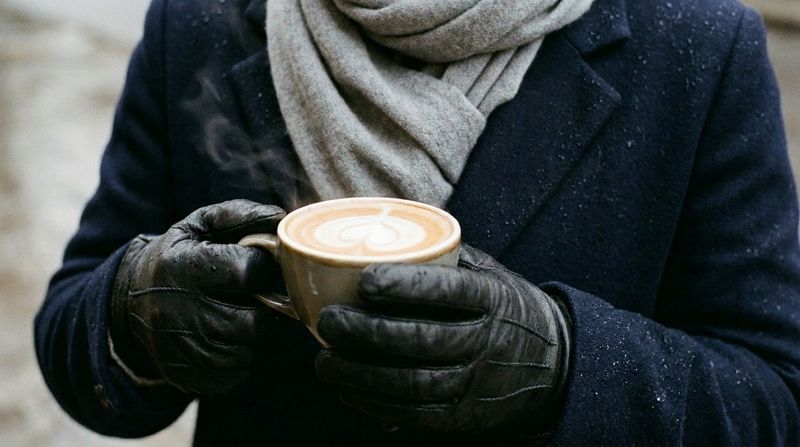
Little details can do surprisingly heavy lifting in winter.
Gloves and scarves keep you warm, but they also finish your look before you even take off your coat.
Sleek leather gloves feel tidy and grown-up.
Many come lined with wool, fleece, or cashmere for extra warmth on frosty walks.
Some gloves also have touchscreen fingertips.
That saves you from pulling them off every time your phone buzzes at a crosswalk.
A cashmere scarf is soft and lightweight compared to bulky knits.
Wrap it around your neck once, or drape it loosely over your coat for a cleaner line.
Inside the office, jewelry takes over.
A pendant necklace looks great over a crewneck sweater, while small earrings keep things simple.
Brooches are having a fun moment again.
Pin one on a blazer lapel or coat for a bit of personality.
Keep it balanced so pieces don’t compete.
One standout item, like bold earrings or a bright scarf, usually looks more polished than five.
Store accessories near your door.
Grabbing them on the way out beats searching your car for that one missing glove.
10. Embrace Modern Soft Tailoring

Stiff suits used to feel like the only path to looking serious at work.
These days, softer shapes are getting plenty of attention, and comfort finally has a seat at the table.
Soft tailoring uses unstructured shoulders and flowing fabrics.
The clothes still look neat, but they move with you instead of holding you in place.
A relaxed blazer with little or no padding is a good starting point.
Pair it with fluid wide-leg trousers for a smooth, modern outline.
Wide-leg pants have stayed popular in workwear for a few seasons now.
They look sharp with boots or loafers and leave room for warm tights underneath.
Defined waists balance out roomier pieces.
A belt over a blazer or a tucked-in sweater gives the outfit shape.
You can mix soft and structured pieces, too.
A crisp shirt under a slouchy blazer keeps things polished.
Fabric weight matters a lot with these styles.
Thicker wool or wool blends drape nicely and add winter warmth without heavy padding.
Try one relaxed piece first and see how it feels at your desk.
Sometimes the best office outfit is the one you forget you’re wearing by three o’clock.