 MomSkoop
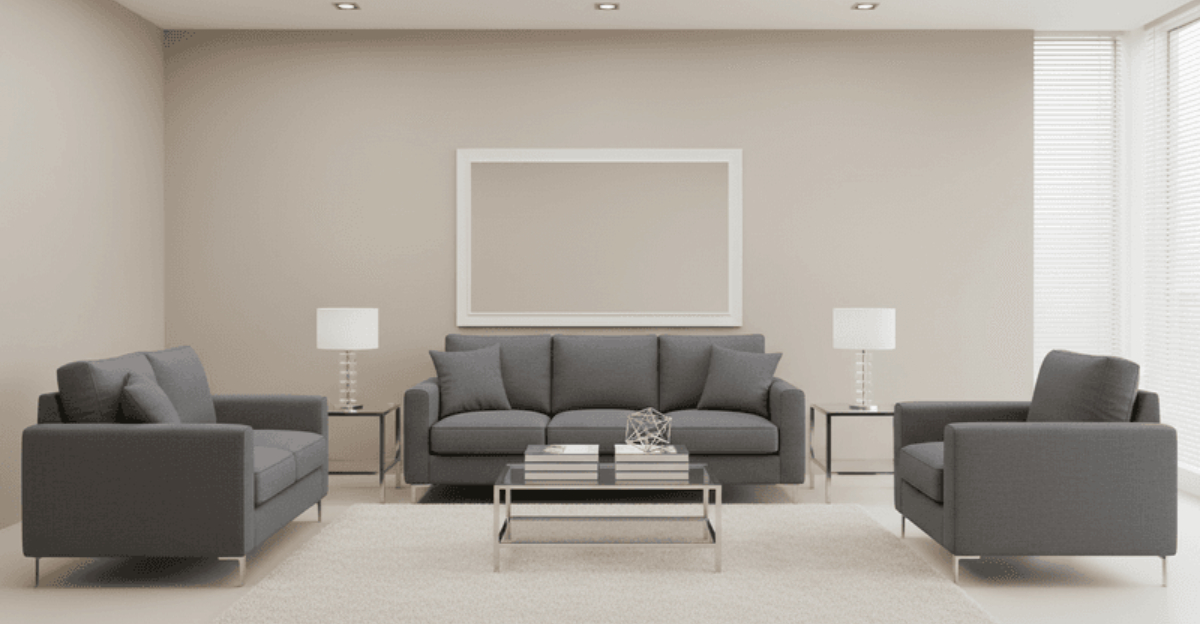
Your living room says a lot about who you are, but some design choices might be sending the wrong message.
Interior designers have been speaking up about trends and habits that are quietly making spaces feel dated, cluttered, or uncomfortable.
Whether you just moved in or have lived in your home for years, a few simple swaps can completely transform the feel of your space.
Here are the things experts say it’s time to leave behind.
1. Oversized Furniture That Overwhelms the Room
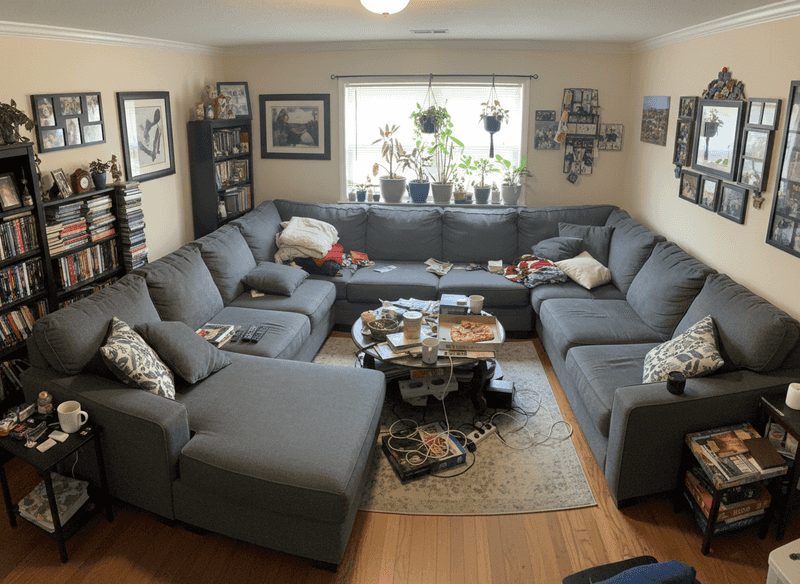
Imagine squeezing into a room where the sofa eats up every inch of floor space.
That’s what oversized furniture does to a living room.
It might feel cozy in the store, but at home, it just creates chaos.
Designers say scale matters more than most people realize.
A piece that’s too large makes the whole room feel smaller and harder to move through.
It also blocks natural light and airflow.
Choosing furniture that fits your room’s actual dimensions creates breathing room.
Measure before you buy, and leave at least 18 inches between pieces for comfortable movement.
2. Matching Furniture Sets That Look Too Showroom-Perfect
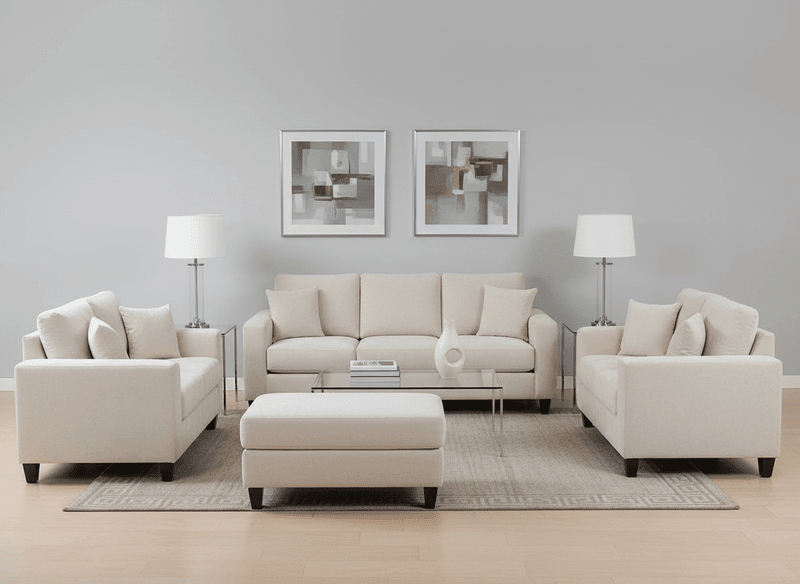
Walk into a furniture store and everything is perfectly coordinated.
Walk into a real home with that same setup, and something feels off.
Matching sets can make a space look more like a catalog than a place where people actually live.
Designers encourage mixing pieces from different sources to create a layered, collected look.
A vintage chair paired with a modern sofa tells a much more interesting story than three items that came in one box.
Variety in texture, wood tone, and style adds warmth and personality.
Your living room should feel lived-in and real, not staged for a photo shoot.
3. Tiny Rugs That Float Instead of Anchoring the Space
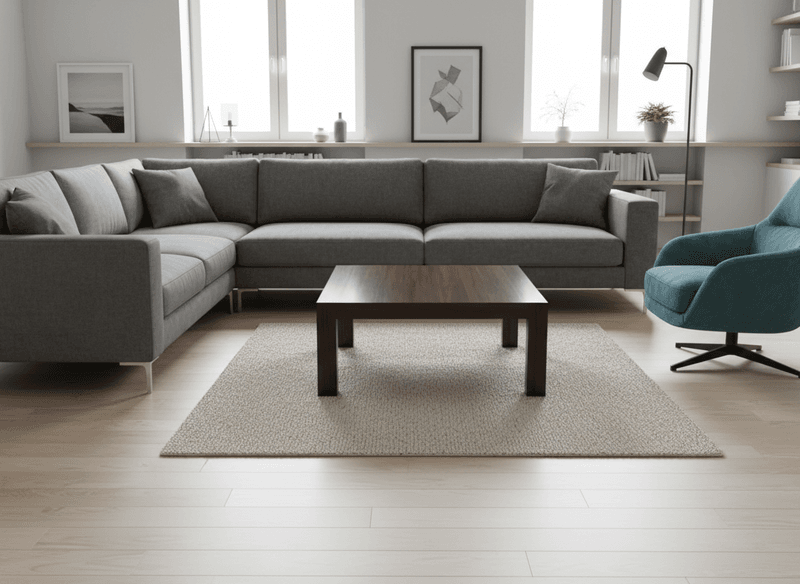
A rug that’s too small is one of the most common mistakes designers see.
When only the coffee table sits on the rug while the sofa and chairs float around it, the whole room feels disconnected and awkward.
Rugs are meant to anchor a seating area and tie everything together.
The general rule is that at least the front legs of every major piece of furniture should rest on the rug.
Going bigger than you think you need is almost always the right call.
A properly sized rug instantly makes a room feel more intentional, polished, and pulled together.
4. Harsh Overhead Lighting With No Layered Alternatives
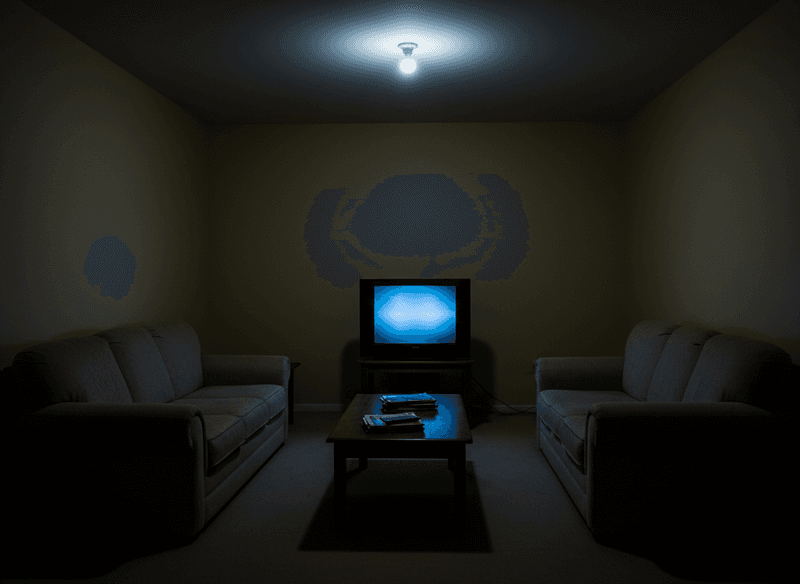
Overhead lighting alone is the enemy of a cozy living room.
That single ceiling fixture flooding the entire space with bright, flat light washes out everything and creates an atmosphere closer to a waiting room than a home.
Designers almost always recommend layering light.
Floor lamps, table lamps, and wall sconces each serve a purpose and create warmth at different heights throughout the room.
Dimmer switches are another easy upgrade that changes everything.
Soft, layered lighting makes a space feel inviting in the evening and allows you to set different moods for different activities.
5. Too Many Throw Pillows That Never Get Used
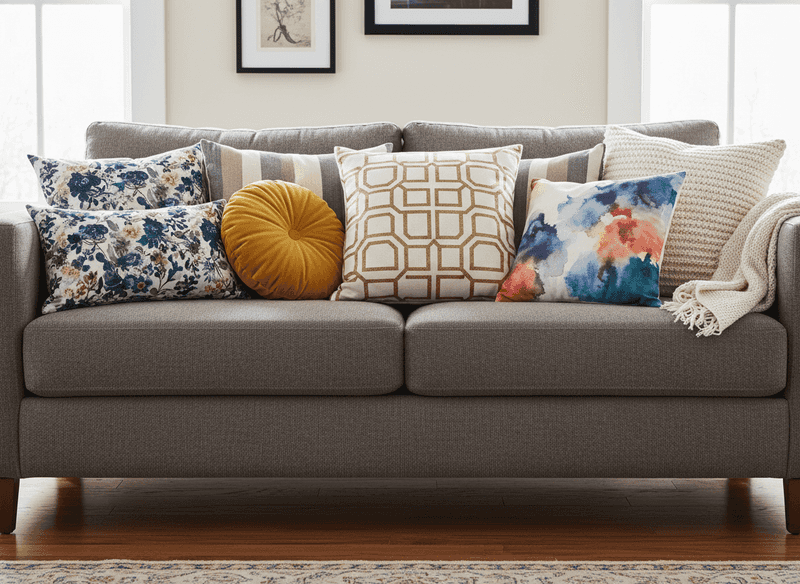
At some point, throw pillows went from cozy accent to full-on obstacle course.
When you have to remove a pile of pillows just to sit down, something has gone wrong.
Designers say decorative-only pillows that serve no real function are taking over too many sofas.
A few well-chosen pillows in complementary textures and colors are all you need.
They should add comfort and visual interest, not stress.
Three to five pillows on a standard sofa is usually plenty.
Choose pillows with removable, washable covers and a mix of sizes.
Functionality and style can absolutely coexist without turning your couch into a storage unit.
6. Visible Cable Clutter and Messy Tech Setups
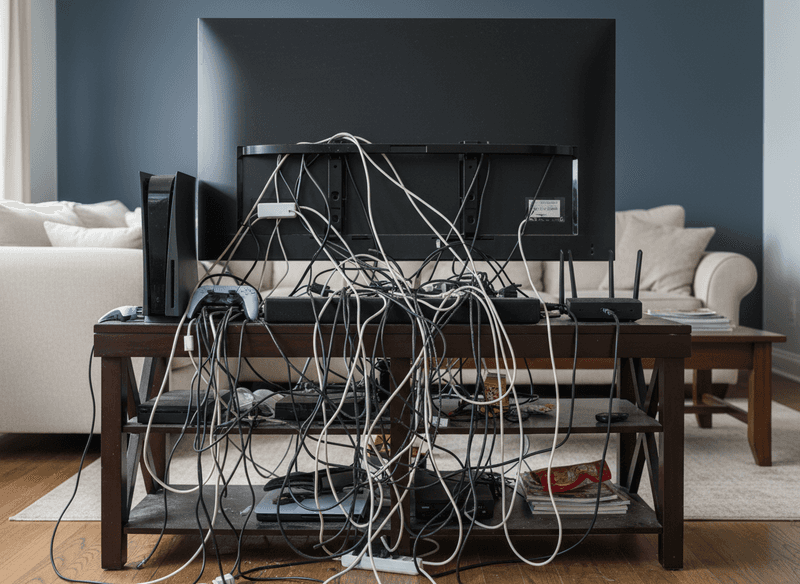
Nothing kills a well-designed living room faster than a spaghetti tangle of cords behind the TV stand.
Cables from gaming consoles, streaming devices, speakers, and chargers can quickly turn a clean space into visual noise.
Cable management has become a design priority, not just a tech concern.
Cord covers, cable boxes, and built-in management systems make it easy to hide the mess without losing access to what you need.
Wireless options are worth the investment wherever possible.
Cleaning up your tech setup takes an afternoon but makes your living room look dramatically more polished and intentional every single day after.
7. Cheap Wall Art With No Personal Meaning

Generic wall art from big-box stores has a way of making a space feel like it belongs to no one.
Those mass-produced prints of vague cityscapes or motivational quotes might fill the wall, but they don’t say anything about the person living there.
Designers push clients to invest in art that actually means something.
A local artist’s print, a framed photograph from a meaningful trip, or even a child’s drawing can carry far more visual weight than anything off a discount shelf.
Art should spark a feeling or a memory.
When guests ask about a piece on your wall, that’s exactly the kind of connection good design creates.
8. Faux Plants That Look Obviously Fake
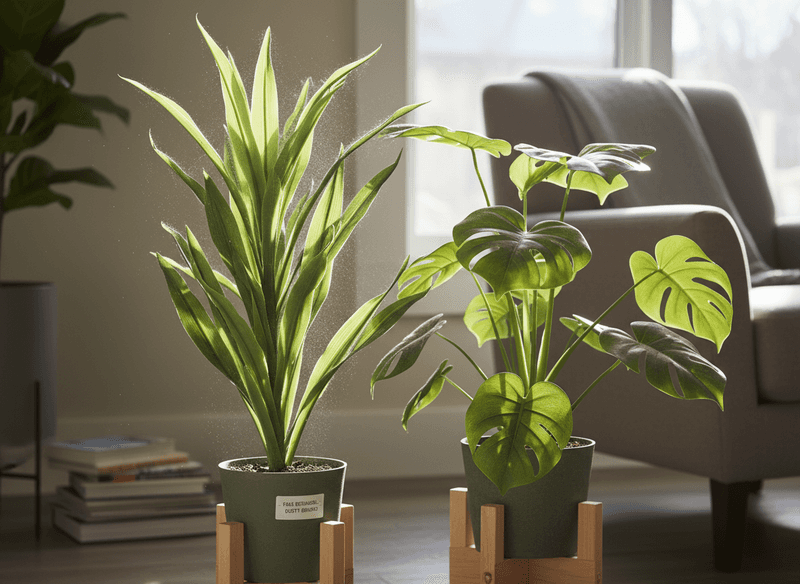
Faux plants used to be an easy solution for people who couldn’t keep real ones alive.
But the cheap, plastic versions with shiny, stiff leaves and no variation in color?
Designers say they do more harm than good.
A poorly made fake plant reads as an afterthought.
It collects dust, fades over time, and adds nothing to the room’s energy.
Real plants, on the other hand, bring life, texture, and even air quality benefits.
If you genuinely struggle with plant care, try low-maintenance options like pothos, snake plants, or ZZ plants.
High-quality faux plants do exist, but they come at a cost worth considering.
9. Pushing All Furniture Against the Walls
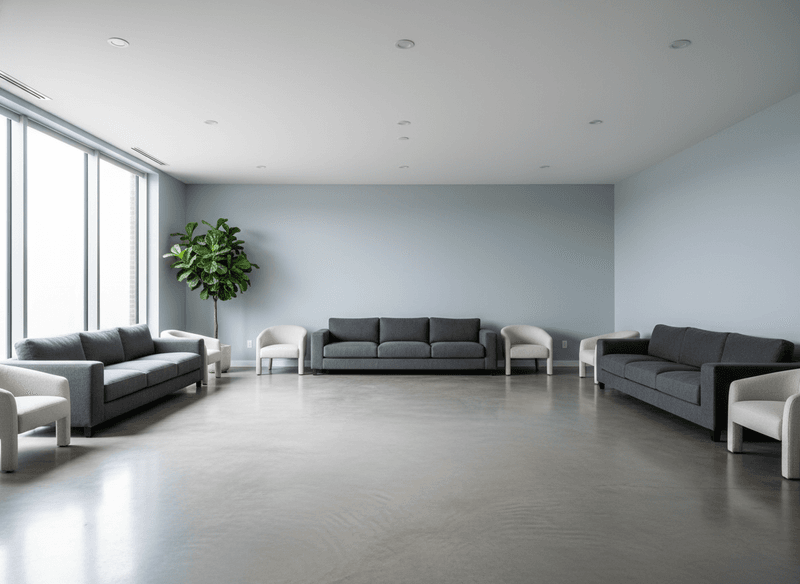
Most people push furniture against the walls thinking it makes the room feel bigger.
Designers will tell you it actually does the opposite.
When everything hugs the perimeter, the center of the room becomes a dead zone and conversation becomes awkward.
Floating furniture creates natural groupings that make a room feel intentional and inviting.
Pulling a sofa just a foot or two away from the wall can completely change how the space flows and feels.
A well-arranged seating area encourages people to face each other and actually talk.
That small shift in layout can transform a stiff, formal-feeling room into one that feels warm and welcoming.
10. Overcrowded Shelves Filled With Random Decor
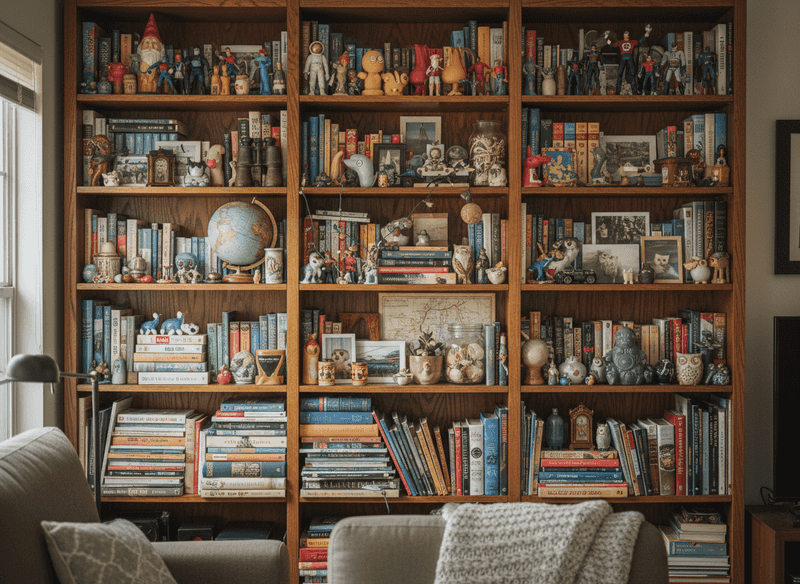
Shelves are one of the first things people notice in a living room, and when they’re packed to the edges with random stuff, it creates instant visual stress.
Designers call it “shelf chaos,” and it’s incredibly common.
Editing is the key skill here.
Pull everything off the shelves and only put back what you genuinely love or use.
Group items in odd numbers, vary heights, and leave intentional empty space between groupings.
Books, plants, and a few meaningful objects go a long way.
Breathing room on a shelf is not wasted space.
It actually makes each displayed item feel more considered and important.
11. Overdone Themes Like Coastal or Farmhouse Overload
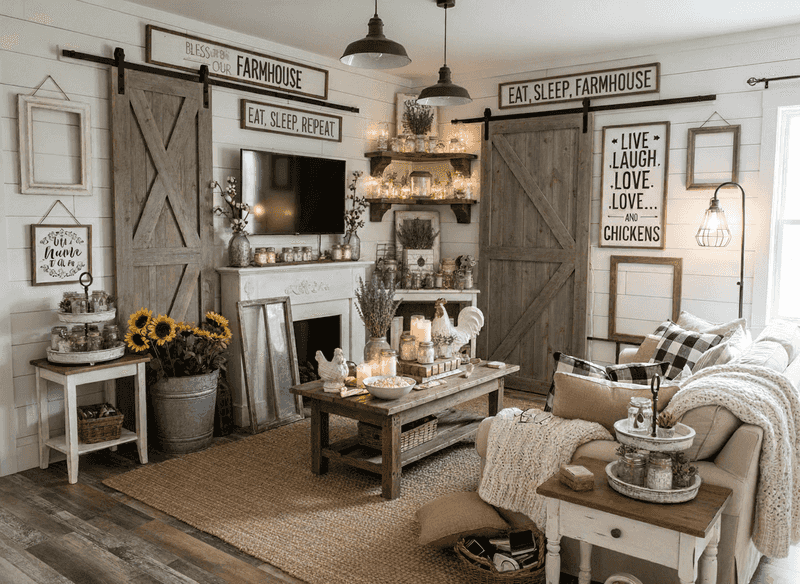
There’s nothing wrong with loving a coastal or farmhouse aesthetic.
The problem comes when every single item in the room screams the same theme.
Anchors on the pillows, anchors on the wall, anchors on the coffee table, it becomes a costume, not a home.
Designers say the best interiors are inspired by a style, not enslaved to it.
Pick two or three elements from a theme you love and blend them with other pieces that feel personal and grounded.
Subtlety is what separates a thoughtfully designed room from a themed display.
Let your space reflect you as a whole person, not just one Pinterest board.