 MomSkoop
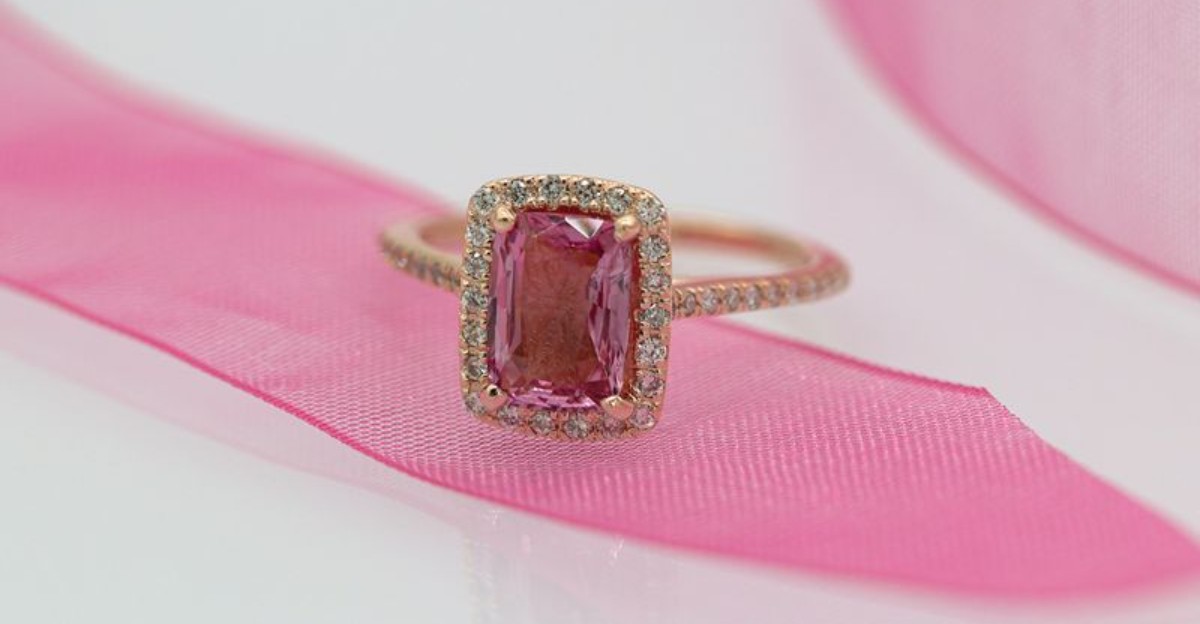
The word milgrain comes from a French phrase meaning a thousand grains, and those tiny metal beads have edged heirloom rings for over a century. Something so small can make a ring look like it came from a great-grandmother’s velvet box. The quiet luxury look in jewelry leans on details like that rather than giant stones. Step-cut diamonds, plain metal bands, and old setting methods often carry more polish than a ring covered in sparkle.
Many of these designs trace back to the Art Deco years of the 1920s and 1930s. Others reach back further, to Victorian jewelry or even to ancient Egyptian craftsmanship. You don’t need a family estate to borrow this look for your own wedding set. You just need to know which shapes, metals, and settings send that calm, settled message without trying too hard.
1. Classic Solitaire
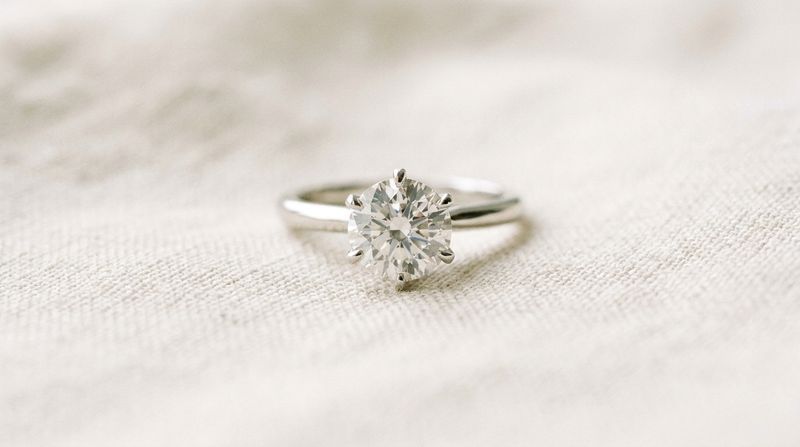
One stone, one band, and zero distractions make the solitaire the jewelry version of a perfectly tailored navy blazer.
A single diamond or gemstone sits on a plain band, so the center stone handles the attention by itself.
Most solitaires use four or six prongs to lift the stone toward the light.
A four-prong setting shows more of the diamond, while six prongs add extra grip.
A bezel setting is another option if you want a smoother edge.
Round brilliant diamonds are the traditional pick, but oval, cushion, emerald, pear, and marquise shapes also work well.
You can tweak the look with setting height, band width, and metal color.
Platinum, white gold, yellow gold, and rose gold all suit the style, depending on your skin tone and taste.
For an old money feel, I’d keep the band slim and skip anything too trendy.
A plain shank lets the stone and craftsmanship speak quietly.
Care is simple but worth the habit.
Clean it gently with mild soap, warm water, and a soft brush, and take it off for gardening, sports, or swimming.
Store it in a soft-lined pouch, and get a professional cleaning and prong check once a year.
2. Eternity Band
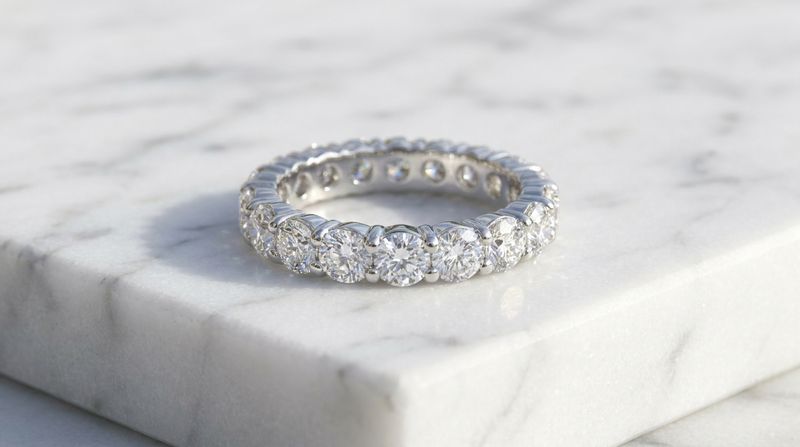
Circles have a knack for sounding romantic, and an eternity band leans right into that symbolism.
A continuous row of matching diamonds or gemstones wraps around the band, so the sparkle never takes a break.
You’ll find three main versions.
Full eternity bands circle the entire finger, half eternity bands cover the top half, and three-quarter styles land somewhere in between.
Settings include pave, shared prong, channel, and bezel, and each gives a slightly different texture.
Round diamonds are common, yet emerald, Asscher, cushion, baguette, and radiant cuts create a sharper, more tailored look.
Step cuts like emerald and Asscher feel especially old-school because they flash rather than glitter.
Platinum, yellow gold, white gold, and rose gold are all standard choices.
Sizing deserves real attention before you buy.
Full eternity bands are hard to resize, and sometimes impossible, because stones block the spots a jeweler would normally cut.
A half eternity band offers more flexibility if your fingers swell in summer.
Stacking with an engagement ring?
A low-profile setting helps prevent the two rings from scratching each other.
Regular gentle cleaning keeps those stones bright, since lotion and soap love to settle underneath them.
3. Three-Stone Ring
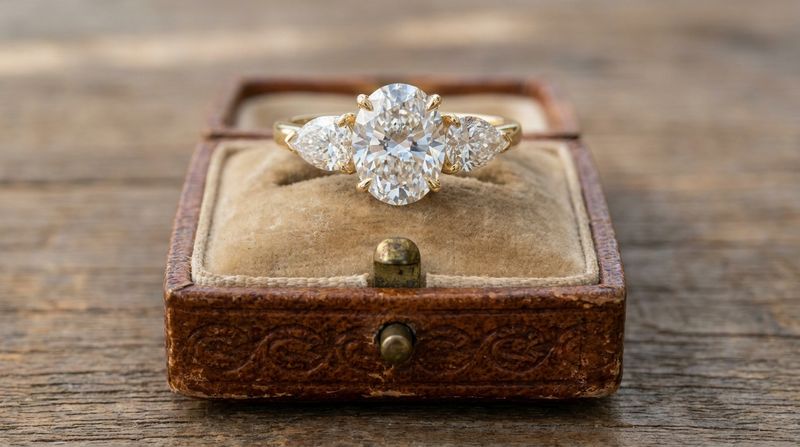
Past, present, and future all fit on one finger with this design.
A three-stone ring places a central stone between two smaller side stones, and the symbolism is part of its charm.
Some couples prefer the alternate meaning of friendship, love, and fidelity.
The fun lies in the combinations.
You might pick three matching round diamonds for a balanced look.
An oval center with pear-shaped sides feels softer, while an emerald cut with tapered baguettes reads crisp and architectural.
Proportions matter more than people expect.
A clearly dominant center stone keeps the eye focused in one spot.
Three stones closer in size create a wider, more continuous line across the finger.
The stones don’t have to match in shape or even color.
A sapphire center with diamond sides gives a nod to classic estate jewelry without copying anyone’s famous ring.
Gold and platinum both work, so choose based on the stones you love.
For that quiet heritage feel, I like slim side stones that support the center rather than compete with it.
Keep the setting clean with mild soap and water, and skip harsh chemicals that can dull the metal or leave residue around the prongs.
4. Emerald-Cut Diamond Ring
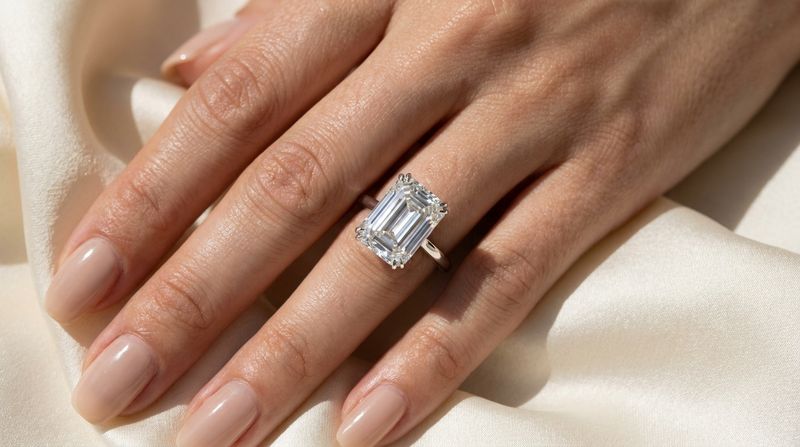
Long, clean facets give this cut a look that some jewelers compare to a hall of mirrors.
Instead of tiny sparkles, an emerald cut throws broad flashes of light across its rectangular face.
The shape is a rectangle with cropped corners, and its facets run in parallel lines called a step cut.
The name comes from emerald gemstones, which were cut this way first.
Diamonds borrowed the shape later, and the Art Deco era of the 1920s and 1930s helped make it a favorite.
Those open facets show off clarity, which works both ways.
Clean stones look like glass windows, but inclusions are easier to spot.
Many sellers suggest a clarity grade of VS1 or better for this reason.
Platinum and white gold keep a colorless diamond looking icy.
Yellow gold softens the look and pairs nicely with diamonds that have slightly more warmth.
Rose gold adds a gentle blush.
You can set it vertically for a traditional look or east-west, sideways across the finger, for a modern twist.
Baguette side stones keep the geometry going.
Clean it often, because grime on those wide facets blurs the mirror effect quickly.
5. Asscher-Cut Diamond Ring
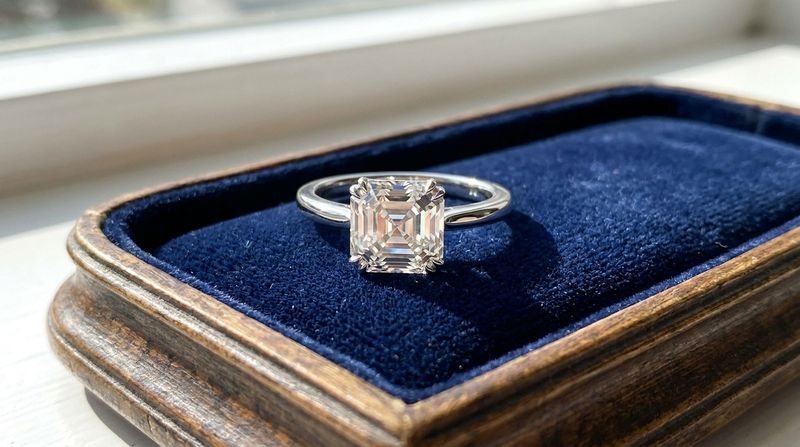
Peer straight into an Asscher-cut diamond, and you may notice a windmill pattern spinning toward the center.
That effect comes from step-cut facets arranged inside a square shape with deeply trimmed corners.
The cropped corners give the stone an octagonal outline.
It looks like something straight out of a 1920s jewelry case, and that Art Deco feel is the big draw.
The light is more of a subtle shimmer than a disco ball, which suits a quiet style.
Like its emerald-cut cousin, the Asscher shows inclusions easily because its facets are open.
A clarity grade of VS2 or higher is a common recommendation.
Choosing carefully here keeps the windmill pattern crisp.
Platinum is a popular match because its natural white color pairs well with the stone’s clean geometry.
White, yellow, and rose gold also work, with yellow gold giving a richer estate look.
A solitaire setting lets the shape take center stage.
Those trimmed corners help the stone resist chipping better than sharp square cuts.
Still, a bezel or sturdy prongs add protection for daily wear.
Schedule regular checkups with a jeweler, and clean it with mild soap and water.
6. Oval-Cut Diamond Ring
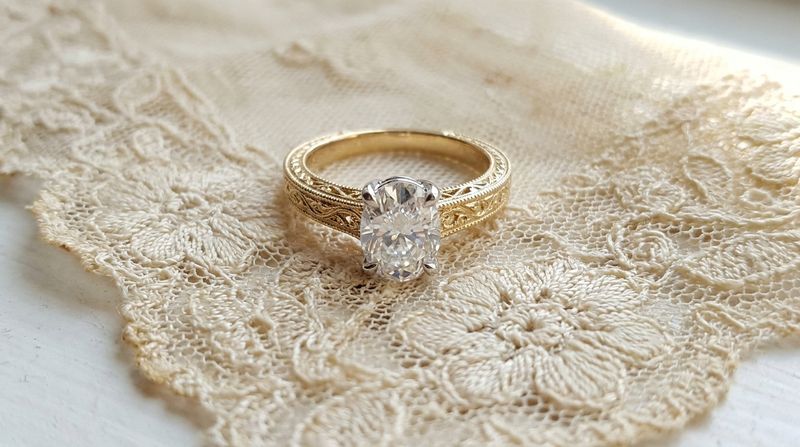
Victorian and Edwardian jewelers worked with oval diamonds long before they showed up in modern engagement photos.
That history makes the shape a natural fit for a classic setting with a little old-world detail.
An oval has an elongated outline with rounded ends.
It uses a brilliant-style facet pattern, so it sparkles much like a round diamond.
The longer shape can also make the stone look larger from above.
Shopping tip: watch for the bow-tie effect.
Some ovals show a dark, bow-shaped shadow across the middle where light escapes.
A little is common, but a heavy shadow can steal the show in the wrong way, so compare stones side by side.
To lean into the vintage look, try yellow gold, milgrain edges, or white gold prongs on a yellow gold band.
Mixed metals were a common trick in older jewelry.
A split shank adds extra old-fashioned grace.
Ovals also play nicely with pear or trillion side stones in a three-stone layout.
Whatever setting you pick, make sure it holds the ends securely for daily wear.
Regular cleaning keeps the sparkle bright and lets you spot loose prongs early.
7. Bezel-Set Ring
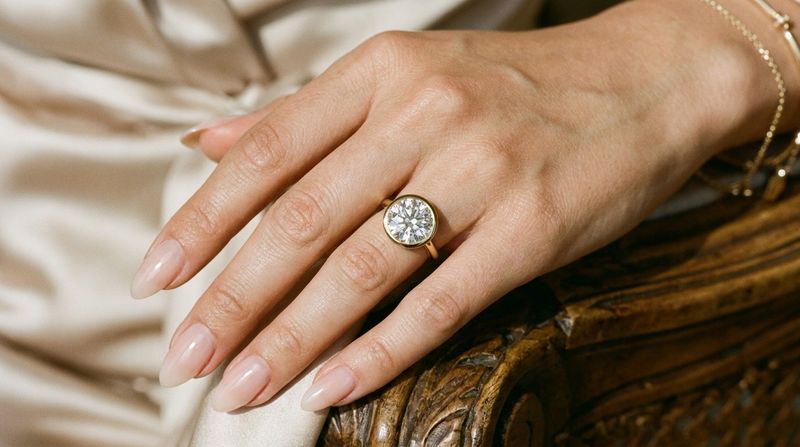
Ancient Egyptian and Greek jewelers were already using bezels, which makes this setting one of the oldest around.
A smooth metal rim wraps the edge of the stone and holds it snugly in place.
A full bezel surrounds the entire stone, while a partial bezel covers only some of its edge.
Both create a low, sleek profile that sits close to the finger.
The clean outline feels polished without any fuss.
Practical folks tend to love this one.
Bezels don’t snag sweaters, hair, or gloves the way tall prongs sometimes do.
The metal rim also shields the stone’s edges from chips, which helps softer gems like opals or emeralds.
Bezels come in round, oval, square, and hexagonal shapes.
Decorative versions might include engraving, milgrain, or texture for a heritage touch.
Platinum, white gold, yellow gold, rose gold, and sterling silver all show up in these designs.
Yellow gold bezels have a particularly rich, estate-sale look, in my opinion.
Keep it clean with warm soapy water and a soft brush.
Ask a jeweler to check now and then that the stone still sits tight inside its rim.
8. Milgrain Detail Ring
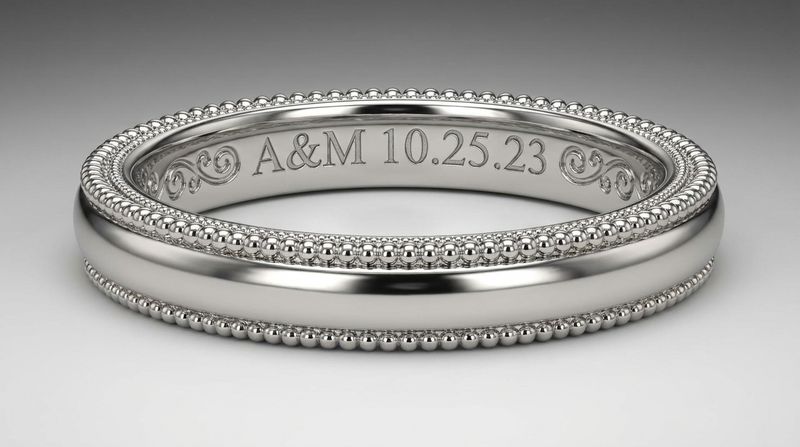
Tiny beads can do a lot of heavy lifting.
Milgrain is a row of minuscule metal grains running along the edges of a ring, and from a distance it reads as a delicate textured border.
The name comes from French and means one thousand grains.
Jewelers create it with a knurling wheel or by attaching grains by hand.
The detail is closely linked to Edwardian and Art Deco pieces, which is why it instantly feels like family history.
Placement can be bold or barely there.
Some rings have milgrain only around the setting, while others trim every edge.
It also pairs well with pave diamonds, framing the sparkle with a soft outline.
The catch is wear.
Constant friction slowly flattens the beads, and frequently worn pieces may need restoration about every seven years.
Think of it like refreshing the trim on an old house.
Gentle care stretches that timeline.
Use a soft brush, mild soap, and warm water, and avoid aggressive polishing that can blur the beads.
Store the ring by itself so other jewelry doesn’t rub against it.
That bit of effort keeps the edges looking crisp for years.
9. Channel-Set Band
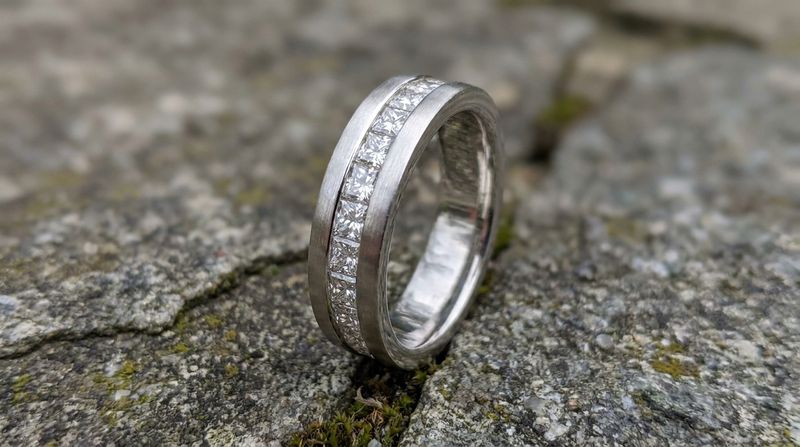
No prongs poke out of a channel-set band, which is a small relief for anyone who wears knit sweaters.
The stones sit side by side between two parallel walls of metal, flush with the surface.
The result is a smooth, continuous line of sparkle.
Art Deco designers embraced the setting for its clean geometry, and it still looks tidy and controlled today.
I think it suits people who like their glamour neatly organized.
Shapes that line up evenly work best here.
Princess, round, baguette, and emerald cuts are common, while pear and marquise shapes rarely appear because they don’t sit flush.
Yellow gold, white gold, rose gold, and platinum are all typical metals.
Styles vary widely.
You can find classic bands with stones across the top, half or full eternity versions, tapered designs with shrinking stones, and double rows.
Some include milgrain edges for extra vintage flavor.
The walls protect the stones from chips and scratches, which makes this setting sturdy for daily use.
Dirt does collect along the channel, though.
A weekly scrub with warm water, mild soap, and a soft brush helps, along with a yearly jeweler visit.
Full channel bands can be tricky to resize.
10. Baguette Diamond Band
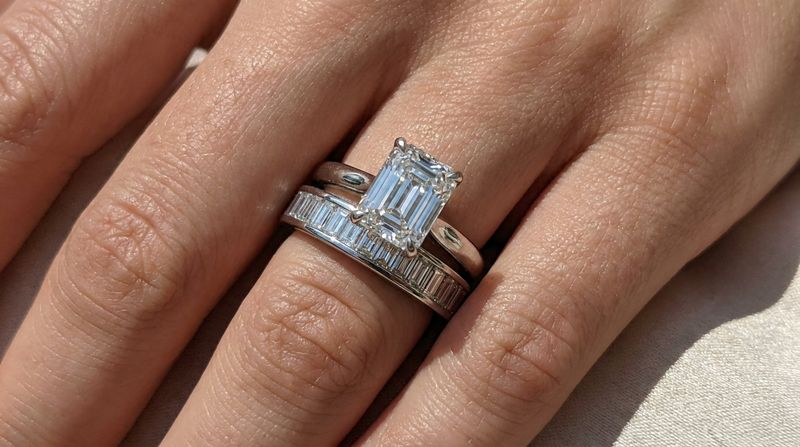
A long French loaf of bread inspired the name of this diamond shape, which is a pretty humble origin for something so sleek.
Baguettes are slim rectangles with straight edges and step-cut facets.
Instead of twinkling like rounds, baguettes create a smooth ribbon of light.
Clarity and proportion matter more than fire here.
The cut rose to fame during the Art Deco movement, and its architectural lines still look sharp.
Bands can feature a single row, vertical placement, or a mix of baguettes and round diamonds.
Tapered baguettes, which narrow at one end, often flank center stones in engagement rings.
Full and half eternity versions are both easy to find.
Those crisp corners need protection.
Channel and bar settings guard the edges well, while prong and bezel settings offer other looks.
Ask how the corners are covered before you commit.
Baguette bands pair beautifully with emerald-cut or Asscher-cut engagement rings because the step-cut facets echo each other.
Platinum, white gold, yellow gold, and rose gold are all options.
A soft toothbrush and mild soapy water keep the row bright.
Treat it kindly, and it gives that clean, tailored finish every day.
11. Platinum Band
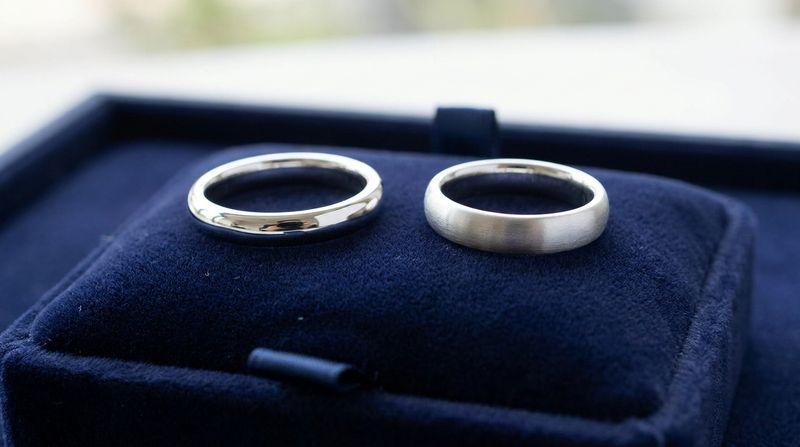
Pick up a platinum band, and the weight surprises you.
This naturally white metal is dense and heavy, and jewelry versions are often 90 to 95 percent pure.
Over time, platinum develops a soft, satiny finish called a patina.
Some people love that lived-in look because it resembles an inherited piece.
Others prefer to have a jeweler polish it back to a mirror shine, and both choices are fine.
Here’s a practical plus: platinum doesn’t need replating.
White gold usually gets a rhodium coating that wears off and must be refreshed, but platinum stays white naturally.
It also resists tarnish and is considered hypoallergenic, which matters for sensitive skin.
Plain platinum bands carry that understated feel perfectly.
You can also find hammered, brushed, satin, or polished finishes in many widths.
Diamonds look bright and colorless against the white metal, and platinum holds stones securely.
Daily care takes almost no effort.
Mild soap and warm water are enough for regular cleaning.
If the band picks up scratches, remember that the patina is part of the character.
A plain platinum ring worn for decades looks more storied, not worn out.
12. Yellow Gold Band
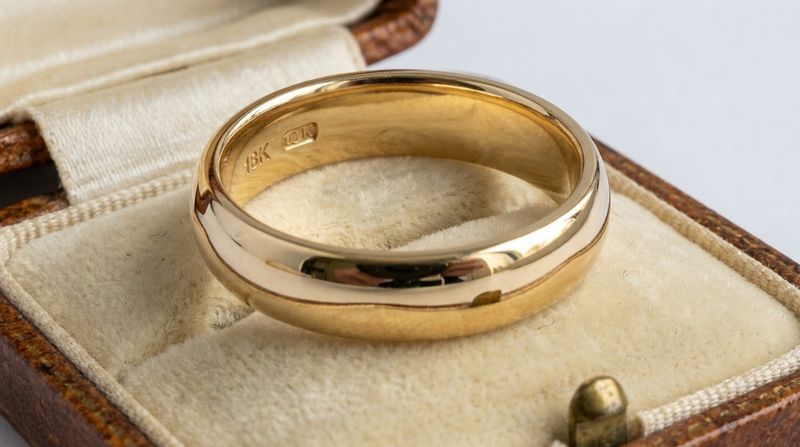
Grandparents’ wedding photos often feature a simple gold band, and that image still carries weight.
Yellow gold reads as traditional in a way few metals can match.
Its color comes from mixing pure gold with alloys such as silver and copper.
Most wedding bands are 14k or 18k.
Higher karat gold looks richer in color, while 14k contains more alloy metal.
A plain solid band is the purest version of this look.
You can choose a slim width for subtlety or a wider band for more presence.
Finishes range from high polish to brushed, so think about how you want it to catch the light.
Yellow gold also flatters diamonds in warmer color grades, often in the G to I range.
It brings out colored gems nicely too, especially sapphires and emeralds.
That makes it a smart match for an estate-style engagement ring.
Gold can scratch and dent, so remove your band for heavy lifting or chores with harsh cleaners.
Clean it with mild soap and water to keep the shine.
Small marks will show up over the years, and honestly, that softened surface adds to the inherited charm.
13. Toi et Moi Ring
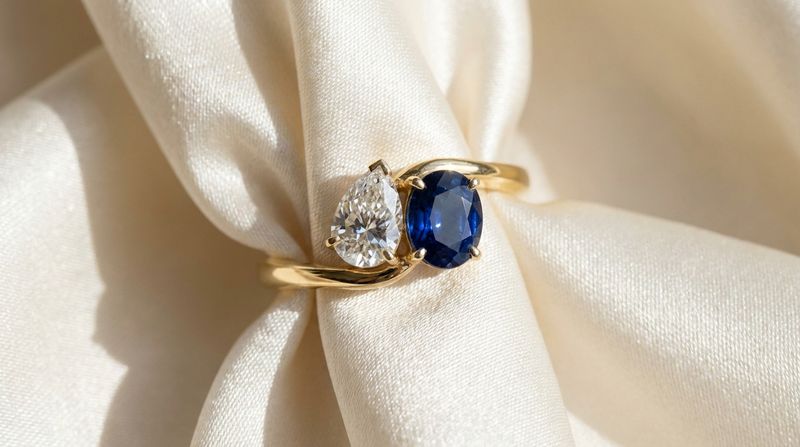
Napoleon gave Josephine a ring with two pear-shaped stones, a diamond and a sapphire, and the style has been tied to romance ever since.
Toi et moi means you and me in French.
The design places two main stones side by side or angled toward each other on one band.
Neither stone plays the sidekick.
They may differ in shape, size, or color, but both share the spotlight.
Pairings are where personality shows up.
A diamond with a sapphire or emerald feels like a nod to old European jewelry.
Two diamonds in different shapes, such as a pear and an oval, look softer and more modern.
Many of these rings use a bypass setting, where the band splits and curves to cradle each stone.
Designs can be symmetrical or deliberately uneven.
Yellow gold, white gold, rose gold, and platinum all appear often.
With two prominent stones, the ring sits taller than a slim band, so it deserves a little care.
Clean it regularly and check the settings for loose stones.
If you want an heirloom feel with a story attached, this style practically comes with one.