 MomSkoop
Filipino cuisine has been making waves across America, winning hearts and taste buds with its bold flavors and comforting dishes.
From savory stews to tangy soups, these meals bring warmth and satisfaction that remind many of home-cooked goodness.
Americans are discovering the rich traditions behind every bite, falling in love with the unique blend of sweet, sour, salty, and savory that defines Filipino cooking.
1. Adobo (Chicken or Pork)
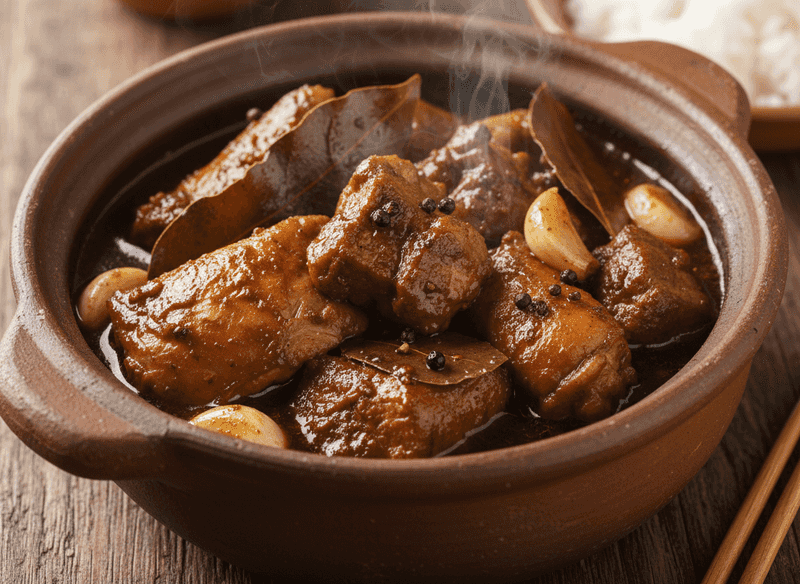
Walk into any Filipino home, and you’ll likely smell adobo simmering on the stove.
This iconic dish features meat marinated in vinegar, soy sauce, garlic, and black peppercorns, creating a tangy and savory flavor that’s hard to resist.
The meat becomes incredibly tender as it braises, soaking up all those delicious juices.
Many families have their own secret recipes passed down through generations.
Some prefer it saucier, while others like it drier with crispy edges.
The beauty of adobo lies in its simplicity and versatility, making it perfect for weeknight dinners or special gatherings that bring everyone together around the table.
2. Sinigang (Tamarind-based Sour Soup)
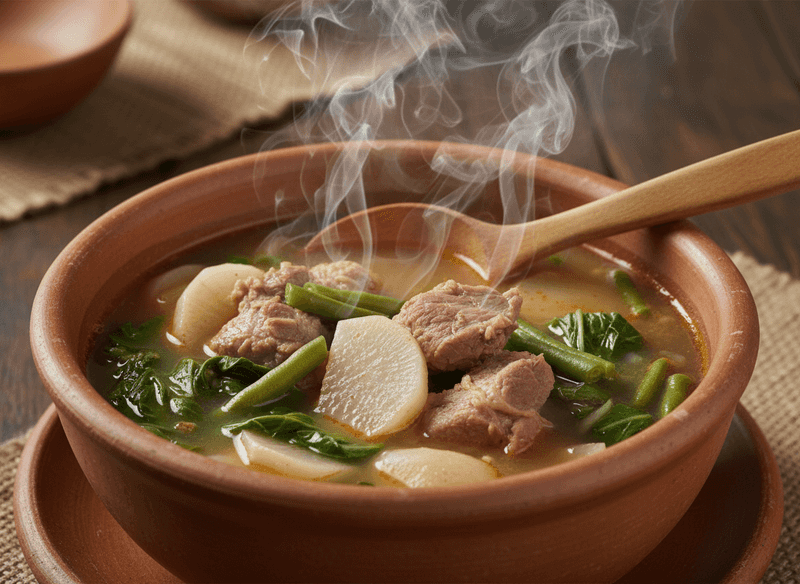
Picture a steaming bowl of soup that wakes up your taste buds with its refreshing tanginess.
Sinigang delivers exactly that experience with its tamarind-based broth packed with vegetables like radish, eggplant, and leafy greens.
Pork ribs or shrimp are common protein choices that add heartiness to every spoonful.
The sourness comes from tamarind fruit, though some cooks use green mango or calamansi for variation.
This soup is especially comforting on rainy days or when you’re feeling under the weather.
Filipinos often pair it with white rice, letting the tangy broth soak into each grain for maximum flavor enjoyment.
3. Tinola (Ginger Chicken Soup)
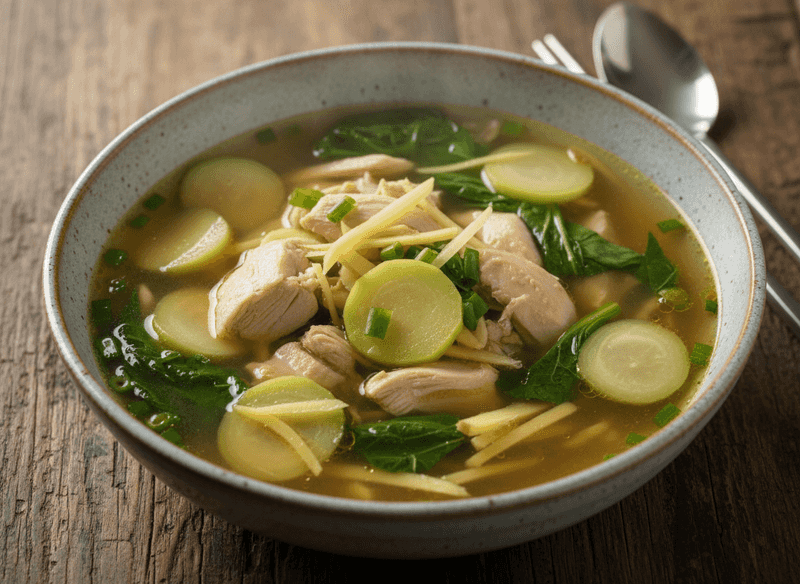
Nothing says comfort quite like a bowl of tinola when you need something light yet nourishing.
Fresh ginger gives this chicken soup its signature warming quality, while green papaya or chayote adds a subtle sweetness.
Spinach or malunggay leaves (moringa) float on top, providing a nutritious finish to each serving.
Grandmothers across the Philippines swear by tinola’s healing properties, often serving it to family members recovering from illness.
The clear broth is gentle on the stomach but packed with flavor from the ginger and fish sauce.
It’s the kind of meal that makes you feel cared for with every sip.
4. Kare-Kare (Oxtail Peanut Stew)
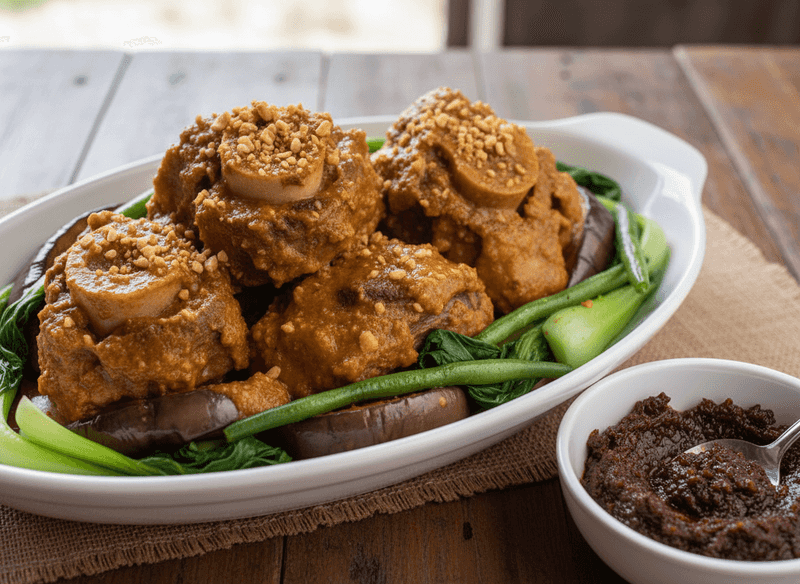
Rich, creamy, and utterly satisfying, kare-kare stands out as one of the most luxurious Filipino dishes.
Oxtail simmers for hours until fork-tender, bathed in a thick peanut sauce that’s mildly sweet and incredibly smooth.
Vegetables like eggplant, bok choy, and string beans round out this hearty stew.
What makes kare-kare truly special is the bagoong, a fermented shrimp paste served alongside it.
This salty condiment cuts through the richness of the peanut sauce, creating a perfect flavor balance.
Traditionally served at celebrations and special occasions, this dish shows the festive spirit of Filipino cooking and brings people together.
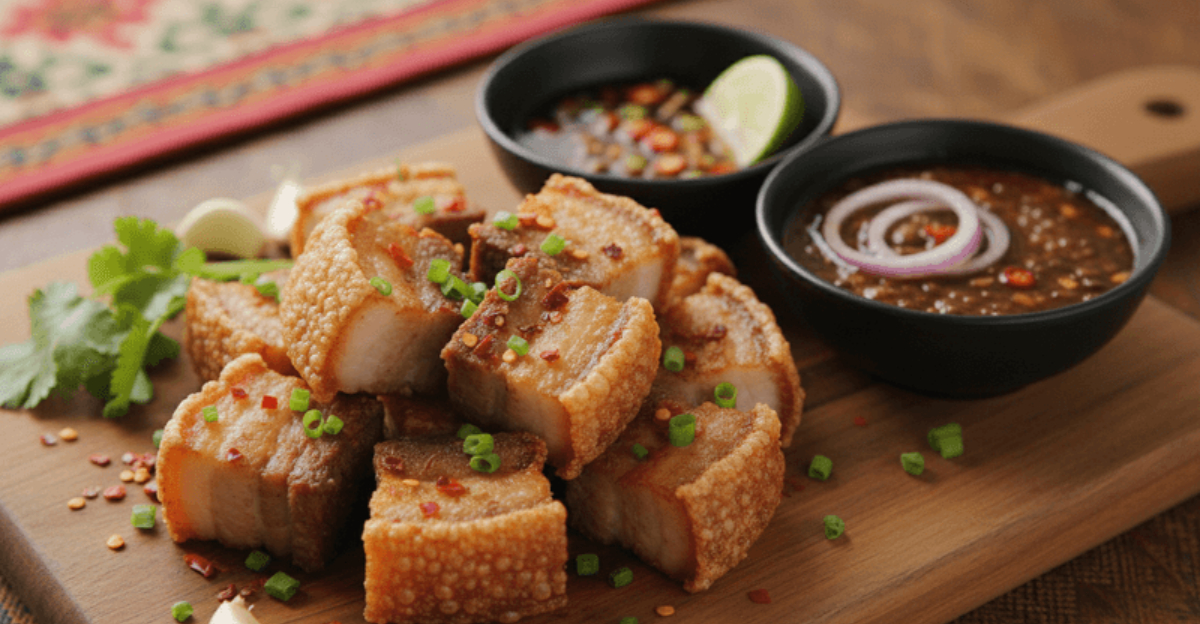
5. Lechon Kawali (Crispy Pan-fried Pork Belly)
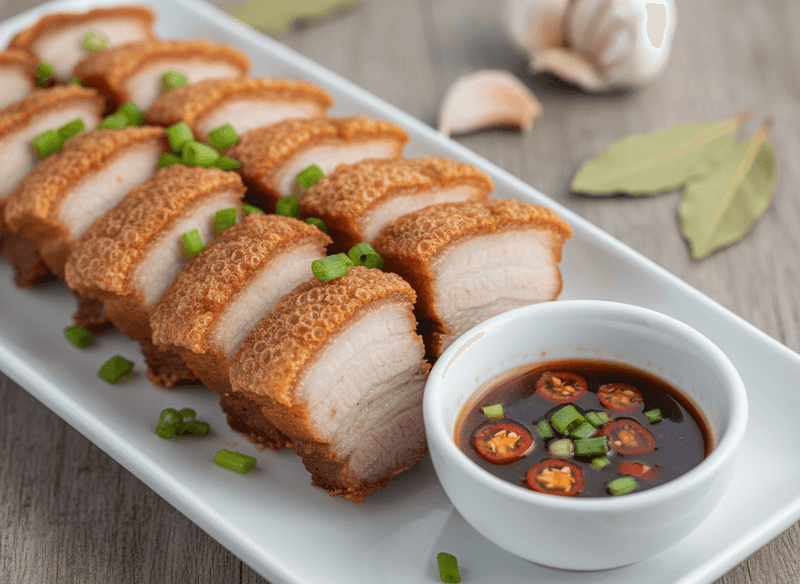
Crunch through the crackling skin to reach juicy, tender meat underneath—that’s the magic of lechon kawali.
Pork belly is boiled with aromatics until tender, then deep-fried to golden perfection.
The result is an irresistible contrast of textures that keeps you reaching for more pieces.
Every bite delivers that satisfying crackle followed by melt-in-your-mouth pork goodness.
Filipinos often serve it with a liver-based sauce or spiced vinegar for dipping, adding another layer of flavor.
While it might not be an everyday meal, lechon kawali appears at parties and gatherings where indulgence is absolutely encouraged and thoroughly enjoyed.
6. Pancit Canton (Stir-Fried Noodles)
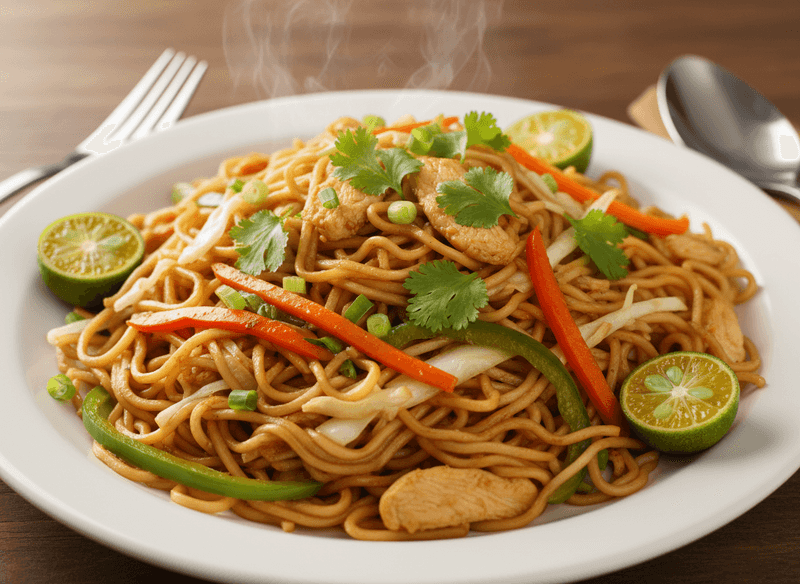
Birthdays in Filipino culture aren’t complete without pancit canton, as noodles symbolize long life and good fortune.
These wheat noodles get stir-fried with vegetables, meat, and seafood, creating a colorful and flavorful dish.
Soy sauce and calamansi juice season the noodles, giving them a savory-citrus kick.
The best pancit has a slight char from the hot wok, adding a smoky depth to the dish.
Cabbage, carrots, and snap peas provide crunch, while chicken or pork adds protein.
Whether served at celebrations or casual family dinners, this noodle dish brings joy and represents wishes for prosperity and longevity.
7. Pancit Malabon (Thick Rice Noodles with Seafood)
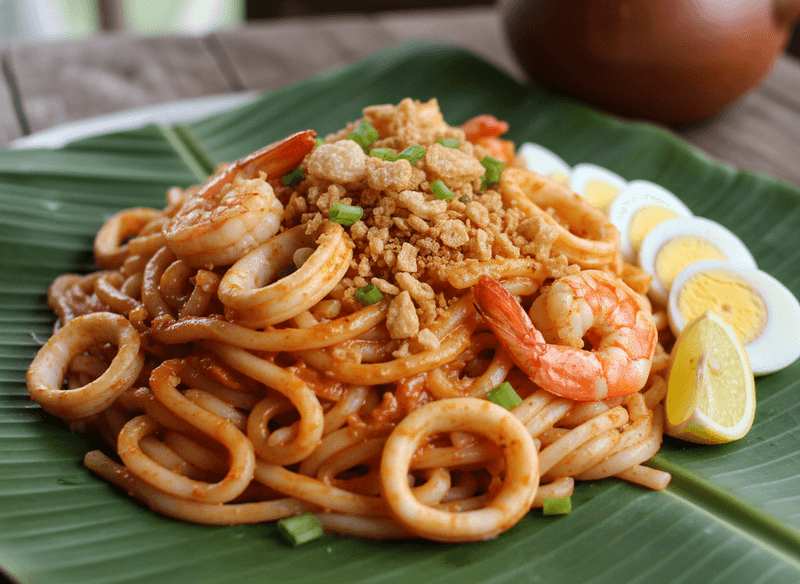
Hailing from the coastal city of Malabon, this noodle dish celebrates the ocean’s bounty with generous seafood toppings.
Thick rice noodles get coated in a savory orange sauce made from shrimp broth and annatto seeds.
Shrimp, squid, oysters, and smoked fish pile high on top, making each serving look like a treasure chest.
Hard-boiled eggs, crispy pork rinds, and green onions add final touches to this festive dish.
The sauce has a unique flavor that’s both rich and briny, reflecting Malabon’s fishing heritage.
This special-occasion pancit shows up at fiestas and big family gatherings where abundance is celebrated.
8. Laing (Taro Leaves in Coconut Milk)
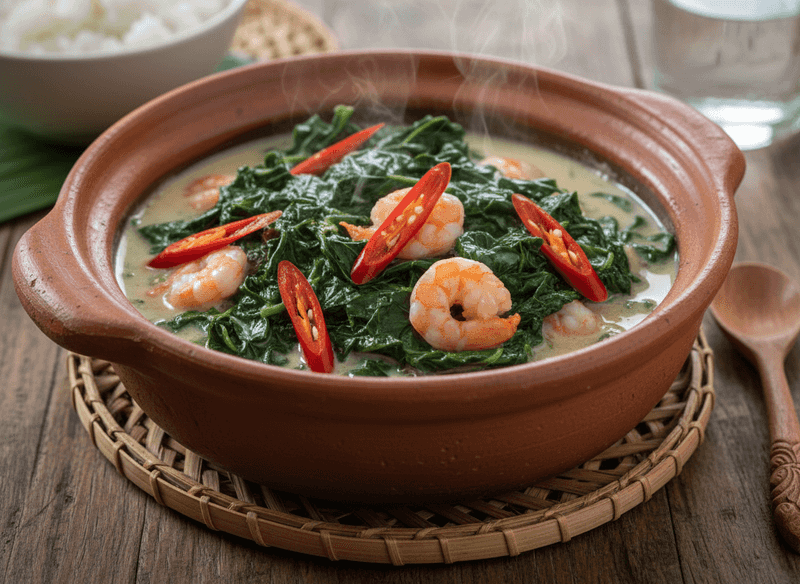
From the Bicol region comes laing, a dish that transforms humble taro leaves into something extraordinary.
The leaves simmer slowly in coconut milk with chili peppers, ginger, and shrimp paste until they become incredibly tender.
The result is creamy, spicy, and deeply satisfying with layers of complex flavors.
Bicol is famous for its love of coconut and spicy food, and laing perfectly represents both passions.
The coconut milk mellows the heat from the chilies while adding richness to every bite.
This vegetable dish proves that plant-based meals can be just as comforting and flavorful as any meat-centered creation.
9. Bistek Tagalog (Filipino Beef Steak)
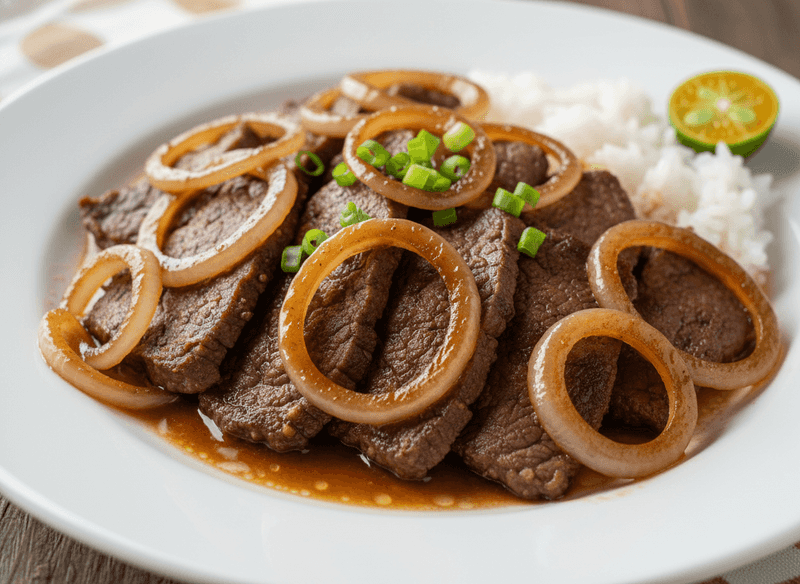
Thin slices of beef marinate in calamansi juice and soy sauce before hitting a hot pan, creating bistek tagalog’s signature tangy-savory taste.
Rings of caramelized onions crown the meat, adding sweetness that balances the citrus and salt.
The marinade reduces into a glossy sauce that begs to be soaked up with rice.
This dish shows Spanish influence on Filipino cooking, adapted with local citrus and flavors.
The meat stays tender from the acidic marinade, while quick cooking keeps it juicy.
Simple ingredients come together to create something restaurant-worthy that home cooks can easily master for impressive weeknight dinners.
10. Menudo (Tomato-based Pork and Liver Stew)
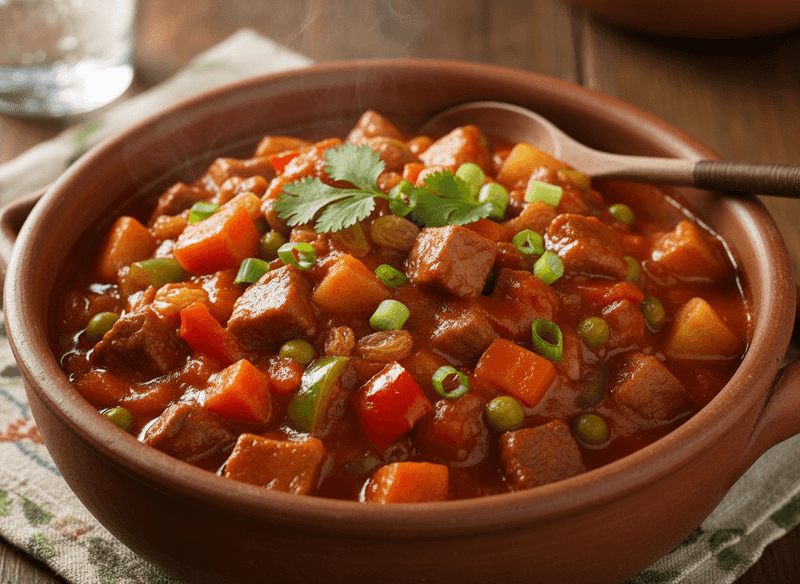
Bright red tomato sauce brings together pork, liver, potatoes, and vegetables in this beloved Filipino stew.
Menudo has a slightly sweet flavor from the tomatoes, balanced by savory pork and the distinct taste of liver.
Bell peppers and carrots add color and nutrition to every serving.
Don’t confuse this with Mexican menudo—the Filipino version is completely different and unique.
Families often cook large batches for gatherings since it tastes even better the next day after flavors meld together.
The liver adds richness and nutrients, though some versions use less for those who prefer milder tastes in their comfort food.
11. Kaldereta (Filipino Beef Stew)
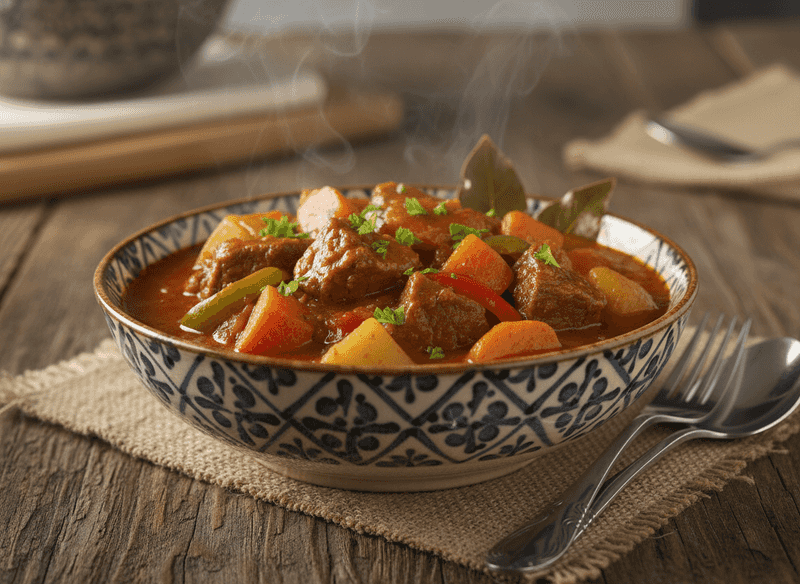
Kaldereta takes beef stew to the next level with its rich tomato sauce thickened with liver spread or peanut butter.
Chunks of beef become fall-apart tender after slow cooking, while potatoes, carrots, and bell peppers add substance.
The sauce clings to everything, creating a luxurious coating on each ingredient.
This festive dish often appears at celebrations, weddings, and holiday tables throughout the Philippines.
Some versions include olives and cheese for extra depth, showing Spanish colonial influences.
The longer it cooks, the better it tastes, making kaldereta perfect for patient cooks who appreciate how time transforms good food into something spectacular.
12. Bulalo (Beef Shank Bone Marrow Soup)
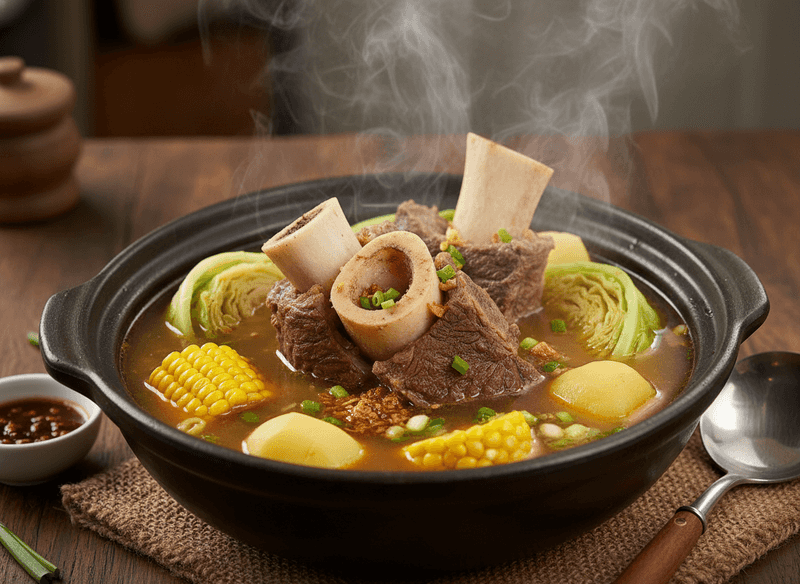
Hours of simmering beef shanks create bulalo’s crystal-clear broth that’s packed with beefy goodness and melted marrow.
The bones release their collagen, making the soup silky and nourishing.
Corn on the cob, cabbage, and potatoes cook in the broth, soaking up all those wonderful flavors.
Tagaytay, a mountain city known for its cool weather, is famous for serving the best bulalo.
The rich marrow can be scooped from the bones and spread on rice or eaten directly—a true delicacy.
This soup warms you from the inside out, perfect for chilly evenings when you need something deeply satisfying and restorative.
13. Pinakbet (Vegetable Stew with Shrimp Paste)
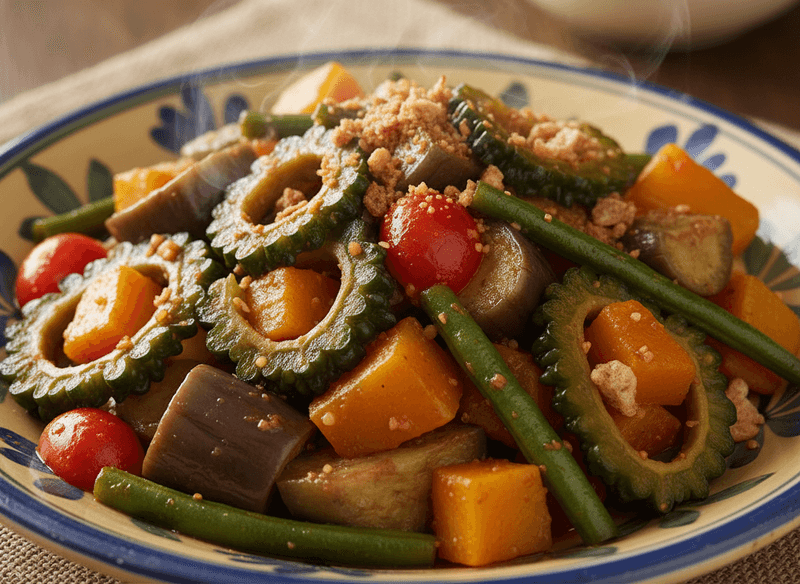
Vegetables take center stage in pinakbet, an Ilocano dish that celebrates the garden’s harvest.
Bitter melon, eggplant, okra, squash, and string beans cook together with tomatoes and bagoong (shrimp paste).
The shrimp paste provides a salty, funky depth that transforms these simple vegetables into something crave-worthy.
Some versions include pork for extra richness, though the vegetables remain the stars.
The bitter melon might surprise first-timers, but its unique taste balances beautifully with the other ingredients.
This healthy, flavorful dish proves that vegetable-forward meals can be just as exciting and delicious as any meat-heavy option on the table.
14. Arroz Caldo (Ginger Rice Porridge)
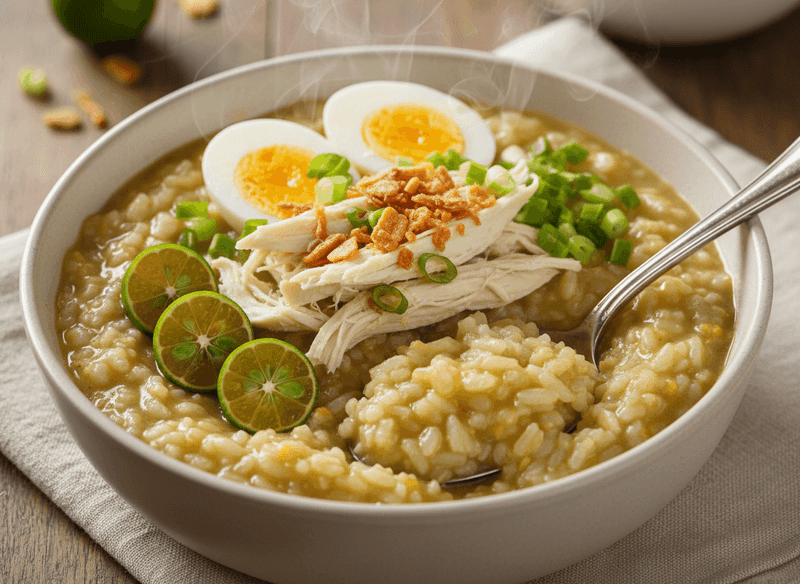
When you’re feeling under the weather or just need a warm hug in a bowl, arroz caldo delivers comfort by the spoonful.
Rice breaks down into a creamy porridge cooked with chicken, ginger, and garlic.
The ginger provides warmth and healing properties, while the chicken adds protein and substance.
Toppings make this dish special—hard-boiled eggs, green onions, fried garlic, and a squeeze of calamansi brighten each bowl.
Some people add fish sauce for extra saltiness.
This Filipino congee is the ultimate sick-day food, though you don’t need to be ill to enjoy its soothing, gentle flavors any time.
15. Leche Flan (Caramel Custard Dessert)

Silky smooth and impossibly rich, leche flan is the Filipino answer to crème caramel with its own special twist.
Egg yolks and condensed milk create an ultra-creamy custard that’s sweeter and denser than European versions.
The dark caramel sauce pools around the flan, adding bitter-sweet contrast to the sweet custard.
This dessert appears at every celebration, from birthdays to Christmas dinners, often steamed in oval tin molds called llaneras.
The top layer develops a beautiful golden color while the inside stays velvety.
One slice is never enough—leche flan’s addictive texture and flavor make it the perfect ending to any Filipino feast or comfort meal.