 MomSkoop
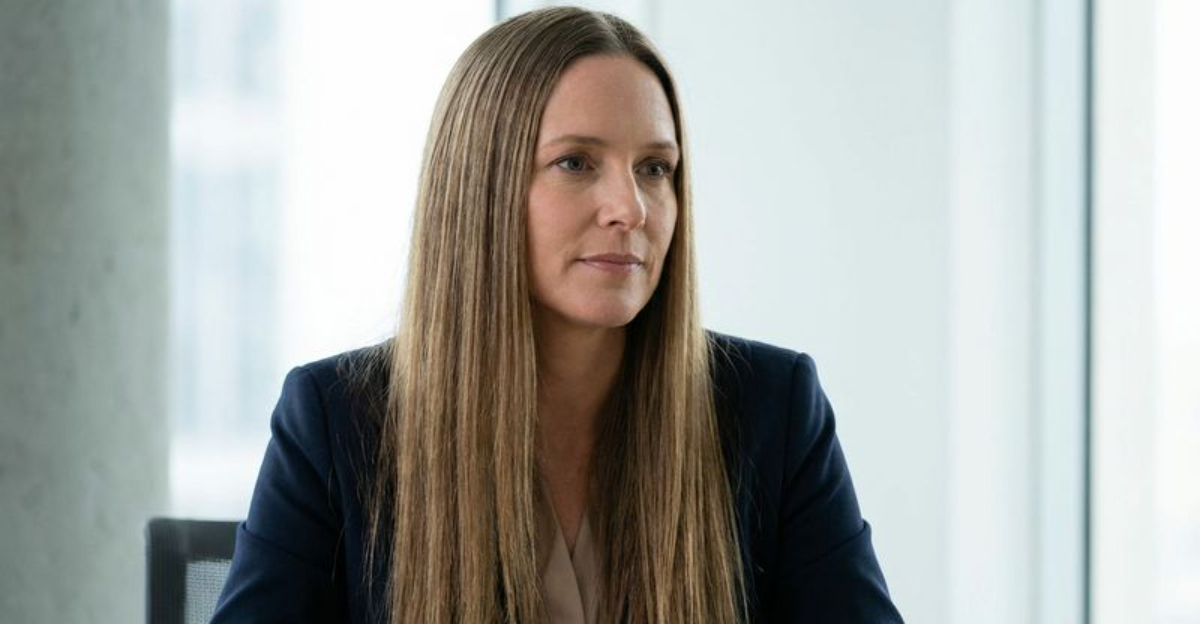
Fine hair can be beautiful and elegant, but certain haircuts can make it look flat, lifeless, and even add years to your appearance. Choosing the wrong style might emphasize thinness, expose scalp areas, or drag down your facial features.
Understanding which cuts to avoid helps you maintain volume, youthfulness, and confidence in your look.
1. Blunt One-Length Cut (Especially Long)
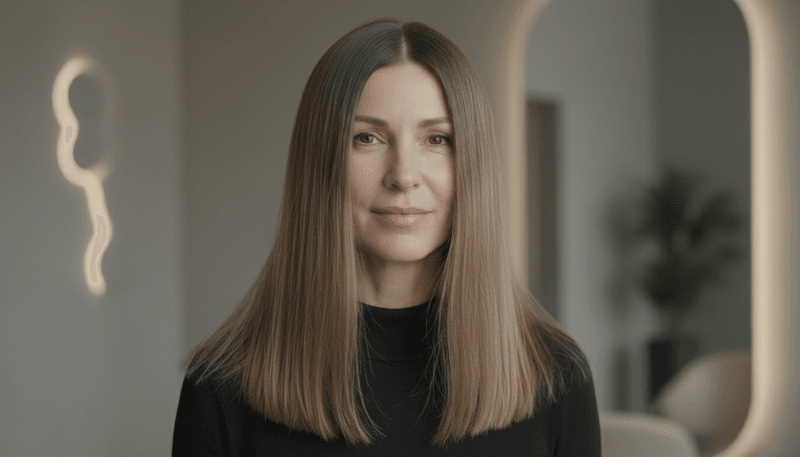
When hair is cut straight across without any layering, it creates a heavy, uniform line that pulls everything downward.
For fine hair, this becomes a major problem because the weight concentrates at the ends, making them look even thinner and more stringy.
Without dimension or movement, this style lies flat against your head and highlights the lack of volume.
The bluntness can also draw attention to any uneven thickness, making sparse areas more noticeable.
As we age, hair naturally becomes finer, so a one-length cut can emphasize this change rather than disguise it.
The result often looks dated and can make facial features appear droopy.
Adding layers or texture creates the illusion of fullness and keeps the style looking fresh and youthful.
2. Ultra-Long, Straight Hair With No Layers
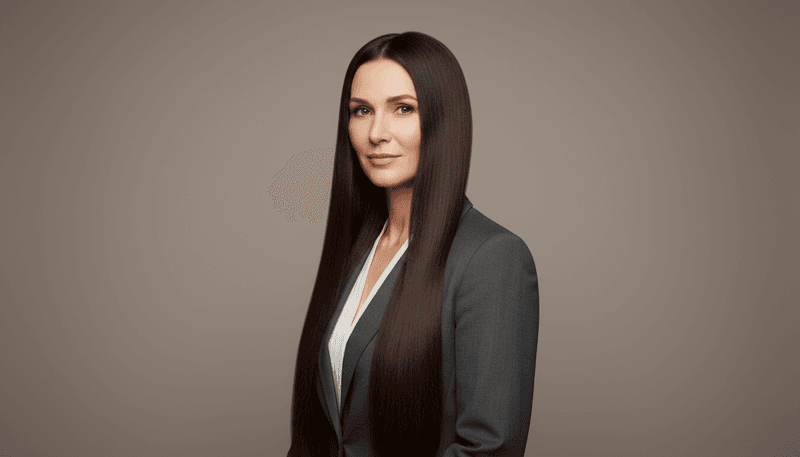
Growing hair super long might seem like a dream, but for those with fine strands, it often backfires.
The sheer length pulls hair flat against the scalp, eliminating any natural lift or body that might exist.
Gravity works against you here, stretching the hair downward and making it appear even thinner.
Without layers to break up the length, the style becomes one-dimensional and boring.
This look can also visually drag your facial features downward, creating a tired or aged appearance.
The lack of movement makes it harder to style with any personality.
Breaking up the length with strategic layers adds bounce and prevents that heavy, lifeless look.
Even subtle layering around the face can make a dramatic difference in how youthful and vibrant you appear.
3. Over-Thinned Layers (Razor-Cut or Excessive Texturizing)
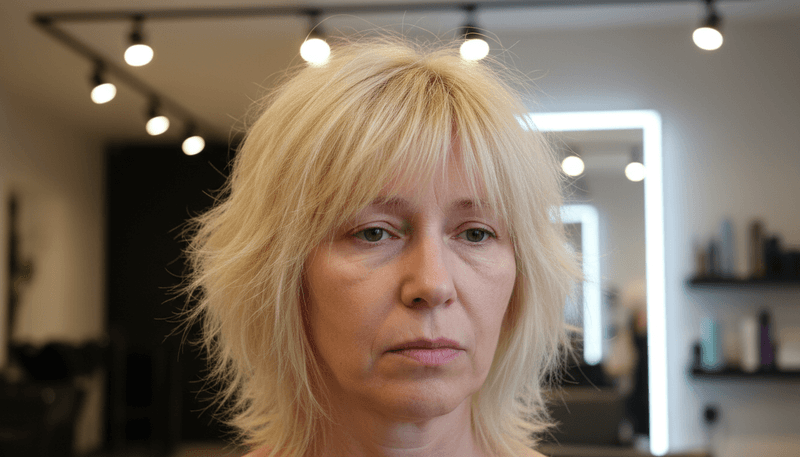
Razor cuts and heavy texturizing shears can seem like a quick fix for adding movement, but they often do more harm than good for fine hair.
These techniques remove too much density, leaving hair looking wispy and sparse rather than full.
The razor creates uneven, feathered ends that can appear scraggly and unkempt.
Instead of adding body, over-thinning actually takes away the precious volume you need.
Hair may feel lighter initially, but it loses structure and can look damaged even when it’s healthy.
This style ages you because it emphasizes thinness rather than disguising it.
Ask your stylist for point cutting or slide cutting instead, which removes weight without sacrificing density.
The goal is movement with substance, not wispy strands that disappear into nothing.
4. Heavy, Straight-Across Bangs
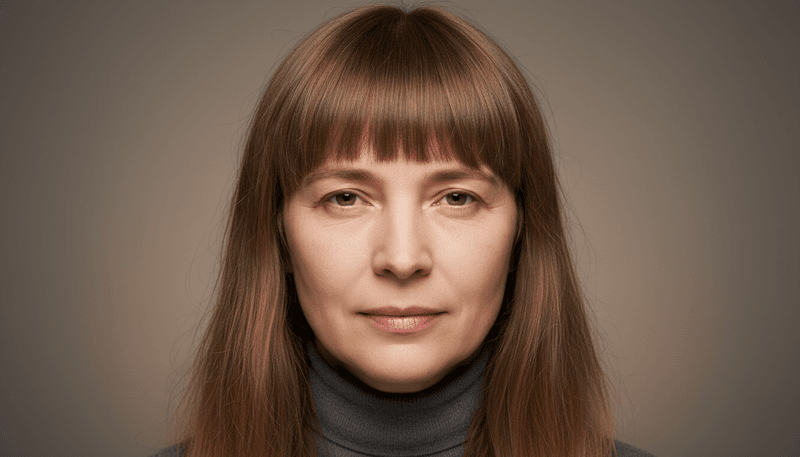
Thick, blunt bangs might look stunning on someone with naturally full hair, but they overwhelm fine strands.
The weight of a full fringe can make the rest of your hair look even thinner by comparison.
These bangs often highlight thinning around the temples and hairline, areas where hair naturally becomes sparser with age.
The harsh line across your forehead can also make your face appear shorter or wider.
Maintaining straight-across bangs requires frequent trims and styling, which can be challenging with fine hair that lacks body.
The style can read as severe or outdated rather than fresh and modern.
Opting for wispy, side-swept, or curtain bangs creates a softer frame for your face while using less hair.
This approach adds interest without overwhelming your delicate hair texture.
5. Short, Flat Pixie With No Lift at the Crown
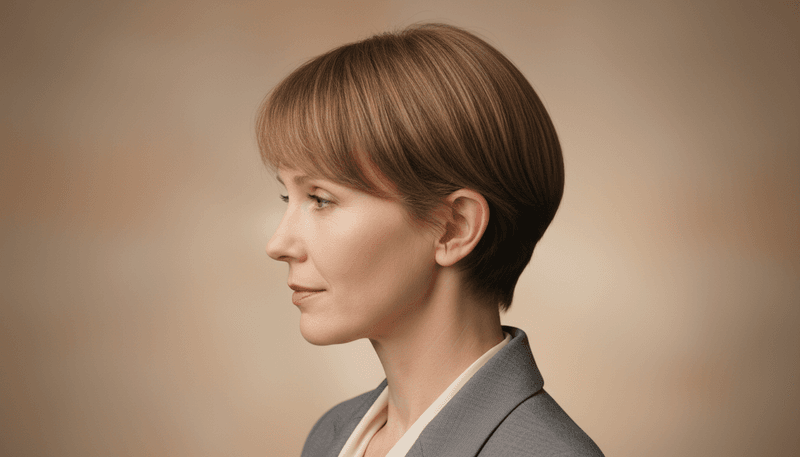
Pixie cuts can be incredibly chic and youthful when done correctly, but a flat version does the opposite for fine hair.
Without volume at the crown, the style hugs your head too closely and lacks the structure needed to flatter your face.
The flatness draws attention to the scalp and can make thinning more obvious.
A pixie needs height and texture to create the illusion of fullness and provide balance to your features.
When the crown sits flat, it can make your face look longer or emphasize sagging in the lower face and neck area.
The result feels matronly rather than modern and fresh.
Ask your stylist to add layers that stack at the crown for lift and consider styling products that boost volume at the roots.
The right pixie is all about strategic height and movement.
6. Severe Middle Part With No Face-Framing
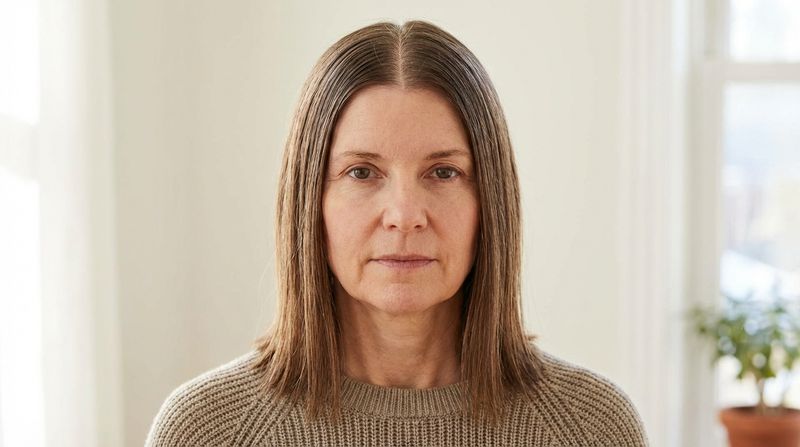
A stark center part divides your hair into two equal sections, which can emphasize any thinning along the part line.
For fine hair, this creates a visible scalp line that draws the eye to areas you’d probably prefer to downplay.
Without face-framing layers or softness around the perimeter, this style sits flat and lifeless.
The symmetry can also make facial features appear more severe or tired.
Middle parts work beautifully when paired with texture and movement, but alone they offer no help to fine hair.
The look can read as stark and unflattering, adding years rather than taking them away.
Switching to a slightly off-center part or adding soft layers around the face creates dimension and disguises thinning areas.
Even small adjustments in parting placement can make a significant difference in overall appearance and youthfulness.
7. Blunt Bob With No Graduation or Movement
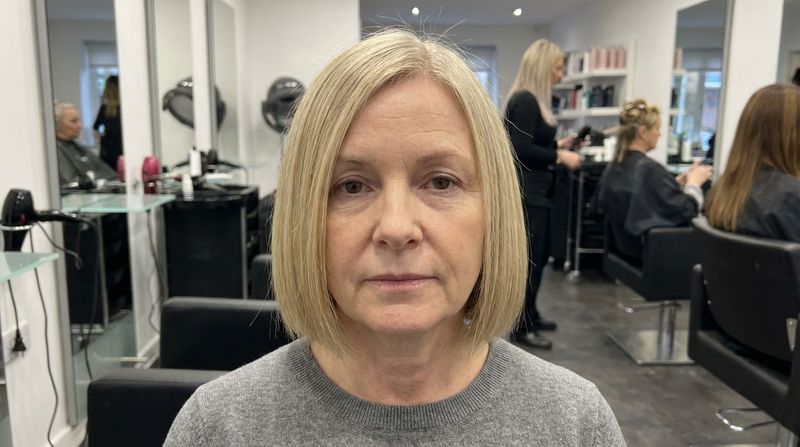
Bobs are classic and timeless, but a completely blunt version can be too heavy for fine hair.
Without any graduation or internal layering, the style sits like a helmet, emphasizing the fine texture rather than enhancing it.
The weight pulls everything downward, eliminating natural volume and making hair appear thinner.
A blunt bob also lacks the movement needed to keep the style looking fresh and modern.
The harsh line can draw attention to jaw sagging or neck lines, which adds an aging effect.
Fine hair needs some internal shaping to create the illusion of thickness and body.
Asking for subtle graduation or point-cutting at the ends softens the look while maintaining the bob shape.
Even minimal layering inside the cut provides lift and prevents that heavy, flat appearance that drags down your entire look.
8. Overgrown Shag With Wispy Ends
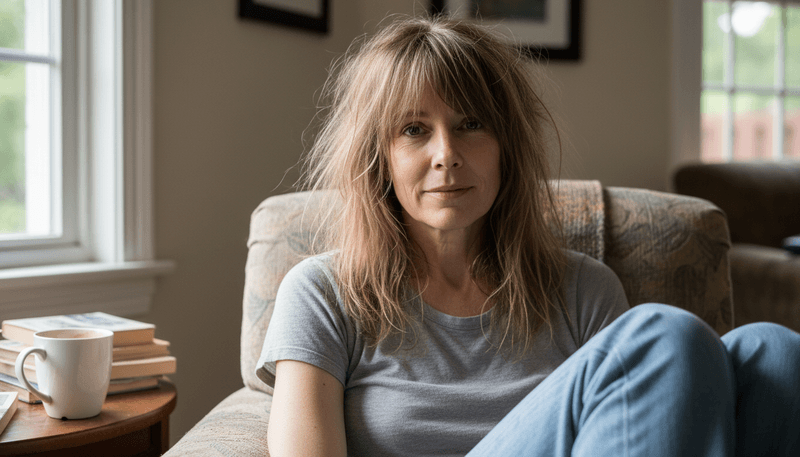
Shag haircuts are trendy and fun, but they require regular maintenance to keep their shape.
When a shag grows out on fine hair, it quickly loses its structure and starts looking messy rather than intentionally tousled.
The wispy ends become even more sparse and stringy, emphasizing thinness instead of disguising it.
What once looked effortlessly cool now appears unkempt and dated.
Fine hair struggles to hold the texture and volume that make shags work, so as it grows, everything falls flat.
The scraggly ends can add years to your appearance by looking neglected or damaged.
Keeping up with regular trims maintains the shape and prevents that overgrown, tired look.
If you love the shag style, commit to frequent salon visits to keep it looking intentional and fresh rather than accidentally disheveled and aging.
9. Slicked-Back Styles or Tight Cuts
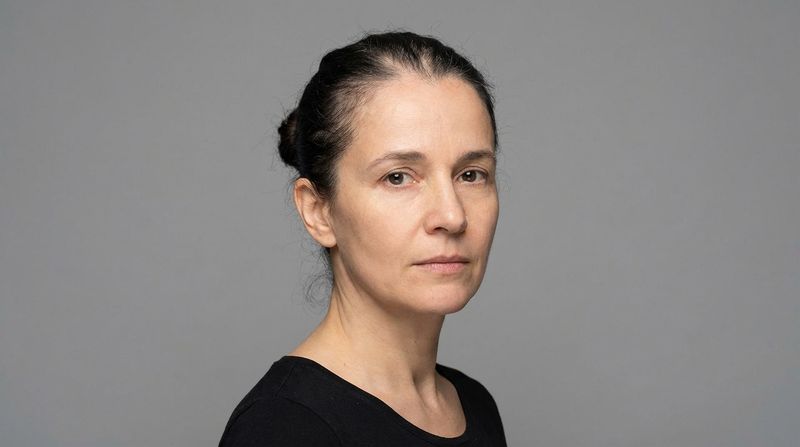
Pulling hair tightly back into ponytails, buns, or slicked styles might seem practical, but it’s harsh on fine hair.
These looks expose every inch of your scalp, making thinning areas impossible to hide.
The tension from tight styling can also damage delicate hair follicles over time, potentially leading to more thinness.
Without any softness around the face, these styles can appear severe and unflattering.
Slicked-back looks emphasize facial lines and can make features appear sharper or more aged.
Fine hair also shows every imperfection when pulled back this way—lumps, bumps, and sparse spots become highly visible.
Leaving some face-framing pieces loose or opting for softer, looser styles creates a more forgiving and youthful appearance.
Your hair looks fuller when it has some freedom to move and create natural volume around your face.