 MomSkoop
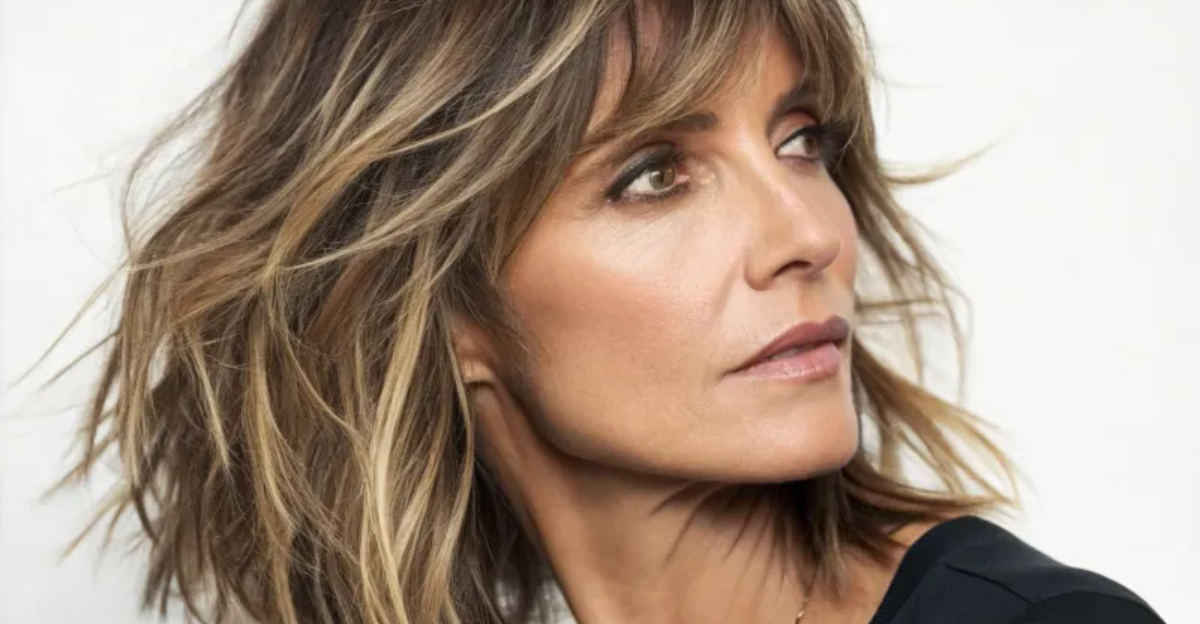
Gray regrowth can feel like a never-ending cycle of salon visits and touch-up appointments. But what if the right haircut could buy you extra weeks between color sessions? Professional colorists know that certain styles naturally camouflage those silver roots better than others. From layered textures to strategic bangs, these nine cuts are designed to keep your hair looking fresh and polished longer.
1. Long Layered Bob (Lob)
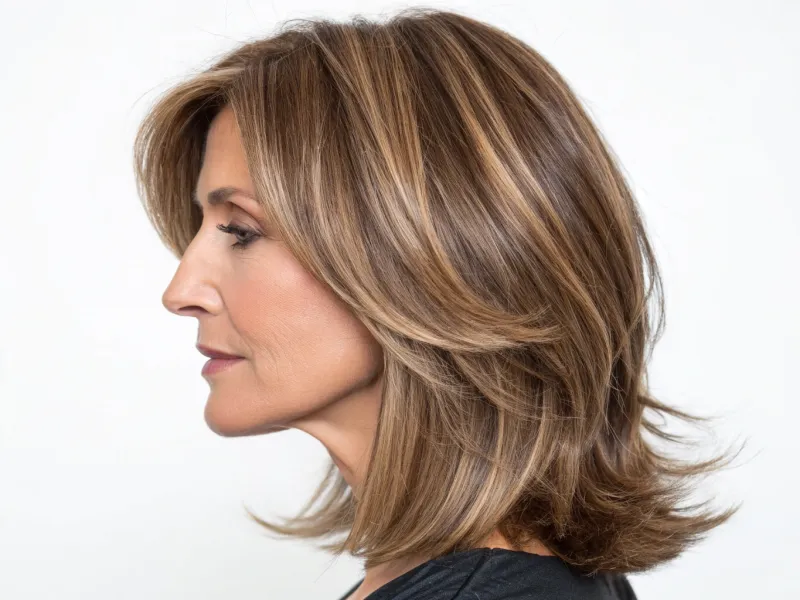
Soft layers work like magic when it comes to hiding gray regrowth. Unlike blunt cuts that create a harsh line where new growth appears, a lob with layers adds dimension and movement that naturally disguises roots.
The beauty of this cut lies in how the layers catch light differently, creating shadows and highlights that blend with incoming gray. Colorists especially love pairing this style with balayage or rooted color techniques.
When your natural shade starts peeking through, it simply looks like part of the intentional color design. The shoulder-length style also frames your face beautifully while keeping maintenance relatively low. Most people can stretch their color appointments an extra two to three weeks with this forgiving cut.
2. Shoulder-Length Shag
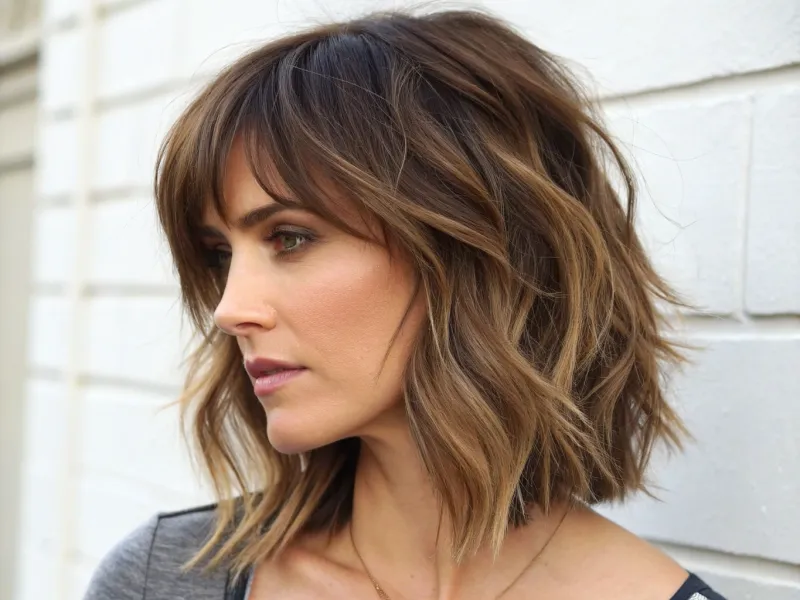
Remember when shags were just a ’70s throwback? Today’s modern version is a gray-hiding powerhouse that colorists recommend constantly. The secret is in those piecey, choppy layers that create tons of texture and visual interest.
Face-framing pieces draw attention away from your part line, which is typically where gray shows up first and most noticeably. When you add subtle highlights or lowlights to a shag, the regrowth blends seamlessly into the dimensional color.
The textured ends also make it harder to spot exactly where one color stops and another begins. This cut works wonderfully whether you air-dry or style it, and the effortless vibe means a little root showing actually adds to the lived-in aesthetic that’s so popular right now.
3. Textured Pixie
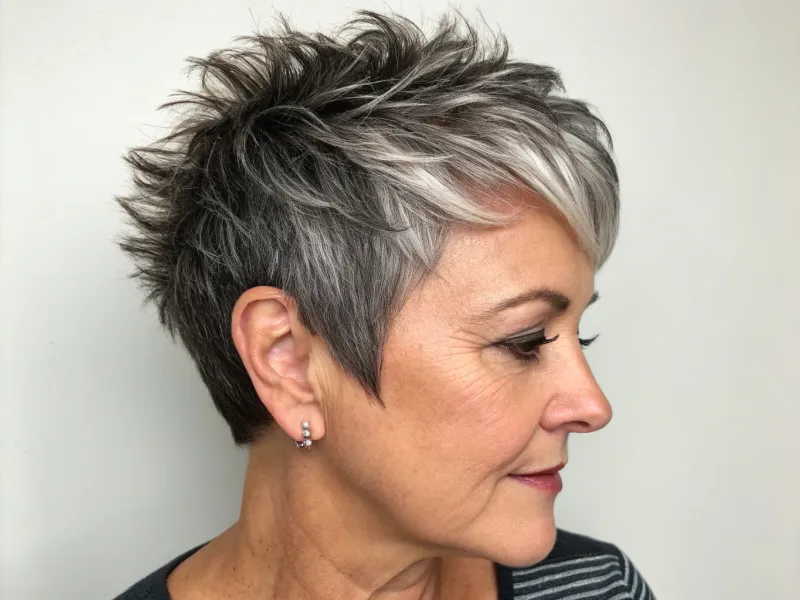
Going short might seem counterintuitive, but a choppy, textured pixie is actually one of the best gray-hiding styles out there. The shorter your hair, the less noticeable the contrast between colored and natural hair becomes.
With a textured pixie, regrowth essentially becomes part of the overall look rather than something that needs hiding. The choppy, piecey texture creates so much dimension that new growth just adds to the intentional messiness.
Colorists love this option for clients who want low maintenance without sacrificing style. You can easily go six to eight weeks between color appointments, and honestly, many people find they can embrace their natural gray more confidently with this cut. The key is keeping the texture choppy rather than smooth and polished.
4. Soft Curtain Bangs with Layers
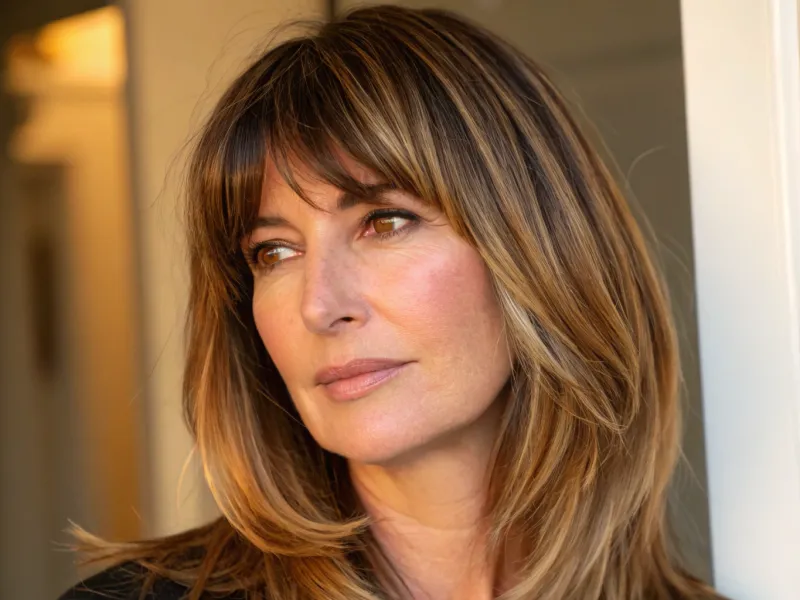
Curtain bangs have taken over for good reason—they’re flattering, versatile, and happen to be excellent at concealing gray regrowth. These face-framing pieces cover your hairline, which is exactly where those first gray hairs love to announce themselves.
By drawing the eye toward your mid-lengths and away from your roots, curtain bangs shift the focal point entirely. The soft, sweeping shape creates movement that naturally camouflages the line where your color meets your natural hair.
Pair them with layers throughout the rest of your hair, and you’ve got a winning combination that buys you serious time between salon visits. The wispy texture also means they blend beautifully whether you’re a few weeks or a few months past your last color appointment.
5. Wavy or Curly Mid-Length Cut

Curls are your secret weapon against visible regrowth. The natural texture and pattern of wavy or curly hair creates so much dimension that gray roots simply disappear into the overall look.
Straight hair creates clean lines that make the contrast between colored and natural hair obvious. Curls, on the other hand, twist and turn in ways that scatter light and shadow, making it nearly impossible to see where one color ends and another begins.
A shoulder-length cut gives you enough hair to showcase your natural texture while keeping styling manageable. Colorists note that clients with this cut can often stretch their appointments four to six weeks longer than those with straight styles. The key is embracing your natural pattern rather than fighting it with heat tools.
6. Long Hair with Face-Framing Layers
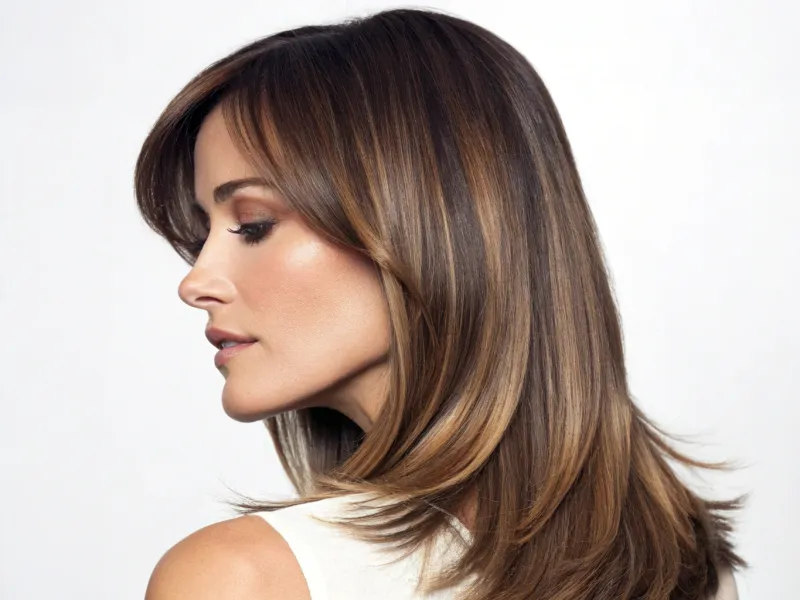
Who says you have to sacrifice length to hide gray? Long hair with strategic face-framing layers offers the best of both worlds—you keep your length while minimizing how much your part line shows.
The shorter pieces around your face create a soft curtain effect that diffuses attention away from your roots. When gray starts coming in at your part, those layers help break up the harsh line that would otherwise be visible.
This style works especially well if you typically wear your hair down, as the layers naturally fall forward and cover your hairline. The length also means you have more hair to work with when styling, giving you options to change your part or sweep hair in different directions to further camouflage regrowth as needed.
7. Tousled Bixie (Bob + Pixie)
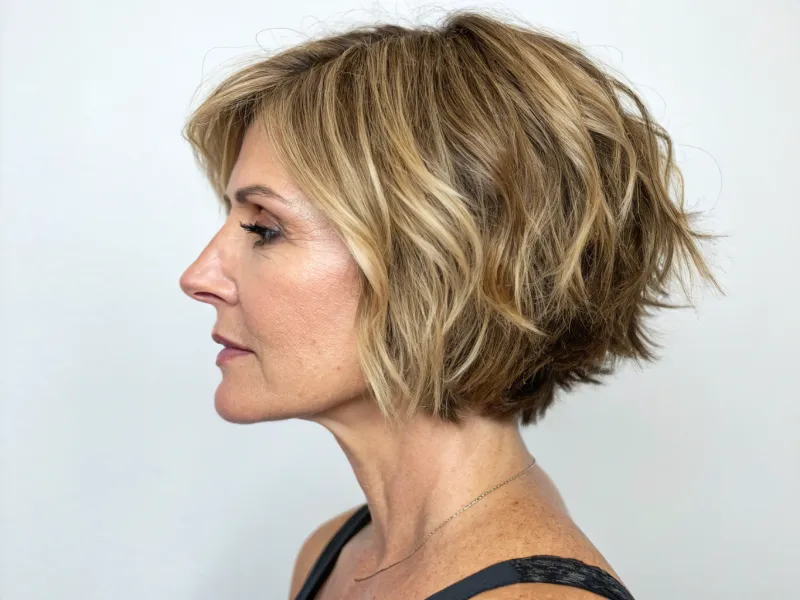
The bixie is having a major moment, and colorists are here for it. This trendy hybrid combines the best features of a bob and pixie—short enough to hide roots effectively but long enough to maintain movement and versatility.
The tousled, textured styling is where the magic happens. That intentionally messy look means new growth doesn’t stand out as regrowth—it just looks like part of the cool, undone vibe.
The varying lengths throughout the cut create natural dimension that camouflages the line between colored and natural hair. Plus, the bixie works with virtually any hair texture and face shape. You can style it sleek when you want polish or tousle it for everyday wear, and either way, those gray roots stay hidden in plain sight for weeks longer than traditional cuts.
8. Asymmetrical Bob
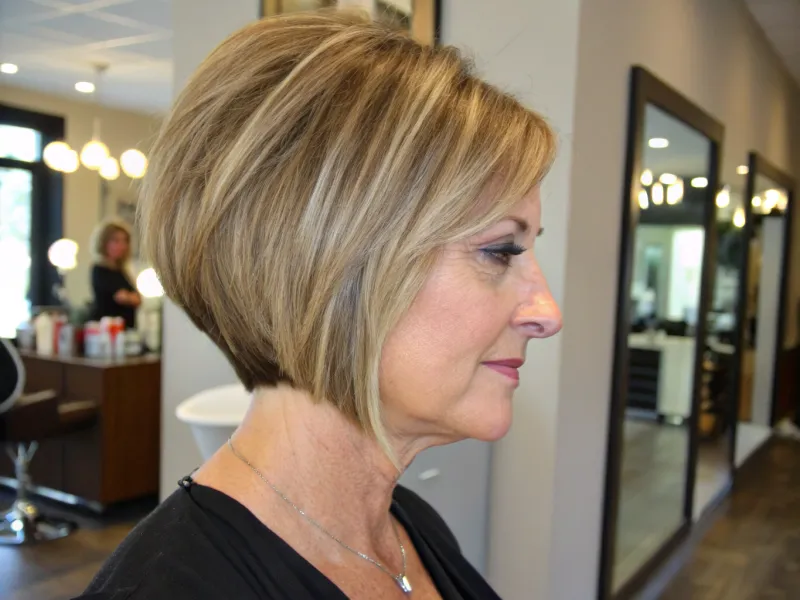
Asymmetry is your friend when battling visible gray regrowth. An asymmetrical bob naturally shifts visual focus away from your part line because there’s so much else going on—the angled cut, the varying lengths, the dramatic side part.
When your part line isn’t the main event, gray roots simply don’t appear as stark or noticeable. The longer side falls forward, creating a curtain effect that covers portions of your hairline.
Colorists particularly love this cut for clients who wear deep side parts, as it works with your natural styling habits rather than against them. The angular shape also adds serious style points, so you look intentionally chic rather than overdue for a color appointment. This cut easily buys you an extra three to four weeks between salon visits without anyone noticing.
9. Grown-Out Fringe / Wispy Bangs

Sometimes the simplest solution is the most effective. Wispy, grown-out bangs create a soft veil over your hairline and root area, which is exactly where gray tends to show up first and most obviously.
Unlike heavy, blunt bangs that require constant maintenance, wispy bangs are forgiving and low-commitment. They blend seamlessly into the rest of your hair while still providing that crucial coverage where you need it most.
The airy, textured nature of wispy bangs also means they draw attention to your eyes and cheekbones rather than your roots. Colorists appreciate how versatile this option is—you can add wispy bangs to virtually any haircut length or style. Whether you sweep them to the side or let them fall naturally across your forehead, they consistently hide regrowth while adding softness to your overall look.