 MomSkoop
Hairstyles are powerful style markers that can either modernize your look or unintentionally age you by decades. Certain cuts, textures, and styling methods remain frozen in specific eras, making them instantly recognizable as throwbacks rather than timeless choices.
1. Overly Teased Big Hair
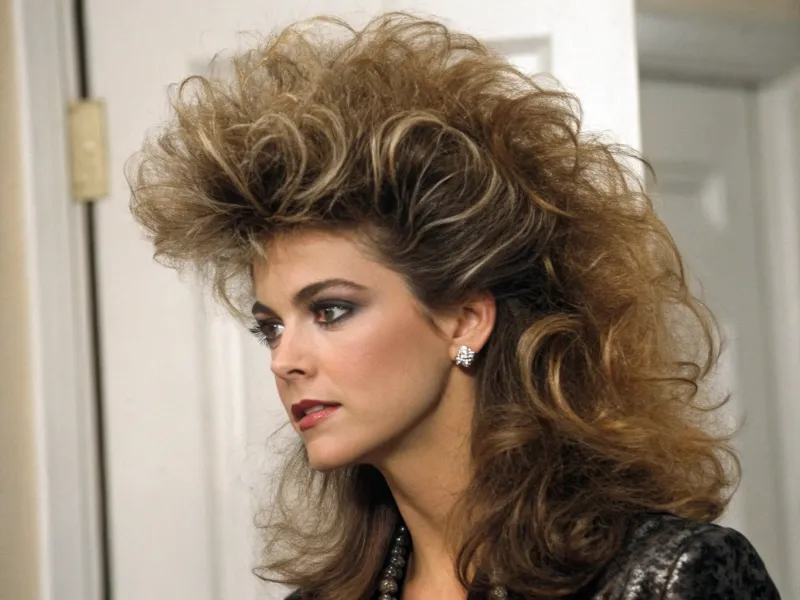
Volume can be gorgeous, but when it reaches skyscraper heights at the crown, you’re broadcasting pure 1980s energy.
Back then, hairspray was practically a food group, and bigger meant better.
Teasing combs worked overtime to create gravity-defying shapes that required serious engineering.
Modern volume focuses on natural lift and movement instead of architectural rigidity.
Soft waves and gentle root boosting create dimension without the time-machine effect.
If your hair stands taller than your forehead, it might be time to ease up.
Embrace texture that flows rather than freezes, and your look will feel fresh and current without sacrificing body or bounce.
2. Ultra-Feathered Layers (Farrah Fawcett Style)
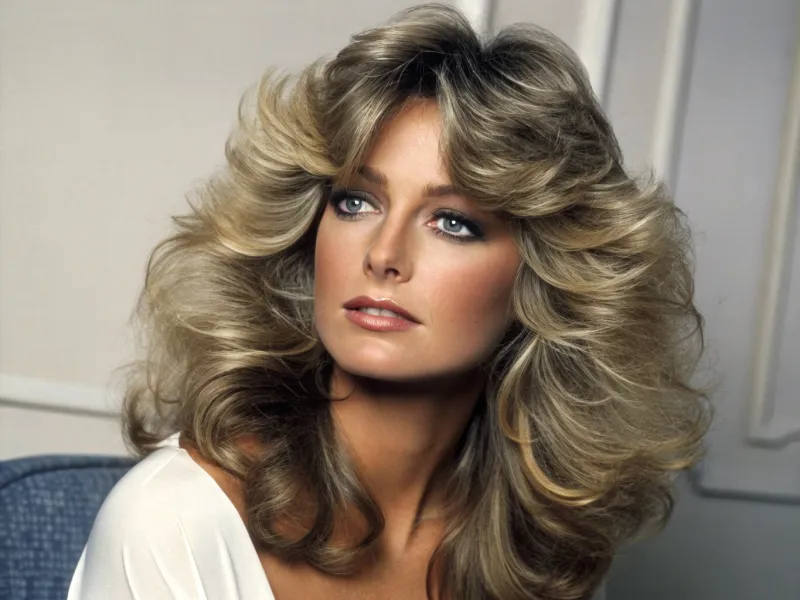
Farrah Fawcett made feathered layers legendary in the 1970s, inspiring millions to grab round brushes and blow dryers.
Those highly sculpted, symmetrical wings framing the face were iconic for good reason—they were glamorous and camera-ready.
But that precise, swooping feather pattern now screams vintage unless you loosen things up considerably.
Today’s layering is softer, more random, and less structured.
Texture takes priority over perfection, with pieces falling naturally rather than being forced into identical curves.
If your layers are mirror-image perfect and sweep backward like bird wings, consider updating to choppy, lived-in texture that moves freely and feels effortlessly modern.
3. The Rachel (Hard, Chunky Layers)
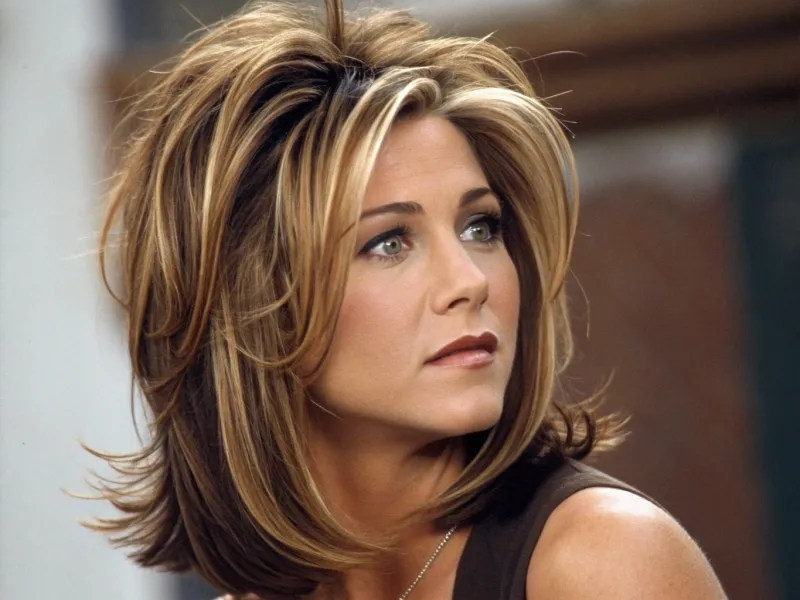
Jennifer Aniston’s character on Friends launched a hairstyle revolution that defined the late 1990s.
Sharp, chunky layers with lots of separation created that signature choppy look everyone wanted.
Salons were flooded with requests, and magazines featured endless tutorials on achieving those defined, piece-y ends.
While the cut was undeniably flattering, those hard, distinct layers now feel trapped in a specific decade.
Contemporary layering blends seamlessly, creating soft transitions rather than obvious chunks.
If your ends look like distinct, separated sections rather than flowing together, it’s time for a refresh.
Ask your stylist for blended, softer layers that maintain movement without that frozen-in-time choppiness.
4. Razor-Sharp Asymmetrical Bobs
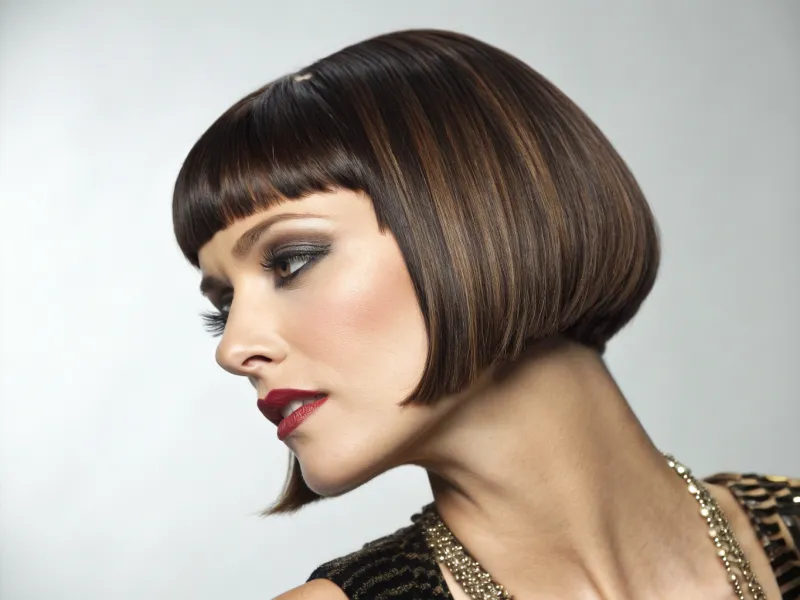
Asymmetry can be stunning, but when the angles are knife-sharp and ultra-precise, you’re channeling early-2000s energy hard.
Those dramatically angled bobs with one side significantly longer than the other were editorial gold back then.
Every line was ruler-straight, every edge perfectly cut, creating geometric drama that photographed beautifully.
Current asymmetrical cuts favor subtle differences and softer edges.
Movement and texture matter more than architectural precision, allowing hair to shift naturally rather than holding rigid lines.
If your bob looks like it was designed with a protractor, consider softening those angles.
A modern version maintains interesting shape while feeling less constructed and more wearable for everyday life.
5. Heavy Side-Swept Bangs
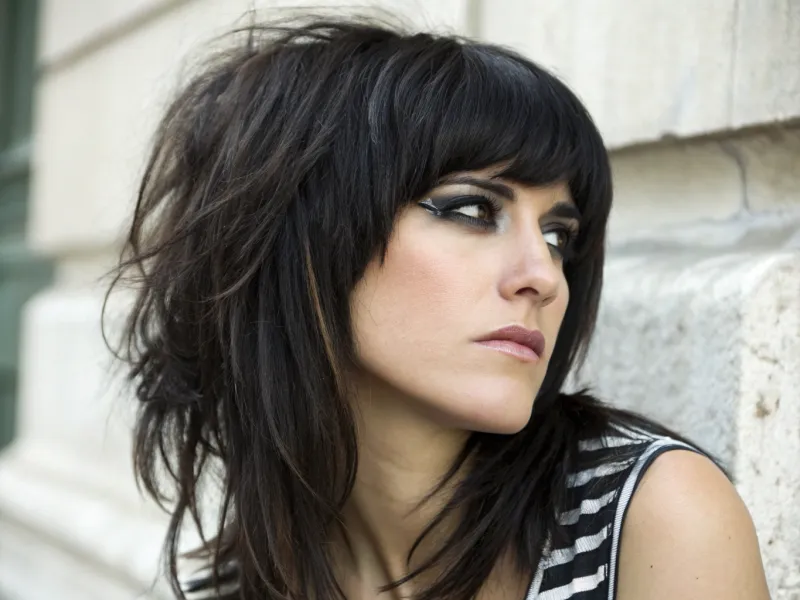
Side-swept bangs dominated the mid-2000s, with thick sections of hair dramatically swooping across foreheads and often covering one eye entirely.
This look required constant smoothing and strategic pinning to maintain that perfect sweep.
The weight and density created a curtain effect that could hide half your face.
Today’s fringe is lighter, more textured, and less obstructive.
Wispy, face-framing pieces that blend naturally feel current, while heavy, solid bangs read retro.
If your bangs weigh down your features or require constant repositioning, try thinning them out or transitioning to softer, grown-out fringe.
Your face will open up, and your style will feel refreshingly modern and less maintenance-intensive.
6. Tight, Helmet-Like Perms
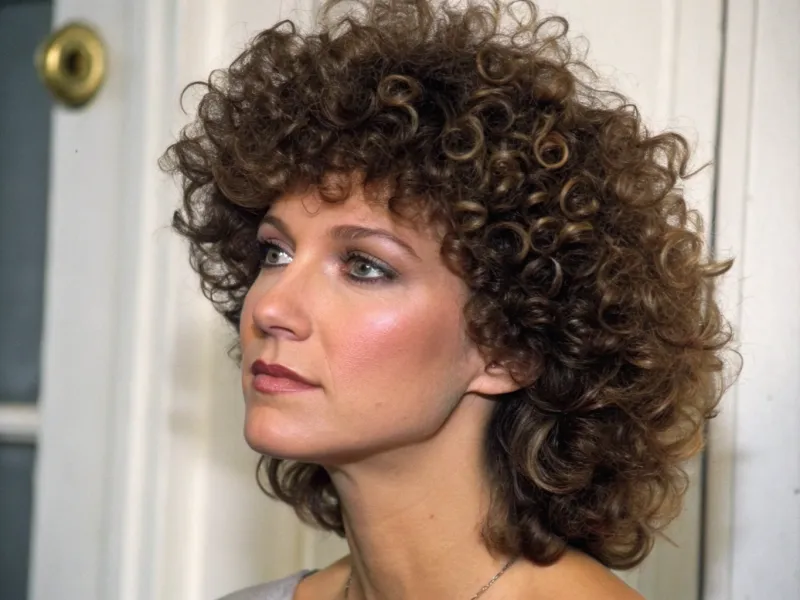
Perms can create beautiful texture, but when every curl is identical and the overall effect resembles protective headgear, you’ve got a problem.
Those tight, uniform spirals from the 1980s and early 1990s lacked any natural variation.
Chemical processing created rigid curl patterns that stayed put no matter what, resulting in that distinctive helmet appearance.
Modern curls embrace diversity—different sizes, shapes, and patterns throughout the head.
Natural movement and soft definition trump uniformity every time.
If your curls all match perfectly and don’t move independently, consider a looser perm or embracing your natural texture.
Varied, organic-looking curls feel contemporary and infinitely more flattering than their rigid predecessors.
7. Poker-Straight Hair with Blunt Ends
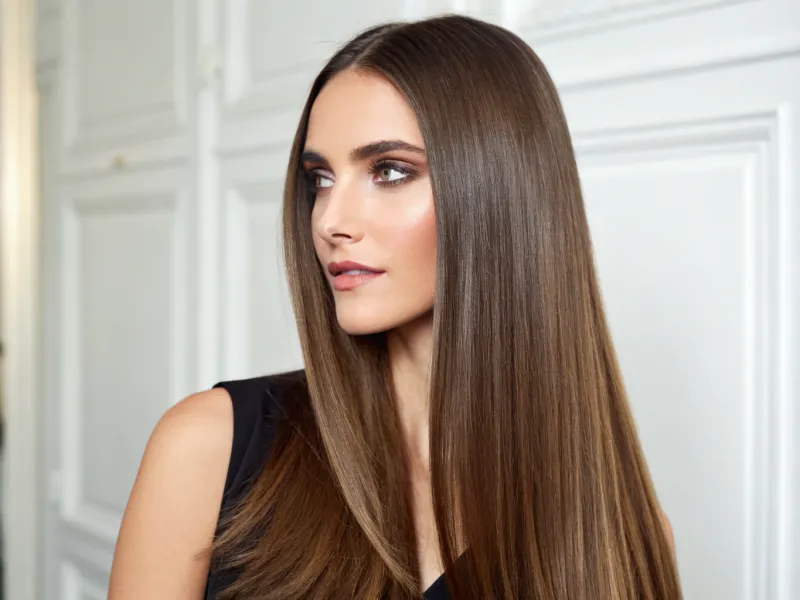
Flat irons revolutionized hair styling, but taking straightness to the extreme creates a dated, lifeless look.
When hair is ironed into submission with zero bend, wave, or natural movement, it appears processed rather than polished.
Blunt, ruler-straight ends emphasize this artificial flatness even more.
Contemporary styling embraces some natural texture and slight imperfection.
A bit of wave or bend makes hair look healthier and more touchable.
If your hair hangs like curtains without any dimension, try air-drying occasionally or using lighter heat settings.
Soft movement and lived-in texture will modernize your look instantly, making your hair appear fuller and more dynamic than perfectly straight strands ever could.
8. Frosted Tips
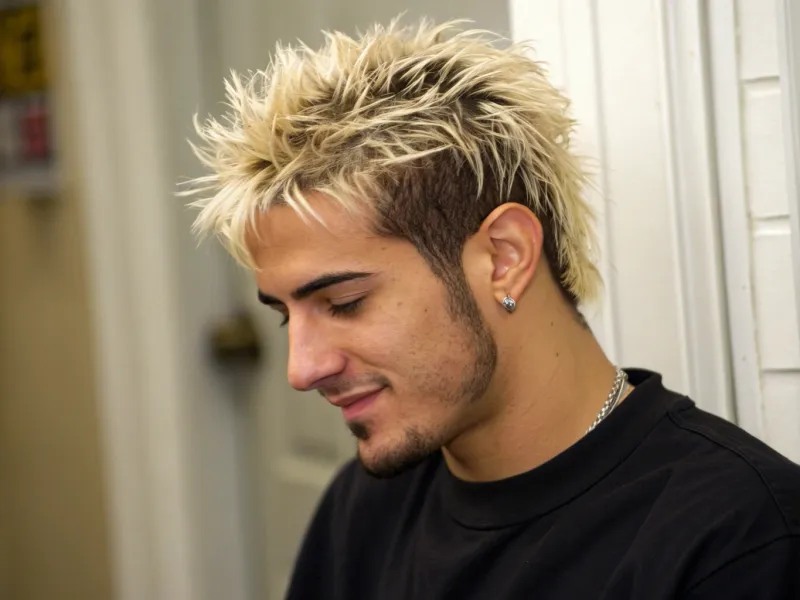
Boy bands and teen heartthrobs made frosted tips a defining trend of the late 1990s and early 2000s.
Bleached ends contrasting sharply with darker roots created that unmistakable look that was everywhere from MTV to high school hallways.
The higher the contrast, the more statement-making the style.
Modern color techniques favor blending and dimension over stark contrasts.
Balayage and subtle highlights create depth without obvious demarcation lines.
If your hair tips are significantly lighter than your roots in a uniform pattern, it’s time to evolve.
Softer, more natural-looking color transitions will update your appearance dramatically while still providing dimension and interest without the throwback vibes.
9. Over-Gelled Spiky Hair
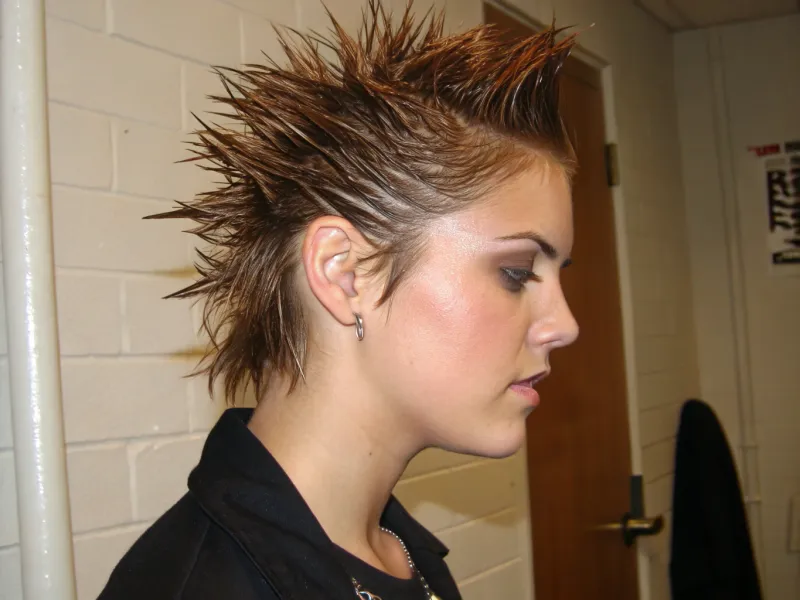
Gel was king during the late 1990s and early 2000s, creating gravity-defying spikes that could probably double as weapons.
Hair stood at attention in hard, crunchy points that didn’t move or bend.
The wet-look shine and rigid texture were signature elements that required generous product application and serious hold.
Today’s styling products favor matte finishes and flexible hold.
Hair should move naturally and feel soft to the touch rather than crispy and frozen.
If your spikes could survive a hurricane or your hair crunches when touched, it’s time to switch products.
Modern texturizing pastes and lighter pomades create definition without the dated stiffness or shine.
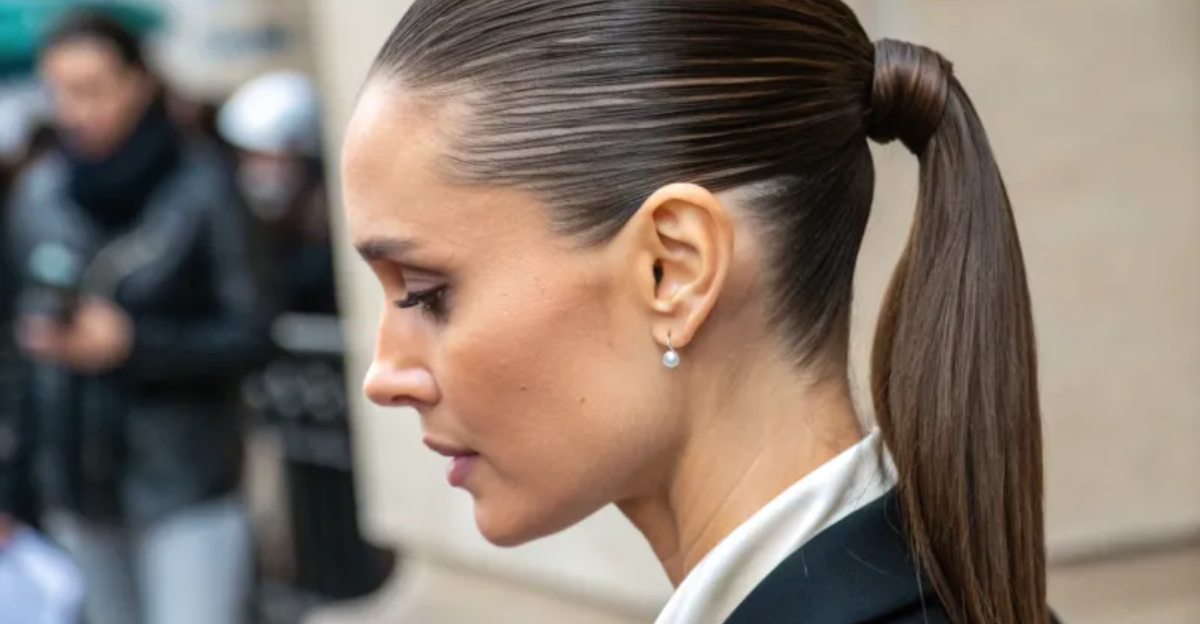
10. Severe, Slicked-Back Ponytails (Everyday Wear)
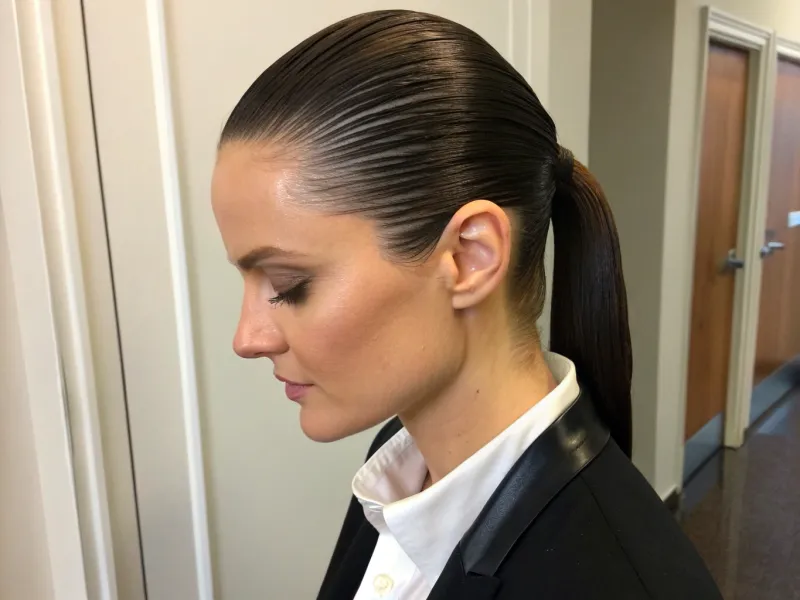
Slicked-back ponytails work beautifully for special occasions, performances, or high-fashion moments where drama is desired.
Wearing this ultra-tight, gel-smoothed style daily, though, can appear harsh and dated.
The severe pulling and glossy finish create an overly formal look that feels out of place for casual settings.
Contemporary everyday ponytails are softer, with face-framing pieces and textured finishes.
A bit of looseness and movement makes the style approachable and current.
If your daily ponytail pulls every hair into submission without a strand out of place, try relaxing it.
Leave some softness around your face and embrace a matte finish for a modern, wearable version.
11. Perfectly Set Curls with Heavy Hairspray
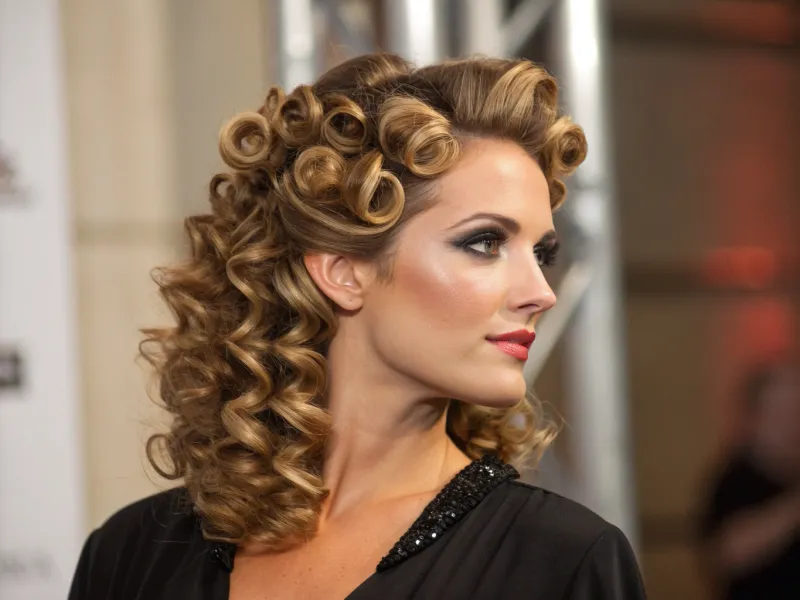
Pageant-perfect curls with heavy hairspray were once the gold standard for special occasions and formal events.
Each curl was identical, perfectly formed, and coated in enough product to survive nuclear fallout.
Nothing moved, nothing shifted, creating that distinctive beauty-queen appearance that photographed consistently from every angle.
Modern curls prioritize natural variation and soft hold.
Different curl sizes and shapes throughout the head create organic beauty that looks effortless rather than manufactured.
If your curls don’t budge and look exactly the same at day’s end as they did when styled, lighten up on the hairspray.
Embrace movement and imperfection for a contemporary, touchable finish.