 MomSkoop
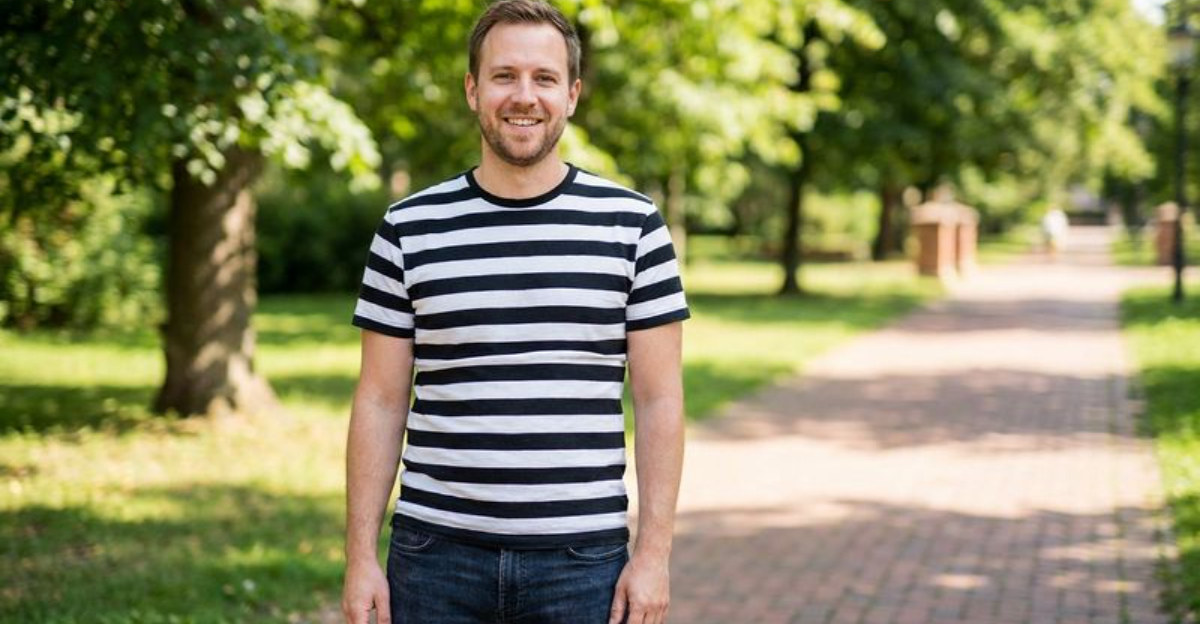
Most men know how to dress themselves, but knowing how to dress for your body type is a whole different challenge. Small mistakes in fit, proportion, and styling can make even good clothes look awkward or unflattering.
Understanding these common errors can help you look sharper, feel more confident, and make better choices every time you get dressed.
1. Wearing Clothes That Are Too Tight
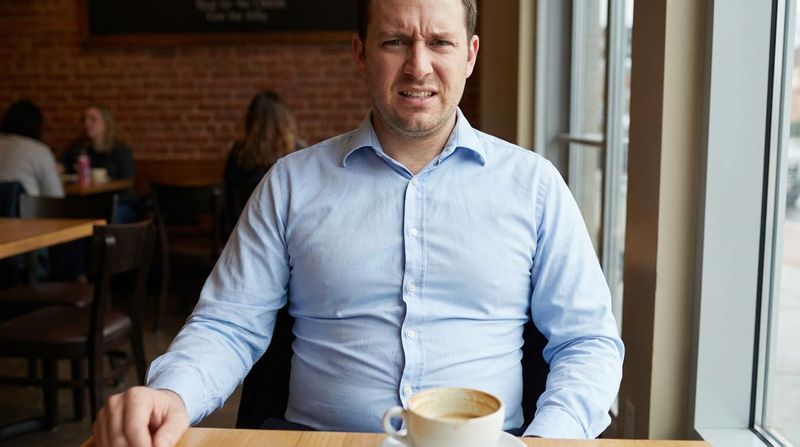
Squeezing into clothes that are a size too small never looks as good as you hope.
Tight shirts cling to areas like the stomach or chest in unflattering ways, while snug pants can restrict movement and create awkward pulling across the hips and thighs.
Instead of showing off muscle or creating a slim look, overly fitted clothing just makes you look uncomfortable.
Fabric should skim your body, not stretch across it.
When shirts pull at the buttons or pants feel like they might split, it’s time to size up.
Proper fit means you can move freely without tugging or adjusting constantly.
Choosing the right size creates clean lines and a polished appearance that actually flatters your frame.
2. Choosing Oversized or Baggy Fits
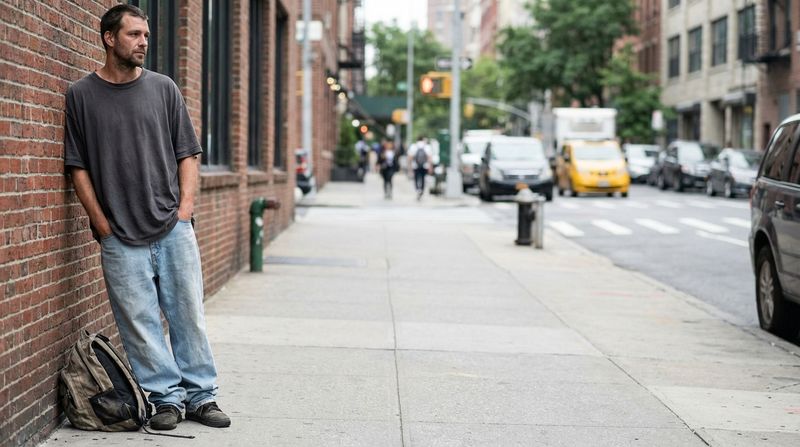
Baggy clothes might feel comfortable, but they do your body shape no favors.
Loose shirts and pants hide your natural proportions under shapeless fabric, making you appear heavier or shorter than you actually are.
The extra material bunches up awkwardly and removes any sense of structure from your outfit.
Many men think bigger sizes hide problem areas, but the opposite is true.
Oversized clothing just adds visual bulk where you don’t want it.
A well-fitted garment that follows your body’s natural lines will always look cleaner and more intentional.
Aim for a fit that gently tapers without clinging, giving you room to breathe while still showing your actual shape underneath.
3. Ignoring Proper Tailoring
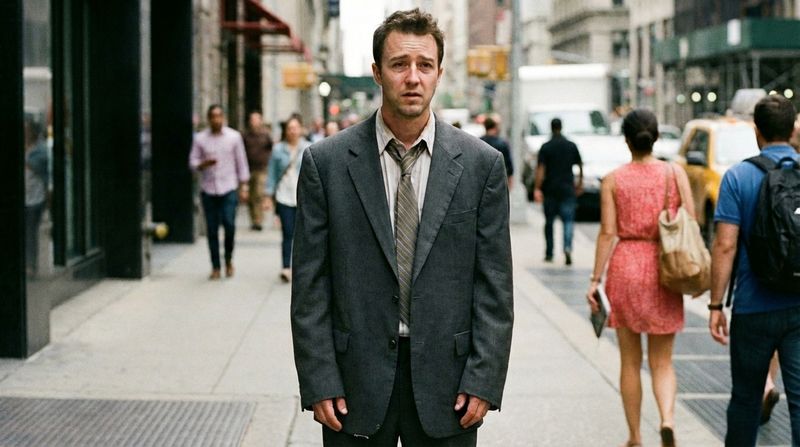
Off-the-rack clothes are designed to fit the average body, which means they rarely fit anyone perfectly.
Sleeves hang too long, pants pool at the ankles, and jackets pull in strange places.
Most men wear their clothes exactly as they bought them, never considering alterations.
A simple visit to a tailor can transform an okay outfit into something that looks custom-made.
Hemming pants, shortening sleeves, and taking in a waist are quick fixes that make a huge difference.
Even affordable clothing looks expensive when it fits your body correctly.
Tailoring isn’t just for suits anymore.
Investing a few dollars in alterations elevates your entire wardrobe and ensures every piece works with your proportions.
4. Wearing the Wrong Rise in Trousers
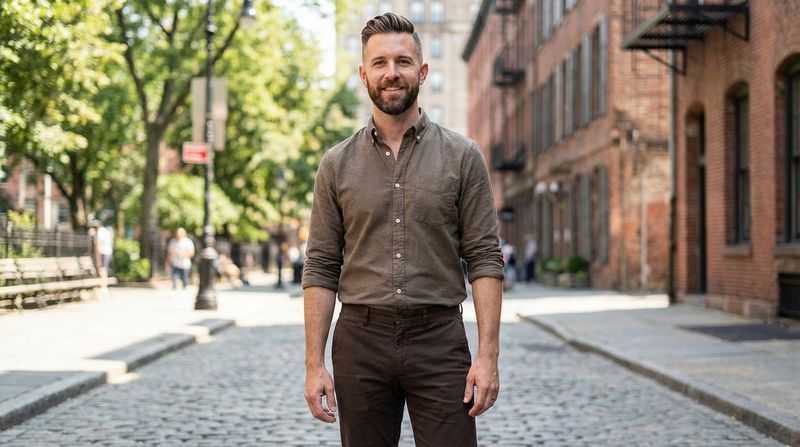
Trouser rise—the distance from the crotch seam to the waistband—dramatically affects how your legs and torso look.
Low-rise pants sit below your natural waist, which can make your legs appear shorter and your torso longer.
On the flip side, extremely high rises can look outdated or costume-like if you’re not styling them with intention.
Most men grab whatever rise is trendy without considering their body proportions.
Shorter guys benefit from mid to slightly higher rises that elongate the leg line.
Taller men have more flexibility but should still avoid extremes that throw off balance.
Finding your ideal rise creates better proportions and makes your entire outfit look more thoughtfully put together.
5. Choosing Incorrect Jacket Lengths
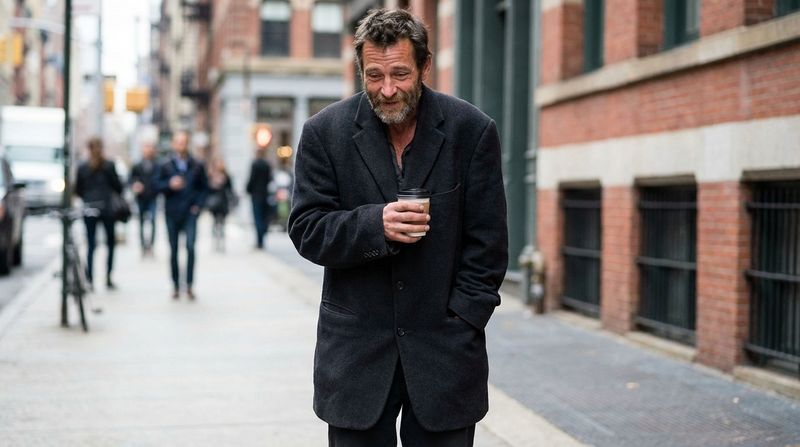
Jacket length is one of those details that most guys overlook, but it makes or breaks your silhouette.
A jacket that’s too long drowns your frame and makes you look shorter, while one that’s too short can make your legs appear stumpy and your torso awkwardly long.
The classic rule is that a blazer or sport coat should end around the middle of your hand when your arms hang naturally at your sides.
This creates balance between your upper and lower body.
Casual jackets and bombers have different ideal lengths, but proportion remains key.
Getting jacket length right frames your body properly and creates a clean, intentional look that feels effortlessly stylish rather than awkward or ill-considered.
6. Overusing Horizontal Stripes or Bold Patterns
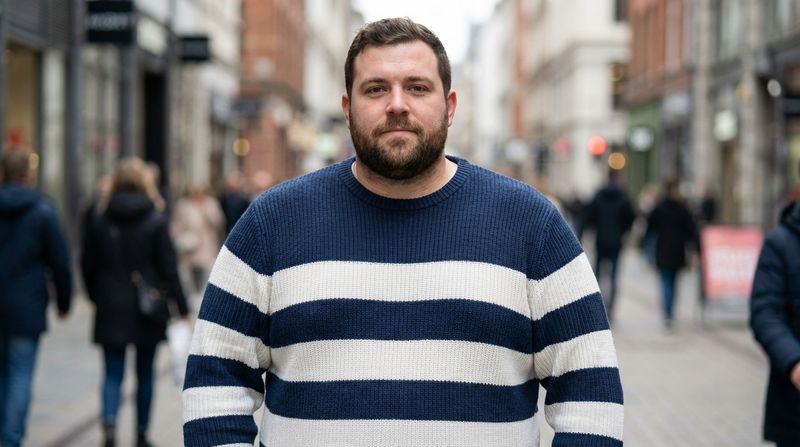
Horizontal stripes and loud patterns are tricky because they naturally draw the eye across your body rather than up and down.
Wide stripes especially emphasize width, which can make your torso or shoulders look broader than they are.
For men carrying extra weight or with naturally wide builds, this creates an unflattering effect.
Bold patterns also add visual noise that can overwhelm your frame, especially if you’re shorter or stockier.
Solid colors and subtle patterns tend to be more forgiving and create a streamlined appearance.
Vertical lines, on the other hand, guide the eye upward and can elongate your silhouette.
If you love stripes and patterns, choose narrower spacing and wear them strategically on areas you want to highlight.
7. Ignoring Shoulder Fit
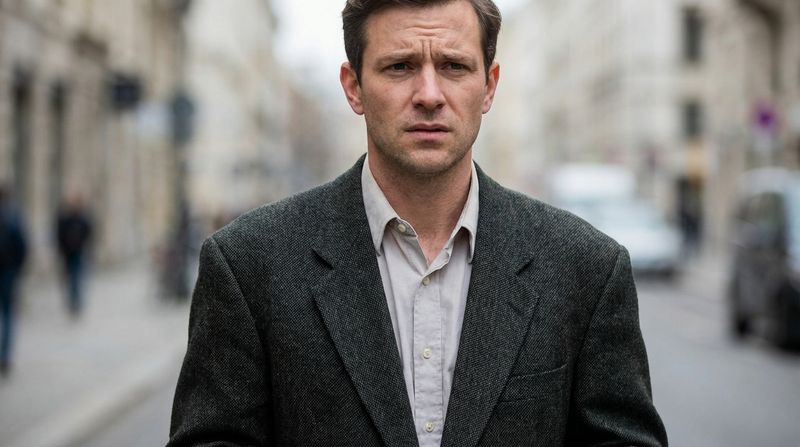
Shoulders are the foundation of how any top fits your body.
When the shoulder seam doesn’t align with where your shoulder actually ends, the entire garment looks wrong.
Jackets and shirts with shoulder seams that extend past your natural shoulder create a droopy, sloppy appearance.
Conversely, seams that sit too far inward restrict movement and make the garment look painfully small.
Unlike other alterations, fixing shoulder fit is expensive and often impossible.
That’s why getting it right from the start matters so much.
Always try on shirts and jackets with attention to where the seam hits.
Proper shoulder fit creates structure and makes everything else about the outfit fall into place naturally and effortlessly.
8. Dressing Without Considering Vertical Proportion
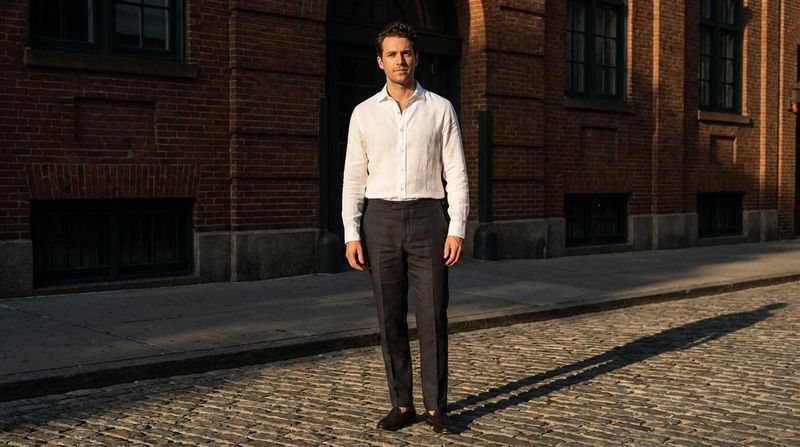
Strong color contrasts between your top and bottom half can visually chop your body in half, making you appear shorter.
A light-colored shirt with dark pants creates a horizontal line right at your waist, drawing attention to where your torso ends rather than creating a continuous vertical flow.
Shorter men especially benefit from dressing in similar tones from head to toe, which creates an unbroken line that elongates the silhouette.
Monochromatic outfits or subtle tonal shifts keep the eye moving vertically rather than stopping at your midsection.
This doesn’t mean you can’t wear contrasting colors, just be mindful of how they break up your proportions and adjust accordingly for your height and build.
9. Choosing the Wrong Fabric Weight
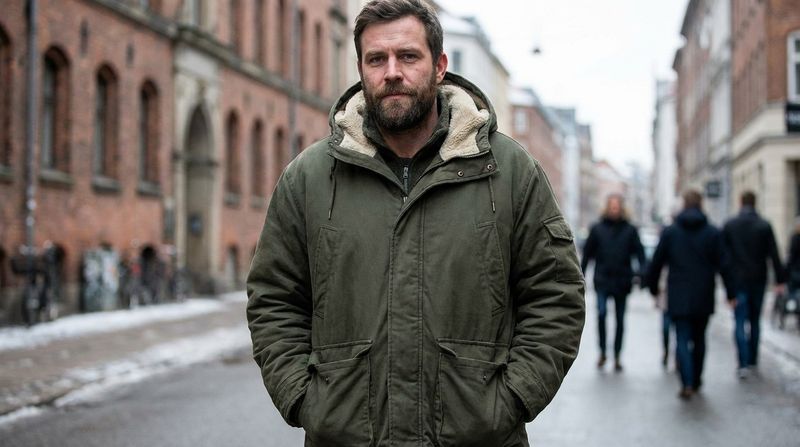
Fabric weight affects how clothes drape on your body and how much bulk they add.
Heavy, stiff fabrics like thick wool or rigid denim create extra volume, which can make you look bigger than you are.
These materials don’t conform to your natural shape and instead stand away from your body.
On the other end, fabrics that are too thin cling to every contour and highlight areas you might prefer to downplay.
The key is finding medium-weight fabrics that have enough structure to skim your body without adding bulk or clinging awkwardly.
Consider the season and garment purpose when selecting fabric weight.
Lighter weights work for layering, while structured pieces benefit from medium weights that hold their shape beautifully.
10. Copying Trends Without Adjusting for Body Type
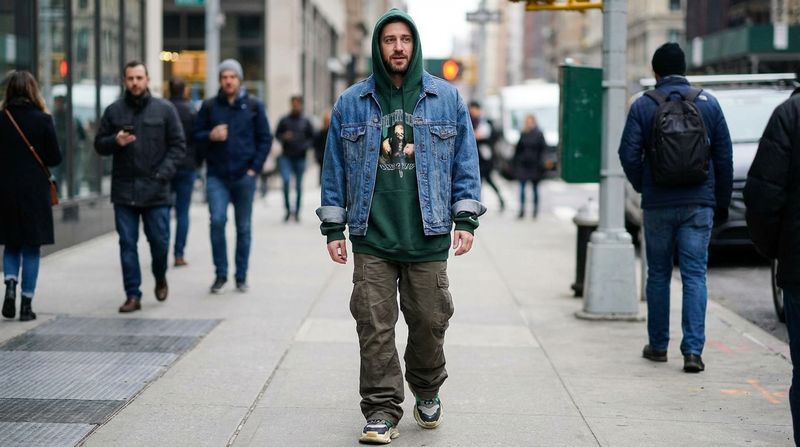
Fashion trends look amazing on runway models and influencers with specific body types, but that doesn’t mean they’ll work for everyone.
Cropped pants, oversized silhouettes, and dropped shoulders are all trending right now, yet they can be disastrous on certain frames without adjustments.
Blindly following what’s popular often leads to poor fit and unflattering proportions.
A trend should be adapted to work with your body, not against it.
Shorter men might need to adjust hem lengths, while broader guys should modify volume to maintain balance.
Take inspiration from trends but always filter them through what actually flatters your unique build.
Style is about looking your best, not copying someone else’s look exactly.