 MomSkoop
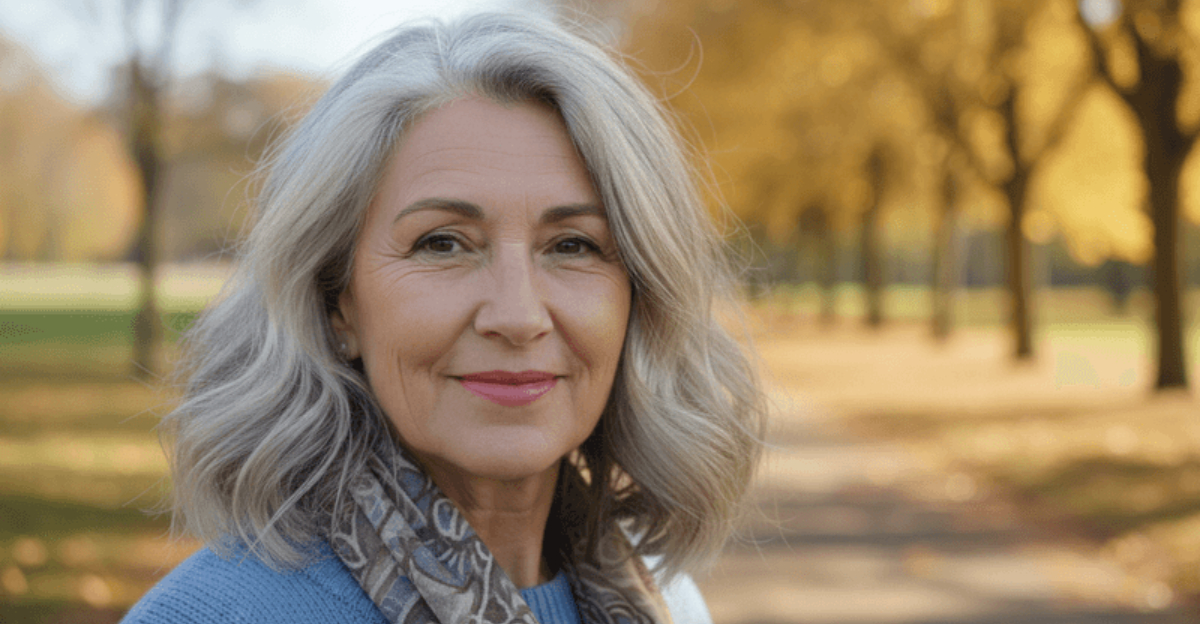
Want to look fresh and youthful?
Your hair color plays a bigger role than you might think.
Some shades can accidentally add years to your appearance by clashing with your skin tone or highlighting unwanted features.
Understanding which colors to avoid can help you make smarter choices that keep you looking vibrant and radiant.
1. Jet Black
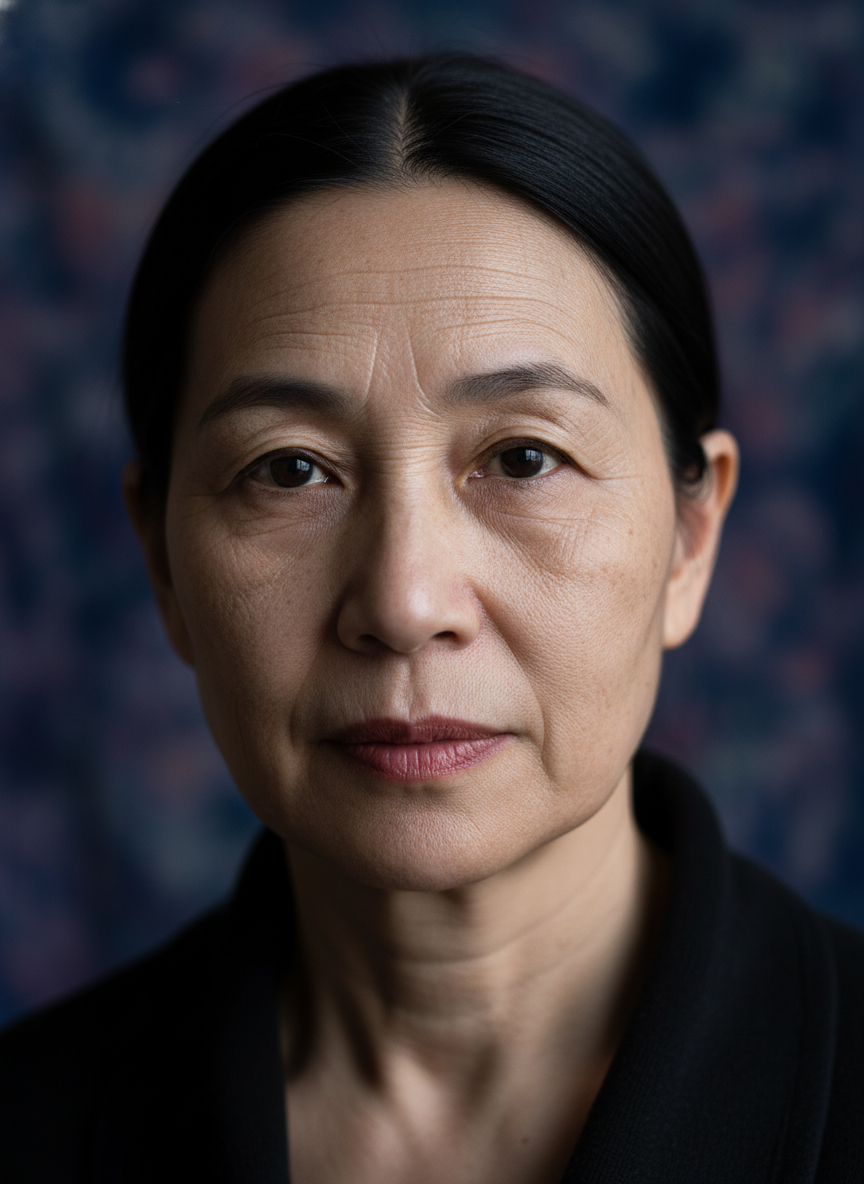
Jet black hair might seem sleek and dramatic, but it often creates problems for mature faces.
The ultra-dark shade forms a harsh contrast against softer, aging skin, making every wrinkle and fine line stand out more prominently.
As skin loses elasticity and becomes lighter over time, the extreme darkness draws unwanted attention to these changes.
Natural coloring tends to soften with age, so fighting against this process rarely looks flattering.
A softer black-brown or espresso shade works much better, providing depth without the jarring effect.
These gentler alternatives complement your natural features rather than competing with them for attention.
2. Very Dark Brown (Near-Black)
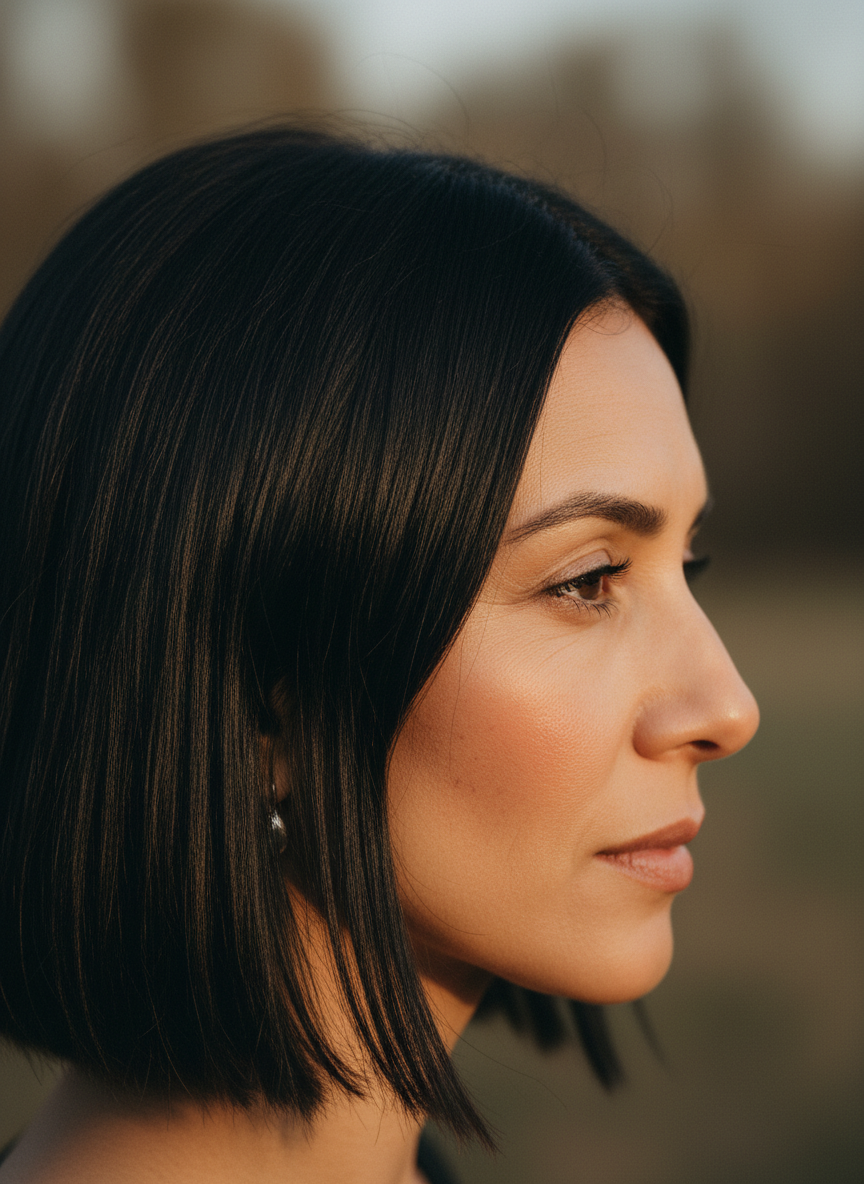
Here’s a color that tricks many people.
Very dark brown sits just shy of black, yet it carries similar aging risks that catch folks off guard.
This shade tends to look flat and one-dimensional against skin that has developed softer tones through the years.
Without natural dimension and movement, hair can appear lifeless and heavy, dragging down your entire look.
The cool undertones common in near-black browns clash with the warmth that naturally develops in mature complexions.
Consider opting for medium or chestnut browns instead, which offer richness while maintaining a more forgiving, multidimensional appearance that moves beautifully in different lighting.
3. Platinum Blonde (Icy)
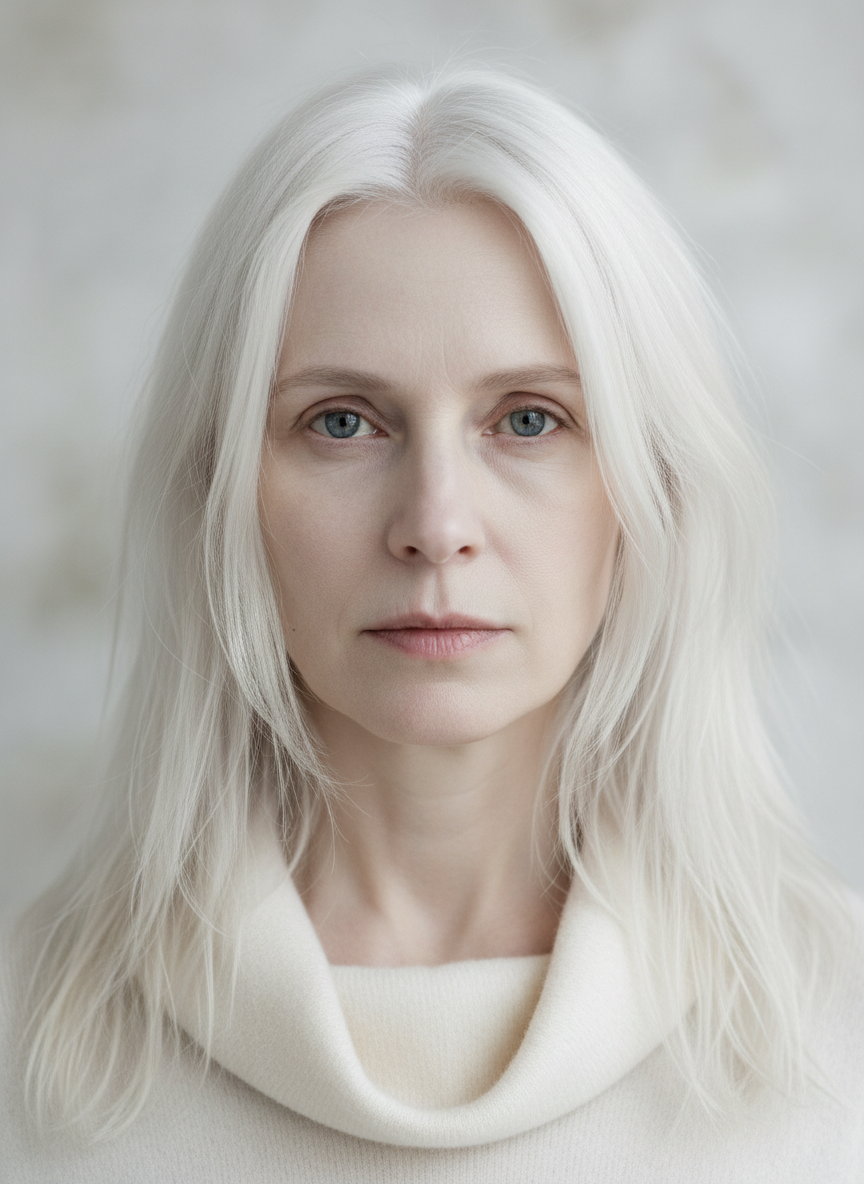
Ever notice how icy platinum can make someone look washed out?
This ultra-light, cool-toned blonde strips away natural warmth from your face, leaving you looking pale and tired.
The extreme lightness provides zero contrast with lighter skin, essentially erasing definition from your features.
Eyes and lips can fade into the background when there’s nothing to frame them properly.
Cool platinum tones also emphasize any redness or uneven patches in aging skin.
A warmer, buttery blonde or champagne shade offers the brightness you want without draining color from your complexion, creating a softer, more youthful glow instead.
4. Ash Blonde (Cool Ash)
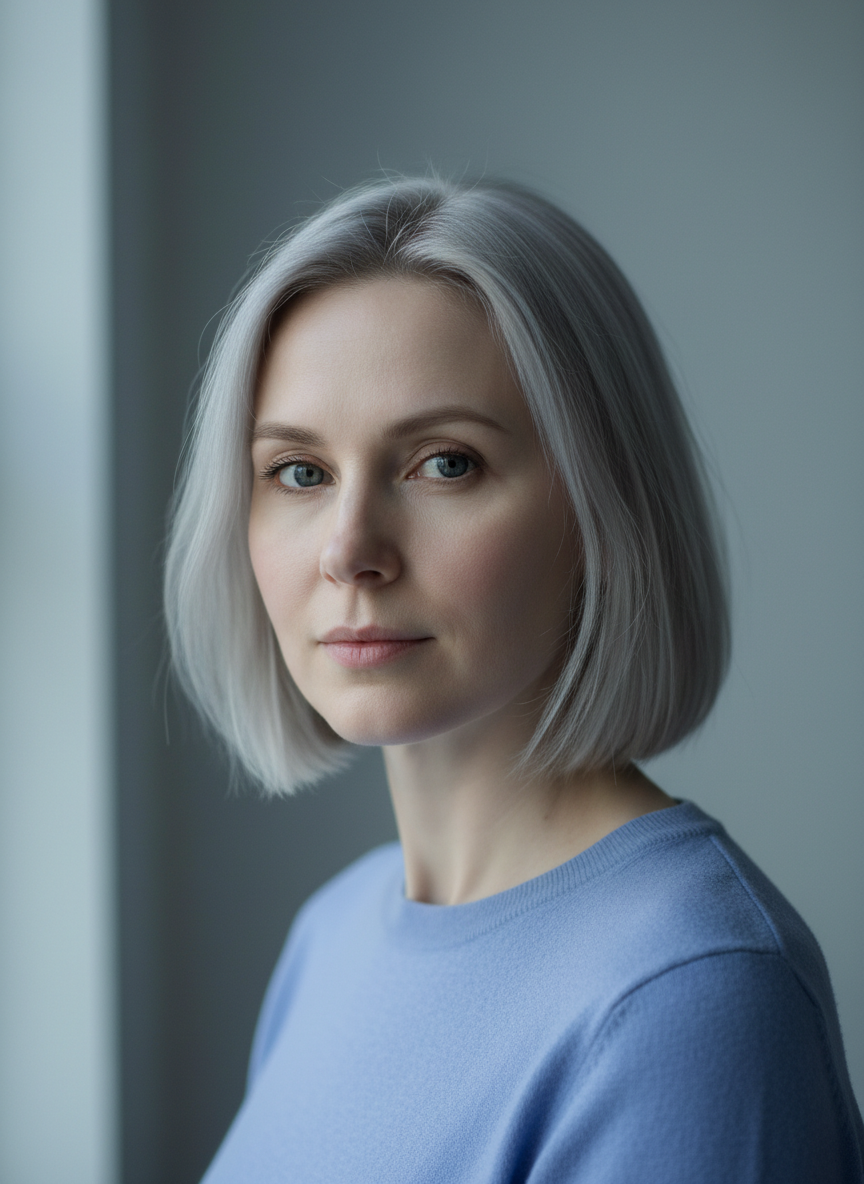
Ash blonde sounds sophisticated, but the reality often disappoints.
These cool, grayish tones lack the warmth that mature skin desperately needs to look healthy and radiant.
The ashy quality can actually make hair look dull or even dirty, especially under certain lighting conditions.
Without golden or honey undertones, your entire appearance loses vitality and seems tired.
Aging skin naturally benefits from warmer hues that counteract sallowness and bring life back to your face.
Switching to a honey blonde, golden blonde, or caramel-toned shade instantly adds warmth and dimension, creating a sun-kissed effect that takes years off your appearance effortlessly.
5. Vibrant Neon and Pastel Shades
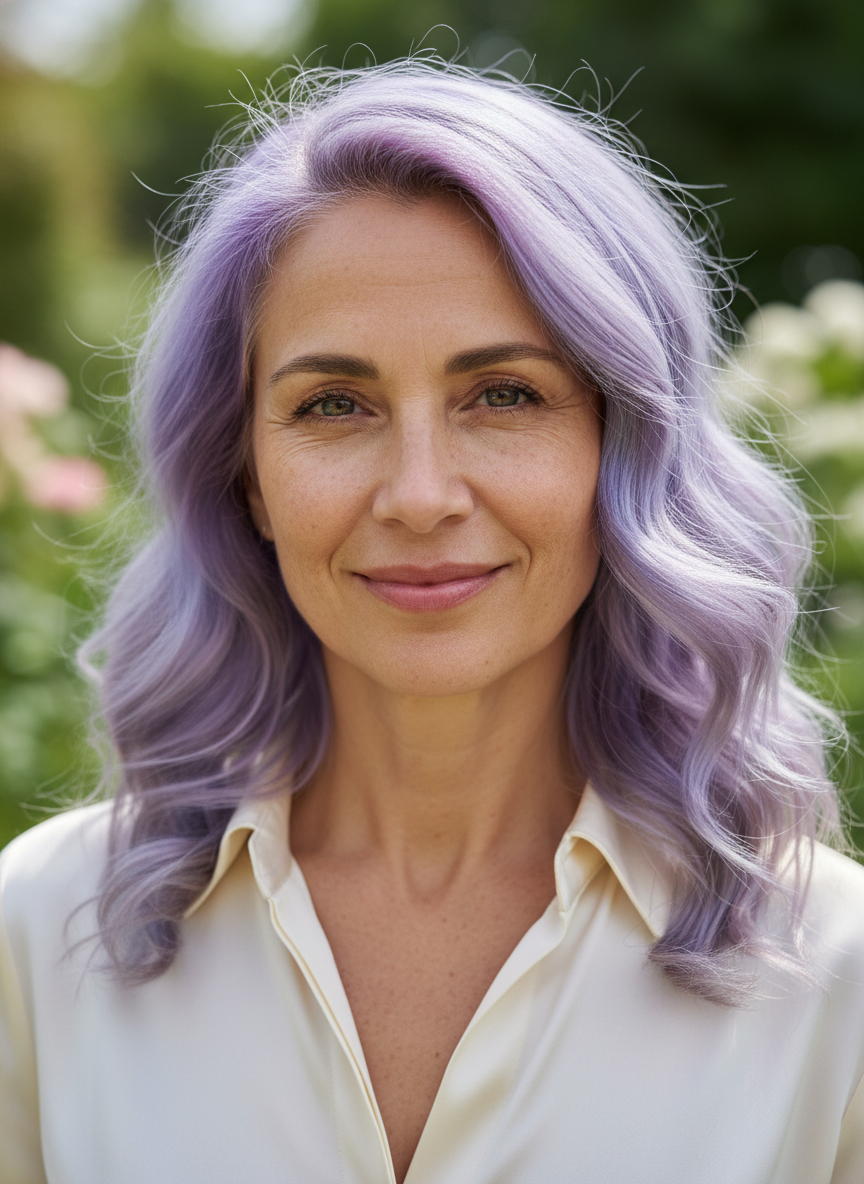
Bold colors like neon green, electric blue, or pastel purple might be trending, but they rarely flatter mature complexions.
These unnatural hues clash with natural skin tones, creating an artificial look that emphasizes age rather than disguising it.
The high-maintenance nature of these colors also means frequent touch-ups, which can damage hair texture and make it appear brittle or dry.
Damaged hair instantly adds years to anyone’s appearance.
Fun fashion colors work best on younger skin with more elasticity and even tone.
Sticking with natural shades that complement your complexion creates a polished, timeless look that genuinely makes you appear fresher and more youthful.
6. Harsh Strawberry or Brassy Red
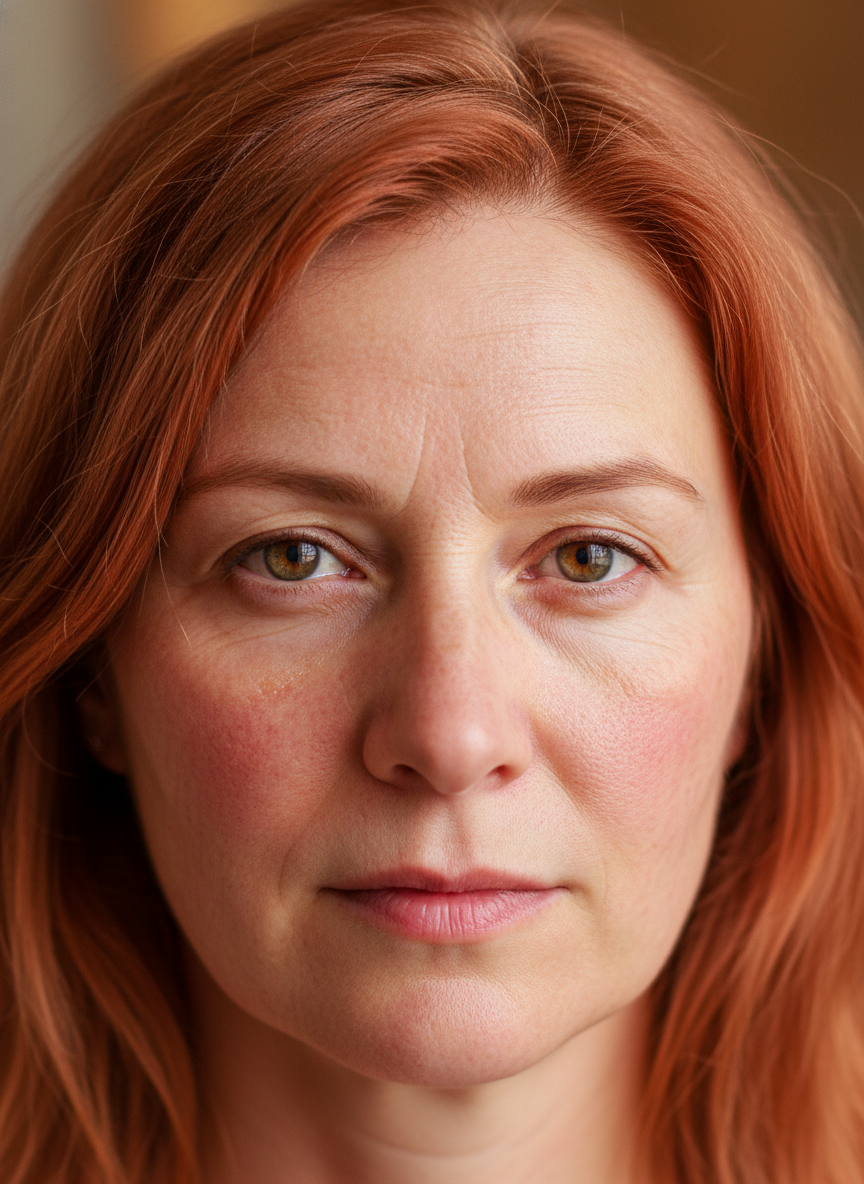
Bright, brassy red hair might turn heads, but not always for the right reasons.
Overly vibrant orange-red tones emphasize facial redness, broken capillaries, and uneven skin texture that often develop with age.
These shades compete with your natural coloring rather than enhancing it, creating a jarring effect.
The warmth becomes too intense, overwhelming delicate features and making skin imperfections more noticeable.
A softer auburn, copper, or rose gold provides red-toned beauty without the harsh brightness.
These refined alternatives offer richness and personality while maintaining a flattering, sophisticated appearance that complements rather than clashes with mature skin beautifully.
7. Cool Silver-Platinum Mix (Without Warmth)
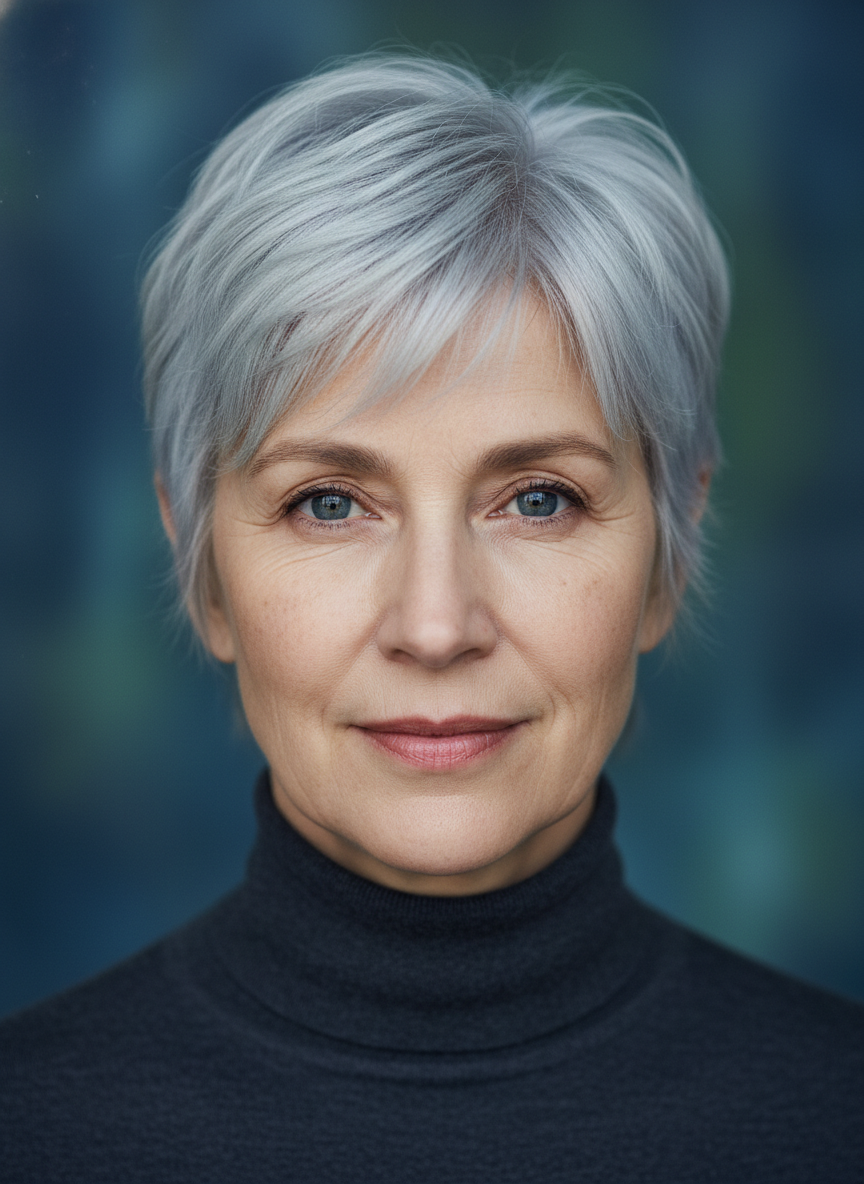
Silver hair has become wildly popular, but the cool, steely version often backfires.
Without any warm undertones, this metallic shade reads as stark and icy, making skin appear sallow or gray.
The completely cool tone lacks the softness needed to flatter aging faces, instead creating a harsh, almost clinical appearance.
Features lose definition, and the overall effect feels cold rather than elegant.
Did you know?
Adding just a touch of warmth transforms silver from aging to stunning.
A warm silver, pearl blonde, or silver with honey highlights maintains the modern silver look while adding the glow your complexion needs to appear fresh and youthful.
8. Bleach-Lifted Yellow Blonde
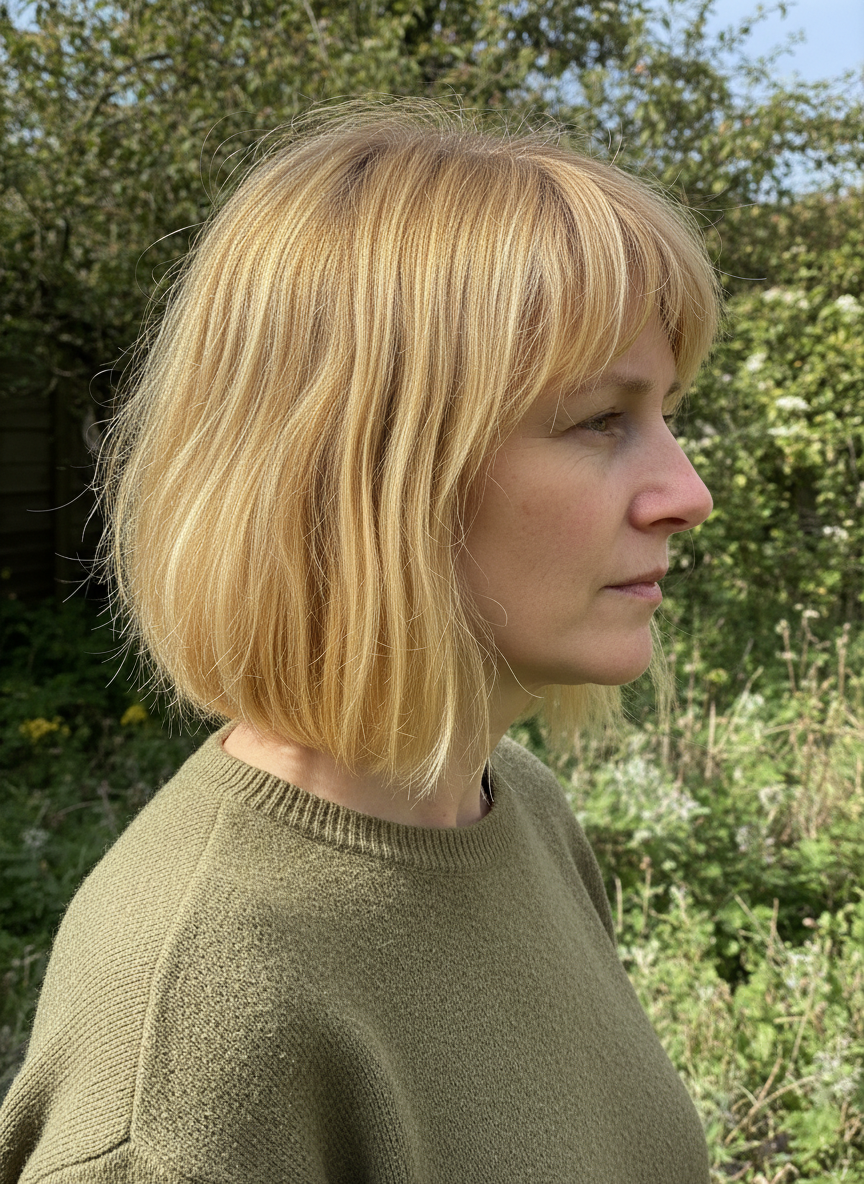
That brassy, banana-yellow blonde rarely happens on purpose, but it’s surprisingly common.
When bleach lifts hair without proper toning, the result looks cheap and unflattering against any skin tone.
The yellow undertones create an artificial appearance that screams “damaged hair” rather than “beach babe.” This shade also tends to make teeth look more yellow and emphasizes any discoloration in aging skin.
Professional toning makes all the difference between brassy and beautiful.
A properly maintained blonde with neutral or slightly warm tones looks expensive, healthy, and genuinely youthful, proving that quality matters more than simply going lighter.
9. High-Contrast Highlights (Extreme Light and Dark)
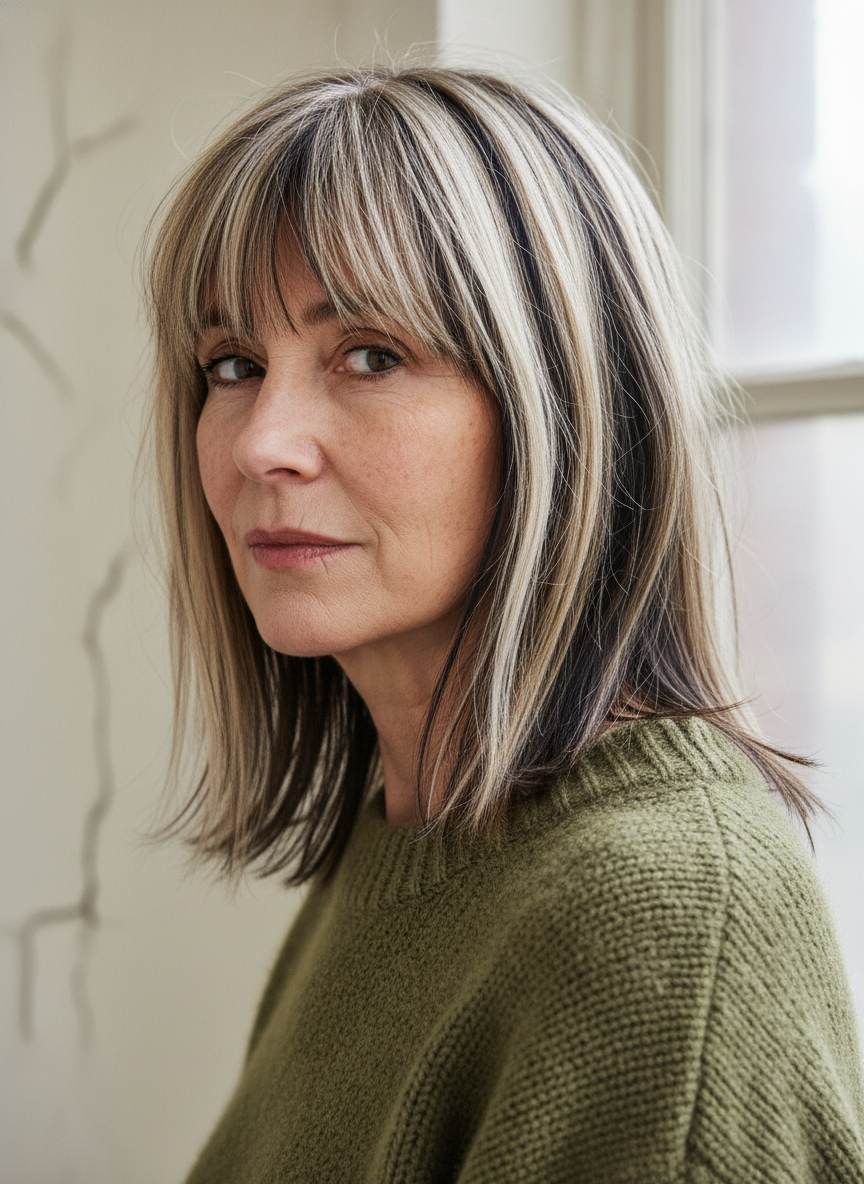
Remember chunky highlights from decades past?
That extreme contrast between very dark and very light sections creates a dated look that adds years instantly.
The harsh demarcation lines draw attention to the hair itself rather than framing your face beautifully.
This distraction emphasizes rather than softens facial lines and texture changes.
Modern coloring techniques favor seamless blending and subtle dimension.
Balayage, soft highlights, or lowlights that gradually transition create movement and depth without the aging stripe effect.
This softer approach frames your face gently, directing attention to your features rather than your hair color technique.
10. Bright Orange or Tangerine
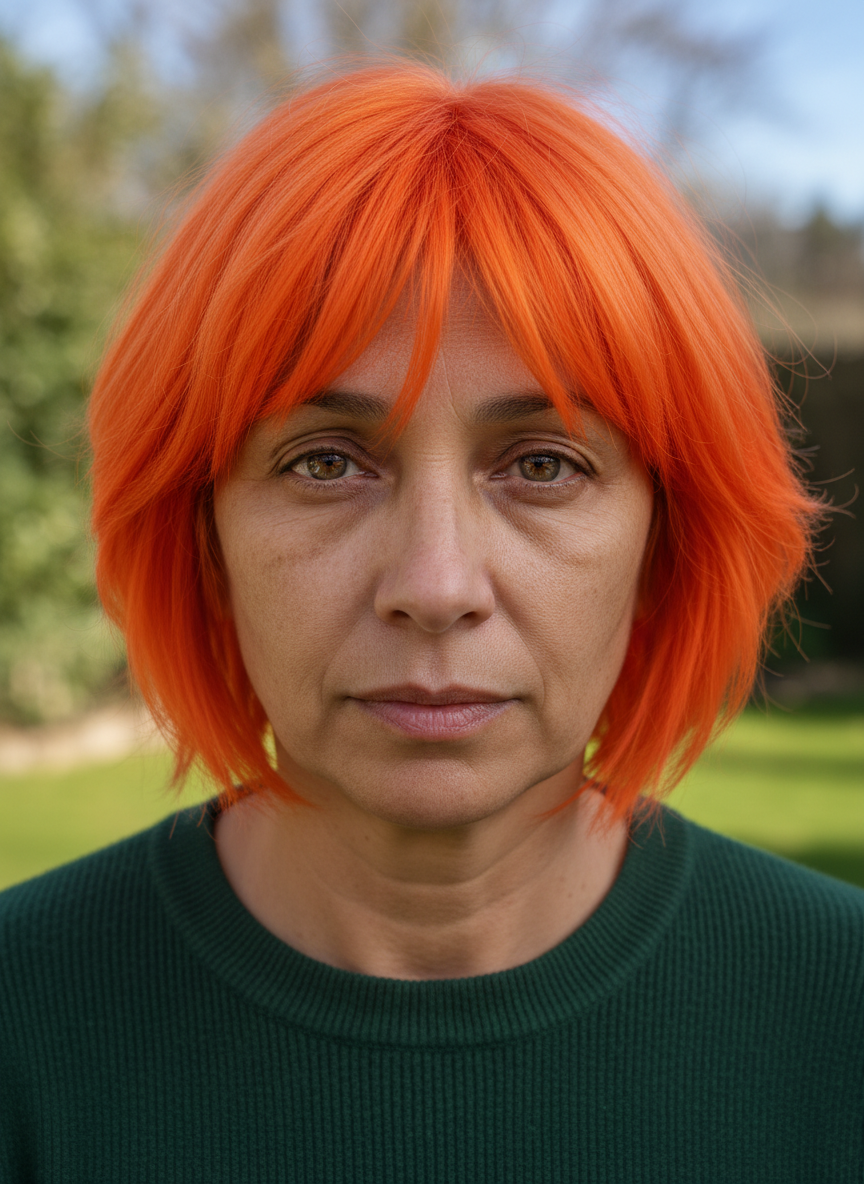
Bright orange hair makes a bold statement, but unfortunately, it’s often the wrong one for mature faces.
These highly saturated tangerine hues feel harsh and overwhelming against skin that has developed softer, more muted tones over time.
The intensity clashes with natural coloring, creating an artificial costume-like effect rather than an integrated, polished look.
This shade also requires significant bleaching, which damages hair texture and adds age through visible brittleness.
Softer copper, strawberry blonde, or peachy tones deliver warmth and personality without the shocking brightness.
These gentler options complement your natural beauty while still offering fun, distinctive color that feels youthful and modern.