 MomSkoop
Your gut health plays a bigger role in your overall wellness than you might think.
When your digestive system is happy, it helps control inflammation throughout your entire body, boosting your immune system and energy levels.
The good news is that fighting inflammation doesn’t require complicated meal plans or expensive supplements—simple, delicious snacks can make a real difference in how you feel every day.
1. Greek Yogurt with Berries
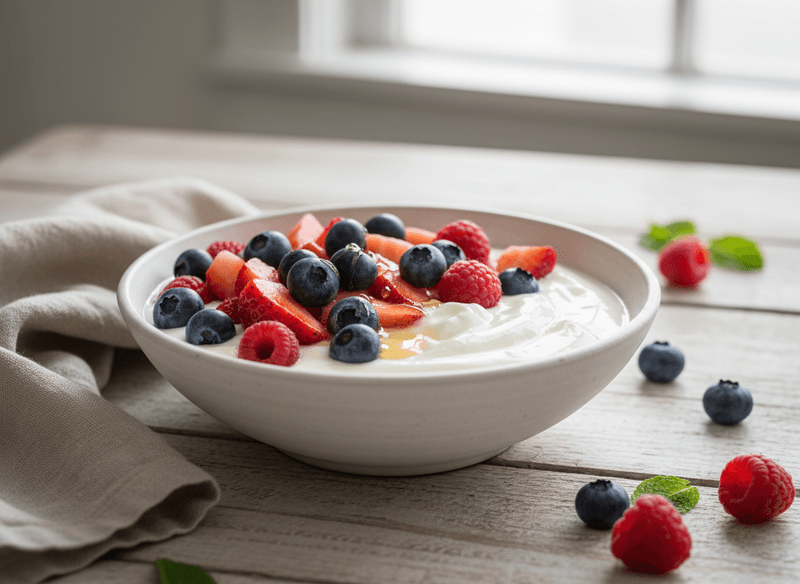
Packed with live probiotics, Greek yogurt delivers friendly bacteria straight to your digestive system.
These microscopic helpers colonize your gut and crowd out harmful microbes that can trigger inflammation.
When you add colorful berries on top, you’re loading up on antioxidants that fight free radicals in your body.
Blueberries, strawberries, and raspberries contain powerful compounds called polyphenols that work alongside probiotics to calm your gut lining.
The combination creates a synergy where both ingredients work better together than they would alone.
This snack is super easy to prepare and keeps you full between meals.
Choose plain Greek yogurt without added sugars to maximize the health benefits and let the natural sweetness of berries shine through.
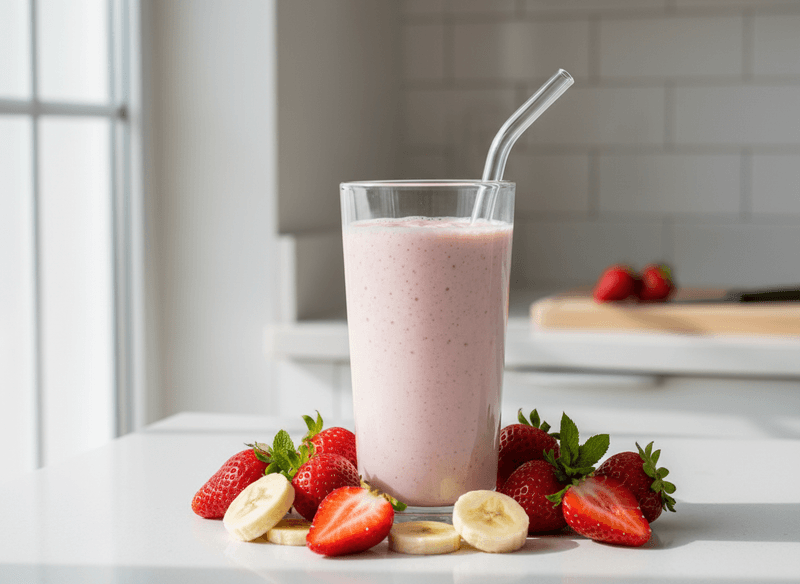
2. Kefir Smoothie
This tangy fermented drink contains way more probiotic strains than regular yogurt—sometimes up to 30 different types of beneficial bacteria.
Each sip introduces diverse microorganisms that strengthen your gut’s ecosystem and help reduce inflammatory responses throughout your body.
Kefir has a slightly sour taste that blends perfectly with sweet fruits in a smoothie.
You can mix it with bananas, mangoes, or berries to create a refreshing drink that tastes like a milkshake but works like medicine for your digestive tract.
The fermentation process also breaks down lactose, making kefir easier to digest than milk for many people.
Drinking it regularly may help calm stomach discomfort and support your immune system from the inside out.
3. Hummus with Veggie Sticks
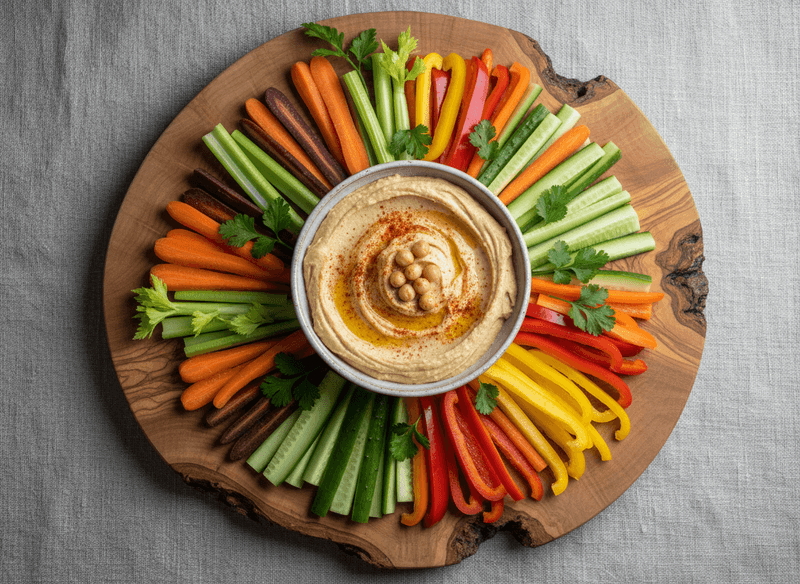
Chickpeas form the base of hummus, bringing tons of fiber that feeds the good bacteria living in your intestines.
This fiber acts like fertilizer for your microbiome, helping beneficial microbes multiply and produce anti-inflammatory compounds.
Raw vegetables add even more fiber plus phytonutrients that directly combat inflammation at the cellular level.
Carrots provide beta-carotene, bell peppers deliver vitamin C, and celery contains compounds that may reduce swelling in your gut lining.
The tahini (sesame seed paste) in hummus contributes healthy fats that help your body absorb fat-soluble vitamins from the vegetables.
This Mediterranean classic is filling, flavorful, and incredibly versatile—you can switch up the veggie selection based on what’s fresh and available.
4. Roasted Chickpeas

Crunchy and addictive, roasted chickpeas satisfy your chip cravings while delivering serious nutritional benefits.
The high fiber content supports regular digestion and helps maintain a healthy gut environment where inflammation can’t easily take hold.
Chickpeas contain special compounds called saponins that have been studied for their anti-inflammatory properties.
When you roast them with turmeric or paprika, you add even more inflammation-fighting spices to an already powerful snack.
Making them at home is simple—just drain canned chickpeas, pat them dry, toss with olive oil and seasonings, then bake until crispy.
They store well in an airtight container for several days, giving you a grab-and-go option that beats processed snacks every time.
5. Trail Mix with Nuts and Seeds
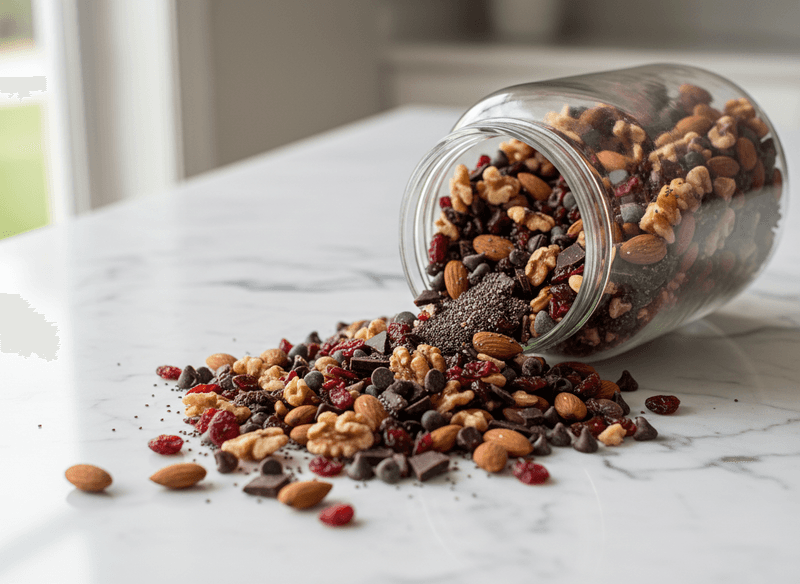
Almonds and walnuts bring omega-3 fatty acids to the party, which are famous for their ability to reduce inflammation markers in your bloodstream.
These healthy fats also help maintain the protective mucus layer in your gut that shields against irritation.
Chia seeds add a triple threat: fiber, omega-3s, and polyphenols that all work together to calm inflammatory responses.
When combined with nuts, they create a satisfying texture contrast that keeps snacking interesting.
Be mindful of portion sizes since nuts are calorie-dense, but don’t let that scare you away from their benefits.
A small handful provides sustained energy and helps stabilize blood sugar, preventing the spikes and crashes that can stress your digestive system and trigger inflammation.
6. Apple Slices with Nut Butter
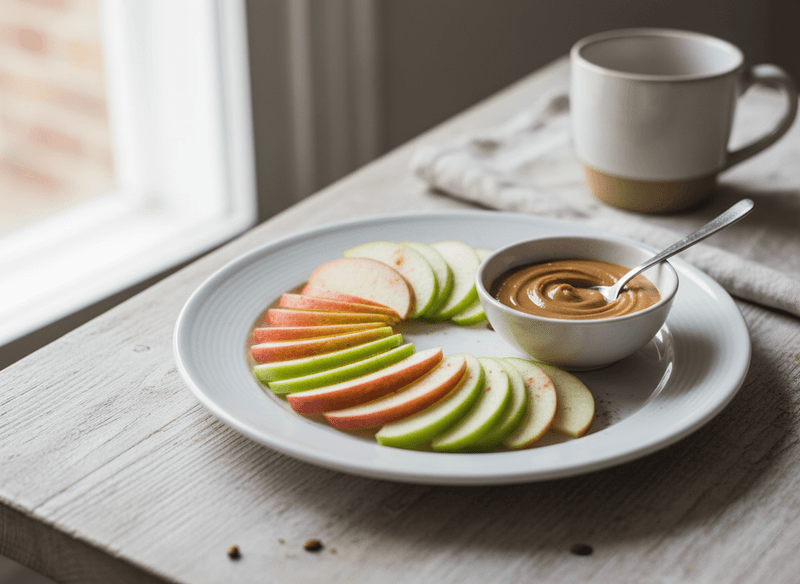
Apples contain pectin, a special type of fiber that acts as a prebiotic—meaning it feeds the beneficial bacteria in your colon.
As these microbes digest pectin, they produce short-chain fatty acids that directly reduce inflammation in your gut lining.
Spreading nut butter on apple slices adds protein and healthy fats that slow down sugar absorption from the fruit.
This prevents blood sugar spikes that can contribute to systemic inflammation and keeps you feeling satisfied longer.
Almond butter provides vitamin E, while peanut butter offers resveratrol—both are antioxidants that protect your cells from inflammatory damage.
The sweet-and-savory combination tastes like a treat but works like functional medicine for your digestive system.
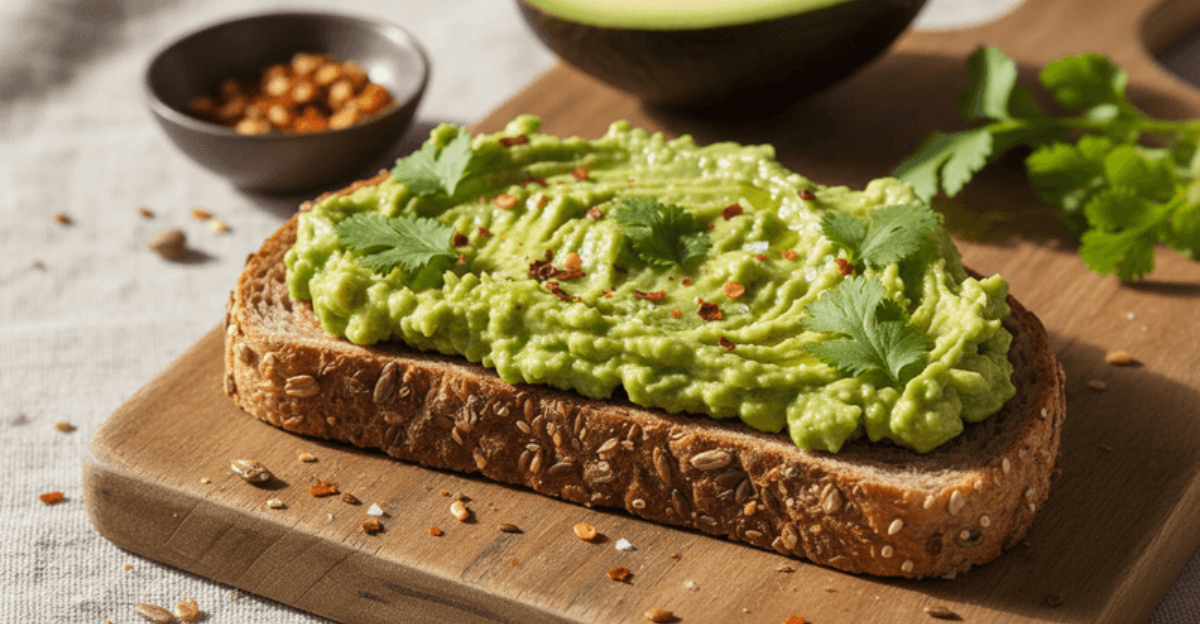
7. Avocado on Whole-Grain Toast
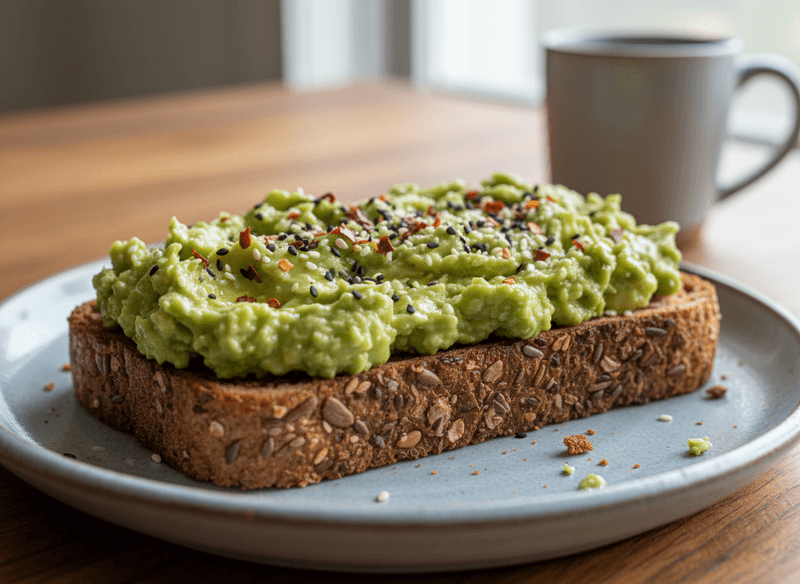
Creamy avocado delivers monounsaturated fats that help your body absorb anti-inflammatory vitamins and reduce oxidative stress in your digestive tract.
These fats also support the growth of beneficial bacteria that keep your microbiome diverse and healthy.
Whole-grain bread provides complex carbohydrates and fiber that feed good gut bacteria while keeping your blood sugar stable.
The combination creates a satisfying snack that supports both your energy levels and your intestinal health.
Avocados contain potassium and magnesium, minerals that help regulate fluid balance and reduce bloating.
Mashing the avocado directly onto warm toast creates a comforting texture that feels indulgent while nourishing your body from the inside out.
8. Chia Pudding
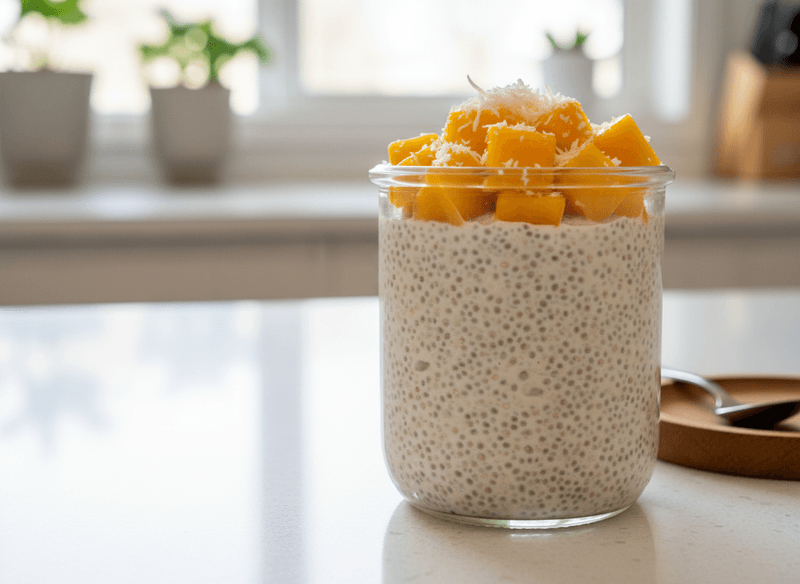
When soaked in liquid, chia seeds transform into a gel-like pudding that’s incredibly gentle on your digestive system.
The soluble fiber forms a soothing coating as it moves through your intestines, helping to calm irritation and reduce inflammatory responses.
Each tiny seed is packed with omega-3 fatty acids, which your body converts into anti-inflammatory compounds.
Chia also provides a complete protein source, making this pudding more filling than you might expect from such a simple preparation.
You can make it the night before by mixing chia seeds with milk or a dairy-free alternative, then adding vanilla and a touch of honey.
By morning, you have a ready-to-eat snack that supports your gut health while satisfying your sweet tooth.
9. Fresh Berries
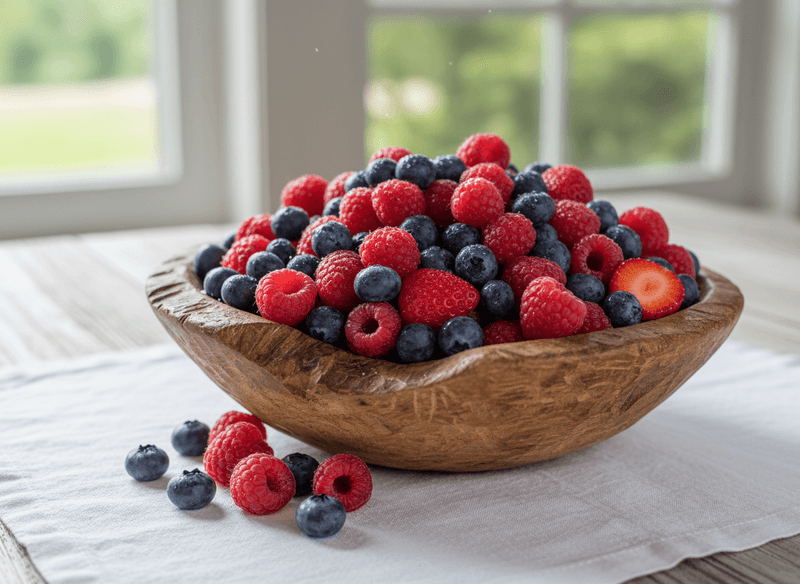
Bursting with anthocyanins, berries rank among the most antioxidant-rich foods you can eat.
These compounds neutralize free radicals that would otherwise damage your gut lining and trigger inflammatory cascades throughout your body.
The fiber in berries feeds beneficial bacteria in your colon, promoting a diverse microbiome that’s more resistant to inflammation.
Each type of berry offers slightly different phytonutrients, so mixing varieties gives you the broadest range of protective compounds.
Frozen berries work just as well as fresh ones and are often more affordable.
You can eat them straight from the container, blend them into smoothies, or let them thaw slightly for a refreshing treat that supports your digestive health with every bite.
10. Fermented Vegetables
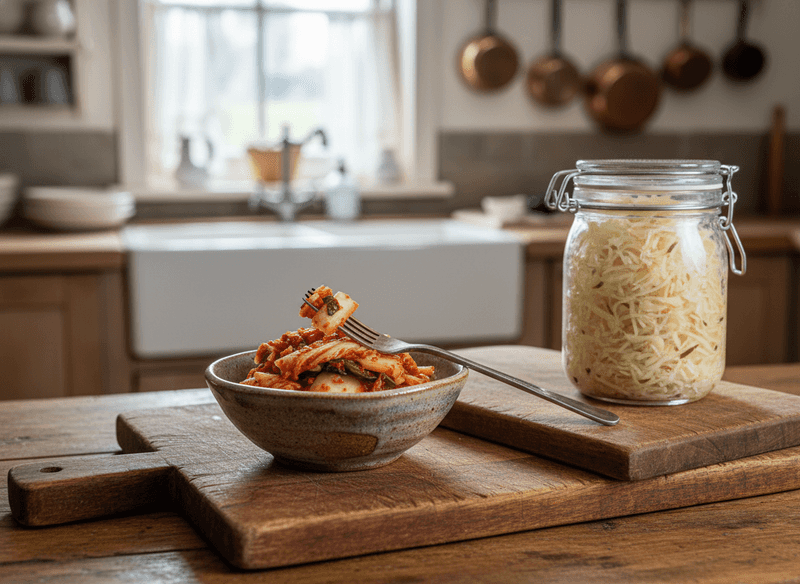
Kimchi and sauerkraut might smell strong, but they’re powerhouses for gut health.
The fermentation process creates billions of live probiotics that colonize your intestines and strengthen your microbiome’s ability to fight inflammation.
These tangy vegetables also contain enzymes that help break down food more efficiently, reducing the digestive stress that can lead to inflammatory responses.
The probiotics they provide are incredibly diverse, offering different strains than you’d find in yogurt or supplements.
Start with small portions if you’re new to fermented foods—your gut needs time to adjust to the increased bacterial activity.
A forkful or two alongside other snacks can dramatically boost your probiotic intake without overwhelming your digestive system.
11. Air-Popped Popcorn

Believe it or not, popcorn is a whole grain that delivers impressive amounts of fiber to support your digestive health.
Each fluffy kernel contains resistant starch that travels to your colon intact, where it feeds beneficial bacteria and helps them produce anti-inflammatory compounds.
Skip the butter and heavy salt—air-popped popcorn with just a sprinkle of nutritional yeast or herbs gives you all the benefits without the inflammatory fats found in movie theater versions.
The volume of popcorn means you can eat a satisfying amount without consuming excessive calories.
The polyphenols in popcorn rival those found in fruits and vegetables, offering antioxidant protection for your gut lining.
This makes it one of the most underrated snacks for fighting inflammation while satisfying your need for something crunchy.
12. Mixed Nuts
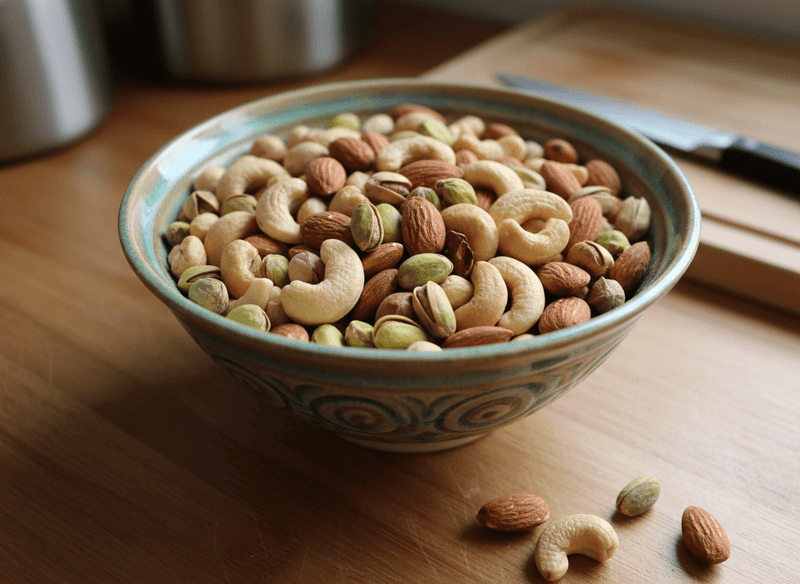
Different nuts provide different anti-inflammatory benefits, so variety is key.
Cashews offer zinc and magnesium, pistachios deliver lutein and zeaxanthin, while almonds provide vitamin E—all nutrients that help calm inflammatory responses in your gut and beyond.
The prebiotic fiber in nuts feeds the good bacteria in your intestines, helping them multiply and produce protective compounds.
Some nuts also contain omega-3 fatty acids that your body converts into powerful anti-inflammatory molecules.
Eating a small handful daily has been linked to improved gut bacteria diversity in research studies.
Just watch your portions since nuts are calorie-dense, and choose raw or dry-roasted varieties over those cooked in inflammatory vegetable oils.
13. Sweet Potato Chips
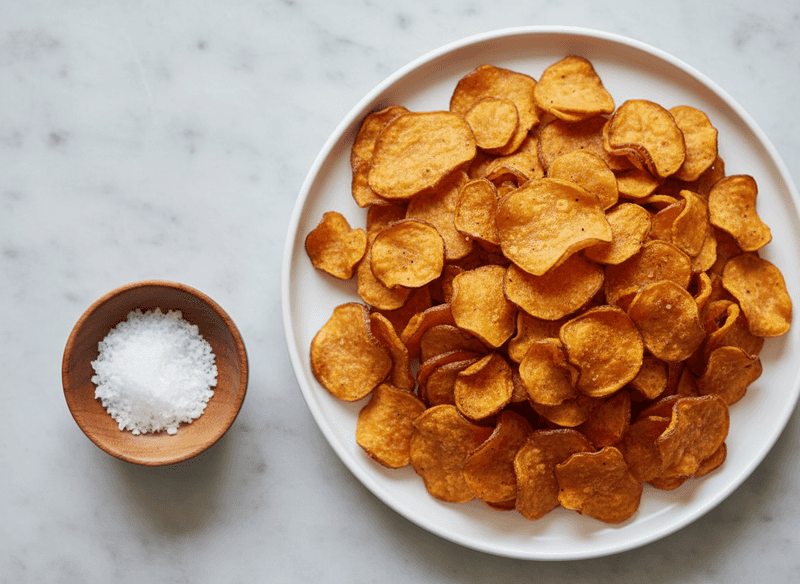
Air-frying sweet potato slices creates a crispy alternative to regular chips without the inflammatory oils used in commercial products.
Sweet potatoes are loaded with beta-carotene, which your body converts to vitamin A—a nutrient essential for maintaining the protective mucus layer in your gut.
The fiber in sweet potatoes supports healthy digestion and feeds beneficial bacteria that produce anti-inflammatory compounds.
They also contain unique proteins called sporamins that have been studied for their ability to reduce oxidative stress in the digestive tract.
Making them at home takes just minutes—slice thinly, spray lightly with olive oil, and air-fry until crispy.
The natural sweetness satisfies cravings while delivering nutrients that actively fight inflammation rather than promoting it.
14. Green Smoothie
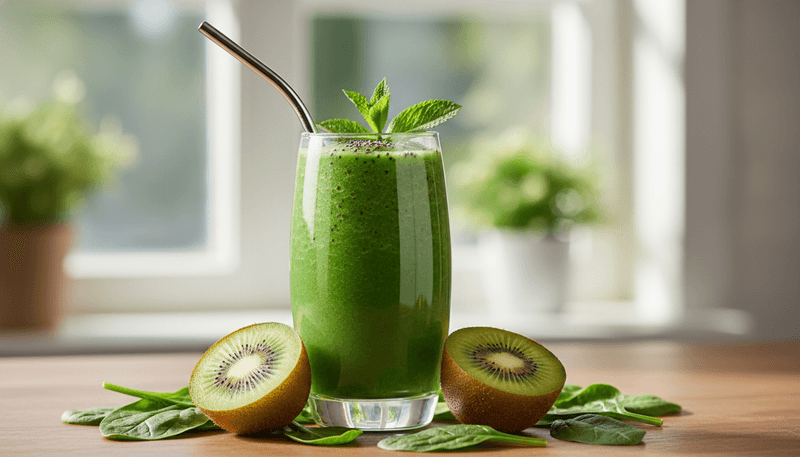
Blending leafy greens with fruit creates a nutrient-dense drink that floods your system with anti-inflammatory compounds.
Spinach, kale, and other greens contain chlorophyll and flavonoids that help reduce gut inflammation while supporting the growth of beneficial bacteria.
Adding chia seeds boosts the fiber content and provides omega-3 fatty acids that calm inflammatory responses throughout your digestive tract.
The fruit masks the bitter taste of greens while contributing additional antioxidants and natural sweetness.
Smoothies are incredibly convenient when you’re short on time but want maximum nutrition.
The blending process breaks down cell walls in the vegetables, making nutrients more accessible to your body and easier for your gut to process without causing irritation.
15. Hard-Boiled Eggs
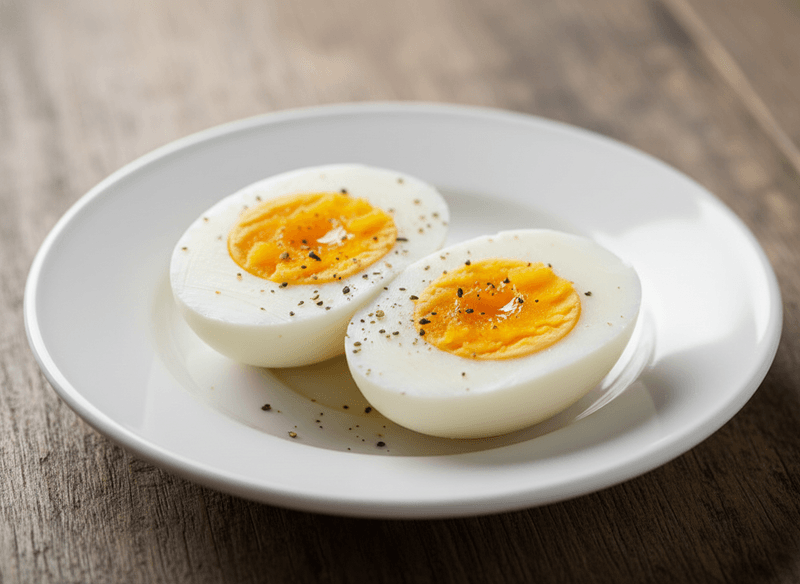
Often overlooked as a gut-friendly snack, eggs provide high-quality protein that helps repair and maintain your intestinal lining.
The amino acids in eggs are building blocks your body uses to create the tight junctions between gut cells that prevent inflammatory particles from leaking into your bloodstream.
Egg yolks contain selenium, a mineral that supports your body’s production of glutathione—one of the most powerful antioxidants for protecting your digestive system.
They also provide choline, which helps maintain the integrity of cell membranes throughout your gut.
Preparing a batch at the beginning of the week gives you grab-and-go protein that stabilizes blood sugar and prevents the inflammatory spikes caused by sugary snacks.
Sprinkle with a little salt and pepper for a simple, satisfying option that supports your gut health.