 MomSkoop
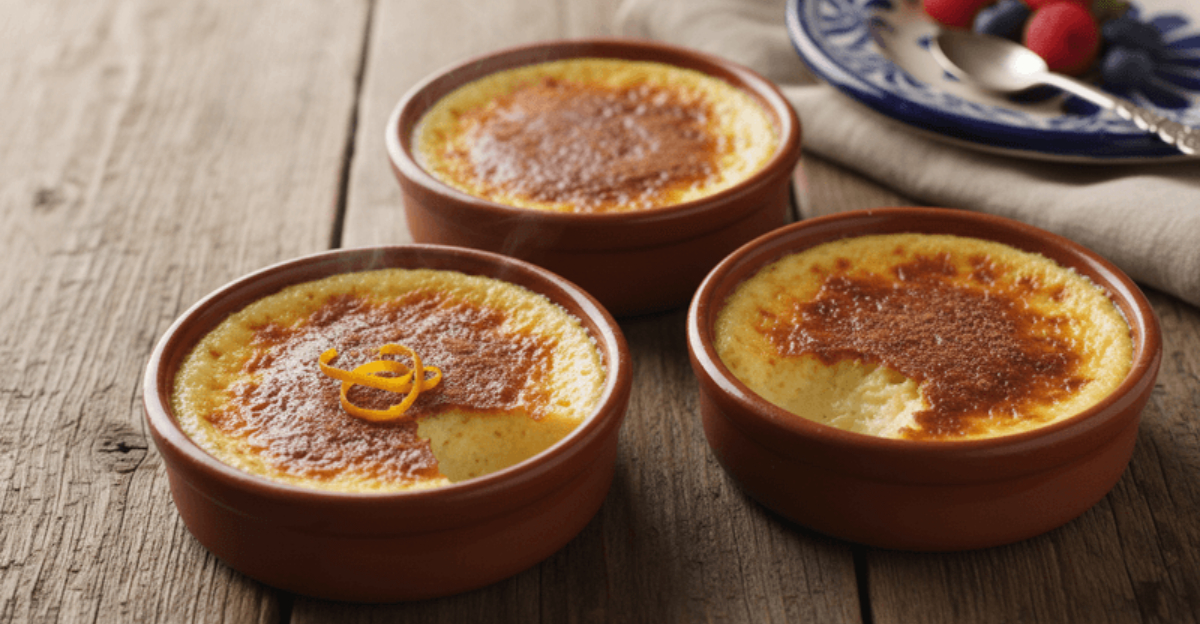
Mexican desserts bring together centuries of tradition, bold flavors, and comforting sweetness that can transform any meal into a celebration.
From creamy custards to crispy fried treats, these sweets tell stories of family gatherings, holiday festivities, and regional pride across Mexico.
Whether you’re looking to impress guests or simply satisfy your sweet tooth with something beyond the usual cookies and cakes, these authentic Mexican desserts are surprisingly easy to recreate in your own kitchen.
1. Churros
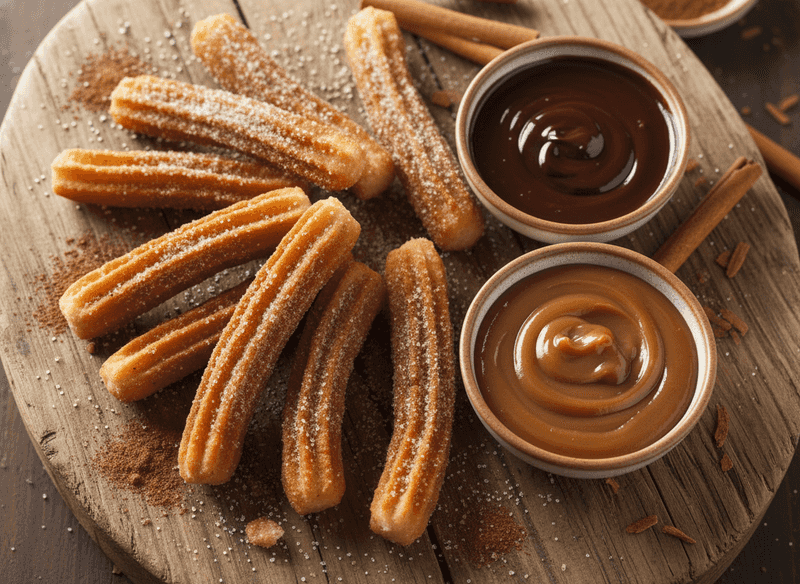
Crispy on the outside and soft inside, churros have become one of Mexico’s most beloved street foods and home treats.
The ridged dough gets fried until golden, then rolled in cinnamon sugar while still warm.
Mexican churros often come with cajeta or thick chocolate sauce for dipping.
Making them at home requires just basic ingredients like flour, water, and butter.
The secret lies in piping the dough through a star-shaped tip to create those signature ridges.
Families across Mexico enjoy churros for breakfast with hot chocolate or as an evening snack.
The aroma of fresh churros fills the kitchen with warmth and anticipation.
2. Flan Napolitano
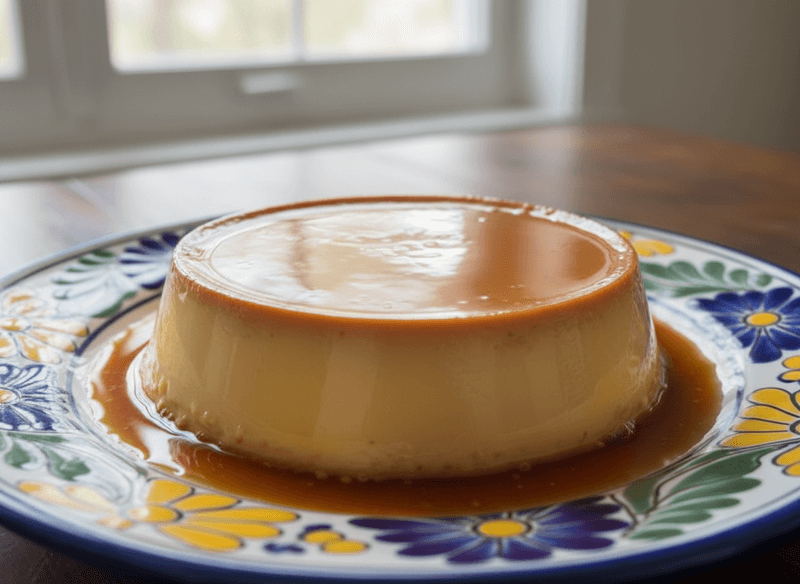
Silky smooth and impossibly creamy, this baked custard dessert has graced Mexican tables for generations.
The magic happens when sugar caramelizes in the pan before the custard mixture gets poured over it.
After baking in a water bath, the flan develops its signature wobble and rich flavor.
When flipped onto a serving plate, liquid caramel cascades down the sides like amber waterfalls.
Mexican versions often include sweetened condensed milk and evaporated milk for extra richness.
Every family claims their recipe creates the smoothest texture.
Patience during the slow baking process ensures no air bubbles form, resulting in that perfect, velvety consistency everyone craves.
3. Pastel de Tres Leches
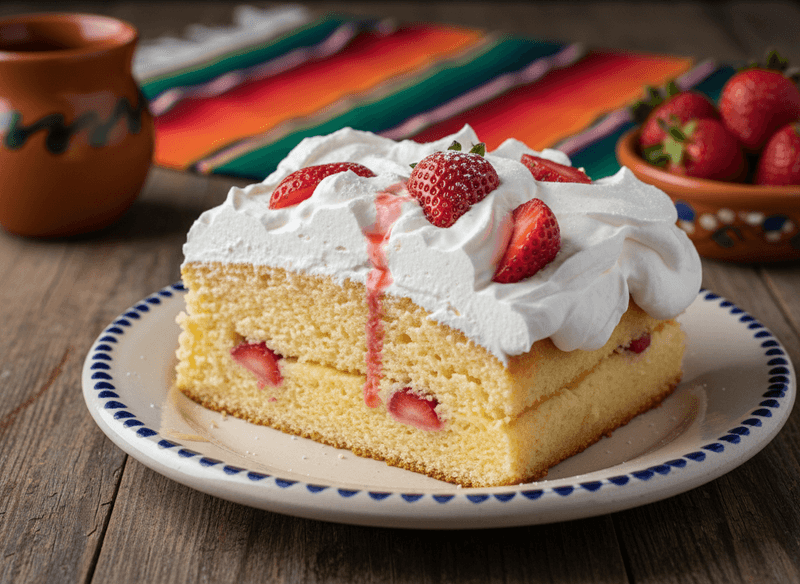
This sponge cake literally translates to “three milks cake” because it gets soaked in a mixture of evaporated milk, condensed milk, and heavy cream.
The result defies expectations—instead of becoming soggy, the cake transforms into a moist, cloud-like dessert.
Mexican bakeries display tres leches cakes proudly in their cases, often decorated with whipped cream and fresh fruit.
The cake actually improves after sitting overnight as the milks fully absorb.
Light yet satisfying, this dessert has become a staple at birthday parties and celebrations.
Making it at home proves surprisingly simple, requiring just a basic sponge cake recipe and the three-milk mixture poured over while still warm.
4. Arroz con Leche
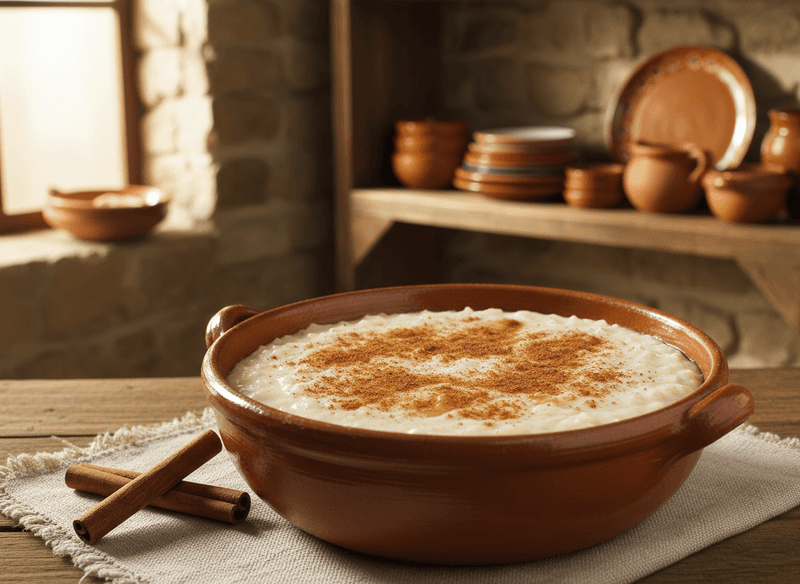
Warm, comforting, and perfumed with cinnamon, this rice pudding appears at Mexican family gatherings year-round.
Short-grain rice simmers slowly in milk until each grain becomes tender and the mixture thickens into pure comfort.
Cinnamon sticks infuse the pudding while it cooks, creating an aroma that fills the entire house.
Some families add raisins or condensed milk for extra sweetness.
The pudding can be served warm or chilled, though many prefer it at room temperature.
Grandmothers across Mexico have perfected their own versions, adjusting the sweetness and thickness to family preferences.
A sprinkle of ground cinnamon on top provides the finishing touch.
5. Capirotada
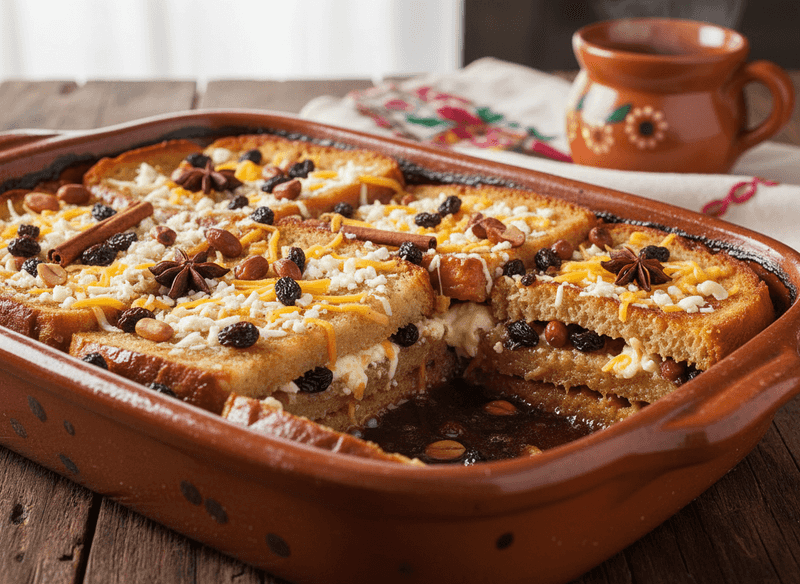
This traditional Lenten bread pudding surprises first-timers with its unusual combination of sweet and savory ingredients.
Toasted bolillo bread gets layered with cheese, raisins, peanuts, and sometimes tomatoes, then soaked in a spiced piloncillo syrup.
The dark brown sugar creates a molasses-like sweetness that contrasts beautifully with the salty cheese.
Each region in Mexico adds its own twist—some include bananas or apples between the layers.
Families prepare large pans of capirotada during Holy Week when meat is avoided.
The dish symbolizes different elements of the crucifixion story through its ingredients.
Whether you embrace the symbolism or just enjoy the flavors, this bread pudding offers a truly unique taste experience.
6. Buñuelos Mexicanos
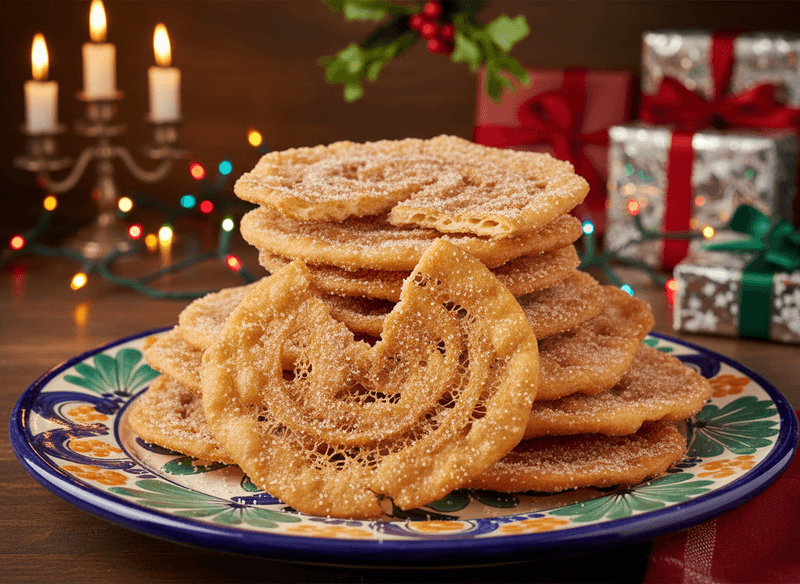
Paper-thin and shatteringly crisp, these fried wheat flour discs signal that Christmas and New Year celebrations have arrived.
The dough gets stretched until nearly transparent, then fried in hot oil until it puffs and turns golden.
While still hot, buñuelos get dusted with cinnamon sugar or drizzled with piloncillo syrup.
Breaking them into pieces creates a satisfying crunch that everyone at the table can hear.
Mexican families often make dozens at a time since they disappear quickly.
The tradition of making buñuelos together brings multiple generations into the kitchen.
Children love watching the dough bubble and expand in the oil, transforming into delicate, sweet treats.
7. Conchas
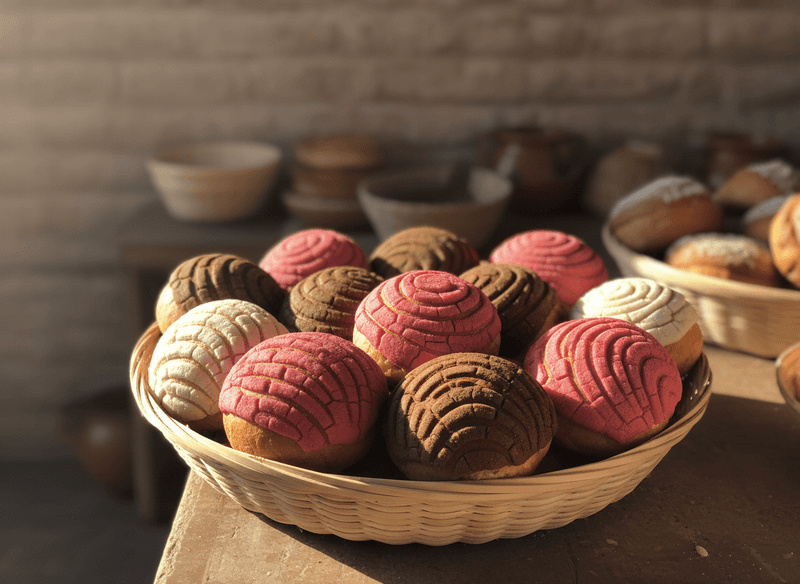
Named for their seashell-like appearance, conchas reign as Mexico’s most iconic sweet bread.
The soft, slightly sweet roll gets topped with a sugar paste that bakes into a crunchy shell pattern.
Mexican bakeries display conchas in various colors—pink, white, yellow, and chocolate.
The shell topping provides textural contrast to the fluffy bread underneath.
Mexicans traditionally enjoy conchas with hot chocolate or coffee for breakfast or afternoon merienda.
Home bakers can create these beauties with patience and the right technique for scoring the topping.
Fresh from the oven, conchas fill the kitchen with an irresistible aroma.
The combination of crispy topping and soft bread creates pure satisfaction in every bite.
8. Orejas
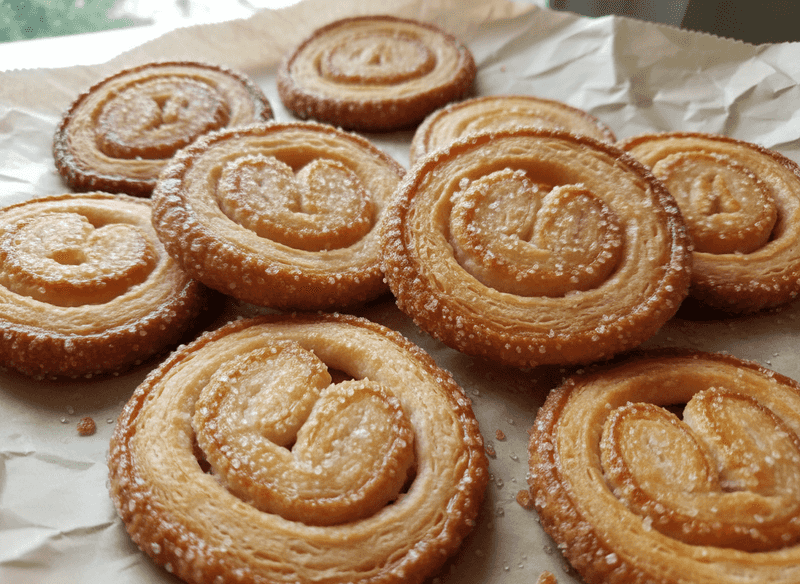
Translating to “ears” because of their distinctive shape, these puff pastry cookies crunch with layers of caramelized sugar.
Mexican bakeries create them by folding sugar-coated puff pastry multiple times, then slicing and baking until crispy.
The result resembles French palmiers but with a distinctly Mexican touch.
Each bite shatters into buttery, sweet layers that practically melt on your tongue.
Orejas pair perfectly with afternoon coffee or hot chocolate.
Making them at home becomes easier with store-bought puff pastry, though traditional bakeries still make their dough from scratch.
The key lies in achieving that perfect balance between crispy exterior and flaky interior layers that define these beloved treats.
9. Empanadas Dulces
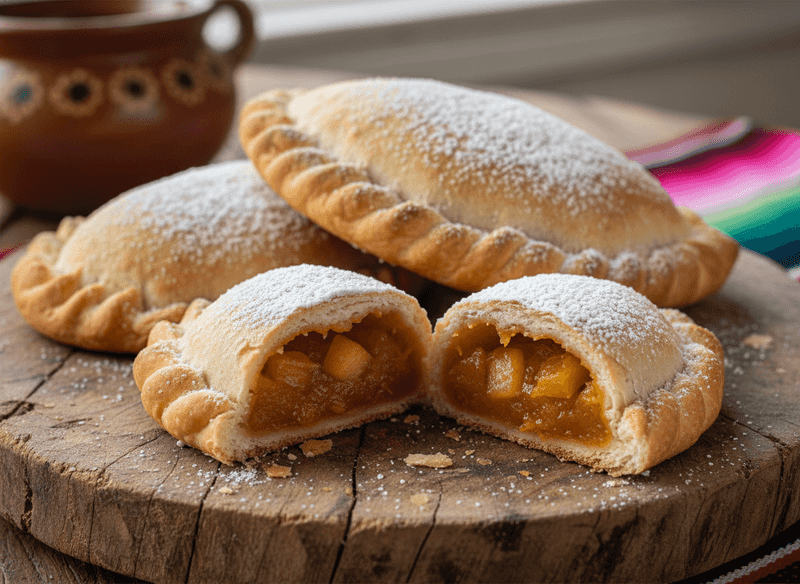
Sweet empanadas offer handheld pockets of fruit-filled joy that appear at Mexican celebrations and bakeries alike.
The flaky pastry dough wraps around fillings like spiced pumpkin, pineapple jam, or sweetened sweet potato.
Unlike their savory cousins, these empanadas get a light dusting of cinnamon sugar or powdered sugar after baking.
The crimped edges not only seal in the filling but create a beautiful decorative pattern.
Each region boasts its favorite filling, from guava paste to apple with raisins.
Baking a batch fills your home with the scent of cinnamon and fruit.
These portable treats work equally well for breakfast, dessert, or tucked into lunchboxes for a sweet surprise.
10. Coyotas Sonorenses
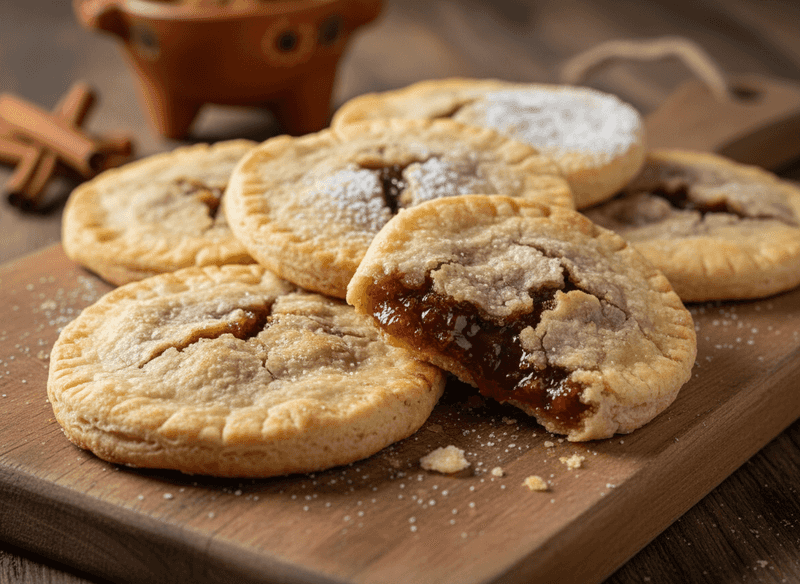
Hailing from Sonora, these large, flat cookies hide a surprise center of piloncillo filling.
The wheat flour dough creates a sturdy cookie that cracks slightly during baking, revealing glimpses of the dark brown sugar inside.
Coyotas earned their name from the coyote, reflecting their wild desert origins.
The piloncillo filling provides deep, molasses-like sweetness that contrasts with the less-sweet cookie exterior.
These treats stay fresh for days, making them perfect for gifting or keeping on hand.
Sonoran families take pride in their coyota recipes, with some adding cinnamon or vanilla to the dough.
The cookies represent regional identity and tradition in every satisfying bite.
11. Jericalla
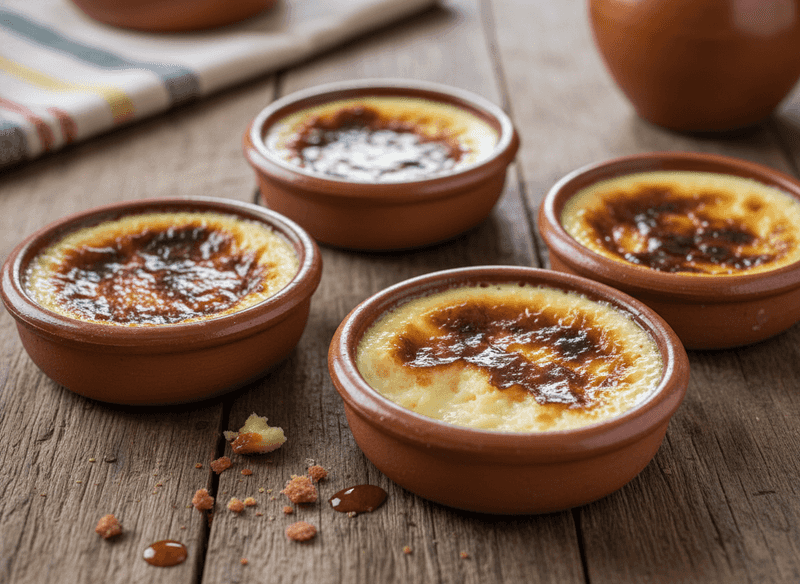
Jalisco’s answer to custard desserts, jericalla predates many similar European sweets despite often being compared to crème brûlée.
This baked custard combines milk, eggs, sugar, vanilla, and cinnamon into individual ramekins.
The magic happens under the broiler where the top caramelizes into a golden, slightly crispy layer.
Unlike flan, jericalla doesn’t get flipped—you eat it straight from the ramekin, breaking through that caramelized top to reach the silky custard below.
The texture falls somewhere between flan and crème brûlée.
Legend traces jericalla back to a nun in Guadalajara who accidentally created it while caring for orphans.
Today, it remains a Jalisco specialty that locals defend fiercely as their own creation.
12. Ate con Queso
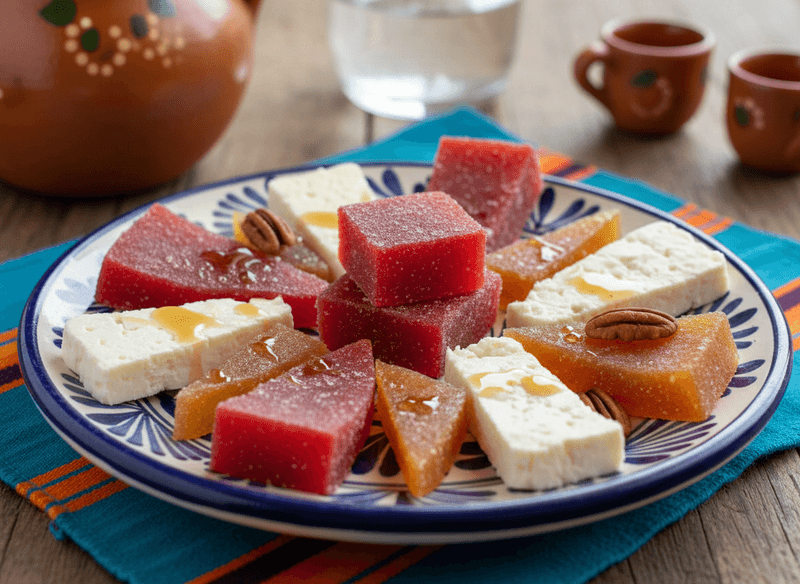
This simple yet sophisticated pairing combines thick fruit paste with fresh cheese for a dessert that surprises with its balance.
Ate (pronounced AH-teh) gets made by cooking fruit pulp with sugar until it becomes dense and sliceable.
Quince and guava create the most traditional versions, though membrillo and other fruits also appear.
The sweet, concentrated fruit flavor contrasts beautifully with mild, slightly salty fresh cheese.
Mexicans slice both components and serve them together, allowing each person to adjust the ratio to their preference.
This dessert requires no cooking when serving—just slice and enjoy.
The combination represents centuries of Mexican culinary wisdom about balancing sweet and savory flavors in unexpected ways.
13. Cajeta
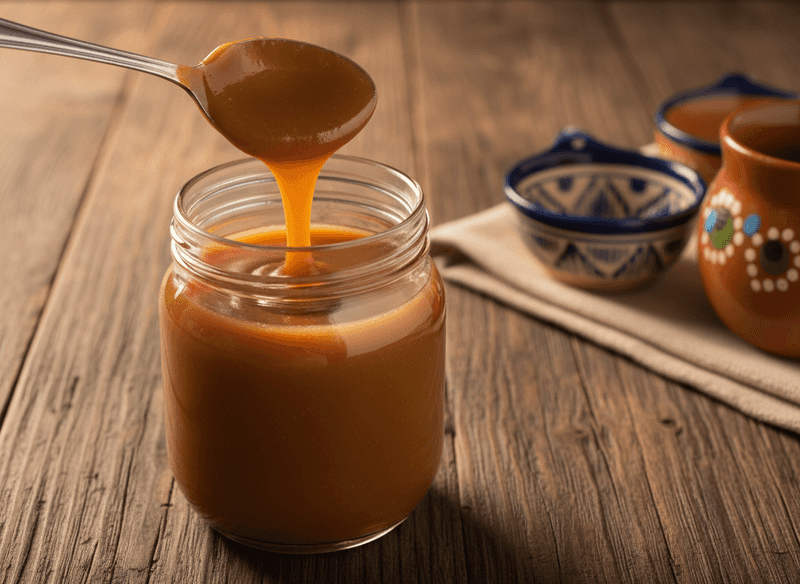
Born in the city of Celaya, this goat’s milk caramel transforms simple ingredients into liquid gold.
Goat’s milk simmers with sugar and vanilla until it thickens and develops a complex, slightly tangy sweetness that cow’s milk caramel cannot match.
The result pours like honey but tastes richer and more nuanced.
Mexicans drizzle cajeta over ice cream, spread it on bread, or eat it straight from the spoon.
Some versions include alcohol like brandy for added depth.
Making cajeta requires patience as the milk slowly reduces and darkens.
The reward comes in jars of amber-colored sweetness that elevates any dessert or becomes one all on its own.
14. Paletas de Fruta Naturales
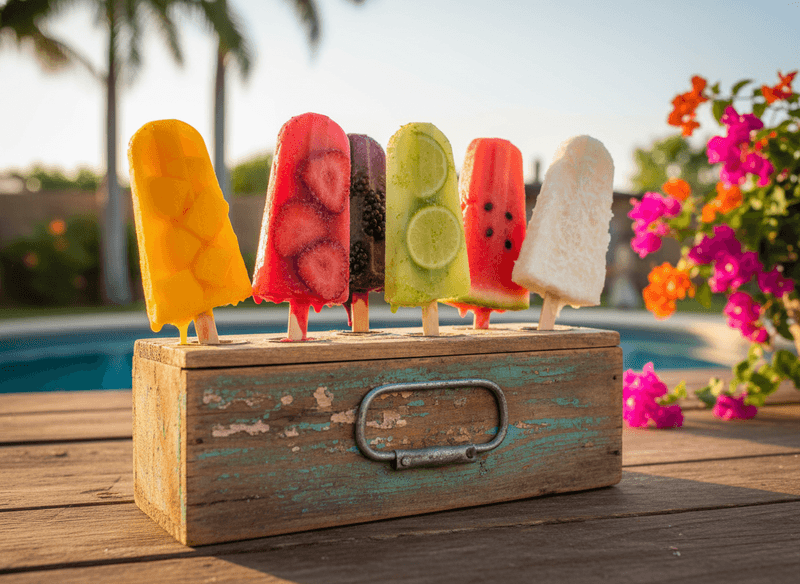
Mexican fruit ice pops contain real chunks of fresh fruit, setting them apart from artificially flavored alternatives.
Paleteros blend or puree ripe fruit with water or milk, add just enough sugar to enhance natural sweetness, then freeze the mixture on sticks.
Popular flavors include mango with chili powder, creamy coconut, tangy tamarind, and refreshing watermelon.
Some paletas combine fruit with cream for a richer experience.
The texture varies from icy and refreshing to smooth and creamy depending on the base.
Making paletas at home requires only popsicle molds and your favorite fruits.
These frozen treats provide a healthier dessert option that still satisfies sweet cravings on hot days.
15. Champurrado
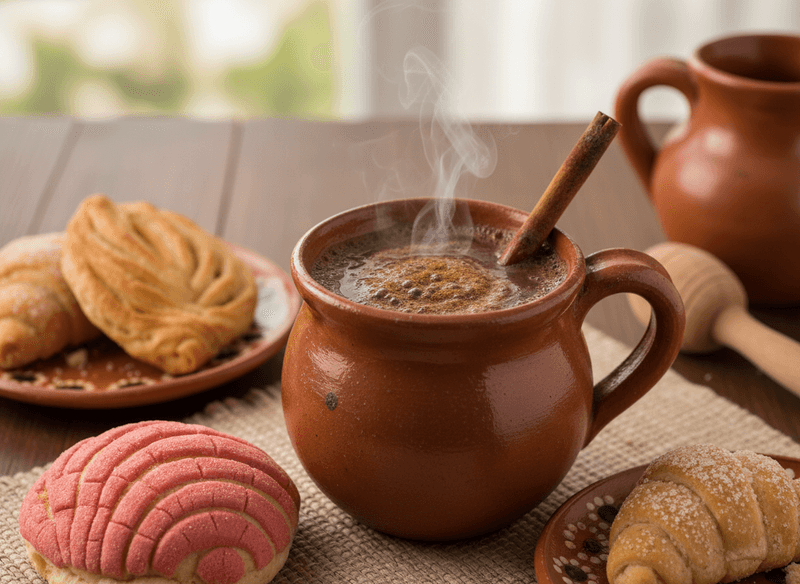
This thick, warming chocolate drink blurs the line between beverage and dessert.
Masa harina (corn flour) thickens the mixture of milk, chocolate, and piloncillo into a consistency closer to hot pudding than hot chocolate.
Cinnamon and vanilla add warmth and depth to the rich chocolate flavor.
Mexicans traditionally serve champurrado during Christmas season and Day of the Dead celebrations, often alongside tamales or pan dulce.
The drink provides comfort on cold mornings or chilly evenings.
Preparing champurrado requires constant stirring to prevent lumps and achieve that signature velvety texture.
Each sip delivers chocolate comfort that warms you from the inside out, making it the perfect ending to any Mexican meal.