 MomSkoop
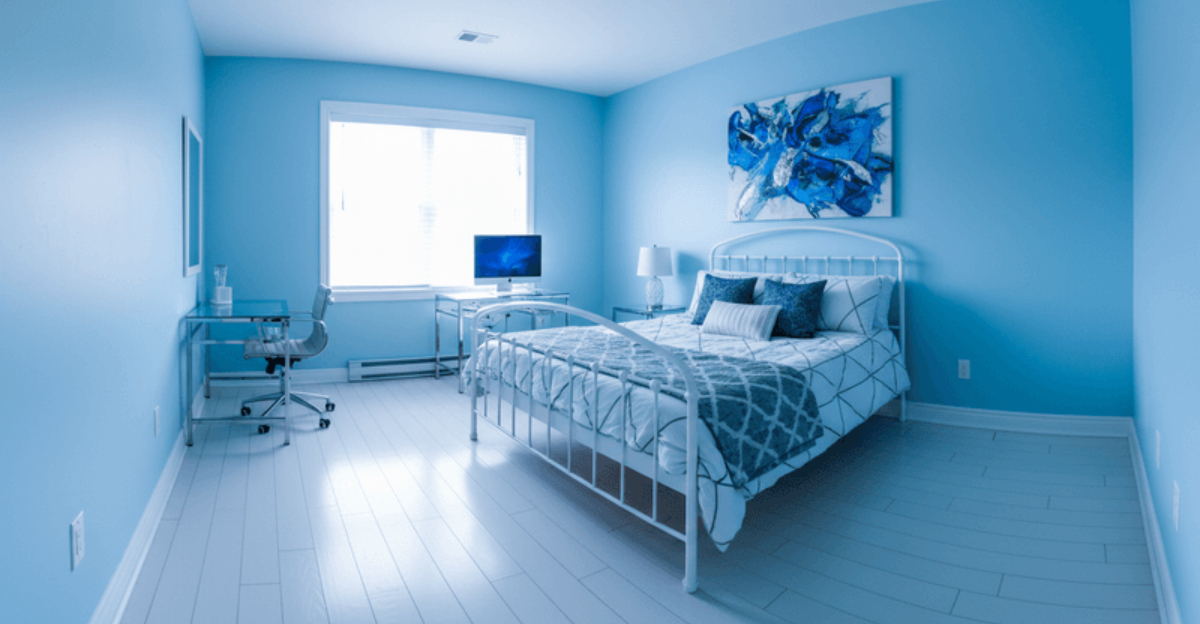
Choosing the perfect paint color for your bedroom sounds exciting until you realize some shades can ruin your sleep and mood.
Interior designers have seen countless homeowners pick trendy colors that look amazing in stores but turn bedrooms into stressful spaces.
Understanding which colors to avoid can save you time, money, and many restless nights staring at walls you wish you’d never painted.
1. Bright Red
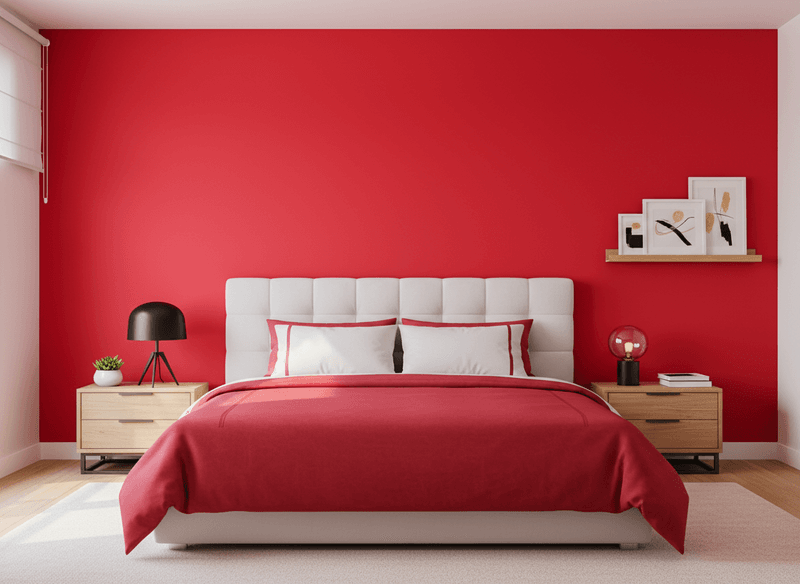
Fire engine red might work wonderfully in a dining room, but bedrooms need calming vibes.
This bold shade raises your heart rate and keeps your brain buzzing with energy when you’re trying to wind down.
Studies show red increases blood pressure and stimulates the nervous system.
Your bedroom should feel like a peaceful retreat, not a race car pit stop.
If you love warm tones, consider softer alternatives like dusty rose or terracotta.
These gentler shades provide warmth without the sleep-disrupting intensity that bright red delivers every single night.
2. Vibrant Yellow
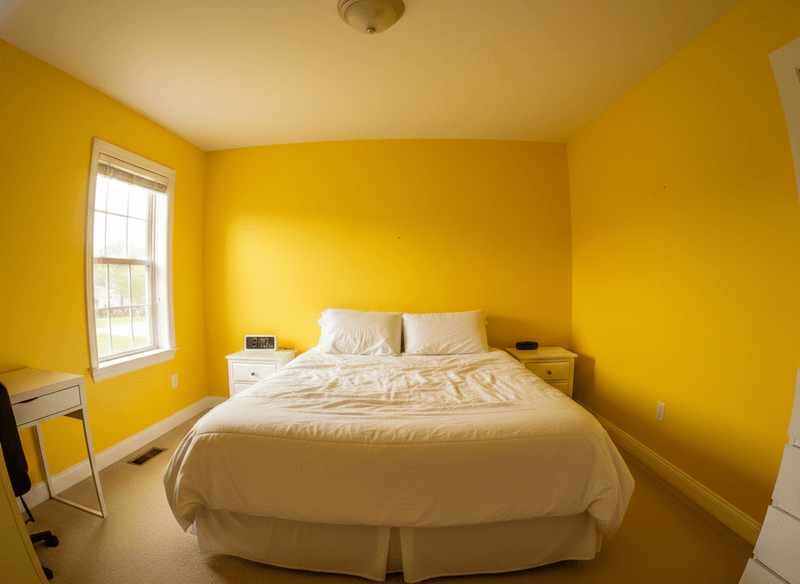
Sunshine yellow seems cheerful at first glance, but living with it is another story entirely.
This attention-grabbing color keeps your mind alert and active, making it nearly impossible to relax after a long day.
Yellow stimulates mental activity and can even cause anxiety in intense shades.
Your eyes struggle to rest when surrounded by such a demanding color.
Designers recommend buttery creams or pale wheat tones instead.
These softer yellows bring warmth and light without turning your bedroom into a space that fights against sleep every evening.
3. Vibrant Orange
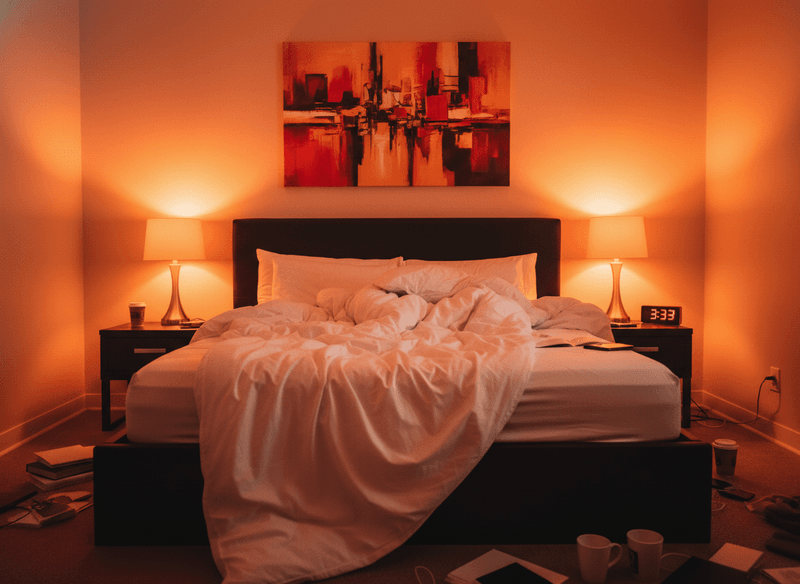
Orange brings incredible energy to workout rooms and kitchens, but bedrooms require exactly the opposite atmosphere.
This citrus shade activates your mind and body, creating the wrong environment for rest and relaxation.
The color orange combines red’s intensity with yellow’s mental stimulation.
Together, they create a powerful wake-up call your brain receives constantly.
Homeowners often choose orange hoping for warmth and coziness.
Instead, try soft peach, apricot, or muted coral shades that deliver comfort without keeping you wide awake until midnight every single night.
4. Stark White
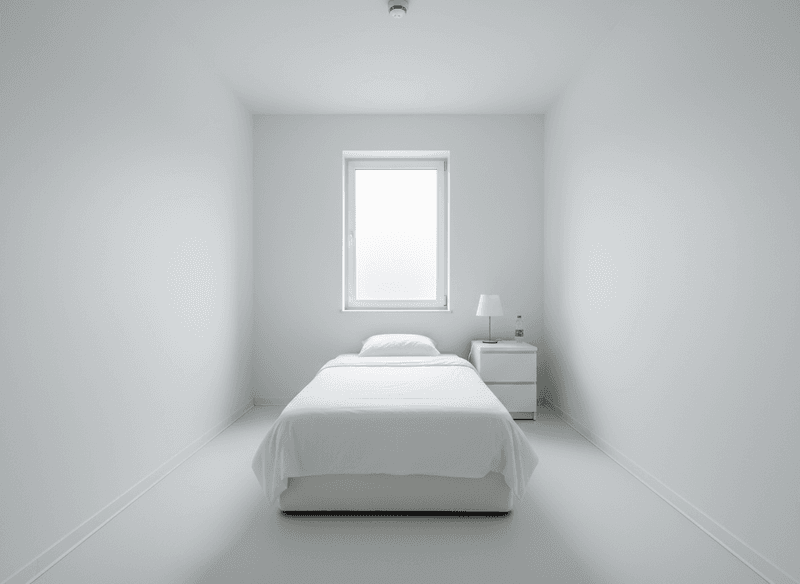
Pure white walls seem like a safe, clean choice until you actually live with them.
This shade often creates a cold, hospital-like feeling that makes bedrooms feel unwelcoming and uncomfortable.
Cool whites reflect light harshly and show every imperfection on your walls.
The sterile atmosphere can actually increase stress rather than promote the peaceful sanctuary you’re hoping to create.
Warm whites, creams, or ivory tones work much better for bedrooms.
These softer alternatives maintain brightness while adding the cozy, inviting warmth that helps you actually look forward to bedtime.
5. Charcoal or Black
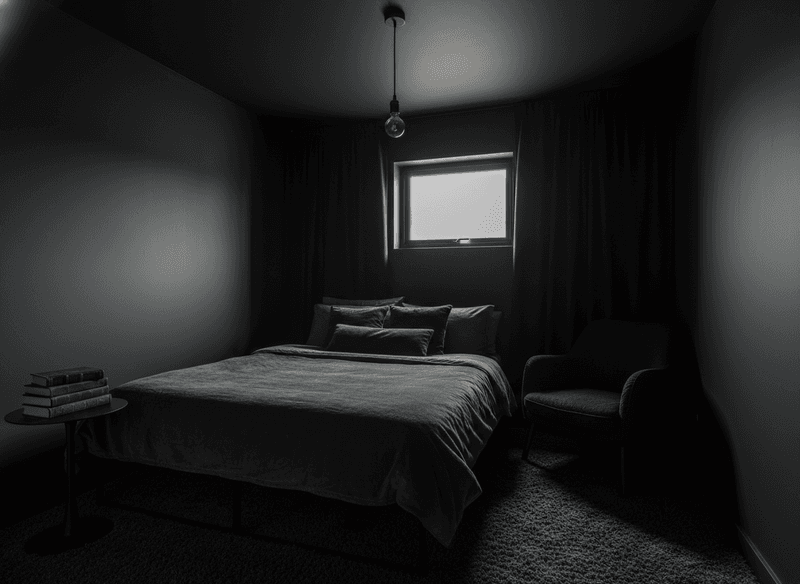
Dark, dramatic walls photograph beautifully on social media but create daily living challenges most people don’t anticipate.
Charcoal and black absorb light, making rooms feel smaller, gloomier, and sometimes downright depressing.
Unless your bedroom gets abundant natural light, these shades create a cave-like atmosphere.
Waking up in darkness doesn’t exactly start your day on a positive note.
Deep navy, slate blue, or charcoal-gray with warm undertones offer sophistication without the oppressive heaviness.
These alternatives provide drama and style while maintaining enough lightness to keep your bedroom feeling like a comfortable escape.
6. Bright Icy Blue
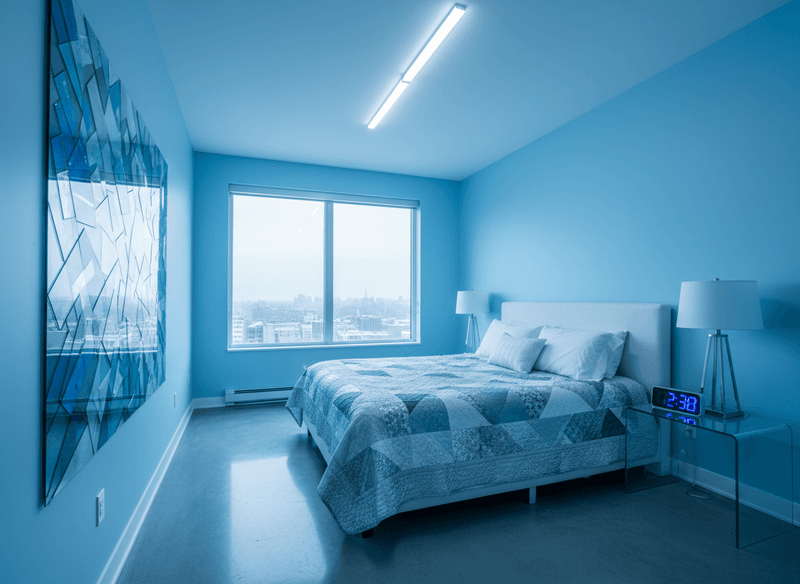
Blue generally promotes calmness, but not all blues are created equal for bedrooms.
Bright, icy shades feel cold and clinical rather than soothing, creating an uncomfortable atmosphere that works against relaxation.
Overly intense blues can actually overstimulate your senses instead of calming them.
The harsh coolness makes spaces feel unwelcoming, especially during winter months when warmth matters most.
Soft sky blues, powder blues, or gray-blue blends deliver the calming benefits without the harsh intensity.
These gentler versions help your mind settle down naturally, supporting better sleep patterns and more peaceful mornings.
7. Neon or Ultra-Bright Hues
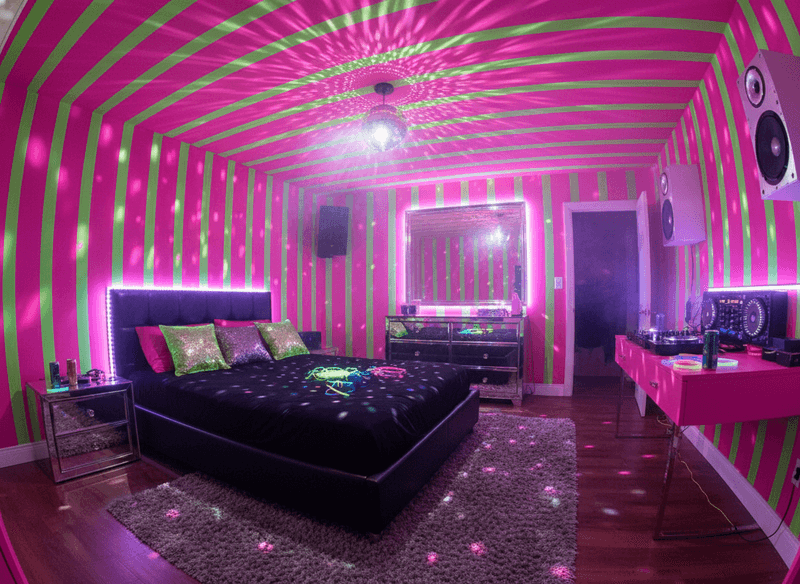
Hot pink, lime green, and electric purple might express your personality, but bedrooms aren’t the place for these eye-popping shades.
Neon colors are scientifically designed to grab attention and energize, which directly contradicts what bedrooms need to accomplish.
These jarring hues create visual noise that prevents mental relaxation.
Your bedroom starts feeling like a nightclub instead of a restful sanctuary.
Save bold colors for accent pillows or artwork you can easily change.
Stick with muted, sophisticated versions of your favorite shades on walls, allowing your bedroom to support rest rather than fight against it constantly.