 MomSkoop

Understanding women doesn’t require a secret code or a psychology degree. A lot of what women wish men knew comes straight from everyday moments—conversations, gestures, and the quiet ways people show up for each other.
When men take the time to truly listen and pay attention, relationships get stronger, deeper, and a whole lot easier. These insights come directly from women, and they’re worth knowing.
1. Emotional Safety Comes Before Almost Everything

Before a woman opens up, she needs to know it’s safe to do so.
Emotional safety means she won’t be judged, dismissed, or made to feel foolish for sharing how she feels.
When that safety exists, conversations become deeper and more honest.
Without it, she stays quiet—not because she has nothing to say, but because the risk feels too high.
Building emotional safety takes consistency.
It means reacting with patience instead of frustration when she shares something vulnerable.
Small moments of reassurance stack up over time and create the kind of trust that holds a relationship together.
2. Respect Lives in the Small Moments

Grand gestures are nice, but they’re not where respect is truly measured.
Respect shows up when you listen without interrupting, acknowledge her opinion in a group setting, or simply follow through on what you said you’d do.
Women notice these things—often more than men realize.
A dismissive comment during a casual conversation can linger far longer than a bouquet of flowers can fix.
Treating her with consistent consideration, especially when no one else is watching, speaks volumes.
Respect isn’t a one-time declaration.
It’s a daily practice made up of dozens of small, deliberate choices.
3. Listening and Fixing Are Two Very Different Things
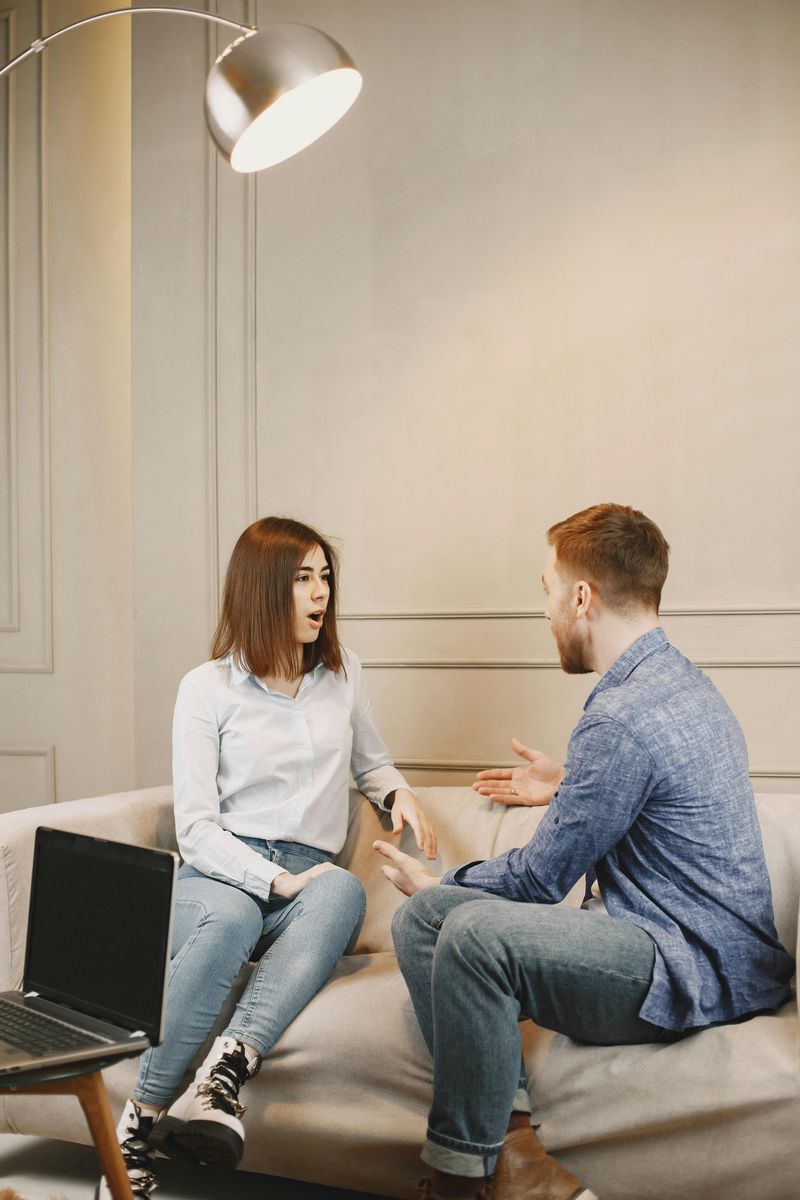
Most of the time, when a woman shares a problem, she isn’t handing you a task to complete.
What she usually wants is for someone to hear her—really hear her—without jumping straight into solution mode.
Rushing to fix things can actually feel dismissive, like her feelings matter less than resolving the issue quickly.
What usually helps more is acknowledging what she’s feeling and letting her finish.
Once she feels heard, advice lands better—or isn’t needed at all.
A simple “that sounds really frustrating” goes further than a five-step action plan most days.
4. Your Tone Can Say More Than Your Words Do
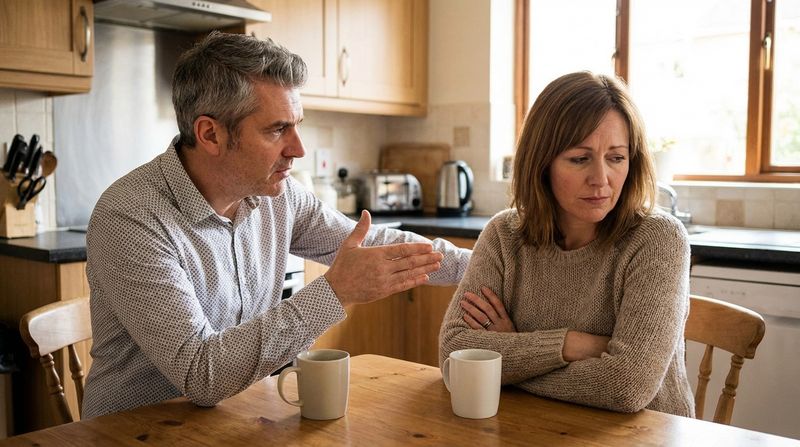
You can say the right words in completely the wrong way—and the wrong way is what she’ll remember.
Tone carries emotion, and women are often highly tuned in to it.
A response delivered with irritation or impatience sends a message that no amount of polite vocabulary can cover up.
Even a neutral topic can turn into a conflict if the delivery feels cold or condescending.
Paying attention to how you’re speaking, not just what you’re saying, is a skill worth developing.
Softening your tone during tense moments can completely change where a conversation ends up.
5. Specific Compliments Hit Differently

“You look nice” is fine. “The way you handled that situation today was impressive” is unforgettable.
Specific compliments show that you’re actually paying attention, not just saying something to fill the silence.
Women can usually tell the difference between a generic comment and one that required real observation.
Noticing the details—the effort she put into something, the way she made someone else feel, a skill she’s been building—means far more than a vague compliment ever will.
It doesn’t have to be elaborate.
Just make it real, make it specific, and mean it when you say it.
6. Showing Emotion Takes Courage, Not Weakness
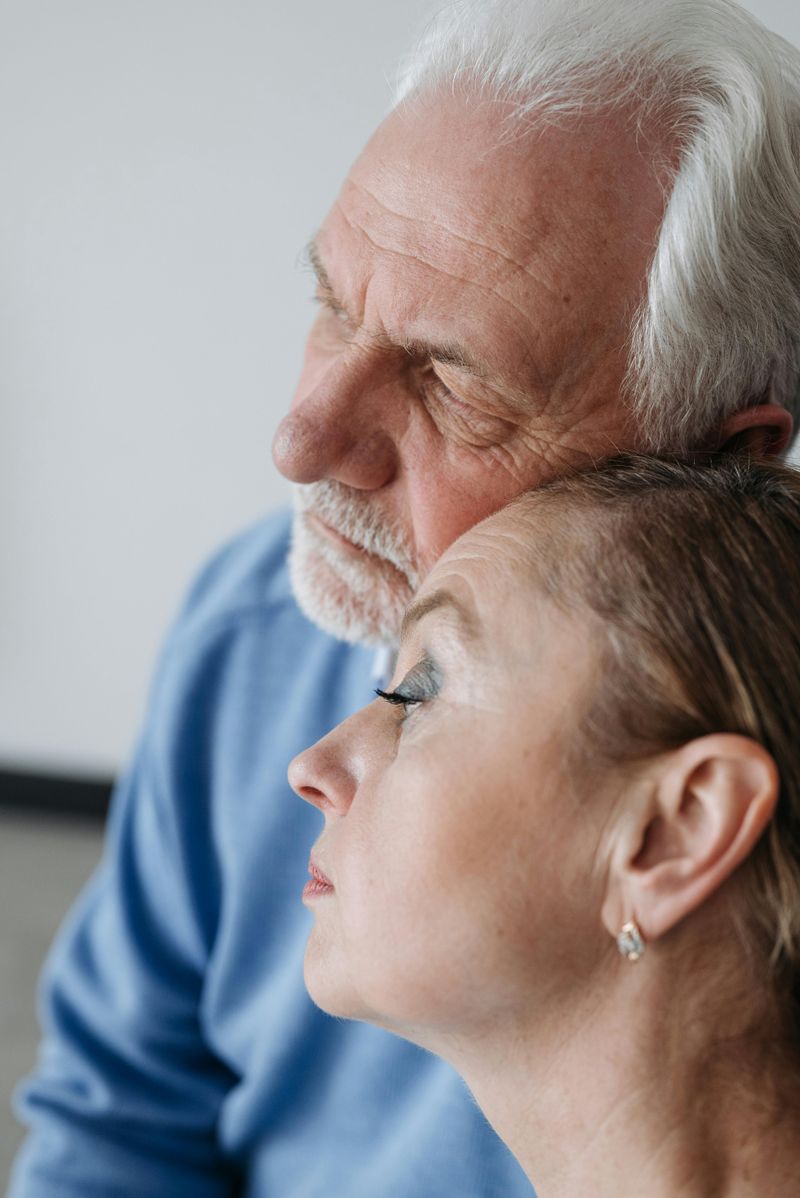
Somewhere along the way, emotional expression got labeled as overdramatic or irrational—especially when it comes to women.
That label is not only unfair, it’s flat-out wrong.
Expressing emotions takes vulnerability, and vulnerability takes courage.
When a woman cries, raises her voice, or says “I need to talk about this,” she’s not falling apart.
She’s communicating something important.
Responding with eye-rolls or impatience shuts that communication down fast.
Meeting her emotional expression with openness—even if it feels uncomfortable—creates a connection that surface-level conversations simply can’t build.
7. The Mental Load Is a Real Weight She Carries

There’s a running to-do list that many women carry in their heads at all times—appointments, grocery lists, social plans, household logistics, emotional check-ins on everyone around them.
This invisible workload rarely shows up on anyone’s radar unless it gets pointed out.
It’s exhausting to be the person who always remembers, always plans, always anticipates what’s needed next.
Sharing that mental load—not just completing tasks when asked, but actually taking ownership of things proactively—is one of the most practical forms of partnership.
Noticing what needs to be done without being told is a game-changer in any relationship.
8. Consistency Will Always Beat Intensity

A grand romantic gesture once a year doesn’t outweigh showing up reliably every single day.
Women tend to feel most secure not from dramatic displays of affection, but from knowing they can count on you.
Consistency is the thing that builds real trust over time.
Texting back, following through on plans, being emotionally present during ordinary moments—these things matter enormously.
The relationship that survives isn’t always the most passionate one at the start.
It’s the one where both people keep choosing each other, quietly and steadily, through the unremarkable Tuesday evenings just as much as the big occasions.
9. Remembering Details Is an Act of Love

She mentioned once, casually, that she hates cilantro.
Or that her big work presentation is on Thursday.
Or that her mom’s birthday always stresses her out.
Remembering those details—and acting on them—is one of the most quietly powerful things a partner can do.
It signals that you were truly listening, and that what she said mattered enough to stick with you.
Women often feel most cared for not through expensive gifts, but through evidence that someone paid attention.
Memory is a love language that doesn’t get talked about nearly enough, but it should.
10. Her Independence Is Something to Celebrate

A woman who has her own goals, friendships, and passions outside the relationship is not pulling away—she’s thriving.
Independence doesn’t signal disinterest.
If anything, it keeps both people from losing themselves in the relationship.
Feeling threatened by her autonomy or trying to shrink it is one of the fastest ways to damage trust.
Supporting her independence—genuinely, without resentment—shows a level of emotional security that’s deeply attractive.
The strongest relationships are made up of two whole people choosing each other, not two halves depending on each other to feel complete.
11. Helping Without Being Asked Carries Extra Weight
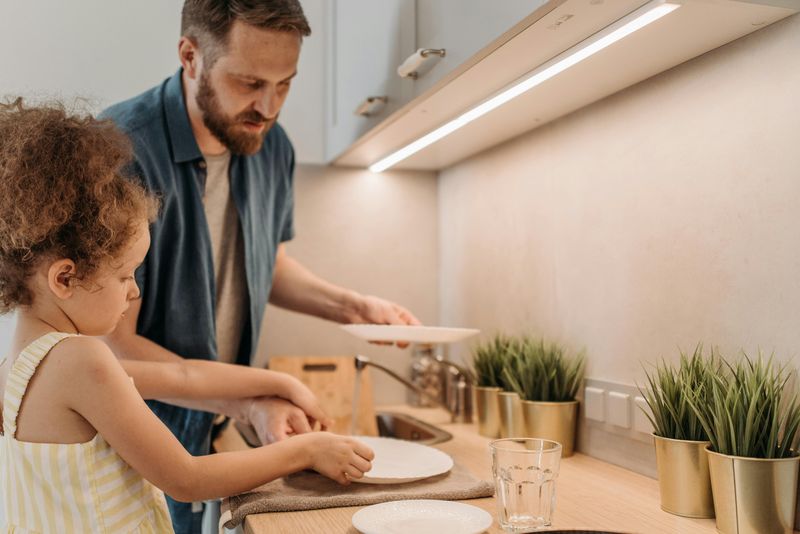
There’s a big difference between helping when asked and noticing something needs to be done and just doing it.
When a woman has to ask for help, it adds one more thing to her mental load—the task of delegating.
Stepping in without a reminder shows awareness and genuine partnership.
It says, “I see what’s going on around us, and I care enough to act on it.”
This kind of proactive effort is often cited by women as one of the most meaningful things a partner can do.
It’s not about being perfect—it’s about being present and paying attention.
12. Attraction Grows—or Fades—Based on Effort
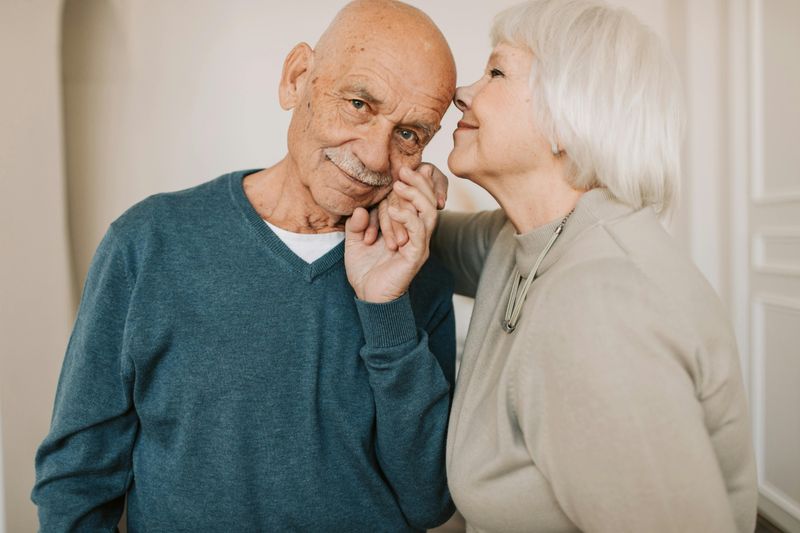
Physical attraction doesn’t disappear overnight, but it does respond to effort.
Feeling emotionally disconnected, taken for granted, or consistently deprioritized can quietly chip away at attraction over time.
On the flip side, feeling seen, respected, and genuinely pursued keeps it alive.
Attraction in long-term relationships is less about looks and more about how someone makes you feel day to day.
Continuing to invest in the relationship—planning things together, showing affection, staying curious about each other—keeps the spark from becoming background noise.
Complacency is usually what dims attraction, not time itself.
13. Conflict Can Actually Bring You Closer

Avoiding conflict entirely doesn’t mean a relationship is healthy—it often means important things are going unsaid.
Women frequently want to work through disagreements because resolution brings closeness, not distance.
Running from hard conversations or shutting down when things get uncomfortable leaves issues unresolved and resentment to build quietly.
Healthy conflict means staying in the conversation, even when it’s uncomfortable, and genuinely trying to understand the other person’s point of view.
Getting through a difficult conversation together and coming out on the other side with more understanding?
That’s not a fight—that’s growth.
14. Feeling Valued Is What It All Comes Down To
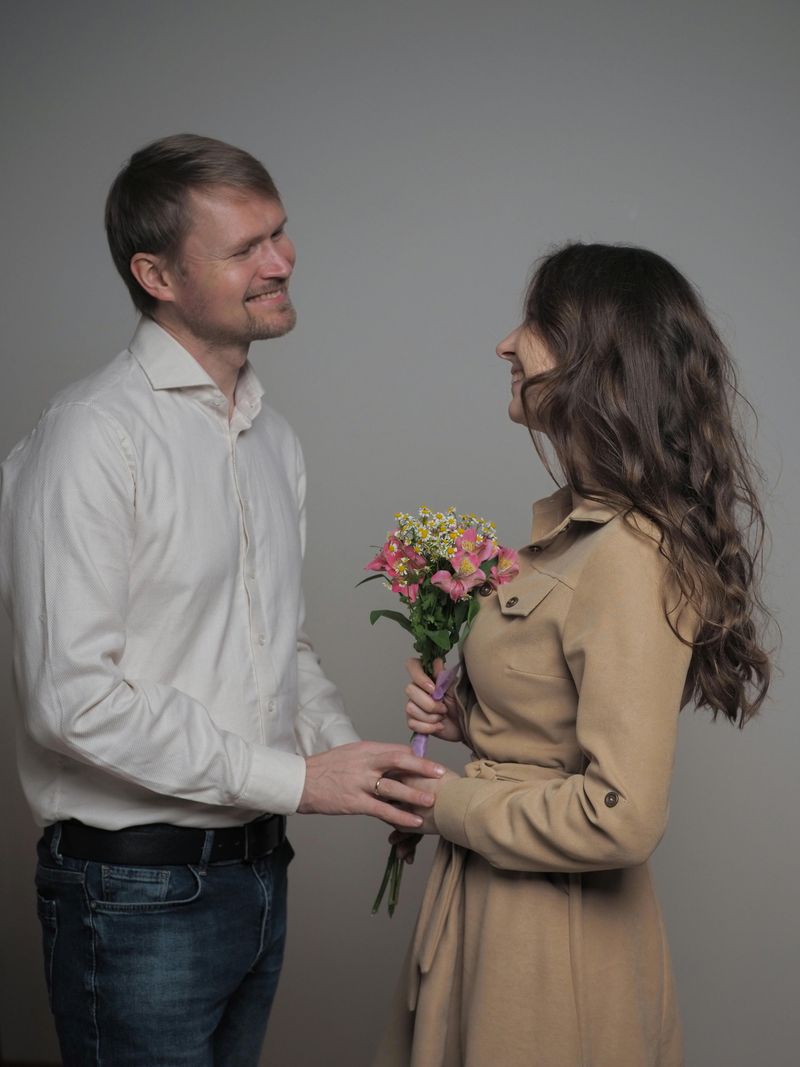
Strip everything else away and this is what most women are really looking for: to feel like they matter.
Not just in big declarations, but in the way you prioritize them, speak about them, and treat them when life gets busy or stressful.
Feeling valued means knowing that your presence in someone’s life is genuinely appreciated—not just expected.
When that feeling is present, everything else in a relationship tends to function better.
When it’s missing, even the good parts start to feel hollow.
Making someone feel valued costs nothing and changes everything.
15. Validation Doesn’t Require You to Agree

Here’s something that trips a lot of people up: you can validate someone’s feelings without agreeing with their take on a situation.
Validation simply means acknowledging that what she feels is real and makes sense from where she’s standing.
It’s not about surrendering your perspective—it’s about making space for hers.
Saying “I understand why that upset you” doesn’t mean you’re wrong or she’s right.
It means you’re choosing connection over being correct.
That shift alone can defuse more arguments than any logical counterpoint ever could, and it costs absolutely nothing to offer.