 MomSkoop
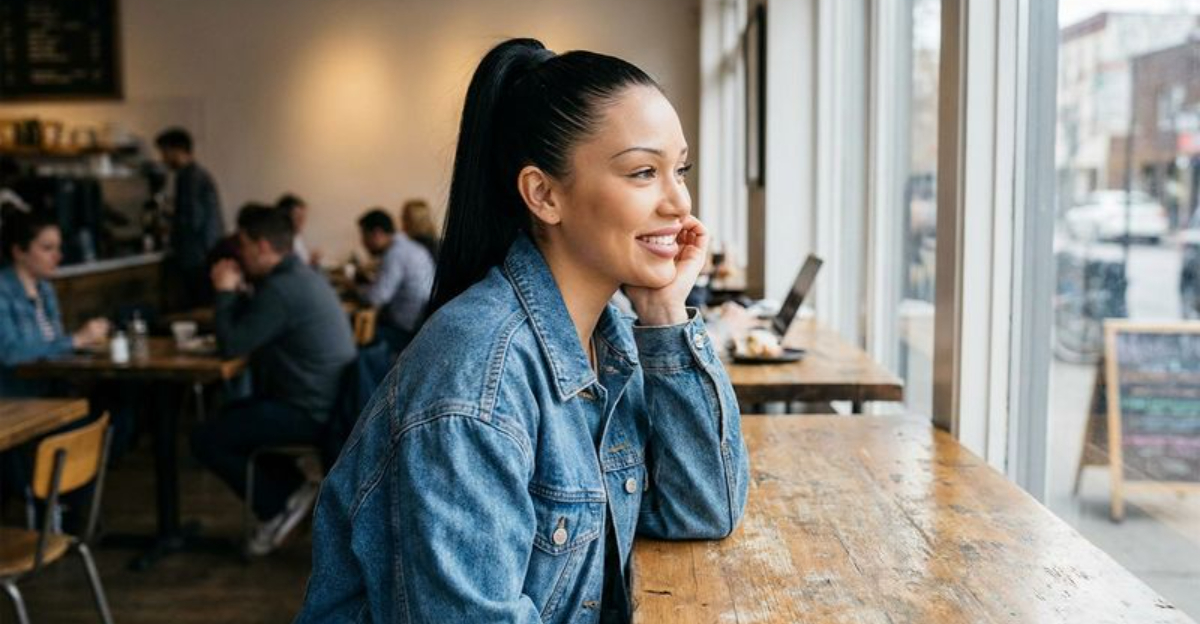
Hair trends come and go faster than most of us can keep up with, and some styles that once felt totally fresh are now starting to fade into the background. You might not notice it right away, but certain cuts and looks are slowly being replaced by softer, more relaxed versions.
Whether you are thinking about a change or just curious about what is in and what is out, knowing which hairstyles are losing their cool factor can help you make smarter choices at the salon.
1. Ultra-Blunt Bob
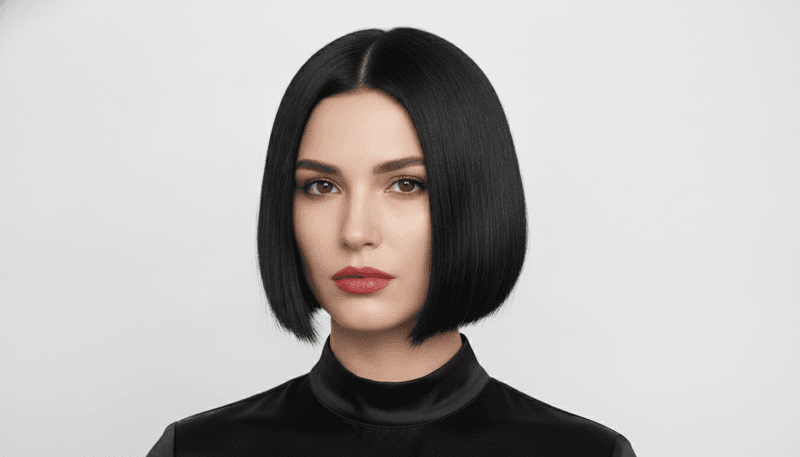
There was a time when the ultra-blunt bob felt like the ultimate power move.
Walk into any salon in the early 2010s, and it seemed like everyone was asking for that perfectly sharp, one-length cut with zero texture.
It had an edgy, confident look that photographed beautifully.
But today, that severe precision is starting to feel a little stiff.
Stylists are noticing clients moving away from razor-sharp ends toward something with a bit more life.
Soft, layered bobs with subtle movement are taking the spotlight.
The new goal is a bob that looks effortless rather than perfectly engineered, giving hair a natural, flowing feel that works for real everyday life.
2. Heavy Side-Swept Bangs
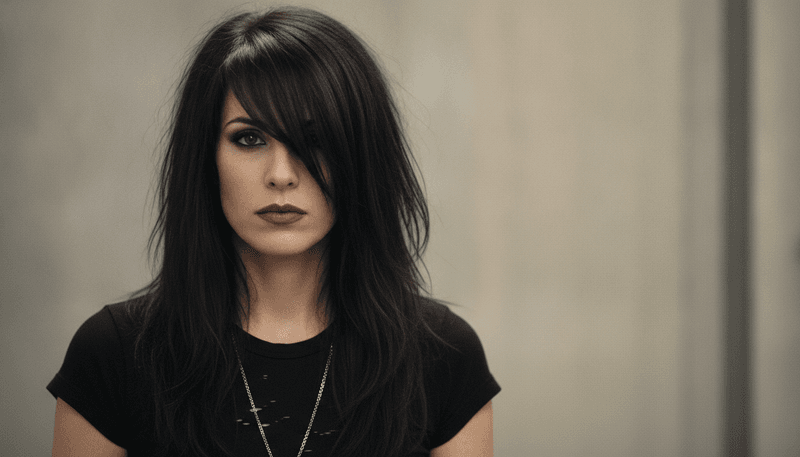
If you grew up watching music videos in the late 2000s, you probably remember the heavy side-swept fringe that covered half a person’s face.
It felt mysterious, dramatic, and incredibly cool at the time.
Celebrities and teens alike were rocking this look everywhere.
Fast forward to now, and that dramatic swoop has largely disappeared from modern style boards.
Curtain bangs, wispy fringe, and relaxed center parts have taken over, offering a softer and more face-friendly alternative.
The heavy side fringe can actually make faces look unbalanced and block natural features.
Today’s bang trends lean into symmetry and airiness, letting your whole face shine rather than hiding behind a thick diagonal wall of hair.
3. Long, Pin-Straight Hair With No Layers
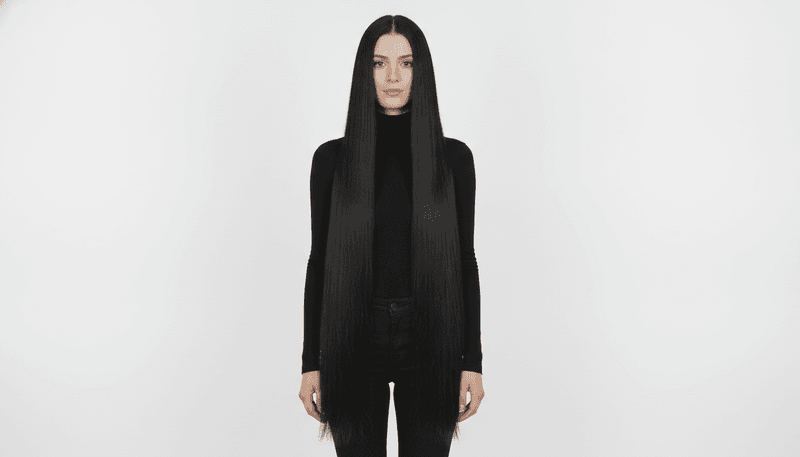
Flat irons were basically the hottest tool of the 2000s, and achieving perfectly pin-straight hair with zero texture was the dream.
Hours were spent pressing every strand into submission, chasing that sleek, one-length curtain of hair.
It looked polished, sure, but also a little lifeless.
Layered haircuts that allow natural movement and volume have become the modern preference.
Stylists now focus on working with hair’s natural texture rather than fighting against it, which is also much healthier for your strands in the long run.
Heavy flat iron use causes serious damage over time.
Giving your hair some shape through layers creates depth and dimension that flat, one-length styles simply cannot achieve, no matter how shiny the finish.
4. Overly Choppy Shag Cuts
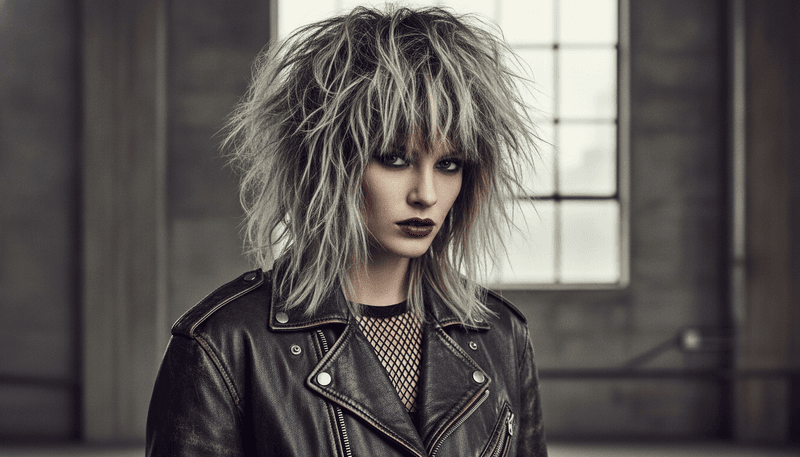
The wolf cut brought the shag back into mainstream conversation, and for good reason.
Layered, lived-in shags can look incredibly cool when done well.
But somewhere along the way, some versions went a little too far into choppy territory, with heavily razored ends that looked more chaotic than intentional.
Extremely jagged shag cuts are now being replaced by softer, blended versions that still carry that effortless energy without looking shredded.
Hairstylists are opting for point-cutting techniques that create texture without sacrificing the overall shape of the style.
The goal has shifted from maximum choppiness to maximum wearability.
A well-blended shag should look like you rolled out of bed looking cool, not like someone took scissors to your hair randomly.
5. The High, Tight Ballet Bun for Everyday Wear

Ballet buns have a timeless elegance that will never fully disappear from formal occasions and dance studios.
But wearing an ultra-sleek, tight bun pulled high on your head as a casual, everyday hairstyle?
That very specific look is quietly fading from everyday fashion.
Relaxed low buns, messy topknots, and textured updos have become the go-to options for casual days.
They feel more approachable and less severe, which matches today’s overall preference for effortless styling.
Plus, constantly pulling hair into a tight high bun can cause traction alopecia over time, a real concern that more people are becoming aware of.
Looser styles are not just trendier right now, they are genuinely better for your hair health in the long run.
6. Heavy, Thick Blunt Bangs
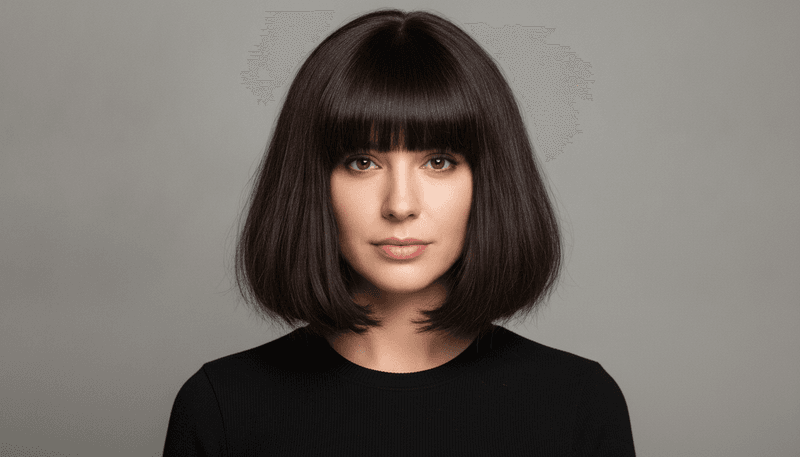
Dense, eyebrow-covering blunt bangs had a major moment, and honestly, they looked stunning on the right face shape.
There is something bold and artistic about a thick fringe that frames the forehead so dramatically.
But maintaining them is another story entirely.
They require frequent trims, constant styling, and can be a sweaty nightmare in warm weather.
Lighter curtain bangs and airy, textured fringe have swooped in as the more practical and universally flattering alternative.
Curtain bangs in particular have exploded in popularity because they soften the face without demanding so much upkeep.
The shift is really about finding styles that work with your natural hair growth and daily routine, rather than styles that constantly fight against both.
7. Extreme A-Line Bobs
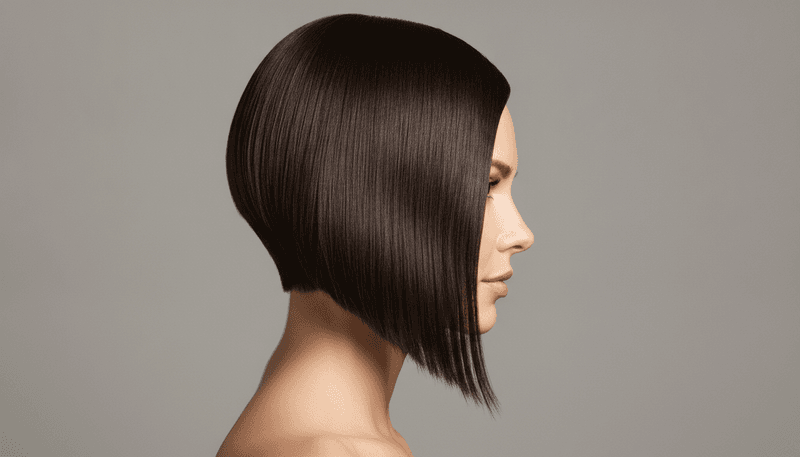
At its peak, the extreme A-line bob felt like a geometric work of art.
The dramatic contrast between the ultra-short back and the long, sweeping front panels created a silhouette that turned heads.
It was a statement cut that demanded attention and confidence to pull off.
Over time, though, that severe angle started to feel more dated than daring.
More balanced bob cuts, where the length difference between front and back is subtle rather than extreme, have taken over the conversation.
Modern bobs prioritize wearability and versatility, making it easier to style in multiple ways.
The extreme A-line can also be tricky to grow out gracefully, which is another reason people are gravitating toward more balanced, adaptable alternatives these days.
8. Uniform Beach Waves
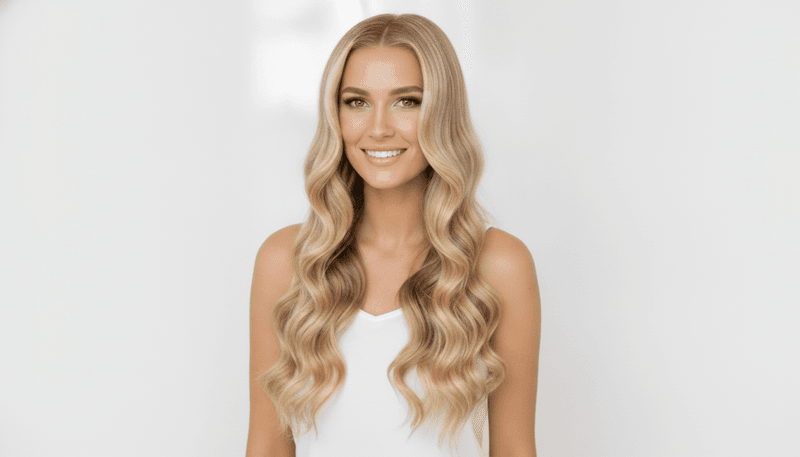
Beach waves became the unofficial hairstyle of the 2010s.
Every tutorial promised the same thing: perfect, uniform waves that looked like you just stepped off a yacht.
Curling irons, wands, and flat irons were all marketed toward achieving that identical, repeating wave pattern.
Here is the funny thing though, real beach hair never actually looks that uniform.
Natural ocean waves create random bends, varying textures, and sections that dry differently.
That authentic, imperfect look is exactly what people are chasing now.
Looser, more organic waves with varied texture and lived-in feel have replaced the cookie-cutter curl pattern.
Stylists encourage clients to embrace natural movement and use lighter products that enhance rather than overdefine, creating waves that feel genuinely effortless instead of obviously engineered.
9. Excessively Teased Volume
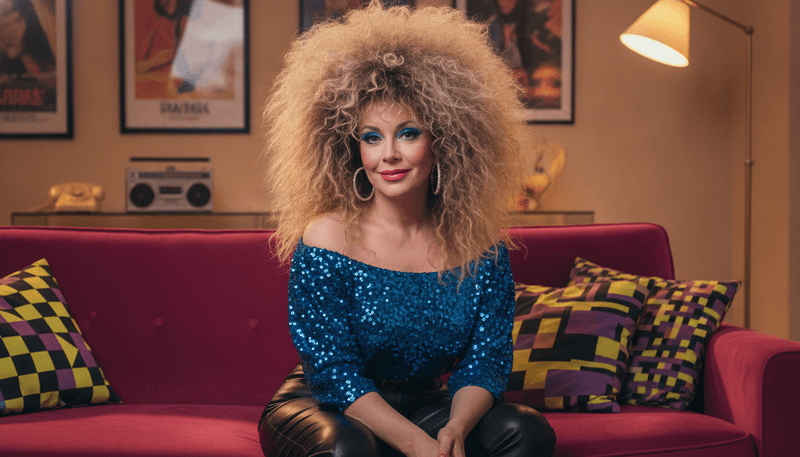
Big, teased hair carries a certain nostalgic charm.
There is no denying that the sky-high volume of earlier decades had its own kind of theatrical glamour.
Backcombing and hairspray created styles that defied gravity and demanded attention from across the room.
Today, that level of volume reads more as costume than current fashion.
Softer, healthier-looking fullness has replaced the stiff, heavily teased aesthetic.
Voluminous blowouts that move naturally, loose waves with body, and styles that look touchable rather than shellacked are what stylists are creating now.
The key shift is from manufactured, product-heavy volume to hair that looks genuinely full and healthy.
Lighter styling products and techniques that work with your hair’s natural texture create lasting results without the damage that excessive backcombing causes.
10. Very Long Hair With No Shape
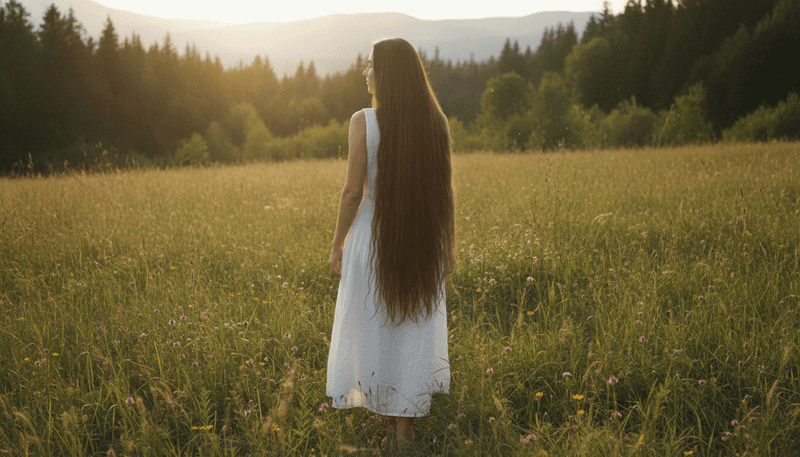
Rapunzel-length hair will always have its admirers, and growing hair past the waist is a genuine commitment that deserves respect.
But wearing extremely long hair with absolutely no shaping, no layers, and no face-framing is a look stylists are increasingly steering clients away from.
Without any shape, very long hair can actually look flat and heavy, dragging the face downward rather than flattering it.
Even subtle face-framing layers or light shaping around the ends can completely transform the way long hair looks and moves.
The modern approach to long hair is about working smarter with what you have.
A few strategic layers can add movement and dimension that makes the same length of hair look ten times more intentional and polished in everyday situations.
11. Undercut Pixies With Sharp Shaved Sides
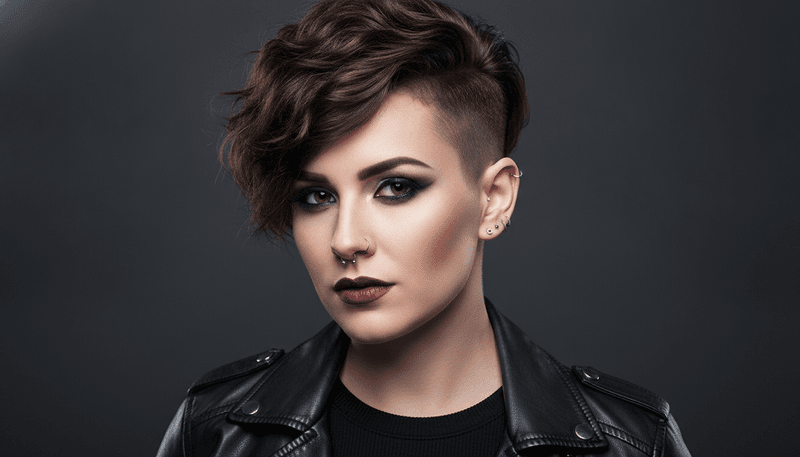
When undercut pixies first hit the mainstream, they felt revolutionary.
Shaving the sides while keeping length on top created a striking contrast that felt rebellious and fashion-forward.
Plenty of bold, style-savvy people rocked this look with serious confidence and flair.
But dramatic undercuts have gradually moved out of the mainstream spotlight.
Softer pixie cuts and the rising bixie, a hybrid between a pixie and a bob, are capturing more attention in salons today.
These styles offer the same short-hair energy without the high-maintenance upkeep that shaved sides require.
Undercuts grow out awkwardly and need very frequent trimming to stay sharp.
Softer shapes are simply easier to live with and offer more flexibility as your hair grows through different stages between cuts.
12. Perfectly Slicked-Back Ponytails for Casual Wear
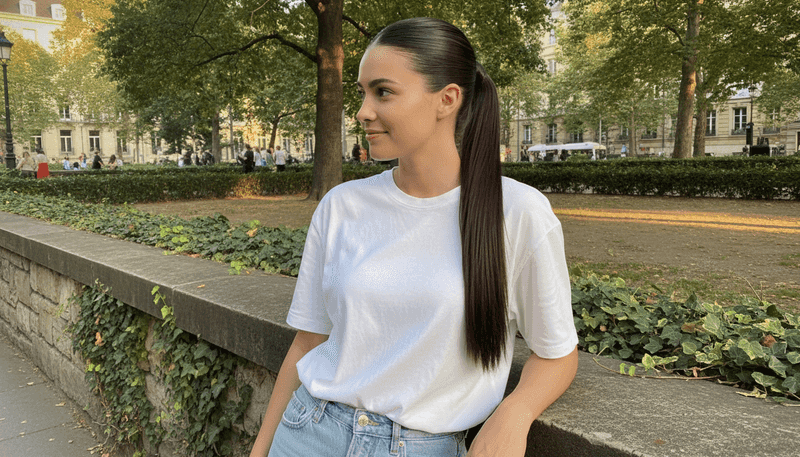
The glass ponytail, so named for its mirror-smooth, flyaway-free finish, became a social media sensation almost overnight.
Achieving it required generous amounts of gel, edge control, and sometimes even a toothbrush to tame every last strand.
The result was undeniably sleek and editorial.
For red carpets and formal events, that polished perfection still makes sense.
But as an everyday casual style, the ultra-slicked ponytail is being replaced by relaxed versions with natural texture and a little looseness at the crown.
Casual ponytails with soft, natural movement feel more approachable and modern for daily wear.
There is also growing awareness around the scalp tension that extremely tight, slicked styles create over time, making the more relaxed alternative both trendier and genuinely healthier for your hair.