 MomSkoop
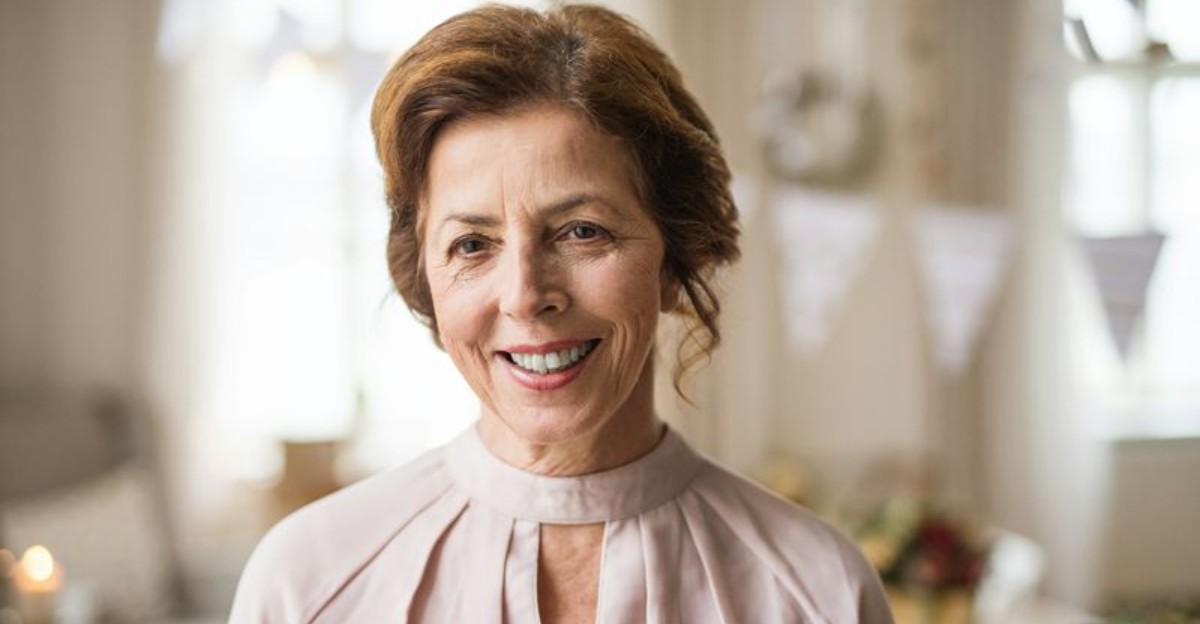
Gray hair has less pigment than it used to, so it often reflects light in a cooler, softer way. That shift can change how your skin tone reads in a mirror, even when your skin hasn’t changed much at all. Colorists often reach for golden, copper, and red-brown tones to bring some of that glow back toward the face. I love that the fix can be as small as a gloss or a few face-framing highlights instead of a full color overhaul.
The fun part is that warmth comes in many flavors, from pale and buttery to deep and spicy. Your eye color, your skin’s undertone, and how much gray you want to keep can all shape which shade suits you best. So which tone matches your face, your budget, and your patience for salon visits? I find that question far more interesting than any rule about what people of a certain age should wear on their heads.
1. Honey Blonde
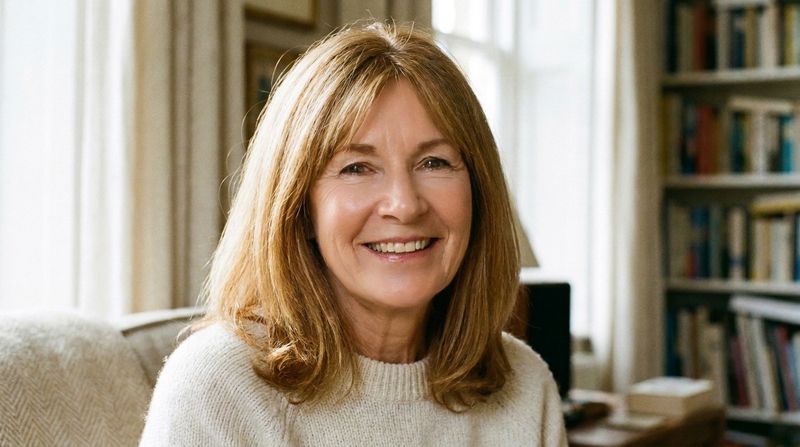
Honey blonde sits right between pale gold and soft amber, which makes it friendly to a lot of faces.
The golden notes bounce light back toward your skin, so the area around your cheeks can look brighter.
One big perk is how well it plays with gray.
Silver strands tend to blend into the lighter pieces instead of standing out like stray threads, which can stretch the time between appointments.
Honey blonde usually works best as a mix of shades rather than one flat color.
Ask your colorist for a few lighter ribbons near your face and slightly deeper tones underneath.
That layering gives the hair movement, and it can make fine hair look fuller.
Warm and neutral undertones often pair nicely with this shade.
If your skin leans pink or cool, a softer honey with a touch of beige can keep things balanced.
Upkeep matters here, since blonde can turn brassy or dull over time.
A gloss every couple of months and a color-safe shampoo help keep the gold looking intentional instead of faded.
Think of it as a sunny weekend that never quite ends, just with a few more salon chairs involved.
2. Caramel
Some shades taste as good as they look, at least in name.
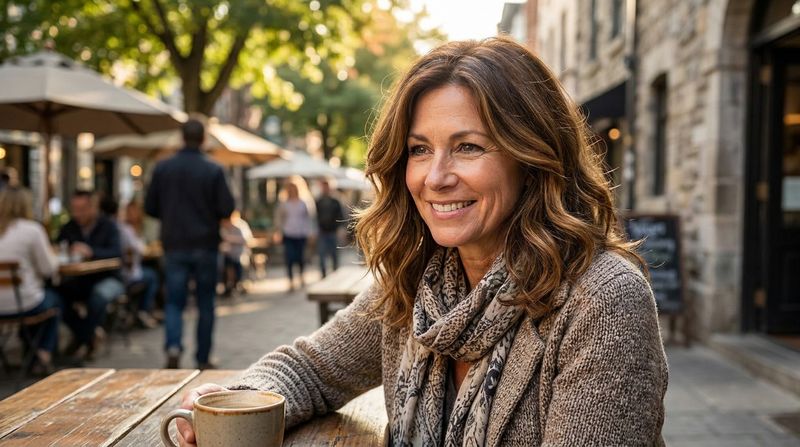
Caramel is a golden light brown that lands somewhere between blonde and brunette, and it’s often blended into a brown base.
That blending is the secret.
Caramel pieces woven through darker hair create contrast without the harsh lines of chunky highlights, so grow-out tends to look softer.
Around the face, caramel can soften the overall look.
The golden tone adds a hint of color near the skin, which can help if your complexion looks a little gray or tired in winter light.
This shade is a smart pick if you’re nervous about going too light.
You keep the depth of brown while adding brightness where it counts, usually around the hairline and the ends.
Here are a few ways to wear it:
Try balayage for a soft, hand-painted effect that grows out gently.
Go for babylights if you want something fine and subtle.
Pick a full caramel shade if your natural color is already light brown.
Caramel also suits many skin tones, from fair to deep.
Your colorist can push it more golden or more beige depending on what flatters you.
3. Golden Blonde
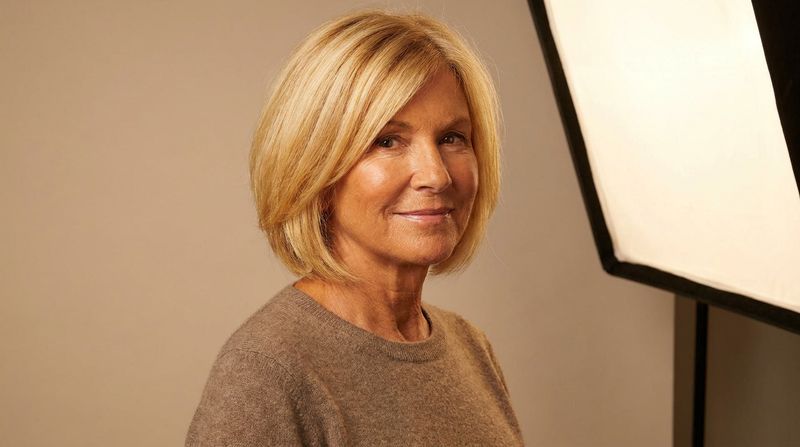
Gold is the boldest member of the blonde family, and it doesn’t apologize for it.
Golden blonde leans yellow-gold rather than ashy, and that’s exactly why it can bring color back to the face.
Skin with golden, peachy, or olive undertones often matches this shade well.
The hair echoes the tones already in your skin, so the whole look feels connected instead of pieced together.
Cool or very pink skin may need a gentler version.
A golden blonde softened with some beige can keep you from looking flushed.
Brows deserve attention with this color.
If your hair suddenly goes much lighter, a brow pencil or tinted gel in a soft light brown keeps your face from looking washed out.
Makeup can join the party too.
Peach or coral blush and bronze eyeshadow often look natural next to golden hair.
Like other blondes, this one fades and shifts.
Purple shampoo is usually meant to cancel yellow, so use it sparingly here, or you’ll mute the very gold you paid for.
A golden or clear gloss is often a better friend between salon visits, keeping the shine fresh and the tone right where you want it.
4. Buttercream Blonde
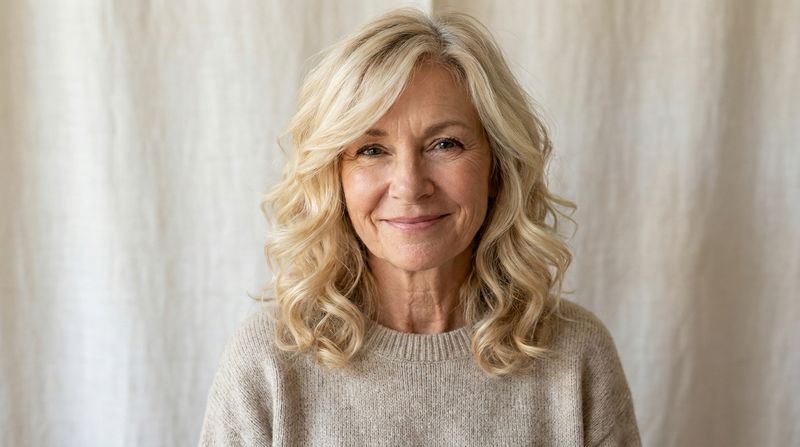
Buttercream blonde sounds like a cake frosting, and honestly, the comparison fits.
It’s a soft blonde with a creamy, golden base that feels lighter and gentler than a bold yellow gold.
The appeal is balance.
You get brightness from the pale tones and a little warmth from the buttery base, so the color doesn’t look stark against the skin.
Many people like it because it pulls attention toward the hair’s shine and movement.
Soft color near the face can feel less harsh than a very icy platinum, which sometimes looks severe in daylight.
Layers help this shade show off.
Cuts with movement, like soft shags or face-framing layers, let the lighter and creamier tones catch light at different angles.
Getting there may take more than one session, especially if your hair is naturally dark.
Lifting hair takes time, and rushing it can leave strands dry or brittle.
Care is simple but important.
Use a moisturizing conditioner, keep hot tools on lower heat, and book a toner refresh when the creaminess starts drifting toward brassy.
A heat protectant spray is a small habit that pays off for light blondes.
5. Strawberry Blonde
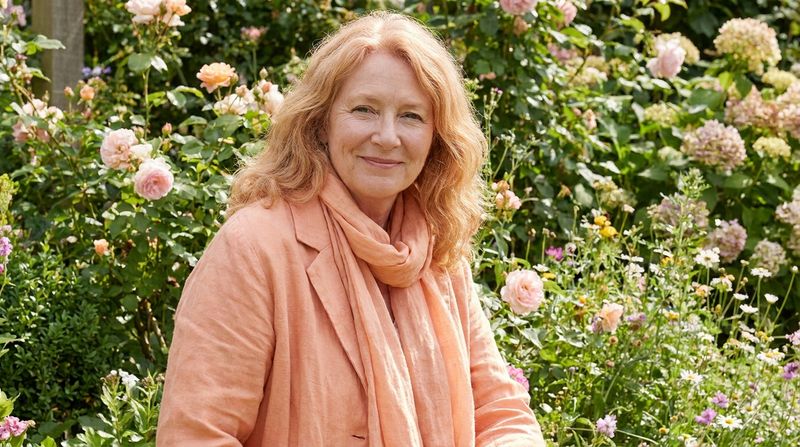
Red hair without the full commitment?
Strawberry blonde might be your answer.
It blends blonde with a light wash of red, often landing in a peachy apricot zone.
The red tones can add a rosy touch to pale or sallow skin.
That subtle flush near the face is a big part of its charm.
Because it’s soft, strawberry blonde can work on fair and neutral skin, and some cooler tones too.
The key is choosing how much red and how much gold go into the mix.
If you’re testing the waters, a semi-permanent gloss is a friendly first step.
It adds tone without a major lift and fades over a few weeks, so you’re not locked in.
Red pigments are known for fading faster than many other shades.
Cooler water, color-safe shampoo, and fewer wash days help the peachy tone stick around longer.
Your wardrobe might get a new spark as well.
Creams, camel, olive green, and soft denim often look lovely next to this hair color.
Keep an eye on blush.
A peach or apricot cheek color usually looks more natural than a bright pink with this shade.
6. Soft Copper
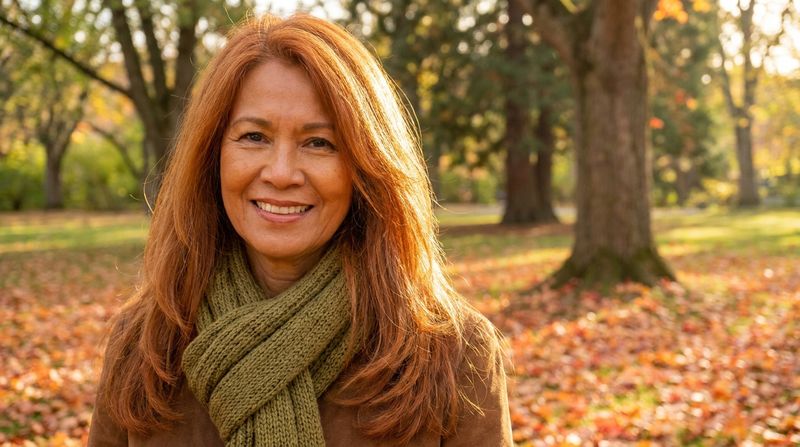
Copper gets a reputation for being loud, but the soft version speaks in a calmer voice.
It mixes ginger, light brown, and a touch of blonde into a gentle, glowing shade.
The nuance is what makes it wearable.
Instead of a bright penny color, you get a muted copper that reflects light and adds a lift around the face.
Golden and olive undertones often look great with soft copper.
Green, hazel, and brown eyes can also stand out against it, which is a fun bonus.
Gray coverage can be tricky with reds, since gray strands sometimes grab color unevenly.
A skilled colorist may suggest a demi-permanent formula or a blend of shades so the result looks smooth.
Fading is the main chore with copper.
Color-depositing conditioners in copper tones can help keep the shade lively between visits, and they’re easy to use at home.
Sunlight can also dull red tones over time.
A hat on bright days or a leave-in product with UV filters adds some protection.
Start lighter if you’re unsure.
You can always deepen copper later, but stripping red back out takes far more work.
7. Auburn
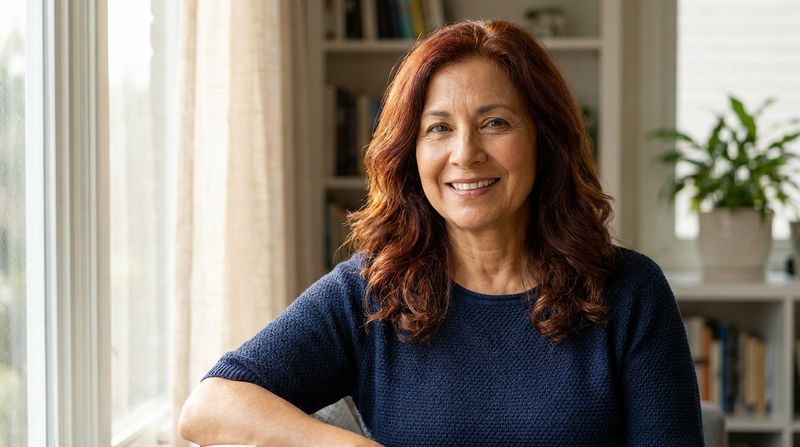
Auburn has been a favorite of portrait painters for centuries, and you can see why.
The mix of red and brown gives hair depth and a rich shine.
This shade sits darker than copper and redder than chestnut.
That middle ground makes it feel bold but still grounded.
Auburn can help counter a sallow look in the skin.
The red tones bring a bit of color near the face, which can be especially nice on medium skin tones.
Dimension makes auburn look its best.
Ask for a slightly lighter red-gold through the top layers and a deeper base underneath, so the color looks full instead of flat.
Like other reds, it fades.
Plan on gloss appointments, and wash with cool water when you can.
Clothing choices can play along.
Navy, teal, forest green, and cream are lovely next to auburn, while some bright pinks may clash.
Brows matter here too.
A soft brown with a hint of red keeps your face looking connected to your new hair.
If you have lots of gray, discuss coverage goals honestly with your colorist.
Full coverage and blended coverage need different plans and different upkeep schedules.
8. Warm Chestnut Brown
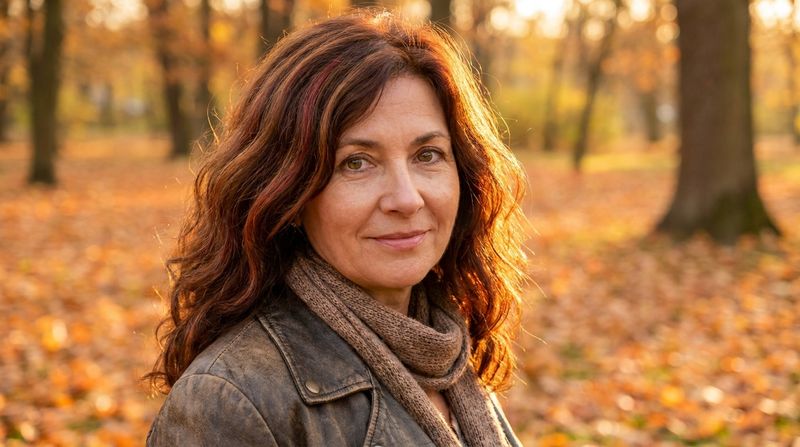
Chestnuts roasting on an open fire inspired a song, and the shade they inspired deserves a little praise too.
Warm chestnut brown is a medium to dark brown with hints of red and gold.
Those undertones keep it from looking flat.
In sunlight, you’ll see flashes of color that make the hair seem shinier and fuller.
This is a flexible choice for many people.
It softens features, and it can make brown, green, and hazel eyes look brighter.
Gray blending is another plus.
Fine highlights or a demi-permanent gloss can help silver strands melt into the chestnut base, so roots show up less sharply as they grow.
If your natural hair is already brown, chestnut may feel like an upgraded version of your own color.
That makes it a gentle switch if dramatic changes make you nervous.
To keep it rich, use a color-safe shampoo and consider a shine treatment every few weeks.
Brown can turn dull or slightly orange over time, and a gloss usually fixes that quickly.
Gold jewelry often looks fantastic with this shade.
So do rust, olive, and camel clothing for fall.
9. Warm Chocolate Brown
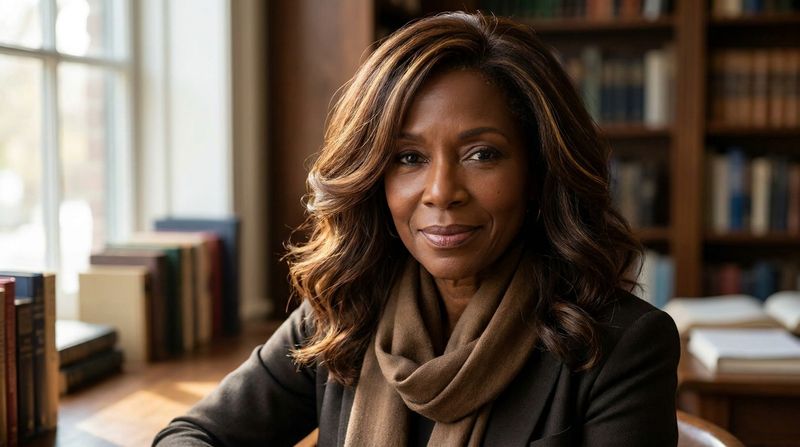
Dark chocolate and milk chocolate both have fans, and hair is no different.
Warm chocolate brown adds golden and red undertones to a deep brunette base.
The result looks glossy and dimensional instead of solid.
That matters, because very dark, flat color can look heavy or harsh next to the face.
Picking a warmer chocolate gives the eye something to follow.
A few caramel or reddish highlights can add even more movement while keeping the overall color deep.
This shade can suit a wide range of skin tones, including deeper complexions.
It’s also a natural choice if you’ve had dark hair your whole life and aren’t ready to go lighter.
Gray roots can show quickly against deep brown.
Root touch-up sprays or powders are handy for stretching time between salon visits, especially before a big event.
Shine is the real reward here.
A clear gloss or shine serum helps the hair reflect light, which can add brightness without changing the color.
Consider going a shade or two lighter than your youthful natural color.
Many colorists suggest this softer approach, and it often looks more flattering next to the skin.
10. Toffee Brown

Sweet tooth, meet hair goals.
Toffee brown blends brown with caramel tones, landing on a sun-kissed brunette look.
It’s a bit lighter and more golden than chocolate.
That extra brightness can make the face look more lit up, especially in photos.
Toffee works nicely if you want warmth without stepping fully into blonde.
The mixed tones can make hair appear fuller and add movement to straight styles.
Try pairing it with a cut that has soft layers.
The lighter strands show off better when hair moves, and layers help prevent a heavy, blocky shape.
Here’s a practical tip: ask your colorist to place the lightest pieces near your face.
That’s where the brightness matters most, and it can make grow-out less noticeable on the back of your head.
Toffee brown is also friendly to gray.
Silver strands can read like extra highlights rather than unwanted roots.
For care, a color-safe routine and occasional gloss keep the caramel notes from fading into plain brown.
Heat protectant helps too, since hot tools can dull the shine.
Treat it a little like candy: enjoy it, but give it some care.
11. Cinnamon Brown
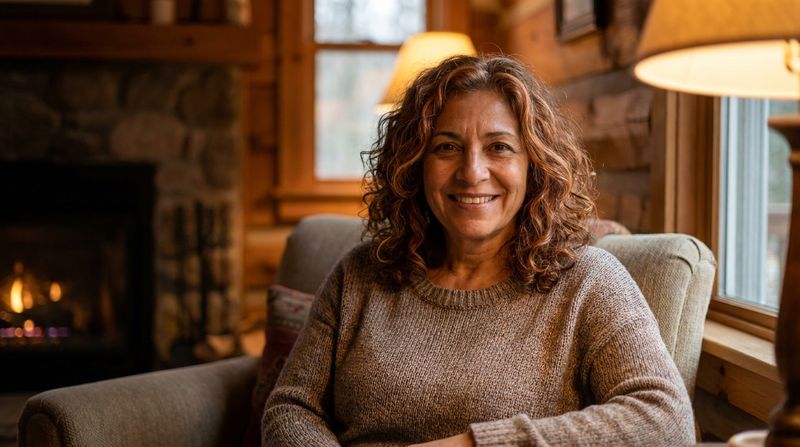
A pinch of spice can change a whole recipe.
Cinnamon brown mixes light brown with golden and copper tones for a shade that feels rich but natural.
It’s a great middle path for people with deep brown hair.
You get noticeable warmth without moving into blonde, which keeps upkeep more manageable.
The copper hint can bring color to the skin.
On olive and golden undertones, it often looks especially balanced.
Curly and wavy hair can show this shade beautifully.
Light catches the curves of each curl, so the copper and gold notes appear and disappear as you move.
If you’re coloring over gray, expect some variation in how strands take the tone.
That’s not always a problem, since a little variation can look like natural dimension.
Keep the spice fresh with a copper or warm brown color-depositing conditioner.
Use it once a week or as directed, and you’ll extend the life of your color.
Makeup is easy with cinnamon brown.
Terracotta blush, bronze eyeshadow, and brick lip colors tend to look natural with it.
A cinnamon shade might also make fall sweaters even more fun to wear.
12. Golden Brown
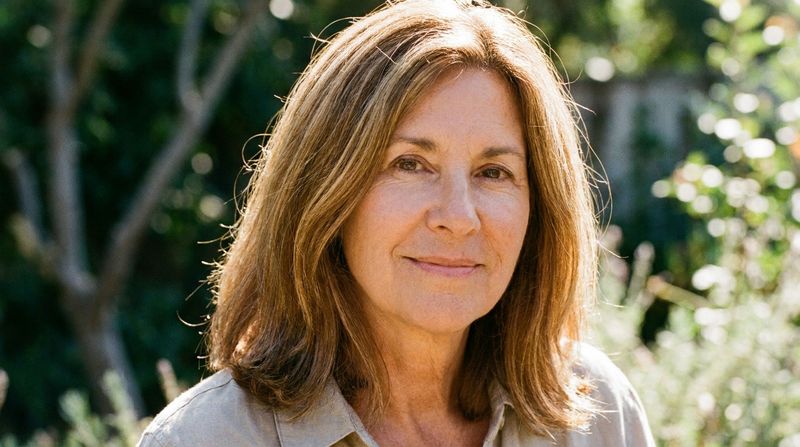
Golden brown is what happens when dark blonde and light brown decide to share.
It mixes a soft brown base with golden highlights and lowlights.
The highlights catch light, while the lowlights add depth.
Together they create a soft glow around the face that can look fresh and natural.
Warm skin tones tend to shine with golden brown.
The gold in the hair echoes the gold in the skin, giving the whole face a cohesive look.
It’s also one of the easier shades to maintain.
Because it sits close to many natural colors, roots blend in more gently than they do with dark or very light shades.
Gray hair can mix right in, too.
A few silver strands next to golden highlights often look like extra brightness rather than a missed appointment.
Ask for a gloss if your color starts looking dull.
A golden or clear gloss can restore shine in one quick visit.
One last idea: bring photos to your appointment that show the shade in natural daylight.
Salon lighting and filtered pictures can be misleading, and seeing real light helps you and your colorist agree on the glow you want.